Attractions and Places To See around Wassenach - Top 20
Best attractions and places to see around Wassenach, a municipality in the district of Ahrweiler, Rhineland-Palatinate, Germany, offers a blend of natural beauty and historical sites. Situated at an elevation of 288 meters, the area is characterized by traditional houses nestled amidst dense forests and rolling hills. Its distinctive geographic profile and environmental setting make it a notable destination for outdoor exploration.
Best attractions and places to see around Wassenach
- The most popular attractions is Trass Caves Brohltal, a…
Last updated: September 27, 2026
Trass Caves Brohltal
Highlight • Cave
Translated by Google •
Tip by

Wolf Gorge Waterfall and Trass Cliffs
Highlight (Segment) • Gorge
Translated by Google •
Tip by

Sign up now to discover places like this
Get recommendations on the best single tracks, peaks, & plenty of other exciting outdoor places.
Rhine Riverside Promenade, Bad Breisig
Highlight • Cycleway
Translated by Google •
Tip by

Trass caves
Highlight • Cave
Translated by Google •
Tip by

Laacher Lake
Highlight • Lake
Translated by Google •
Tip by

Sign up for free to discover even more attractions around Wassenach.
Already have an account?
Start today with a free account
Your next adventure awaits.
Tips from the Community

But please note that the promenade in the city center is not allowed to be used by bicycle.
4
0

Bonn isn't bad, but further south in Remagen and Bad Breisig is worth it. Restaurants, cafes, and ice cream parlors. Just go there.
6
0

beautiful promenade with nice restaurants right on the promenade and a car-free bike path
6
0

drive into the district of Ariendorf. There is a very beautiful, old, inhabited building there.
8
0

A beautifully developed bike path.
7
0

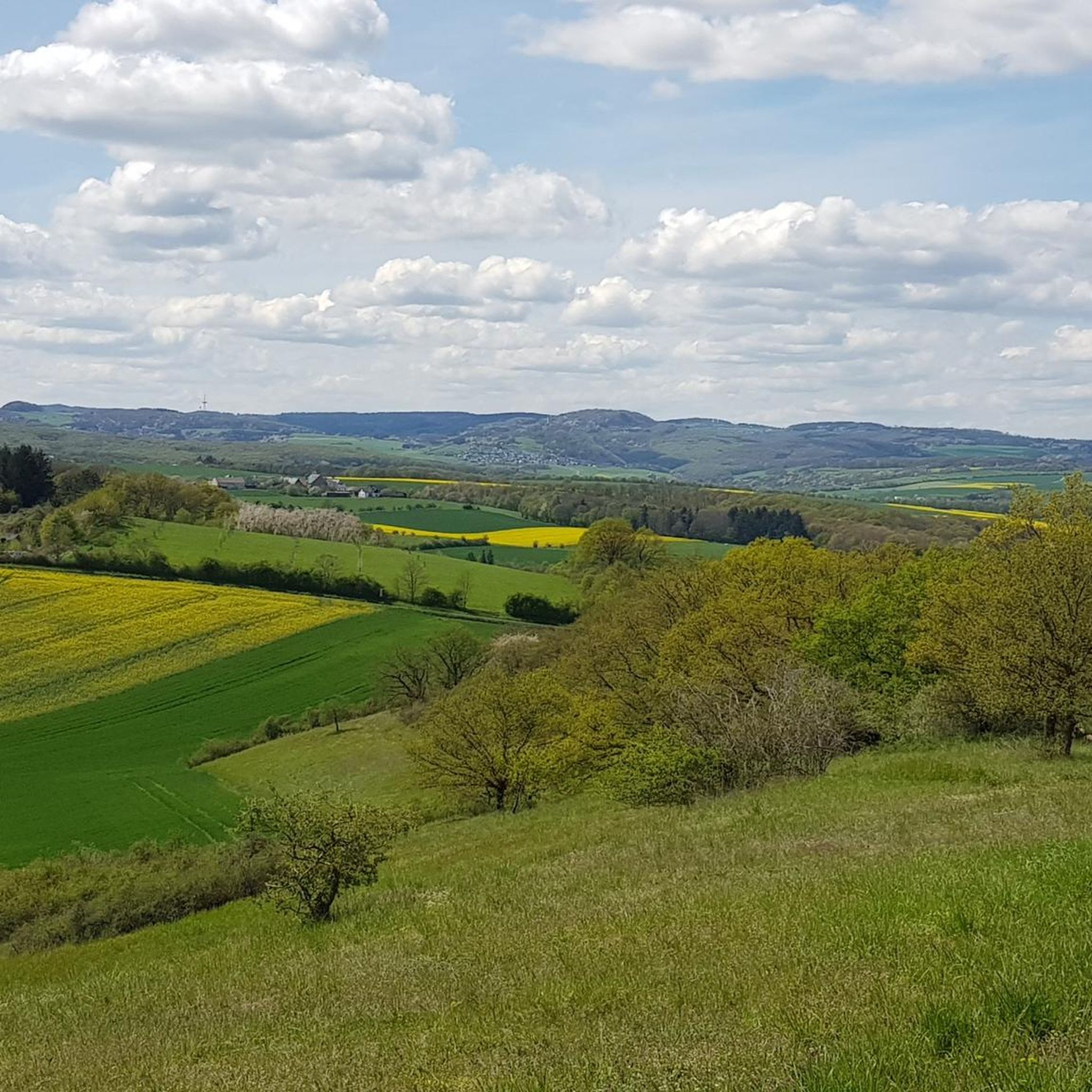
Mighty rock faces, trass caves to be explored, jungle atmosphere in the Wolfsschlucht with a unique waterfall and bubbling springs along the way. The alternation between dreamy stream valleys and panoramic views is impressive.
11
0

Nice bike route along the Rhine. Highly frequented only on weekends / when the weather is nice.
8
0

Great bike tour on the Rhine
7
1
Frequently Asked Questions
What unique natural features can I explore around Wassenach?
The region around Wassenach is rich in natural wonders. You can explore the fascinating Trass Caves Brohltal, formed by volcanic eruptions, which offer a glimpse into the area's geological past. Another highlight is the Waterfall in the Wolfsschlucht, providing a wild, jungle-like atmosphere. Additionally, the nearby Laacher See, the largest volcanic Eifel lake, offers stunning views and a beautiful circular hiking path.
Are there historical sites to visit near Wassenach?
Yes, Wassenach and its surroundings have a rich history. The Trass Caves Brohltal are not only a natural wonder but also a historical site where Romans and later the Dutch mined trass for construction. The Roman Quarries of Mauerley are also along the Trasshöhlenweg. Furthermore, the significant Benedictine monastery, Maria Laach Abbey, is located near Laacher See.
What outdoor activities are popular around Wassenach?
The area is excellent for various outdoor activities. Hiking is very popular, with trails like the one leading to the Waterfall in the Wolfsschlucht. Cycling is also a great option, especially along the Rhine Riverside Promenade, Bad Breisig. For more detailed routes, you can find numerous options for hiking and mountain biking in the area. Explore more routes on the Hiking around Wassenach and MTB Trails around Wassenach guide pages.
Are there family-friendly attractions or activities in the Wassenach area?
Yes, several attractions are suitable for families. The Trass Caves Brohltal are considered family-friendly and offer an exciting experience for all ages. The natural beauty of the Wolf Gorge and the Laacher See also provide opportunities for family walks and exploration. The Rhine Riverside Promenade, Bad Breisig is easily drivable and offers a pleasant outing for families with children.
What is the best time of year to visit Wassenach for outdoor activities?
The region around Wassenach is beautiful throughout the year, but for outdoor activities like hiking and cycling, spring, summer, and early autumn generally offer the most pleasant weather. During these seasons, the trails are typically clear, and the natural landscapes are vibrant. Weekends can be crowded at popular spots like the Wolf Gorge, so visiting during the week might offer a more serene experience.
Are there any accessible paths or attractions for visitors with mobility considerations?
The Rhine Riverside Promenade, Bad Breisig is noted as being wheelchair accessible, offering an easily drivable path directly on the banks of the Rhine with wonderful views. This provides a good option for those seeking accessible outdoor experiences in the vicinity of Wassenach.
Can I bring my dog on trails and to attractions around Wassenach?
Many natural areas and trails in the Eifel region are generally dog-friendly, but specific rules may apply to certain attractions or protected areas. It's always advisable to keep dogs on a leash, especially in nature reserves or crowded areas, and to check local signage. For specific rules regarding Laacher See or Maria Laach Abbey trails, it's best to consult local information points.
Where can I find cafes or pubs in Wassenach and nearby?
Wassenach itself features a quaint village aesthetic, and while specific cafes or pubs are not detailed in the provided data, nearby towns like Bad Breisig offer amenities such as riverside promenades with restaurants and cafes. The area around Laacher See also typically has facilities for visitors, including places to eat and drink.
What kind of hiking trails can I expect around Wassenach?
Hiking trails around Wassenach vary in difficulty, offering options for different fitness levels. You can find moderate trails like the 'Trass caves – Trass Caves Brohltal loop from Wassenach' (approx. 10.9 km) or the 'Waterfall in the Wolfsschlucht – Wolf's Gorge Waterfall loop from Wassenach' (approx. 7.2 km). There are also easier options such as the 'Meadow Path in Rhein-Ahr-Eifel – Chapel on the Lay loop from Wassenach' (approx. 4.3 km). These trails often alternate between serene stream valleys and panoramic viewpoints. More details can be found on the Hiking around Wassenach guide page.
What makes the Wolf Gorge a special place to visit?
The Wolf Gorge (Wolfsschlucht) is considered a hiking highlight due to its wild and romantic character. It offers a unique jungle-like atmosphere with impressive rock faces, bubbling springs, and the beautiful Waterfall in the Wolfsschlucht at its highest point. It's a memorable natural experience, though it can be quite popular on weekends.
Are there any cycling routes near Wassenach?
Yes, cycling is a popular activity. A notable route is the Rhine Riverside Promenade, Bad Breisig, which is a cycle way directly on the banks of the Rhine, offering wonderful views and an easily drivable path. This route extends into the district of Ariendorf, known for its beautiful, old buildings. You can find more cycling options on the MTB Trails around Wassenach guide page.
What is the significance of the Trass Caves?
The Trass Caves Brohltal are significant both geologically and historically. They formed from volcanic eruptions of the Laacher See volcano, where a mixture of lava particles and gases created 'trass' rock. Historically, the Romans mined this trass for construction, and later, the Dutch used it for dikes and harbor facilities due to its ability to harden underwater. Exploring these caves provides insight into the region's powerful geological past and its human utilization.
Most popular routes around Wassenach
Most popular attractions around Wassenach

Get inspired with the komoot mobile app


Explore more
Still not found the Highlight you’re looking for? See guides of the top attractions in other regions:
