Top 20 Castles around Schmidmühlen
Best castles around Schmidmühlen are found in this market town in the Upper Palatinate region of Bavaria, Germany. The area is historically significant for its role in the iron industry, which is reflected in its collection of castles. Within the town center, a "magical triangle" of three castles stands, including the Obere Schloss, Hammerschloss, and Zieglerschloss. These structures collectively represent Schmidmühlen's long history and cultural heritage.
Best castles around Schmidmühlen
- The most popular castles is Hohenburg Castle Ruins, a…
Last updated: October 10, 2026
Oberes Schloss Schmidmühlen (Town Hall)
Highlight • Castle
Translated by Google •
Tip by

Rossstein Castle Ruins
Highlight • Castle
Roßstein is located near Schmidmühlen and Hohenburg in the middle of the lonely Taubenbacher Forest.
Chunrad Oerelheimer named himself after the castle for the first time in 1331, …
Translated by Google •
Tip by

Sign up now to discover places like this
Get recommendations on the best single tracks, peaks, & plenty of other exciting outdoor places.
Münchshofen Castle
Highlight • Castle
Translated by Google •
Tip by

Hohenfels Castle Ruins and Forellenbach Fountain
Highlight • Castle
The Knights of Hohenfels are a branch of the Raitenbuch family. They had their ancestral castle in the hamlet of Hausraitenbuch and were ministerials of the Bishop …
Translated by Google •
Tip by
Hammerschloss Traidendorf
Highlight • Historical Site
Translated by Google •
Tip by

Sign up for free to discover even more castles around Schmidmühlen.
Already have an account?
Start today with a free account
Your next adventure awaits.
Popular around Schmidmühlen
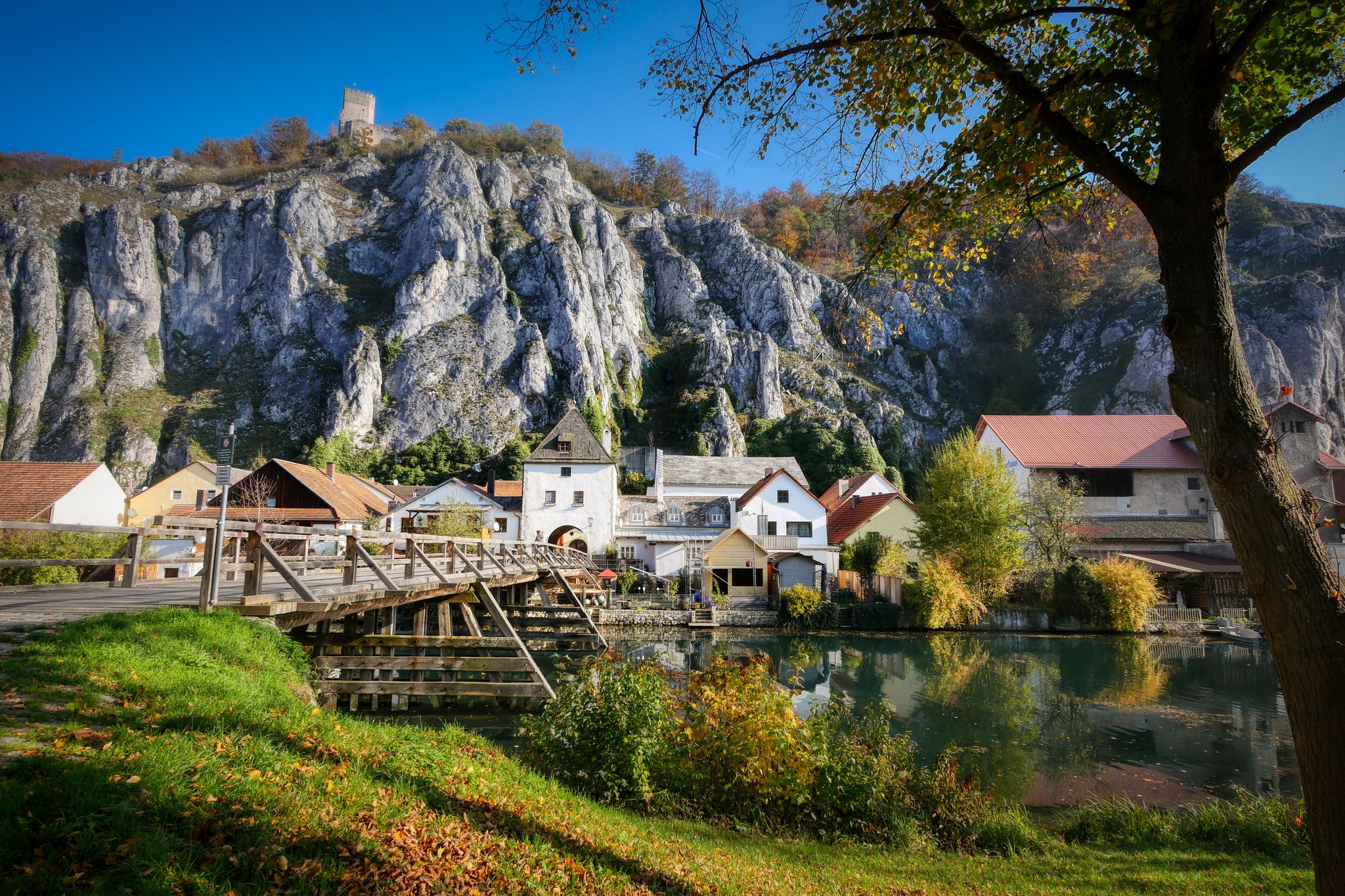
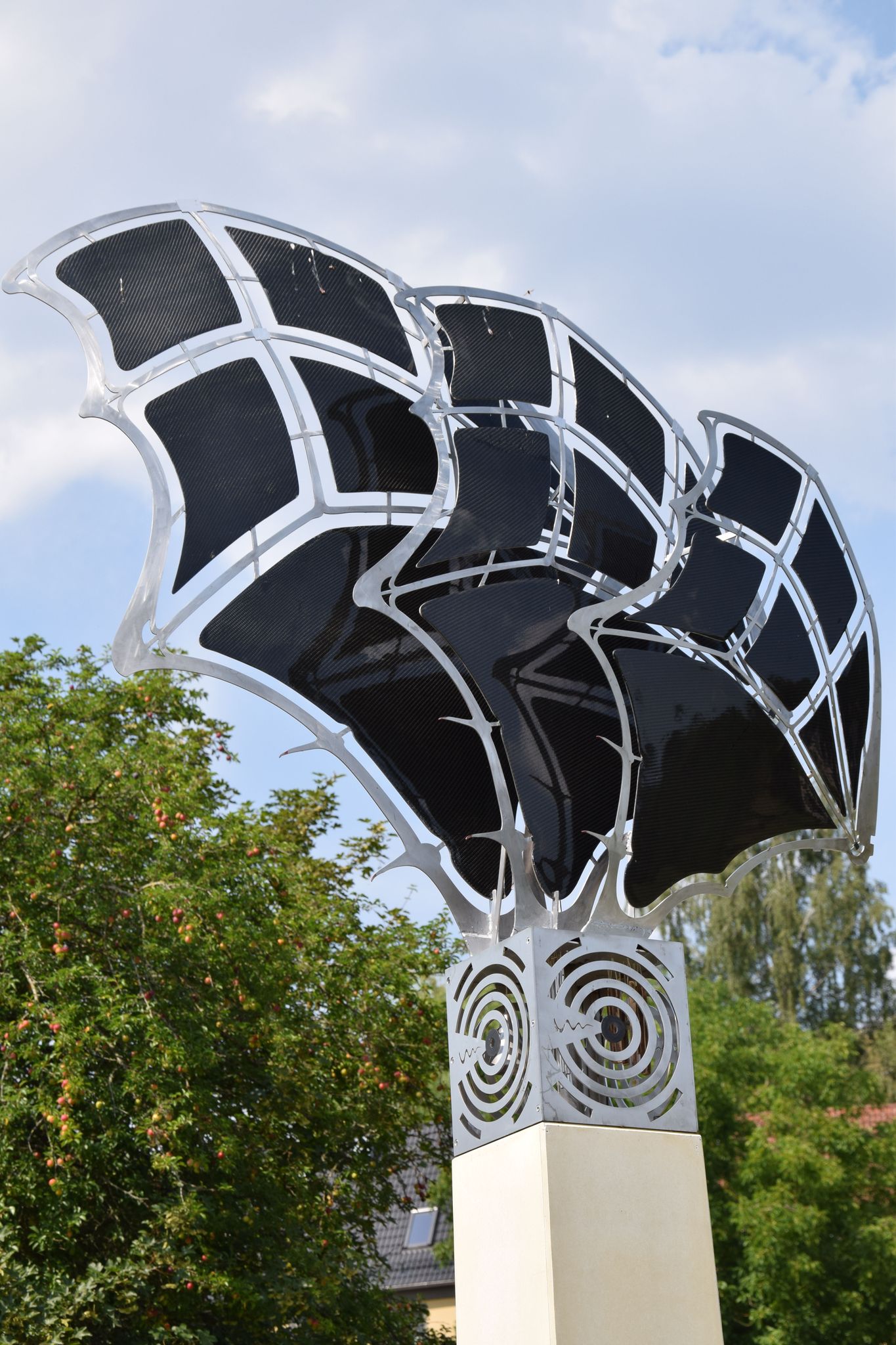
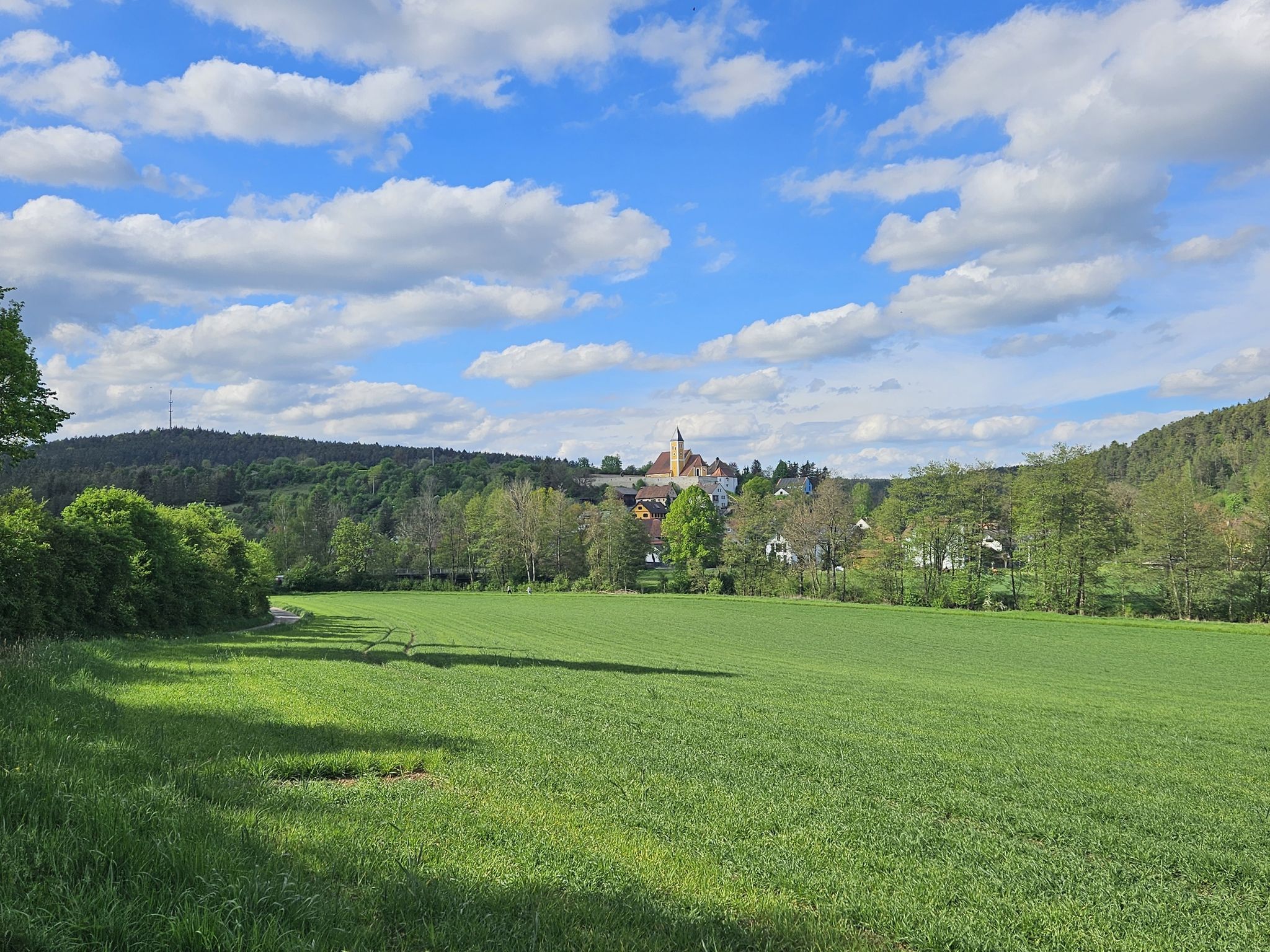
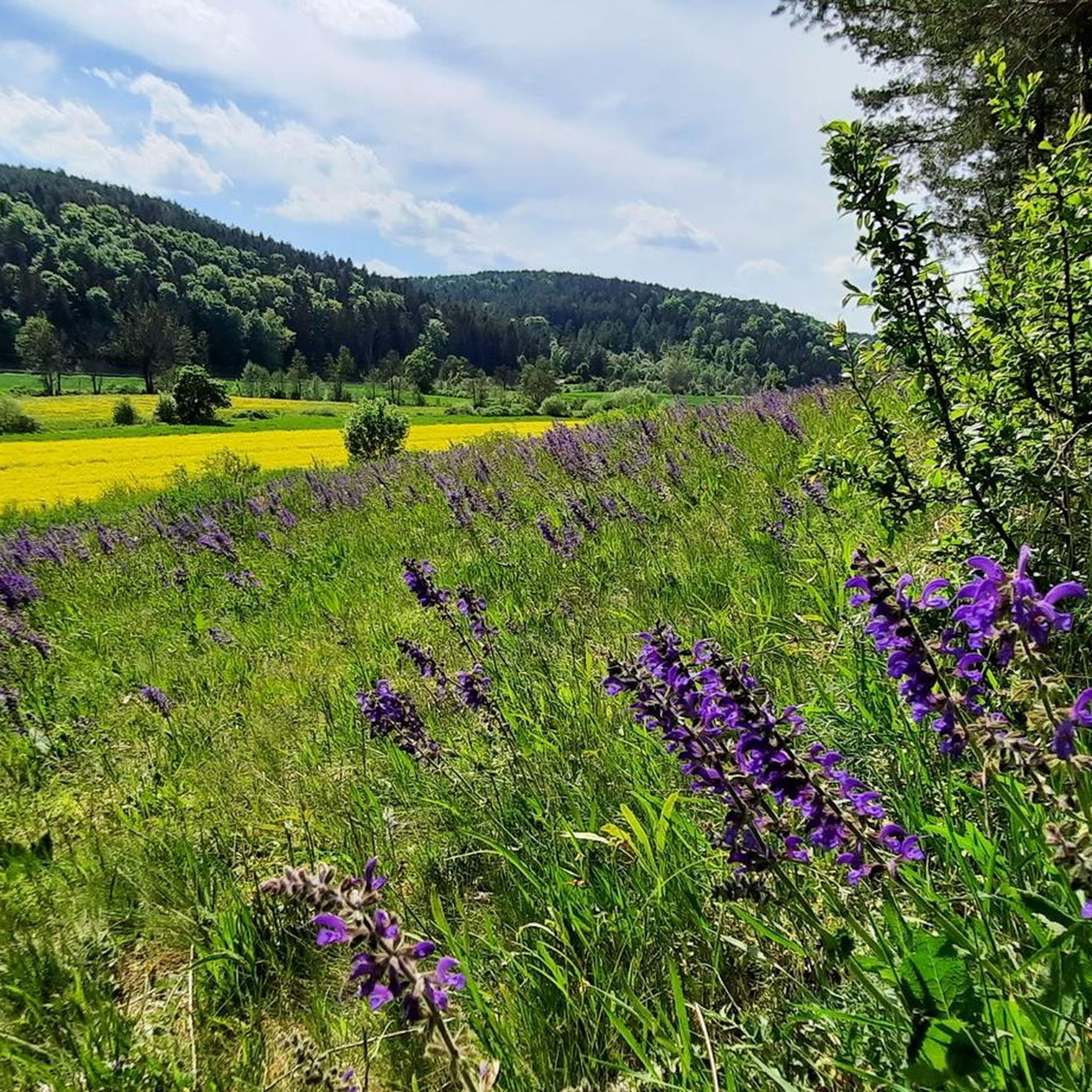



Tips from the Community

Upper Castle The Upper Castle was built as a moated castle by the Lords of Schmidmühlen. From the mid-12th century, they are documented here, starting with Ernst von Schmidmühlen (1166–1170). Georg Hausner von Winbuch (1595–1614), administrator in Regenstauf, was the builder of the present castle. The year 1600 is located on one of the magnificent door frames of the Knights' Hall. The Upper Castle is a three-story, plastered, solid building with a gable roof. An octagonal stair tower is attached, and another extension to the west. In this castle, there was also a small chapel on the ground floor, which, however, has long been filled in and walled up. At the top of the tower is a round ceiling, painted with flowers and rosettes, supported by a delicate wooden column. The entire second upper floor belongs, due to its furnishings, to the most interesting holdings of the German Renaissance. The profane wall paintings located there are reminiscent of those in the ducal castle Trausnitz in Landshut. During the Second World War and afterwards, the Upper Castle suffered greatly from billeting by the occupying forces. Thus, a valuable ceramic stove was destroyed on the second floor. In 1937, the castle came into the possession of the market town of Schmidmühlen. Since the post-war period, the castle has served the market town of Schmidmühlen as its town hall. Between 1977 and 1980, a thorough restoration took place, during which the castle and also the castle garden changed their appearance. The renovation was completed in 2003. The local history and association museum of Schmidmühlen is also housed in the castle. In front of the castle, on the well, stands the cast image of a Moriskentänzer, reminiscent of the Schmidmühlen sculptor Erasmus Grasser, who created the famous late Gothic Moriskentänzer for the festival hall in the Old Town Hall of Munich. Source: Wikipedia
4
0
Schloß Münchshofen Schloß Münchshofen had at least one medieval predecessor, of which at least one tower still existed in the 18th century, as a contemporary view shows. The year 1597 is chiseled into a door frame of the west wing. After severe damage during the Thirty Years' War, the complex was extensively redesigned in the second half of the 17th century. Schloß Münchshofen is one of the rare Renaissance-style monuments in the Upper Palatinate. The obelisks and volutes were added later. The complex forms a courtyard closed on three sides towards the Naab. In its floor plan, it is nine bays long. On the rear side, there is a smaller, three-sided arcaded courtyard. The steeply rising Münchshofener Berg here is provided with a two-story retaining wall. In the center of the complex stands the clock tower with the two-flight external staircase. The castle is directly connected to the former castle chapel. A gate passage to the economy yard, remains of the surrounding wall, and a brick barn have been preserved. In 1868, the castle passed to Julie Anna Reichsfreiin von Aretin, who brought it into the family of Reichsgrafen von Armannsperg. In 1910, Freiherr Alexander von Moreau, Royal Bavarian Chamberlain and Government Councilor in Bad Kissingen, acquired it. His son Maximilian Freiherr von Moreau continued the legacy. Today, the castle is privately owned by Antonius Freiherr von Moreau. The castle is privately owned and can only be viewed from the outside. An auction on September 27, 2011, was unsuccessful. Schloß Münchshofen is threatened by decay. Source: Excerpts from www.wikipedia.de
2
0

In the 14th century, an iron hammer mill was built here, which shaped the region for centuries. In the 16th century, the castle belonged to the Lords of Bertelshofen, whose impressive gravestones can still be seen today at the parish church of St. Michael in Kallmünz. In the mid-17th century, the castle passed into the possession of the Tänzl von Tratzberg family through marriage, who also built the nearby Dietldorf Castle. At that time, the lords of the manor even held the right to prospect for and mine ores in the surrounding area. In the 19th century, the hammer mill was transformed into a glass grinding and polishing workshop, which operated until the early 20th century. The then owner of the castle and operator of the factory, Philipp Berlin, a mirror manufacturer from Fürth, was expropriated by the Nazis because of his Jewish ancestors and was forced to leave Germany with his family. *). After operations ceased, the hydroelectric power plant was modernized and continues to generate electricity today. Since then, the Hammerschloss has gained an excellent reputation as a seminar and conference center, extending beyond the region. The legendary, regular Sunday brunches were particularly popular. After decades of varied use, Lebensraum eG acquired the historic building in 2018. With the advisory and financial support of the Bavarian State Office for Monument Preservation, the rooms were extensively restored and adapted to the new needs of the residents. Baroque pieced ceilings of outstanding quality were uncovered and now adorn the 12 partially newly built apartments in a property with a rich history and a new future. Source: https://www.hammerschloss.de/
1
0
Hohenfels Castle Ruins The Knights of Hohenfels are a branch of the Raitenbuch family. They had their ancestral castle in the hamlet of Hausraitenbuch and were ministerials of the Bishop of Regensburg. At the end of the 12th century, the Raitenbuch family moved their headquarters to nearby Hohenfels and called themselves "von Hohenfels" ever since. They owned their castle in Hohenfels as independent property, and later they were also found in Falkenstein and Helfenberg. One Hohenfelser even achieved international fame: On December 28, 1250, Konrad von Hohenfels attempted to murder King Konrad IV on behalf of the Bishop of Regensburg, but had to flee after the failed assassination attempt. King Konrad IV had the castle destroyed, but the attack initially did little harm to the Hohenfelsers: another Konrad even became mayor of the imperial city of Regensburg in 1258. They owe their downfall to another, less spectacular development: the impoverishment of the knights at the end of the 14th century. During this time they repeatedly tried to improve their finances with feuds and raids. In 1366 they placed their rule under the Bohemian king as a fief. The corresponding document speaks of the castle and town of Hohenfels, so the place at the foot of the castle had developed well. Nevertheless, money was still lacking. In 1375 the Hohenfelsers mortgaged their castle to the Palatinate. In 1383 they had to sell it for good: Count Palatine Ruprecht paid them 17,700 guilders. In 1393 the last Hohenfelser Hilpolt died. The castle was occupied by the Palatinate Wittelsbachs with guardians. In 1427 it was destroyed by the Hussites. It was rebuilt, but subsequently lost all practical significance. In 1804 the Hohenfels guardianship was dissolved, the intact castle was sold for demolition and used as a quarry. The 100-meter-long Romanesque castle complex had two keeps. The round keep, built on a rocky peak on the east side to protect the castle entrance, with a high entrance made of quarry stone at a height of over 10 meters, is the only castle building that has survived. Several square castle buildings from the period between 1250 and 1427 were grouped around the square keep, which protected the entrance to the main castle. A Gothic vault that was found in the rubble probably comes from the castle chapel. Source: Excerpts from www.burgenseite.de / www.wikipedia.de
2
0

Very nice, well-maintained building. You can book the location for events and weddings.
0
0

The municipality has a number of highlights to offer. Within walking distance, you can admire the juniper heaths and dry grassland slopes, karst rocks give the valley a rough feel and the hospitable town centre invites you to feast.
0
0

Very beautiful former Hofmarkburg, which was probably built on the walls of a moated castle, essentially from the 13th century. In the 20th century the chateau was used as a warehouse for hops and grain. The market town has belonged to it since 1937 and has since been used as the town hall. There is a charging station for e-bikes.
5
0
Rossstein ruins Roßstein is located near Schmidmühlen and Hohenburg in the middle of the lonely Taubenbacher Forest. Chunrad Oerelheimer named himself after the castle for the first time in 1331, so he could be the builder. At that time it was conveniently located on the Bistumer Steig, a trade route from the Eger region. In 1357 the castle came to Rüdiger Punzinger, who was in the service of the Wittelsbach Count Palatine, as a dowry to a daughter of Konrad. Rüdiger made a career and became a nurse in Hohenfels around 1375. After his death, his brother Georg Punzinger succeeded him in 1381 - a pugnacious spirit. He came into conflict with the city of Regensburg around 1400: Apparently he housed shady rabble in his castle, who had repeatedly attacked Regensburg merchants on the street. In the course of this feud, the castle was set on fire by the Regensburgers in 1411, but was rebuilt by Andreas Punzinger. Nevertheless, the Punzinger did not lose their important position. However, the family gradually loses interest in the now remote Roßstein Castle. The Counts Palatine want to buy Roßstein back from the last Punzinger named Mathes, but he refuses. After his death, Roßstein was only inspected by a forester from the Palatinate. In 1550 it caught fire due to carelessness. Lienhart Spieß, appointed as administrator in 1563, no longer renews it, but resides in the Spießhof, which still exists today, at the foot of the castle hill. Since then decay up to our days, around 2000 securing of the remains. The main castle consists of a large, almost rectangular residential tower made of quarry stone. The corners are made of ashlars, one can even find a few hump ashlars. The residential tower has a vaulted basement, a low ground floor with light slits and two spacious upper floors with windows and two head-high, vaulted entrances. Access to the east could be blocked with a locking bar. Even if the castle ruins are rather small, a visit is worthwhile, especially if you combine it with a hike through the beautiful Taubenbach valley and the lonely Taubenbach forest. Far away from major roads, the Upper Palatinate Jura can be experienced in a unique way. Source: Excerpts from www.Burgen-seite.de
8
0
Frequently Asked Questions
What makes the castles around Schmidmühlen unique?
The castles in Schmidmühlen are notable for their historical connection to the Upper Palatinate iron industry. The town center features a "magical triangle" of three castles: the Obere Schloss, Hammerschloss, and Zieglerschloss, reflecting centuries of economic and cultural significance. The Oberes Schloss Schmidmühlen, for instance, now serves as the town hall and has origins dating back to at least 1311.
Are there any family-friendly castles to visit in the area?
Yes, several castles and nearby attractions are suitable for families. The Oberes Schloss Schmidmühlen (Town Hall) is listed as family-friendly and is easily accessible within the town. Additionally, the Kallmünz marketplace, with its art galleries, ice cream, and youth campground, offers a pleasant family outing near castle ruins.
What kind of historical insights can I gain from visiting these castles?
The castles offer a deep dive into the region's history. The Hohenburg Castle Ruins are one of the oldest castle foundations in the Nordgau, dating back to around 1050, and protected a vital medieval trade route. The Hammerschloss highlights Schmidmühlen's past as an iron industry hub, while the Oberes Schloss showcases its evolution from a moated castle to a municipal building.
Are there good viewpoints or scenic spots near the castles?
Absolutely. The Hohenburg Castle Ruins are particularly known for offering a wonderful view from their mountain-top location. The Kallmünz marketplace also provides scenic views, especially along the Naab river, and you might even see paragliders launching from the nearby Schloßberg.
What outdoor activities can I combine with a castle visit?
The area around Schmidmühlen is excellent for outdoor activities. You can find numerous hiking, mountain biking, and running trails. For hiking, consider routes like the 'Chapel on the Five Rivers Cycle Route – Upper Castle loop from Schmidmühlen' or the 'Hammerberg Chapel – Upper Castle loop from Schmidmühlen'. For more options, explore the Hiking around Schmidmühlen guide.
Are there any challenging hikes to castle ruins?
Yes, for those seeking a more challenging experience, the Hohenburg Castle Ruins are accessible via a path that starts behind the fire station in Hohenburg market and is rated as challenging to intermediate. The Rossstein Castle Ruins also involve an intermediate hike through the lonely Taubenbacher Forest, offering a unique experience away from major roads.
Can I visit the castles with my dog?
While specific dog-friendly policies for each castle's interior are not detailed, the surrounding areas and hiking trails are generally welcoming to dogs. Many visitors enjoy walking their dogs on the paths leading to ruins like Rossstein Castle Ruins, which is nestled in the Taubenbacher Forest, perfect for a stroll with your canine companion.
What is the best time of year to visit the castles around Schmidmühlen?
The region is beautiful year-round. Spring and autumn offer pleasant temperatures for hiking and exploring the ruins. Summer allows for enjoying outdoor cafes and the Naab river activities near places like Kallmünz marketplace. Winter visits can provide a unique, serene atmosphere, though some paths might be more challenging due to weather.
Are there any lesser-known or 'hidden' castle ruins worth exploring?
Beyond the prominent sites, the Rossstein Castle Ruins offer a more secluded experience. Located in the lonely Taubenbacher Forest, it's a smaller ruin but provides a fascinating glimpse into medieval history, including its role in conflicts with Regensburg. It's an ideal spot if you're looking to combine history with a quiet hike.
What facilities are available at the castles or nearby?
The Oberes Schloss Schmidmühlen, now the town hall, offers facilities including an e-bike charging station. In the nearby Kallmünz marketplace, you'll find numerous places to stop for refreshments, from pizza to cafés and beer gardens, as well as a youth campground.
Are there any castles that are privately owned and can only be viewed from the outside?
Yes, Münchshofen Castle is privately owned and can only be viewed from the outside. This Renaissance-style castle, directly connected to a former castle chapel, has a rich history and is considered one of the rare monuments of its kind in the Upper Palatinate.
What are some mountain biking opportunities near the castles?
For mountain biking enthusiasts, there are several routes in the area. You could try the 'Lauterach Valley Cycle Path – Historic center of Hohenburg loop from Schmidmühlen' or the 'Rossstein Castle Ruins – Allersburg Trail loop from Schmidmühlen'. More MTB trails are detailed in the MTB Trails around Schmidmühlen guide.
Most popular routes around Schmidmühlen
Most popular attractions around Schmidmühlen

Get inspired with the komoot mobile app


Explore more
Looking for the best castles somewhere else? Discover other guides around Schmidmühlen:
