Neukirchen bei Sulzbach-Rosenberg
Neukirchen bei Sulzbach-Rosenberg
Top 20 Castles around Neukirchen bei Sulzbach-Rosenberg
Castles around Neukirchen bei Sulzbach-Rosenberg are situated in a historically significant area of Bavaria. This region features a variety of medieval and Renaissance architectural sites, reflecting centuries of regional power and development. The landscape offers panoramic views and opportunities to explore historical structures. The area provides insights into early medieval settlements, fortifications, and religious buildings.
Best castles around Neukirchen bei Sulzbach-Rosenberg
- The most popular castles is Lichtenegg Castle Ruins, a castle believed to be a medieval aristocratic castle above…
Last updated: May 27, 2026
Lichtenegg Castle Ruins
Highlight • Castle
Translated by Google •
Tip by

Breitenstein Castle Double Chapel
Highlight • Religious Site
Translated by Google •
Tip by

Sign up now to discover places like this
Get recommendations on the best single tracks, peaks, & plenty of other exciting outdoor places.
Sign up for free
Lichtenstein castle ruins with viewpoint
Highlight • Viewpoint
Translated by Google •
Tip by

Historic town centre of Neuhaus an der Pegnitz
Highlight • Historical Site
Translated by Google •
Tip by

Veldenstein Castle
Highlight • Castle
Translated by Google •
Tip by

Sign up for free to discover even more castles around Neukirchen bei Sulzbach-Rosenberg.
Sign up for free
Already have an account?
Start today with a free account
Your next adventure awaits.
Login or Signup
Popular around Neukirchen bei Sulzbach-Rosenberg

All aboard for summer hiking with Germany’s VGN
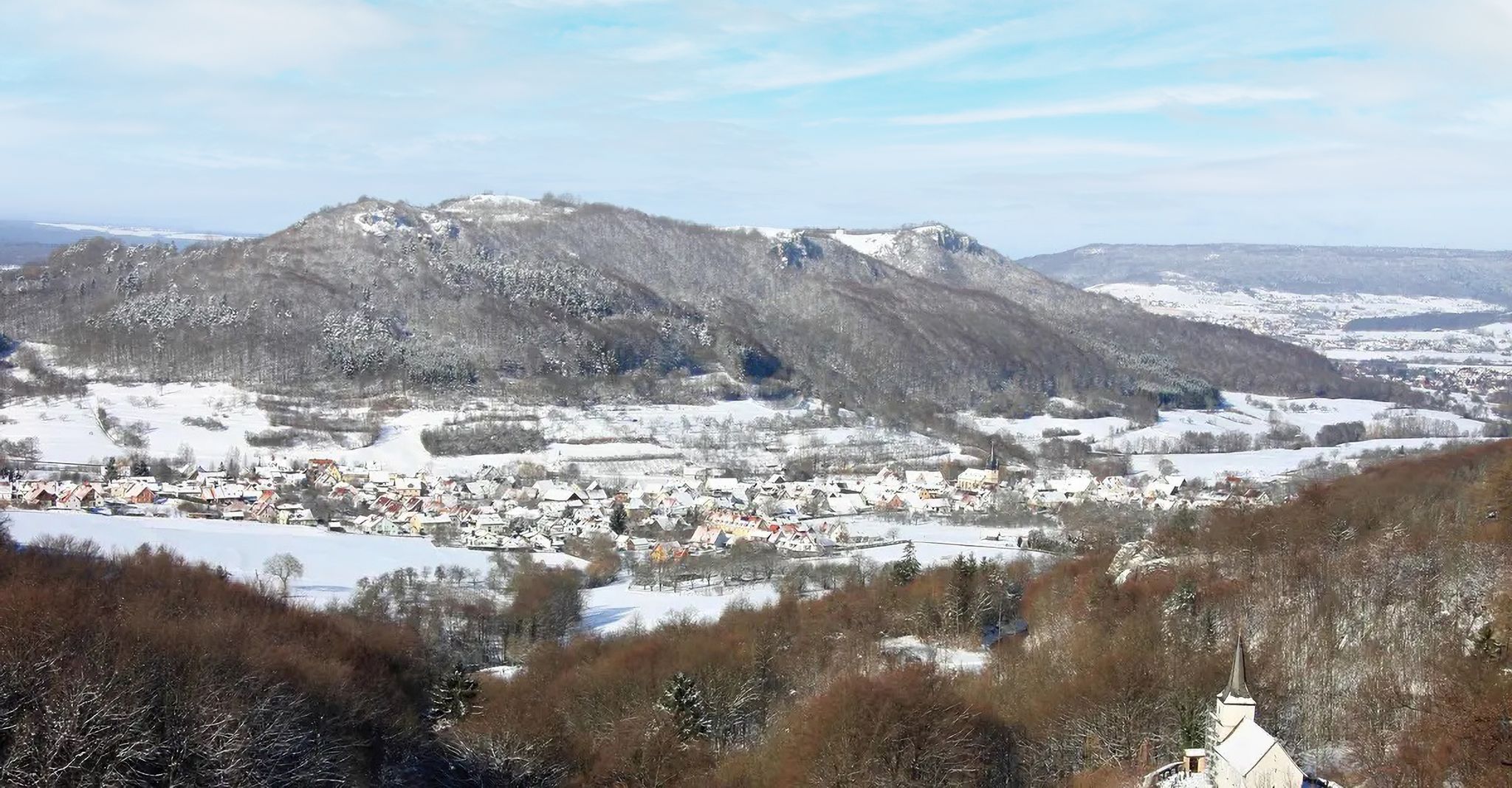
Winter won't stop us – VGN tips for exploring Germany’s Franconia in the cold
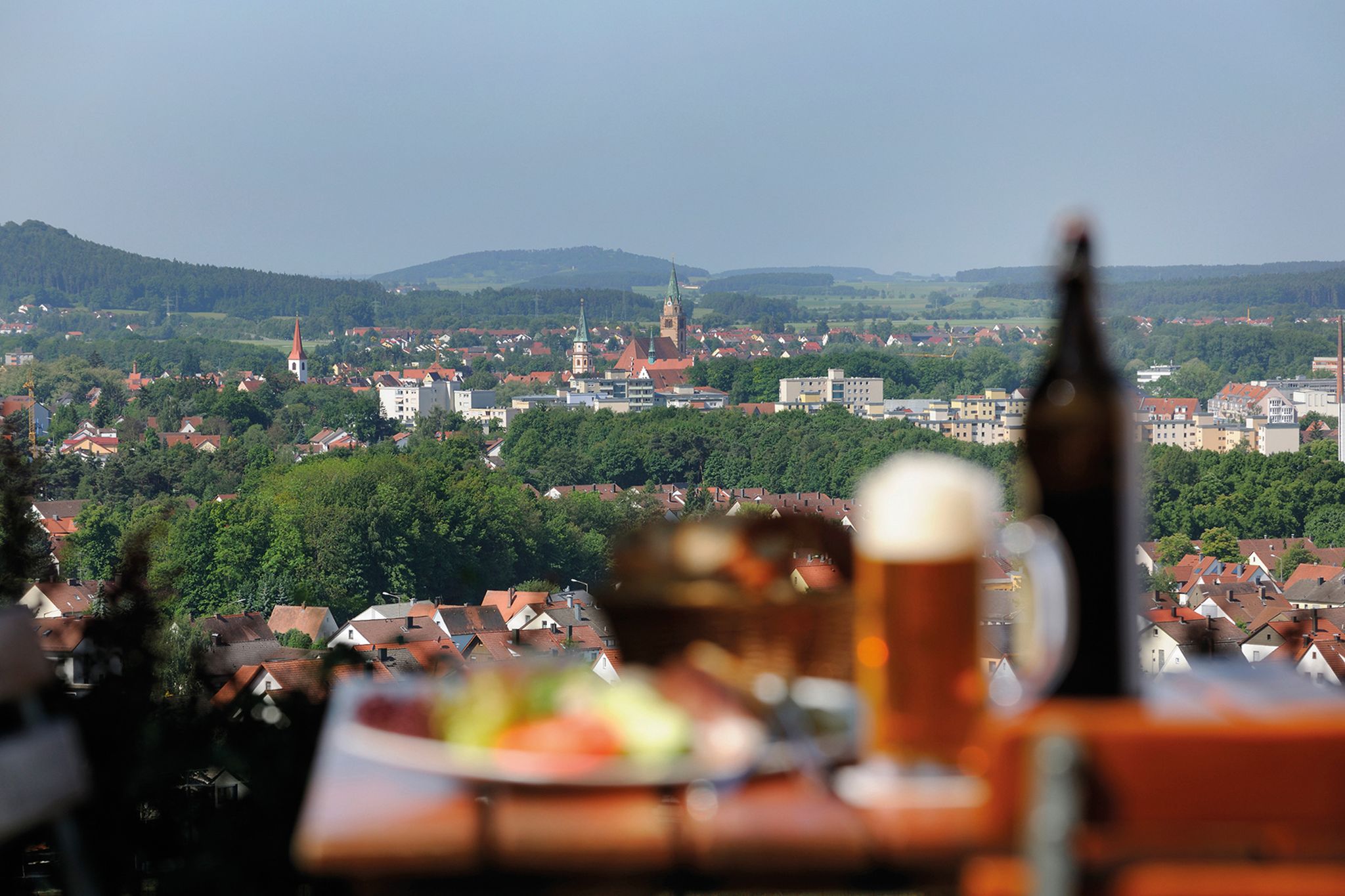
Hike & Beer in Franconia and Upper Palatinate — the VGN leisure tips
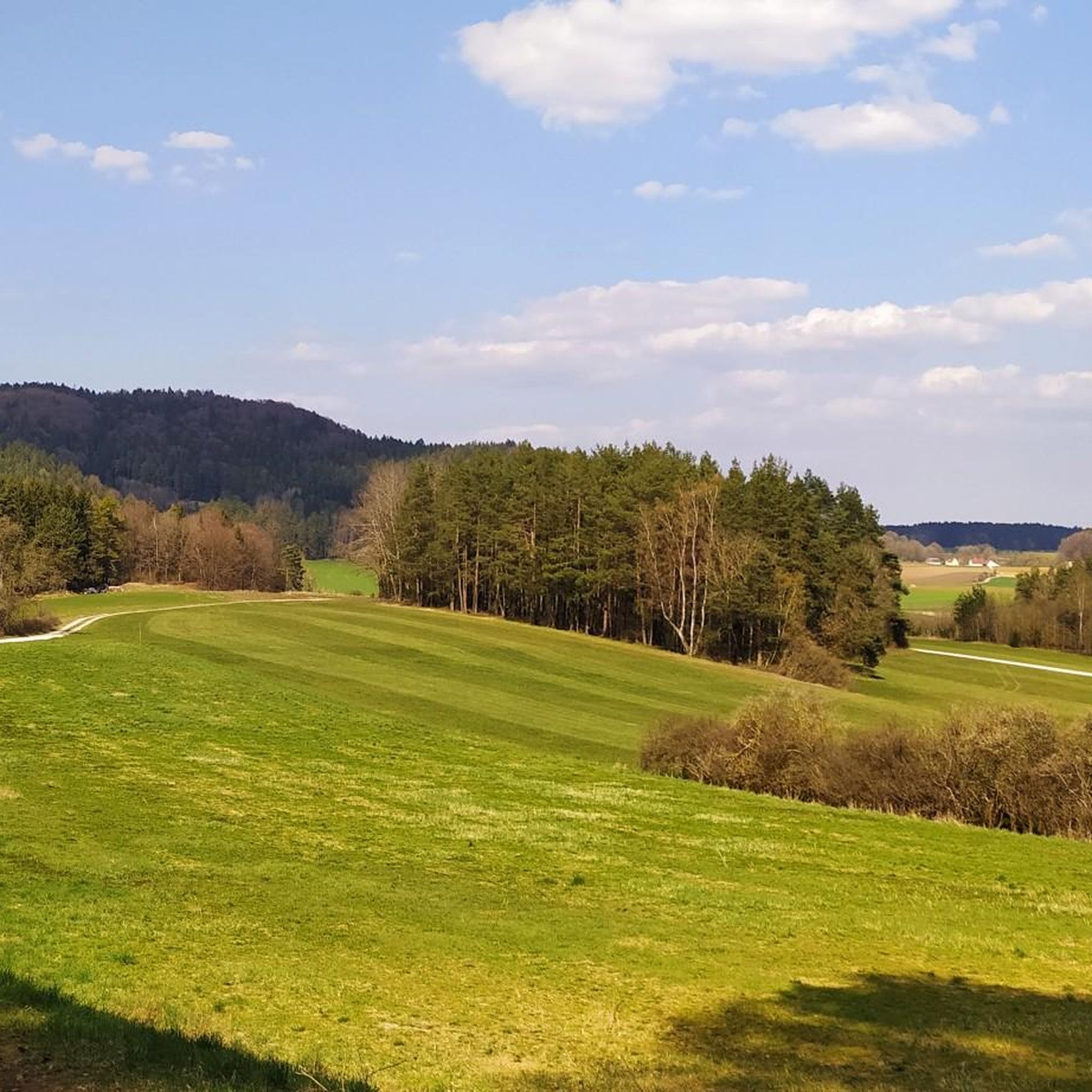
Hiking around Neukirchen bei Sulzbach-Rosenberg
Cycling around Neukirchen bei Sulzbach-Rosenberg
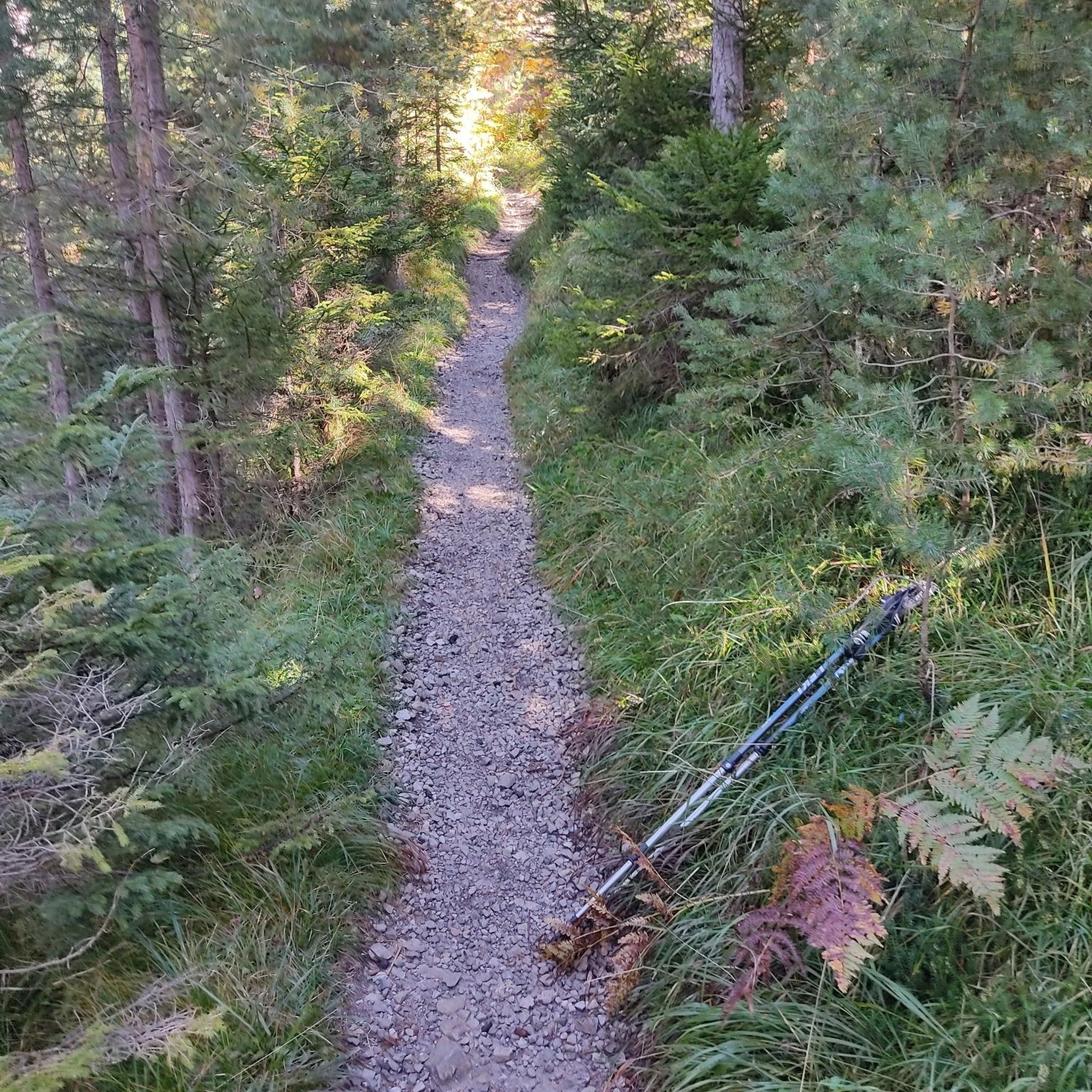
Mountain Hikes around Neukirchen bei Sulzbach-Rosenberg
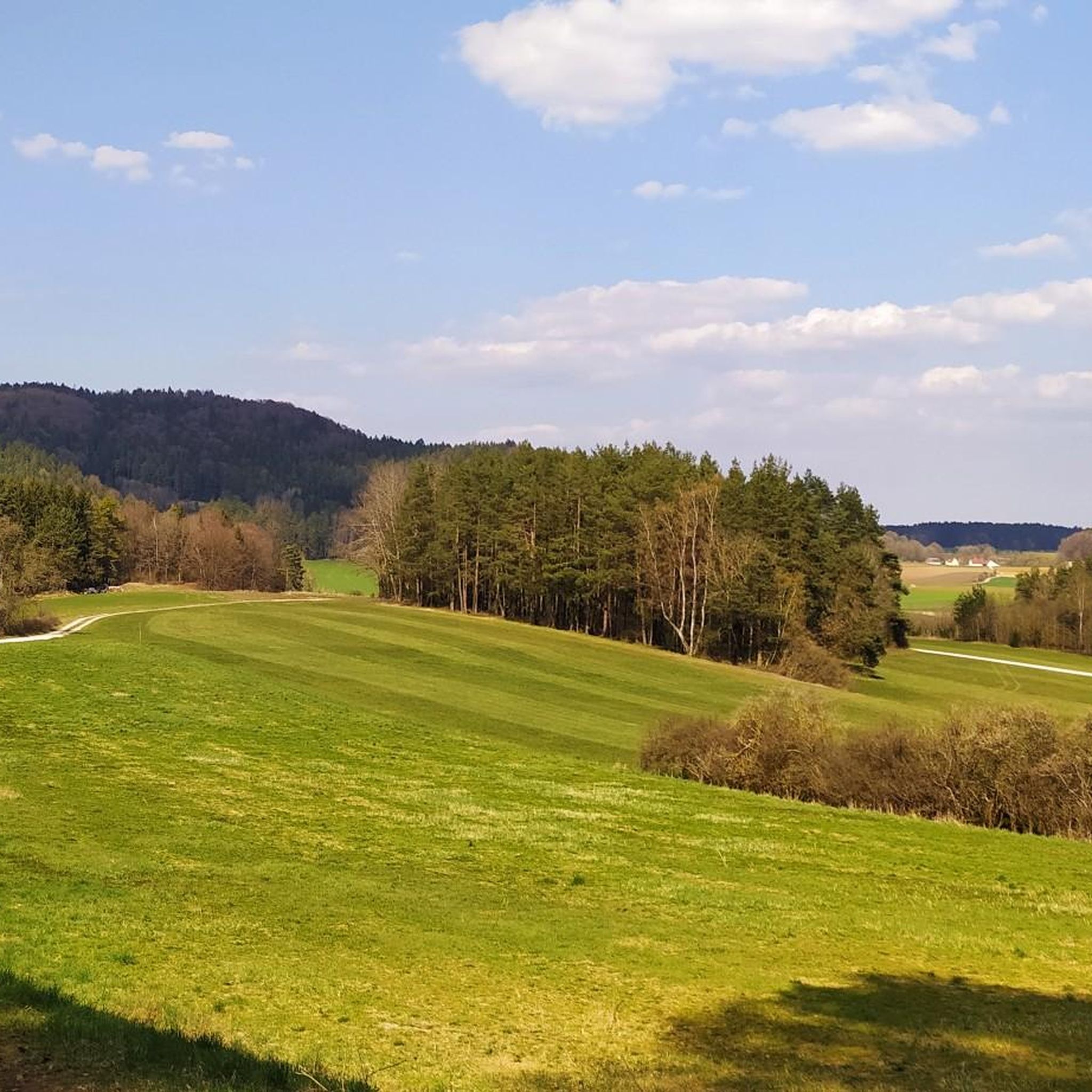
Road Cycling Routes around Neukirchen bei Sulzbach-Rosenberg
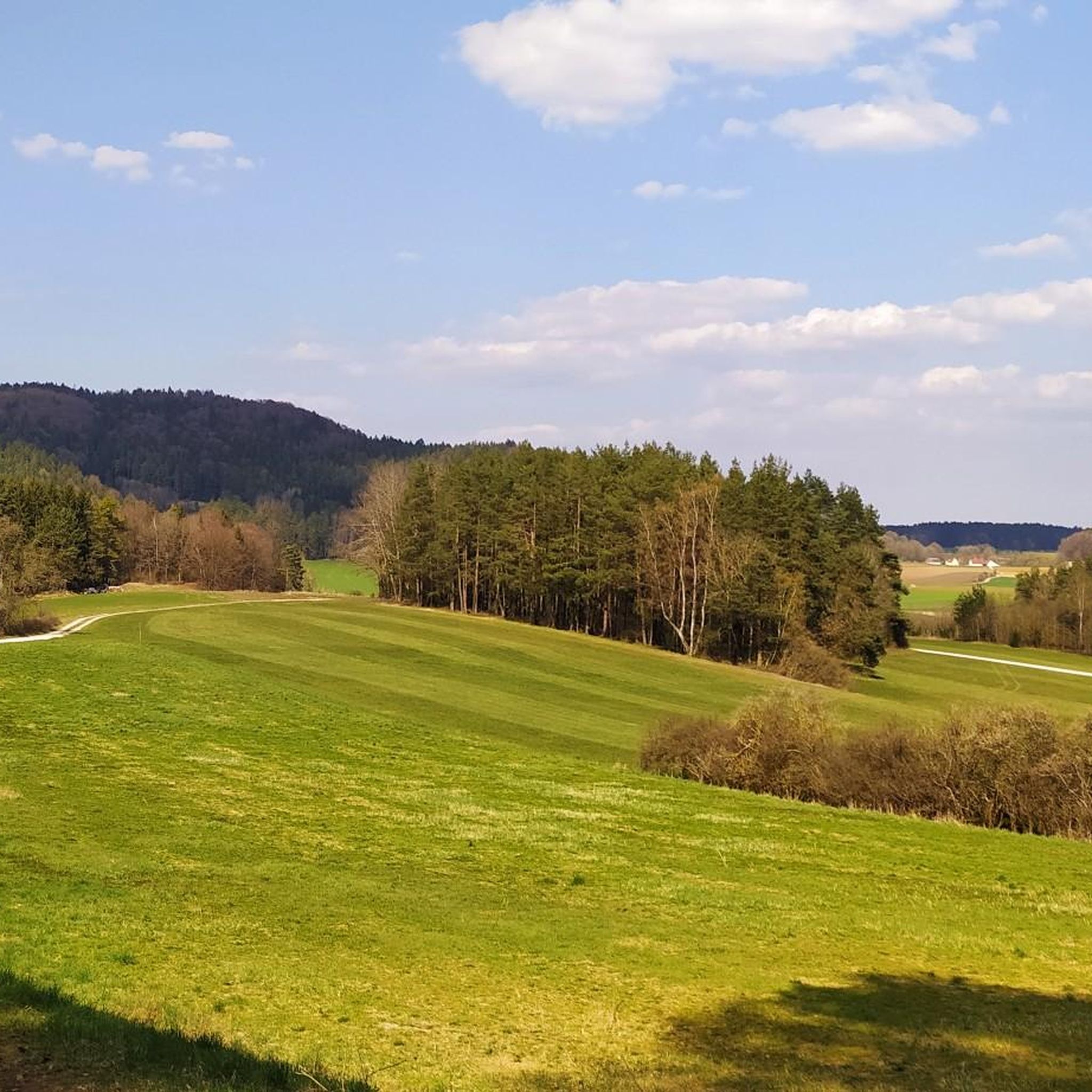
MTB Trails around Neukirchen bei Sulzbach-Rosenberg
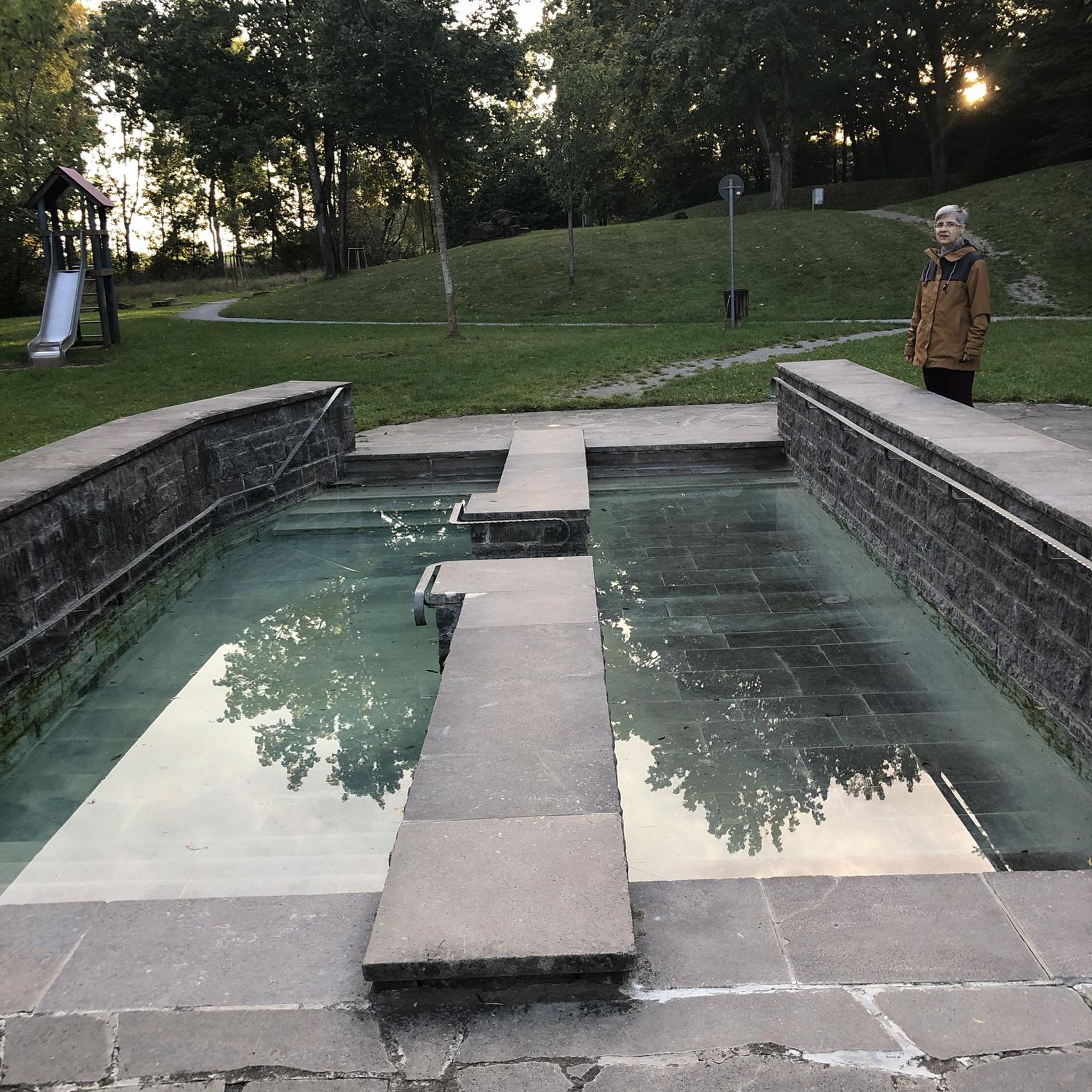
Gravel biking around Neukirchen bei Sulzbach-Rosenberg
Running Trails around Neukirchen bei Sulzbach-Rosenberg
Other adventures around Neukirchen bei Sulzbach-Rosenberg

Tips from the Community

In 1391 the castle was pledged to Linhard von Henfenfeld by the Wittelsbach dukes, after which other pledge holders and caretakers appeared. In 1419 it was ceded to the brothers Hans, Eberhart and Wilhelm von Mistelbeck, who had claims against Duke Ludwig of Bavaria-Ingolstadt. The handover did not take place because of the Bavarian War. In the Bavarian War between Duke Ludwig of Bavaria-Ingolstadt and his cousins, the Bavarian Dukes of Landshut and Munich, Lichtenstein Castle was conquered and destroyed in June 1421 by Count Palatine Johann von Neumarkt-Neunburg, who was allied with Ludwig's opponents. In the terrain exploration of the imperial city of Nuremberg from 1503 to 1504, in which all castles and fortifications are listed in relation to the Landshut War of Succession that soon followed, Lichtenstein is described as “an old, traditional castle”. An entry in the Salbuch from 1516 also states that Lichtenstein was only a castle stable. The Sulzbach regional court granted the Mistelbeck brothers their right to compensation in 1421 and again in 1422. The castle ruins fell into disrepair; In 1851 the Bavarian state sold it to Paul Willhelm Freiherr Ebner von Eschenbach. Around 1855, in the spirit of the awakening romanticism of castles, he had the pseudo-ruins built on the upper castle using rising masonry and an English landscape garden set up in the area of the lower castle, which, however, also fell into disrepair.[5] Today there is forest around the castle ruins and it is partly overgrown with bushes. Several hiking trails from Pommelsbrunn and the surrounding area lead to the ruins. The medieval remains of Lichtenstein Castle, especially those of the lower castle, are at great risk of decay. Source: Wikipedia
6
0

A visit to this beautiful place can be wonderfully combined with a hike through the Veldensteiner Forest or the Pegnitztal. Afterwards, you will visit the impressive Veldenstein Castle in Neuhaus and stop off at one of the cozy inns.
1
0

Today there is forest around the castle ruins and it is partly overgrown with bushes. Several hiking trails from Pommelsbrunn and the surrounding area lead to the ruins. In any case, the view is beyond any doubt :)
4
0

A nice stopover on a hike that should not be missed, the chapel has always been open.
4
0
The castle chapel in Breitenstein is absolutely worth seeing because of the two-storey construction. Next to the chapel there is a bench to enjoy the beautiful view.
17
0

Easy to reach by public transport as a starting point and destination for various tours.
0
0

The silhouette of the market town is determined by the towering castle complex with its distinctive keep. The year in which Veldenstein Castle was built and the name of the builder have not been confirmed. However, many things point to the Bishop of Eichstätt, who had border fortifications built on the northern border of his diocese in 1008 on behalf of Conrad II. The castle was first mentioned in a document in 1269 as "novum castrum" (new castle). At that time, the castle belonged to the Bamberg Bishopric and was the official castle, i.e. the administrative seat, of the Bamberg bishops for the surrounding lands. In 1323 the castle was first called Veldenstein. Veldenstein Castle was donated to the diocese of Bamberg, which was founded in 1008, and remained in its possession until secularization in 1802. The castle was the official castle and residence of the Bamberg prince bishops and was first mentioned in 1269 as a novum castrum (= new house). The place that developed below the castle received market rights under Bishop Weigand von Redwitz (1522 to 1556).
3
0

nice little town with a lot of history
3
0
Frequently Asked Questions
What historical significance do the castles around Neukirchen bei Sulzbach-Rosenberg hold?
The castles in this region reflect centuries of power and development, with origins tracing back to the 8th century. They served as important centers for influential counts and evolved through various architectural styles, from early medieval to Renaissance. Sites like Sulzbach Castle, for instance, have been residences, barracks, hospitals, and prisons, offering a deep dive into regional history.
Can I visit Sulzbach Castle, and what can I expect to see there?
Sulzbach Castle, located in Sulzbach-Rosenberg, is a significant historical landmark. While it no longer functions as a traditional castle museum, it houses the city library, municipal music school, and the State Building Authority. An original tower from around 1100 still stands, and archaeological findings, including some of the earliest window glazing in Southern Germany, highlight its rich past. You can learn more about its history on Wikipedia.
What is unique about the Breitenstein Castle Double Chapel?
The Breitenstein Castle Double Chapel is a 12th-century structure that stands out as the only two-story double chapel from the Romanesque era in the Upper Palatinate. Its unique architectural design and historical significance make it a compelling visit for those interested in medieval religious structures. From the chapel, you can also enjoy wonderful views of the surrounding landscape.
Are there any castle ruins that offer panoramic views?
Yes, several castle ruins in the area provide excellent panoramic views. The Lichtenegg Castle Ruins are freely accessible and offer magnificent views that can extend as far as the Fichtel Mountains on clear days. Similarly, the Lichtenstein castle ruins with viewpoint tower high above Pommelsbrunn, providing fantastic views of the town and the Nuremberg region.
What is the history of Hartenstein Castle?
Hartenstein Castle represents medieval architecture and the region's feudal past. It was significantly rebuilt in the 16th century and again in the Neo-Gothic style in the early 19th century. Although largely destroyed in 1945, preservation and partial rebuilding efforts have been ongoing since 2002. Even in its ruined state, it offers a glimpse into its formidable past and features a beautiful beer garden with great views.
Are the castle ruins around Neukirchen bei Sulzbach-Rosenberg freely accessible?
Yes, the Lichtenegg Castle Ruins are freely accessible at all times, and visiting is free of charge. You can explore the remnants of its walls, towers, and living quarters. The Rupprechtstein Castle Ruin, however, is private property and cannot be entered, though you can view the former patrimonial court building from outside.
Are there family-friendly castles to visit in the area?
Several castles offer family-friendly experiences. The Lichtenegg Castle Ruins are freely accessible and provide space for exploration. Hartenstein Castle has a small museum on knighthood and a beer garden, making it an enjoyable stop for families. The Historic town centre of Neuhaus an der Pegnitz, which includes Veldenstein Castle, is also listed as family-friendly.
Are there hiking trails near the castles?
Yes, the region offers numerous hiking opportunities around its castles. For instance, the Lichtenegg Castle Ruins are a popular destination for hikers, with trails winding through surrounding forests. You can find various running trails around Neukirchen bei Sulzbach-Rosenberg, including routes like the 'Rest area by the wild bees loop', which can be explored on foot. For more options, check out the Running Trails around Neukirchen bei Sulzbach-Rosenberg guide.
Can I combine a castle visit with other outdoor activities like cycling or mountain biking?
Absolutely! The area around Neukirchen bei Sulzbach-Rosenberg is well-suited for combining castle visits with cycling and mountain biking. You can find various road cycling routes, such as the 'Historic Old Town of Sulzbach-Rosenberg loop', or MTB trails like the 'Turk's Rock – Lichtenegg Castle Ruins loop'. Explore these options in the Road Cycling Routes and MTB Trails around Neukirchen bei Sulzbach-Rosenberg guides.
Are there dog-friendly trails around the castles?
Yes, many trails in the region are dog-friendly. For example, the Lichtenstein castle ruins with viewpoint are noted as dog-friendly, allowing you to enjoy the historical site and views with your canine companion. Always ensure dogs are kept on a leash where required and respect local regulations.
What do visitors enjoy most about Lichtenegg Castle Ruins?
Visitors particularly enjoy the magnificent panoramic views from the Lichtenegg Castle Ruins, which can stretch to the Fichtel Mountains on clear days. The ruins are freely accessible, and there are tables and benches for resting. Directly below the ruins, the Alter Schloss-Wirt Lichtenegg inn offers regional specialties and a beautiful beer garden, making it a perfect spot to relax after exploring.
Are there places to eat or drink near the castles?
Yes, you'll find options for refreshments. Hartenstein Castle features a beautiful beer garden and good food. Near the Lichtenegg Castle Ruins, the Alter Schloss-Wirt Lichtenegg inn offers regional specialties and a beer garden. The Historic town centre of Neuhaus an der Pegnitz also has places to stop for refreshments, including communal breweries.
What is the best time of year to visit the castles around Neukirchen bei Sulzbach-Rosenberg?
The region's castles and ruins can be enjoyed throughout the year. Spring and autumn offer pleasant temperatures for hiking and exploring the outdoor ruins, with vibrant foliage or blooming nature. Summer is ideal for enjoying beer gardens and longer days. Even in winter, some sites like the Lichtenegg Castle Ruins remain accessible, offering a different, often serene, experience.
Most popular routes around Neukirchen bei Sulzbach-Rosenberg
Most popular attractions around Neukirchen bei Sulzbach-Rosenberg

Get inspired with the komoot mobile app


Explore more
Looking for the best castles somewhere else? Discover other guides around Neukirchen bei Sulzbach-Rosenberg:
