Top 20 Castles around Weismain
Best castles around Weismain are situated in Upper Franconia, Germany, a region known for its historical significance and varied landscapes. The area features a mix of well-preserved castles and ruins, often offering insights into centuries of history and unique architectural features. Many of these sites are integrated into the natural surroundings, providing viewpoints over the Franconian Switzerland Natural Park. This region combines cultural heritage with opportunities for exploration.
Best castles around Weismain
- The most popular castles is Pilgrimage Church of…
Last updated: May 9, 2026
Zwernitz Castle
Highlight • Castle
Translated by Google •
Tip by

Pilgrimage Church of St. Pankratius (Gügel Church)
Highlight • Religious Site
Translated by Google •
Tip by

Sign up now to discover places like this
Get recommendations on the best single tracks, peaks, & plenty of other exciting outdoor places.
Sign up for free
Oriental Building
Highlight • Historical Site
Translated by Google •
Tip by

Lichtenfels Market Square
Highlight • Settlement
Translated by Google •
Tip by

Strößendorf Castle
Highlight • Castle
Translated by Google •
Tip by

Sign up for free to discover even more castles around Weismain.
Sign up for free
Already have an account?
Start today with a free account
Your next adventure awaits.
Login or Signup
Popular around Weismain
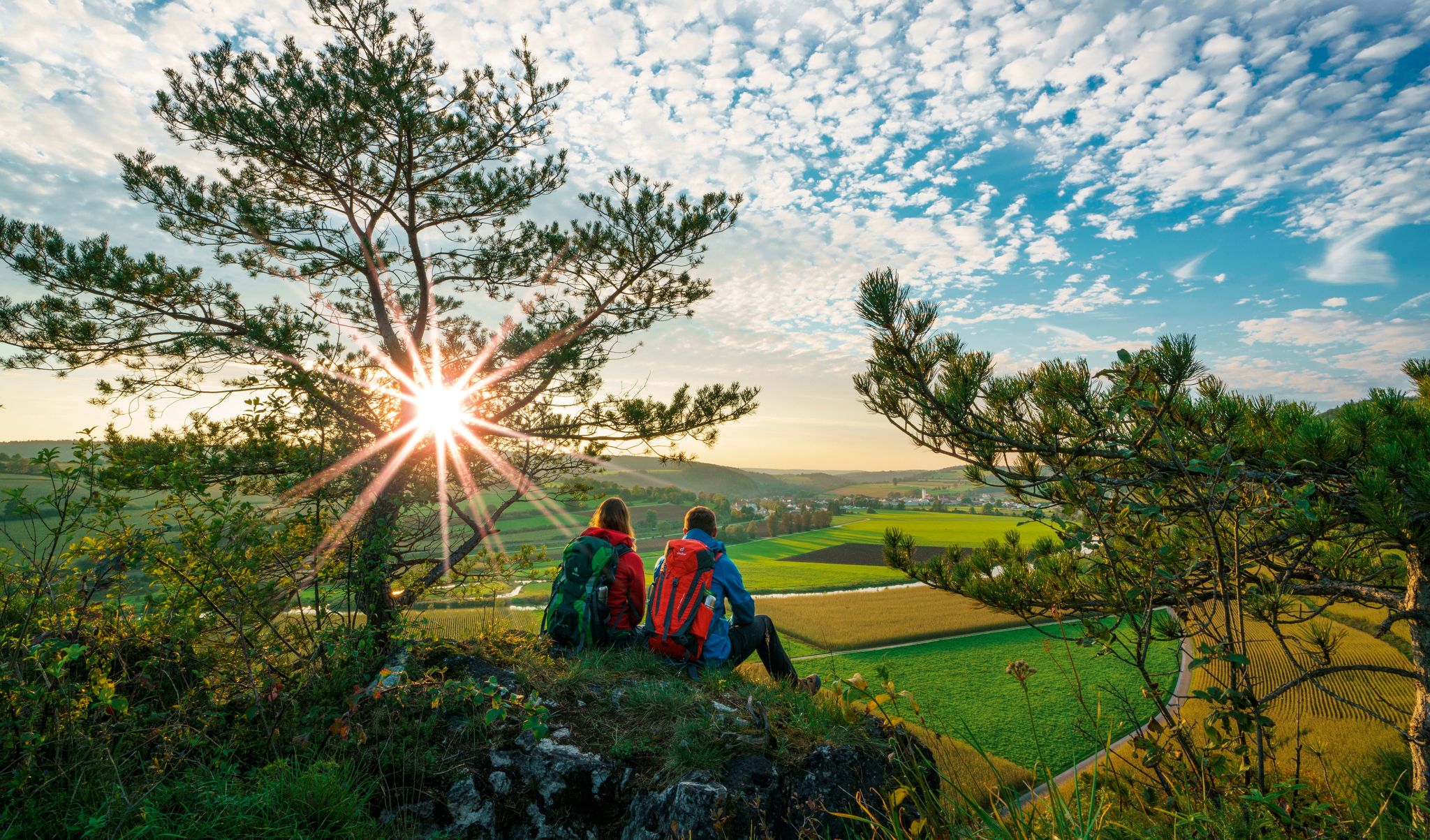
The Franconian Trail – A Diverse Hiking Dream Across 24 Stages
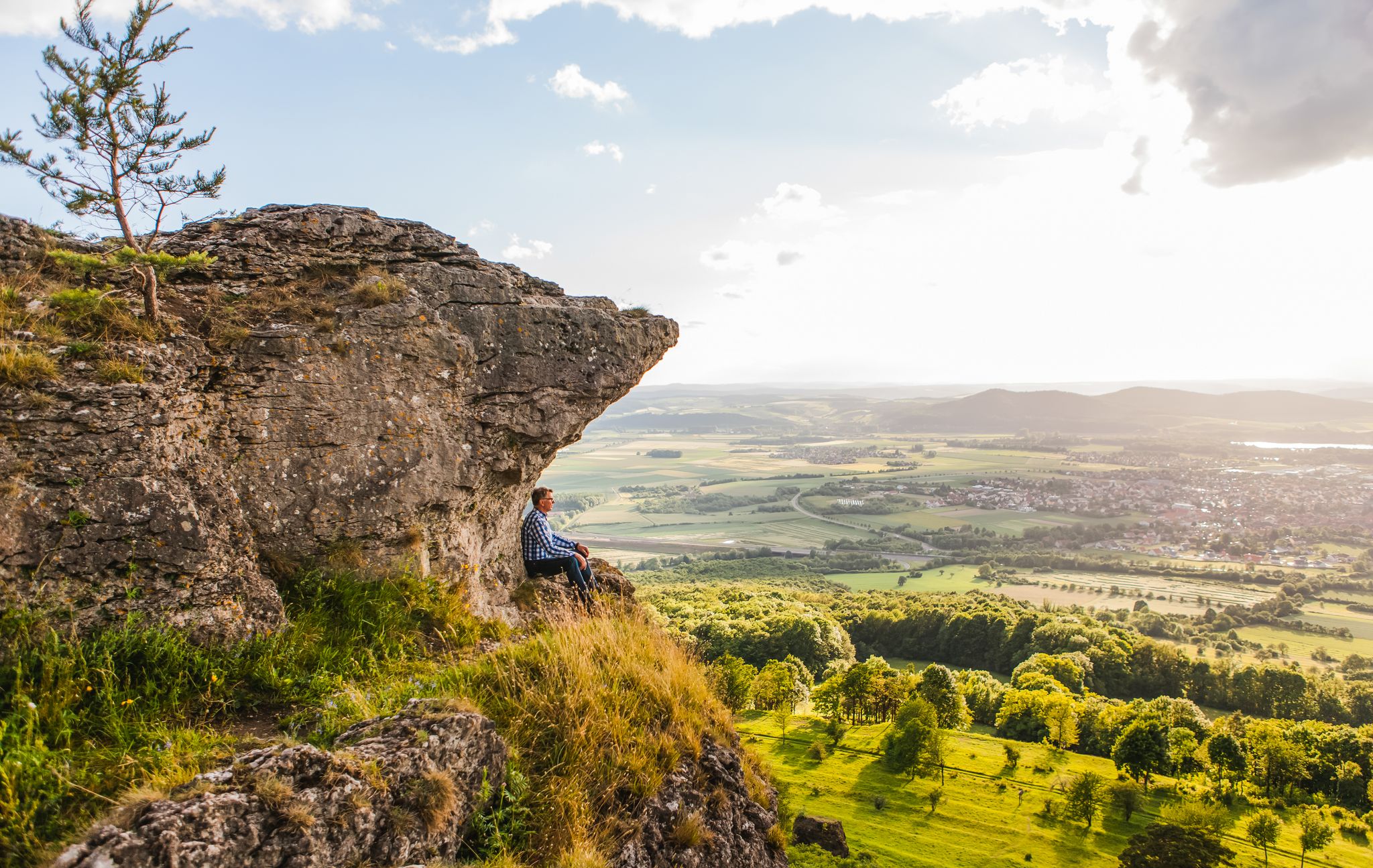
Our 10 favourite Tours through Upper Main’s Garden of Eden
From A(ugsburg) to B(rodowin) – Cycling across Germany
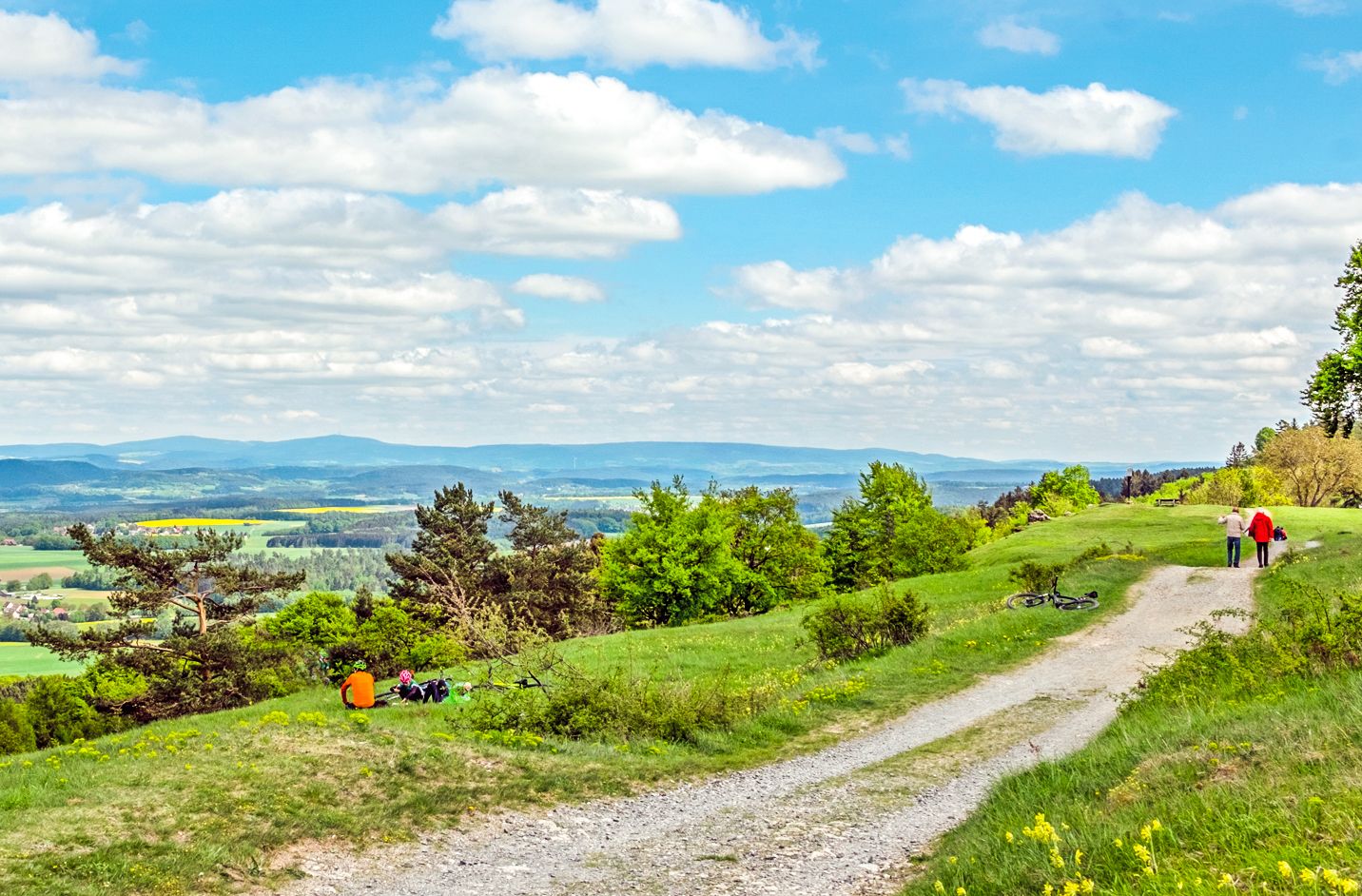
Ponds, woods and hills – the VGN recreational activities
Hiking around Weismain
Cycling around Weismain
MTB Trails around Weismain
Road Cycling Routes around Weismain
Gravel biking around Weismain
Running Trails around Weismain
Other adventures around Weismain


Tips from the Community

In any case, it's a huge building. More defiant than beautiful.
8
2

The former castle well dates back to around 1200. It was located in the Zwinger area of the outer bailey. It carried water until 1951, after which it dried up. It is 50 meters deep, 40 meters of which are carved into bare rock.
14
0
From 1891 to 1952, water was pumped into this well from the water house in the Kainachtal valley. Residents then collected the water in barrels.
11
0
The castle is located on a narrow dolomite cliff at an elevation of approximately 500 meters. It is open to visitors from April to October. Since 1745, the castle has been part of the Sanspareil Rock Garden, created by Wilhelmine of Brandenburg-Bayreuth.
13
0
"It's without parallel!" – "This is without equal!" a lady-in-waiting to Margrave Frederick is said to have exclaimed when she saw the bizarre rock formation in the beech grove not far from Zwernitz Castle. In this extraordinary landscape, the Oriental Building and the kitchen building opposite, which served as a venue for festivities at the Bayreuth court, were built between 1744 and 1748 according to plans by the court architect Joseph St. Pierre. These two buildings are grouped around a detached garden parterre, which was reconstructed in 1984 based on a copperplate engraving from 1748.
14
0

The town is located in the oldest prehistoric settlement area in the Main Valley. In a very small area, there is continuous evidence of settlement, which stretches from the Paleolithic period through the Hallstatt period to the Carolingian period. The name of the town was already borne by the fortress built around the year 1000 on a hill, a "light rock", and destroyed in the Peasants' War in 1525. Duke Otto I of Andechs-Merania had his market town of Lichtenfels fortified in 1231, which can probably be interpreted as an indication that town rights had already been granted. A place on the Main and centrally located on old streets was deliberately chosen for the founding of Lichtenfels. The spacious market square, the center of the town, where all the alleys and paths converged, was and is well suited for weekly and annual markets. Source: https://www.lichtenfels.de/leben-und-wohnen/unser-lichtenfels/stadtportrait/die-geschichte-der-stadt-lichtenfels
13
2
The four corners of the castle are aligned exactly in the four cardinal directions, otherwise the building is rather irregularly designed from several structures of different sizes and heights. The four main wings enclose a narrow atrium. The maiden building and the Catholic chapel on the ground floor of the former tower are slightly exposed. Inside, architectural styles from all building periods have been preserved. The cellar vaults in the basement are of medieval origin, the other floors have Gothic, lavishly profiled wooden ceilings and walls, such as in the large hall in the northeast wing and in the keep. On the first floor of the west wing there are rooms designed in the Renaissance style, such as the large entrance hall with twisted columns. Numerous rooms with baroque stucco ceilings have been preserved from the last construction phase. Source: https://de.m.wikipedia.org/wiki/Schloss_Str%C3%B6ssendorf/
14
1
Strössendorf Castle is a castle in the Altenkunstadt district of Strössendorf. It is inhabited all year round, owned by the von Seckendorff family and cannot be visited. The castle is listed as a protected monument by the Bavarian State Office for Monument Preservation under the monument number D-4-78-111-81.[1] Due to archaeological findings in the area of the castle, which are related to the medieval core of the building, the complex as a whole also represents an archaeological monument with the number D-4-5833-0151.[1] To the southwest, the castle building ensemble is adjoined by the castle church of St. Katharina and the castle park with former stables. Source: https://de.m.wikipedia.org/wiki/Schloss_Str%C3%B6ssendorf
16
1
Frequently Asked Questions
Which castles around Weismain offer the best panoramic views?
For breathtaking panoramic views, consider visiting Zwernitz Castle. Its keep provides a magnificent vista over the Franconian Switzerland Natural Park. The Pilgrimage Church of St. Pankratius (Gügel Church), originally a castle with a chapel, also offers excellent viewpoints from its elevated position. Further afield, Giechburg near Bamberg provides incredible views over the Bamberg countryside from its commanding hill.
Are there family-friendly castles to visit near Weismain?
Yes, several castles are suitable for families. Zwernitz Castle is integrated with the Sanspareil Rock Garden, which is freely accessible and features bizarre rock formations, making it an engaging visit for all ages. The unique access to the Pilgrimage Church of St. Pankratius (Gügel Church) via narrow corridors and stairs is also a fun experience for children. Burg Waischenfeld hosts various events like knight festivals and medieval markets, providing an immersive experience for families.
What historical insights can I gain from visiting the castles in the Weismain region?
The castles in the Weismain region offer a deep dive into centuries of history. Burgstall auf dem Heideknock, for example, showcases continuous occupation from the Late Bronze Age through the Middle Ages, with evidence of both Celtic and medieval fortifications. Zwernitz Castle, first mentioned in 1156, preserves significant late Romanesque architecture and hosts exhibitions on its history and courtly hunting. Giechburg, a hill castle ruin, has a history dating back to the Neolithic and Celtic periods, with extensive fortifications demonstrating its strategic importance.
Which castles are best for exploring ruins and ancient fortifications?
For exploring ruins and ancient fortifications, Burgstall auf dem Heideknock near Weismain is highly recommended. It features impressive ramparts, neck ditches, and the remains of a 12th-century medieval castle built upon prehistoric settlements. Burg Waischenfeld is another excellent choice, a ruined rock castle known for its prominent 'Steinerner Beutel' (Stone Bag) tower and extensive medieval defensive structures. Giechburg also offers substantial ruins, including portions of its outer bailey, gun towers, and a massive keep.
What outdoor activities can I combine with a castle visit around Weismain?
The region around Weismain is ideal for combining castle visits with outdoor activities. Many castles, like Zwernitz Castle, are situated within or near natural parks, offering excellent hiking opportunities. You can find numerous hiking trails around Weismain, ranging from easy to difficult, such as the 'Millstream – 🍺 Schrepfersmühle loop' or the 'Weismain Riverside Trail'. For more options, explore the Hiking around Weismain guide. Mountain biking is also popular, with trails like 'The Herbstmühle in Bärental – Kleinziegenfeld Valley Trail loop' available; see the MTB Trails around Weismain guide for details.
When is the best time of year to visit the castles near Weismain?
The best time to visit the castles near Weismain is generally from spring to autumn. Many castles, like Zwernitz Castle, are open from April to mid-October. During these seasons, the weather is pleasant for exploring the outdoor grounds, enjoying panoramic views, and participating in activities like hiking. The Sanspareil Rock Garden, which integrates with Zwernitz Castle, is freely accessible year-round, but its full beauty is best appreciated in warmer months.
Are there any castles that are not open to the public but still worth seeing from the outside?
Yes, Strößendorf Castle is a privately owned and inhabited castle that cannot be visited inside. However, it is beautifully situated directly on the Main river and dates back to the 12th century, making it an impressive sight from the outside. It's particularly appealing for cyclists on the Main Cycle Route who can enjoy a break with a view of the castle.
What unique architectural features can be found among the castles in this region?
The castles in the Weismain region boast diverse architectural features. Zwernitz Castle retains large parts of its late Romanesque architecture, including a keep and a tithe barn from around 1200, identifiable by typical humpback ashlars. Burg Waischenfeld is famous for its 'Steinerner Beutel' (Stone Bag), a robust round tower that is the town's emblem. The Pilgrimage Church of St. Pankratius (Gügel Church) has a unique access system with narrow corridors and stairs, reflecting its dual history as a castle and a religious site.
Can I find cafes or restaurants near the castles?
Yes, some castle locations offer amenities. Burg Waischenfeld features a cozy castle tavern and a beer garden with an open-air stage in its courtyard. Giechburg also has a castle restaurant within its remaining residential buildings, making it a pleasant stop. Additionally, the Oriental Building, part of the Sanspareil Rock Garden near Zwernitz Castle, historically served as a venue for festivities and is near a cafe. For more options, the Lichtenfels Market Square, a short distance away, offers numerous cafes and restaurants.
Are there any castles or historical sites that are particularly accessible for visitors?
While specific accessibility details for each castle vary due to their historical nature, the Lichtenfels Market Square, a nearby historical settlement, is noted as wheelchair accessible and offers good infrastructure. For the castles themselves, it's advisable to check individual site information, as many are ruins or built on elevated terrain, which may present challenges. The Sanspareil Rock Garden, which integrates with Zwernitz Castle, is freely accessible year-round, though the castle itself may have limited accessibility.
What is the significance of the Sanspareil Rock Garden in relation to the castles?
The Sanspareil Rock Garden is a picturesque landscape created by Margravine Wilhelmine of Brandenburg-Bayreuth. It is significant because Zwernitz Castle has been an integral part of this garden since 1745. The garden also features the Oriental Building, a stately historical site built between 1744 and 1748, which served as a venue for festivities. The combination of the historic castle, the bizarre rock formations, and the open-air theater makes for a captivating visit that blends natural beauty with cultural heritage.
Most popular routes around Weismain
Most popular attractions around Weismain

Get inspired with the komoot mobile app


Explore more
Looking for the best castles somewhere else? Discover other guides around Weismain:
