Attractions and Places To See around Hagelstadt - Top 20
Best attractions and places to see around Hagelstadt include a mix of historical landmarks and natural features within Bavaria, Germany. The region is characterized by scenic hills and views of the Danube valley, offering an idyllic landscape of forests, rivers, and lakes. Hagelstadt provides opportunities to explore ancient trees, tranquil lakes, and historic castles, reflecting its rich past and natural beauty.
Best attractions and places to see around Hagelstadt
- The most popular attractions is St. Wolfgang's oak, a natural…
Last updated: July 6, 2026
St. Wolfgang's oak
Highlight • Natural Monument
Translated by Google •
Tip by

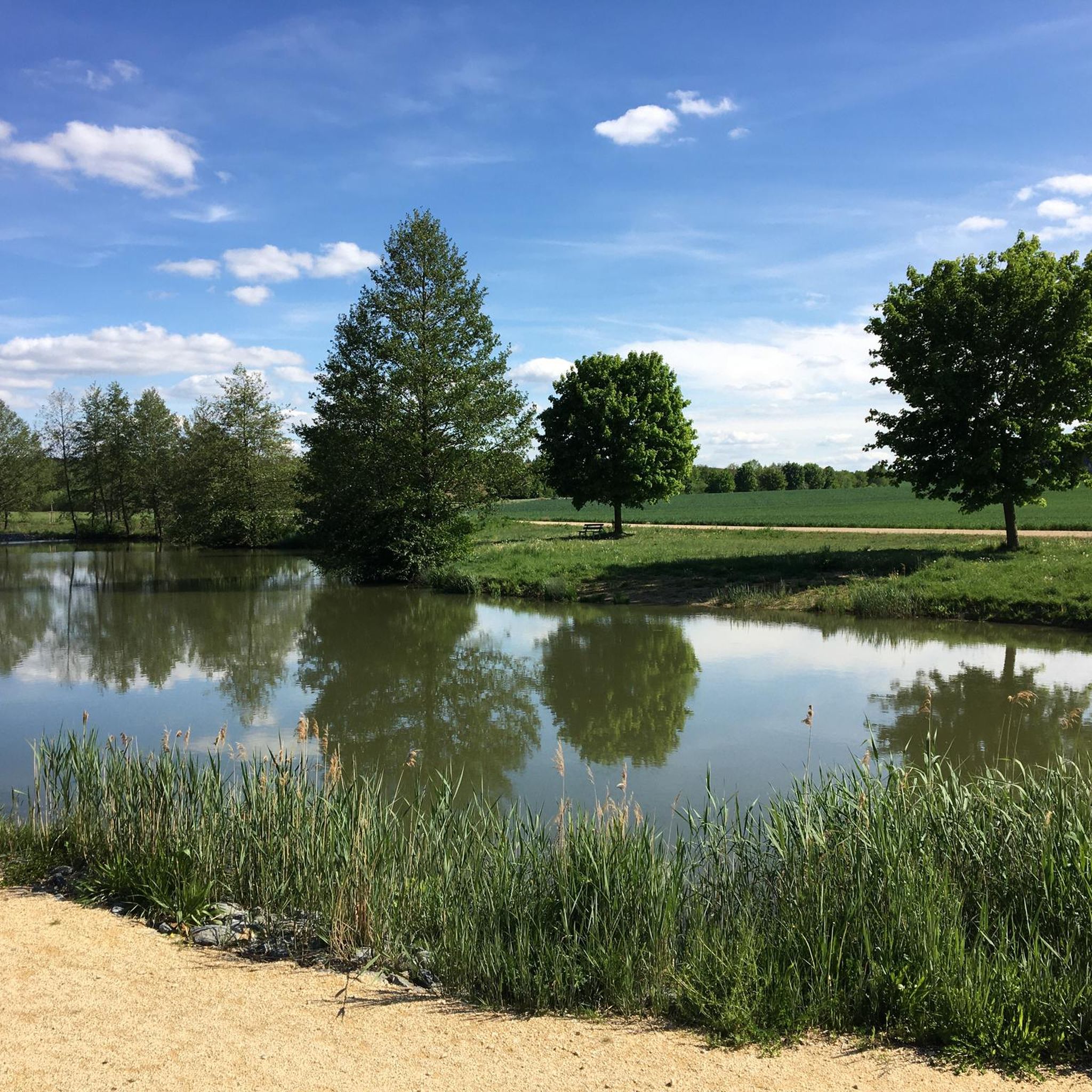
Guggenberger Lake
Highlight • Lake
Translated by Google •
Tip by

Sign up now to discover places like this
Get recommendations on the best single tracks, peaks, & plenty of other exciting outdoor places.
Sign up for free
Köfering Castle
Highlight • Castle
The first moated castle on the Pfatter was probably built in the 12th century. The Köfering family was first mentioned in the middle of the 12th century. Around …
Translated by Google •
Tip by

Höfling Castle
Highlight • Castle
Translated by Google •
Tip by

Alteglofsheim Castle
Highlight • Castle
Translated by Google •
Tip by
Sign up for free to discover even more attractions around Hagelstadt.
Sign up for free
Already have an account?
Start today with a free account
Your next adventure awaits.
Login or Signup
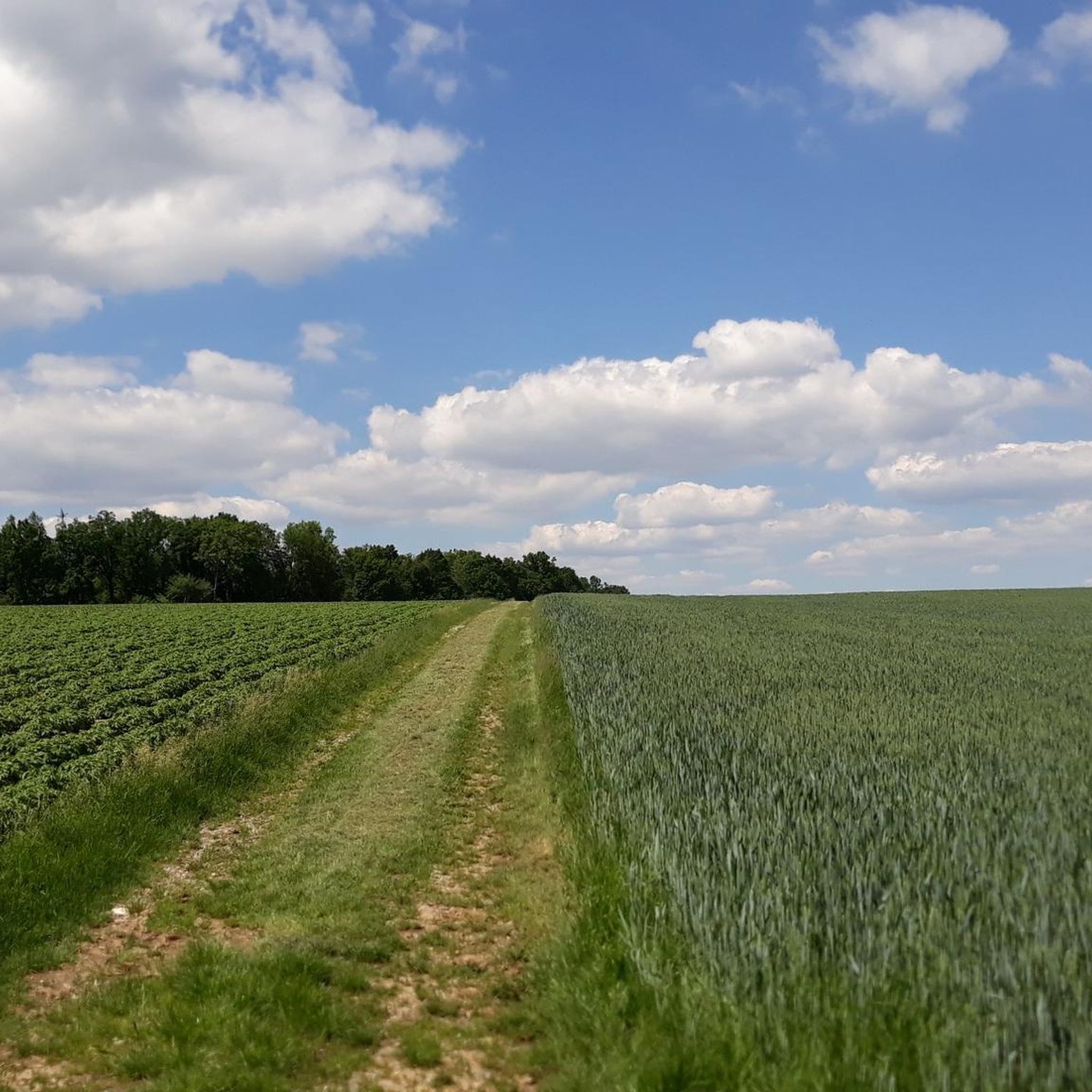
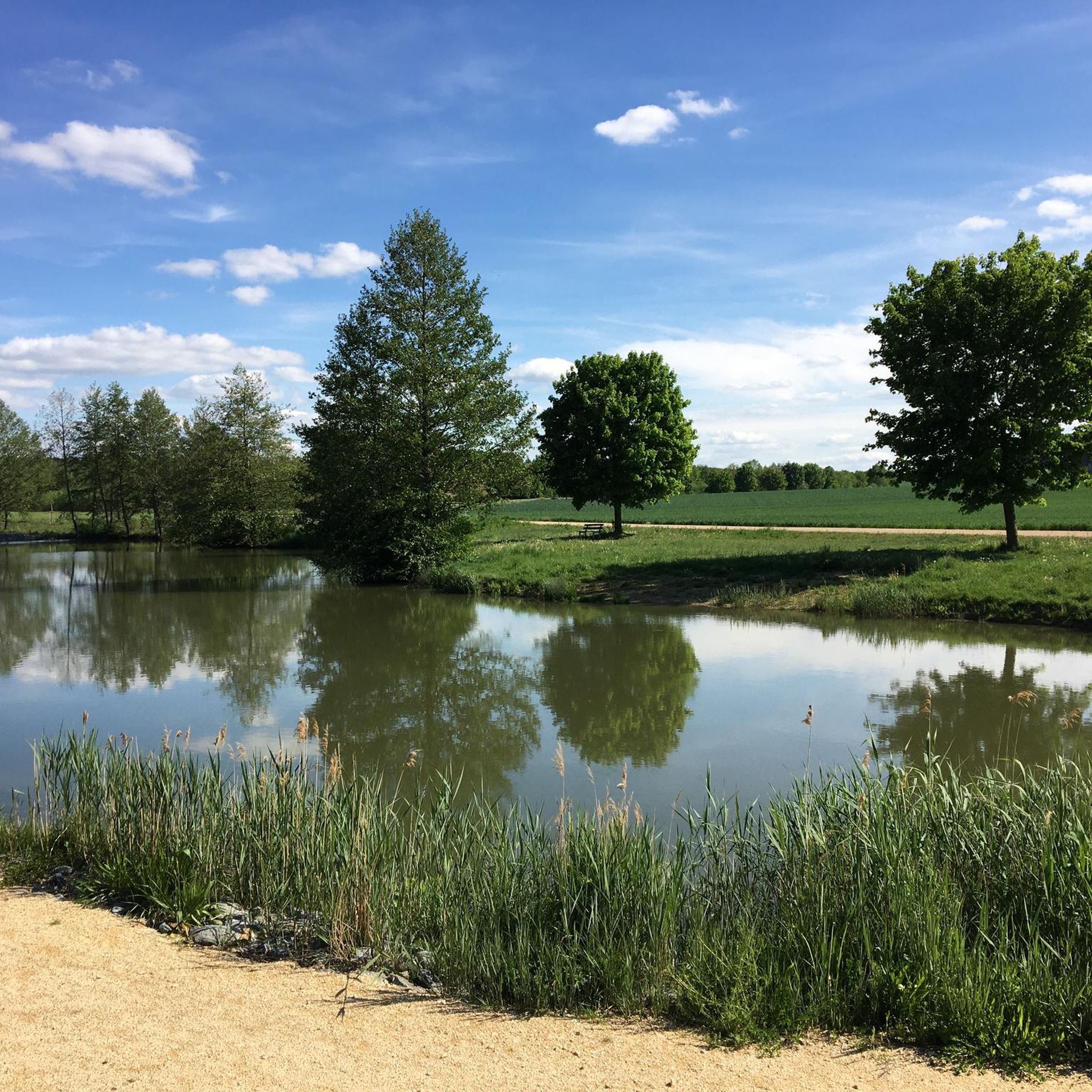
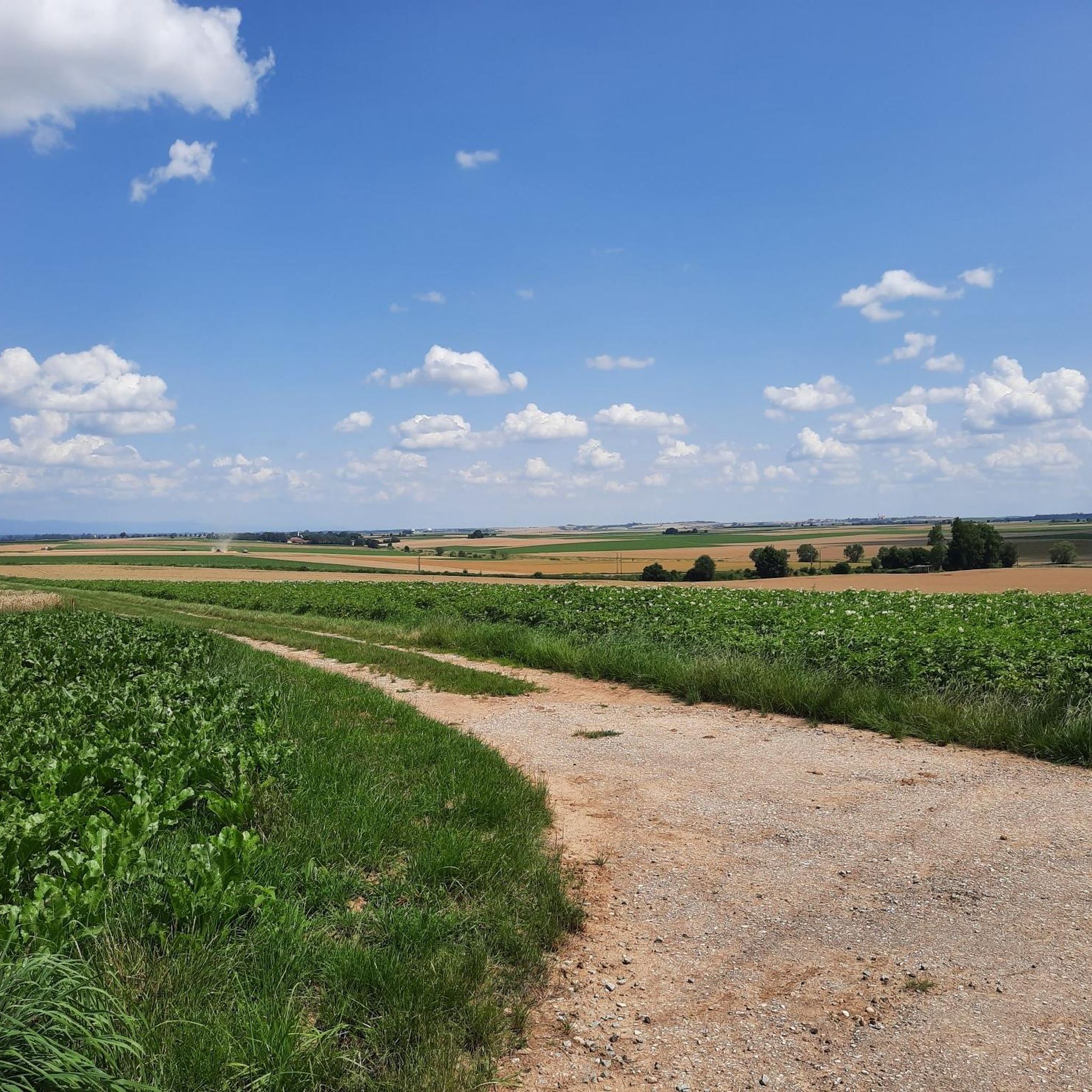

Tips from the Community

Beautifully designed castle park in Eglofsheim
1
0

Alteglofsheim Castle The name comes from the Eglofsheim family. Since the 10th century there has been a moated castle here with an associated manor. The castle was rebuilt and expanded several times over the centuries. From 1480 to 1573 the Barons of Parsberg owned the castle and manor. In 1659 Johann Georg Baron von Königsfeld bought the Alteglofsheim estate. In 1685 he became an Imperial Count. In his will in 1694 he left the estate to his grandson Hans Georg Graf von Königsfeld. He was the Minister of State and Conference of Elector Karl Albrecht and First Minister during his time as Emperor. From 1728 to 1734 he had the castle significantly expanded and refurbished. His successor Count Christian Johann August von Königsfeld, Elector's ambassador in Vienna, added the north wing of the castle with the magnificent dining room in 1780. In 1810 the Königsfelder family died out. The Barons of Cetto followed as owners, and in 1835 Prince Maximilian Karl von Thurn und Taxis acquired the castle. The Princes of Thurn und Taxis sold it to a priest in 1939, and it later went to his housekeeper. The war and post-war period led to the castle being used for other purposes, and it fell into increasing disrepair. In 1973 the Free State of Bavaria acquired it and made it available to the University of Regensburg in 1980. In 1989 the castle was designated as the location for the third Bavarian Music Academy. Construction work began in 1992. The Music Academy began operations here in June 1999. After extensive renovations and refurbishments the castle was handed over to its new purpose in September 2000. The late Gothic core of the complex with the 35-meter-high keep in the west dates from the beginning of the 14th century. It towers over the high gable of a building with two round flanking towers from the early 17th century. Around 1680, a wing with a two-aisled chapel in the basement was leaning against it in the south. Around 1730, it was extended to the west after the south-north wing had been started at a right angle to it. Elaborate ceiling frescoes by the Asam brothers and elegant stucco ceilings created by Johann Baptist Zimmermann adorn the castle. Tours of the castle are only possible for groups by prior arrangement. Source: Excerpts from www.wikipedia.de
2
0
Köfering Castle The first moated castle on the Pfatter was probably built in the 12th century. The Köfering family was first mentioned in the middle of the 12th century. Around 1300, the castle was owned by Eckprecht von Haidau, who gave it to the Bishopric of Regensburg in 1307 in order to receive it as a fief from the bishop. Other owners of the castle were Otto Zenger, Albrecht von Abensberg, Heinrich Nothaft von Mangolding and Scheuer. In 1427, Dietrich von Stauf took over the castle in Köfering by exchange. On December 26, 1491, the Köfering fortress was besieged and destroyed by the Bavarian Duke Albrecht IV with 1,000 soldiers during the Löwler League uprising, in which the castle owner Hieronymus von Stauf took part. The Counts of Lerchenfeld have owned the moated castle since 1569. The castle was damaged in the Thirty Years' War and rebuilt in its current form from 1680 to 1720. Renovation began in 1980/81. The moated castle is an irregular, baroque, three-storey three-wing complex with mansard hipped roofs, an entrance projection with portal, ground floor arcades and a staircase with a mansard hipped roof. The White Hall with inlaid parquet and the chapel are worth seeing. The castle complex consists of a central projection, to which only a north wing is connected. To the west there is another wing with protruding corner projections, and to the south the one-storey former stable building is attached. A three-arched stone bridge leads over the walled moat, which is still preserved, and is the only access to the castle. Source: Excerpts from www.wikipedia.de
3
0
St. Wolfgang's Oak - Neueglofsheim The St. Wolfgang's Oak stands near Schloss Haus, near Neueglofsheim. The oak stands in a meadow next to a dirt road. It is one of the largest oaks in Bavaria. A horizontal branch has been supported by wooden posts towards the dirt road for over 100 years. In 1905, the trunk circumference was 8 m at a height of 1 m. According to legend, Saint Wolfgang preached eloquently from this branch. The monumental trunk is very irregular and has strong growths in the lower area. On one side, the trunk has an oval opening that comes from a branch breaking a long time ago. The oak burned in 1878 and 1909. In 1909, it burned on St. Wolfgang's Day. The crown is formed by a few, quite large branches. Holes can be seen everywhere in the branches, which come from smaller branches that have broken off. The vitality is still quite good considering the relatively old age of the oak. Height: 385 m above sea level Tree species: Pedunculate oak Age: around 500 years Chest height: 9.80 m Waist circumference: 9.03 m Height of the tree: 18 m Crown diameter: 15 m Year of measurements: 2021 Source: www.monumentale-eichen.de
7
0

ND-Nr. 46 (running number in the LKR Regensburg) Interesting web links: https://www.monumentale-eichen.de/bayern/schloss-haus/ https://de.m.wikipedia.org/wiki/Sankt-Wolfgangs-Eiche https://www.baumkunde.de/baumregister/1555-sankt_wolfgangs_eiche_bei_schloss_haus/ https://nationalerbe-baeume.de/project/wolfgangseiche-thalmassing-bei-regensburg-bayern/
8
0

Well-preserved moated castle in the countryside
2
0

Today's Höfling Castle was built by the Princely Court Marshal Xaver Ignaz Freiherr von Reichlin-Meldegg in the 18th century. His alliance coat of arms can still be found in the stairwell and in the large salon on the first floor.
0
0

Beautifully located on a hill with a wide view. Invites you to take a break.
4
0
Frequently Asked Questions
What natural attractions can I explore around Hagelstadt?
The region offers several natural highlights. You can visit St. Wolfgang's oak, an impressive tree over 1,000 years old, providing shady seating areas. For water activities, Guggenberger Lake is a popular spot for swimming in summer. The area is also characterized by picturesque hills and offers breathtaking views of the Danube valley, with opportunities to hike along the River Laber.
Which historical castles can I visit in the Hagelstadt area?
You can find several historical castles nearby. Höfling Castle is privately owned but occasionally opens its gates, offering a glimpse into its history. Alteglofsheim Castle houses a Music Academy, and its gardens are open to the public for a serene stroll. Additionally, Köfering Castle is a well-preserved moated castle with beautiful grounds, and the Baroque Pürkelgut Castle is another notable landmark.
Are there good hiking or cycling opportunities near Hagelstadt's attractions?
Yes, the region around Hagelstadt is well-suited for outdoor activities. You can find numerous trails for hiking and cycling. For specific routes, explore the Gravel biking around Hagelstadt guide, the Running Trails around Hagelstadt guide, or the MTB Trails around Hagelstadt guide for detailed routes.
What family-friendly activities are available around Hagelstadt?
Families can enjoy a refreshing day at Guggenberger Lake, which has designated swimming areas and a beach with lifeguards. Exploring the ancient St. Wolfgang's oak offers a unique natural experience with shady seating. The gardens of Alteglofsheim Castle also provide a pleasant setting for a family stroll.
Where can I go for a refreshing swim in the summer?
For a refreshing swim, head to Guggenberger Lake, affectionately known as "Guggi." It's a popular spot in summer, featuring designated swimming areas and a beach with lifeguards and a kiosk on its eastern shore. It's ideal for a bike trip on warm days.
Are there any cultural sites or museums in Hagelstadt?
Hagelstadt offers cultural insights with the historic Town Parish Church of St. Martin, showcasing medieval architecture. The old town's Market Square is also notable for its colorful half-timbered houses. For those interested in the past, there is a Local History Museum, and art enthusiasts can visit the Museum of Contemporary Art.
What kind of views can I expect in the Hagelstadt region?
The Hagelstadt region is surrounded by scenic hills and offers breathtaking views of the Danube valley. You'll find an idyllic landscape of forests, rivers, and lakes, making it a paradise for nature lovers. Many trails provide panoramic vistas of the natural beauty.
What is the best time to visit Hagelstadt for outdoor activities?
The summer months are ideal for visiting Hagelstadt, especially for swimming at Guggenberger Lake and enjoying bike trips. The region's hiking and cycling routes are generally pleasant from spring through autumn, allowing you to fully appreciate the scenic landscapes and natural features.
Are there any unique historical events or festivals in Hagelstadt?
Hagelstadt hosts annual cultural events such as the Hagelfest, which brings music enthusiasts together. The region also celebrates traditional Bavarian brewing skills with the Bayrisches Bierfest, offering a taste of local culture and traditions.
What do visitors enjoy most about the attractions around Hagelstadt?
Visitors particularly appreciate the blend of historical landmarks and natural beauty. The ancient St. Wolfgang's oak is admired for its vitality and age, while Guggenberger Lake is loved for its clean swimming opportunities. The castles, even when viewed from a distance, offer a captivating glimpse into the region's rich past.
Can I find easy walking trails near Hagelstadt?
Yes, the region offers various walking routes suitable for different fitness levels. Many trails provide gentle paths through scenic landscapes, including walks along the River Laber and around the picturesque hills. The loop around Guggenberger Lake, for instance, is around four kilometers long and relatively flat.
Most popular routes around Hagelstadt
Most popular attractions around Hagelstadt

Get inspired with the komoot mobile app


Explore more
Still not found the Highlight you’re looking for? See guides of the top attractions in other regions:
