Top 20 Castles around Neuhaus an der Pegnitz
Best castles around Neuhaus an der Pegnitz are found within the Franconian Switzerland-Veldenstein Forest Nature Park, an area known for its rugged landscapes and historical significance. This region features numerous medieval fortifications, including well-preserved castles and evocative ruins. These sites offer insights into centuries of history and provide panoramic views of the surrounding countryside. The area is a notable destination for exploring historical architecture amidst natural beauty.
Best castles around Neuhaus an der Pegnitz
- The most popular castles is Wildenfels…
Last updated: July 6, 2026
Hohenstein Castle
Highlight • Castle
In winter, when there …
Translated by Google •
Tip by

Stierberg Castle Ruins
Highlight • Castle
Translated by Google •
Tip by

Sign up now to discover places like this
Get recommendations on the best single tracks, peaks, & plenty of other exciting outdoor places.
Sign up for free
Wildenfels Castle Ruins
Highlight • Castle
Translated by Google •
Tip by

Breitenstein Castle Double Chapel
Highlight • Religious Site
Translated by Google •
Tip by

Lichtenstein castle ruins with viewpoint
Highlight • Viewpoint
Translated by Google •
Tip by

Sign up for free to discover even more castles around Neuhaus an der Pegnitz.
Sign up for free
Already have an account?
Start today with a free account
Your next adventure awaits.
Login or Signup
Popular around Neuhaus an der Pegnitz
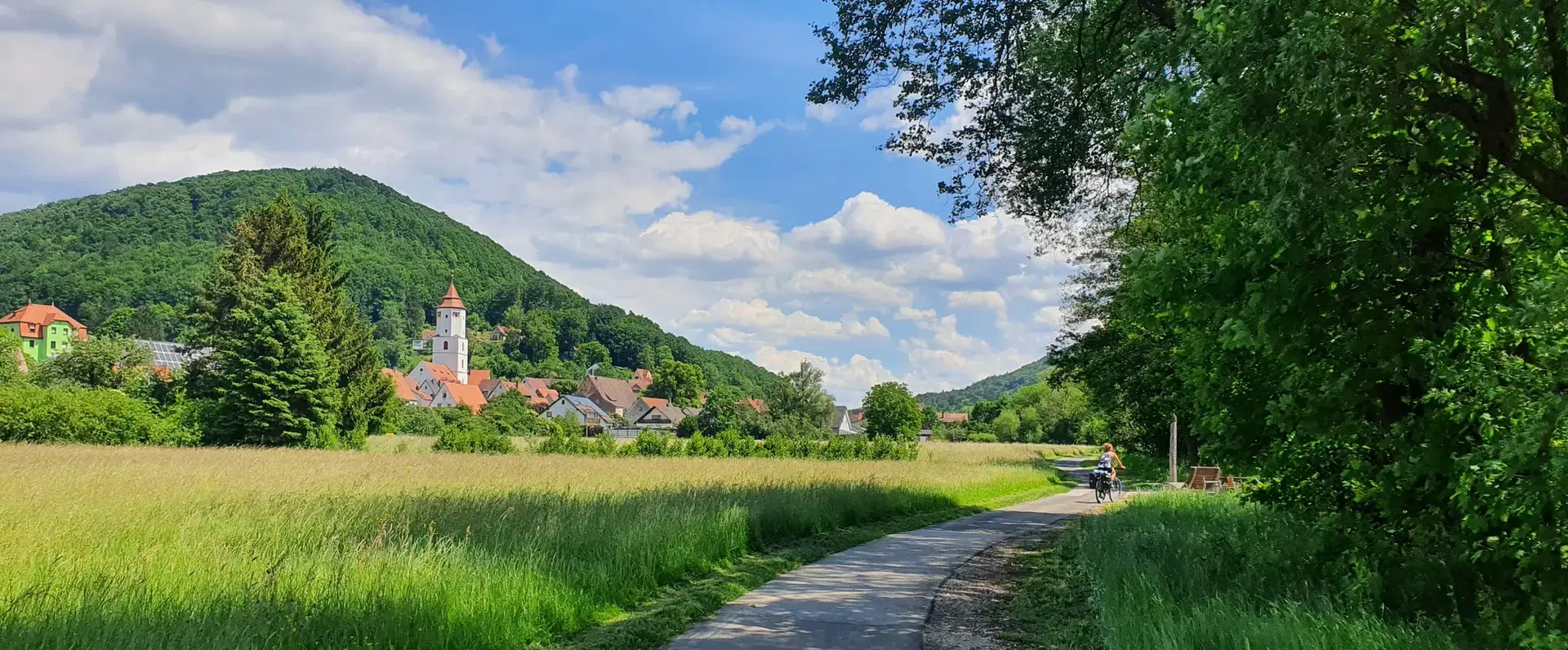
Cycling through the Nuremberg metropolitan region – nature & enjoyment

11 Days on the Erzweg Quality Hiking Trail

Cycling to the Hop Weeks in the Nuremberg Region
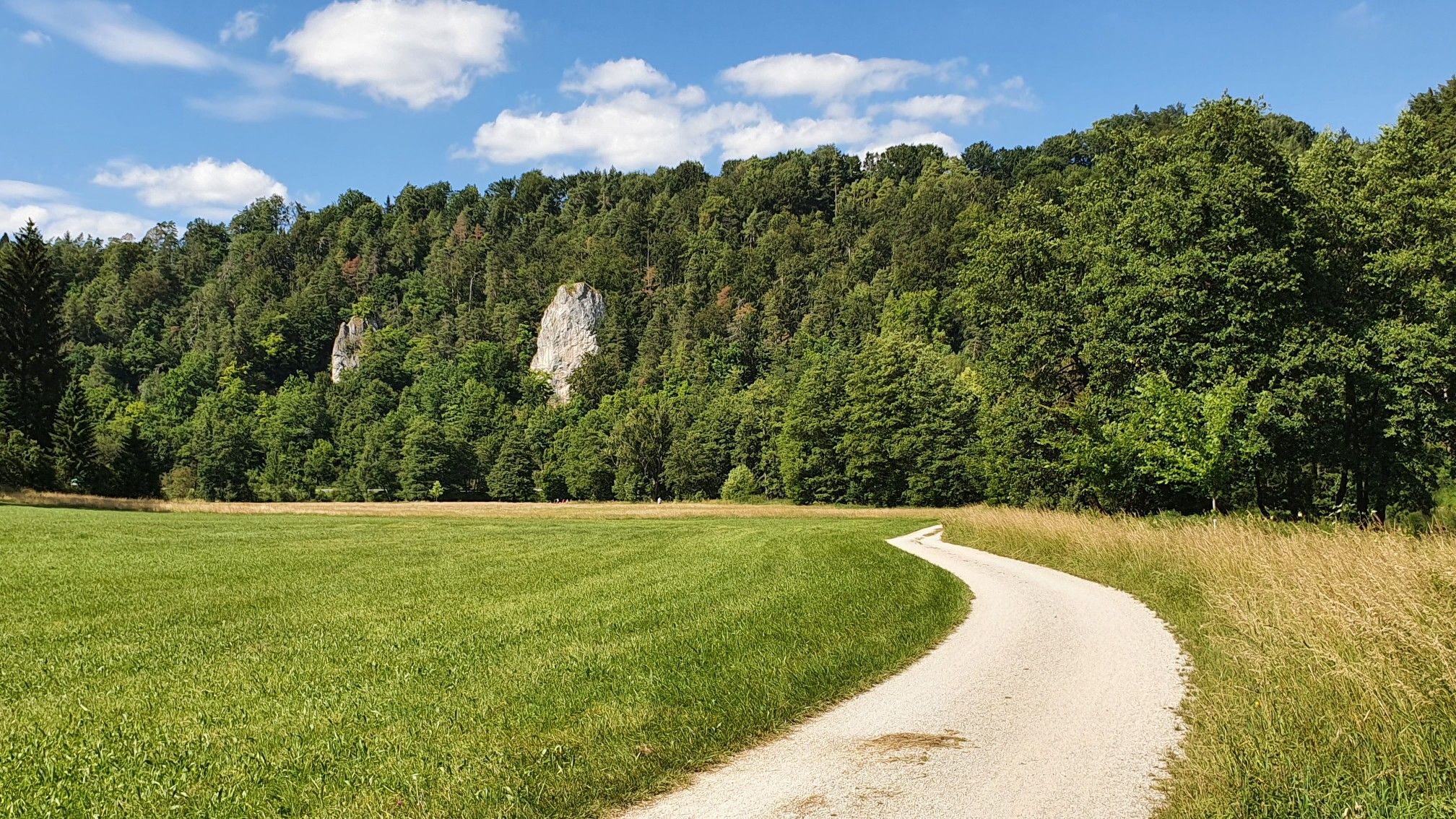
Day trips or a weekend getaway – Pegnitz cycle path
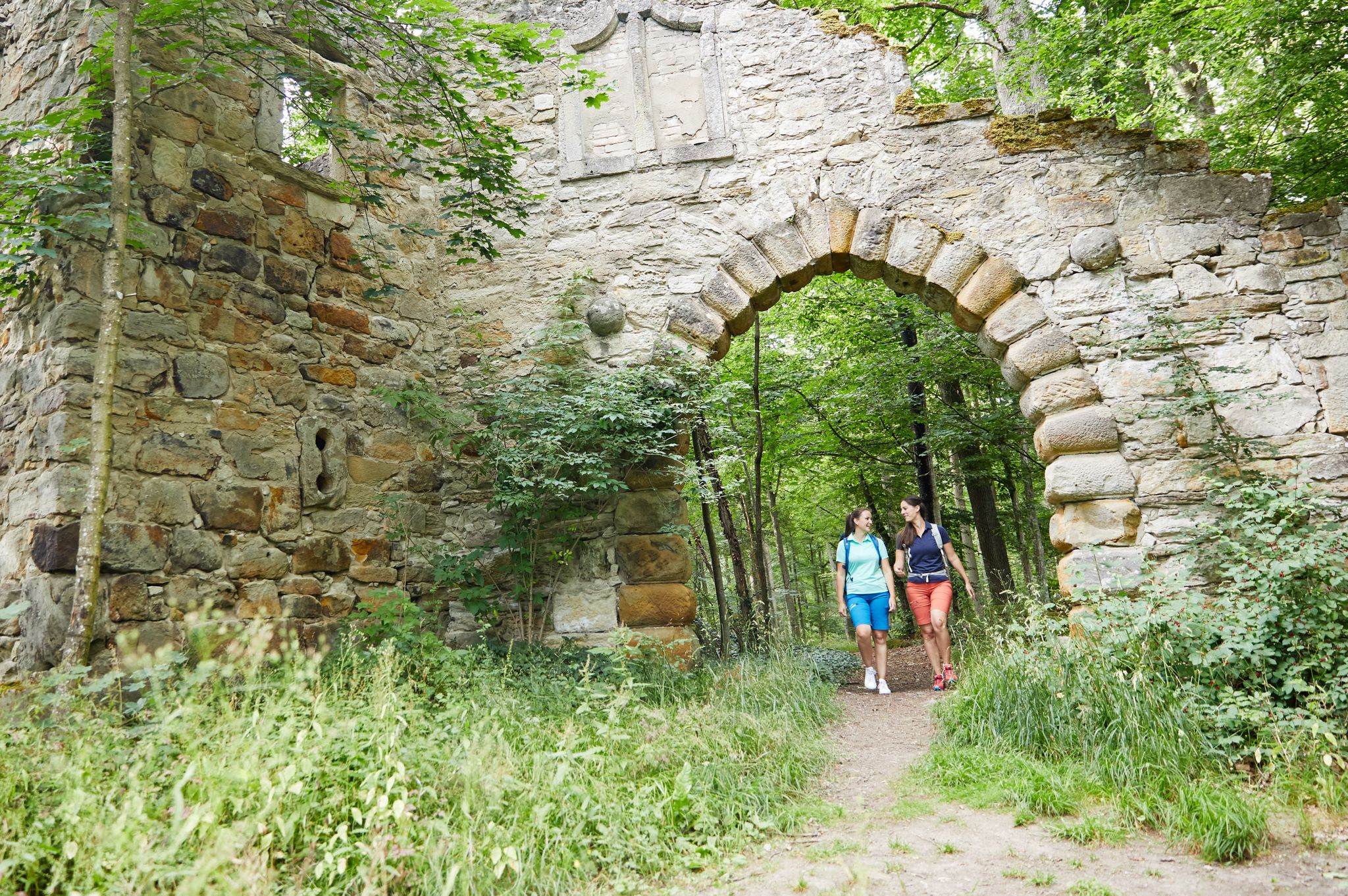
Full of views and fun – VGN leisure tips 2022

Explore the Nuremberg Land with all your senses – Sensory Cycle Path
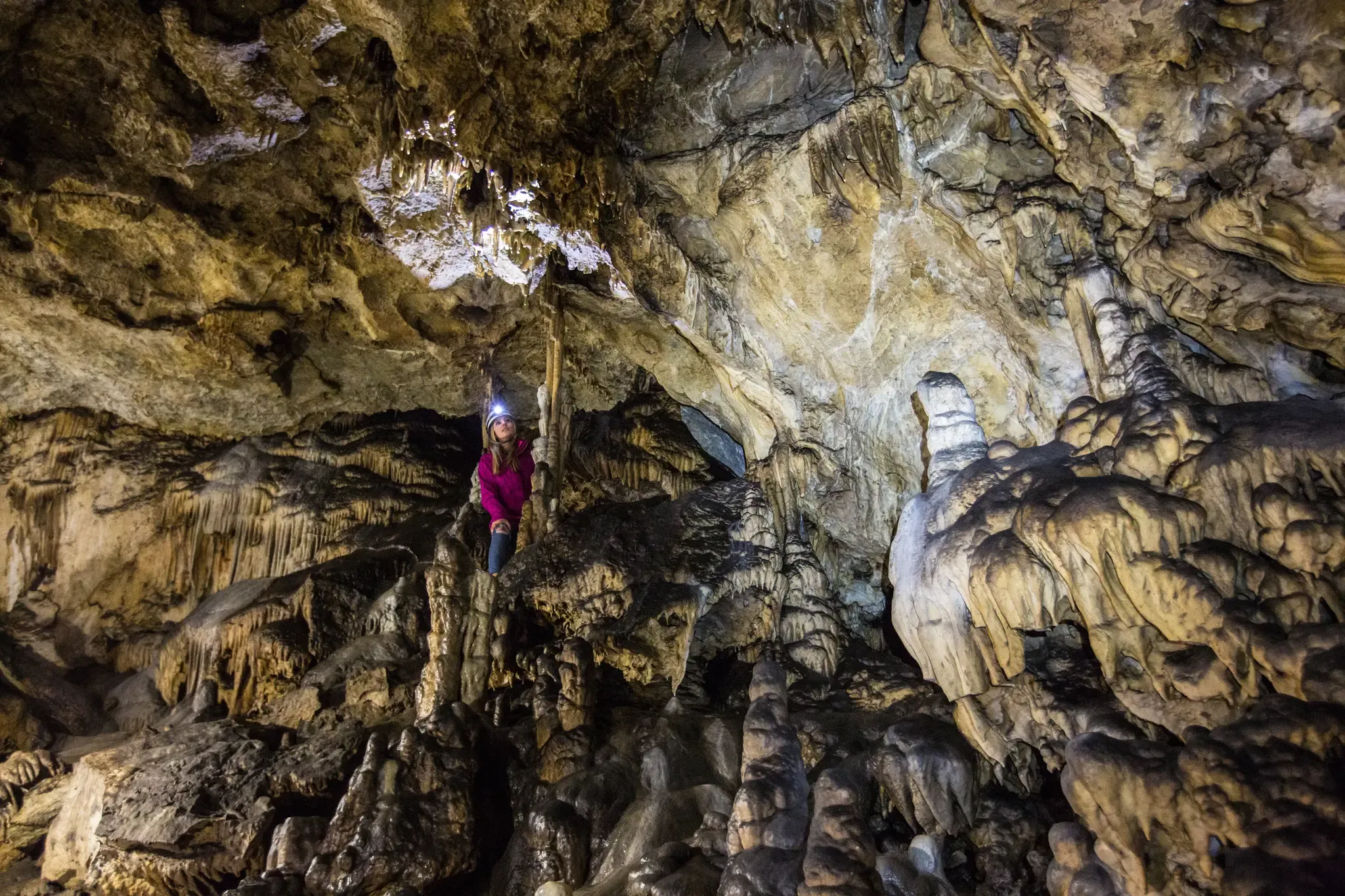
Surrounded by rocks — caving in Germany’s Nuremberg region

Get ready to explore — e-biking in Germany’s Nuremberg Region
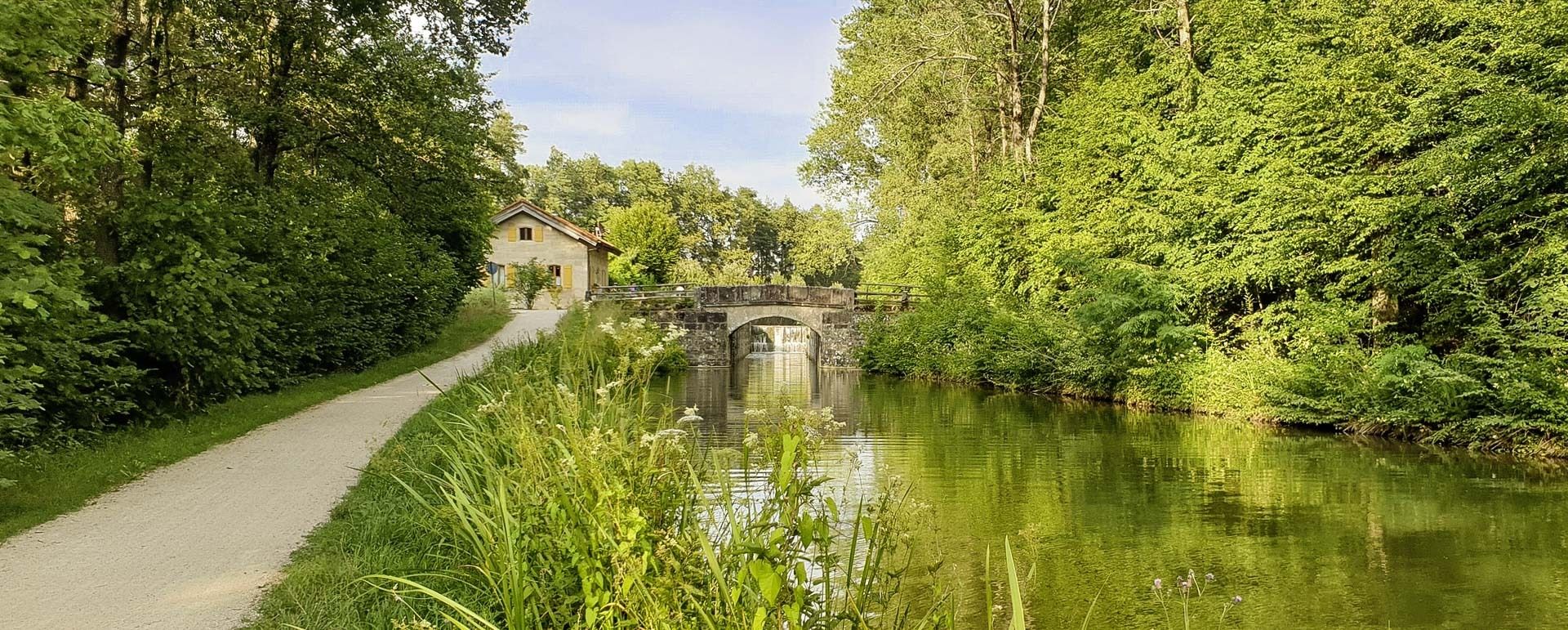
Gentle hills, rivers & forests – cycling in Germany’s Nuremberg Land
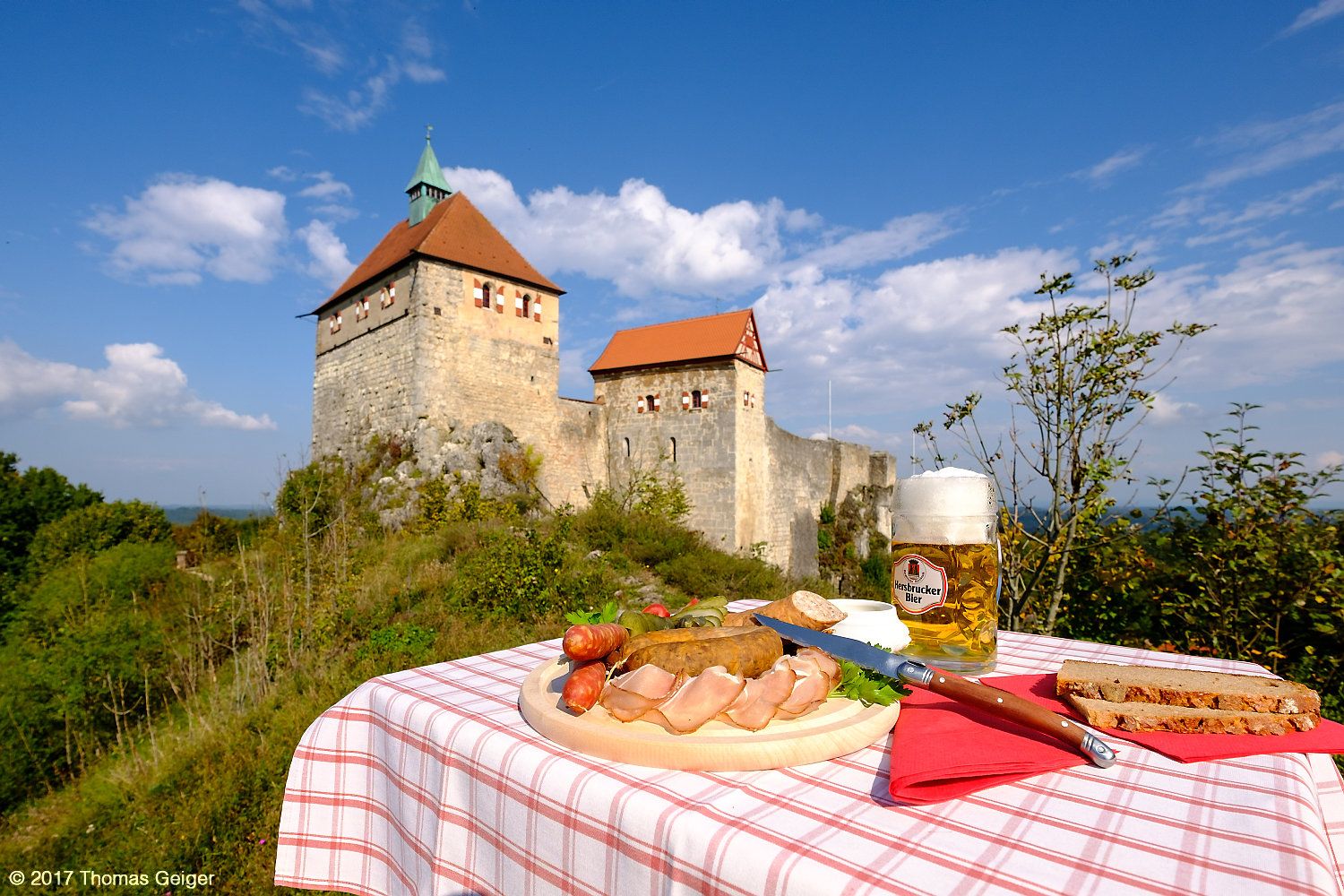
Culinary cycling Tours in the heart of the Franconian Alb mountains
Other adventures around Neuhaus an der Pegnitz


Tips from the Community

In 1391 the castle was pledged to Linhard von Henfenfeld by the Wittelsbach dukes, after which other pledge holders and caretakers appeared. In 1419 it was ceded to the brothers Hans, Eberhart and Wilhelm von Mistelbeck, who had claims against Duke Ludwig of Bavaria-Ingolstadt. The handover did not take place because of the Bavarian War. In the Bavarian War between Duke Ludwig of Bavaria-Ingolstadt and his cousins, the Bavarian Dukes of Landshut and Munich, Lichtenstein Castle was conquered and destroyed in June 1421 by Count Palatine Johann von Neumarkt-Neunburg, who was allied with Ludwig's opponents. In the terrain exploration of the imperial city of Nuremberg from 1503 to 1504, in which all castles and fortifications are listed in relation to the Landshut War of Succession that soon followed, Lichtenstein is described as “an old, traditional castle”. An entry in the Salbuch from 1516 also states that Lichtenstein was only a castle stable. The Sulzbach regional court granted the Mistelbeck brothers their right to compensation in 1421 and again in 1422. The castle ruins fell into disrepair; In 1851 the Bavarian state sold it to Paul Willhelm Freiherr Ebner von Eschenbach. Around 1855, in the spirit of the awakening romanticism of castles, he had the pseudo-ruins built on the upper castle using rising masonry and an English landscape garden set up in the area of the lower castle, which, however, also fell into disrepair.[5] Today there is forest around the castle ruins and it is partly overgrown with bushes. Several hiking trails from Pommelsbrunn and the surrounding area lead to the ruins. The medieval remains of Lichtenstein Castle, especially those of the lower castle, are at great risk of decay. Source: Wikipedia
6
0

Stierberg castle ruins The castle and the town at its feet owed their importance to the junction here from the high road, the section of the “via imperii” between Nuremberg and Bayreuth. This north-south axis crossed in Stierberg with the Altstrasse, which ran from west to east. The name Stierberg first appeared in 1187 with the mention of Otnand de Stierberc and in 1188 by a Poppo von Stierberch, both of which were ministerial offices of the Bishopric of Bamberg. Before 1308, the castle, which was later owned by the diocese, passed to the noble lords of Schlüsselberg. In 1306, Landgrave Ulrich von Leuchtenberg entrusted the castle to the Bishopric of Trier. In 1356 the property passed as a fief to Emperor Charles IV and thus to Bohemia. In 1417 Stierberg was sold to John of Bavaria by Landgrave Leopold. After the Landshut War of Succession, Stierberg fell into the hands of the Nurembergs without a fight in 1504 and thus to the Free Imperial City of Nuremberg. Then regained in the same year by the Palatinate under Ludwig von Eyb, but apparently significantly damaged during these fighting. Retaken by the Nuremberg troops in 1505, Stierberg and Betzenstein became part of the imperial city of Nuremberg. In the second federal war in 1553, the village and Stierberg Castle were shelled and captured by margrave troops, and the castle burned down completely. The castle ruins lie on a dolomite rock reef that slopes down on three sides. The upper main castle (southwest of the natural cut) only has a few remains of walls. You can see a piece of wall about 8 meters high and 1.3 meters thick and, at the highest elevation, wall rubble and remains of the foundation wall. To the north of the cutting there is a well-preserved, extended round tower on an isolated rock, 6 meters high and with quarry stone walls up to 1.8 meters thick. To the southeast at a height of around 2 meters there is an arched entrance opening. The top of the wall is covered with cement and bears a restoration inscription from 1914. The former bailiwick house, built in 1778/79, stands on the sloping slope. Behind the house is access to a partly artificial cave that runs through the entire castle rock in a southwesterly direction. Source: information board
4
0

Today there is forest around the castle ruins and it is partly overgrown with bushes. Several hiking trails from Pommelsbrunn and the surrounding area lead to the ruins. In any case, the view is beyond any doubt :)
4
0

Beautiful, well-preserved castle, which you can walk around just below the walls. You can also visit the inside for a fee of €2.50 for adults. The castle is open from March to November (weather permitting). The castle is open on Sundays and public holidays from 11 a.m. to 5 p.m It is closed on Mondays and Tuesdays.
6
0

Castle is accessible and can be visited. You have a great view. Between the floors there is a beautiful herb garden. A part is integrated into a rock. A newer building, the "long house", houses, among other things, holiday apartments.
6
1


A nice stopover on a hike that should not be missed, the chapel has always been open.
4
0
The castle chapel in Breitenstein is absolutely worth seeing because of the two-storey construction. Next to the chapel there is a bench to enjoy the beautiful view.
17
0
Frequently Asked Questions
What are some of the most historically significant castles in the Neuhaus an der Pegnitz region?
The region is rich in history. Burg Veldenstein in Neuhaus an der Pegnitz is a prominent medieval castle, first documented in 1269, that served as an administrative hub and evolved over centuries. While currently undergoing renovations, parts of its inner courtyard and a viewing platform are accessible. Other historical sites include the Stierberg Castle Ruins, which played a significant role due to its strategic location on trade routes, and the Wildenfels Castle Ruins, built between 1317 and 1323.
Are there any castles with great viewpoints around Neuhaus an der Pegnitz?
Yes, several castles offer stunning views. Hohenstein Castle is located at the highest point in the Nuremberg region, providing expansive panoramic views. The Lichtenstein castle ruins also offer a fantastic viewpoint overlooking the town of Pommelsbrunn and the Nuremberg region. Even the Breitenstein Castle Double Chapel, while primarily a religious building, has a bench nearby to enjoy beautiful views.
What is the current status for visiting Burg Veldenstein?
Since 2014, Burg Veldenstein has been undergoing comprehensive renovation due to rockfalls. As of August 2022, the inner courtyard and a viewing platform have been made accessible to the public. Guided tours are not currently available, and there is no restaurant or overnight accommodation. The castle is generally open during good weather conditions from April 1st to October 15th, Tuesday to Sunday, 9:00 AM to 6:00 PM, with public access via the western entrance opposite Burgstraße 9.
Are there family-friendly castles to visit in the area?
Many of the castle ruins and historical sites in the region can be enjoyed by families. For example, the Wildenfels Castle Ruins are well-maintained and offer sunny snack tables, making it a great spot for a break with children. The Lichtenstein castle ruins are also noted as dog-friendly, which can be a plus for families with pets.
What outdoor activities can I do near the castles around Neuhaus an der Pegnitz?
The region offers a variety of outdoor activities. You can find numerous hiking trails, including moderate options like the 'Weissingkuppe Rock Labyrinth – Vogelherd Grotto loop' or more challenging routes like the 'Rabenfels – Vogelherd Grotto loop.' For cycling enthusiasts, there are gravel biking routes such as the 'Pegnitz Riverside Trail' or the 'Velden Historic Town Centre – Pegnitz Riverside Trail loop.' You can explore these and more on the Hiking around Neuhaus an der Pegnitz and Gravel biking around Neuhaus an der Pegnitz guide pages.
Are there any castles that are particularly good for a short walk or easy exploration?
The Wildenfels Castle Ruins are described as a well-maintained complex with seating, making it ideal for a relaxed visit and a break. While Hohenstein Castle requires some off-road mobility, its compact nature might make it suitable for a focused, shorter exploration once you reach it.
What kind of natural features can be found near the castles?
The castles are often nestled within the Franconian Switzerland-Veldenstein Forest Nature Park, offering rugged landscapes. You'll find features like rock formations, forests, and caves. For instance, the Stierberg Castle Ruins are situated on a dolomite rock reef and feature a partly artificial cave that runs through the castle rock. The Wildenfels Castle Ruins also have a small cave below them.
What do visitors enjoy most about the castles around Neuhaus an der Pegnitz?
Visitors frequently highlight the stunning views and the historical atmosphere. For example, the expansive views from Hohenstein Castle are a major draw. The well-maintained nature and opportunities for a pleasant break at sites like Wildenfels Castle Ruins are also appreciated. The historical significance and architectural evolution of castles like Burg Veldenstein also captivate many.
Are there any unique architectural features among the castles?
Yes, the Breitenstein Castle Double Chapel is particularly unique. Built in the 12th century, it is the only two-storey double chapel from the Romanesque era in the Upper Palatinate, making it a significant architectural highlight.
Can I bring my dog to the castle ruins?
Some castle ruins are noted as dog-friendly. For example, the Lichtenstein castle ruins with viewpoint are explicitly listed as dog-friendly, allowing you to explore with your canine companion.
What is the best time of year to visit the castles in Neuhaus an der Pegnitz?
The castles are generally best visited during good weather conditions. For Burg Veldenstein, the public access is available from April 1st to October 15th. This period typically offers pleasant weather for exploring the ruins and enjoying the surrounding nature and viewpoints.
Are there any challenging routes or hikes associated with the castles?
Yes, some castle ruins are part of more challenging routes. For instance, reaching the Stierberg Castle Ruins can be part of a challenging hike. The tips for Hohenstein Castle mention that visiting requires some off-road mobility, suggesting a more adventurous approach. You can find challenging hiking and mountain biking routes in the area on the Hiking around Neuhaus an der Pegnitz and Mountain Hikes around Neuhaus an der Pegnitz guide pages.
Most popular routes around Neuhaus an der Pegnitz
Most popular attractions around Neuhaus an der Pegnitz

Get inspired with the komoot mobile app


Explore more
Looking for the best castles somewhere else? Discover other guides around Neuhaus an der Pegnitz:
