Top 12 Castles around Oettingen im Bayern
Castles around Oettingen im Bayern are situated on the northern edge of the Ries crater, a geological formation. The region features historical architecture, including Baroque palaces and medieval structures. Oettingen im Bayern offers a blend of cultural significance and natural landscape. There are 12 castles to explore in this area.
Best castles around Oettingen im Bayern
- The most popular castles is Steinhart Castle Ruins, a castle ruin that was probably built in the 12th century. Significant remnants of the enclosing walls with hump ashlars are still preserved from the former rectangular castle complex.
- Another must-see spot is Wallerstein Plague Column, a man-made monument. Count Anton Karl von Oettingen-Wallerstein had this column erected between 1722 and 1725.
- Visitors also love Schlossgalerie Steinacker, a castle that houses an exhibition of sculptures by artist Ernst Steinacker. Many of his sculptures can be viewed in and outside the castle and in the inner courtyard.
- Oettingen im Bayern is known for palaces, castle ruins, and historic castles. The area offers a variety of historical structures to see and explore.
- The castles around Oettingen im Bayern are appreciated by the komoot community, with more than 530 upvotes and over 180 photos shared.
Last updated: July 1, 2026
Oettingen Historic Old Town
Highlight • Historical Site
(In memory of my father who was born in Oettingen)
Translated by Google •
Tip by

Wallerstein Plague Column
Highlight • Monument
Translated by Google •
Tip by

Sign up now to discover places like this
Get recommendations on the best single tracks, peaks, & plenty of other exciting outdoor places.
Sign up for free
Princely Residence Palace Oettingen
Highlight • Castle
The Residenzschloss is open from April to October, Tuesday to Sunday, between 2 PM and 3 PM. A visit is only possible as part of a guided tour, and combined tours with the castle museum can also be booked.
Showing Translation
Tip by

Steinhart Castle Ruins
Highlight • Castle
de.wikipedia.org/wiki/Burg_Steinhart
Translated by Google •
Tip by

Residential Palace
Highlight • Castle
Translated by Google •
Tip by

Sign up for free to discover even more castles around Oettingen im Bayern.
Sign up for free
Already have an account?
Start today with a free account
Your next adventure awaits.
Login or Signup
Popular around Oettingen im Bayern
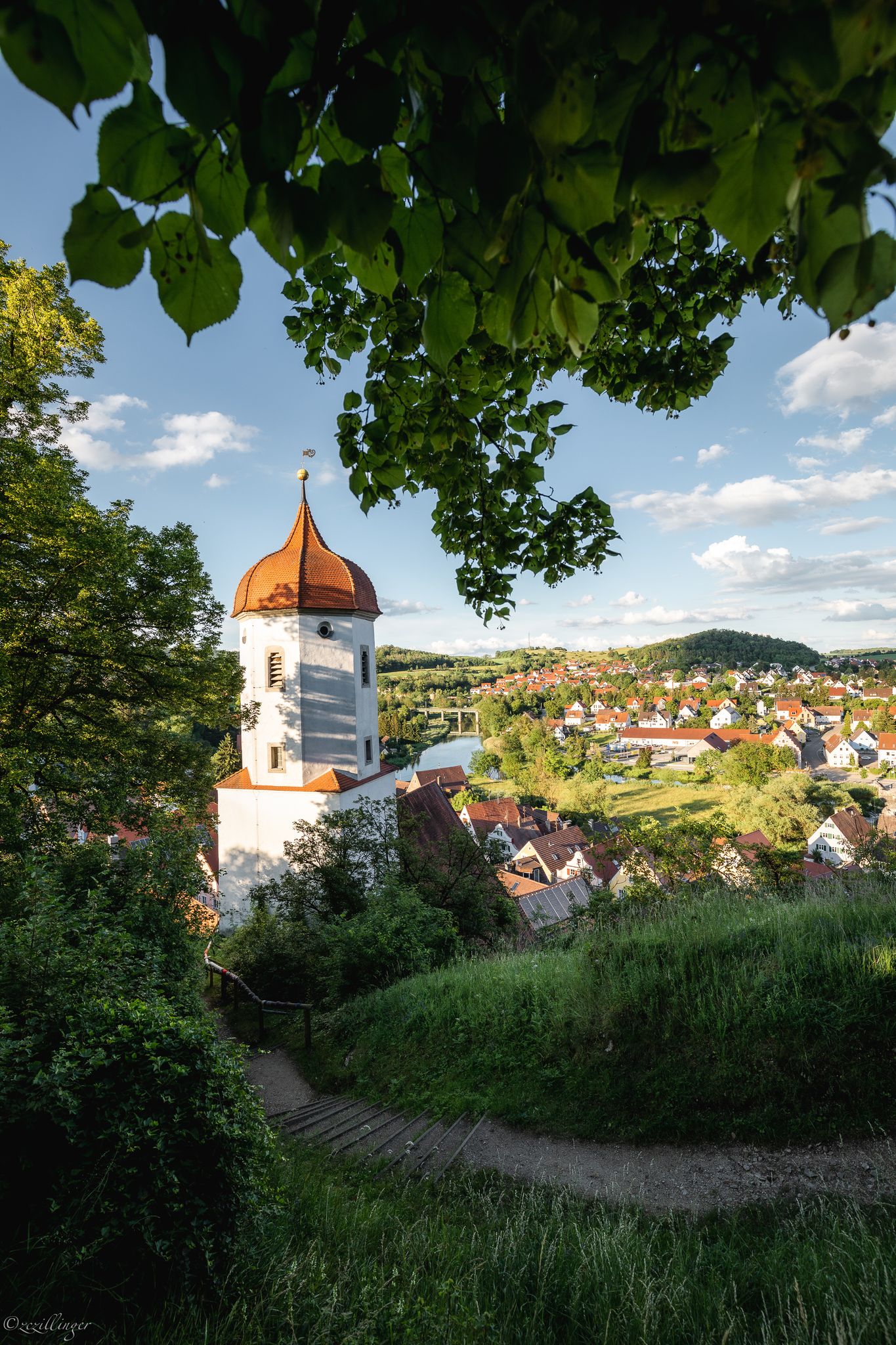
Augsburger Jakobsweg – Through Bavarian-Swabia
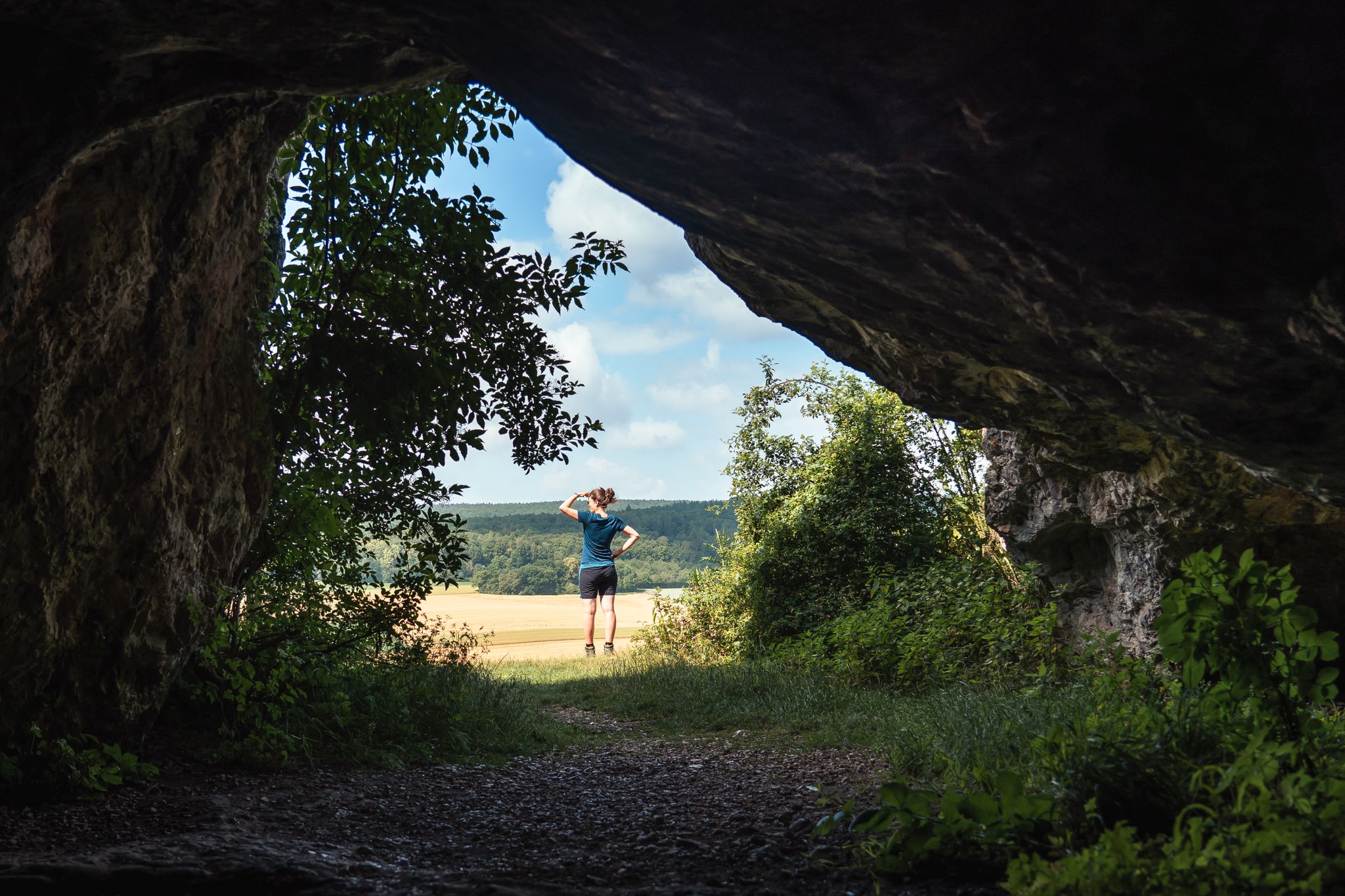
Historic and exciting – hiking in the DONAURIES holiday region
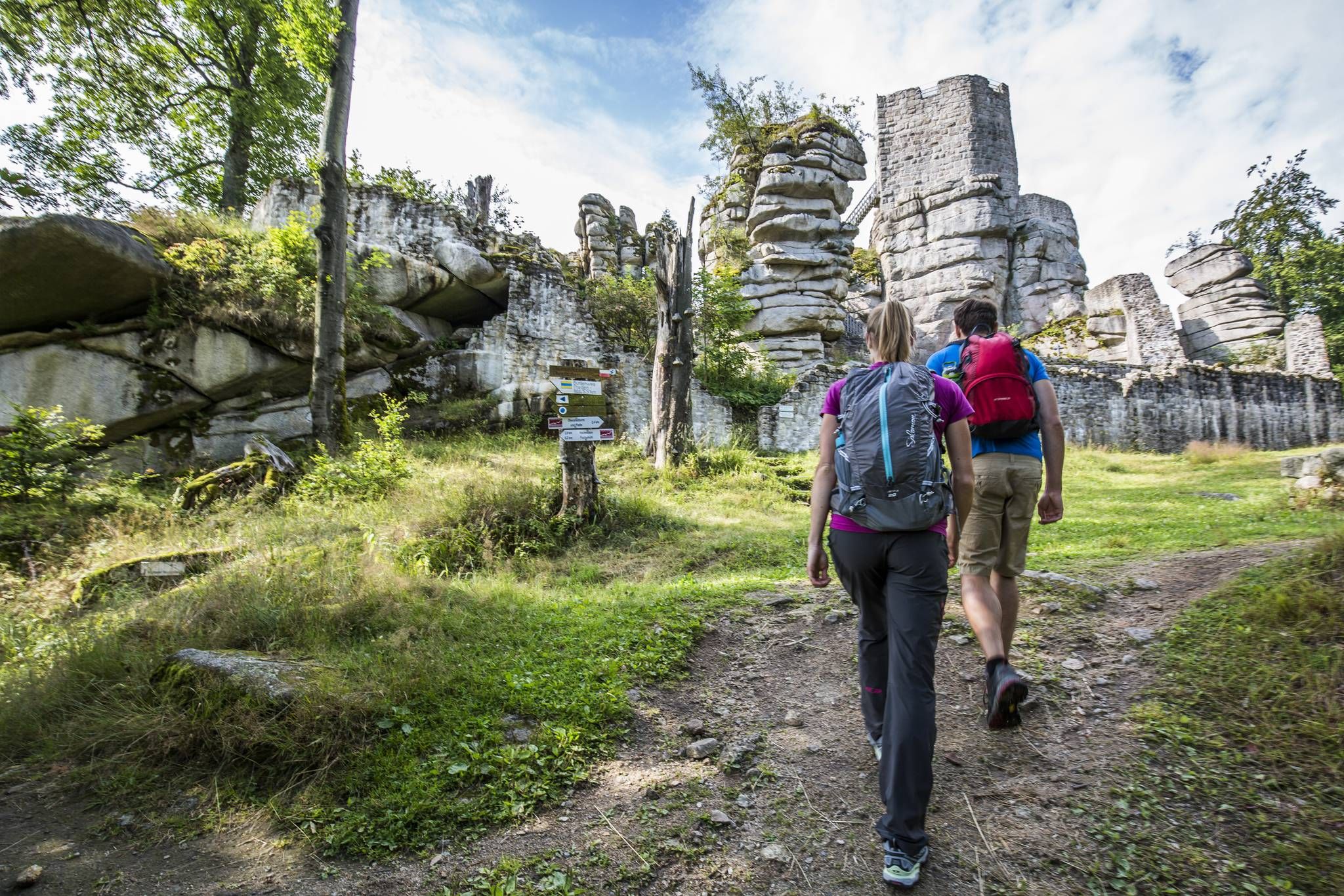
Thousands of kilometres of hiking fun – long-distance hiking trails in Bavaria
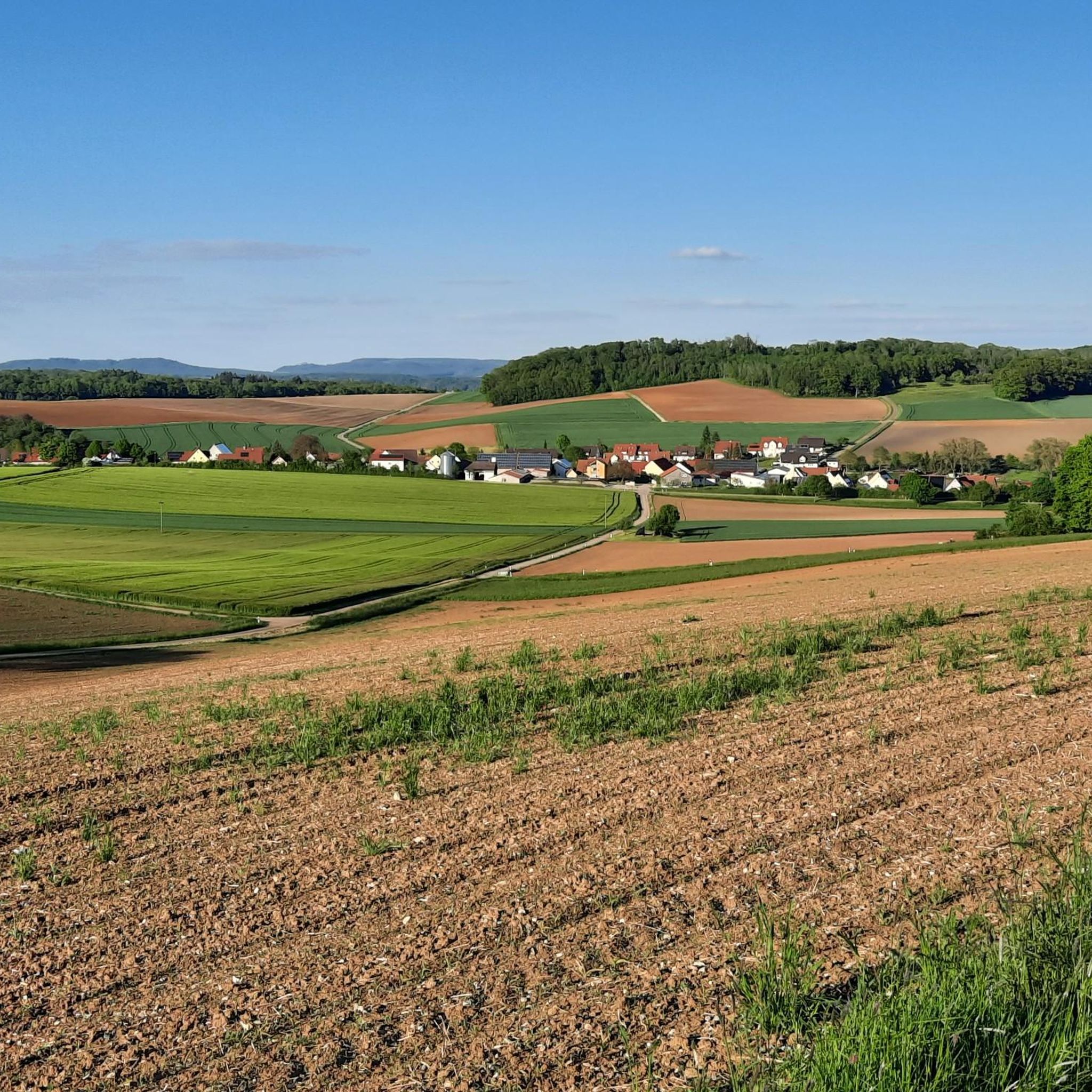
Cycling around Oettingen im Bayern
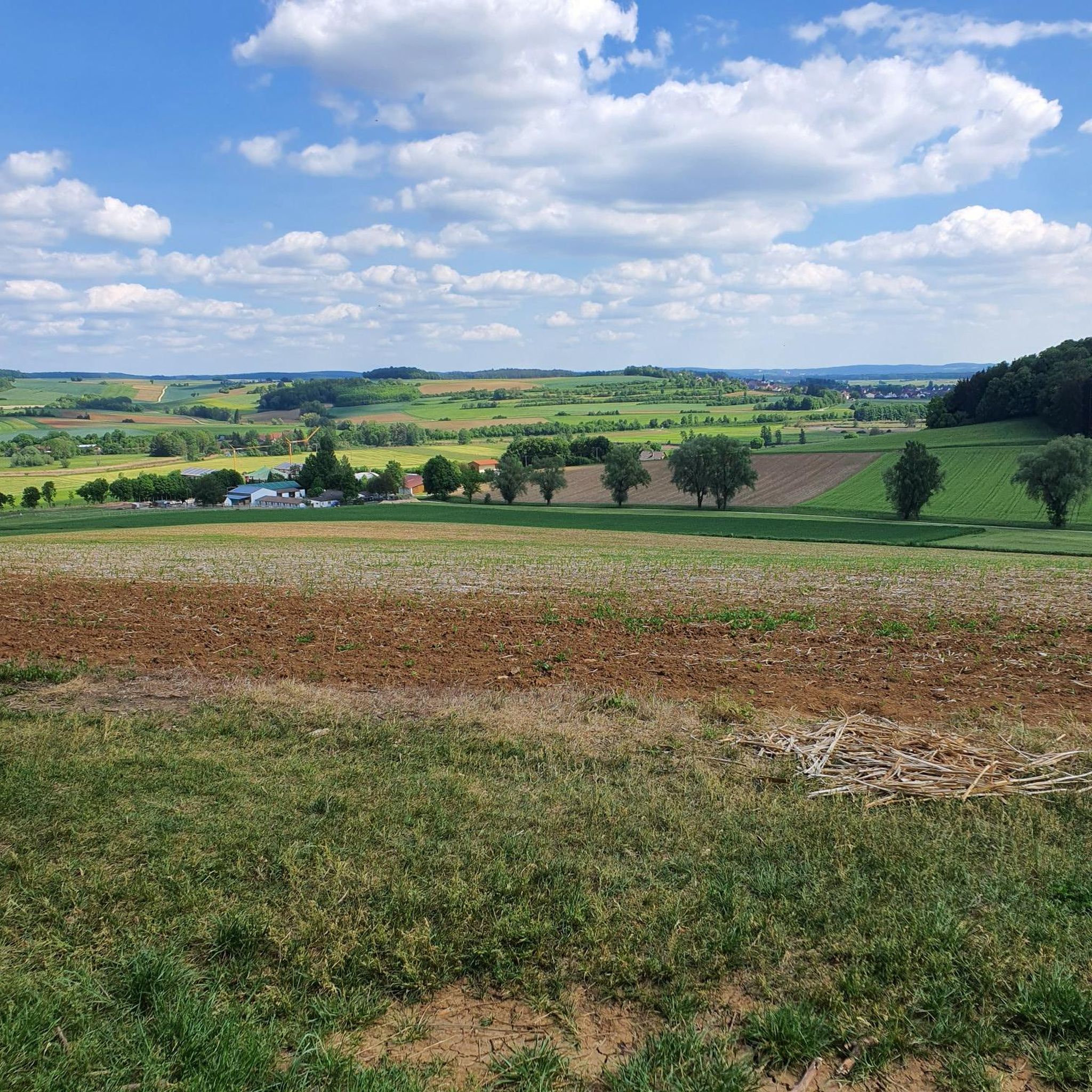
Road Cycling Routes around Oettingen im Bayern
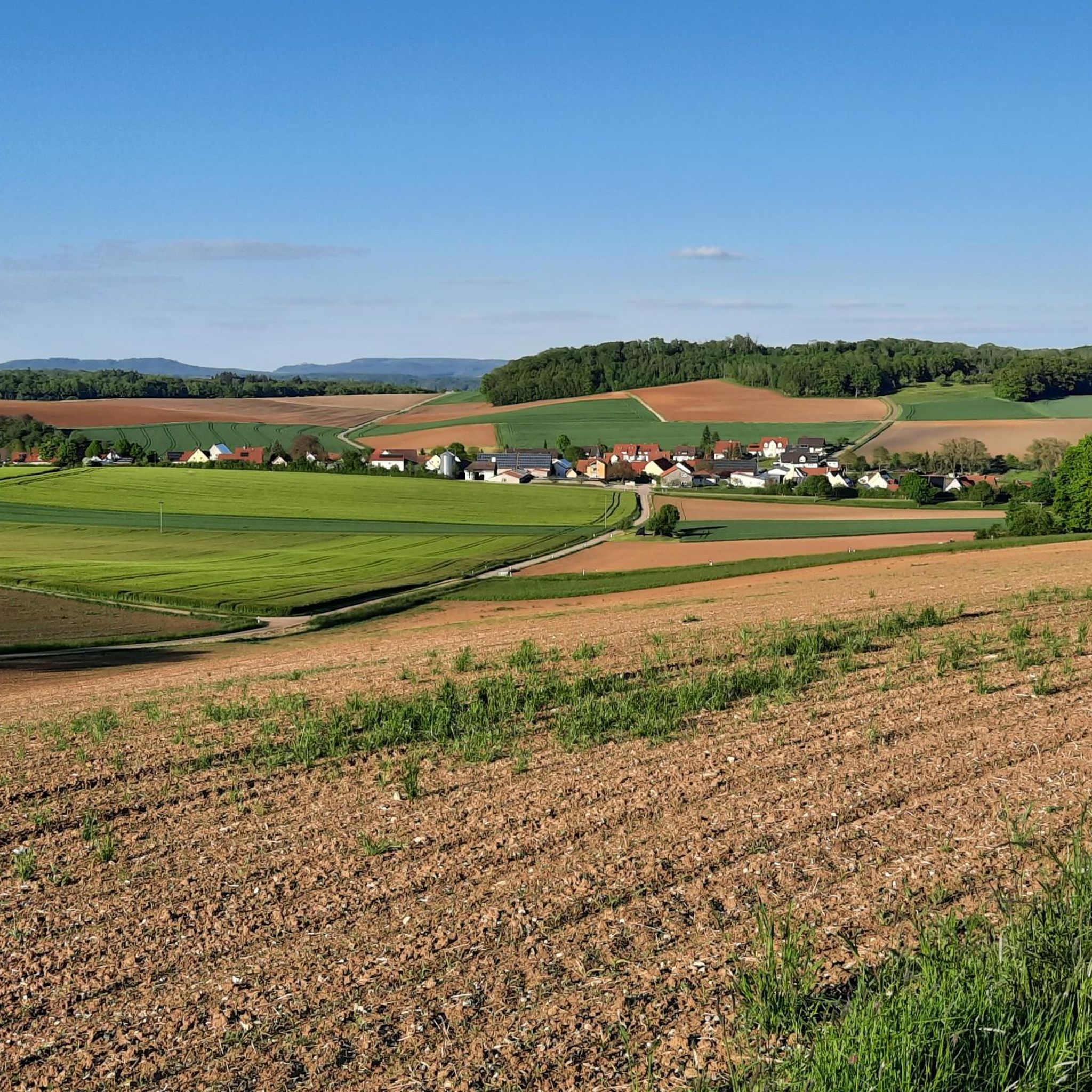
Hiking around Oettingen im Bayern
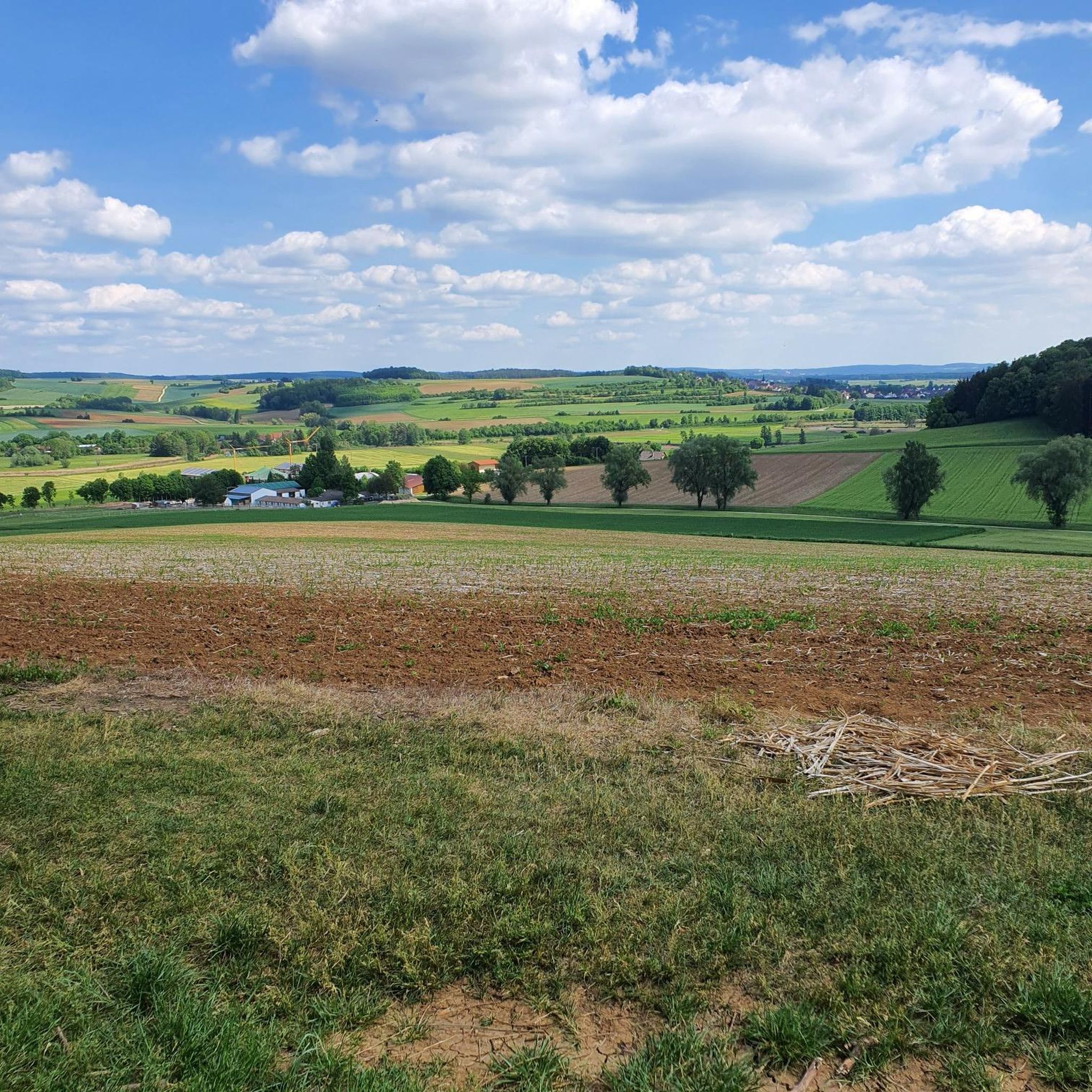
Running Trails around Oettingen im Bayern
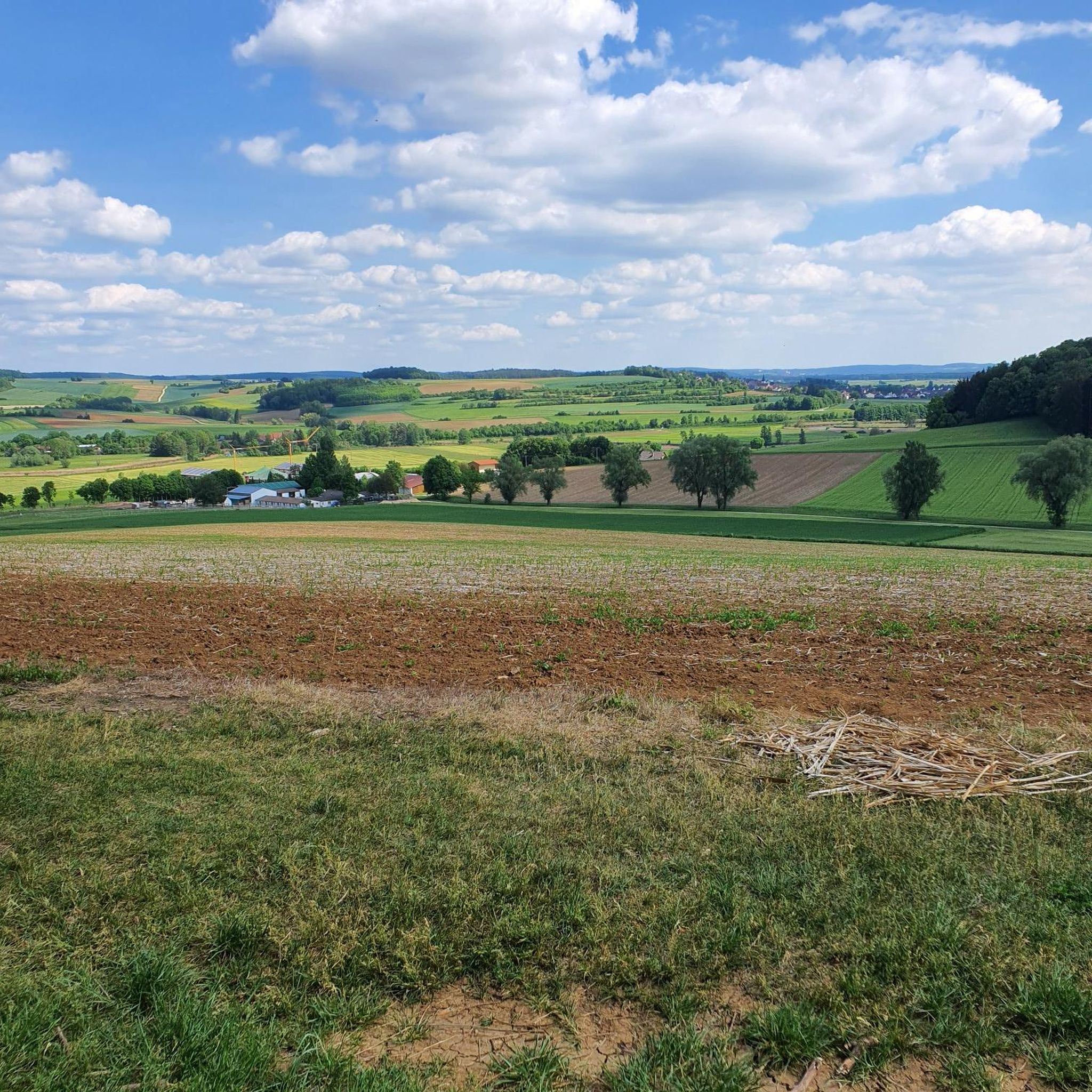
MTB Trails around Oettingen im Bayern
Gravel biking around Oettingen im Bayern
Other adventures around Oettingen im Bayern


Tips from the Community

Very beautiful facility that invites you to hike, discover and linger. Your physical well-being is also taken care of, as there are many opportunities nearby for dining and lingering.
0
0

Small but nice city center. The Oettinger beer here is much better than its reputation
0
0

In Oettingen stands the baroque castle of the princely family of Oettingen-Spielberg. Oettingen has always been the seat of government for the counts and princes since the first documented mention of the Oettingen noble family in 1141. The residential palace was built a good 30 years after the Thirty Years' War, between 1679 and 1687.
0
0

In the 12th century, Marquard Spet de Steinenhart, who was named as a witness in a document in 1120, probably built the castle above the village of Steinhart and in 1130 a "Bertholdus Späth, nobilis de Steinhart" was mentioned. Further mentions of the Spete took place in 1167 with Heinrich Spet and Bertold Spet 1180-1183. From 1282 the Lords of Spet called themselves Spete von Steinhart (the "late von Steinhart"). In 1282 the Spetsche property was divided into two lines, with part coming to Faimingen an der Donau, today a part of the town of Lauingen "Old Castle" destroyed in the war for the Eichstätt fiefdom and not rebuilt. The Jewish cemetery has been located on the castle hill of the abandoned castle with a ring-shaped moat, the Burgstall Steinhart, also known as the Judenbuck, since the 18th century. After Herman Spet received permission to build a new fortress in Steinhart in 1328, the castle stable became strategically more favorable The new Steinhart Castle was built, today also called the "Old Castle". After 1339, the castle changed hands and came to the Counts of Öttingen, who sold the property to the von Gundelsheim family in 1359. After the castle was already in poor structural condition in 1532 , it changed hands and was probably destroyed in 1634 during the Thirty Years' War. The ruins have been privately owned since 1971. Significant remnants of the enclosing walls of the former rectangular castle complex with an outer bailey on a trapezoidal ground plan are still preserved, with hump ashlars with notched edges at the corners. https://de.wikipedia.org/wiki/Burg_Steinhart
9
0
In the 12th century, Marquard Spet de Steinenhart, who was named as a witness in a document in 1120, probably built the castle above the village of Steinhart and in 1130 a "Bertholdus Späth, nobilis de Steinhart" was mentioned. Further mentions of the Spete took place in 1167 with Heinrich Spet and Bertold Spet 1180-1183. From 1282 the lords of Spet called themselves Spete von Steinhart (the "late von Steinhart"). In 1282, the Spetsche property was divided into two lines, with part going to Faimingen an der Donau, now part of the municipality of Lauingen. The "old castle" was probably destroyed in the war over the Eichstätt fiefdom and not rebuilt. The Jewish cemetery has been located on the castle hill of the former castle with a ring-shaped moat, the Burgstall Steinhart, also known as the Judenbuck, since the 18th century. After Herman Spet received permission to build a new fortress in Steinhart in 1328, the new Steinhart Castle was strategically built over the Burgstall, today also known as the "Old Castle". After 1339 the castle changed hands and came to the Counts of Öttingen, who sold the property to the von Gundelsheim family in 1359. After the castle was already in poor structural condition in 1532, it changed hands and was probably destroyed in 1634 during the Thirty Years' War. The ruins have been privately owned since 1971. Significant remnants of the enclosing walls with hump ashlars with notched edges at the corners are still preserved from the former rectangular castle complex with an outer bailey on a trapezoidal floor plan. https://de.wikipedia.org/wiki/Burg_Steinhart
6
0
Steinhart Castle, also known as the Old Castle, is the ruin of a hilltop castle at 510 m above sea level. NN high hill above today's Steinhart district of the municipality of Hainsfarth in the district of Donau-Ries in Bavaria. Wikipedia
0
3

Still privately owned by the Oettingen-Spielberg family.
0
0
The princely residential palace was built between 1679 and 1687 and is privately owned by the Oettingen-Spielberg family.
0
0
Frequently Asked Questions
What is the most historically significant castle in Oettingen im Bayern?
The most historically significant castle is the Princely Residence Palace Oettingen. This magnificent Baroque palace, constructed between 1679 and 1687, has served as the ancestral seat for the noble House of Oettingen-Spielberg for centuries and remains privately owned by them. Its opulent interiors and well-preserved architecture offer a deep dive into the region's aristocratic past.
Can I visit the Princely Residence Palace Oettingen?
Yes, visitors can explore the residence rooms of the Princely Residence Palace Oettingen through guided tours. These tours are available by appointment and are typically offered from April to October, Tuesday to Sunday, between 2 p.m. and 3 p.m. Combined tours with the castle museum can also be booked.
Are there any castle ruins to explore in the area?
Yes, you can visit the Steinhart Castle Ruins. This castle ruin, likely built in the 12th century, still preserves significant remnants of its enclosing walls with hump ashlars. It offers a glimpse into medieval history and is situated on a hill above the village of Steinhart.
Are there family-friendly castles or historical sites around Oettingen im Bayern?
Several sites are considered family-friendly. The Princely Residence Palace Oettingen offers guided tours suitable for families. Additionally, the Wallerstein Plague Column and Schlossgalerie Steinacker are also categorized as family-friendly, providing diverse historical and artistic experiences.
What kind of art or exhibitions can I find at the castles?
The Schlossgalerie Steinacker, located at Spielberg Castle, houses an exhibition of sculptures by the artist Ernst Steinacker. Many of his sculptures can be viewed both inside and outside the castle, as well as in its inner courtyard, offering a unique blend of historical setting and contemporary art.
What outdoor activities can I do near the castles?
The region around Oettingen im Bayern offers various outdoor activities. You can find numerous hiking trails, road cycling routes, and mountain biking trails. Some popular routes include the 'View of the Ries Crater – Oettingen Astronomy Trail' for an easy hike or the 'Lake Mauchweiher – Oettingen Residence Palace' loop for a moderate road cycling tour.
Are there any castles that are wheelchair accessible?
The Wallerstein Plague Column is noted as wheelchair accessible. While many older castle structures may have limited accessibility due to their historical nature, this monument provides an accessible historical point of interest.
What is special about Oettingen's Historic Old Town?
Oettingen's Historic Old Town, which includes a castle, is rich in history. Visitors can explore the two parish churches, the city wall with the king's tower, and the market square with its half-timbered houses and the magnificent town hall. A unique attraction is the numerous stork nests on the roofs around the market square. The town also offers various restaurants and cafés.
What do visitors enjoy most about the castles and historical sites in Oettingen im Bayern?
Visitors appreciate the blend of cultural significance and natural landscape. The well-preserved Baroque architecture of the palaces, the historical depth of the castle ruins, and the unique artistic exhibitions are frequently highlighted. The community has shared over 180 photos and given more than 530 upvotes to the various historical sites, indicating a strong appreciation for the area's rich heritage.
Are there any viewpoints near the castles?
Yes, the Steinhart Castle Ruins offer a viewpoint from their elevated position. Additionally, Schlossgalerie Steinacker (Spielberg Castle) is also categorized as a viewpoint, providing scenic perspectives of the surrounding area.
What kind of historical monuments can be found besides castles?
Beyond castles, you can find significant historical monuments like the Wallerstein Plague Column. Erected between 1722 and 1725, this column features rich figurative decoration, including St. Mary and other saints, and was fully renovated in 2006. It's a notable example of Baroque monumental art in the region.
Most popular routes around Oettingen im Bayern
Most popular attractions around Oettingen im Bayern

Get inspired with the komoot mobile app


Explore more
Looking for the best castles somewhere else? Discover other guides around Oettingen im Bayern:
