Attractions and Places To See around Wallerstein - Top 20
Best attractions and places to see around Wallerstein include historical sites, cultural landmarks, and natural features. This market town in Bavaria, Germany, offers a variety of attractions that cater to interests in history, culture, and natural beauty. The region provides opportunities to explore ancient fortifications, significant religious buildings, and open-air museums. Visitors can discover a blend of historical architecture and natural beauty, often within the unique geological setting of the Nördlinger Ries.
Best attractions and places to see around Wallerstein
…Last updated: May 9, 2026
Daniel Tower (St. George's Church), Nördlingen
Highlight • Religious Site
Translated by Google •
Tip by

Nördlingen Old Town
Highlight • Historical Site
Translated by Google •
Tip by

Sign up now to discover places like this
Get recommendations on the best single tracks, peaks, & plenty of other exciting outdoor places.
Sign up for free
Alte Bastei and Open-Air Stage (Nördlingen)
Highlight • Historical Site
Translated by Google •
Tip by

Nördlingen City Wall
Highlight (Segment) • Monument
Showing Translation
Tip by

Ipf Celtic Open-Air Museum
Highlight • Historical Site
Translated by Google •
Tip by

Sign up for free to discover even more attractions around Wallerstein.
Sign up for free
Already have an account?
Start today with a free account
Your next adventure awaits.
Login or Signup
Tips from the Community

The "Daniel" church tower of St. George's Church in Nördlingen is the town's most visible landmark and a masterpiece of late Gothic architecture. At 90 meters high, the tower rises above the town's rooftops and offers a spectacular panoramic view of the Nördlinger Ries region – on a clear day, up to 99 church towers can be seen. Construction began in 1454 and was completed in 1490 with a temporary roof. After a lightning strike in 1537, the tower received its characteristic Italian dome. Originally known as the "Wendelstein," it was renamed "Daniel" in the 19th century – an allusion to the biblical figure Daniel, who was elevated to the rank of prince. The Daniel tower is particularly vividly brought to life by a centuries-old tradition: Every evening between 10 p.m. and midnight, the watchman calls out "So G'sell, so!" from the tower room. – a greeting that dates back to a legend from 1440 in which a runaway sow helped uncover a treason and save the city from an attack. Those who climb the more than 350 steps to the viewing platform will be rewarded not only with an impressive panorama but also with a sense of the history and soul of this unique city.
9
1
The Old Bastion was originally built in the 15th century as a mighty bulwark to reinforce the city walls. The city was particularly vulnerable at this point due to the rising terrain of the Galgenberg (Gallows Hill). The current structure dates from 1554, erected by Caspar Walberger, and was expanded in 1598 by Wolfgang Walberger. The bastion could accommodate up to ten cannons and was a central part of the defense system. Since the 1930s, the bastion has served as an open-air stage, operated by the Alt Nördlingen Association. Every summer, theater performances are held here, attracting visitors from all over the region.
8
0
The Old Bastion, once part of the medieval city fortifications, was built in the 15th century to protect the city at a particularly vulnerable point—the rising terrain of the Galgenberg. The bastion was heavily fortified and could accommodate up to ten cannons.
7
0
The city wall of Nördlingen is a true gem of medieval architecture and a highlight for visitors of all ages. It is the only completely preserved and fully accessible city wall in Germany. Stretching approximately 2.6 to 2.7 kilometers, it encircles the entire old town and features a covered walkway that can be traversed along its entire length. The wall originally dates back to 1327, when Emperor Louis the Bavarian ordered its construction to defend the city. Over the centuries, it was expanded and reinforced several times, including the addition of five city gates, twelve towers, bastions, and bakehouse towers for close-range defense.
6
0

It's worth reading the information boards. They provide a wealth of information, both historical and geographical.
2
0

The massive church of St. George was built like a cathedral for the old city republic of Nördlingen in just under 80 years - extremely impressive! It is the largest building in the world made of suevite. The furnishings with altars and works of art are also very worth seeing.
12
0
The view over Nördlingen and the Ries is overwhelmingly beautiful! If you dare, you should tackle the 350 steps.
12
1

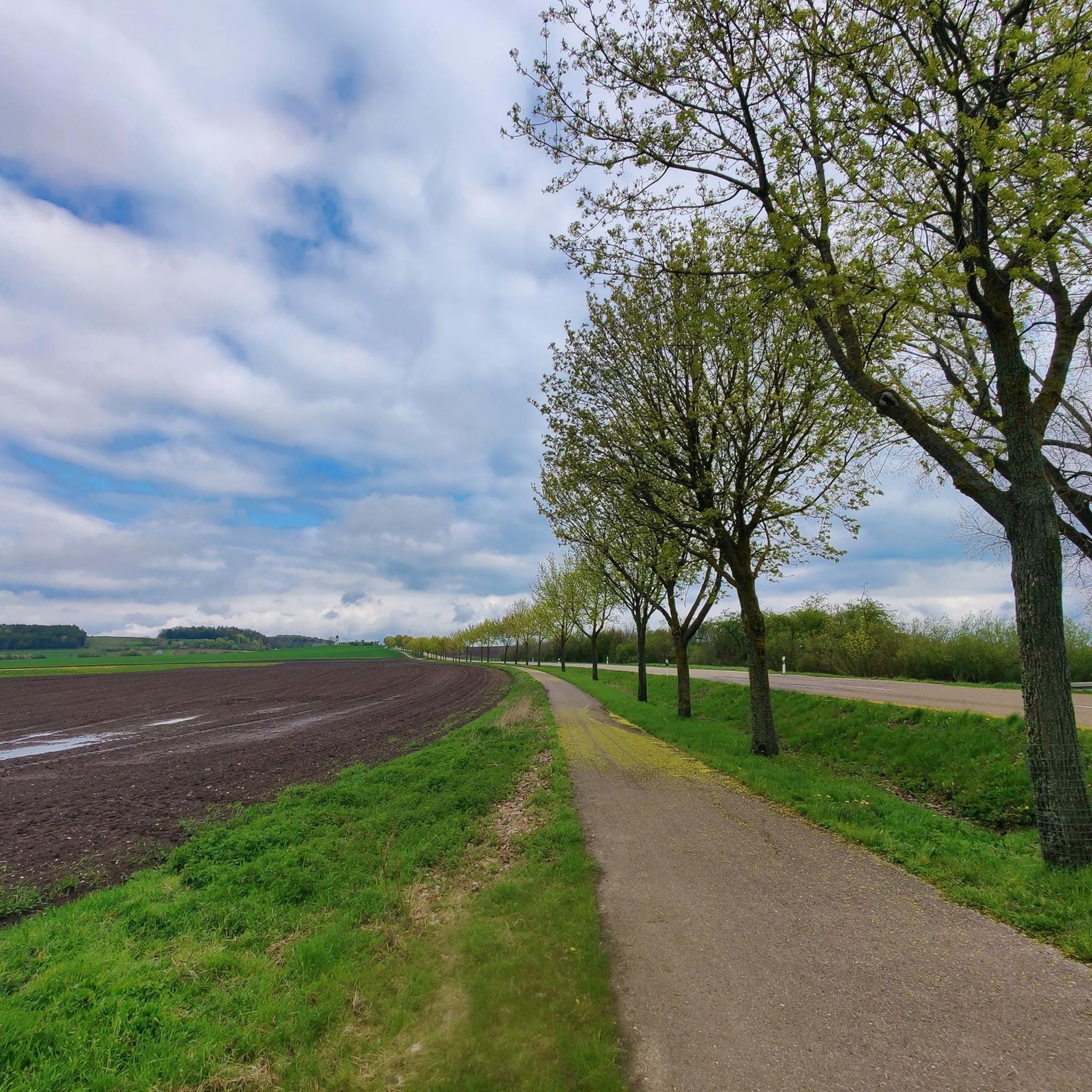
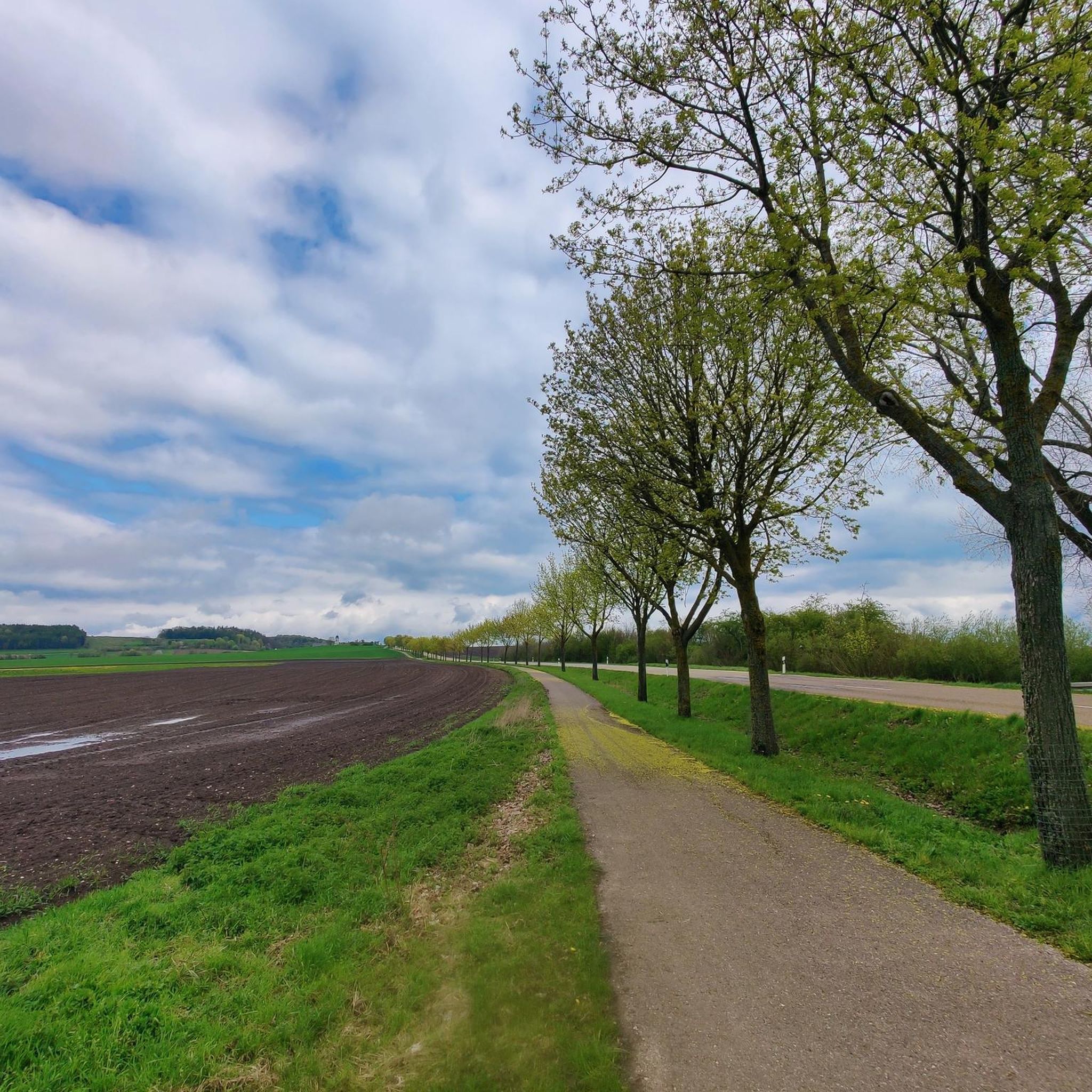
Beautiful route. Very good paths with many places to stop for refreshments.
4
1
Frequently Asked Questions
What historical sites can I explore in Wallerstein and its surroundings?
Wallerstein offers a rich history with several notable sites. You can visit Ipf Celtic Open-Air Museum, a former Celtic settlement, or explore the impressive Nördlingen City Wall, which is Germany's only completely preserved and accessible city wall. In Wallerstein itself, you can see the Moritzschlösschen, the Pestsäule (Plague Column), and the Maria-Hilf-Kapelle. The nearby Alte Bastei and Open-Air Stage (Nördlingen) also offers a glimpse into medieval fortifications.
Are there any natural features or viewpoints worth visiting near Wallerstein?
Yes, Wallerstein is known for its natural beauty. The Wallersteiner Felsen (Wallerstein Rock) rises 65 meters high and provides a publicly accessible viewpoint in the city center. For panoramic views of the Nördlinger Ries region, climb the Daniel Tower (St. George's Church, Nördlingen), where on a clear day, you can see up to 99 church towers.
What kind of outdoor activities can I do around Wallerstein?
The area around Wallerstein is excellent for outdoor activities. You can find various cycling routes, including easy and moderate options like the "Goat Farm at Geopark Ries – Chicken Bridge loop" or the "View of Nördlingen – Nördlingen Town Hall loop." For mountain biking, explore trails such as the "Panoramic view over the Ries / Ipf – View of the Ofnet Caves loop." You can find more details and routes for cycling, MTB, and gravel biking on komoot.
Are there family-friendly attractions or activities in the Wallerstein area?
Absolutely! Many attractions around Wallerstein are suitable for families. The Nördlingen City Wall offers a fun and educational walk for all ages. The Ipf Celtic Open-Air Museum provides an engaging historical experience. Additionally, the Nördlingen Old Town itself is a pleasant place for families to explore, with its charming streets and historical atmosphere.
What is the best time of year to visit Wallerstein for outdoor activities?
The warmer months, particularly late spring through early autumn (May to September), are generally ideal for outdoor activities around Wallerstein. During this period, the weather is usually pleasant for cycling, hiking, and exploring historical sites. Summer also brings open-air performances to the Alte Bastei and Open-Air Stage (Nördlingen).
Can I visit Schloss Wallerstein, and what does it offer?
While Schloss Wallerstein is primarily a private residence, visitors can stroll through its garden and admire its architecture, including the Moritzschlösschen. The castle and its original furnished rooms can be visited by request and are available for private events. The courtyard garden also features a riding school, which houses a museum for carriage and equestrian sports, a hunting lodge, and a teahouse.
What makes the Nördlingen City Wall a unique attraction?
The Nördlingen City Wall is unique because it is Germany's only completely preserved and fully accessible city wall. Dating back to 1327, visitors can walk the entire 2.7-kilometer length around the old town, offering continuous views of the medieval streets and the surrounding Nördlinger Ries crater landscape. It includes five city gates, twelve towers, bastions, and oven towers.
Are there any museums in or near Wallerstein?
Yes, in the vicinity of Wallerstein, you can find several interesting museums. The Schloss Wallerstein courtyard garden houses a museum for carriage and equestrian sports. In nearby Nördlingen, you can visit the Rieskrater Museum, which focuses on the meteorite impact crater, and the Bavarian Railway Museum e. V.
What do visitors enjoy most about the attractions around Wallerstein?
Visitors particularly appreciate the blend of historical significance and natural beauty. The fully preserved Nördlingen City Wall is a highlight, offering unique walking experiences and views. The historical atmosphere of Nördlingen Old Town is also highly praised for being less crowded than other historic German towns, allowing for a more authentic experience. The region's connection to the Nördlinger Ries crater also adds a fascinating geological dimension to explorations.
Are there any religious buildings of historical importance in Wallerstein?
Wallerstein features several historically significant religious buildings. The Maria-Hilf-Kapelle, constructed in Baroque style between 1623 and 1626, is notable for its rotunda with a dome and lantern, and a Renaissance portal. The St. Alban Kirche, a Catholic church built in 1612, is dedicated to Saint Alban of Mainz. Additionally, the Jüdische Friedhof serves as a poignant reminder of the historical Jewish community in Wallerstein.
Where can I find easy hiking trails near Wallerstein?
While specific easy hiking trails are not detailed in the provided data, the region around Wallerstein, especially within the Nördlinger Ries, offers various paths suitable for walking. Many of the cycling routes, particularly those marked as 'easy' like the "Goat Farm at Geopark Ries – Chicken Bridge loop" (11.3 km) or the "View of Nördlingen – Nördlingen Town Hall loop" (12.4 km), can often be adapted for pleasant, less strenuous walks. For more detailed hiking options, you can explore komoot's guides for the wider region.
Is there public transportation available to reach attractions in Wallerstein and Nördlingen?
Wallerstein and Nördlingen are connected by local bus routes, which can help you reach various attractions. While specific routes to individual sites like Wallersteiner Felsen or Schloss Wallerstein might require checking local schedules, public transport is generally available within the region to connect the main towns and some points of interest.
Most popular routes around Wallerstein
Most popular attractions around Wallerstein

Get inspired with the komoot mobile app


Explore more
Still not found the Highlight you’re looking for? See guides of the top attractions in other regions:
