Top 20 Castles around Nabburg
Best castles around Nabburg offer a blend of historical sites and natural beauty. The town of Nabburg, situated in a region rich with history, features Schloss Nabburg, a Renaissance building on the site of an original medieval castle. The surrounding area provides diverse landscapes, from river valleys to hilltops, making it suitable for exploring historical architecture. Visitors can find various types of castles, from well-preserved structures to ancient ruins, set within scenic environments.
Best castles around Nabburg
- The most popular…
Last updated: August 16, 2026
Trausnitz Castle in the Valley
Highlight • Castle
Translated by Google •
Tip by

Thonmühle Ruins
Highlight • Historical Site
Translated by Google •
Tip by
Sign up now to discover places like this
Get recommendations on the best single tracks, peaks, & plenty of other exciting outdoor places.
Sign up for free
Zangenstein Castle Ruins and Chapel
Highlight • Castle
Along the "Bavarian-Bohemian Friendship Cycle Path", which runs on the former railway line from Wölsendorf to Schönsee, there is only one place to stop during …
Translated by Google •
Tip by

Schwarzenfeld Castle
Highlight • Castle
Translated by Google •
Tip by
Wernberg Town Square
Highlight • Settlement
Translated by Google •
Tip by

Sign up for free to discover even more castles around Nabburg.
Sign up for free
Already have an account?
Start today with a free account
Your next adventure awaits.
Login or Signup
Popular around Nabburg
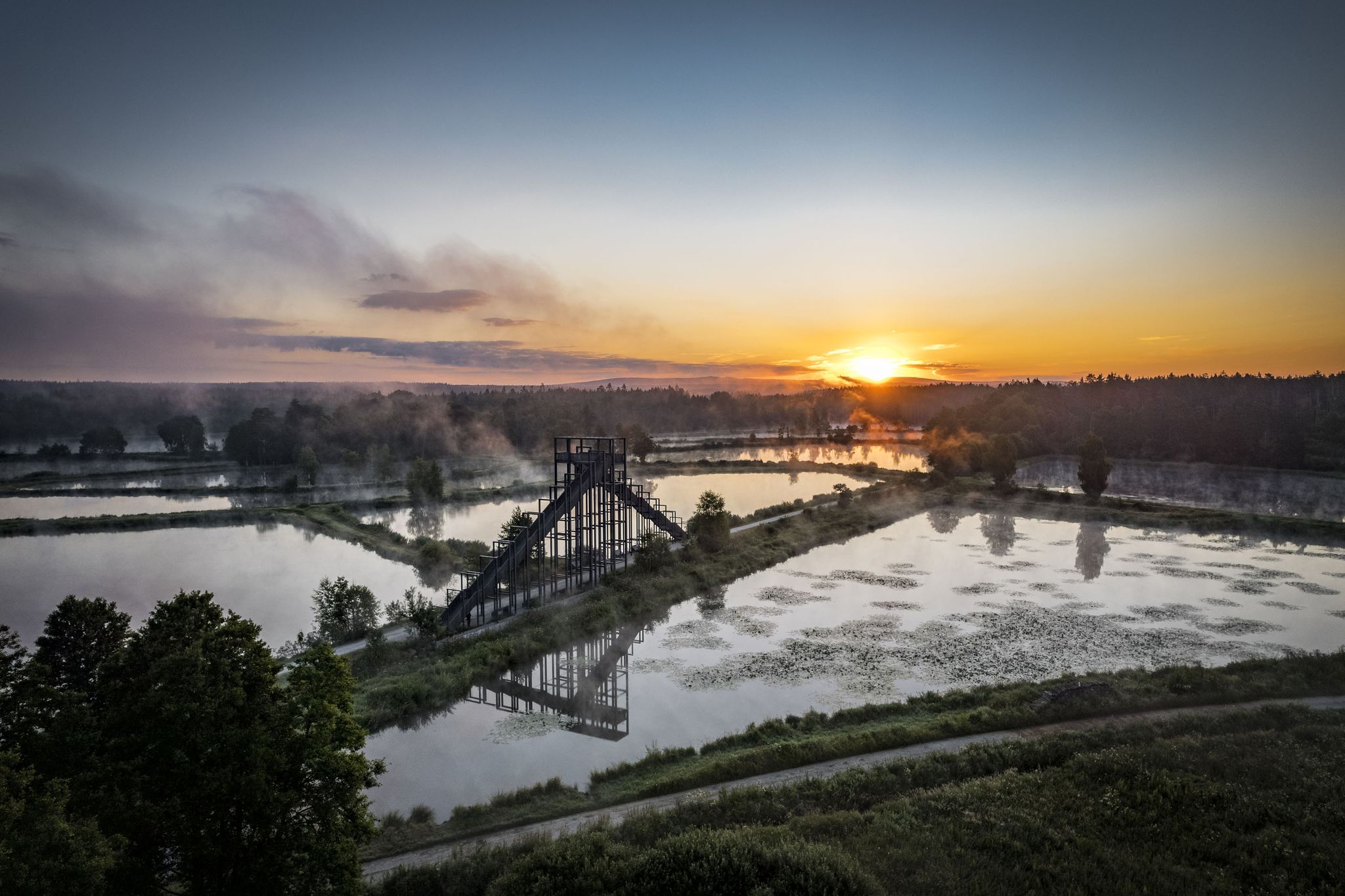
How refreshing! Trails by the water in the Upper Palatinate Forest
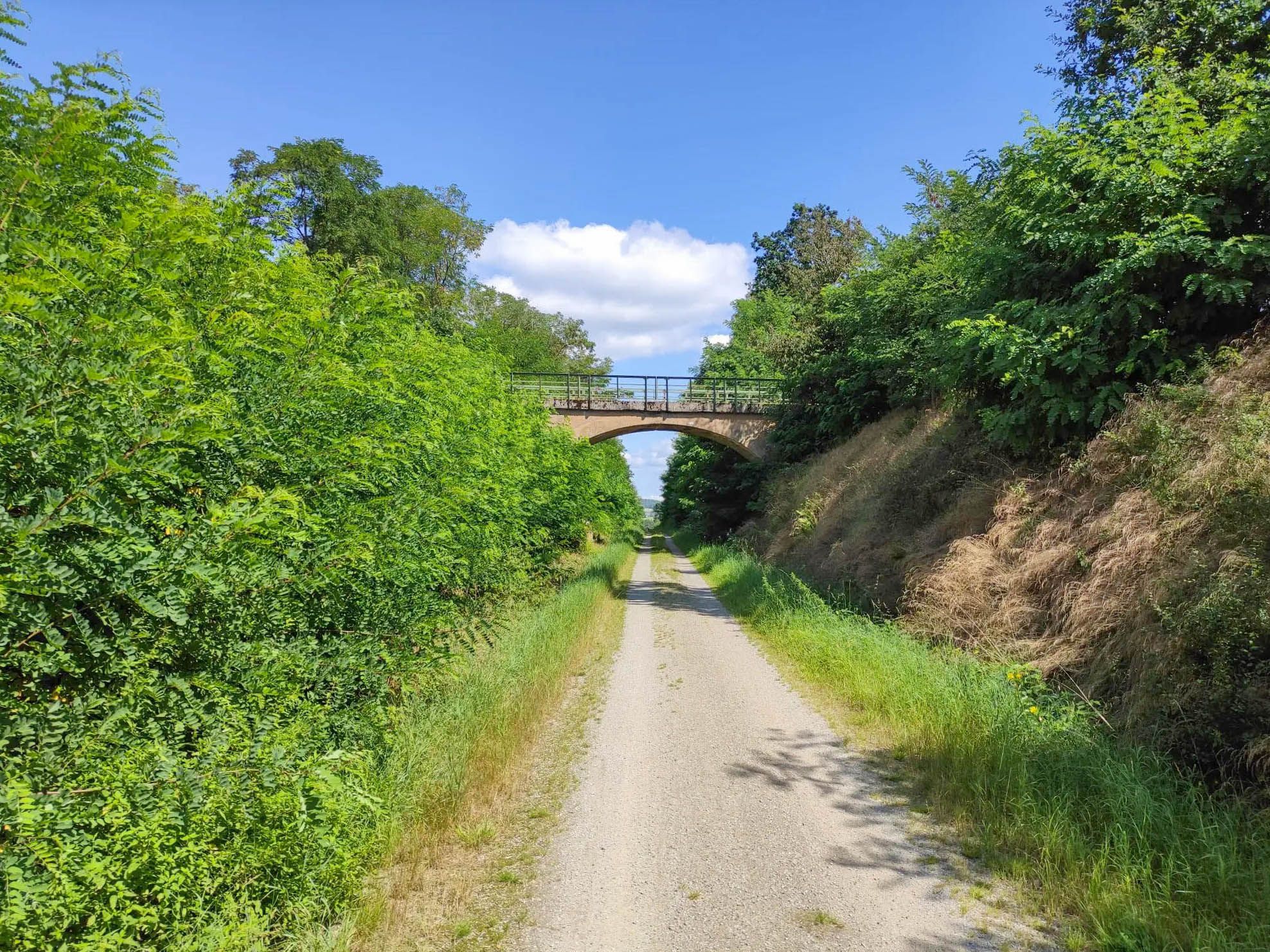
Cycling on the Bavarian-Bohemian Friendship Trail
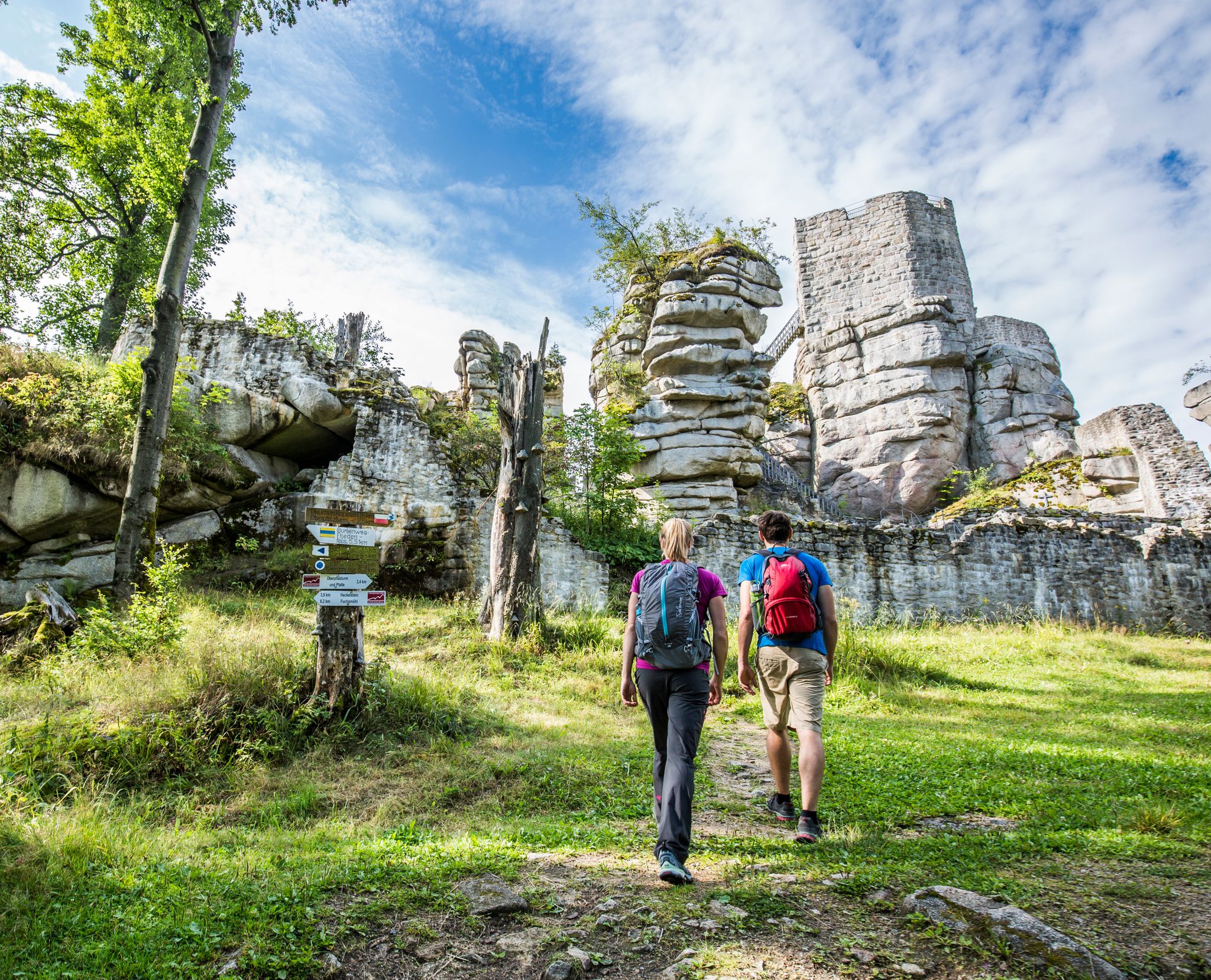
Arrive by bus & train — sustainable hiking in the Upper Palatinate Forest
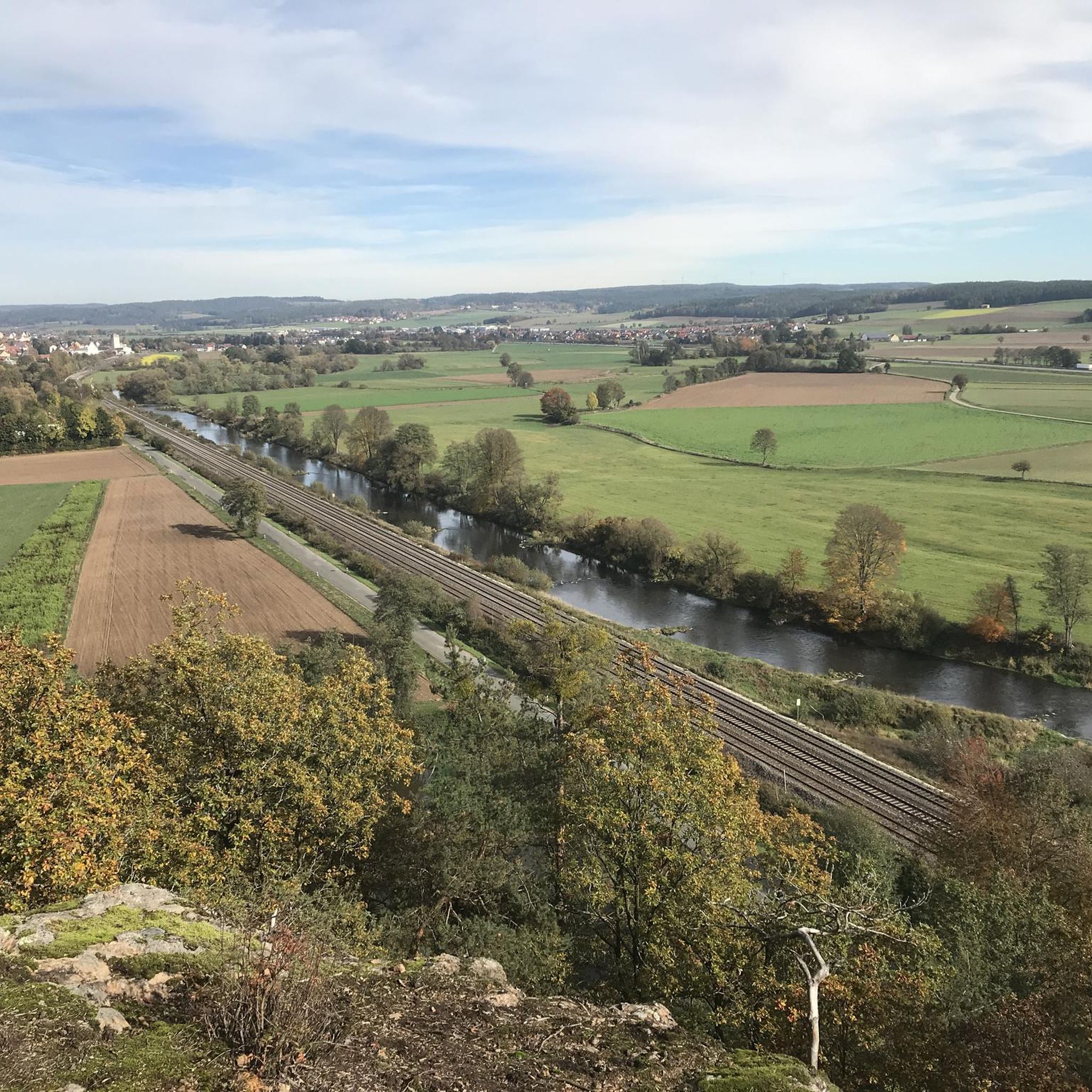
Cycling around Nabburg
Hiking around Nabburg
MTB Trails around Nabburg
Road Cycling Routes around Nabburg
Running Trails around Nabburg

Gravel biking around Nabburg
Other adventures around Nabburg


Tips from the Community

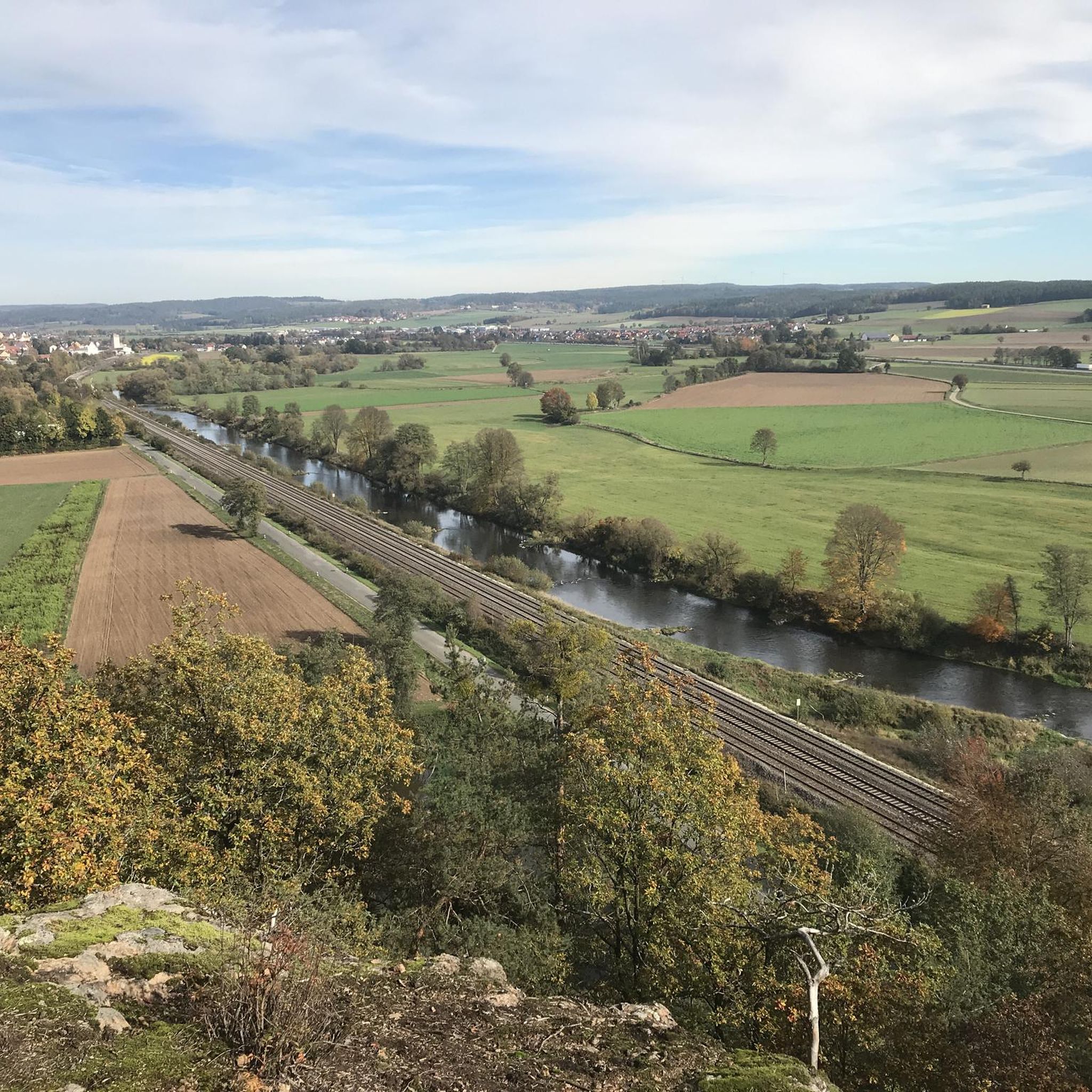
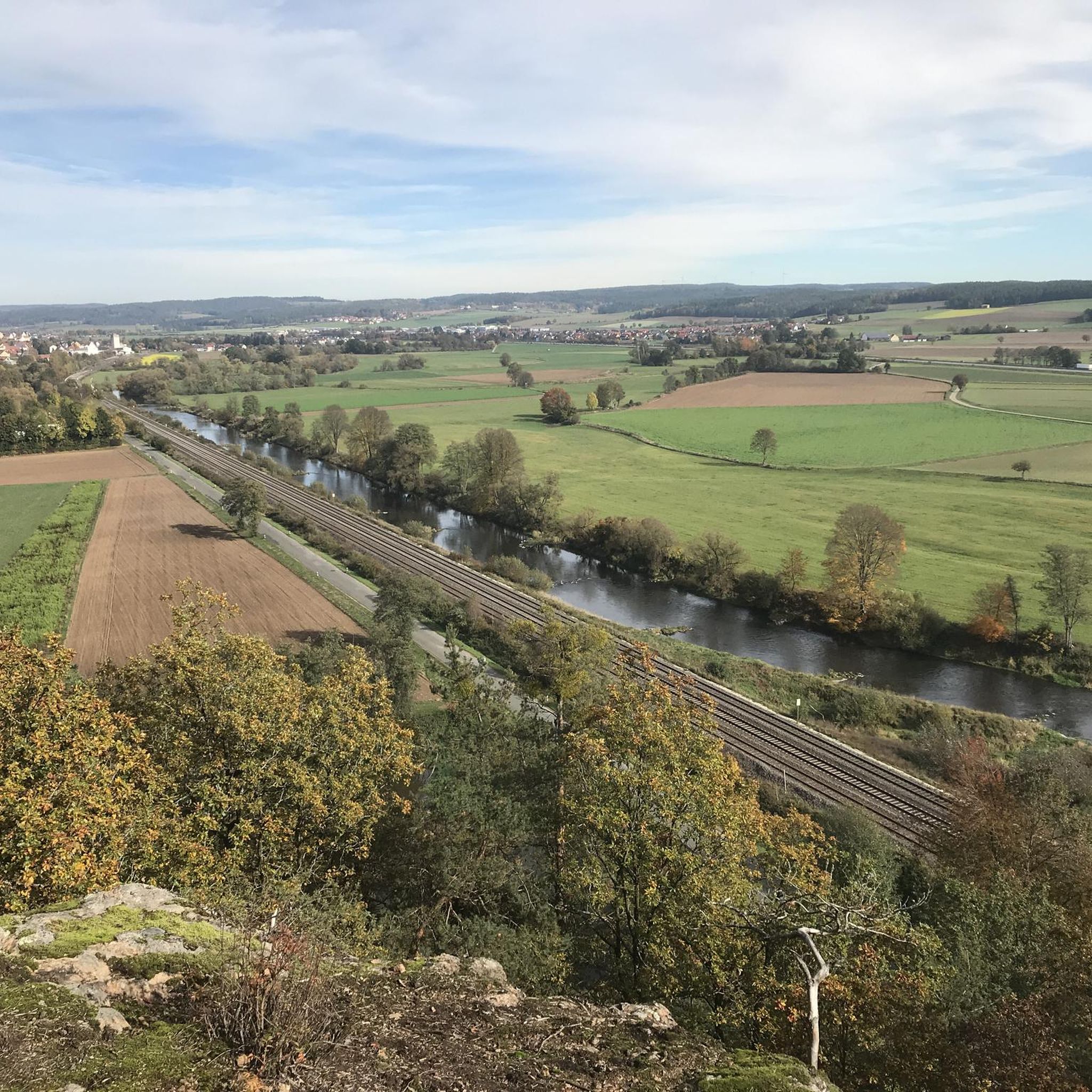
Good panoramic view, very nice!
2
0

Today, Schwarzenfeld Castle is a conference and recreation hotel with a beautiful park on the banks of the Naab.
3
0

Schwarzenfeld Castle The Schwarzenfeld seat was built and inhabited by Conrad Pullenhofer in 1372, before it became the property of the Plankenfelser noble family in 1389. They expanded the rather inconspicuous building and added four towers in the 15th century. In the 1580s, the Teuffel von Pirkensee family bought Schwarzenfeld. During the Thirty Years' War, the castle and the town were devastated. The castle's four towers were probably destroyed and have not been rebuilt since. From 1654, the imperial colonel Peter Pischer and his family were lords of Schwarzenfeld. In 1686, the baronial von Schneidau family took over Schwarzenfeld as a manor. In 1707, a fire destroyed the castle and the surrounding buildings, so that it had to be completely rebuilt elsewhere. A new building, called the "Plankenfelser Schlössl", was built on the foundations of the old castle. It was adapted to the period with stepped gables. In 1717, Schwarzenfeld was owned by the von Wildenau family, and in 1794 the property was purchased by the Counts of Holnstein. At the beginning of the 19th century, the main building was given its current shape by removing the stepped gables in favor of a hipped roof. Two small towers with onion tops were also added. In 1890 and 1892, Maximilian von Holnstein had the castle extended by Julius Hofmann to include the annex and the two towers in the style of the then popular historicist architectural style. At times, up to 160 workers were involved in the reconstruction, which gave the castle its final appearance. Surrounding buildings were also demolished to provide a view of the castle. Shortly after its completion, Count von Holnstein used the castle as a retirement home. He went blind in 1893 and died in the castle on February 1, 1895. After the Holnstein family moved out in 1907, the castle remained unused for a long time, except for short-term leases. The market acquired the castle in 1934, and after several changes of ownership, the main building of the castle burned down on the night of June 25, 1982 and lay abandoned for many years. In 1995, it was sold to private individuals Christine and Hans Dobler from Nabburg. They had the castle completely gutted, renovated and converted into a conference hotel, which opened in 1996 and is called "Hotel Schloß Schwarzenfeld". Source: Excerpts from www.wikipedia.de
3
0

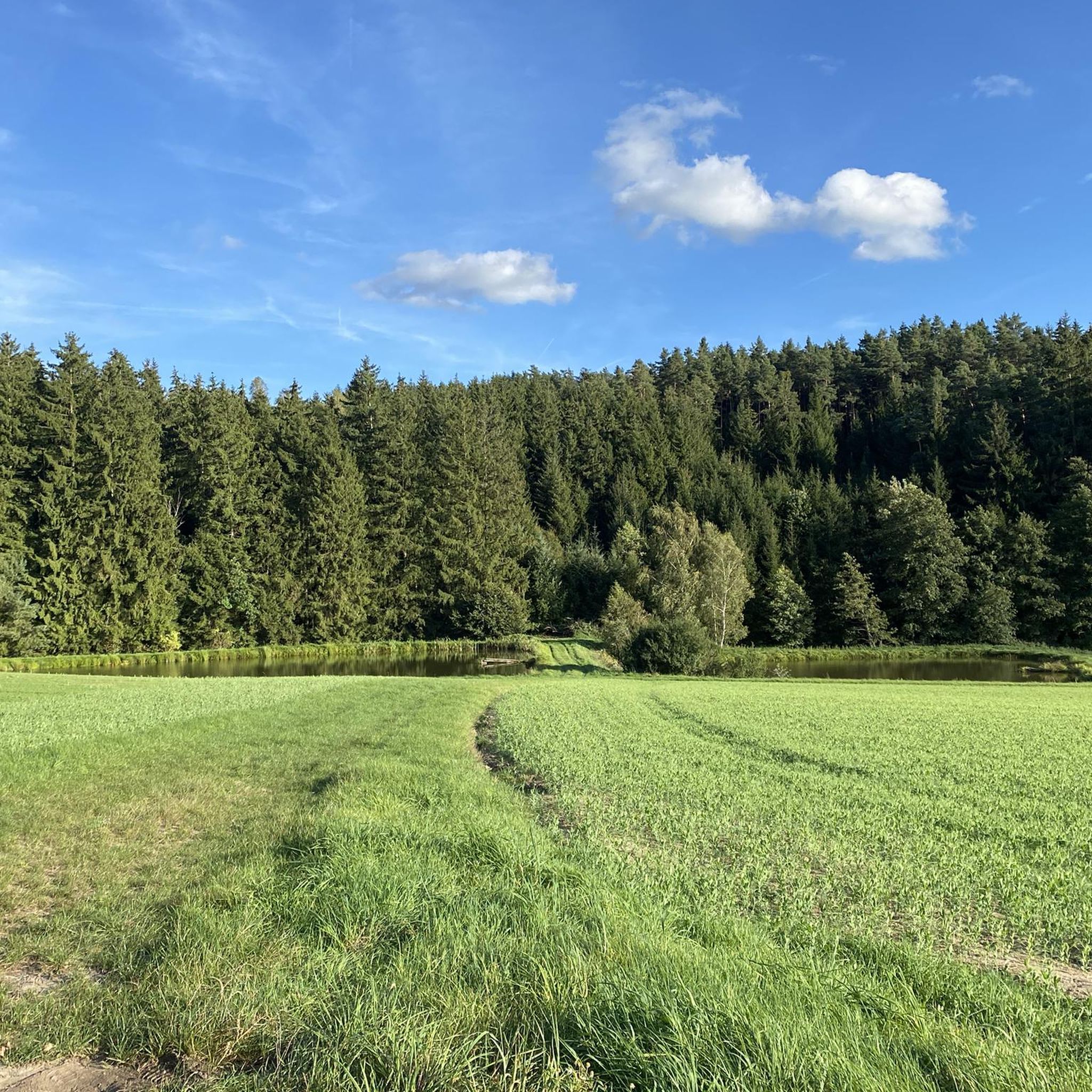
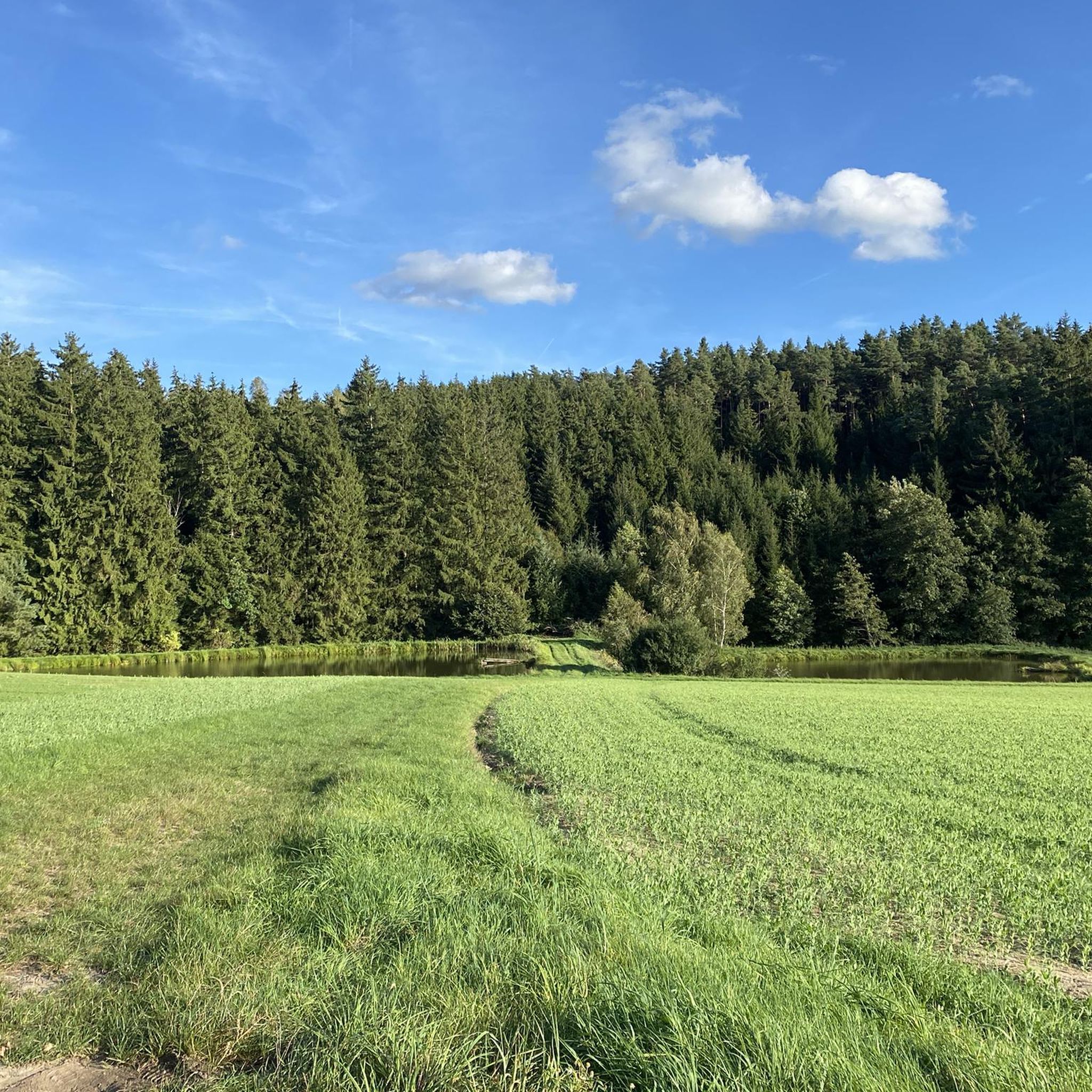
Idyllic place on the Pfreimd, an information board provides information about the former clay mill.
6
0

The market square is really beautiful and you can easily start a walk around and to the castle here!
3
0

The marketplace is perfect to take a break for a scoop of ice cream and cool off your feet.
1
0

Traditional village inn in Zangenstein Along the "Bavarian-Bohemian Friendship Cycle Path", which runs on the former railway line from Wölsendorf to Schönsee, there is only one place to stop during the weekday to Obervietach in the village inn Kellermann in the middle of Zangenstein. Since there are no signs along the cycle path, cyclists who do not know the restaurant pass the mostly open "refreshment station" unsuspectingly. Hence my tip: Simply cycle a few meters from the cycle path to the center of Zangenstein. Mondays are always closed, but guests are welcome on all other days of the week between 10am and 6pm. Edeltraud, a passionate landlady, provides her guests, who prefer to sit under the awning around the large table in the courtyard, with snacks and drinks. Franz, the landlord, is very knowledgeable about bikes and can help if someone has a problem with their bike. God preserve us beautiful village inns like that of the Edeltraud and Franz Stockerl families.
4
0
Traditional village inn Kellermann in Zangenstein Along the "Bavarian-Bohemian Friendship Cycle Path", which runs on the former railway line from Wölsendorf to Schönsee, there is only one place to stop during the weekday to Obervietach in the village inn Kellermann in the middle of Zangenstein. Since there are no signs along the cycle path, cyclists who do not know the restaurant pass the mostly open "refreshment station" unsuspectingly. Hence my tip: If you are hungry, thirsty or feel like taking a break, simply cycle a few meters from the cycle path to the center of Zangenstein. Mondays are always closed, but guests are welcome on all other days of the week between 10am and 6pm. Edeltraud, a passionate landlady, provides her guests, who prefer to sit under the awning in the courtyard around the large table, with snacks and drinks. Franz, the landlord, is quite knowledgeable about bikes and can help if someone has a problem with their bike. God preserve us beautiful village inns like that of the Edeltraud and Franz Stockerl families.
2
0
Frequently Asked Questions
What are some historically significant castles and ruins to explore near Nabburg?
The town of Nabburg itself is home to Schloss Nabburg, a Renaissance building on the site of an original medieval castle. While it now serves as government offices, you can still see remnants of its 15th-century ring wall. For more traditional ruins, visit the Zangenstein Castle Ruins and Chapel, which offers a glimpse into medieval history. Another interesting site is the Thonmühle Ruins, an idyllic spot on the Pfreimd with an information board detailing its history as a former clay mill.
Are there any well-preserved castles near Nabburg that offer scenic views?
Yes, Trausnitz Castle in the Valley (Burg Trausnitz im Tal) is a beautiful hilltop castle situated above the Pfreimd river. It is considered one of the most picturesque and well-preserved castles in Bavaria, offering engaging history and scenic views.
What kind of outdoor activities can I combine with a castle visit in the Nabburg area?
Many castles and ruins are integrated into scenic routes. For example, the Zangenstein Castle Ruins and Chapel are located along the "Bavarian-Bohemian Friendship Cycle Path." You can also find various cycling and running routes in the region. Explore options like Gravel biking around Nabburg, Running Trails around Nabburg, or Road Cycling Routes around Nabburg for routes that might pass by historical sites.
Are there family-friendly castles or activities near Nabburg?
Schloss Guteneck is known for hosting a popular Christmas market, transforming into a winter wonderland with festive illuminations and stalls, which can be a great family experience. While not a castle itself, the Wernberg Town Square is also noted as family-friendly with facilities and historical significance.
What is the best time of year to visit castles around Nabburg?
The region's castles can be enjoyed throughout the year. Spring and autumn offer pleasant weather for exploring ruins and walking trails. If you're interested in seasonal events, Schloss Guteneck hosts a popular Christmas market, making winter a unique time to visit that specific castle.
Are there any castles near Nabburg that have been repurposed or have unique modern uses?
Yes, Wernberg Castle, which previously operated as a four-star hotel, restaurant, and conference center, has been repurposed as a clinic for health maintenance and stress management. Similarly, Schwarzenfeld Castle, after being destroyed by fire, was converted into a conference hotel.
Where can I find refreshments or dining options near the castle ruins?
Near the Zangenstein Castle Ruins and Chapel, there is a traditional village inn that offers snacks and drinks. Schloss Guteneck also features a cozy castle tavern and a stylish castle café-bar. Additionally, the Wernberg Town Square has nice restaurants.
Can I learn about the history of Schloss Nabburg?
Schloss Nabburg, located at the northwest corner of Nabburg's city fortifications, is a Renaissance building from the 16th century, built on the site of an original medieval castle. While it's not open as a museum, its historical significance as the site of the original Nabburg castle and its architectural evolution make it an important landmark. You can find more historical context on its Wikipedia page: Schloss Nabburg on Wikipedia.
Are there any castles or ruins that are particularly good for cycling or hiking routes?
The Zangenstein Castle Ruins and Chapel are directly along the "Bavarian-Bohemian Friendship Cycle Path," making them an excellent stop for cyclists. The area around Wernberg Castle also features a beautiful singletrack trail, part of the Goldsteigzubringer.
What natural features can I expect to see when visiting castles around Nabburg?
Many castles are set in picturesque natural environments. For instance, Trausnitz Castle in the Valley is situated above the Pfreimd river, offering scenic views. The Thonmühle Ruins are found in an idyllic spot directly on the Pfreimd river, providing a peaceful natural setting.
Are there any hidden gem castles or lesser-known ruins worth visiting?
While not extensively detailed, the Thonmühle Ruins offer a peaceful and idyllic historical site on the Pfreimd, providing a quiet glimpse into the region's industrial and historical landscape away from more prominent attractions.
Most popular routes around Nabburg
Most popular attractions around Nabburg

Get inspired with the komoot mobile app


Explore more
Looking for the best castles somewhere else? Discover other guides around Nabburg:
