Top 15 Castles around Schönsee
Castles around Schönsee are primarily found as ruins and historical sites within the Upper Palatinate Forest. This region, known for its forested hills and historical significance, offers insights into medieval architecture. The area features remnants of fortifications that once secured trade routes and defended against incursions from the east. Visitors can explore these sites, which often provide panoramic views over the surrounding landscape.
Best castles around Schönsee
- The most popular castles is Reichenstein Castle Ruins, a castle that offers…
Last updated: May 9, 2026
Reichenstein Castle Ruins
Highlight • Castle
Translated by Google •
Tip by

Wildstein Castle Ruins
Highlight • Castle
Translated by Google •
Tip by

Sign up now to discover places like this
Get recommendations on the best single tracks, peaks, & plenty of other exciting outdoor places.
Sign up for free
Wildstein Castle Ruins and Summit
Highlight • Castle
Translated by Google •
Tip by

Frauenstein Castle Ruins
Highlight • Castle
Translated by Google •
Tip by

Murach Castle
Highlight • Castle
Translated by Google •
Tip by

Sign up for free to discover even more castles around Schönsee.
Sign up for free
Already have an account?
Start today with a free account
Your next adventure awaits.
Login or Signup
Popular around Schönsee
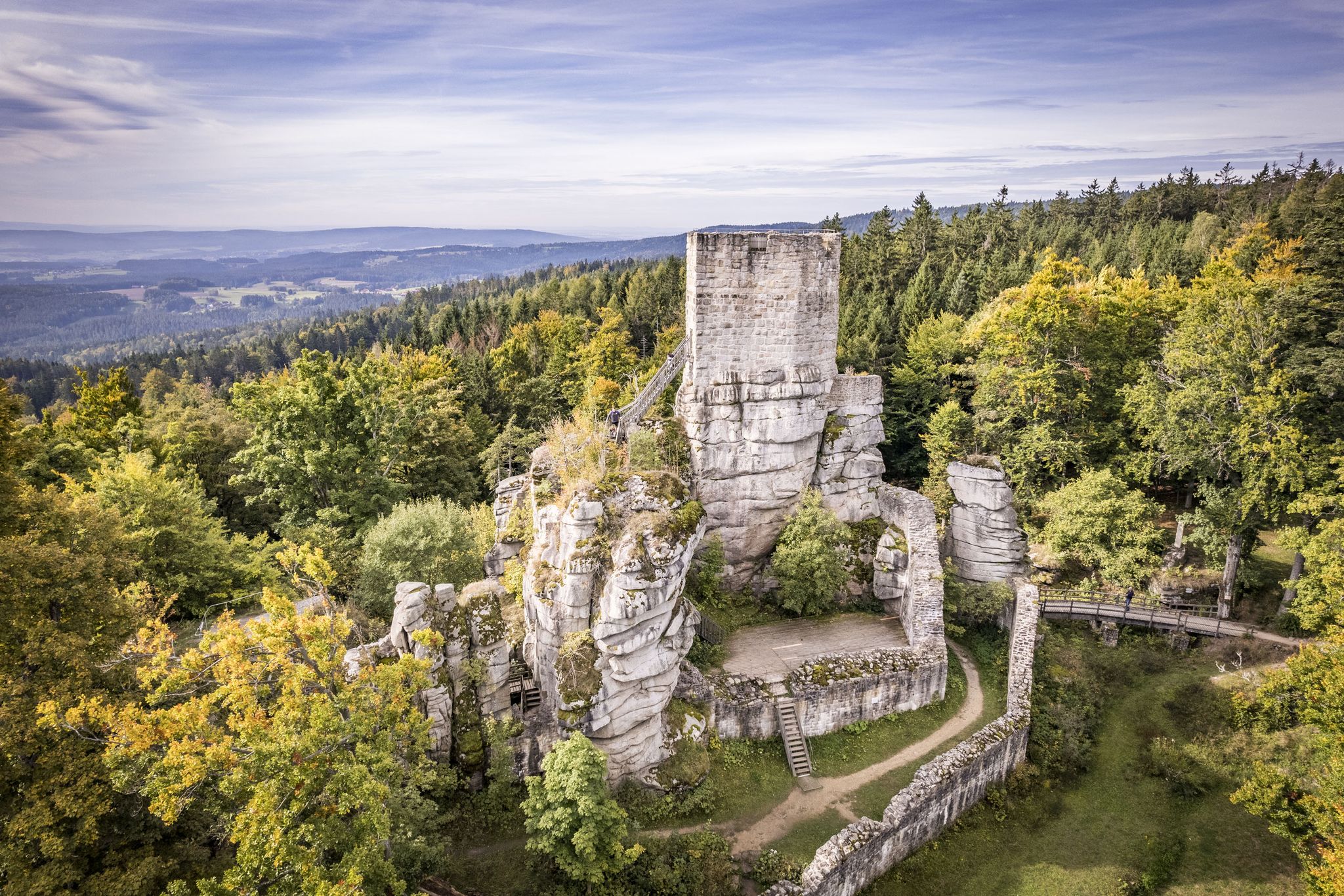
On the 'Kultouren' through the Upper Palatine Forest
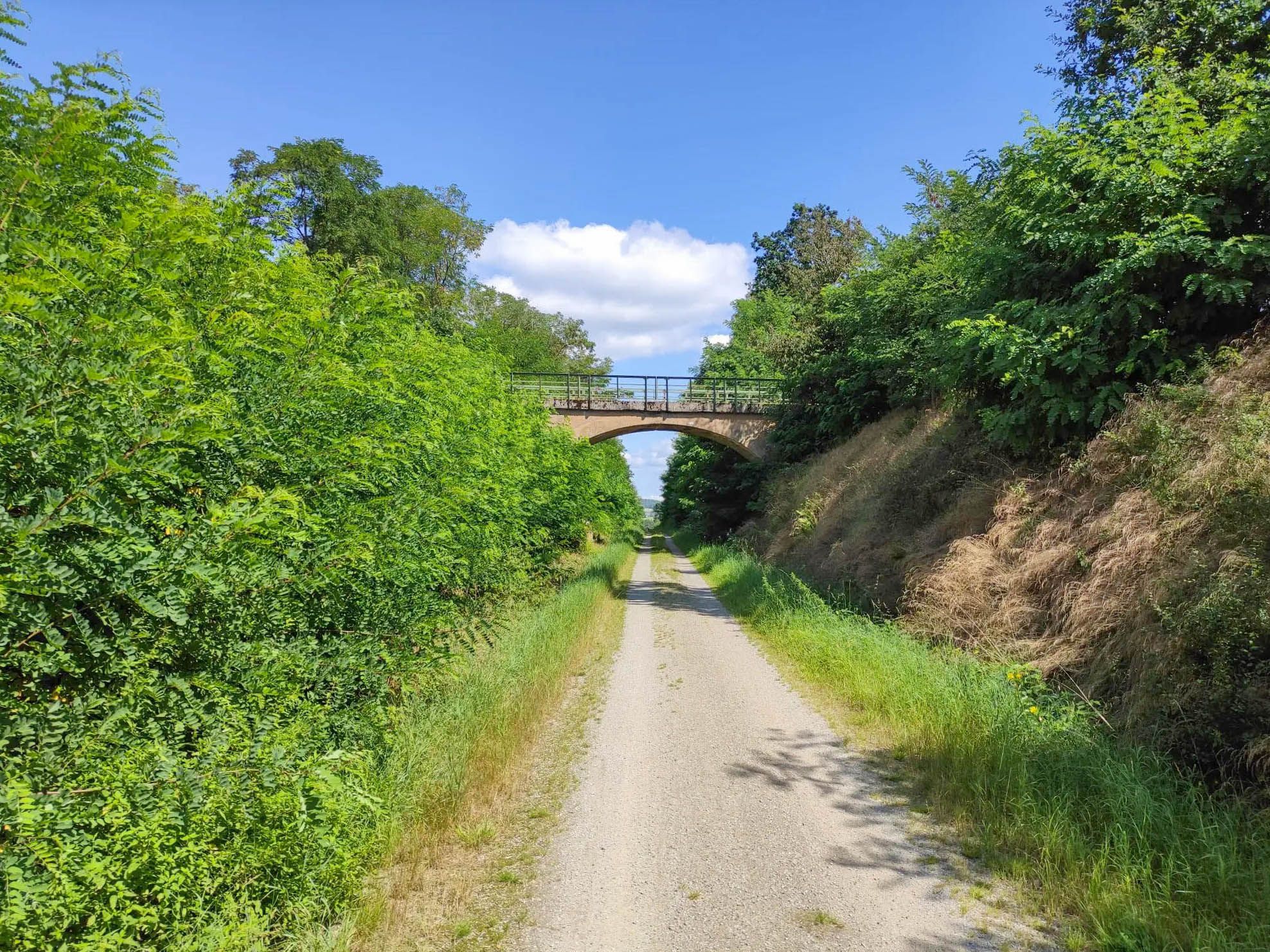
Cycling on the Bavarian-Bohemian Friendship Trail
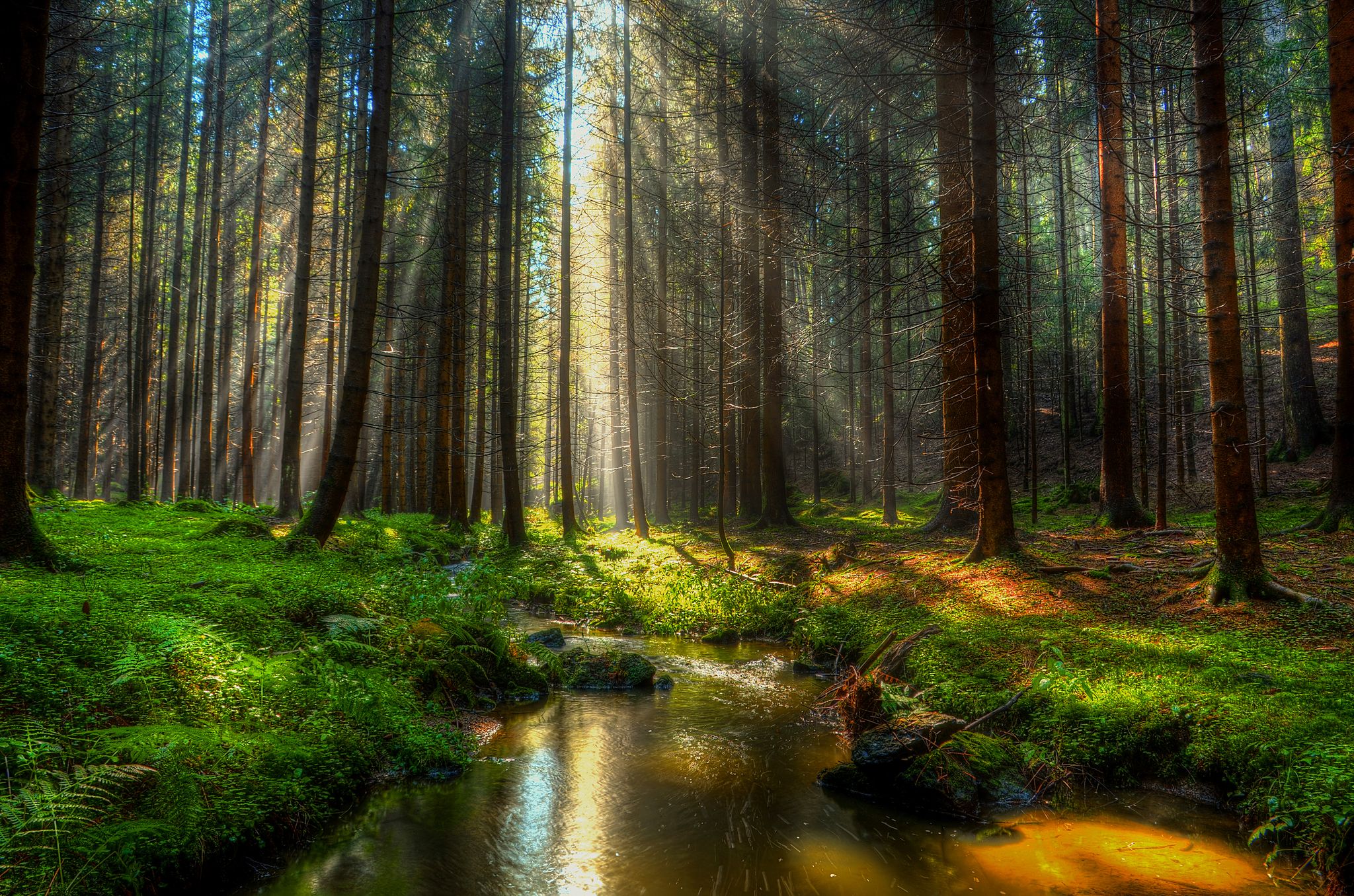
Experience nature at every turn – Forest Sea Trails in the Upper Palatinate Forest
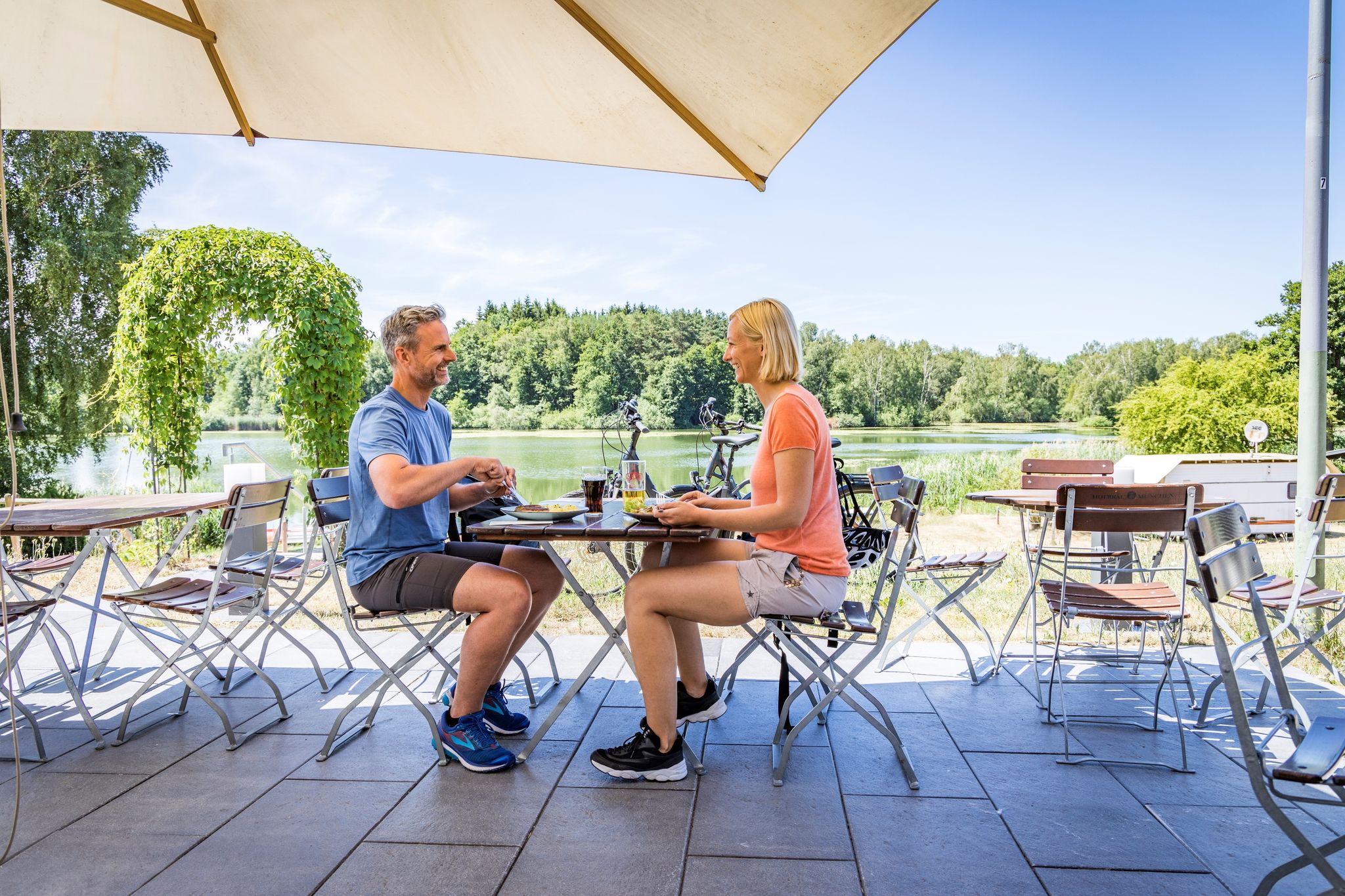
Cycling to the Inn – fun Tours in the Upper Palatinate Forest
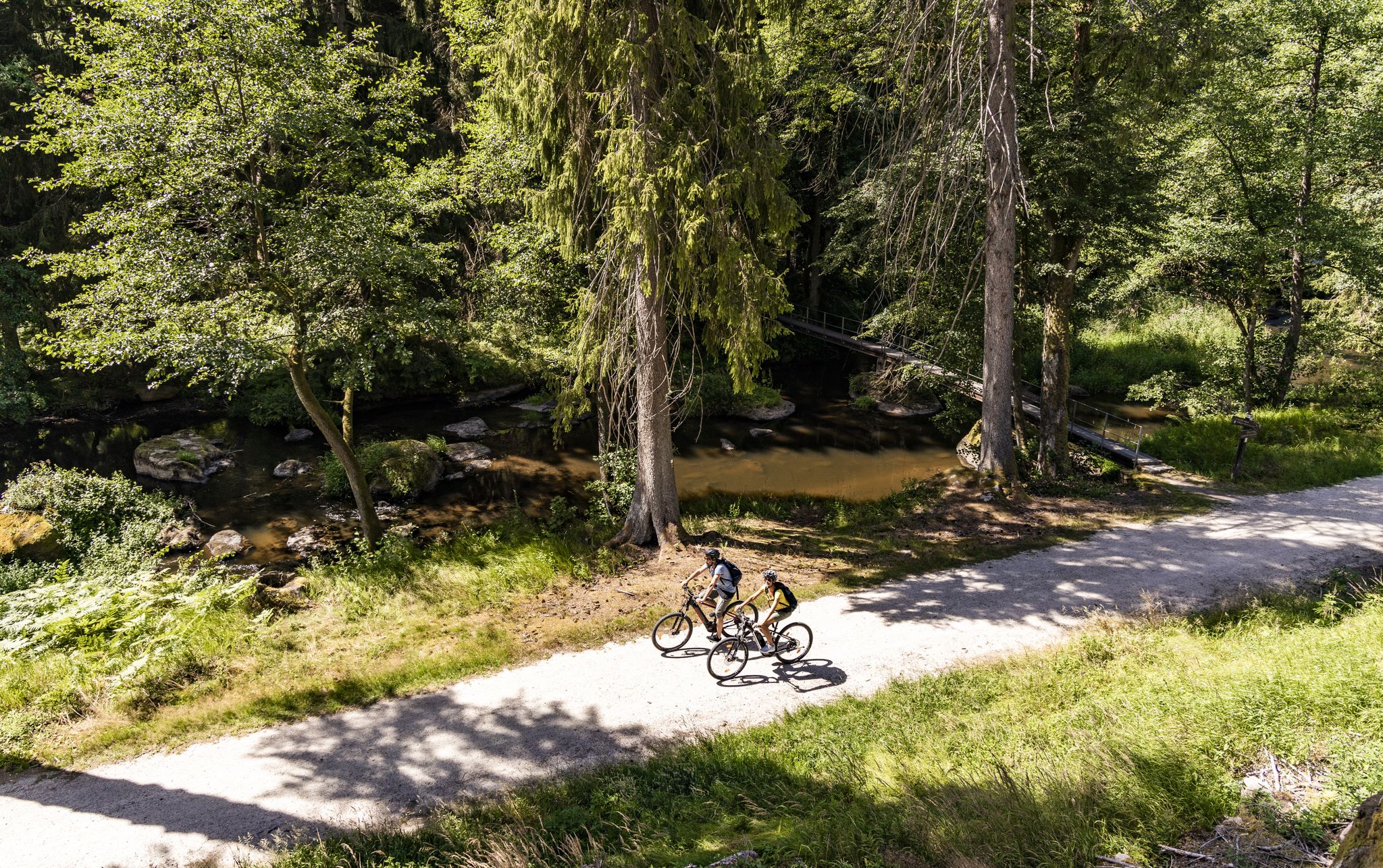
Your cycling adventure in the Upper Palatinate – Oberpfälzer Radl-Welt
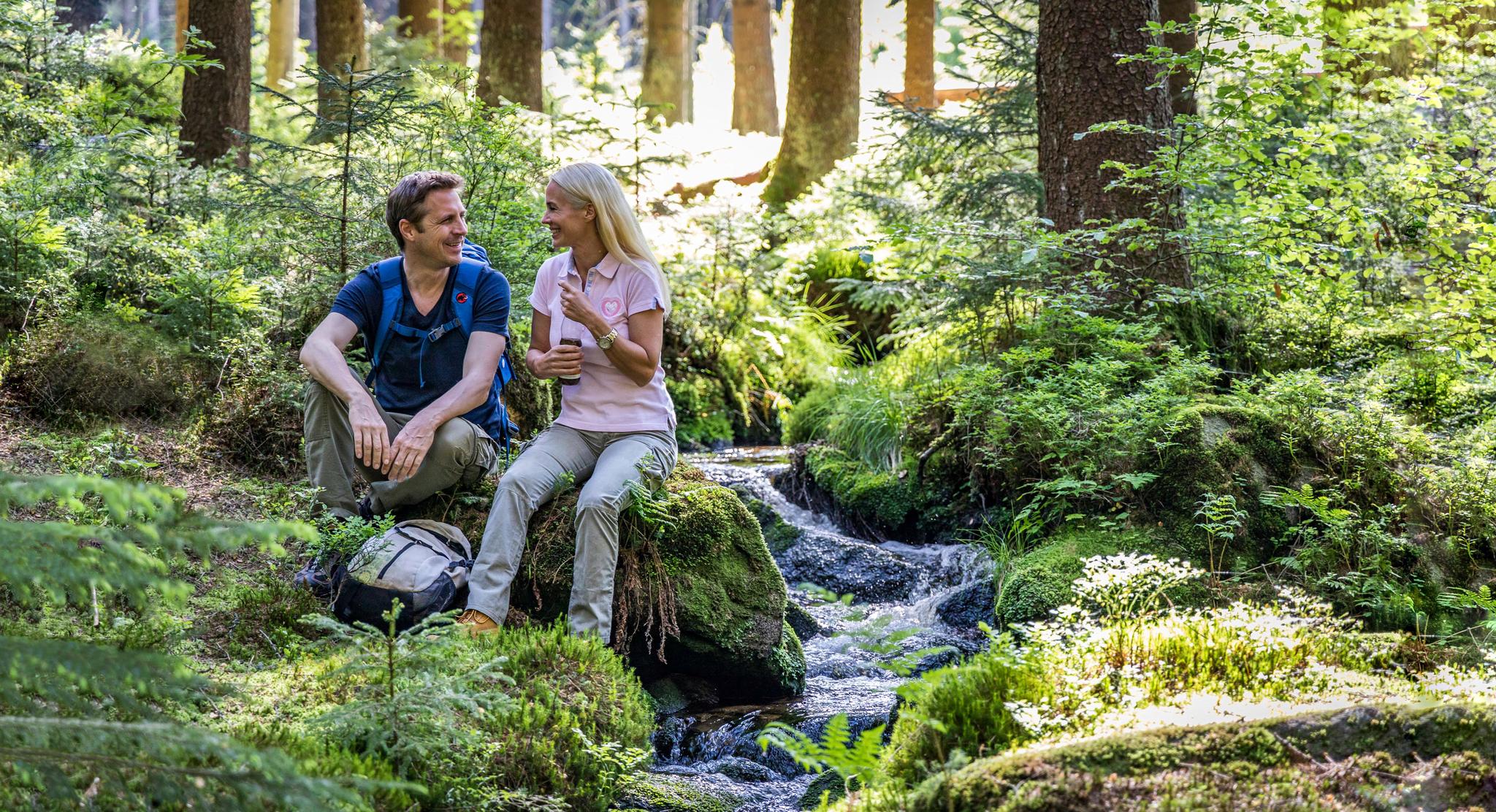
Hiking in Bavaria’s Upper Palatinate Forest – unspoilt forests & green hills
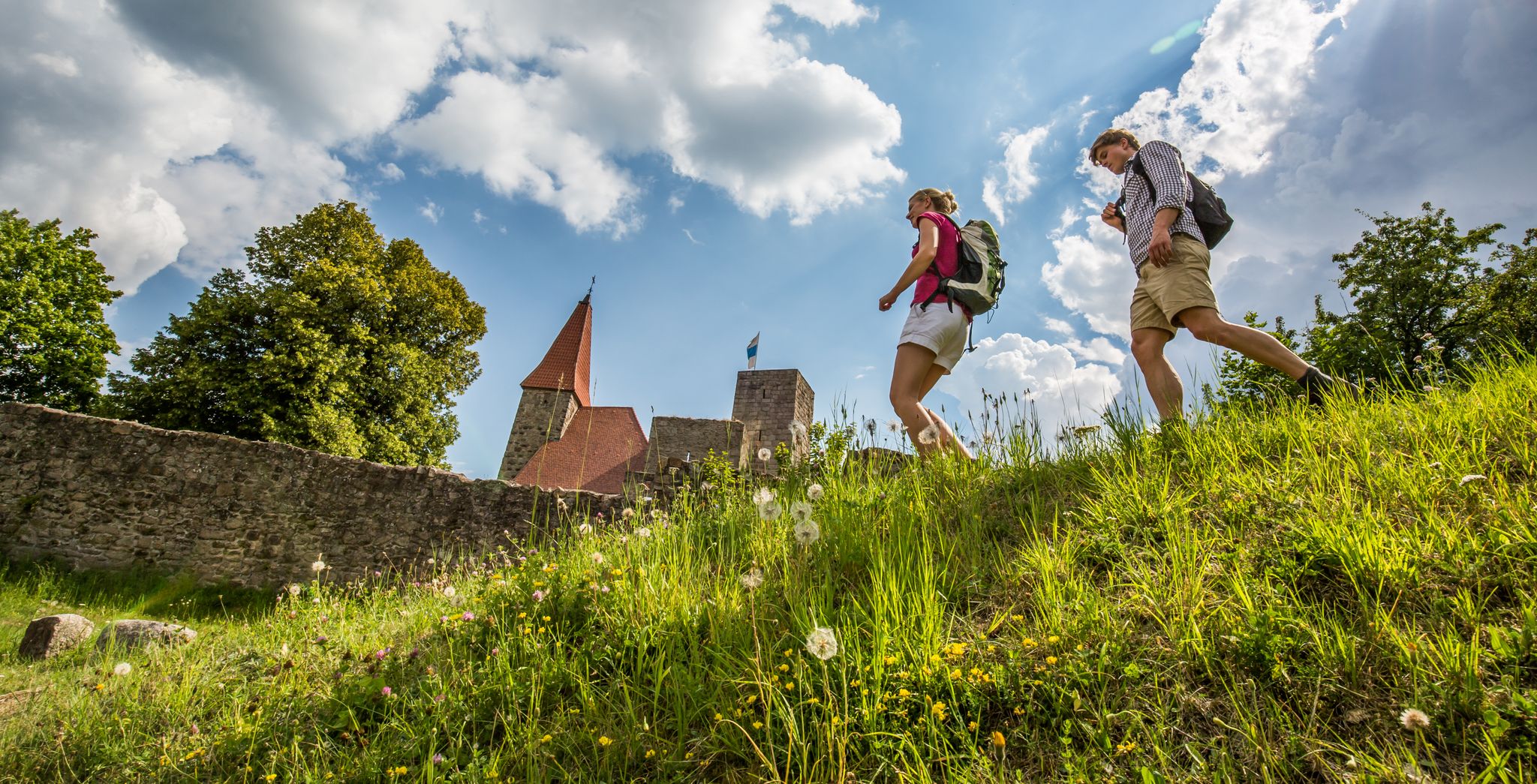
Water, forest and castles — hiking in the Upper Palatinate Forest
Hiking around Schönsee
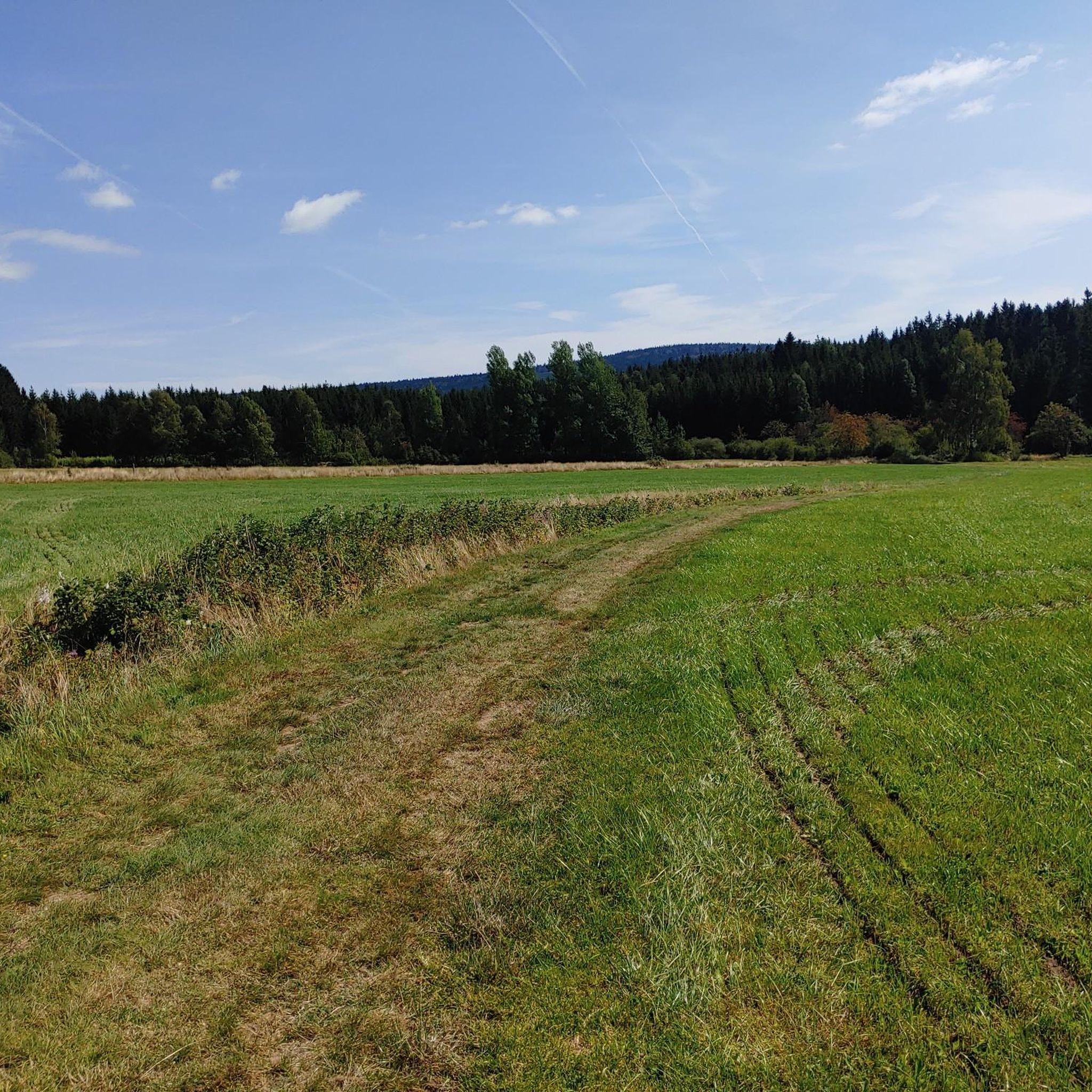
Cycling around Schönsee
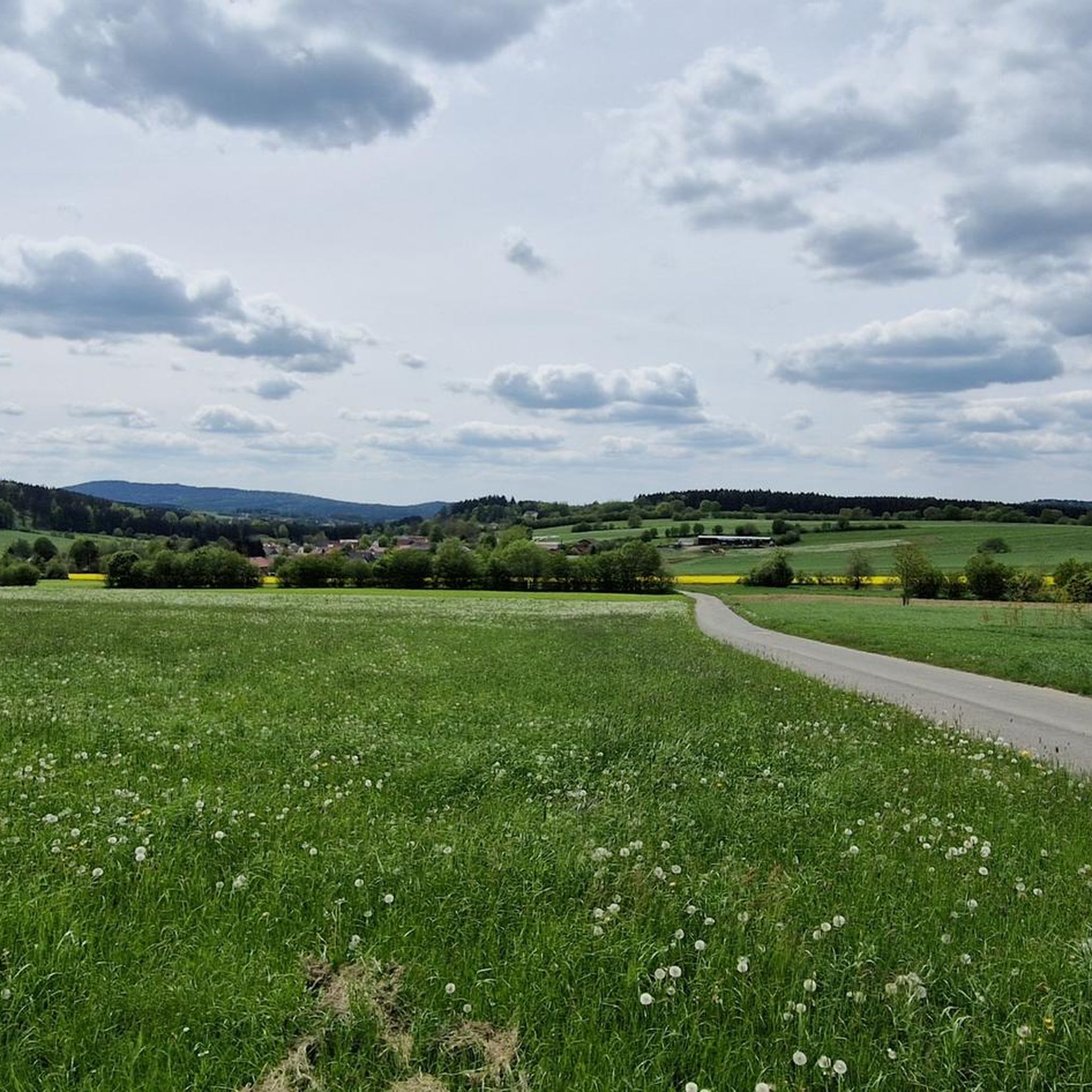
MTB Trails around Schönsee
Other adventures around Schönsee


Tips from the Community

Reichenstein Castle can be considered an early settlement center in the Schönsee area. It was probably built in the late 11th century. Apart from a few remnants of the walls, only the stump of the round keep remains. However, the Reichenstein ruins are still shrouded in mystery. Legends tell of white women haunting the castle, and a treasure of gold lies beneath the ruins.
17
0

Castle ruins Haus Murach "Gerunc de Mourach" appears for the first time in a document in 1110. At that time he accompanied his feudal lord, the powerful Count Berengar II of Sulzbach, on the Italian campaign of Berengar's protégé, King Henry V. After the male line of the Sulzbach family died out, the Counts of Ortenburg inherited part of their dominion with the main towns of Warberg (Burgstall near Neunburg) and Murach in 1188. Later, the Ortenburgers even called themselves Counts of Murach. The ministerial family with the leading name Gerunc remained present in Obermurach. From 1268 to 1272, Obermurach was sold to the Upper Bavarian Duke Ludwig in a series of contracts. The castle was continually expanded and became famous for its stability; the Hussites besieged it in 1428 and 1433, but were unable to take it. During the course of the 14th century, the Murachers spread out to several castles in the Upper Palatinate region, for example to Thanstein or to Flügelsberg in the Altmühl valley. In 1489, Albrecht von Murach was a member of the Löwler uprising against the Bavarian duke. Obermurach survived these turbulences and even the Thirty Years' War relatively unscathed, but this can be explained by the fact that it had lost its military importance by then. In 1805, Obermurach, which was still well preserved at the time, was partially demolished and the stones used to build houses in the village. It was only secured from 1842 by the Oberviechtach district court; today it belongs to the Free State of Bavaria. You enter the extensive outer bailey through a simple gate, which is surrounded by a still well-preserved, high ring wall. It was mainly used for utility and residential buildings. The older inner bailey, which is located a little higher up, is on the east side of the complex. A 2 m thick shield wall shields it from the attack side in the south. The main castle is dominated by the 20 m high, square keep and a large tower-like residential building. The keep, with an entrance at a height of 8.5 m, was built in the lower part from large, regular granite blocks and probably dates from the 13th century. The castle chapel was probably located to the southwest of the keep, and the remains of a semicircular wall tower can be seen to the west. Source: Extracts from www.burgenseite.de
3
0
Frauenstein Castle Ruins The village of Weiding belonged to the Frauenstein lordship in hereditary servitude, about whose beginnings nothing is known. In the second half of the 13th century, Duke Heinrich of Lower Bavaria bought Frauenstein from Fredrich the Siegenhofer. This source states that the area around the village of Weiding, which had a brick church, was largely deserted. In the 14th century, the Frauenstein lordship and thus Weiding became a fief of the King of Bohemia. The Satzenhofers, Zengers, Fuchs and the Lords of Murach followed as further owners. In 1512, Hans von Selbitz (knight, friend of Götz von Berlichingen) appears as the owner of Frauenstein Castle. On January 29, 1580, Emperor Rudolf II enfeoffed Andreas Georg von Murach auf Kürnberg und Winklarn and his wife Anna, daughter of the late Hans Fuchs zum Schneeberg, with the two desolate castles Frauenstein and Reichenstein, today preserved as the Reichenstein castle ruins, the small town of Schönsee and the villages of Weiding and others. On November 26, 1605, Hans Friedrich Fuchs received an imperial letter of fief. His hereditary possessions included the castles Frauenstein and Reichenstein, the town of Schönsee, Weiding, Pondorf, Gaisthal, Schönau, Stadlern and Schwand with the iron hammer. Today, unfortunately, only a few remains of the walls in a romantic location remain. Only the tip of an entrance arch protrudes from the overgrown piles of rubble. A little higher up, further east, a wall remains that is about to collapse rises from the collapsed material. Large piles of bricks lie everywhere. The whole thing impressively shows the decay of a castle and looks a bit like a sunken fairytale castle. Source: www.wikipedia.de
3
0

Frauenstein, one of the five mysterious vanishing points of the early Middle Ages - next to Hirštejn (Czech Republic, between Závist (Neid) and Nemanice (Wassersuppen)), Reichenstein (between Stadlern and Ebene or Böhmerwaldturm, Drachenturm (Treffelstein) and Thanstein. You have to experience them all with all their secrets in order to get to the bottom of the secrets of the “Schwarzachtaler holiday region 🤣).
3
0


Only a ruin remains of the once impressive Murach Castle, first mentioned in documents in 1110. The keep, built around 1250, is the best preserved part of the complex to date. On the 20-meter-high tower there is a viewing platform from which you can enjoy a wonderful panoramic view of the surrounding area. The former castle is one of the largest and most impressive castles along the Bohemian border. !Attention! The key to the keep must be picked up in advance from the castle warden, Obermurach 58, Tel. 09671/91234.
4
1
Beautiful rock formation and a great view, a trip to the Burgstall is worth it.
6
0

The tower is finished and no longer scaffolded. But honestly... you can see more and get nicer pictures from below! The tower has no entrance and cannot be visited from the inside. You can save yourself the altitude 😉
10
0
Frequently Asked Questions
What kind of castles can I expect to see around Schönsee?
The Schönsee region primarily features castle ruins and historical sites, rather than fully preserved castles. These remnants offer a glimpse into medieval architecture and often provide panoramic views over the Upper Palatinate Forest. You'll find structures like the keep of the Drachenturm (Treffelstein castle ruins) and the remaining walls of Reichenstein Castle Ruins.
What is the historical significance of the castles in the Schönsee region?
Castles in the Schönsee area, such as Wildstein Castle Ruins and Murach Castle, played a crucial role in securing trade routes and defending against incursions from the east during the Middle Ages. The Upper Palatinate is known as one of Germany's most densely castled areas due to this historical context.
Are there any legends associated with the castles around Schönsee?
Yes, Reichenstein Castle Ruins is shrouded in local legends. It's said that a gold treasure is buried beneath the castle, and some tales speak of white women haunting the ruins.
Which castles offer the best viewpoints?
Several castle ruins in the region provide impressive vistas. Reichenstein Castle Ruins, perched on a mountain, offers beautiful panoramic views. Similarly, Wildstein Castle Ruins provides a magnificent panoramic view over the 'Waldbuckel' of the Upper Palatinate Forest on clear days. The 20-meter-high keep of Murach Castle also features a viewing platform with impressive views.
Are the castle ruins around Schönsee suitable for families with children?
Many of the castle ruins, like Wildstein Castle Ruins, are considered family-friendly. Exploring these historical sites can be an engaging outdoor activity for children, especially when combined with hiking. The Drachenturm also has a small information center with engaging facts.
How long does it typically take to visit a castle ruin?
The time required varies. For sites like Wildstein Castle Ruins, you can reach the remnants from the village in about ten minutes and spend some time enjoying the view. Climbing the Drachenturm or accessing the keep at Murach Castle (which requires obtaining a key) will add to your visit time, allowing for more in-depth exploration.
What is the best time of year to visit the castles around Schönsee?
The castles and their surrounding areas are ideal for visiting during spring, summer, and autumn. These seasons offer pleasant weather for exploring the ruins and enjoying the scenic views. Winter visits are possible, but some paths might be challenging, and the views could be obscured by snow or fog.
What outdoor activities can I do near these castles?
The region around Schönsee is excellent for outdoor activities. You can combine castle visits with hiking, road cycling, or mountain biking. For example, you can find routes like the 'Bavaria Bohemia Round 2' or the 'Reichenstein Castle Ruins – Bügellohe' loop. Explore more options on the Hiking around Schönsee guide, the Road Cycling Routes around Schönsee guide, or the MTB Trails around Schönsee guide.
Are there hiking trails that incorporate castle ruins?
Yes, many hiking trails in the Upper Palatinate Forest lead to or past these historical sites. For instance, the 'Reichenstein Castle Ruins – Bügellohe' loop is a moderate 13.9 km hike that takes you past the Reichenstein Castle Ruins. You can find more hiking routes that include castles in the Hiking around Schönsee guide.
What do visitors enjoy most about the castles around Schönsee?
Visitors particularly appreciate the historical significance and the stunning panoramic views offered by many of the castle ruins. The opportunity to explore remnants of medieval architecture in a picturesque natural setting, often combined with hiking, is a major draw. The community has shared over 500 photos and given more than 300 upvotes for these sites.
Is there an entrance fee for the castle ruins?
Most of the castle ruins in the Schönsee region are open-air historical sites and do not have a general entrance fee. However, accessing specific features like the keep of Murach Castle may require obtaining a key from a local contact, and climbing the Drachenturm requires age verification.
Are there any hidden gems among the castles near Schönsee?
While popular sites like Reichenstein Castle Ruins are well-known, the Frauenstein Castle Ruins offer a more secluded experience. It's described as a wonderful ruin, a bit hidden between the trees, providing a tranquil spot for reflection.
Most popular routes around Schönsee
Most popular attractions around Schönsee

Get inspired with the komoot mobile app


Explore more
Looking for the best castles somewhere else? Discover other guides around Schönsee:
