Top 20 Castles around Roding
Best castles around Roding are found in the Upper Palatinate region of Germany, offering a glimpse into medieval history. The area features a diverse landscape of wooded hills and valleys, providing scenic backdrops for historical exploration. Many sites are situated on elevated positions, offering panoramic views of the surrounding natural environment. This region combines historical significance with opportunities for outdoor activities.
Best castles around Roding
- The most popular castles is Kürnburg Castle Ruins, a castle that dates back to…
Last updated: August 16, 2026
Schwarzenburg Castle Ruins
Highlight • Castle
Translated by Google •
Tip by

Kürnburg Castle Ruins
Highlight • Castle
Translated by Google •
Tip by

Sign up now to discover places like this
Get recommendations on the best single tracks, peaks, & plenty of other exciting outdoor places.
Sign up for free
Brennberg Castle
Highlight • Castle
You should climb the steps to the watch tower, from there you have a magnificent view of Brennberg and the surrounding area
Translated by Google •
Tip by

Count Palatine Castle Complex Neunburg vorm Wald
Highlight • Castle
Translated by Google •
Tip by

Wetterfeld Castle Ruins
Highlight • Castle
Translated by Google •
Tip by

Sign up for free to discover even more castles around Roding.
Sign up for free
Already have an account?
Start today with a free account
Your next adventure awaits.
Login or Signup

Tips from the Community

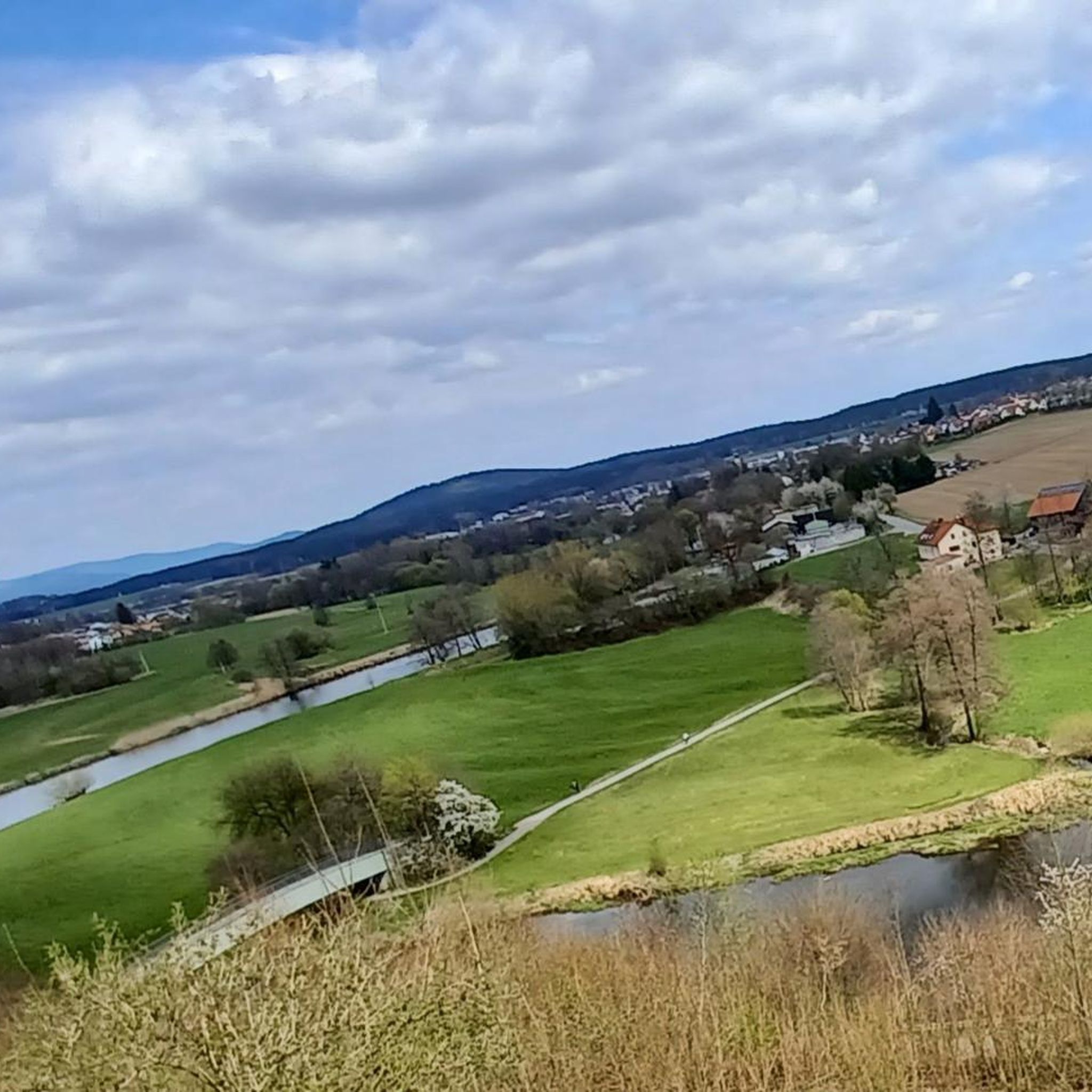
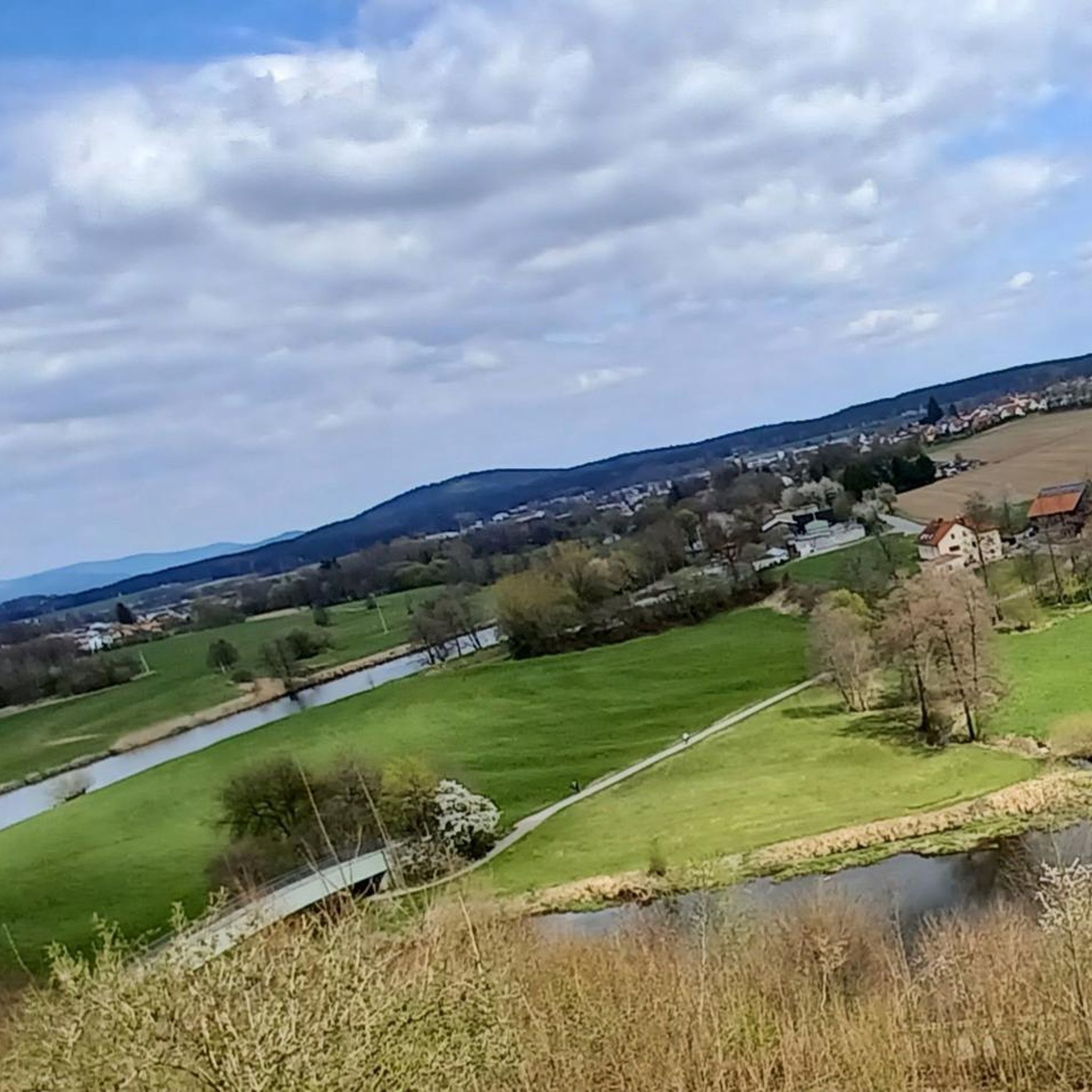
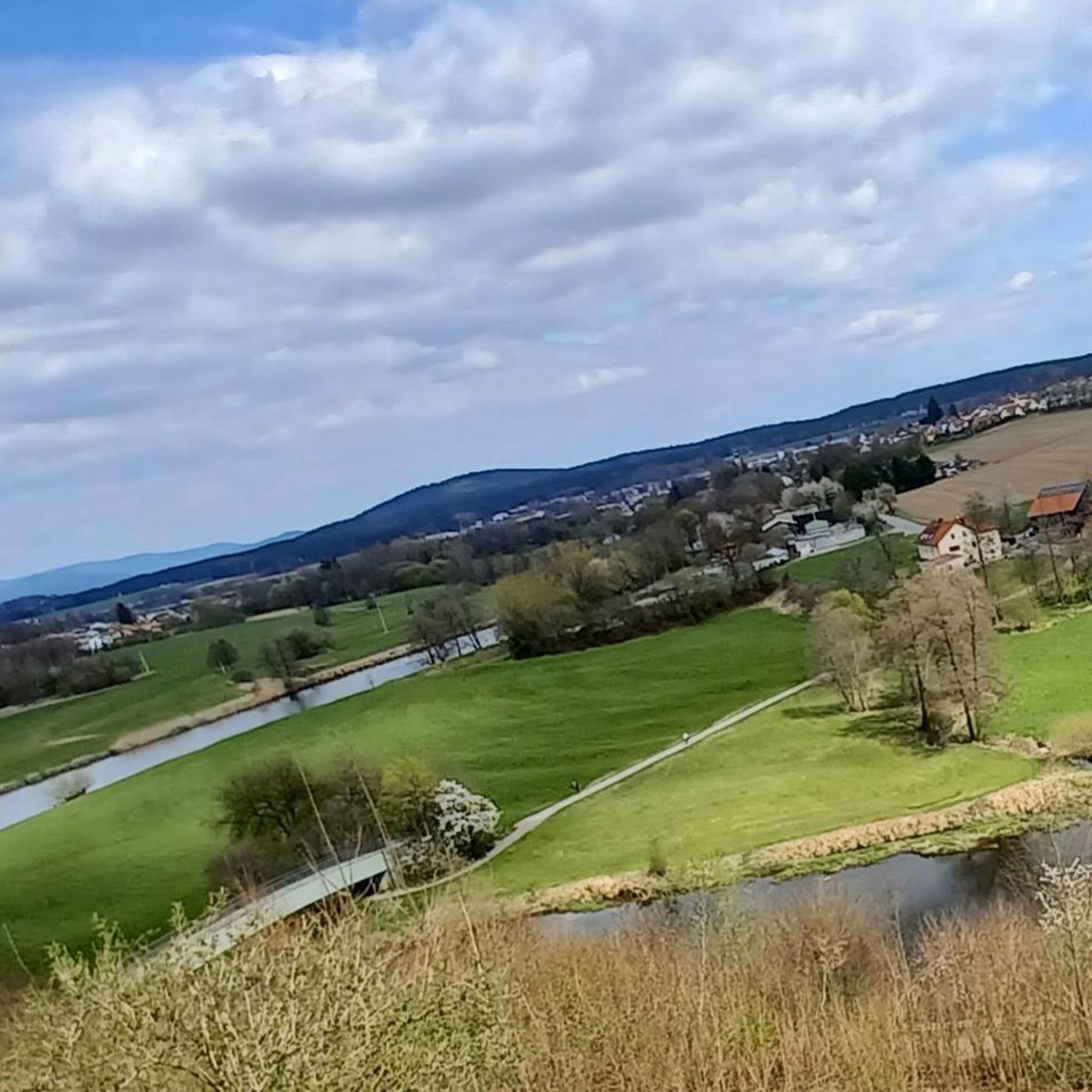
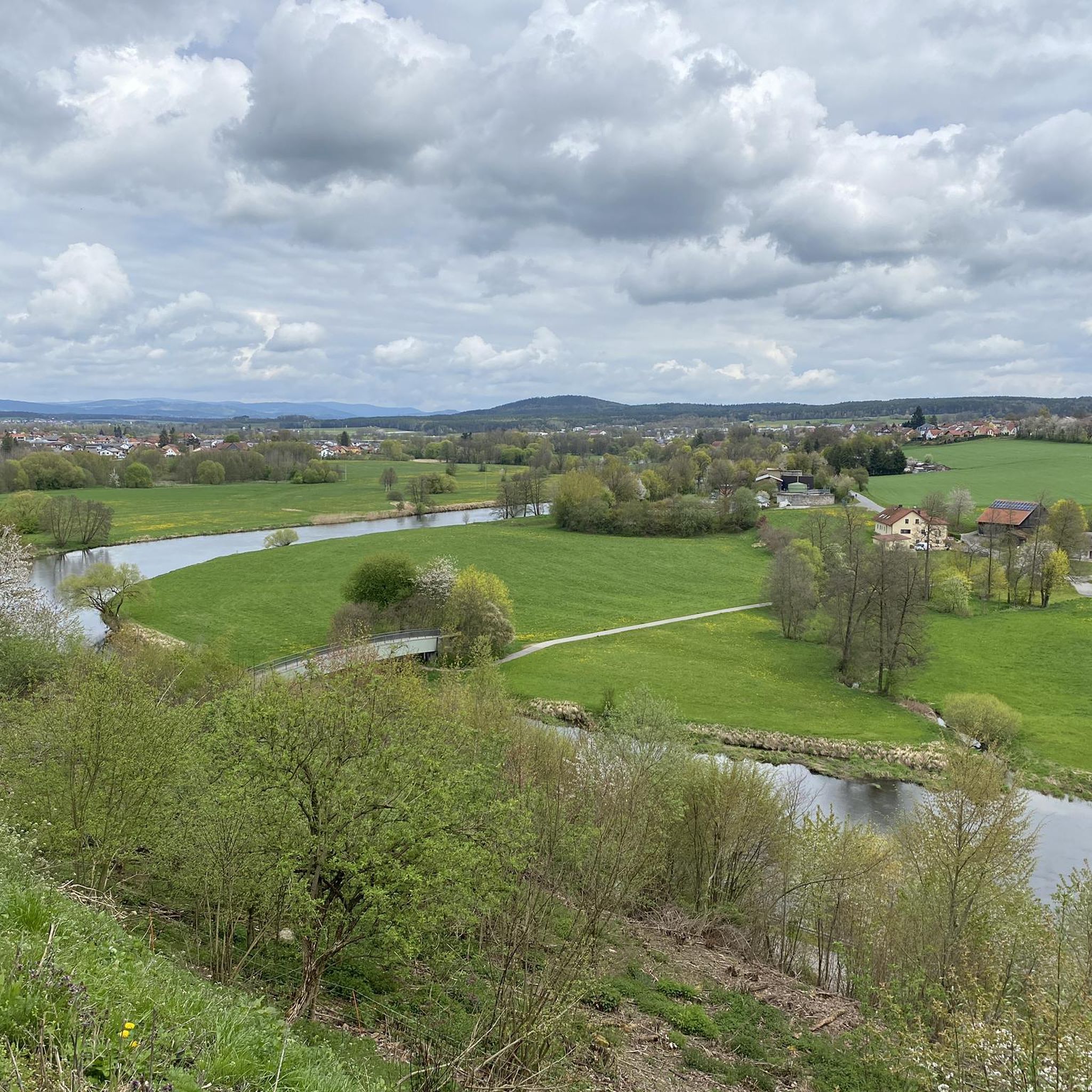
Wetterfeld Castle Ruins As early as 1118, Gottfried von Wetterfeld appears as an influential ministerialis (unfree knight) of the Diepoldings, the powerful Margraves of Cham and Vohburg. He seems to have maintained good relations with many monasteries, especially Reichenbach Abbey—no wonder, since Abbot Reginboto was his brother. Numerous donations to various monasteries by Gottfried are documented, a widespread practice among knights to secure their salvation. In a donation from 1155, Heinrich is even mentioned as an imperial ministerialis, which demonstrates the family's rapid political rise. In 1179, Karl and Heinrich "de Weterinfeld" appear, after which the family disappears from the historical record. It is not until 1268 that we hear of a Deinhardus, who is now subject to the Bavarian dukes; perhaps they lost their independence with the inheritance of the Hohenstaufen dynasty. From 1283 onward, the Wittelsbachs sent judges to Wetterfeld. Ducal ministeriales from the surrounding area succeeded in office: Hauzendorfer, Katzdorfer, Zenger, and others. In 1322, it was pledged to the Chamerau family. In 1329, Wetterfeld came under the control of the Palatine line of the Wittelsbachs, who also appointed judges. In 1410, it passed to the sub-principality of Neumarkt-Neunburg, with the Degenberger, Nothaft, and Zenger families, among others, serving as administrators. During the Hussite raids of 1428 and 1433, the castle was destroyed and subsequently rebuilt. A unique feature of Wetterfeld is the four "castle guards"—four legally independent building complexes within the castle, which were granted separately—making the ownership situation quite complex. In 1621, during the Thirty Years' War, the Upper Palatinate, including Wetterfeld, came under the rule of Duke Maximilian of Bavaria. Later in the war, Wetterfeld was destroyed twice by the Swedes and subsequently rebuilt. But the castle and its buildings continued to deteriorate, and the administrators increasingly relocated their offices outside the castle. In 1812, the administrative office was moved to Roding, the castle grounds were subdivided, and private houses were built over. Wetterfeld is a moated castle—a branch of the Regen River bordered the complex to the northeast. The still clearly visible, deep, walled moat could be filled with sluice gates in case of attack. Essentially, only the large gate tower, built of rubble stone with corner quoins, remains. Its upper, habitable floors make it a variation of the late medieval residential tower. Source: www.burgenseite.de
1
0

Worthwhile old town with many sights. Beautiful city park for strolling and relaxing.
0
0

There is also a beautiful path underneath the castle
0
0

Beautiful old town
1
0

Informative path through the moat with information boards on loopholes, etc., which leads to the cycle path to Pösing. An idyllic rest area! Information with old photos of Wetterfeld can also be found at the covered bike rest area at the roundabout.
1
0

A beautiful and well-preserved ruin. Signs on the walls indicate its former function. From the palace there is a beautiful view of the complex and the surrounding area.
7
0

Kürnberg Castle Ruins The Kürnberg ruins are hidden on a wooded hill about a kilometer northeast of Stamsried. The Kürners originally come from the town of Kürn, which lies between Regensburg and Nittenau. In 1346, Dietrich II received Stamsried as a fief from Count Palatine Ruprecht II and subsequently shifted the focus of his rule there. The land probably originally belonged to the Bishop of Bamberg, whose bailiffs were the Palatines in this area. In 1354, Dietrich received permission to build Kürnberg Castle on the Heitberg near Stamsried, and from then on he and his descendants called themselves Kürner von Kürnberg. They sold their home castle to the Paulsdorfers in 1394. Other Kürners subsequently appeared again and again as cathedral canons in Regensburg. In 1422, Hans Kürner was the last person to live in Kürnberg. He sold the castle to Ulrich Warberger in 1423. In 1499, the castle came to Ludwig von Habsberg, who had it expanded once again for the use of firearms. In 1532, the Murachers took over, but they later stopped living in Kürnberg. In 1634, during the Thirty Years' War, the Swedes conquered Stamsried and besieged and destroyed the castle. Since then, it has been abandoned, and the seat of power has moved to Strahlfeld. At the end of the 1970s, extensive security measures were taken on the castle ruins. Kürnberg is one of the most recently founded castles in the wider area. Its state of preservation is rare in the Upper Palatinate: extensive remains of the walls of the gate tower, battery tower, wall, chapel, wall towers and palace have been preserved. There is no keep, which is typical of a castle of the late Middle Ages. The tower-like palace took over the role of the last point of refuge. The beautiful location, the unique view from the palace and the good state of preservation make Kürnberg an ideal destination. The area is ideal for hikes, and a forest adventure trail leads around the castle hill. There is a fireplace in the courtyard of the outer bailey. Source: www.burgenseite.de
6
0
Frequently Asked Questions
Which castles around Roding offer the best panoramic views?
Several castles in the Roding area provide excellent viewpoints. The Schwarzenburg Castle Ruins, situated on the 706-meter-high Schwarzwihrberg, features a renovated keep with a viewing platform offering unique panoramic views of the surrounding hills. Similarly, the Kürnburg Castle Ruins boasts a walk-in observation tower with fantastic views over the Regental valley. The Brennberg Castle also offers a magnificent view of Brennberg and the surrounding area from its watch tower.
Are there family-friendly castles to visit near Roding?
Yes, several castles around Roding are suitable for families. The Kürnburg Castle Ruins are noted as being easily accessible even for children. Both Schwarzenburg Castle Ruins and Lobenstein Castle Ruins are also categorized as family-friendly, offering historical exploration in natural settings. The Count Palatine Castle Complex Neunburg vorm Wald is integrated into a charming old town with cultural and sporting activities, making it a broader family destination.
What kind of outdoor activities can I combine with a castle visit near Roding?
The region around Roding is ideal for combining castle visits with various outdoor activities. You can find numerous hiking trails, such as the easy 'Neubäuer Weiher Forest Playground' loop or the moderate 'Regen River Trail' loops. For cyclists, there are road cycling routes like the 'Thierlstein Castle – Wetterfeld Castle Ruins loop' or gravel biking options such as the 'Regentalhänge Nature Reserve' loop. You can explore more routes on the dedicated guides for hiking, road cycling, and gravel biking around Roding.
Are there any castle ruins near Roding that are freely accessible?
Yes, many of the castle ruins in the Roding area are freely accessible. The Kürnburg Castle Ruins and Lobenstein Castle Ruins are both freely accessible to visitors. The Brennberg Castle is also a beautiful ruin that can be visited free of charge at any time.
What is the best time of year to visit the castles around Roding?
The castles around Roding can be visited year-round, but the spring, summer, and early autumn months (April to October) are generally ideal. During these periods, the weather is more favorable for exploring the outdoor ruins and enjoying the panoramic views. The mountain lodge at Schwarzenburg Castle Ruins, for example, operates in the afternoons from April to October, enhancing the visitor experience.
Are there any amenities like cafes or restaurants near the castles?
Yes, some castles offer amenities. The Schwarzenburg Castle Ruins has a cozy mountain lodge in its upper courtyard that is open on Wednesdays, Sundays, and public holidays. For a broader selection, the Count Palatine Castle Complex Neunburg vorm Wald is part of a vibrant town with various cultural offerings and places to eat, such as Gasthaus Sporer.
How long should I plan for a visit to a castle ruin near Roding?
The duration of your visit depends on the specific castle and your interests. For sites like Kürnburg Castle Ruins or Lobenstein Castle Ruins, which are primarily ruins with observation towers, you might spend 1-2 hours exploring and enjoying the views. If you combine it with a hike or visit a complex like Count Palatine Castle Complex Neunburg vorm Wald, which is integrated into a town, you could easily spend half a day or more.
Can I bring my dog to the castle ruins around Roding?
While specific dog-friendly policies vary, many outdoor castle ruins in Germany, especially those that are freely accessible and integrated into hiking areas, generally welcome dogs on a leash. For example, the Kürnburg Castle Ruins and Schwarzenburg Castle Ruins are popular spots for hikers, suggesting they are suitable for accompanied dogs. It's always a good idea to check local signage upon arrival for any specific restrictions.
What historical significance do the castles around Roding hold?
The castles around Roding offer a deep dive into medieval history, particularly in the Upper Palatinate region. Sites like the Schwarzenburg Castle Ruins, dating back to 1050, and the Kürnburg Castle Ruins, built in 1354, showcase centuries of architectural evolution and historical events, including destruction during the Thirty Years' War. They provide a tangible link to the lives of old castle lords and the region's past.
Are there any unique architectural features among the castles?
Yes, the castles in the Roding area feature distinct architectural elements. The Lobenstein Castle Ruins are notable for their distinctive heptagonal tower. The Brennberg Castle clearly shows its past as a Ganerbeburg, divided into two parts connected by a central courtyard. Many ruins also feature well-preserved wall remains, gate towers, and keeps that offer insights into medieval construction.
What makes the <a href="https://www.komoot.com/highlight/158802" target="_blank" rel="noopener">Count Palatine Castle Complex Neunburg vorm Wald</a> different from other castles in the area?
Unlike many other sites which are ruins, the Count Palatine Castle Complex Neunburg vorm Wald is integrated into the charming old town of Neunburg vorm Wald. It offers a broader cultural experience alongside historical exploration, surrounded by a beautiful lake and forest landscape. Visitors can enjoy the historic ambiance of the town, partake in events like the 'Vom Hussenkrieg' festival, and engage in various cultural and sporting activities, rather than just exploring a standalone ruin.
Most popular routes around Roding
Most popular attractions around Roding

Get inspired with the komoot mobile app


Explore more
Looking for the best castles somewhere else? Discover other guides around Roding:
