Top 9 Castles around Grafenwiesen
Castles around Grafenwiesen are part of the broader attractions in this state-recognized recreational area within the Bavarian Forest. While Grafenwiesen itself is known for its natural beauty and opportunities for hiking and cycling, notable castles are found in the surrounding region. The Grafenwiesen region offers a blend of natural landscapes and historical sites, making it a destination for outdoor activities and cultural exploration. Visitors interested in historical architecture can explore various castles and ruins in the wider Cham district Bavaria.
…Last updated: October 2, 2026
Lichteneck Castle Ruins
Highlight • Castle
According to a local story, the lords of the castle at Lichteneck are supposed to have defeated their worst enemies, …
Translated by Google •
Tip by

Schwarzenburg Castle Ruins
Highlight • Castle
Translated by Google •
Tip by

Sign up now to discover places like this
Get recommendations on the best single tracks, peaks, & plenty of other exciting outdoor places.
Runding Castle Ruins
Highlight • Castle
Translated by Google •
Tip by

Blaibach Castle
Highlight • Castle
Translated by Google •
Tip by

Miltach Castle
Highlight • Castle
Here's a little history: de.wikipedia.org/wiki/Schloss_Miltach
Translated by Google •
Tip by

Sign up for free to discover even more castles around Grafenwiesen.
Already have an account?
Start today with a free account
Your next adventure awaits.
Popular around Grafenwiesen
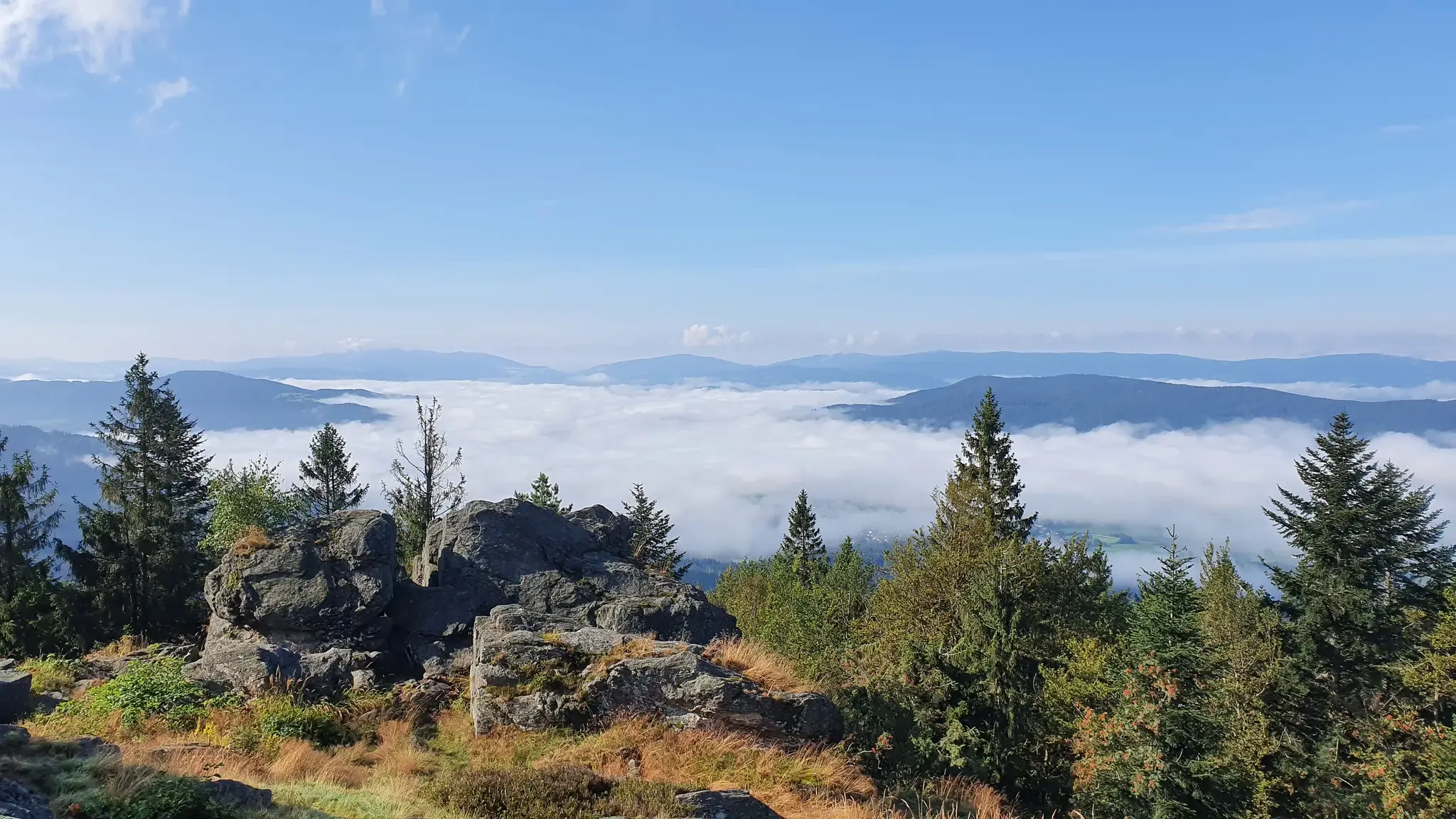
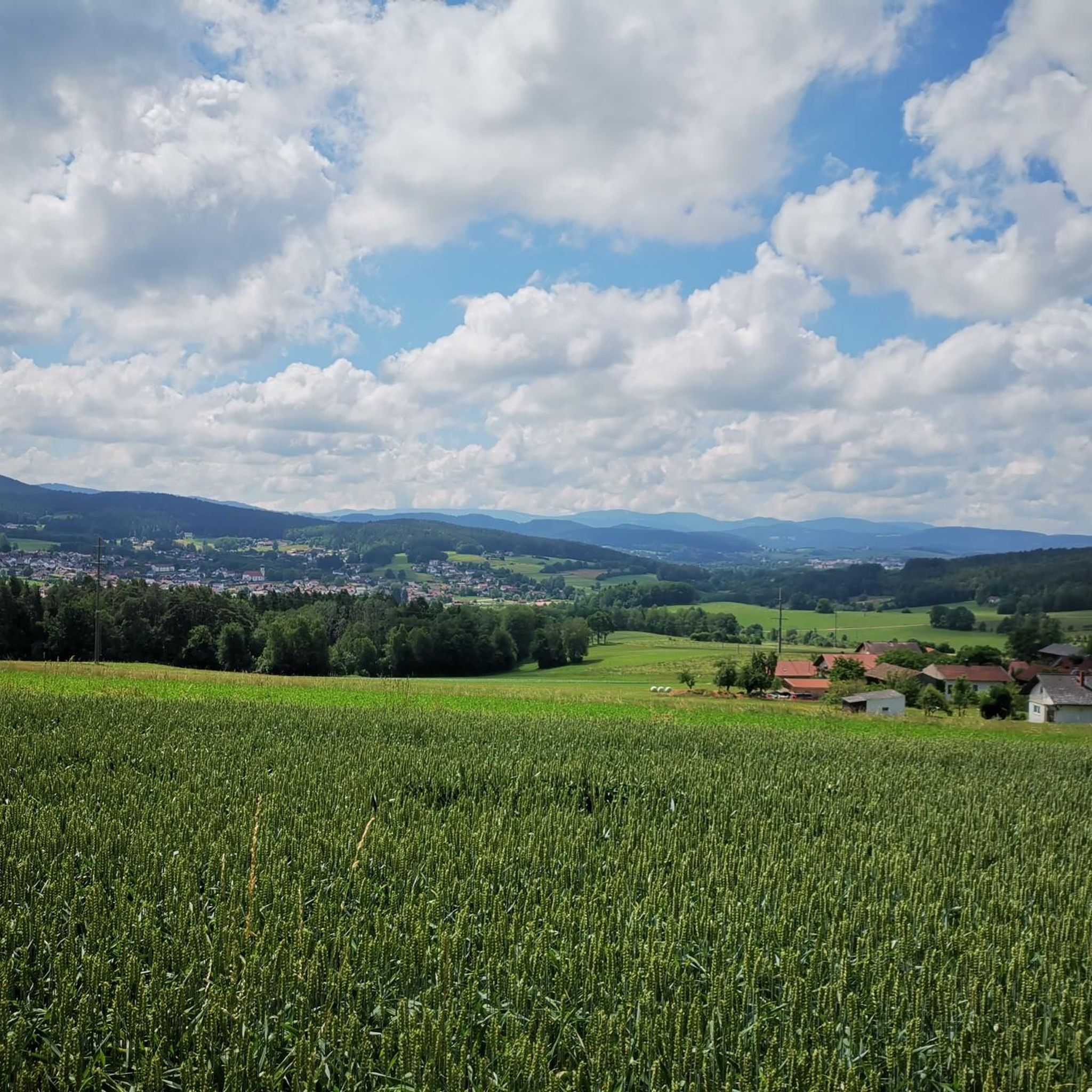
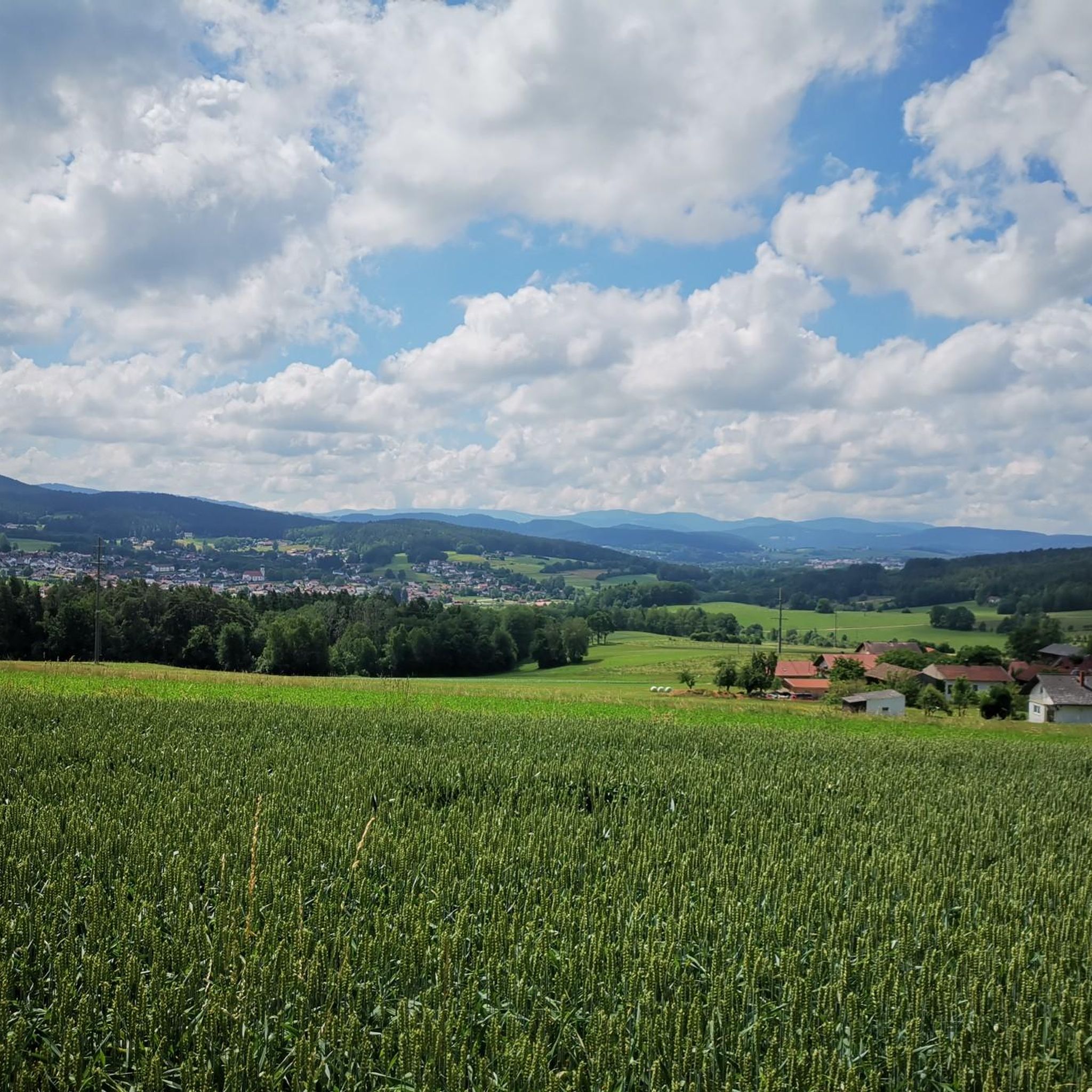
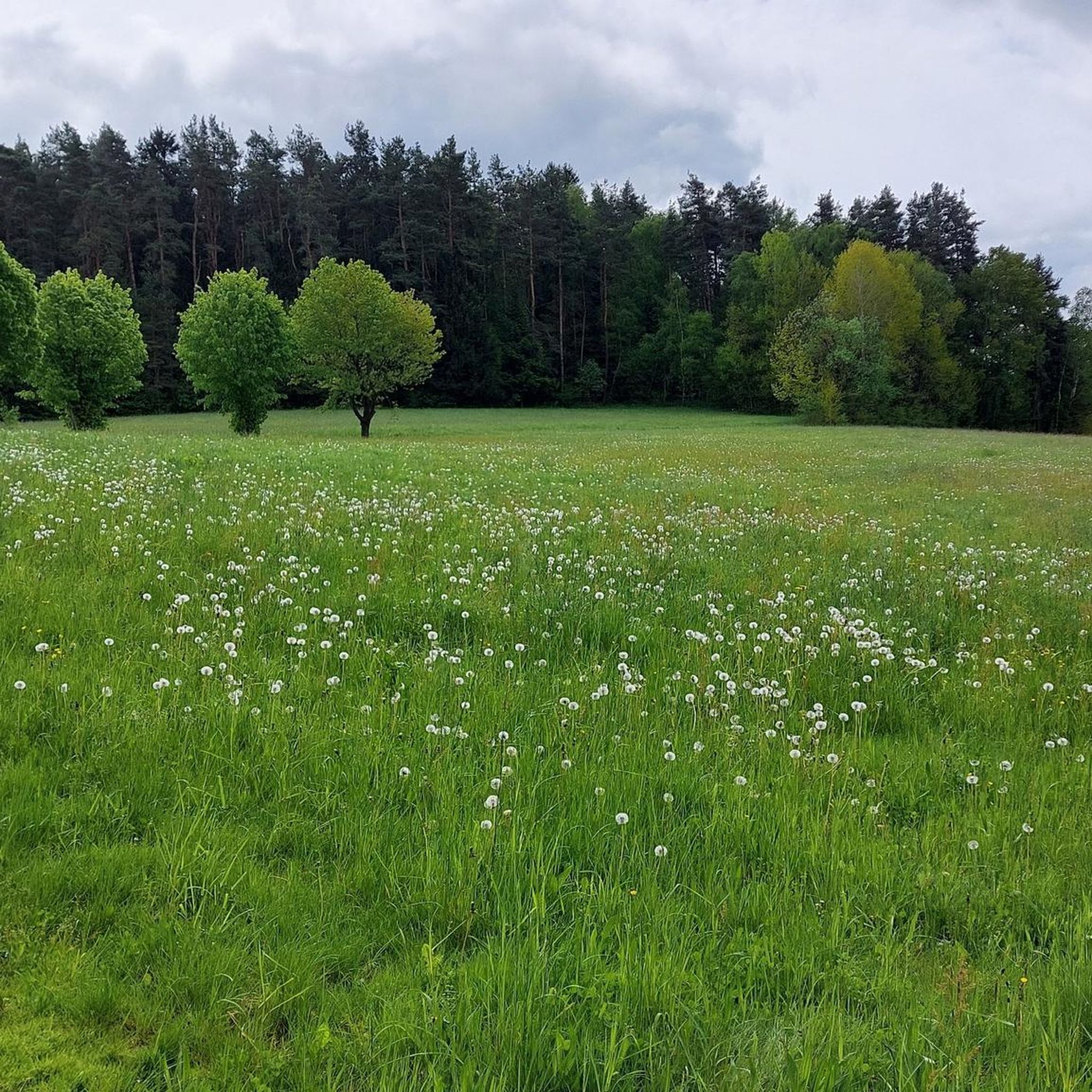

Other adventures around Grafenwiesen

Tips from the Community

Magnificent view from up there. Definitely worth a detour.
1
0

This is a fantastic castle ruin with a great view. The ruin is very impressive and has lots of information boards. There are several hiking trails to this ruin, short or long, anything is possible! In the ruin there are several comfortable places to sit and take a break. There is also a wonderful viewing point with a bench. Access is always possible and free!
1
0

Very informative and beautiful castle ruins. The walk is worth it.
1
0

Miltach Castle In 1572, Duke Ernst of Bavaria's illegitimate son Justinian von Peilnstein received the Miltach manor as a fief from Duke Albrecht V. Justinian had the core of the castle built around 1600, but his successor and heavily indebted son Hans Georg had to hand over the fiefdom of the village to Hans Georg von Weichs in 1616. In 1622, Hans Georg Reitturnier von Schöllnach auf Hohenwarth became Weichs' successor, followed by Johann Wilhelm von Leiblfing, until Isak Heinrich von Schönbrunn gradually took over the manor in 1679. Miltach remained in the possession of the Schönbrunn family until 1849. The writer Maximilian Schmidt, known as Waldschmidt, acquired it around 1871. In 1920, it was acquired by the art historian and collector Richard Oertel. Sold by the community of heirs, the castle changed hands in 1979 and came into the possession of the Schleyerbach family from Katharied near Beratzhausen. The building, which had now fallen into disrepair, was renovated for years by the new owners and finally opened to the public in 1982. The Schleyerbach-Breu family was awarded the Culture Prize by the Bavarian Forest Cultural Association in 2004. The castle was sold again in 2017. The last change of ownership took place in 2017. The new owner is currently developing a usage concept that also includes cultural aspects. Previously, the Schleyerbach-Breu family, who owned the castle at the time, ran the maintenance of Miltach Castle. On the ground floor there was a pottery, the castle shop and a living area. The entire first floor served as a museum. At the northern end there is a chapel that was re-consecrated in 2009 and is dedicated to Saint Nepomuk. Miltach Castle has a rectangular floor plan: there are 13 window axes on two floors. The roof structure is also two-storey. There are six chimneys on the roof. The basement and the ground floor in the original part of the building consist of vaults, the first floor contains high, bright rooms with stucco applications on the ceilings. During the renovation, an earlier painting was discovered under the external plaster, which gave a three-dimensional impression. Church painters renewed this painting during the renovation. The castle complex includes an adjacent commercial building, which was converted into a brewery in 1872 and is now privately owned by another family. Source: Excerpts from www.wikipedia.de
2
0
Runding Castle Ruins Otto von Runding is mentioned in 1118 as a ministerial of the Margraves of Cham. Various lines then shared the castle, and Rudiger, who lived on the nearby Haidstein, Adalbert and Adelheid are mentioned several times in documents. From 1300 onwards, however, the family ran into financial difficulties and had to sell more and more parts of the estate, including to the Chamerauers, Zengers and Fraunbergers. While the impoverished Rundingers ultimately had to move to Cham, Heinrich V. Nothafft of Wernberg gradually managed to acquire all parts from 1413 onwards. Heinrich Nothafft was an important man in the governments of the Bavarian dukes and achieved considerable wealth. It was probably also he who had Runding expanded into a large, late medieval castle complex. In the 16th century, the Nothaffts ran into financial difficulties due to guarantees they had provided and had to sell to Ludwig von Eyb. In 1618, Hans Albrecht Nothafft managed to regain possession of the castle through marriage. The castle was plundered and burned down twice by the Swedes during the Thirty Years' War (1633, 1641). In the 16th and 17th centuries, the Nothaffts built Runding into a large castle with stables, utility rooms, and apartments for servants. The Nothafft family got into more and more debts, and by the time of the forced sale in 1829, the family had accumulated a mountain of debt of 300,000 guilders. The new owners ordered the castle to be demolished. It continued to decay until 1992, and only since then have extensive security measures been taken. All that is left of the high medieval castle today is the stump of a residential tower or former keep in the middle on a rock. This tower was the core of the original castle, probably surrounded by a ring wall. Later, the central rock tower was used to build the baroque chapel and the tower was demolished. The two round towers made of large rubble stones, which formed a former gate open to the southeast, may date from the early 14th century. The medieval buildings that are visible today are primarily the palace and the large tower in the northwest, the lower floor of which was also used as a prison. The complex is designed with elaborate defenses in mind: it is surrounded by a completely circular enclosure with corner towers, a deep circular moat and a rampart. Source: Excerpts from www.burgenseite.de
3
0

Very well-preserved ruins of the former castle complex with numerous short descriptive boards. Audio guide can be scanned as a QR code at the entrance.
1
0

A castle ruin that is well worth seeing and has been excellently repaired and signposted by the Runding Castle Friends.
2
0

Easy to climb good stairs but a bit darker inside.
6
0
Frequently Asked Questions
What types of castles can I explore near Grafenwiesen?
The region around Grafenwiesen offers a mix of impressive castle ruins and historical structures. You can visit extensive ruins like Lichteneck Castle Ruins and Schwarzenburg Castle Ruins, which provide panoramic views and a glimpse into medieval history. There's also Blaibach Castle, a largely preserved structure, and the fortified church complex of Kirchenberg and the Parish Church of the Assumption, Bad Kötzting, which includes elements of a castle.
Are there family-friendly castles to visit near Grafenwiesen?
Yes, several castles in the area are suitable for families. Schwarzenburg Castle Ruins and Runding Castle Ruins are both categorized as family-friendly, offering space to explore and historical insights. Blaibach Castle and Kirchenberg and the Parish Church of the Assumption, Bad Kötzting also welcome families.
Which castles offer the best views around Grafenwiesen?
Many of the castles in the region are situated on elevated positions, providing excellent viewpoints. Visitors particularly praise the views from Lichteneck Castle Ruins, where the tower is freely accessible, and from Schwarzenburg Castle Ruins. Runding Castle Ruins also offers a breathtaking panoramic view.
Can I bring my dog to the castle ruins near Grafenwiesen?
Yes, Lichteneck Castle Ruins is noted as dog-friendly, making it a great option for exploring with your canine companion. For other locations, it's always advisable to check local signage or websites for specific pet policies.
What outdoor activities can I combine with a castle visit?
The castles around Grafenwiesen are often integrated into beautiful natural landscapes, making them ideal for combining with outdoor activities. You can find numerous running trails, mountain hikes, and MTB trails in the wider Grafenwiesen area. For example, Lichteneck Castle Ruins is located along a trail, offering a scenic walk to the site.
Are there any historical stories or legends associated with these castles?
Yes, the castles are steeped in history and local lore. For instance, a local story tells of the lords of Lichteneck Castle Ruins using trickery to defeat their enemies, the Hohenbogeners, by inviting them to a feast while their own castle was set ablaze. These tales add an extra layer of intrigue to your visit.
What makes Runding Castle Ruins a notable site?
Runding Castle Ruins is a significant historical site, inviting visitors to embark on an exciting journey through over 900 years of history. It's praised for its imposing walls, remarkable floor plan, and the informative signage that details each building. The panoramic views from the ruins are also a major draw.
Is there a castle that is particularly well-preserved or restored?
Blaibach Castle stands out as a largely preserved structure. It was significantly built in its current form in 1604/1605 and features a two-story steep pitched roof building with outbuildings, an arched passage, and a pedestrian gate, offering a clear picture of its historical appearance.
What is the best time to visit the castles around Grafenwiesen?
The castle ruins, such as Runding Castle Ruins, are generally open at any time of day or year, allowing for flexible visits. Spring and autumn often provide pleasant weather for exploring the outdoor sites and enjoying the scenic views without extreme temperatures. Winter visits can offer a unique, serene atmosphere, though some paths might be less accessible.
Are there any castles that are part of a larger historical complex?
Yes, Kirchenberg and the Parish Church of the Assumption, Bad Kötzting is a prime example. It's a fortified church complex that includes a weir system with castle elements and a historic cemetery. This site offers a blend of religious and defensive architecture, providing a comprehensive historical experience.
What do visitors enjoy most about the castles in this region?
Visitors frequently highlight the beautiful views, the historical atmosphere, and the opportunity to explore well-preserved ruins. The accessibility of towers, like at Lichteneck Castle Ruins, and the informative signage at sites like Runding Castle Ruins, are also highly appreciated. Many enjoy the sense of stepping back in time and the natural beauty surrounding these historical landmarks.
Most popular routes around Grafenwiesen
Most popular attractions around Grafenwiesen

Get inspired with the komoot mobile app


Explore more
Looking for the best castles somewhere else? Discover other guides around Grafenwiesen:
