Top 17 Castles around Bogen
Best castles around Bogen are found in a charming Bavarian region, characterized by its position in the Danube valley and the prominent Bogenberg hilltop. This area offers a rich tapestry of medieval history, with fortresses and ruins providing insights into past eras. The landscape combines historical sites with natural beauty, making it suitable for exploration. The region's castles are integral to its identity, showcasing centuries of architectural and cultural development.
Best castles around Bogen
- The most popular castles is Falkenfels…
Last updated: July 1, 2026
Ducal Castle Straubing 🏰
Highlight • Castle
Its knight's hall is one of the largest and best preserved medieval ballrooms in Germany.
The Agnes Bernauer Festival is performed in the courtyard every 4 years.
Translated by Google •
Tip by

Egg Castle
Highlight • Castle
Translated by Google •
Tip by

Sign up now to discover places like this
Get recommendations on the best single tracks, peaks, & plenty of other exciting outdoor places.
Sign up for free
Falkenfels Castle
Highlight • Castle
Around 1100, the Counts of Bogen built the castle on the rock that slopes steeply on three sides. From 1232, the Knights of Hohenfels ruled the castle, and …
Translated by Google •
Tip by

Offenberg Castle
Highlight • Castle
Translated by Google •
Tip by
Mitterfels Castle
Highlight • Castle
Translated by Google •
Tip by

Sign up for free to discover even more castles around Bogen.
Sign up for free
Already have an account?
Start today with a free account
Your next adventure awaits.
Login or Signup
Popular around Bogen
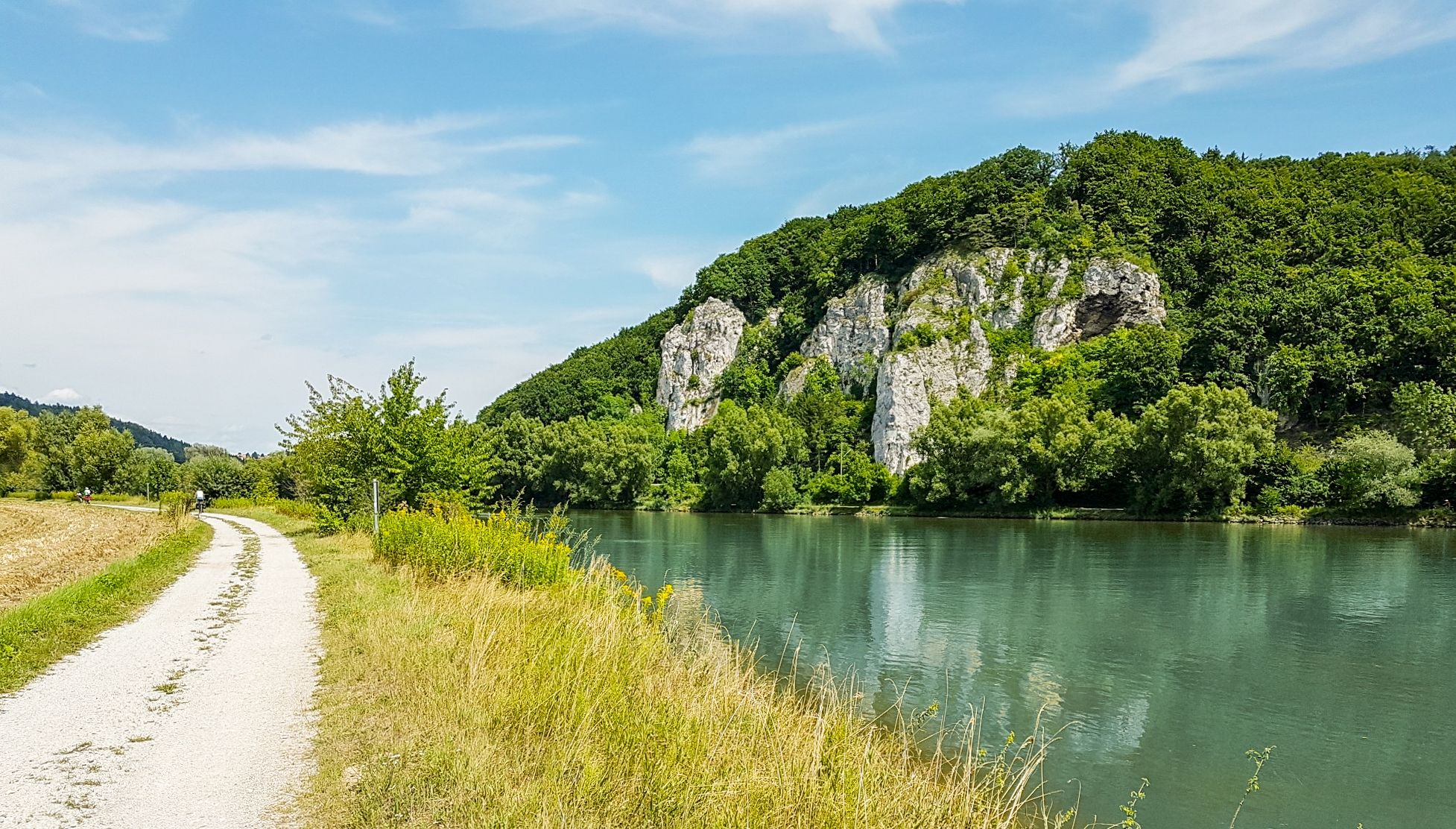
Donau-Panoramaweg – 10 days nature views and cultural insights
Goldsteig — The best routes for long distance hiking in Eastern Bavaria
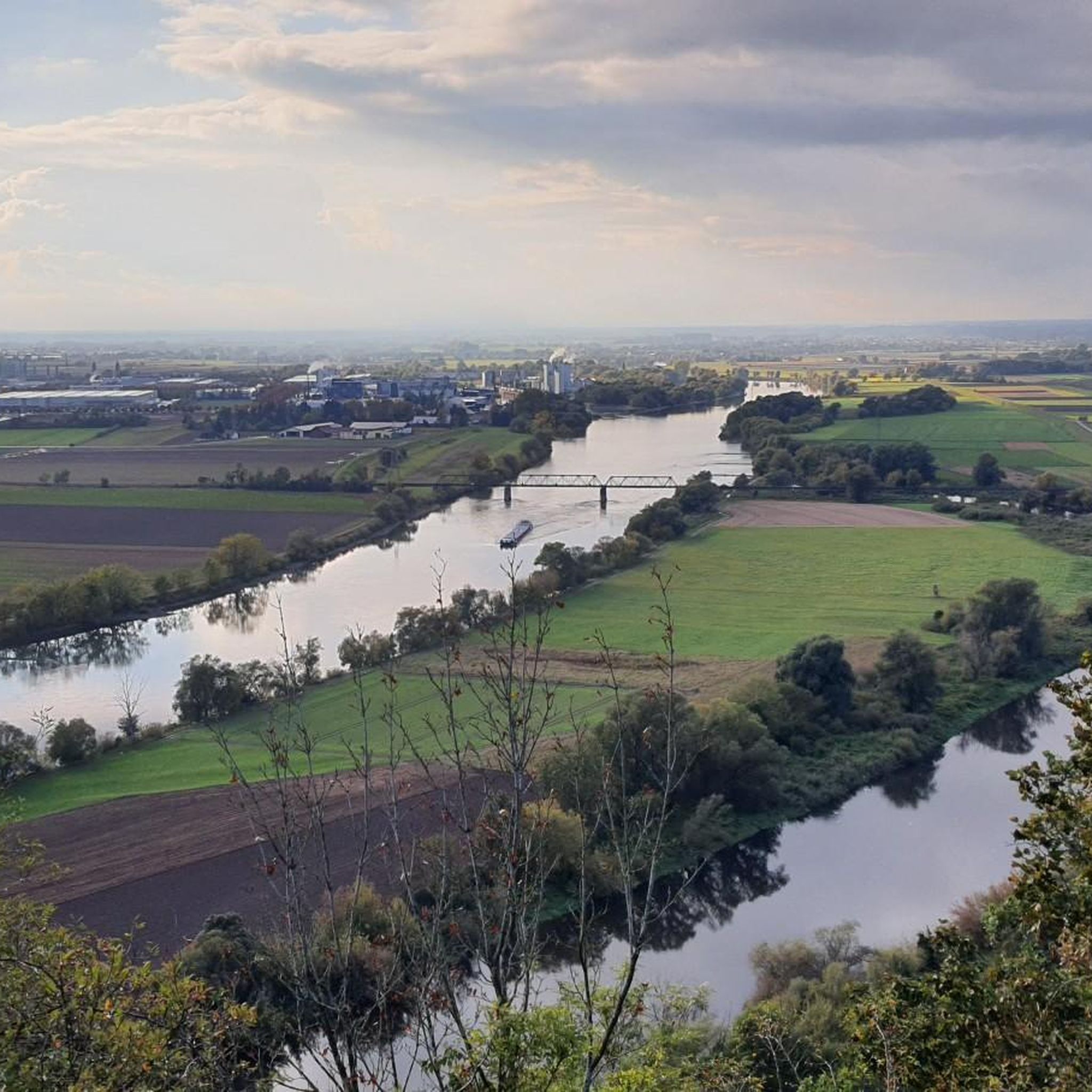
Cycling around Bogen
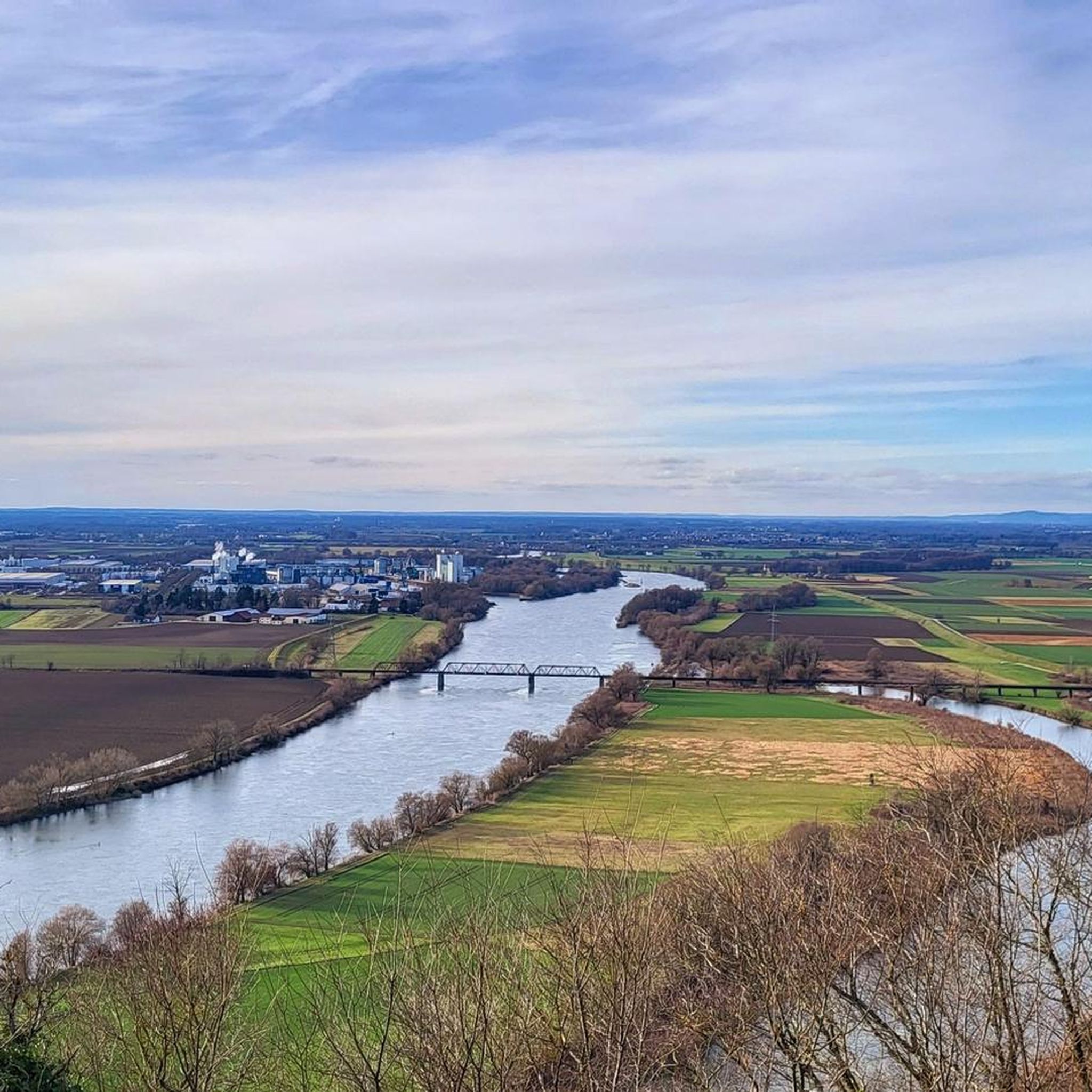
Hiking around Bogen
MTB Trails around Bogen
Road Cycling Routes around Bogen
Running Trails around Bogen

Gravel biking around Bogen
Mountain Hikes around Bogen


Tips from the Community

Mitterfels Castle Mitterfels was an important administrative and defensive center of the Counts of Bogen. It was first documented in 1194 under Berchtholdus de Mitterfels. In 1242, the castle, along with the rich Bogen inheritance, passed to the Wittelsbach dukes. In 1280, Mitterfels was already mentioned in the ducal urbar as a regional court. In the following centuries, Mitterfels was expanded into a stronghold and manned by guardians. Little is known about the medieval history of the castle; it was apparently spared from the Hussite invasions around 1400 because it was over-fortified. During the Lower Bavarian knightly revolts of the Böckler and Löwler families, Mitterfels always fought on the side of the territorial lords. In 1634, Mitterfels was captured by the Swedes. In 1742, the castle was unsuccessfully besieged by Trenck the Pandur during the War of the Austrian Succession. Mitterfels lost all military importance in the 19th century, and its defensive structures gradually fell into disrepair. In 1812, the keep collapsed. Around 2000, the dilapidated medieval remains were excavated and secured with funds from the Free State of Bavaria. The castle lies at the end of a long mountain spur overlooking the Menach or Perlbach valley. The path to the castle leads over a three-arched bridge made of rubble and brick, which crosses the deep moat. According to an inscription, the bridge dates from 1791. The entrance to the inner castle was the keep, made of humped ashlars, which, judging by historical illustrations, also served as a gate tower. Today, most of the remains are covered by a prison. Adjacent to the keep stands the most clearly visible part of the medieval castle today: the high shield wall. To the left of the entrance area lies the stump of a wall tower and the Pflegschloss (Peasant Castle) and courthouse, which dates back to the 18th century and replaced the palace. Today, the town hall is housed there. Walking past the Pflegschloss, you descend over the former wall of the inner castle to a terrace in front. There you will find the castle's most impressive structure: the surrounding moat with its protruding round wall towers. This elaborate defensive structure probably dates back to the 15th century and was equipped with numerous loopholes. Source: www.burgenseite.de
2
0

St. Joseph's Castle Chapel Built on medieval castle walls and dedicated to St. George as a castle chapel. In 1693 a new building was built in honor of the Holy Family, especially St. Joseph, with the founding of a St. Joseph's Brotherhood by Baroness Theresia von Weichs. Devastated by fire in 1807, the church was rebuilt with changes. In 1888, the tower and roof structure burned out again due to a lightning strike, and the tower was given a crenellated crown when the new building was built. In 1897, it was expanded to its current size with neo-baroque interior design. In 1967, the church was completely remodeled, with the ceiling and roof structure being renewed and the interior redesigned. From 1991 to 1993, it was renovated again, restoring the original condition and returning the late baroque altar and the figures of saints. The renovated church and the people's altar were consecrated on March 21. Source: information board
2
0
Falkenfels Castle Around 1100, the Counts of Bogen built the castle on the rock that slopes steeply on three sides. From 1232, the Knights of Hohenfels ruled the castle, and from 1400, the Falkensteiners of Falkenfels. In 1331, “Valkenfelss” is mentioned in a copy from the 15th century as a landed estate. In 1425, the castle came into the possession of the Frauenbergers and remained so until their extinction in 1480. The castle was plundered by the Hussites in 1425 and conquered by troops of Duke Albrecht IV in the Böckler War in 1468. The Frauenbergers were followed by the Paulsdorfers. In the Löwler War, the castle was besieged for a week in 1492 and burned down after the capitulation on June 8, 1492, but was then rebuilt by Hans von Paulsdorf. In 1525, the property passed to the Seyboltstorffer family through marriage. From 1607 to 1796, the noble family of Barons von Weichs owned Falkenfels Castle. In the Thirty Years' War, the castle was set on fire by the Swedes in 1641, but was then rebuilt. On April 15, 1796, Josef Maria von Weichs sold Falkenfels and the associated manorial estates to Baron Gabriel von Buchstetten for 320,000 guilders. In 1807, the castle was again burned down, but was rebuilt. After the end of the Falkenfels manorial estate, the castle economy was destroyed in 1820. In 1821, the Lang family acquired the castle and set up a brewery here, which lasted until 1934. In 1925, a fire destroyed large parts of the complex, after which it was only partially rebuilt. From 1919 to 1950, the castle belonged to the Schimmelmann family. On May 8, 1951, the furniture manufacturer Franz Xaver Baier from Straubing bought the castle and converted it into a hotel with a restaurant. The castle was also increasingly used as a conference and congress building. Since 2001, the castle has belonged to the publisher Udo Sieber. Falkenfels Castle was originally surrounded by two terraced ring walls, one above the other. Today, the fortifications are only preserved on the north side. Approximately in the middle of the east side is the keep from the 13th century, the battlements are from a later period. The baroque castle chapel of St. Joseph was built in the 17th century on medieval foundations. It contains gravestones of Falkenfels castle lords. The outer areas of Falkenfels Castle are freely accessible, otherwise it serves as a castle hotel and restaurant. Source: Excerpts from www.wikipedia.de
3
0

Egg Castle is located in the Egg part of the municipality of Bernried in the district of Deggendorf. The former defensive structure was built in the 11th century in the valley of the Mettenbach as a moated castle and was given a romantic makeover in the middle of the 19th century. The complex is listed as an architectural monument under the file number D-2-71-116-14. The complex is also listed as an archaeological monument under the file number D-2-7143-0001 with the description "underground medieval and early modern findings in the area of the castle ruins and castle of Egg".
3
0


Impressive and worth seeing castle 🏰 in Straubing
3
0

Mitterfels Castle is beautifully situated. You can be in the Perlbach Valley in no time. In summer there are regular events in the courtyard.
0
0
Frequently Asked Questions
What are some of the most historically significant castles in the Bogen region?
The region is rich in history. Burg Bogen (Bogenberg Castle) is particularly significant, founded around 1190 by Count Albert III of Bogen, whose family's heraldic symbols are now part of the Bavarian state emblem. Another notable site is Falkenfels Castle, built around 1100, which has a long history of changing ownership and rebuilding after conflicts.
Which castles offer scenic views of the surrounding landscape?
Burg Bogen on the Bogenberg hilltop provides expansive views over the Danube valley. Falkenfels Castle, situated on a steeply sloping rock, also offers great vantage points. Additionally, Mitterfels Castle is known for its scenic surroundings.
Are there any family-friendly castles to visit near Bogen?
Yes, several castles are suitable for families. Egg Castle is a well-preserved complex that offers guided tours, making it an engaging experience for all ages. Ducal Castle Straubing, with its impressive knight's hall, is also considered family-friendly. Mitterfels Castle is another good option for families.
What kind of outdoor activities can I do near the castles around Bogen?
The area around Bogen's castles is great for outdoor enthusiasts. You can find numerous routes for cycling, running, and gravel biking. For example, there are easy cycling routes like the 'View of Oberalteich Abbey – Alte Kinsach Pumping Station loop' or moderate running trails such as the 'Danube-Regen Cycle Path – Pilgrimage church on Bogenberg loop'. You can explore more options on the Cycling around Bogen, Running Trails around Bogen, and Gravel biking around Bogen guide pages.
Are there hiking trails that lead to or around the castles?
Yes, Burg Bogen is accessible via hiking trails, making it an attractive destination for walkers. Sturdy shoes are recommended due to uneven terrain. For a scenic walk, consider the circular hiking trail to Mitterfels Castle from the Kreutzhaus hiking car park.
Can I find food and drink options near the castles?
Yes, some castles offer amenities. Falkenfels Castle functions as a castle hotel and restaurant, and you can often find coffee and cake there. While Egg Castle has gastronomy, it may not always be open, so it's best to check in advance.
What is the best season to visit the castles around Bogen?
The castles are generally enjoyable year-round, but spring and autumn offer pleasant temperatures for exploring the outdoor ruins and hiking trails. Autumn, in particular, provides beautiful scenery with changing foliage. While some castles may have limited access in winter, the historical sites remain impressive.
Are there any lesser-known castles worth visiting in the Straubing-Bogen district?
Beyond the more prominent sites, the district features other interesting castles. Schambach Castle is a two-wing complex with a moat, built in the latter half of the 16th century on older foundations. The Neurandsberg Castle Ruins, likely built around 1330, also offer a glimpse into the region's medieval past.
What makes Ducal Castle Straubing a must-see attraction?
Ducal Castle Straubing, built in 1356, is renowned for its knight's hall, which is one of the largest and best-preserved medieval ballrooms in Germany. The castle also hosts the Agnes Bernauer Festival in its courtyard every four years, celebrating a significant local historical event.
Is Burg Bogen connected to any pilgrimage sites?
Yes, the Burg Bogen site sits directly above the Bogenberg pilgrimage church, which is one of Bavaria's oldest pilgrimage destinations. This adds a spiritual dimension to a visit, with local traditions telling of a miraculous stone statue of the Virgin Mary associated with the site.
What should I know about visiting Egg Castle?
Egg Castle is a privately owned, well-preserved historic castle complex. Guided tours are typically offered approximately every hour, providing a detailed look at its history and architecture. It's advisable to check their official website for current opening hours and tour availability, as gastronomy services may vary.
Most popular routes around Bogen
Most popular attractions around Bogen

Get inspired with the komoot mobile app


Explore more
Looking for the best castles somewhere else? Discover other guides around Bogen:
