Attractions and Places To See in Poás - Top 8
Best attractions and places to see in Poás include a diverse range of natural and cultural experiences. This region in Costa Rica is characterized by its volcanic landscapes, lush cloud forests, and fertile coffee plantations. Visitors can explore active craters, serene lakes, and extensive trail networks. The area offers a variety of outdoor activities and insights into local life and agriculture.
Best attractions and places to see in Poás
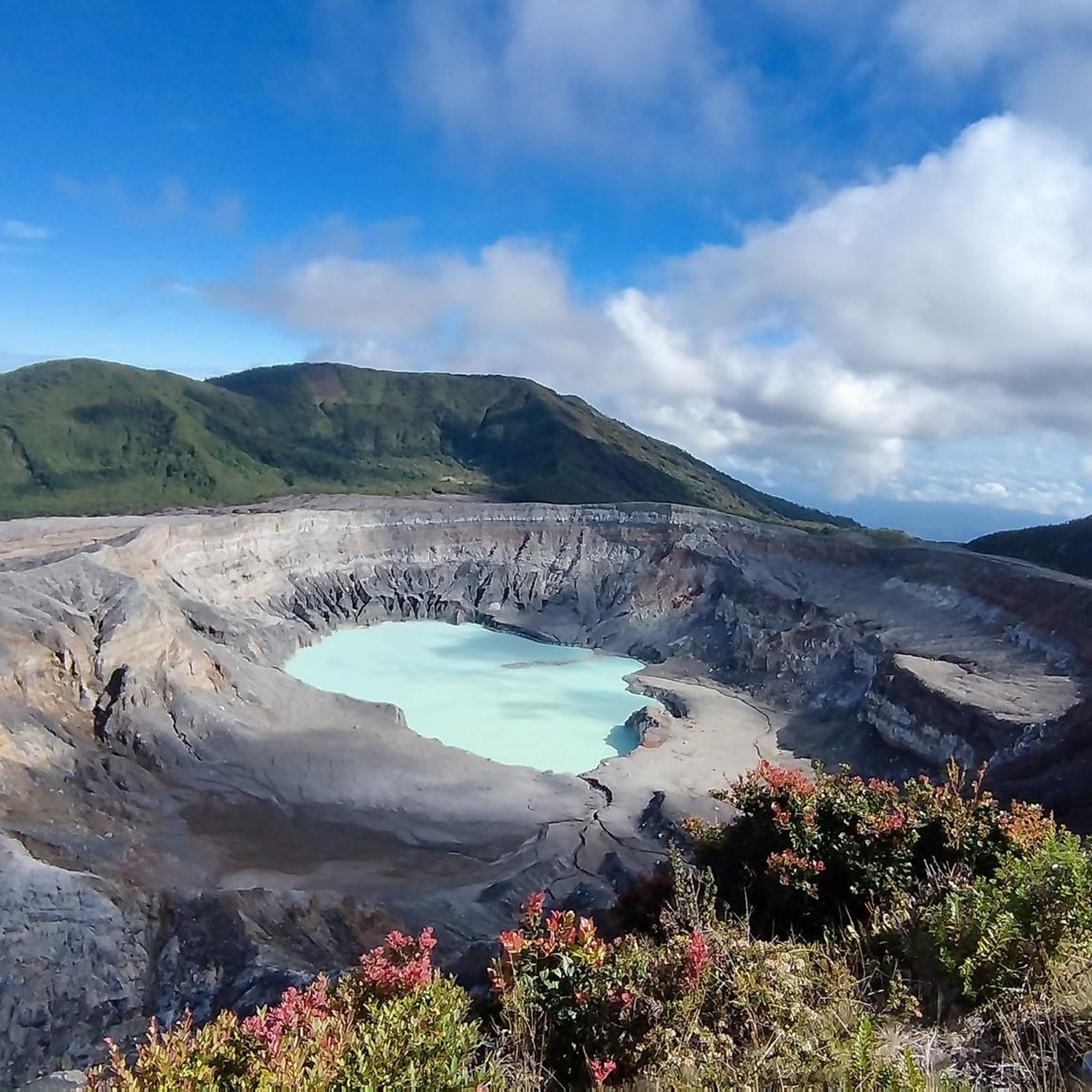
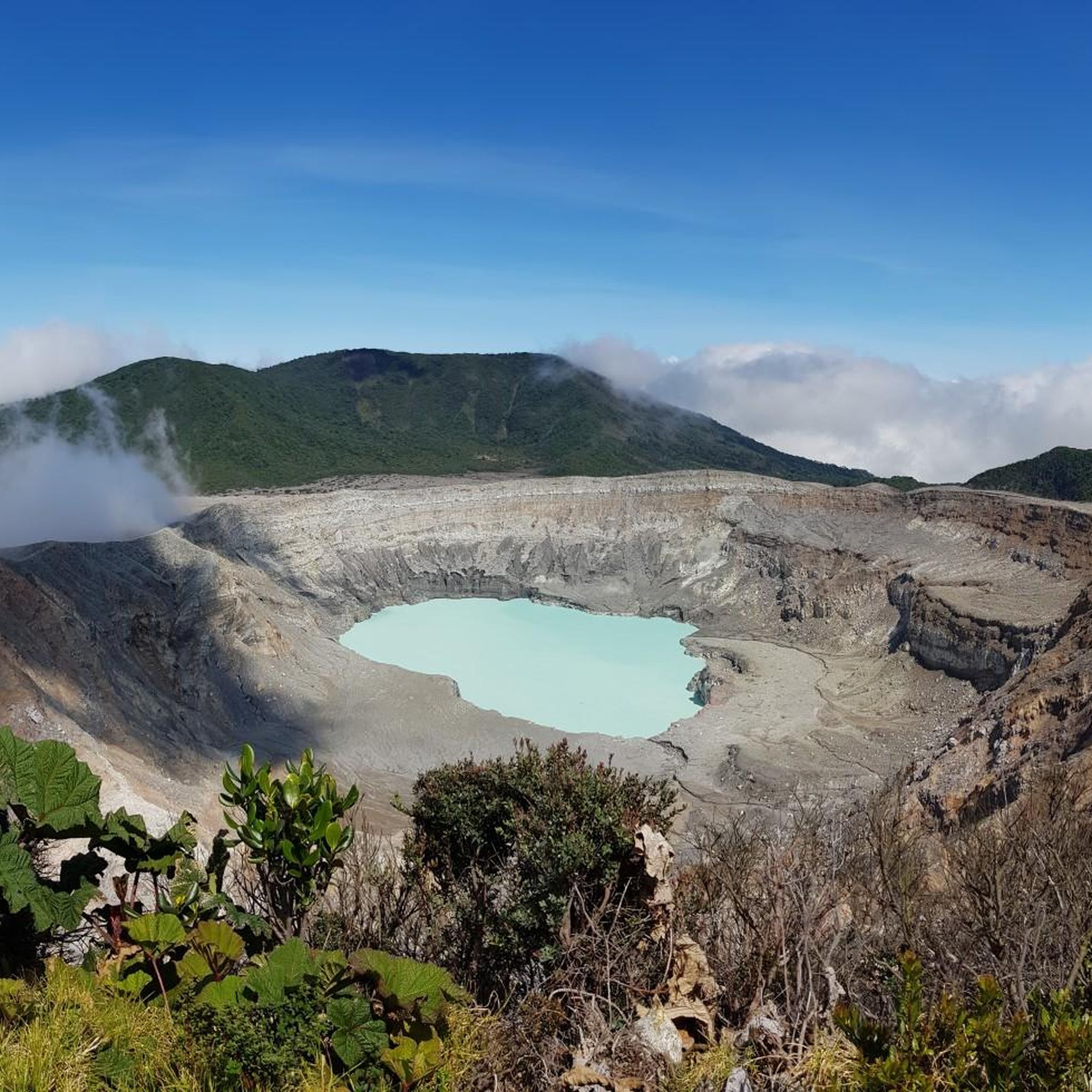
- The most popular attractions is Poás Volcano, a volcano that features one of the world's largest active craters. Visitors are typically allowed 10 minutes at the top of the caldera to observe the crater.
- Another must-see spot is View of Laguna Botos, a lake viewpoint. This serene, cold-water lake is nestled in an extinct crater and offers a beautiful view after visiting the main volcano crater.
- Visitors also love Cloud Forest Trail, Poás Volcano National Park, a trail through dense cloud forest. This trail allows observation of unique high-altitude flora and various bird species, especially in the early morning.
- Poás is known for its volcanic landscapes, cloud forests, and coffee plantations. The region offers a variety of attractions including lakes, waterfalls, and cultural sites like coffee tours.
- The attractions in Poás are appreciated by the komoot community, with 39 upvotes and 56 photos shared by visitors.
Last updated: July 2, 2026
Poás Volcano
Highlight • Volcano
Tip by

Cloud Forest Trail, Poás Volcano National Park
Highlight • Trail
Translated by Google •
Tip by

Sign up now to discover places like this
Get recommendations on the best single tracks, peaks, & plenty of other exciting outdoor places.
Sign up for free
Volcanic Gas Monitoring Station
Highlight • Monument
Tip by

View of Laguna Botos
Highlight • Lake
Translated by Google •
Tip by

Steep Incline Near Poás Volcano
Highlight • Climb
In Costa Rica that usually means dirt road with higher inclines.
On my surprise, this one was newly paved but inclines topped any road that I rode in my life.
I managed to ride up to this section and then you see the sign, only 4x4 vehicles.
Nothing new, I just ignored it.
That is when suffer festival begins.
I could barely walk the bike, incline is 20-27% all the way to the junction with the main road. Took me an hour to push it up.
If you are not fan of pushing, pick the main road which has manageable hills.
Happy trails!
Tip by

Wooden Bridge Over Stream
Highlight • Bridge
Translated by Google •
Tip by

Viewpoints Toward Poás Volcano
Highlight (Segment) • Viewpoint
Showing Translation
Tip by

Forest Trails
Highlight • Forest
Translated by Google •
Tip by
Start today with a free account
Your next adventure awaits.
Login or Signup

Tips from the Community

Beautiful route from San José to connect with nature and beautiful landscapes, however good physical condition is required to be able to make the ascents as they are manageable but quite extensive slopes up to the Poás Volcano!
0
0

Beautiful view of Laguna Botos
0
0
After visiting the crater, it is recommended to walk the beautifully landscaped circular path back to the parking lot.
0
0

It monitors the concentration of volcanic gas at the overlook. Some volcanic gases are irritants to the respiratory system and can have adverse effects in sensitive people. In some cases, exposure to volcanic gas can provoke total failure of the respiratory system, causing death in extreme cases.
1
0

The bridge has already been repaired and reinforced
0
0

This bridge is going to fall at any moment. Not suitable for the faint of heart 😂
1
0

Hike is too much said for about 1km walk, well paved road is not more
1
0
You should be there by 8 a.m., few people, the first buses arrive around 10-11 a.m. It's very fresh in the morning jacket would be an advantage.
0
0
Frequently Asked Questions
What natural features can I explore in the Poás region?
The Poás region is rich in natural beauty. You can visit the iconic Poás Volcano, known for one of the world's largest active craters. Within the national park, explore the serene Laguna Botos, a cold-water lake in an extinct crater, and hike the Cloud Forest Trail to observe unique high-altitude flora. Beyond the park, discover the stunning waterfalls at La Paz Waterfall Gardens, or enjoy kayaking and hiking at Laguna de Hule, a large lake formed by ancient lava flows.
Are there specific hiking trails within Poás Volcano National Park?
Yes, within Poás Volcano National Park, you can hike the Cloud Forest Trail, which offers a chance to see unique flora and various bird species. After viewing the main crater, a beautifully landscaped circular path leads to the View of Laguna Botos. For more extensive hiking options in the broader region, explore routes like the 'Poás Volcano loop from Varablanca' which you can find in the Hiking in Poás guide.
What outdoor activities are available in the Poás region besides hiking?
Beyond hiking, the Poás region offers a variety of outdoor activities. You can find mountain biking trails, such as those listed in the MTB Trails in Poás guide, including routes like 'Turrúcares Park – Ciruelas River loop'. Trail running is also popular, with options like the 'Running loop from Grecia' available in the Running Trails in Poás guide. Laguna de Hule provides opportunities for kayaking and swimming, while Escape Poasito offers additional mountain biking and trail running experiences on a dairy farm.
Can I experience local culture or agriculture in Poás?
Absolutely. The fertile slopes around Poás are ideal for coffee cultivation. You can take coffee tours at establishments like Doka Estate Coffee Tour or Hacienda Alsacia (Starbucks' coffee farm) to learn about the process from bean to cup and sample local coffee. The local towns surrounding the volcano, such as Poasito, Fraijanes, Varablanca, and San Pedro de Poás, offer a glimpse into local life, known for their varied cuisine, including fresh strawberries and dairy products sold at roadside stands.
Is Poás Volcano National Park accessible for all visitors?
Yes, Poás Volcano National Park is designed to be accessible. Paved trails lead to the main crater viewpoint, making it wheelchair accessible. This allows a wide range of visitors to experience the impressive active crater.
What is the best time to visit Poás to see the volcano crater clearly?
To increase your chances of a clear view of the volcano crater, it is generally recommended to visit early in the morning. Clouds often begin to roll in around 10:00 a.m., potentially obscuring the view. Visitors have noted that arriving by 8:00 a.m. can mean fewer crowds and better visibility.
What should I wear when visiting Poás Volcano National Park?
When visiting Poás Volcano National Park, it's advisable to dress in layers and be prepared for cool and potentially wet conditions, especially in the cloud forest areas. Sturdy shoes are recommended for walking the trails, and a rain jacket can be very useful. The early mornings can be quite fresh, so a jacket is an advantage.
Are there family-friendly activities in Poás?
Yes, Poás offers several family-friendly options. La Paz Waterfall Gardens is a popular ecological park with five waterfalls and rescued wildlife, appealing to all ages. Parque Laguna Fraijanes, located on the route to Poás Volcano, features a lake, pleasant trails, and green spaces suitable for family outings. Exploring the Cloud Forest Trail in Poás Volcano National Park can also be an engaging experience for families.
What do visitors say about the Poás Volcano experience?
Visitors often highlight the unique experience of seeing one of the world's largest active craters. Many appreciate the well-paved, short walk to the crater viewpoint. Tips from visitors suggest being patient if it's foggy, as the wind might clear the view. The 10-minute viewing limit at the caldera is noted, with park rangers monitoring for toxic gases. The serene Laguna Botos is also a favorite after visiting the main crater.
Are there any viewpoints to see the Poás Volcano from a distance?
Yes, there are several Viewpoints Toward Poás Volcano in the surrounding area. These offer different perspectives of the volcano and its landscapes. Additionally, the drive to the volcano itself provides scenic views of the region's natural beauty and agricultural lands.
What is the Volcanic Gas Monitoring Station and why is it important?
The Volcanic Gas Monitoring Station at Poás Volcano National Park is crucial for visitor safety. It continuously monitors the concentration of volcanic gases at the overlook. Some volcanic gases can be respiratory irritants, and in extreme cases, high exposure can be dangerous. The monitoring ensures that visitors are only allowed at the crater when conditions are safe.

Get inspired with the komoot mobile app


Didn’t find what you were looking for?
Are you keen on exploring more awesome places nearby? Browse our guides:
Explore more
Still not found the Highlight you’re looking for? See guides of the top attractions in other regions:
