Attractions and Places To See around Sonnefeld - Top 20
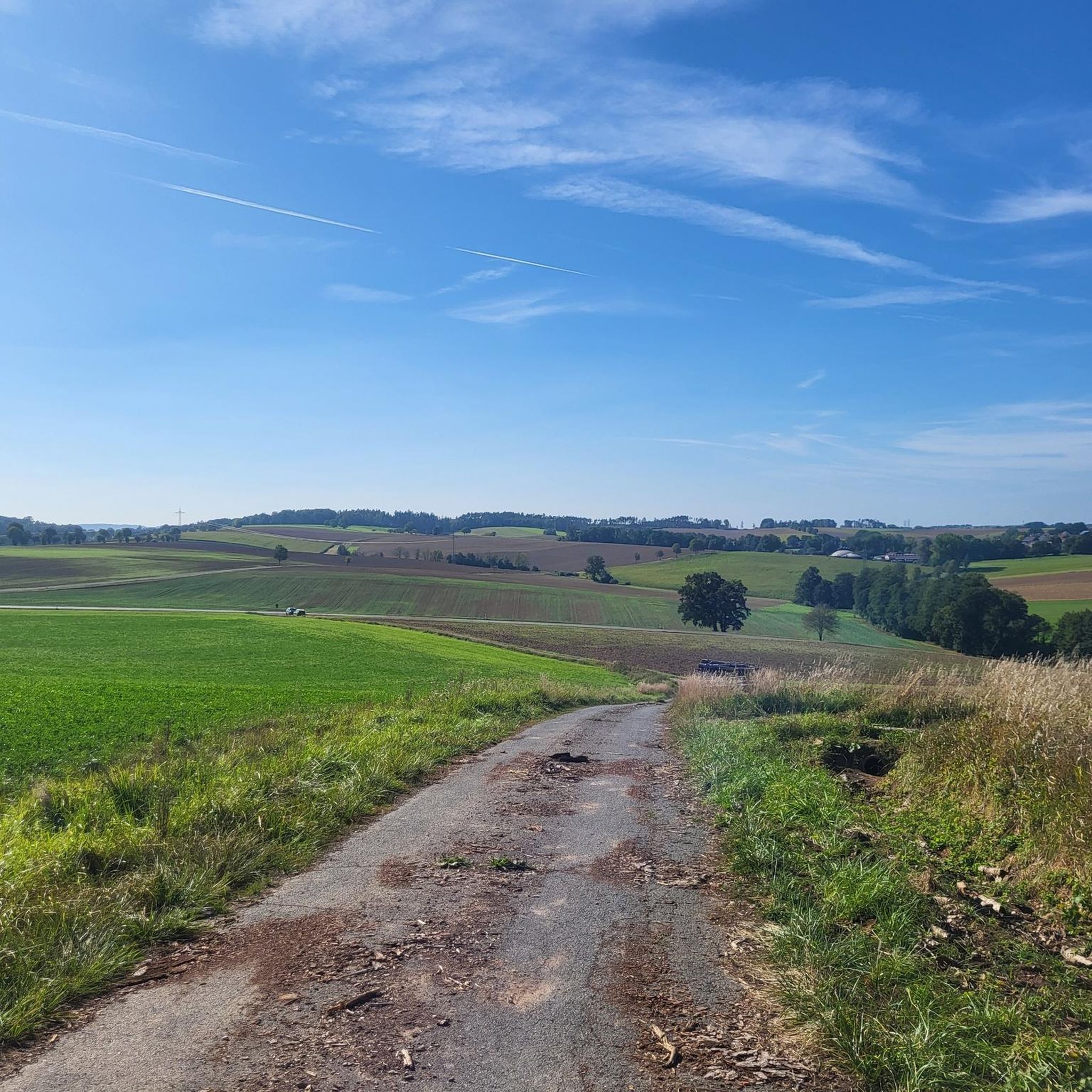
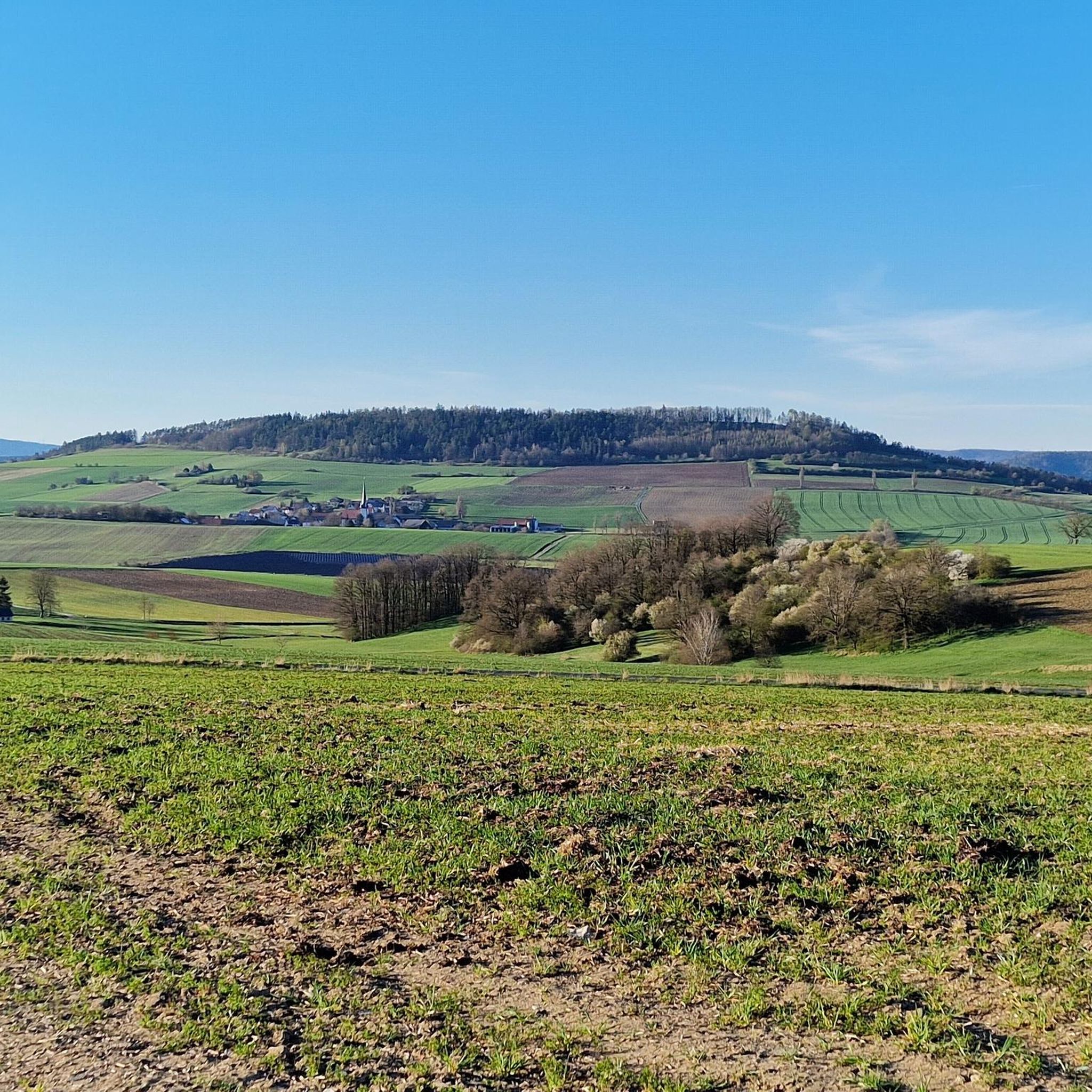
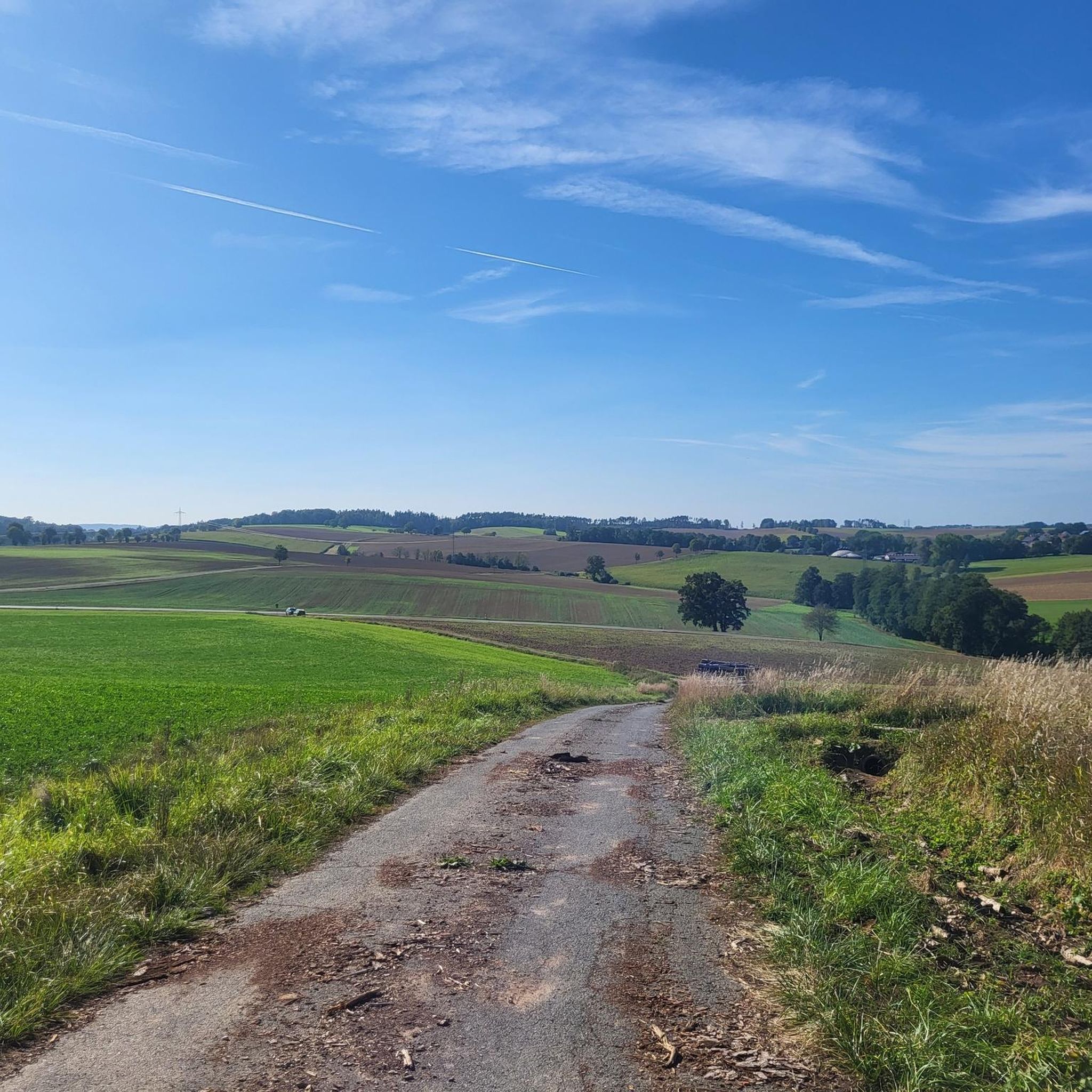
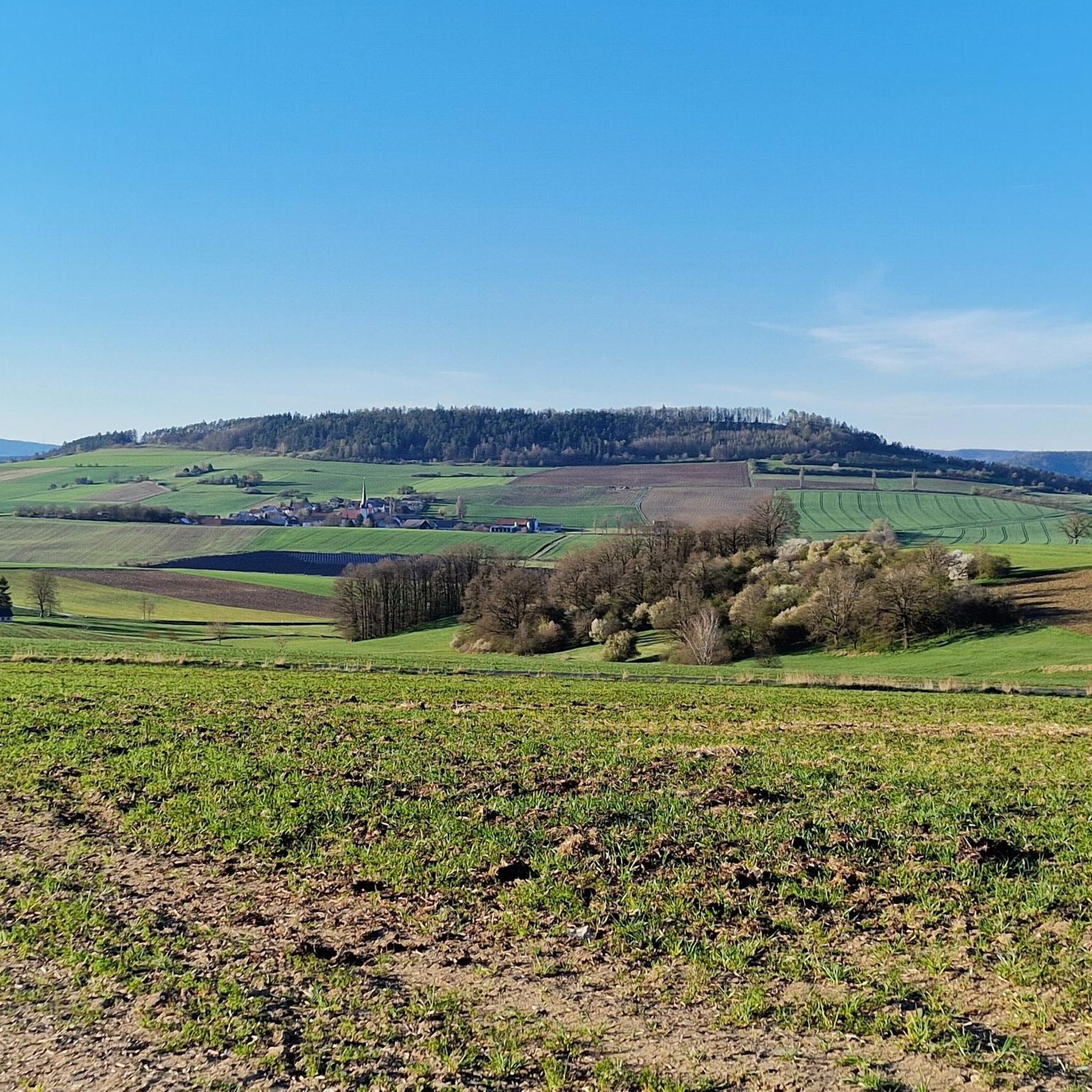
Attractions and places to see around Sonnefeld include a blend of historical sites, natural features, and cultural experiences. Situated at the foot of the Thuringian Forest in northern Bavaria, the region offers a varied landscape with rolling hills, dense forests, and idyllic valleys. Its location provides opportunities for exploring historical landmarks and engaging in outdoor activities.
Best attractions and places to see around Sonnefeld
- The most popular attractions is Coburg Fortress, a castle that has never been taken by…
Last updated: November 19, 2026
Lower Gate (Untere Tor), Lichtenfels
Highlight • Monument
Translated by Google •
Tip by

Coburg Fortress
Highlight • Castle
Translated by Google •
Tip by

Sign up now to discover places like this
Get recommendations on the best single tracks, peaks, & plenty of other exciting outdoor places.
Coburg Market Square
Highlight • Historical Site
Translated by Google •
Tip by

Ebnether Cellar Rock Labyrinth
Highlight • Natural Monument
Translated by Google •
Tip by

Ehrenburg Palace
Highlight • Castle
Translated by Google •
Tip by

Sign up for free to discover even more attractions around Sonnefeld.
Already have an account?
Start today with a free account
Your next adventure awaits.
Tips from the Community

Nicely integrated into the cycle path.
4
0

A beautiful building. Well suited to the new era.
10
0

At the Lower Gate you will find two cafés, a butcher's shop, a small restaurant, a farm shop and a pub with Franconian specialties. So if you're a little hungry, you've come to the right place 😉
5
0

In 1543, Duke Johann Ernst of Saxony decided to move his court from the Veste Coburg down into the city and chose the site of the dissolved Franciscan monastery, along which the city wall ran to the east. The monastery was in the area of the former middle courtyard. Recent research attributes the architectural design to the Saxon architect Nikolaus Gromann.[1] The building shows clear stylistic parallels with the work of Gromann, who may also have been close to the building project in organizational terms as the appointed court architect of Johann Ernst's half-brother, Elector Johann Friedrich. The complex was built until around 1547 under the construction management of Caspar Vischer. A complex was created around two square courtyards, which could be entered from the south via Steingasse.[2] The buildings of the first courtyard with the stair tower, the corner bay window and the dormer windows from this period are still preserved.[3] Between the courtyards was the three-storey princely building, which was accessed via another large stair tower on the north side and had a large hall and a dining room. The palace chapel and other living quarters were located around the second courtyard on the east side, the kitchen on an irregular floor plan to the north and other subordinate rooms to the west. This complex can still be seen with various subordinate extensions on Bieler's floor plan from 1679. It is unclear whether the third courtyard with the stables had already begun in 1543. Only paid craftsmen were employed for the construction and not, as was usual at the time, serf laborers. This special feature is said to have been the reason for the visit of Emperor Charles V in 1547. Charles is said to have given the newly occupied complex the name Ehrenburg on this occasion. The new city palace was inhabited as the residence of a ruling duke until the death of Johann Ernst in 1553 and was then only used extensively.
8
2

It is a very beautiful sight how you are welcomed through the Lower Gate in Lichtenfels. A very beautiful backdrop that continues behind the goal. There is also the opportunity to sit down and take a break directly in front of and behind the goal.
9
0

Very nice gate. Before that, you can take a little break in a cafe.
7
0

In the 14th century the city was surrounded by a curtain wall with three gates: the lower or Bamberg gate, the upper or Kronacher gate (both still preserved) and the Mühl or Coburg gate. Of the five defense towers, only the Red Tower remains today. A large part of the city wall, which was renewed several times in the 17th century, was demolished in the 19th century, mainly during the construction of the railway in 1844/45. Source: https://alt.lichtenfels.de/die-geschichte-der-stadt-lichtenfels
17
1

A nice place for a stopover.
10
0
Frequently Asked Questions
What historical landmarks can I explore around Sonnefeld?
Sonnefeld and its surroundings offer several significant historical landmarks. You can visit the 17th-century Sonnefeld Castle, which now serves as the town hall. Nearby, the impressive Coburg Fortress, known for never being taken by force, houses remarkable art collections. Another notable site is the 18th-century Baroque Callenberg Castle.
What makes the Coburg Fortress a must-see attraction?
The Coburg Fortress, often called the "Franconian Crown," is renowned for its strategic importance and its history of never being conquered. It houses significant art collections, including paintings by Lucas Cranach and Old German masters, as well as a copper engraving cabinet and collections of hunting weapons and glass. It's a major historical and cultural highlight.
Are there opportunities for hiking near Sonnefeld?
Yes, the region around Sonnefeld, nestled at the foot of the Thuringian Forest, offers a variety of well-marked hiking trails. Popular routes include a circular path to the idyllic Göritzen spring and tours around the Bausenberg, which provide breathtaking views. The valley of the Rodach is also suitable for riverside walks. For more detailed routes, explore the Hiking around Sonnefeld guide.
What natural attractions can I visit in the Sonnefeld area?
Beyond its historical sites, Sonnefeld boasts beautiful natural features. The Thuringian Forest Foothills offer a varied landscape of rolling hills and dense forests. For panoramic views, climbing the Staffelberg is highly recommended. A unique natural monument is the Ebnether Cellar Rock Labyrinth, featuring sandstone cliffs, narrow passages, and caves.
What can I expect when visiting the Ebnether Cellar Rock Labyrinth?
The Ebnether Cellar Rock Labyrinth is a protected natural monument where you can explore numerous natural sandstone rock formations, narrow passages, caves, and crevices. Originally carved around 1790 for storage, this area is approximately 250 meters long and 50 meters wide, strewn with over 1,000 massive sandstone blocks. It's a great spot for exploration and climbing, especially popular with families.
Are there family-friendly attractions around Sonnefeld?
Absolutely. Many attractions in the Sonnefeld area are suitable for families. The Coburg Fortress offers an engaging historical experience. The Ebnether Cellar Rock Labyrinth is perfect for adventurous children to explore and climb. Additionally, the Coburg Market Square and Coburg Castle Square are vibrant places for a stroll, often hosting events.
What cultural points of interest are available in the region?
Beyond castles, the region offers cultural insights. The Alte Mühle Museum in Sonnefeld showcases regional art treasures and hosts changing exhibitions of modern art. In nearby Coburg, the Coburg Market Square is a lively hub for weekly markets and events, while Coburg Castle Square provides a beautiful setting with views of Ehrenburg Castle and is a venue for concerts and festivals.
Can I find cycling routes near Sonnefeld's attractions?
Yes, the area around Sonnefeld is well-suited for cycling. You'll find various routes that take you through the picturesque countryside, including the Rodach valley. For those interested in road cycling, there are several routes of varying difficulties. You can find more details and specific routes in the Road Cycling Routes around Sonnefeld guide.
What do visitors enjoy most about the attractions around Sonnefeld?
Visitors particularly appreciate the blend of historical depth and natural beauty. The Coburg Fortress is highly praised for its rich history and art collections. The Ebnether Cellar Rock Labyrinth is loved for its unique exploratory experience, especially for families. The vibrant atmosphere of the Coburg Market Square and the scenic views from Coburg Castle Square also receive high acclaim.
Are there any winter activities available near Sonnefeld?
During the winter months, the landscape around Sonnefeld transforms into a snowy paradise. While Sonnefeld itself is not a ski resort, its proximity to the Thuringian Forest means that ski resorts like Ochsenkopf and Fichtelgebirge are accessible, attracting skiers and snowboarders to the wider region.
What is the significance of the Lower Gate in Lichtenfels?
The Lower Gate (Untere Tor) in Lichtenfels is a historical monument with its core dating back to the 14th century. The upper floor and roof were added in 1618. It is one of the two remaining city gates from when Lichtenfels was surrounded by a curtain wall, offering a glimpse into the city's medieval defenses.
Most popular routes around Sonnefeld
Most popular attractions around Sonnefeld

Get inspired with the komoot mobile app


Explore more
Still not found the Highlight you’re looking for? See guides of the top attractions in other regions:
