Attractions and Places To See around Dreis-Brück - Top 20
Attractions and places to see around Dreis-Brück are characterized by the Vulkaneifel region's unique volcanic origins, dense forests, and verdant meadows. The area features numerous volcanic maars, mineral springs, and significant natural formations. Visitors can explore a landscape shaped by ancient volcanic activity, offering diverse outdoor experiences. This region provides a blend of natural wonders and historical sites for exploration.
Best attractions and places to see around Dreis-Brück
- The most popular attractions is Dreimühlen Waterfall, a waterfall that was…
Last updated: October 10, 2026
Dreimühlen Waterfall
Highlight • Waterfall
Translated by Google •
Tip by

Dronke Tower on the Mäuseberg
Highlight • Viewpoint
Translated by Google •
Tip by

Sign up now to discover places like this
Get recommendations on the best single tracks, peaks, & plenty of other exciting outdoor places.
View of the Gemünden maar
Highlight • Lake
Showing Translation
Tip by

Schalkenmehrener Maar
Highlight • Lake
Translated by Google •
Tip by

Buchenloch Cave
Highlight • Cave
Translated by Google •
Tip by

Sign up for free to discover even more attractions around Dreis-Brück.
Already have an account?
Start today with a free account
Your next adventure awaits.
Popular around Dreis-Brück
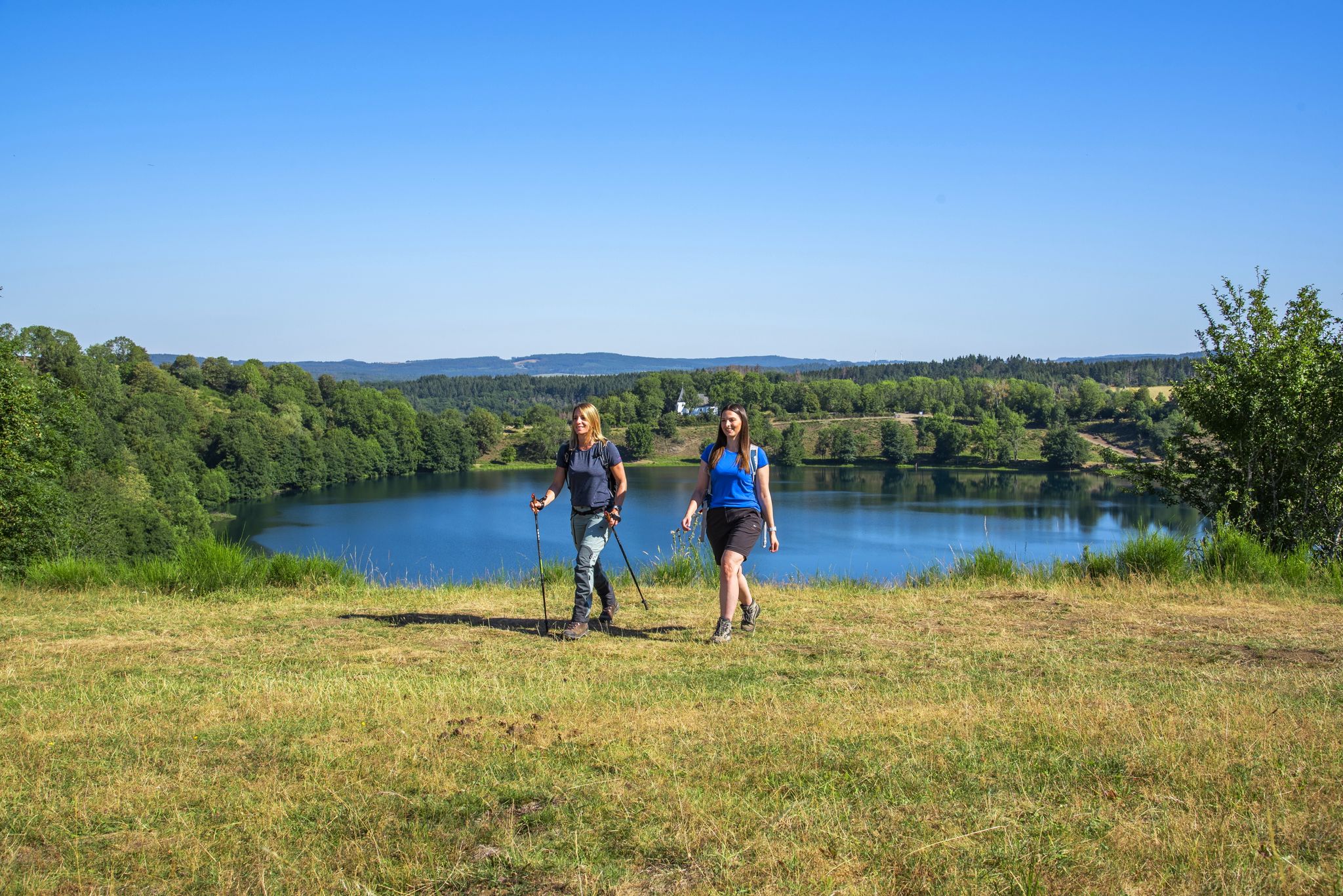
Excellent paths in the Vulkaneifel – Explore the HeimatSpuren
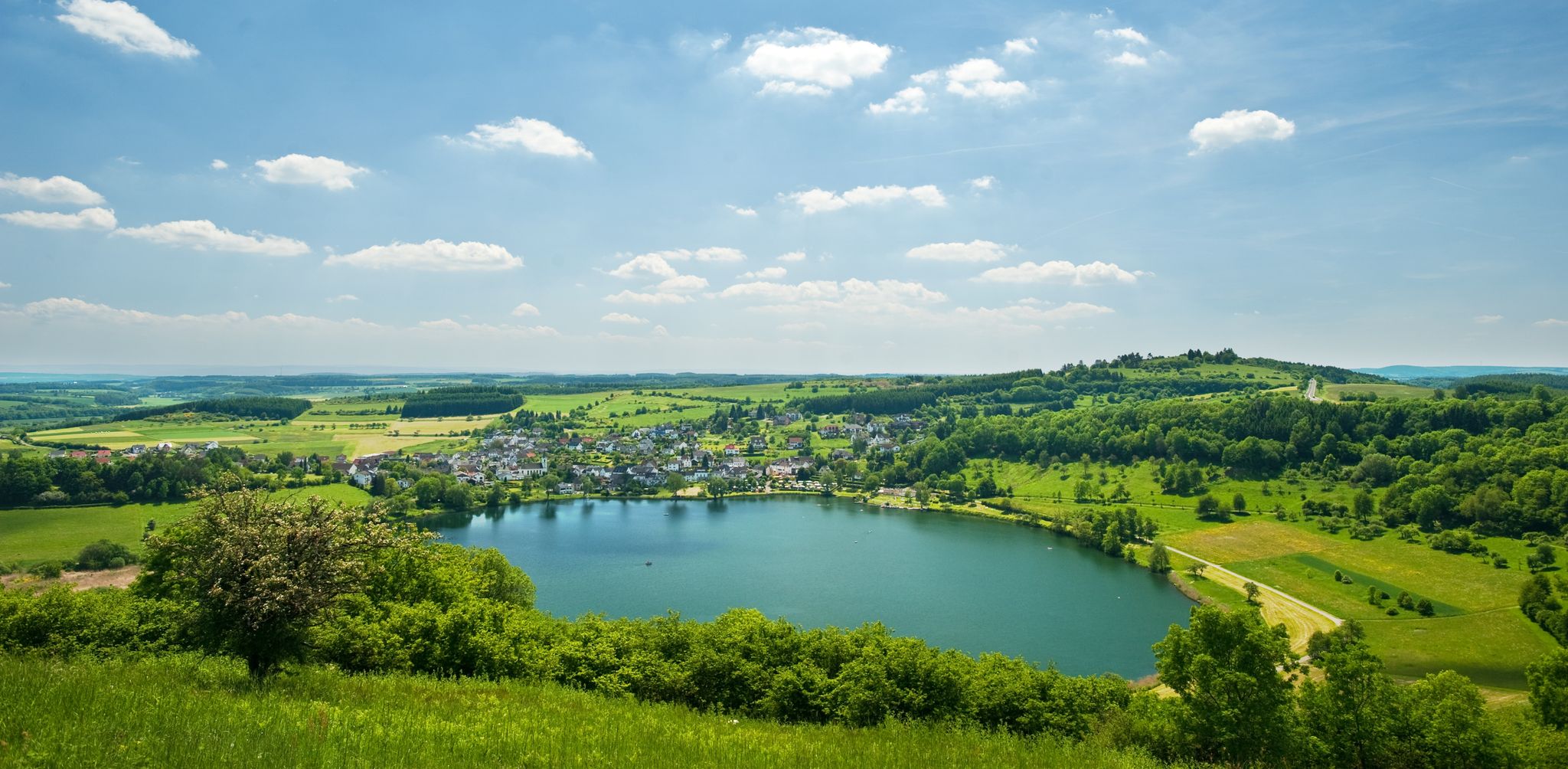
Lava pits & fairytale lakes – hiking through Vulkaneifel in Germany
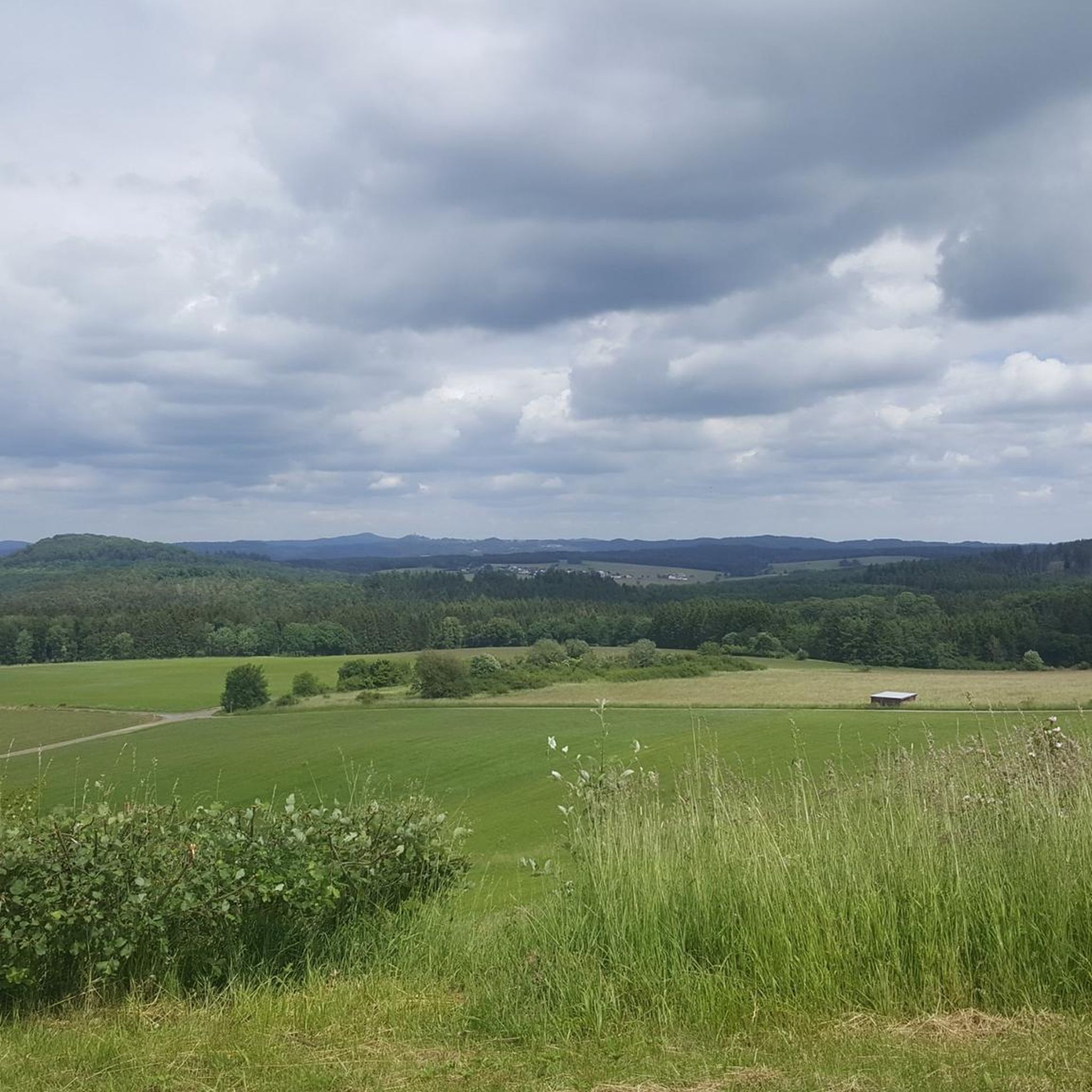
Hiking around Dreis-Brück
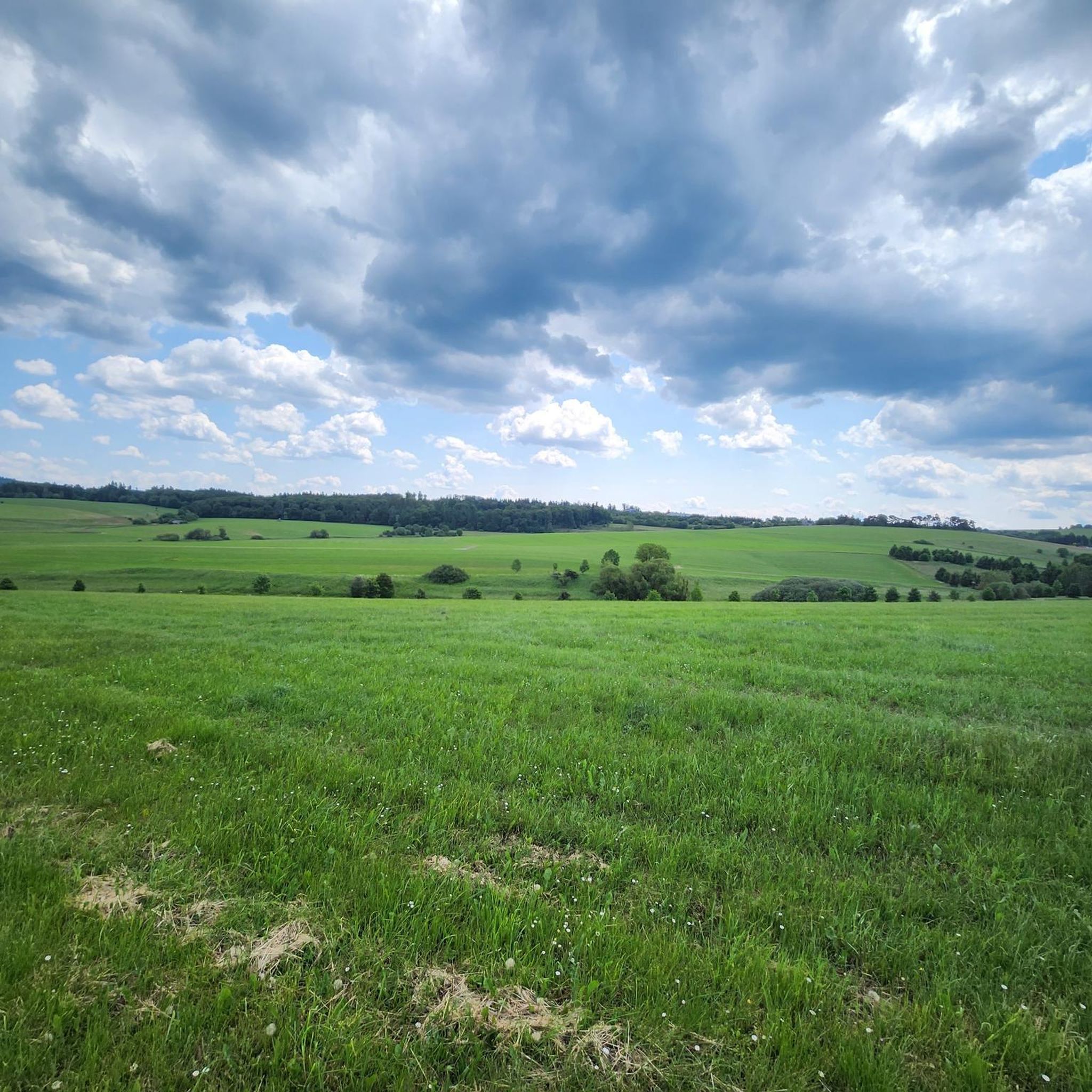
Cycling around Dreis-Brück
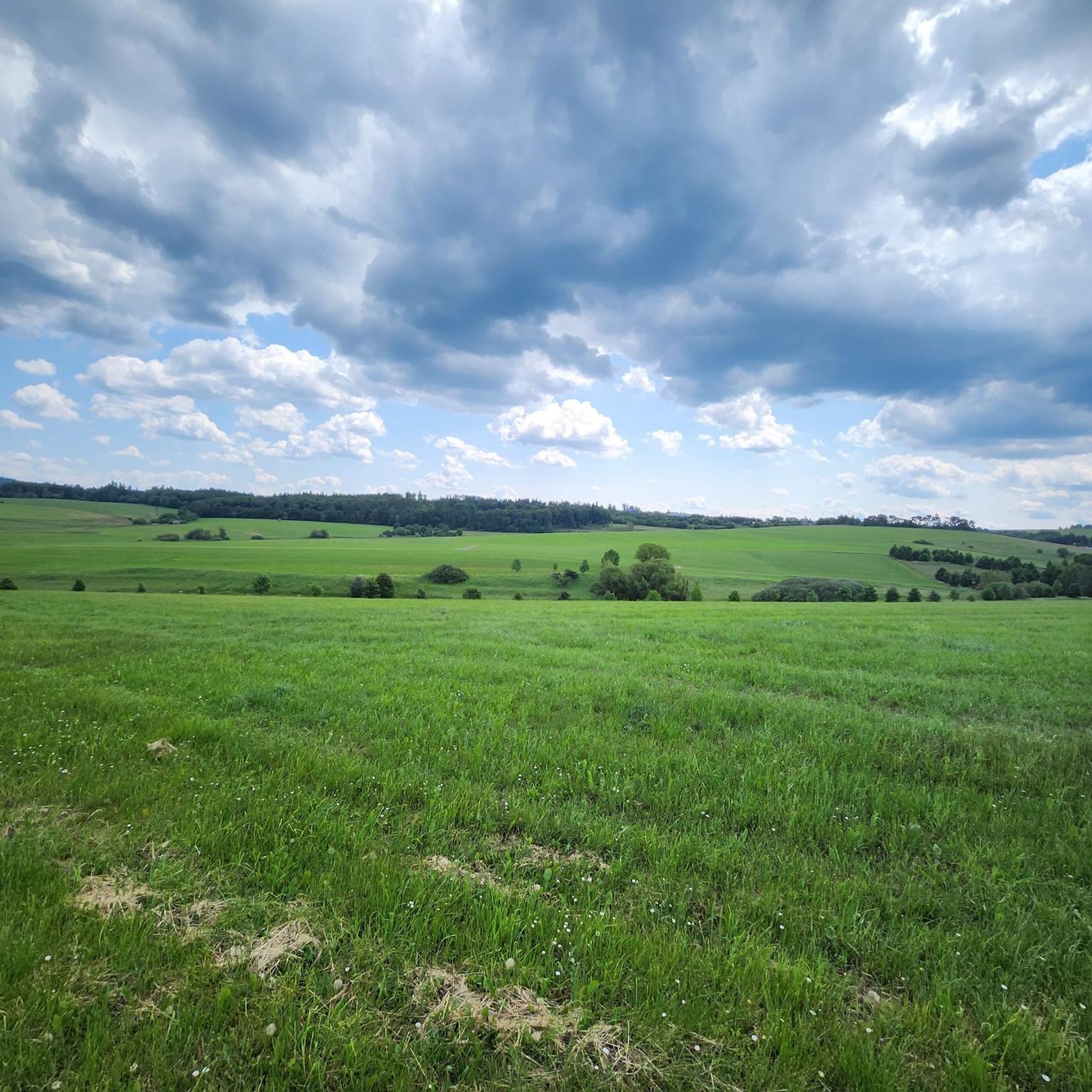
Running Trails around Dreis-Brück
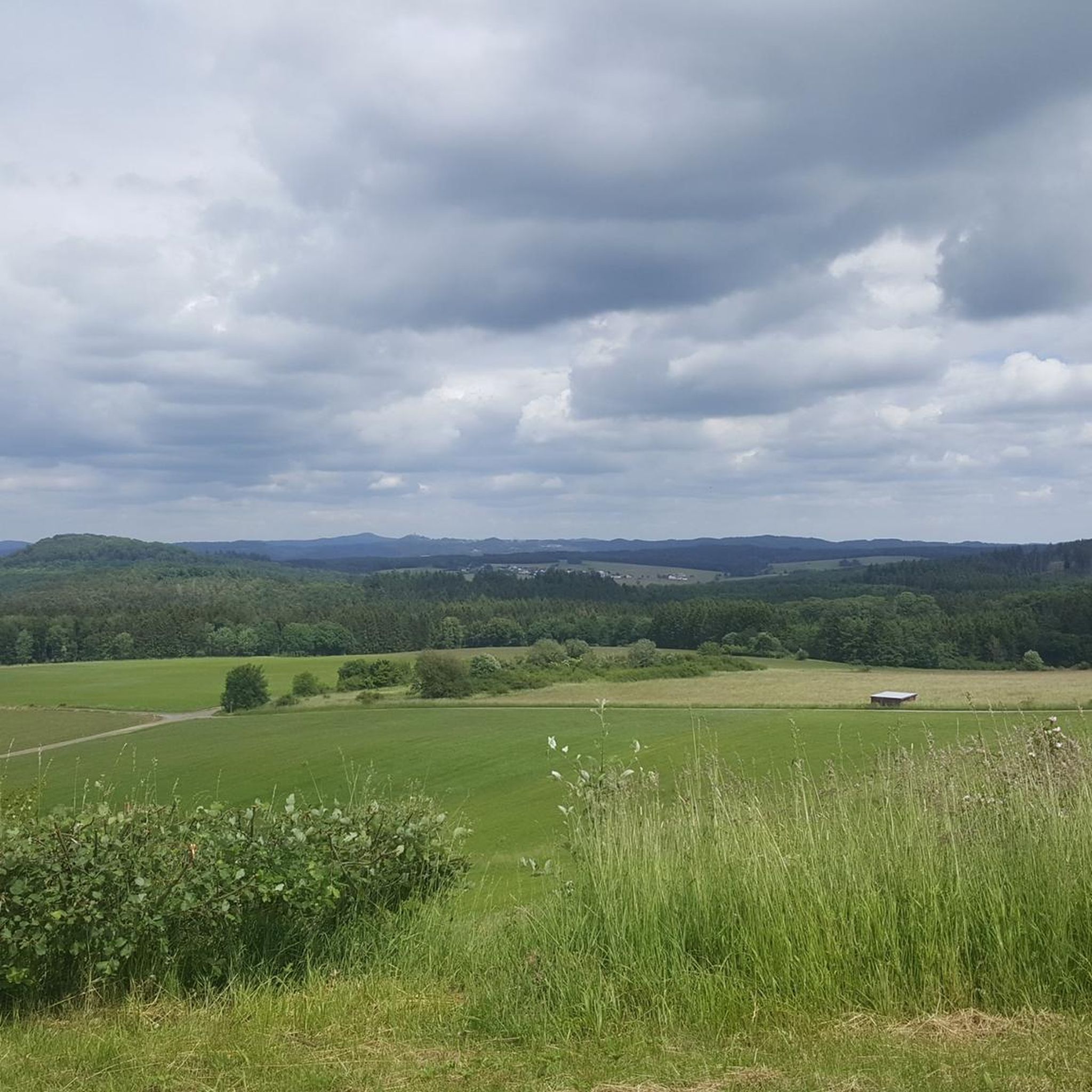
MTB Trails around Dreis-Brück
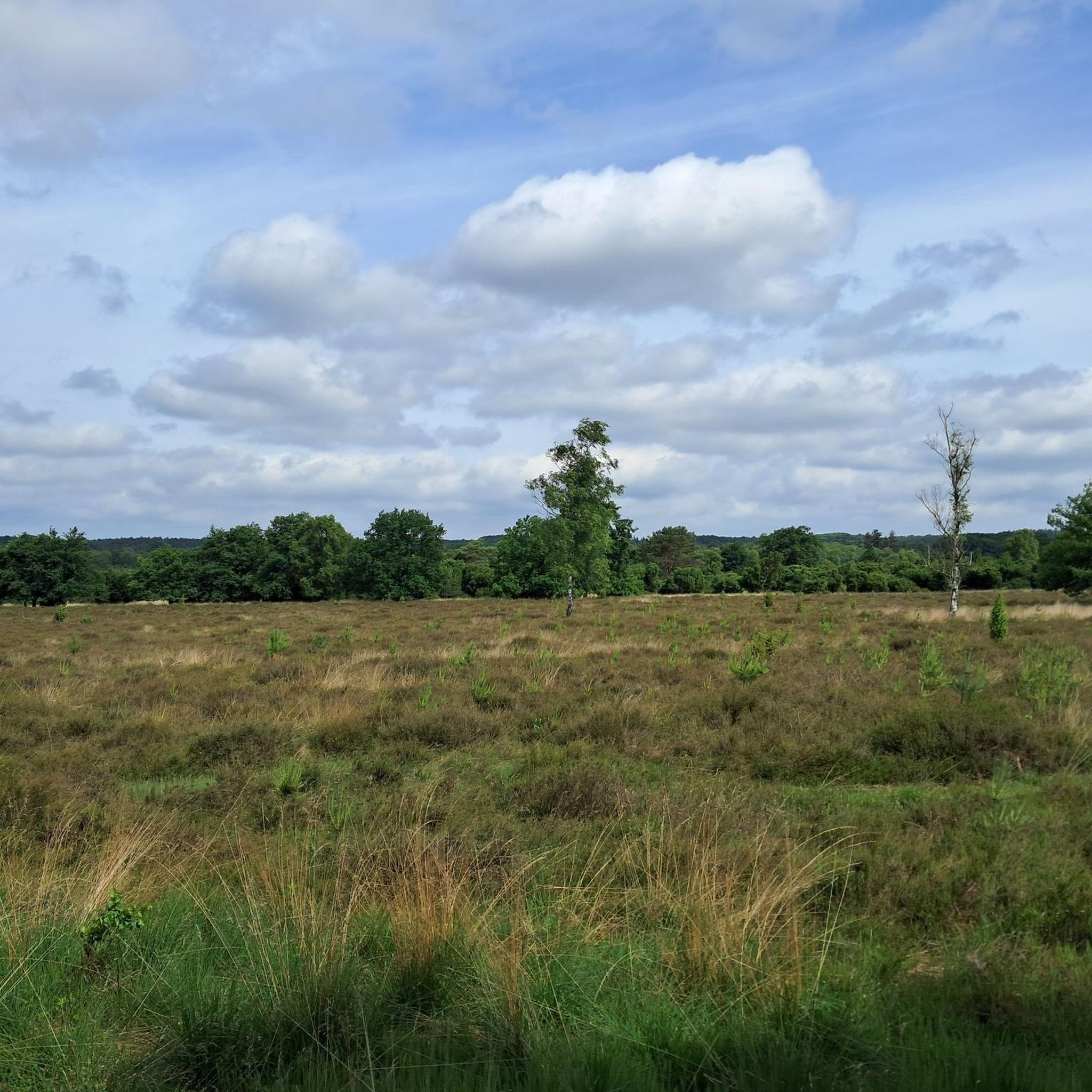
Gravel biking around Dreis-Brück
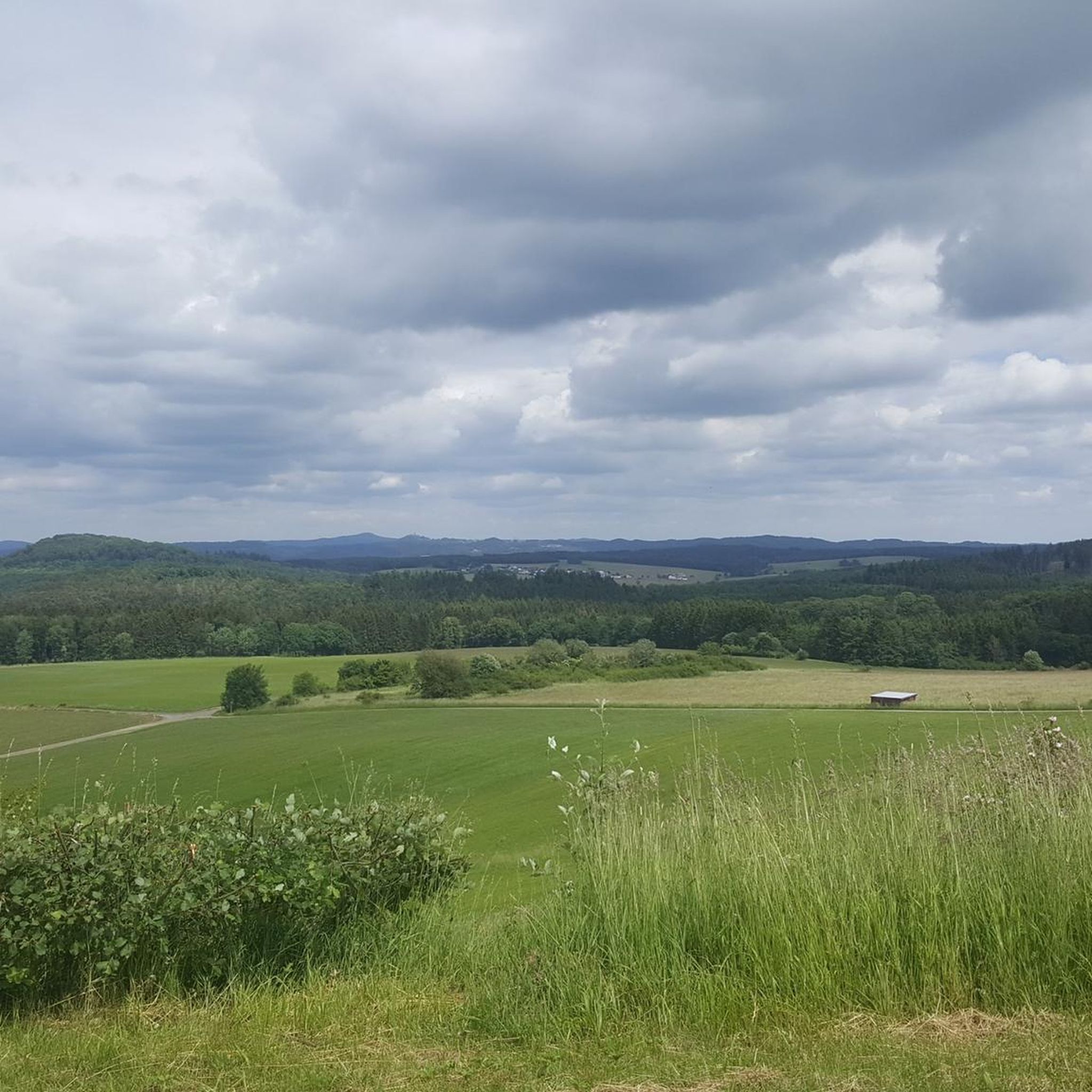
Road Cycling Routes around Dreis-Brück
Mountain Hikes around Dreis-Brück

Tips from the Community

The so-called Dreimühlen waterfall is also known as the Nohn waterfall. The name Nohn waterfall comes from the waterfall's proximity to the town of Nohn. The houses on the outskirts of Nohn are only a few hundred meters above the waterfall. Most people talk about the Dreimühlen waterfall, however. The name Dreimühlen comes from a former castle called Dreimühlen. Today, however, only the remains of the walls are said to remain. We looked for the former castle on our trip, but couldn't find anything of it. The waterfall in the Eifel is located between the towns of Üxheim, Kerpen and Nohn. Although the other large towns in the Eifel are not located here, many visitors come here. Some of them travel especially to visit the waterfall. The Dreimühlen waterfall is one of the most visited Eifel attractions. Almost every holidaymaker in the area comes to the waterfall at least once during their Eifel vacation. In addition, many day tourists travel from outside, making it the most visited waterfall in the Eifel. They all want to see the unique natural wonder.
18
1

Nice view with markers for orientation. The tower, which was built in 1902, is only 11m high, but stands on top of the 560m high Mauseberg and is thus 166m above the Gemünder Maar, guaranteeing a magnificent view of the surrounding area.
14
0
Beautiful view with an information board for orientation. The tower, built in 1902, is only eleven meters high, but stands at the top of the 560-meter-high Mäuseberg and is thus 166 meters above the Gemünder Maar. This guarantees a magnificent view over the surrounding area.
19
1
A section of the Eifelsteig long-distance hiking trail runs right through the Dauner Maare. Very nice path past the witnesses of the volcanic past of the Eifel. https://www.eifelsteig.de/
14
0
The hiking car park and the hiking map with an overview of the various routes are located at the Waldcafe. This is a great place to start your tour and enjoy a coffee at the end.
11
0
Very beautiful Maar, more than 100m deep embedded in the "crater", the smallest of the three Dauner Maare offers a beautiful outdoor pool and the opportunity to explore the volcanic lake by boat. The forest café and the starting point for numerous hikes and tours are also located at the car park.
18
1

"If you come on foot from the Weinfelder Maar via the Eifelsteig hiking trail, the view from above opens up onto the Maar 150 meters below - a breathtaking scenery in dark blue and fresh green. In autumn the forest seems to glow colorfully, between leaves and wood fascinating mushrooms thrive. With around 7 hectares of water, the Gemündener Maar is the smallest of the three famous Eifel eyes - the Dauner Maare, created by volcanic activity. It is also embedded deepest in the volcanic landscape around Daun at 406 meters above sea level. The clear water looks deep, but it doesn't reach the bottom at 39 meters. The Dronketurm vantage point, which is named after Adolf Dronke, the founder of the Eifel Association, offers a unique view of both the Gemündener Maar and the neighboring Weinfelder Maar. On the Maarschaukel you can admire the Maar from above and let your legs dangle. The maar with its reed zones and rooted flat banks can also be discovered by boat. Fish will only show up with a lot of luck, because the low nutrient content makes the water livable for only a few species. Fishing and boating are among the water sports that bring fun and joy to the Gemündener Maar in summer. But swimmers also get their money's worth. Swimming is permitted in the Gemündener Maar natural swimming pool. Visitors can dive headfirst into the cool water from the diving board. Bathing fun is also guaranteed for the little ones. A baby pool and a non-swimmer pool are available. The children can also climb on the small climbing wall or dig in the sandpit." https://www.eifel.info/a-gemuendener-maar
12
0
The trail leads to the 'Buchenloch Cave' which lies at the far edge of the Munterley Plateau. This was created 1.8 million years ago from a millimeter-wide crack in the rock massif and was used by people in the Neolithic Age 300,000 years ago.
12
1
Frequently Asked Questions
What natural wonders can I explore around Dreis-Brück?
The region is rich in natural beauty, shaped by its volcanic past. You can visit the unique Dreimühlen Waterfall, an artificial waterfall that grows due to limescale deposits. Explore the mysterious volcanic maars like the Gemündener Maar, known for swimming and diving, or the crystal-clear Pulvermaar. Don't miss the Buchenloch Cave, a natural cave where Ice Age tools and animal bones were found.
Are there any historical sites or cultural landmarks to visit?
Yes, Dreis-Brück offers several historical and cultural points of interest. You can see the well-restored medieval Dreis Castle, explore the charming half-timbered houses in the historic town center, or visit the Skulpturenpark at the old train station, showcasing regional artists. The Maarmuseum in Manderscheid provides insights into the geological history of the maars, and the Burgruine Bruchhausen offers panoramic views.
What kind of outdoor activities can I do near these attractions?
The Vulkaneifel region is perfect for outdoor enthusiasts. You can enjoy extensive cycling tours, with routes like the 'Kerpen Castle – Vulkania Healing Spring loop' or the 'Dreis-Brück Reservoir – Burghof Restaurant & Beer Garden loop'. For mountain biking, trails such as the 'Pond Near Dreis – Dachsloch Bridge loop' offer exciting challenges. Find more routes on the Cycling around Dreis-Brück and MTB Trails around Dreis-Brück guide pages.
Are there family-friendly attractions around Dreis-Brück?
Absolutely! Many attractions are suitable for families. The Gemündener Maar is ideal for families, offering swimming, diving, a baby pool, and a climbing wall. The Dreimühlen Waterfall is also a popular spot for a family outing, with the former railway line now serving as a pleasant cycling and hiking trail.
Where can I find the best panoramic views of the region?
For breathtaking vistas, head to the Dronke Tower on the Mäuseberg. This observation tower provides magnificent panoramic views over the maars and the wide volcanic landscape of Eifel. The platform around the tower is also equipped with benches and loungers, perfect for enjoying the scenery.
What are the volcanic maars and where can I see them?
Volcanic maars are crater lakes formed by volcanic steam explosions. The Dreis-Brück area is famous for them. Besides the Gemündener Maar, you can visit the Schalkenmehrener Maar, which is the largest of the three Dauner Maars and a rare double maar. Pulvermaar is another notable maar known for its clear water, ideal for swimming and pedal boating.
Are there opportunities for hiking around Dreis-Brück?
Yes, the region is a prime location for hiking. You'll find numerous trails, including five local routes spanning 25 km and the scenic 'Vulkanpfad' which offers views of extinct volcanic craters. Mountain peaks like Döhmberg (653m) and Radersberg (637m) also provide excellent hiking opportunities with scenic views. Many trails pass by the maars and through dense forests.
What makes the Dreimühlen Waterfall unique?
The Dreimühlen Waterfall, also known as the Nohner Waterfall, is unique because it's an artificial waterfall that continuously 'grows' due to limescale deposits from the merging streams that feed it. It was originally created during the construction of a railway line, which is now a popular cycling and hiking path.
Can I swim in any of the lakes or maars?
Yes, several maars offer swimming opportunities. The Gemündener Maar has a swimming area, diving platform, and child-friendly facilities. Pulvermaar is also known for its crystal-clear water, making it ideal for swimming and pedal boating during warmer months.
What are 'Dreese' and where can I find them?
'Dreese' refers to the numerous mineral water and carbonic acid springs found in the Vulkaneifel region. These natural springs are a characteristic feature of the area's volcanic geology. A well-known example is the Vulkania healing spring near the Nürburg-Quelle, offering unique mineral water.
What do visitors enjoy most about the attractions in Dreis-Brück?
Visitors frequently praise the stunning natural beauty and the tranquility of the area. They particularly enjoy the unique experience of the 'self-growing' Dreimühlen Waterfall, the rewarding panoramic views from the Dronke Tower, and the refreshing swimming opportunities in the maars like Gemündener Maar. The well-maintained hiking and cycling trails through diverse landscapes are also highly appreciated.
Are there any specific cultural events or festivals in the area?
The region hosts cultural events, including the annual 'Eifel Summer' Music Festival, which attracts visitors from around the globe. While specific dates vary, it's a notable event that highlights the cultural vibrancy of the Vulkaneifel.
Are there any unique local crafts or products to discover?
The area is known for its local craftsmanship, particularly wood carvings. You might find art and craft workshops showcasing these traditional skills. Additionally, due to its volcanic nature, the region is abundant in minerals, including volcanic olivine bombs, making mineral collecting a unique local activity.
Most popular routes around Dreis-Brück
Most popular attractions around Dreis-Brück

Get inspired with the komoot mobile app


Explore more
Still not found the Highlight you’re looking for? See guides of the top attractions in other regions:
