Attractions and Places To See in Port Of Spain - Top 6
Best attractions and places to see in Port Of Spain include a mix of historical landmarks, cultural sites, and natural features. As the capital of Trinidad and Tobago, the city offers a vibrant urban environment alongside accessible green spaces and coastal views. Visitors can explore significant architectural heritage and diverse natural landscapes within and around the city.
Best attractions and places to see in Port Of Spain
- The most popular attractions is White Hall, a historical site built in…
Last updated: October 5, 2026
White Hall
Highlight • Historical Site
Tip by

Killarney (Stollmeyer's Castle)
Highlight • Castle
Tip by
Sign up now to discover places like this
Get recommendations on the best single tracks, peaks, & plenty of other exciting outdoor places.
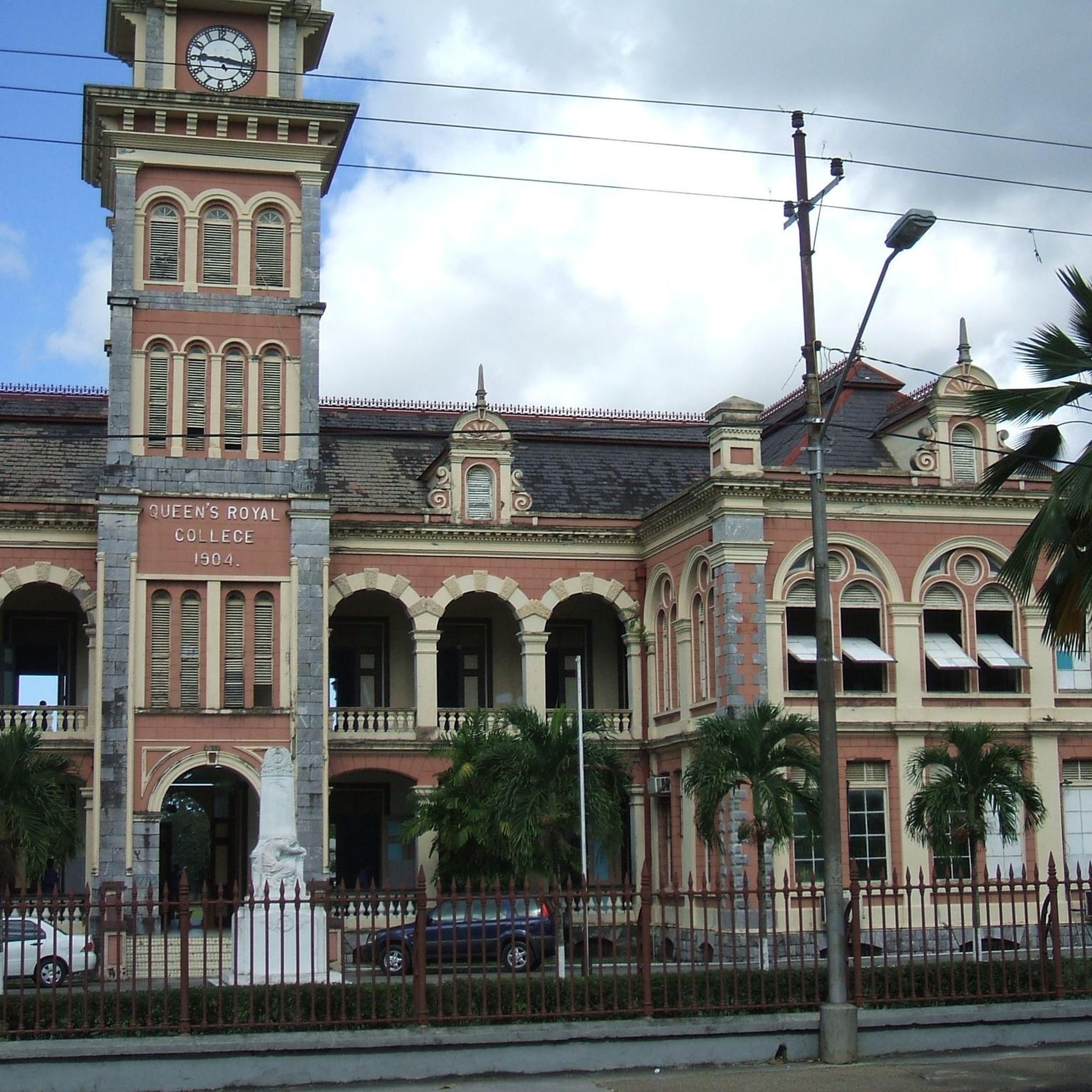
Queen’s Royal College
Highlight • Historical Site
Tip by
Ambard's House (Roomor)
Highlight • Historical Site
Tip by
The Cathedral of Immaculate Conception
Highlight • Religious Site
Tip by
Start today with a free account
Your next adventure awaits.
Popular around Port Of Spain
Tips from the Community

Impressive building from an architectural point of view.
4
0
Interesting building, it's worth walking down this street and looking at the row of special houses.
1
0

The school had its beginnings as the Queen’s Collegiate School in 1858 and the first building was at a different location near Lord Harris Square. The construction of the current Queen’s Royal College building started in 1902, was completed at a cost of £15,000, and was based on the design of the German Renaissance. The restoration project began in 2007. The current student population is around 800. www.qrc.edu/
7
0
Ambard's House was constructed by Lucien F. Ambard in 1904 as a family residence. It was designed by a French architect and the original pattern-book is still available at the Ambard's House Library. Most of the materials used in construction were imported, the marble from Italy, the tiles from France and the cast iron elements from Scotland. The wood for the rafters came from an estate in Erin owned by the Ambard family.
2
0
The Archbishop’s Palace was built in 1903 by the fifth Archbishop of Port of Spain, Patrick Vincent Flood, at a time when the wealthy estate-owning French Creoles were building on Maraval Road. In keeping with the dignity of his office, the Archbishop decided to construct a palatial residence. The plans for the proposed structure were drawn in Ireland by an Irish architect who obviously had leanings towards the Indian design. Archbishop’s Palace underwent many changes during 1968 and 1969. The building remains the official residence of the Roman Catholic Archbishop of Port of Spain.
4
0
One of the Magnificent Seven, White Hall, as it is known today, was built in 1904 by Joseph Leon Agostini, a cocoa planter, at the time when “cocoa was king”. Construction commenced in 1904, in accordance with Mr. Agostini’s own design, said to be influenced by the Moorish Mediterranean style and reminiscent of the architecture of Corsica from where the Agostini family originated. Construction took approximately three years, although the roof was not completed until the building changed hands in 1907. This residence, the largest of the private homes on Maraval Road, was originally called Rosenweg.
3
0
This Scottish styled castle was built by Charles Fourier Stollmeyer in 1904. In March 1971, the Castle was opened to the public for the first time, and it is now a main destination in any city tour of Port of Spain. Built by Charles Fourier Stollmeyer in 1904, Stollmeyer’s Castle, officially named Killarney, was the first of the Magnificent Seven to be constructed on the western side of the Queen’s Park Savannah. During the Second World War, Killarney, like it’s neighbour, White Hall, was occupied by US Forces and was popularly referred to as The Castle. It is from this period that Killarney became better known as Stollmeyer’s Castle.
2
0
The first Catholic Church in Port of Spain was built in 1781 by the Spanish governor Martin de Salverria. In 1851, the twin towers, originally built of stone, were destroyed by an earthquake and rebuilt in wood as they are today. The towers contain twelve bells and a clock, added in 1879.
6
0
Frequently Asked Questions
What historical landmarks can I explore in Port of Spain?
Port of Spain is rich in history. You can visit the iconic White Hall, known for its Moorish Mediterranean style, and Killarney (Stollmeyer's Castle), a Scottish-styled castle that was occupied by US Forces during WWII. Another significant site is Queen’s Royal College, an impressive German Renaissance building. Don't miss The Cathedral of Immaculate Conception, an architectural landmark with twin spires, and the Red House, the seat of Parliament.
Are there any significant natural attractions or green spaces in Port of Spain?
Yes, Port of Spain offers several natural escapes. The Royal Botanic Gardens, located next to Queen's Park Savannah, are among the oldest botanical gardens globally, perfect for picnics and bird-watching. Queen's Park Savannah itself is a sprawling green space at the city's heart. Just south of the city, the Caroni Bird Sanctuary is renowned for viewing the Scarlet Ibis at sunset. For a beach experience, Maracas Beach is about 45 minutes away, famous for its golden sand and 'bake and shark'.
What are some family-friendly attractions in Port of Spain?
Families can enjoy the Emperor Valley Zoo, situated next to the Botanic Gardens, which houses a diverse range of animals. Killarney (Stollmeyer's Castle) is also listed as family-friendly and offers an interesting historical visit. The Royal Botanic Gardens provide a serene environment for children to explore nature, and the nearby Chaguaramas area offers various outdoor activities and beaches.
Where can I find panoramic views of Port of Spain?
For breathtaking panoramic views of the city and the Gulf of Paria, visit Fort George. Built in 1804, it offers clear vistas, and on clear days, you might even see Venezuela. Another excellent spot for stunning views from amidst lush hills is La Vigie Paramin Lookout.
What cultural sites should I visit to learn about Trinidad and Tobago's heritage?
To delve into the nation's heritage, the National Museum and Art Gallery is a must-visit, showcasing artifacts, historical documents, and artwork. Woodford Square, known as 'the University of Woodford Square,' has historically been a place for public speeches and gatherings, surrounded by important buildings like the Red House. For a taste of local life and culture, explore the Port of Spain Farmers Market or experience the vibrant nightlife and food scene along Ariapita Avenue.
Are there opportunities for outdoor activities like hiking near Port of Spain attractions?
Absolutely! The region around Port of Spain offers various outdoor activities. You can find several hiking trails, including moderate options like the 'Hiking loop from Port of Spain' (12 km) or 'Hayes Court – Mille Fleurs loop from Port of Spain' (9.2 km). For more details on routes, you can explore the Hiking in Port Of Spain guide. There are also running trails available, such as the 'Running loop from Port of Spain' (11 km), detailed in the Running Trails in Port Of Spain guide.
What is the best way to get around Port of Spain to visit these attractions?
Port of Spain has a public transport system, including buses and maxi-taxis (shared taxis), which can take you to many attractions. For central city attractions, walking is often feasible. Taxis are also readily available. If you're driving, be aware that parking near city center attractions can be limited, so planning ahead or using ride-sharing services is advisable.
When is the best time of year to visit Port of Spain for sightseeing?
The dry season, typically from January to May, is generally considered the best time to visit Port of Spain. During these months, the weather is sunny with less rainfall, making it ideal for exploring outdoor attractions, beaches, and enjoying cultural events like Carnival. The rainy season (June to December) brings more humidity and showers, but attractions remain open.
Are there any unique architectural sites to see in Port of Spain?
Beyond the 'Magnificent Seven' buildings like White Hall and Killarney (Stollmeyer's Castle), Port of Spain boasts other architectural marvels. The National Academy of the Performing Arts (NAPA) stands out with its striking curved steel and glass design, featuring domes shaped like the national flower, the Chaconia. Ambard's House (Roomor), constructed in 1904, is another unique example, with materials imported from Italy, France, and Scotland.
Where can I experience local food and nightlife in Port of Spain?
Ariapita Avenue is the heart of Port of Spain's nightlife and food scene, lined with restaurants, bars, and clubs offering local music, street food, and cocktails. For fresh produce and handmade crafts, visit the Port of Spain Farmers Market on Saturdays. Don't forget to try the famous 'bake and shark' at Maracas Beach.
Are there any lesser-known or 'hidden gem' attractions in Port of Spain?
Beyond the main highlights, you might enjoy exploring the Gasparee Caves, an interesting cave system. Yerettê - Home of the Hummingbird is a nature reserve known for its vibrant hummingbird population, offering a unique natural experience. The Chaguaramas area, while popular, also has quieter spots like the Bamboo Cathedral for a peaceful walk.
What is the significance of the 'Magnificent Seven' buildings?
The 'Magnificent Seven' refers to a row of stunning colonial mansions surrounding the Queen's Park Savannah. Built in the early 20th century, they showcase diverse architectural styles, including German Renaissance (like Queen’s Royal College) and Scottish Baronial (like Killarney (Stollmeyer's Castle)). They represent a significant part of Port of Spain's architectural heritage and history.
Most popular routes in Port Of Spain

Get inspired with the komoot mobile app


Explore more
Still not found the Highlight you’re looking for? See guides of the top attractions in other regions:
