The best walks and hikes in Bolívar
4.3
(71)
812
hikers
18
hikes
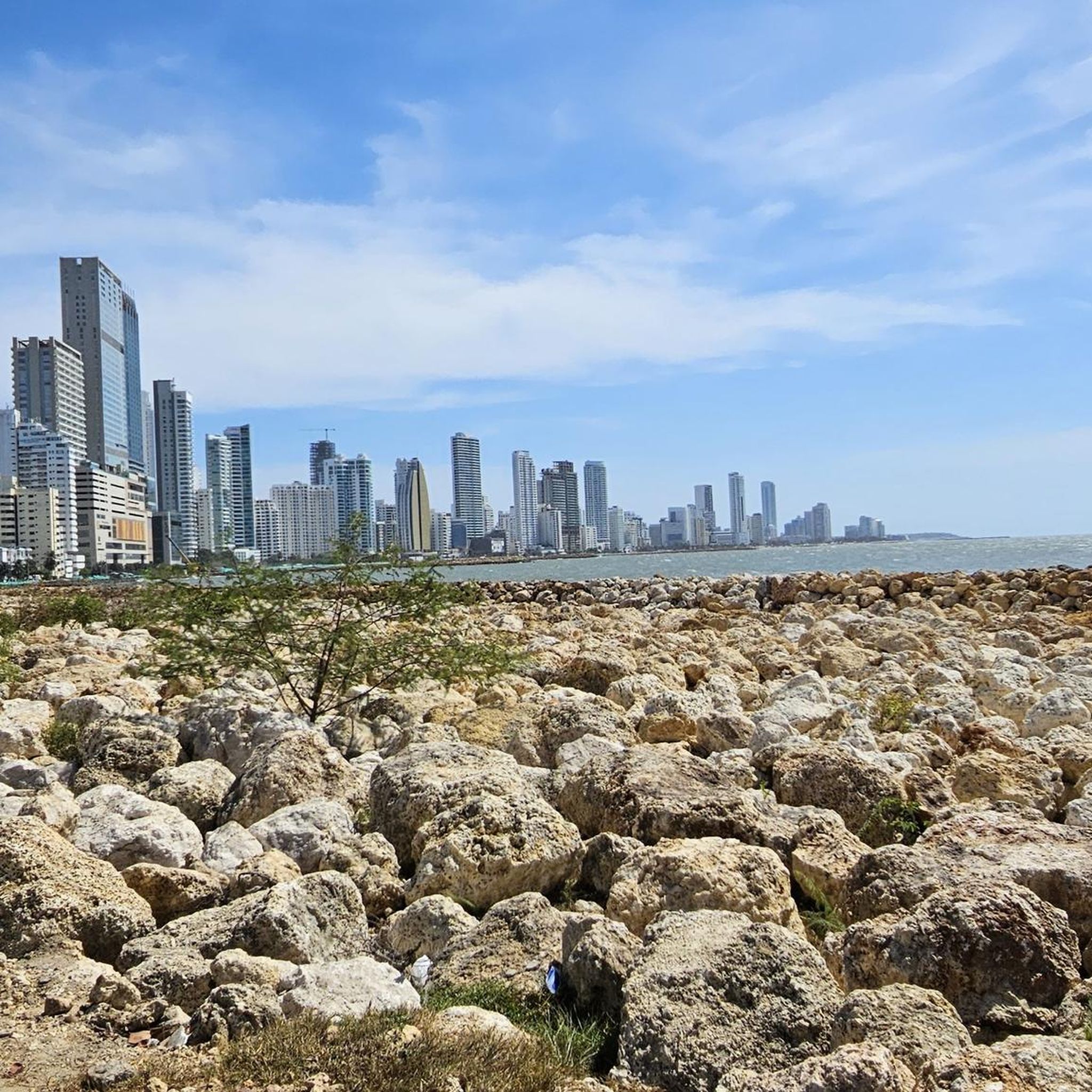
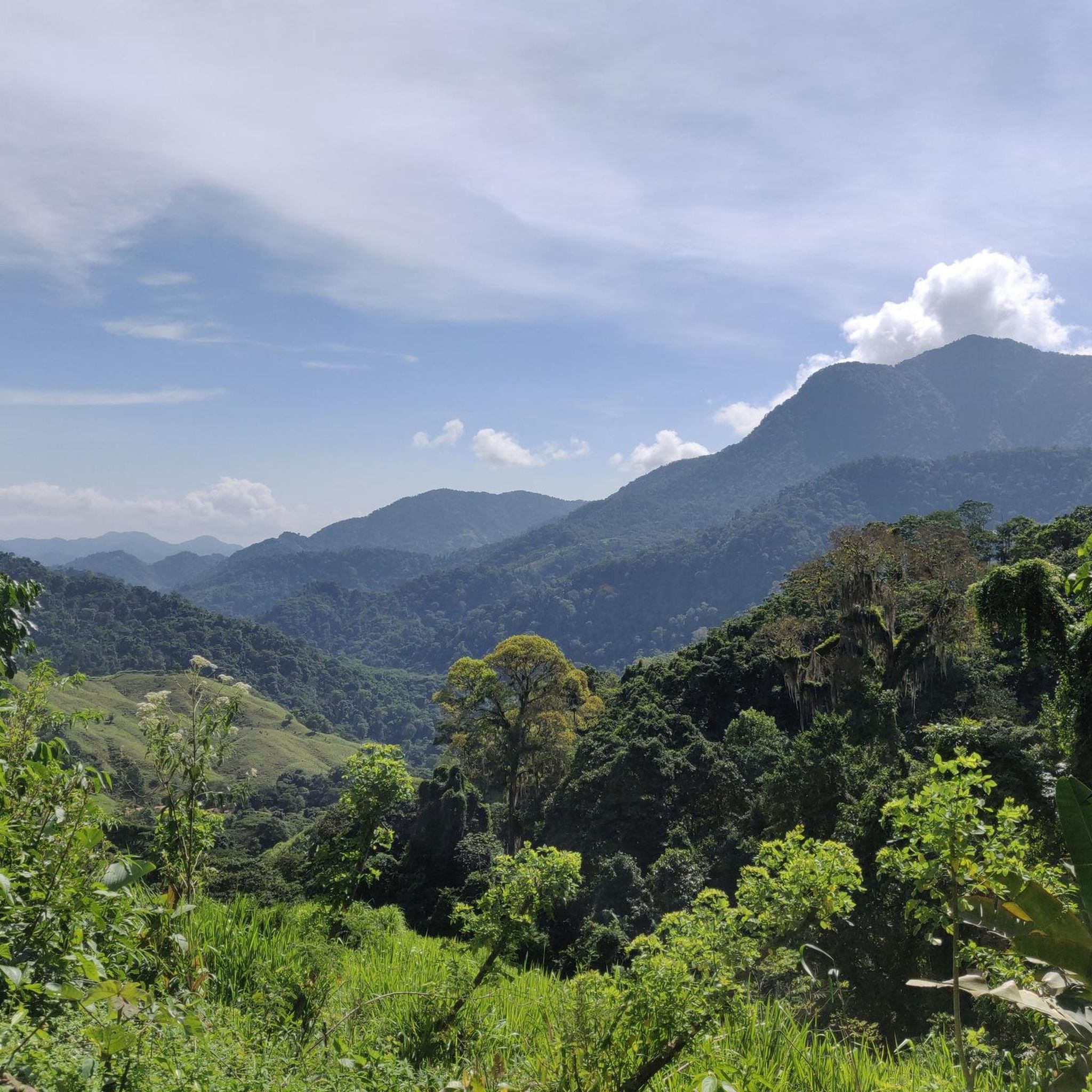
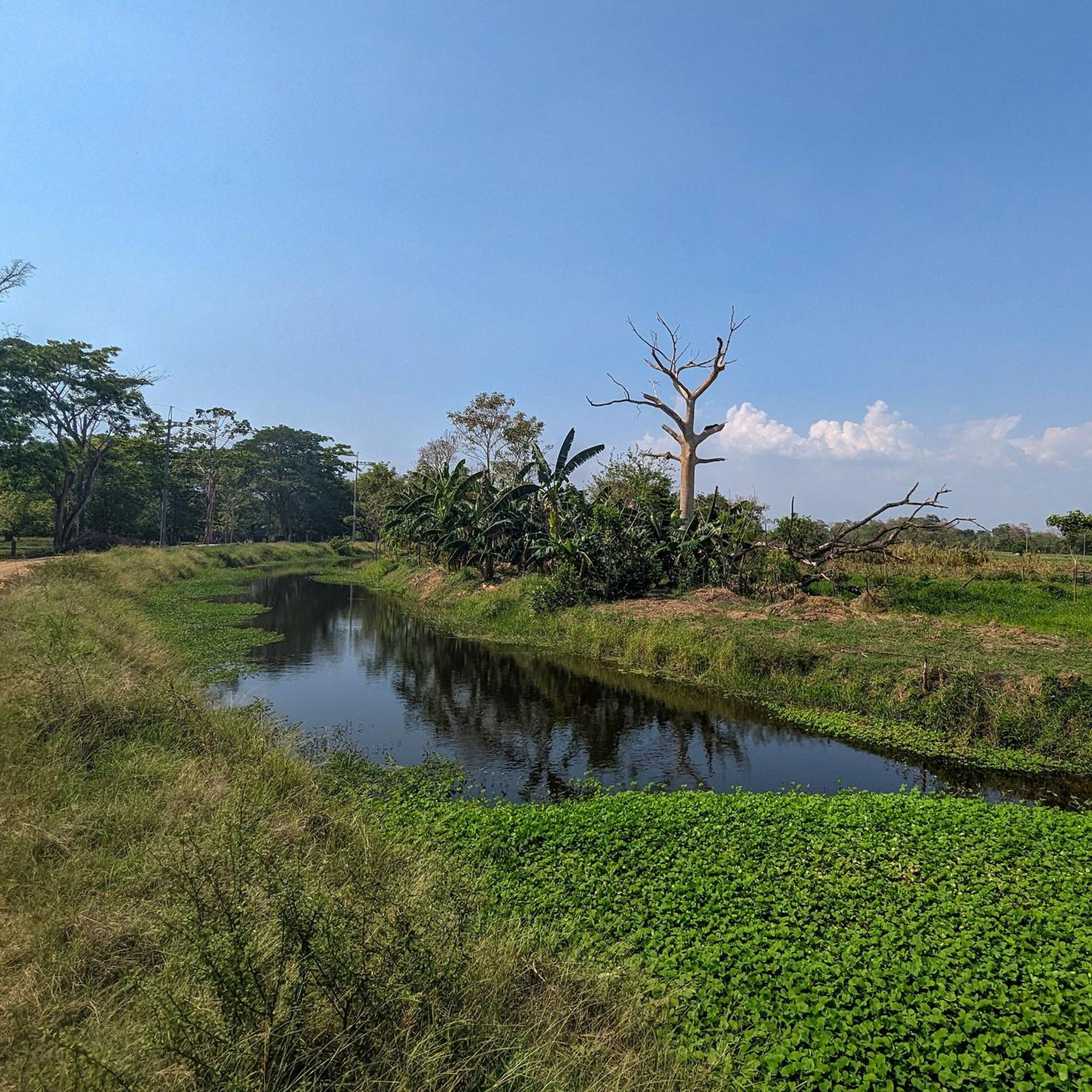
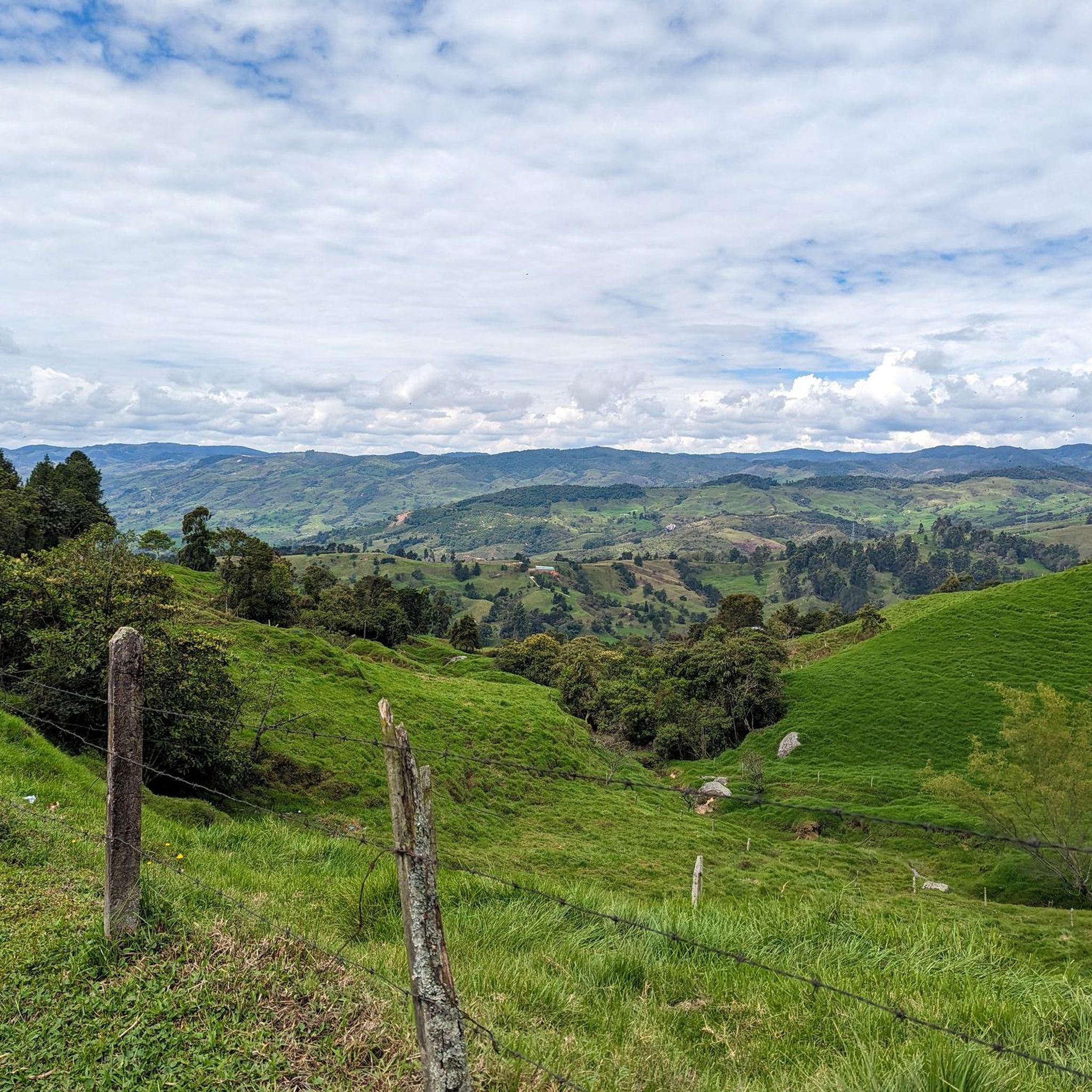
Hiking in Bolívar, Colombia, offers a variety of trails ranging from urban walks to routes through natural landscapes. The region features diverse terrain including hills, valleys, rivers, and tropical dry forests. Trails often lead through lush jungle areas and reforested zones, providing opportunities to explore local flora and fauna. The department's geographical diversity contributes to its rich biodiversity.
Best hiking trails in Bolívar
- The most popular hiking route is San Pedro Claver Church – City Walls of Cartagena loop from…
Last updated: July 1, 2026
4.6
(18)
191
hikers
Moderate hike. Good fitness required. Easily-accessible paths. Suitable for all skill levels.
4.9
(7)
80
hikers
Moderate hike. Good fitness required. Easily-accessible paths. Suitable for all skill levels.

Sign up for free
4.5
(4)
61
hikers
Easy hike. Great for any fitness level. Easily-accessible paths. Suitable for all skill levels.
3.0
(1)
59
hikers
Moderate hike. Good fitness required. Easily-accessible paths. Suitable for all skill levels.
5.0
(1)
43
hikers
Moderate hike. Good fitness required. Easily-accessible paths. Suitable for all skill levels.
5.0
(2)
37
hikers
Moderate hike. Good fitness required. Easily-accessible paths. Suitable for all skill levels.
5.0
(1)
56
hikers
Moderate hike. Good fitness required. Easily-accessible paths. Suitable for all skill levels.
5.0
(1)
20
hikers
Easy hike. Great for any fitness level. Easily-accessible paths. Suitable for all skill levels.
4.3
(8)
62
hikers
Easy hike. Great for any fitness level. Easily-accessible paths. Suitable for all skill levels.
5.0
(1)
20
hikers
Moderate hike. Good fitness required. Easily-accessible paths. Suitable for all skill levels.
Get access to more routes and recommendations from other explorers.
Sign up for free
Already have an account?
Our route recommendations are based on thousands of hikes, rides, and runs completed by other people on komoot.
Start today with a free account
Your next adventure awaits.
Login or Signup
Tips from the Community

The correct name is Biblioteca Bartolomé Calvo (named after the Colombian president Bartolomé Calvo Díaz). The building was constructed in 1907 in the neoclassical or republican style and originally served as the headquarters of a bank. The facade is characterized by a central arch, large Tuscan columns, and a decorated pediment relief. Inside, there are impressive stained glass windows („Las Musas”) by the Argentine architect Oscar Di Chiara. The library is operated by the Central Bank of Colombia (Banco de la República).
0
0
The Iglesia de Santo Toribio de Mogrovejo is a significant Catholic church in the historic San Diego district. It is named after Saint Toribio de Mogrovejo, a former archbishop of Lima. The church is primarily known for its magnificent interior: It houses the only surviving Baroque high altar in all of Cartagena, which is adorned with gold leaf. The ceiling of the church is designed with intricate wooden carvings in the Mudéjar style (Moorish influence). It was built between 1666 and 1732 and is considered one of the last churches built in Cartagena during the Spanish colonial period.
0
0
The Plaza de Bolívar is a green oasis in the heart of the historic center of Cartagena de Indias. It is considered one of the most important and symbolic places in the city, offering a cool retreat from the Caribbean heat through its many tall trees and fountains. In the center of the park stands an equestrian statue of Simón Bolívar, the "Liberator" of South America. The bronze statue was inaugurated in 1896.
0
0
Construction began in 1577 and lasted until 1612. It replaced a simple church made of wood and reeds. In 1586, still during the construction phase, the English privateer Sir Francis Drake attacked the city. He bombarded the cathedral with cannons, causing severe damage to the load-bearing pillars, which significantly delayed construction. The building is constructed in the Spanish Renaissance style (Herrera style). Its striking tower and dome were only added in the early 20th century by the French architect Gaston Lelarge.
0
0
The statue "La Gorda Gertrudis" (also known as Reclining Figure 92) is a famous bronze work by Colombian artist Fernando Botero. Fernando Botero (1932-2023) is world-renowned for his style called "Boterismo", characterized by exaggerated, voluminous forms. Botero donated the sculpture, weighing around 650 kg (1443 lbs), to the city of Cartagena in the year 2000.
0
0
Construction began around 1614 under Governor Diego de Acuña. Together with the Santo Domingo and La Cruz bastions, it formed the so-called "defense trident", protecting the most vulnerable part of the city from pirate attacks from the sea. It is one of the few bastions with two cannon platforms (one visible and one upper). It also houses the largest and most slender watchtower (Garitón) in the entire wall.
0
0
The city walls of Cartagena de Indias (Las Murallas) are one of the best-preserved Spanish fortifications in South America. They surround the historic center of Cartagena and have been a UNESCO World Heritage site since 1984. The walls were built over a period of almost 200 years (approx. 1586 to 1796). Construction was commissioned by the Spanish Crown in response to constant attacks by pirates and enemy fleets - such as the raid by Sir Francis Drake in 1586. Protection of the strategically important port, where gold and other treasures were stored for transport to Spain. The entire belt is about 11 kilometers long.
0
0
The Iglesia de San Pedro Claver (also Santuario de San Pedro Claver) is one of the most historically significant churches in Cartagena. It is located on the square of the same name in the historic city center, was built between 1580 and 1654 by Jesuits, and is considered an outstanding example of Spanish colonial architecture. The church is named after the Spanish Jesuit Peter Claver (San Pedro Claver), who lived in Cartagena in the 17th century. He dedicated his life to the care and evangelization of slaves arriving from Africa, baptizing an estimated 300,000 people. Beneath the church's main altar lie the mortal remains of the Saint.
0
0
Frequently Asked Questions
How many hiking trails are available in Bolívar?
There are over 20 hiking trails available in Bolívar, offering a range of experiences from urban walks to routes through natural landscapes. The komoot community has explored more than 20 routes in the region.
Are there easy hiking options in Bolívar?
Yes, Bolívar offers several easy hiking options. For example, the San Pedro Claver Church – Getsemaní Street Art District loop from Cartagena is an easy 3.4-mile (5.4 km) trail. Another accessible option is the San Pedro Claver Church – Calle de los Murales loop from Cartagena, which is 2.5 miles (4.1 km) long and takes about an hour to complete.
What kind of scenery can I expect on hikes in Bolívar?
Hiking in Bolívar, Colombia, offers a blend of urban exploration and natural beauty. You can expect to traverse historic city streets, vibrant street art districts, and colonial architecture, particularly in Cartagena. Beyond the city, trails lead through diverse natural areas including hills, valleys, rivers, and tropical dry forests, providing opportunities to experience local flora and fauna.
Are there any family-friendly hiking trails in Bolívar?
Many of the shorter, easier urban walks in Bolívar are suitable for families. Routes that explore the historic center of Cartagena, such as the San Pedro Claver Church – Calle de los Murales loop from Cartagena, are generally flat and offer engaging sights for all ages. For nature-focused family outings, consider areas like the Loros Wildlife Sanctuary near Villanueva, which has trails through reforested areas and fruit orchards.
Can I bring my dog on hikes in Bolívar?
While specific regulations for dogs on all trails in Bolívar are not universally published, many urban parks and less restricted natural areas may allow dogs on leash. It's always best to check local signage or contact park authorities for specific trails, especially within protected natural reserves like the Loros Wildlife Sanctuary, to ensure a dog-friendly experience.
Are there circular hiking routes in Bolívar?
Yes, many of the popular routes in Bolívar are designed as loops, allowing you to start and end in the same location. Examples include the San Pedro Claver Church – City Walls of Cartagena loop from Cartagena and the Bolívar Park (Cartagena) – San Pedro Claver Church loop from El Laguito, which offer convenient circular paths through key attractions.
What are some notable landmarks or attractions I can see while hiking in Bolívar?
Many hikes in Bolívar, particularly around Cartagena, lead past significant landmarks. You can explore the historic San Pedro Claver Church, walk along the iconic City Walls of Cartagena, or wander through the vibrant Getsemaní Street Art District. Other points of interest include Bolívar Park (Cartagena) and the Cathedral of Saint Catherine of Alexandria.
Is public transport available to access hiking trails in Bolívar?
For trails within or near Cartagena, public transport options like buses and taxis are readily available to reach starting points. For routes further afield, such as those in the Montes de María or the Loros Wildlife Sanctuary, you might need to arrange private transport or tours, as public transport access can be less direct.
What is the best time of year to go hiking in Bolívar?
The best time to hike in Bolívar, Colombia, generally aligns with the dry season, which typically runs from December to April. During these months, you can expect less rain and more comfortable temperatures, making for more enjoyable trail conditions. The wet season, from May to November, can bring higher humidity and more frequent rainfall.
What do other hikers say about the trails in Bolívar?
The hiking trails in Bolívar are highly rated by the komoot community, with an average score of 4.4 stars from over 50 reviews. Hikers often praise the unique blend of historical and cultural exploration within Cartagena's urban routes, as well as the opportunities to discover the region's diverse natural landscapes and rich biodiversity.
Can I spot wildlife while hiking in Bolívar?
Yes, Bolívar's diverse ecosystems offer opportunities for wildlife spotting. In the tropical dry forests and reforested areas, you might encounter species like sloths, monkeys, tortoises, iguanas, and various bird species, including parrots and macaws. The Loros Wildlife Sanctuary, an hour from Cartagena, is specifically dedicated to wildlife rehabilitation and observation.
Are there any longer or more challenging hikes in Bolívar?
While many trails in Bolívar are easy to moderate, there are options for longer hikes. The San Pedro Claver Church – Bolívar Park (Cartagena) loop from Juan XXIII is classified as difficult, spanning 12.3 miles (19.8 km) and taking over 5 hours to complete. This route offers a more extended exploration of Cartagena's urban and coastal areas.
Most popular attractions in Bolívar

Get inspired with the komoot mobile app


Didn’t find what you were looking for?
Check out more Hikes throughout Bolívar below and find the perfect route in your destination.
Explore more
Browse the best Hikes in other regions.
