Attractions and Places To See in Antioquia - Top 20
Best attractions and places to see in Antioquia include a diverse array of historical landmarks, vibrant cultural sites, and natural landscapes. This Colombian department offers opportunities to explore charming colonial towns, marvel at unique geological formations, and discover lush ecological reserves. The region's geography features mountains, rivers, and reservoirs, providing varied terrain for exploration. Antioquia is a destination rich in both natural beauty and cultural heritage.
Best attractions and places to see in Antioquia
- The most popular attractions is La Escalera Waterfall, a waterfall that is a series of terraced waterfalls cascading through lush tropical vegetation. Its verdant surroundings create an ideal setting for relaxation and nature observation.
- Another must-see spot is Comuna 13, Medellín, a settlement showcasing significant social transformation through its vibrant urban art, graffiti, and street performances. It is known for its history of resilience and social transformation.
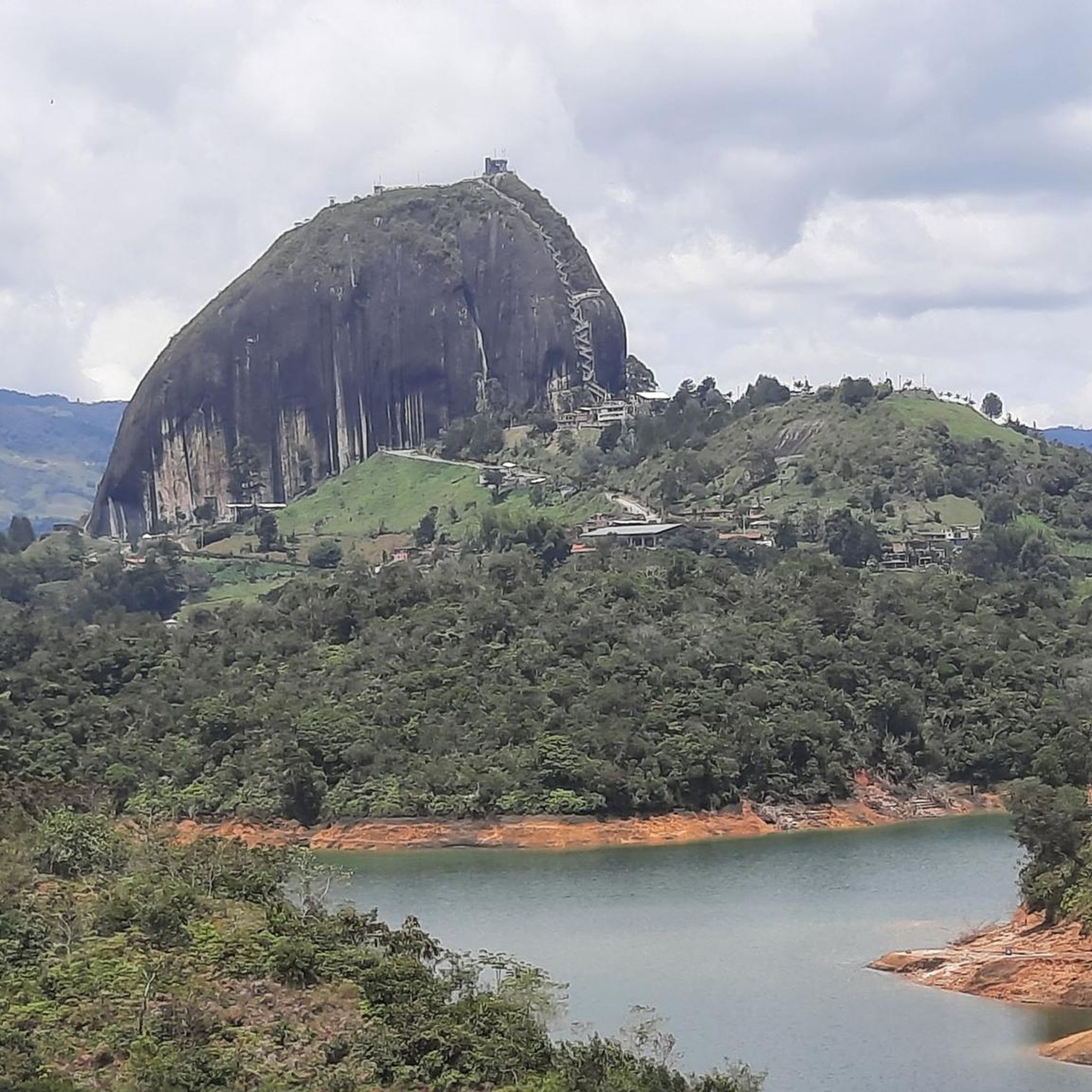
- Visitors also love The Rock of Guatapé, a natural monument offering panoramic views of the surrounding reservoir and islands. Visitors can ascend over 700 steps to its summit for an expansive vista.
- Antioquia is known for its historical landmarks, vibrant cultural sites, and natural landscapes. The region offers a diverse array of experiences, from exploring colonial towns to discovering ecological reserves.
- The attractions in Antioquia are appreciated by the komoot community, with 41 upvotes and 9 photos shared.
Last updated: July 4, 2026
La Escalera Waterfall
Highlight • Waterfall
Translated by Google •
Tip by

The Rock of Guatapé
Highlight • Natural Monument
Tip by

Sign up now to discover places like this
Get recommendations on the best single tracks, peaks, & plenty of other exciting outdoor places.
Sign up for free
Comuna 13, Medellín
Highlight • Settlement
Translated by Google •
Tip by

Plaza Botero
Highlight • Monument
Tip by
Cerro Nutibara
Highlight • Summit
Translated by Google •
Tip by

Plaza de las Luces
Highlight • Monument
Translated by Google •
Tip by

Minor Basilica of the Immaculate Conception
Highlight • Religious Site
Translated by Google •
Tip by

La Garrucha Cable Car
Highlight • Structure
Translated by Google •
Tip by
La Catedral - Envigado
Highlight • Trail
Translated by Google •
Tip by

Kachotis Tunnel
Highlight • Structure
Translated by Google •
Tip by

Sign up for free to discover even more attractions in Antioquia.
Sign up for free
Already have an account?
Start today with a free account
Your next adventure awaits.
Login or Signup
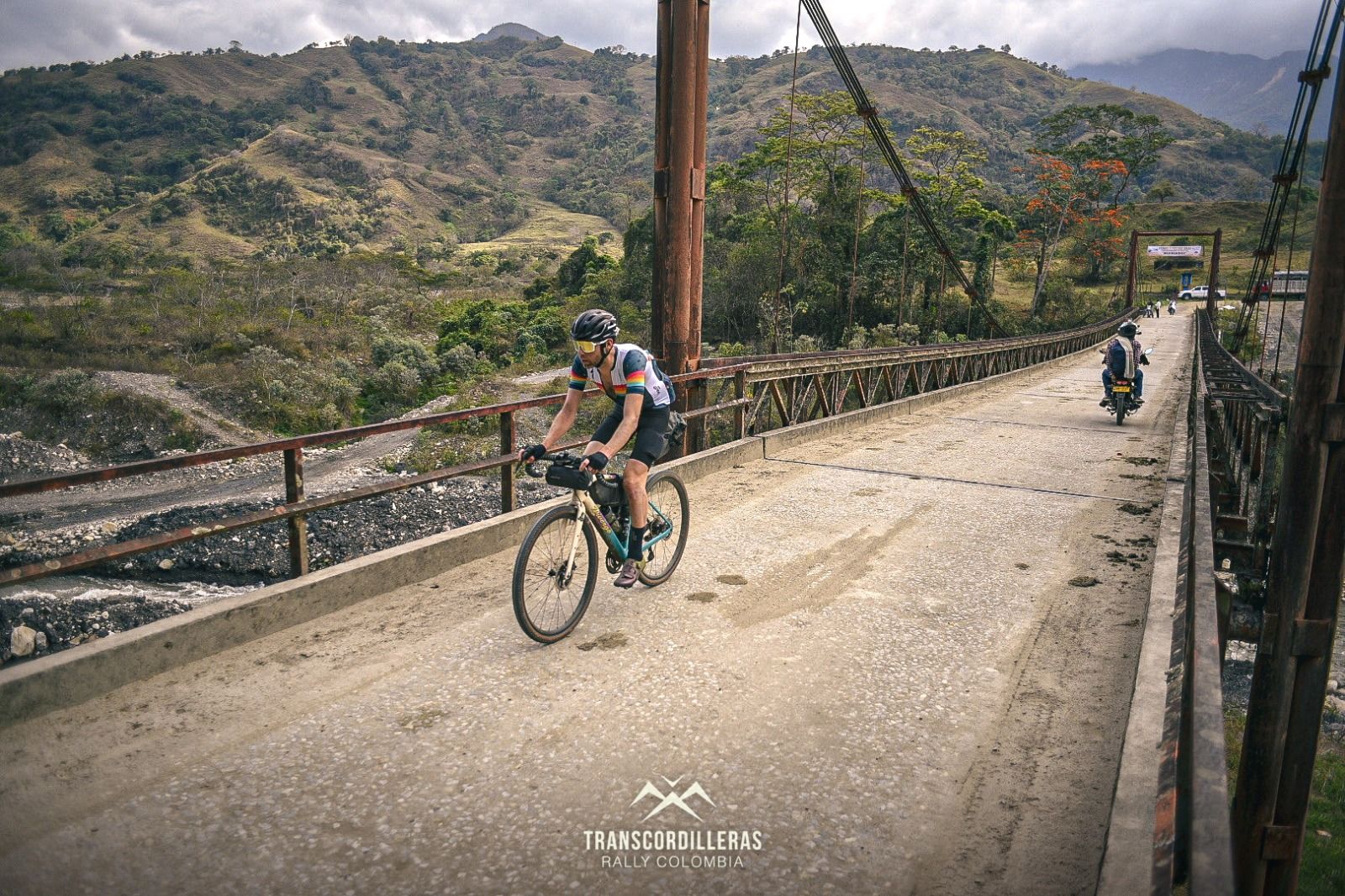
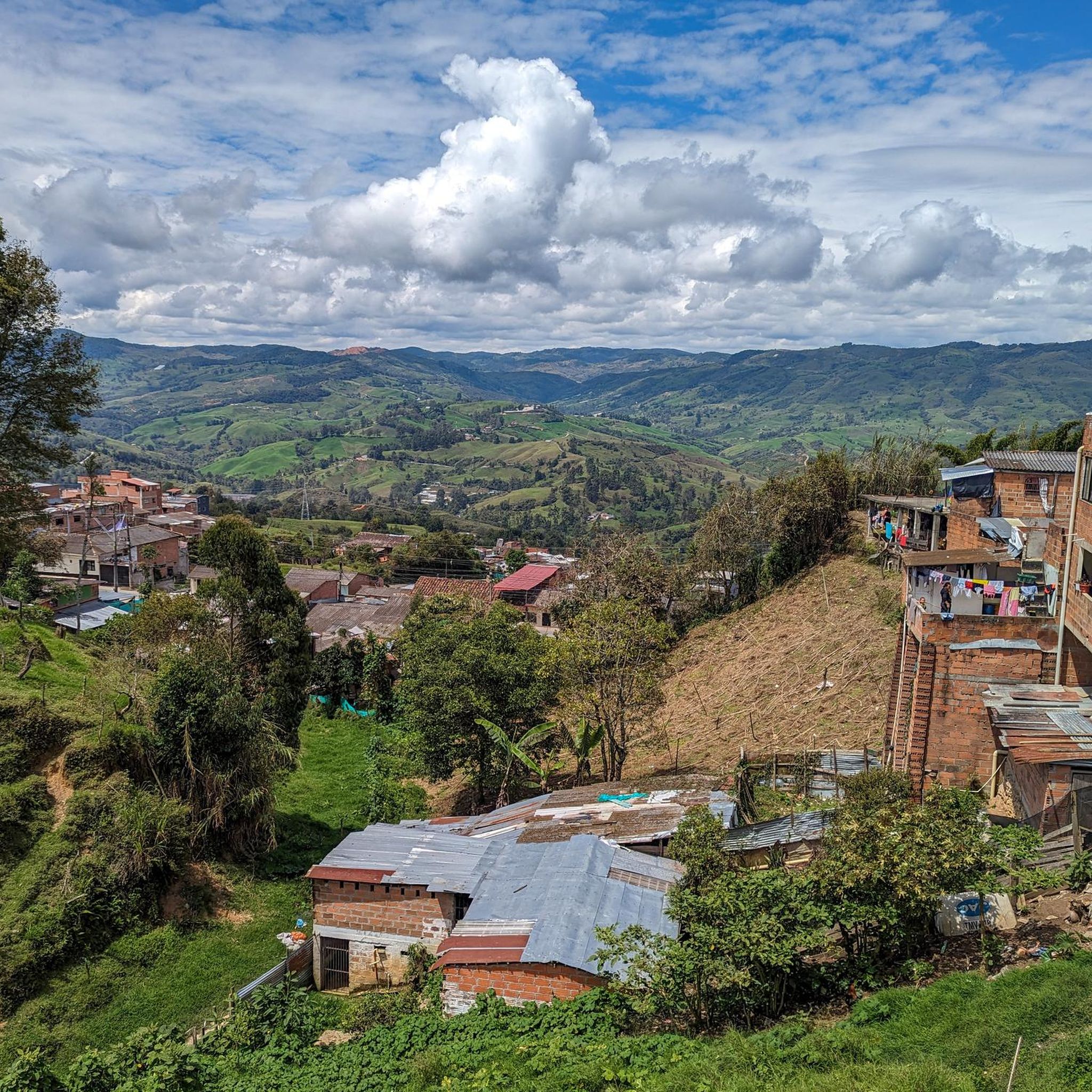
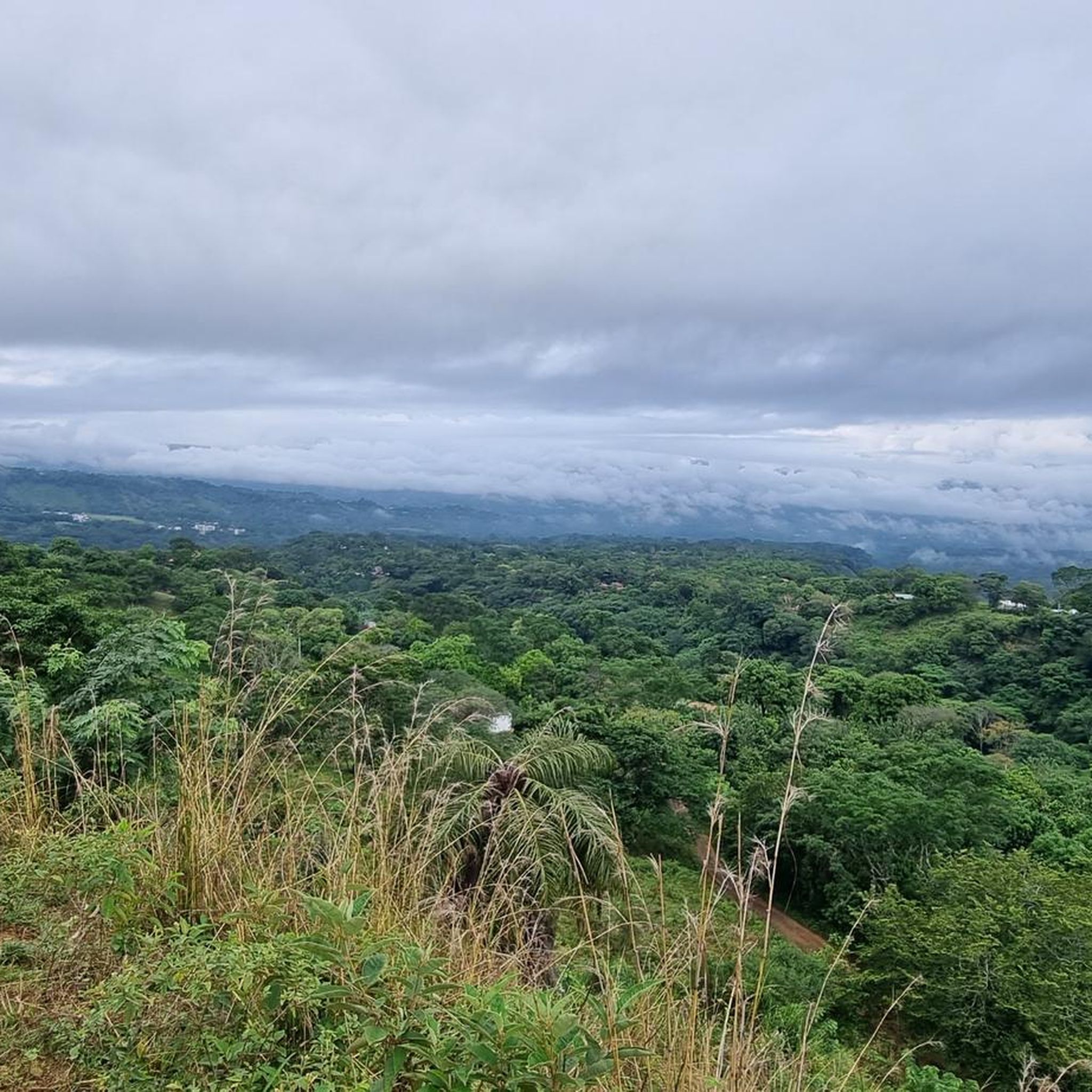
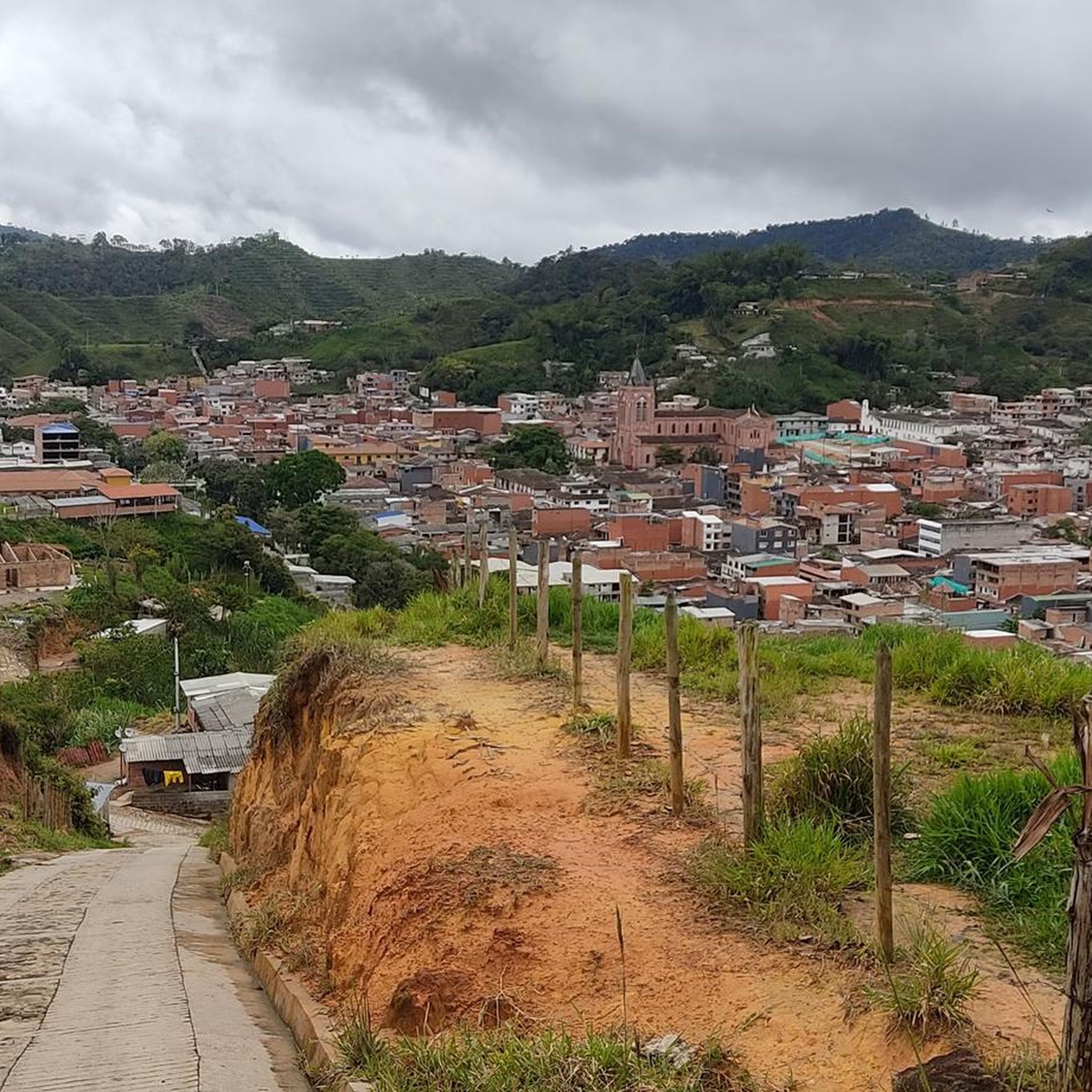

Other adventures in Antioquia

Tips from the Community

Comuna 13 is a historically and culturally significant district in the west of the Colombian metropolis Medellín. Past: Once one of the most dangerous neighborhoods in the world due to gang violence and drug cartels. Transformation: Today a symbol of social change, innovation, and urban peace. Escalators: Famous for the Escaleras Eléctricas, giant open-air escalators that make steep hillsides accessible for residents. Street Art: Known for colorful graffitis that tell the neighborhood's vibrant history and hope. Culture: A hub for Hip-Hop, Street Dance, and local tourism.
0
0
The Cerro Nutibara is one of the city's seven "guardian hills" and hosts the famous Pueblito Paisa on its summit, a faithful replica of a traditional Antioquia region village from the turn of the century. A charming museum village with a stone fountain, a white church, a town hall, a small school, and typical colonial houses with colorful balconies. From the 80-meter high summit, there is a spectacular 360-degree panoramic view of the entire Aburrá Valley and the Medellín skyline. The view is especially recommended at sunset.
0
0
Plaza de Cisneros, also known as Parque de las Luces (Park of Lights), is a central public square. It is primarily known for its "artificial forest" of 300 illuminated concrete pillars, which are up to 24 meters high. The square is named after the Cuban engineer Francisco Javier Cisneros, who led the construction of the Antioquia Railway. Originally, at the end of the 19th century, the area served as the city's main marketplace and a central hub for goods transfer right next to the train station. After the closure of the railway system in the 1960s and the relocation of the market in the 1990s, the area fell into disrepair and became a dangerous hotspot for crime and drug trafficking.
0
0
The Plaza Botero (officially Plaza de las Esculturas) is one of the most famous public squares in Medellín. The square is a unique open-air museum in the historic center (La Candelaria neighborhood) and houses 23 monumental bronze sculptures by the world-renowned Colombian artist Fernando Botero. Botero is known for his distinctive style of "voluminous forms." The larger-than-life figures depict people and animals with exaggerated proportions.
0
0

Very close to the Pueblito Paisa, on Nutibara Hill, is this viewpoint from which you can enjoy a good panoramic view of Medellín.
0
0
Nutibara Hill is named after an indigenous chief. At the summit, you can enjoy a traditional Paisa village and views of the city. Its lush green surroundings delight visitors.
0
0

This is one of several churches in Colombia dedicated to the Immaculate Conception. Inaugurated in 1932, it was elevated to a minor basilica by Pope John Paul II in 2003, making it a pilgrimage site in the country.
0
0

Monumental bronze figures gracefully adorn the grounds of the Museum of Antioquia in Berrío Park, one of Medellín's most renowned and historically significant locations. This park is home to the world's only open-air plaza featuring 23 sculptures by the master Fernando Botero. Gifted to the city in 2002, the sculptures provided the perfect opportunity to inaugurate the Plaza de las Esculturas, better known as Plaza Botero. There, the bronze sculptures embody the sensuality that Botero sought to convey through his work and his use of form as a means of expression.
2
0
Frequently Asked Questions
What natural attractions can I explore in Antioquia?
Antioquia boasts diverse natural beauty. You can visit La Escalera Waterfall near Jardín, a series of terraced waterfalls ideal for hiking and nature observation. Another must-see is The Rock of Guatapé, a massive monolith offering panoramic views after ascending over 700 steps. The Río Claro Nature Reserve features crystal-clear rivers and opportunities for caving, while Cerro Tusa is known as the tallest natural pyramid in the world.
Are there good hiking opportunities near Antioquia's attractions?
Yes, Antioquia offers numerous hiking opportunities. Near Jardín, you can find routes to waterfalls like La Escalera and the Cueva del Esplendor. For more options, explore various waterfall hikes in Antioquia or discover easy hikes in Antioquia, including trails around Cristo Rey and Cerro Nutibara in Medellín.
What historical and cultural sites should I visit in Antioquia?
Antioquia is rich in history and culture. Explore the vibrant urban art and social transformation of Comuna 13, Medellín. Wander through the well-preserved colonial architecture of Santa Fe de Antioquia, a National Monument, or visit the open-air museum of Plaza Botero in Medellín, featuring sculptures by Fernando Botero. The Metropolitan Cathedral of Medellín, built with over a million adobe bricks, is also a significant landmark.
Are there family-friendly attractions in Antioquia?
Absolutely! Families can enjoy the sculptures at Plaza Botero. In Medellín, Explora Park and Aquarium Medellín offer interactive exhibits, while the Botanical Garden provides a serene urban oasis. Pueblito Paisa, a replica of a traditional Antioquian town, offers 360-degree city views and a glimpse into local heritage that children often enjoy.
When is the best time of year to visit Antioquia?
Antioquia generally enjoys a pleasant climate year-round due to its elevation. However, the dry season, typically from December to March and July to August, is often considered the best time to visit for outdoor activities and exploring attractions, as rainfall is lower and skies are clearer.
Which charming towns are worth visiting in Antioquia?
Several picturesque towns offer unique experiences. Guatapé is famous for its colorful zócalos and proximity to The Rock of Guatapé. Jardín is renowned for its colonial architecture and vibrant central square, while Jericó is a heritage town known for its coffee culture and religious significance. Santa Fe de Antioquia, a former capital, showcases stunning colonial architecture and cobblestone streets.
Where can I experience coffee culture in Antioquia?
Antioquia is a prime coffee-growing region. Towns like Jardín, Jericó, and Entrerrios are excellent places to immerse yourself in coffee culture. You can find charming cafes, visit coffee farms, and learn about the traditional coffee-making process while enjoying the beautiful mountainous landscapes.
What unique cultural experiences can I find in Medellín?
Medellín offers several unique cultural experiences. The Comuna 13 Graffitour showcases vibrant urban art, street performances, and the community's resilience. Plaza Botero features the iconic sculptures of Fernando Botero, and the Museo de Antioquia houses an extensive collection reflecting the region's art and history.
Are there any less crowded attractions near Medellín?
For a quieter experience near Medellín, consider Parque Arví, a vast ecological nature reserve accessible via Metrocable, offering trails and archaeological sites. The Río Claro Nature Reserve, though further out, provides a tranquil escape with its clear rivers and marble beach. The municipalities of San Rafael and San Carlos in eastern Antioquia are also natural paradises with crystalline rivers and jungle trails, often less frequented by tourists.
What adventure sports are available for beginners in Antioquia?
Antioquia offers various adventure sports suitable for beginners. The Río Claro Nature Reserve provides opportunities for caving and other extreme sports. Near La Ceja, Salto del Buey waterfall offers activities like ziplining and rappelling. Many local operators can guide you through these experiences safely.
How can I get around to some of the attractions in Antioquia?
Transportation options vary by attraction. Within Medellín, the Metrocable system provides scenic access to places like Parque Arví. In towns like Jardín, you can use the La Garrucha Cable Car for scenic views and access to hiking trails. For destinations further afield like Guatapé or Santa Fe de Antioquia, inter-municipal buses are a common and affordable option, or you can arrange private transport.
Where can I find scenic viewpoints in Antioquia?
Antioquia is home to many breathtaking viewpoints. The summit of The Rock of Guatapé offers unparalleled panoramic views of the reservoir and islands. Pueblito Paisa on Cerro Nutibara in Medellín provides 360-degree city views. Cerro Tusa in Venecia, known as the tallest natural pyramid, also offers spectacular vistas. Additionally, the Cristo Rey monument provides a great vantage point.
Most popular routes in Antioquia
Most popular attractions in Antioquia

Get inspired with the komoot mobile app


Didn’t find what you were looking for?
Are you keen on exploring more awesome places nearby? Browse our guides:
Explore more
Still not found the Highlight you’re looking for? See guides of the top attractions in other regions:
