Top 16 Caves around Elchingen
Best caves around Elchingen are found in the broader region of Bavaria, particularly within the geologically rich Swabian Jura. While Elchingen itself does not host prominent caves, its location provides access to a diverse range of underground formations. The surrounding areas feature significant karst landscapes, offering insights into ancient geological processes and prehistoric human habitation. These natural features make the vicinity of Elchingen a notable destination for exploring caves.
Best caves around Elchingen
- The most popular caves is Bear Cave…
Last updated: May 11, 2026
Fohlenhaus Caves
Highlight • Cave
Translated by Google •
Tip by

Bear Cave and Hohlenstein-Stadel
Highlight • Cave
Translated by Google •
Tip by

Sign up now to discover places like this
Get recommendations on the best single tracks, peaks, & plenty of other exciting outdoor places.
Sign up for free
Bockstein Cave
Highlight • Cave
Translated by Google •
Tip by

Neanderthal Trail, Middle Lone Valley
Highlight (Segment) • Trail
Translated by Google •
Tip by

Salzbühlfelsen
Highlight • Natural Monument
Translated by Google •
Tip by

Sign up for free to discover even more caves around Elchingen.
Sign up for free
Already have an account?
Start today with a free account
Your next adventure awaits.
Login or Signup

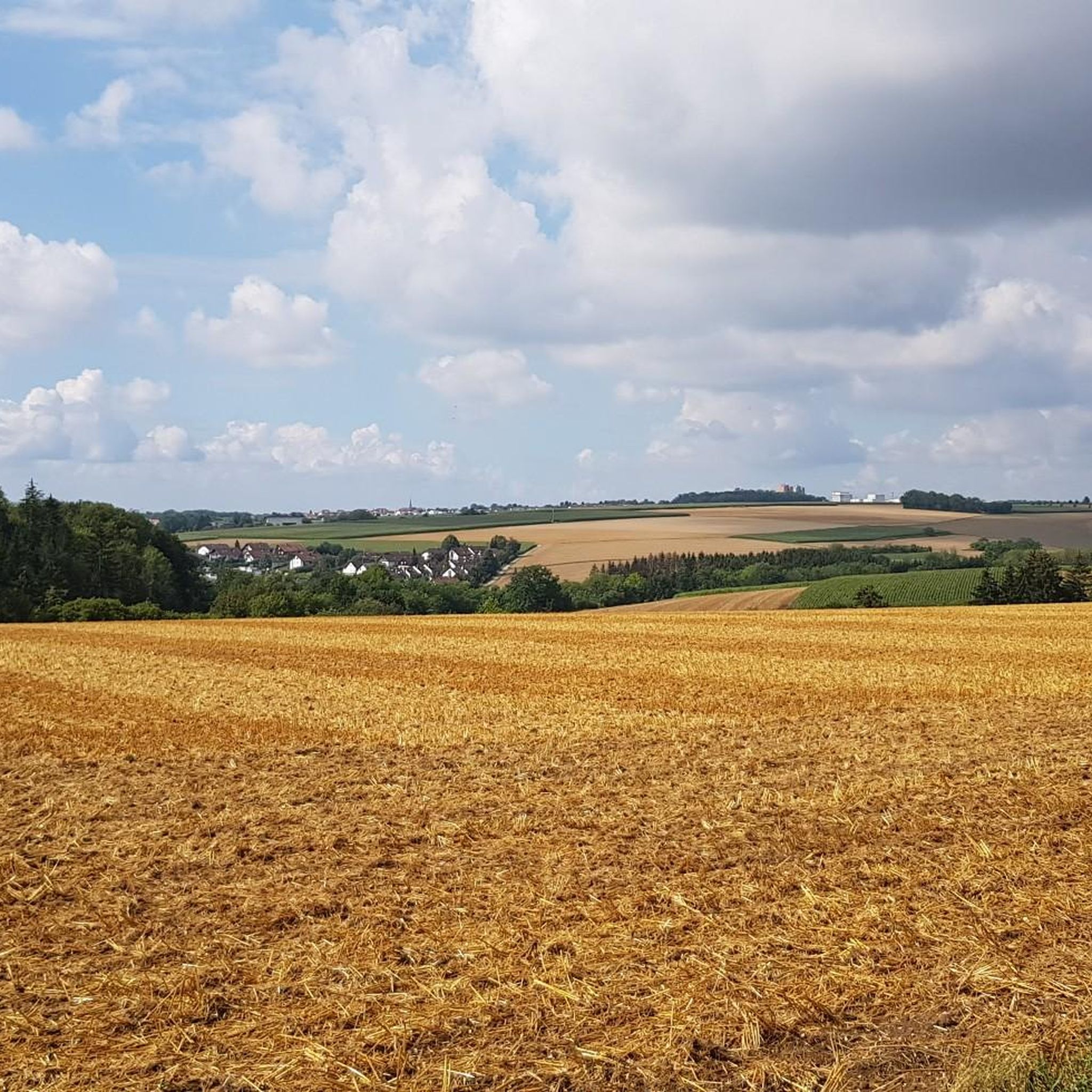
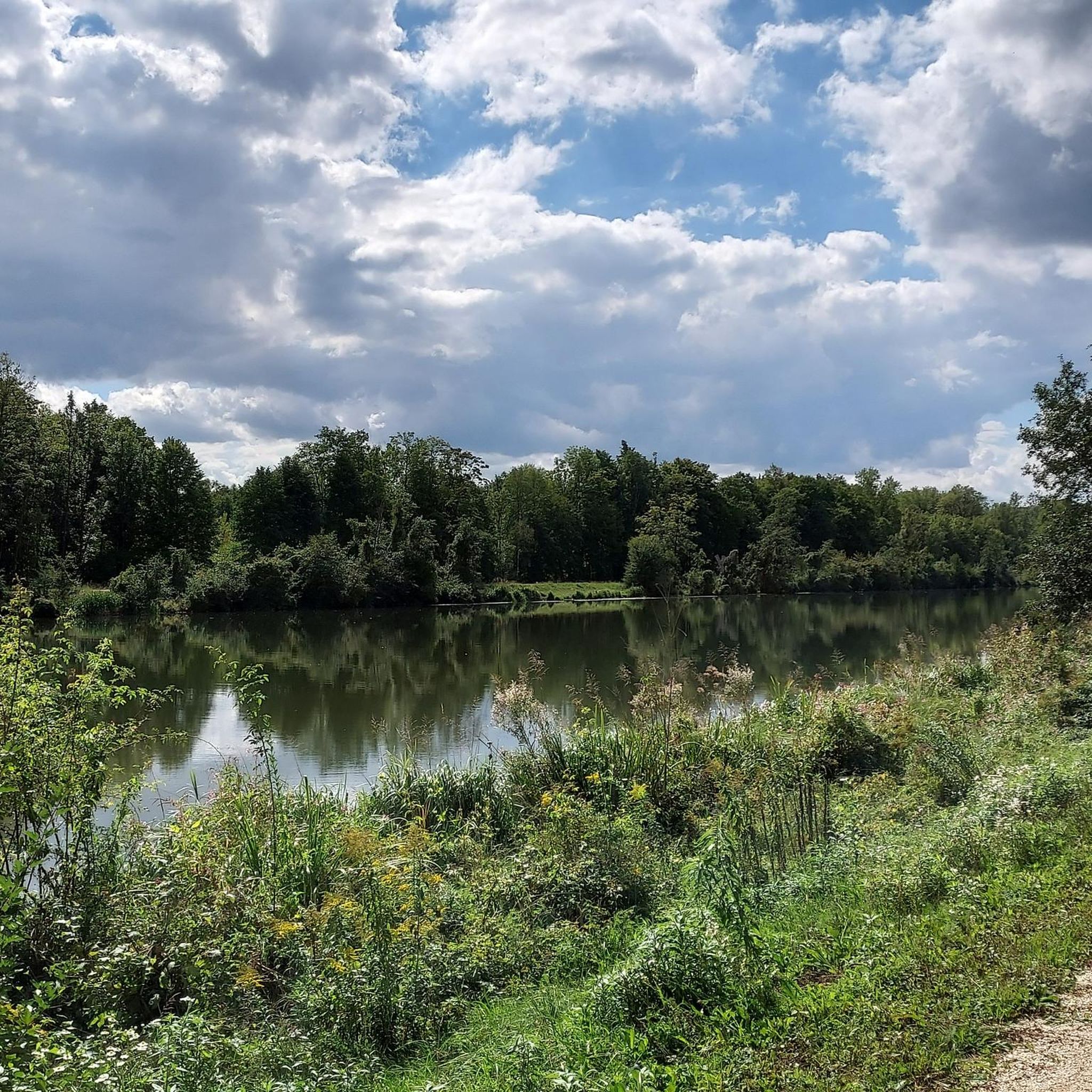
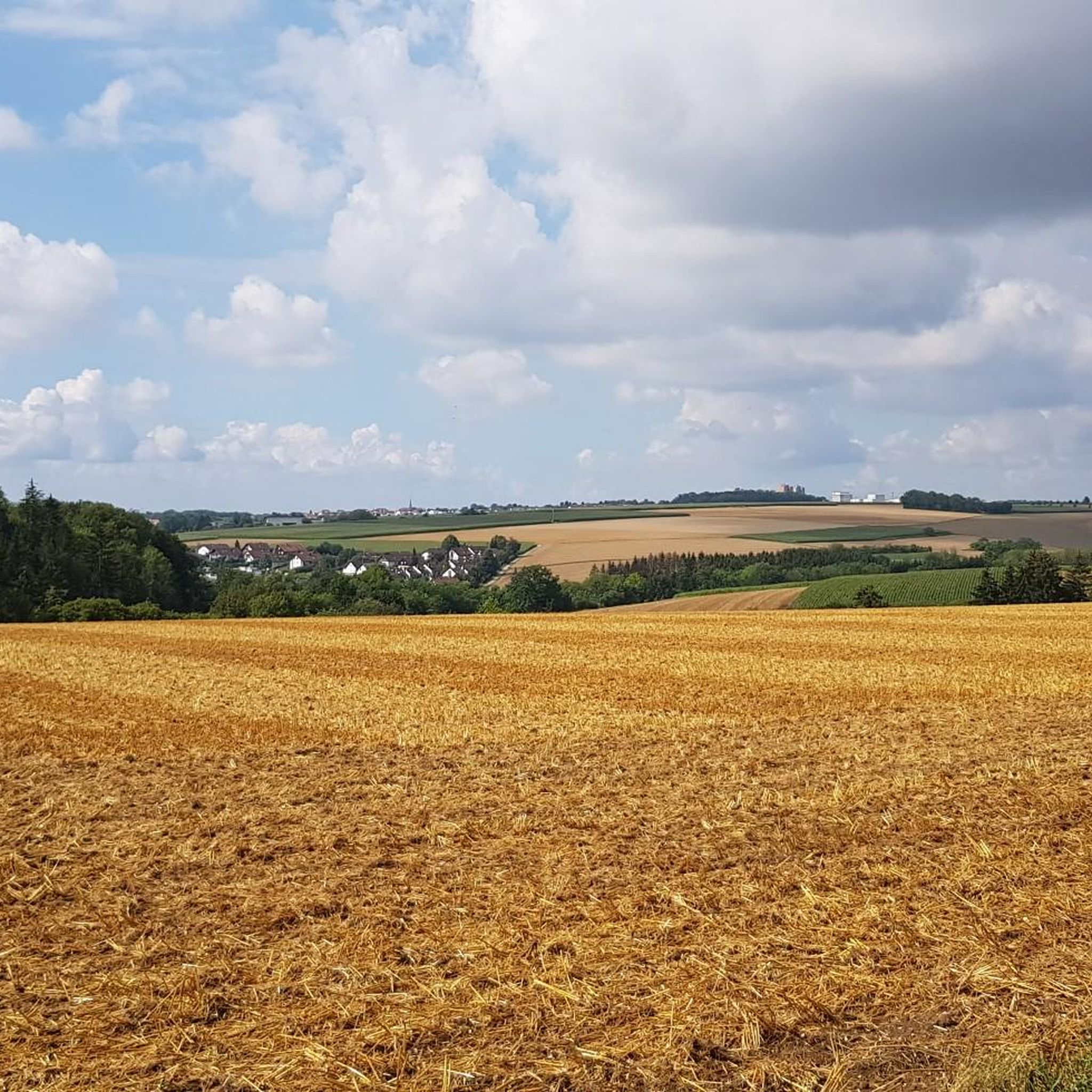
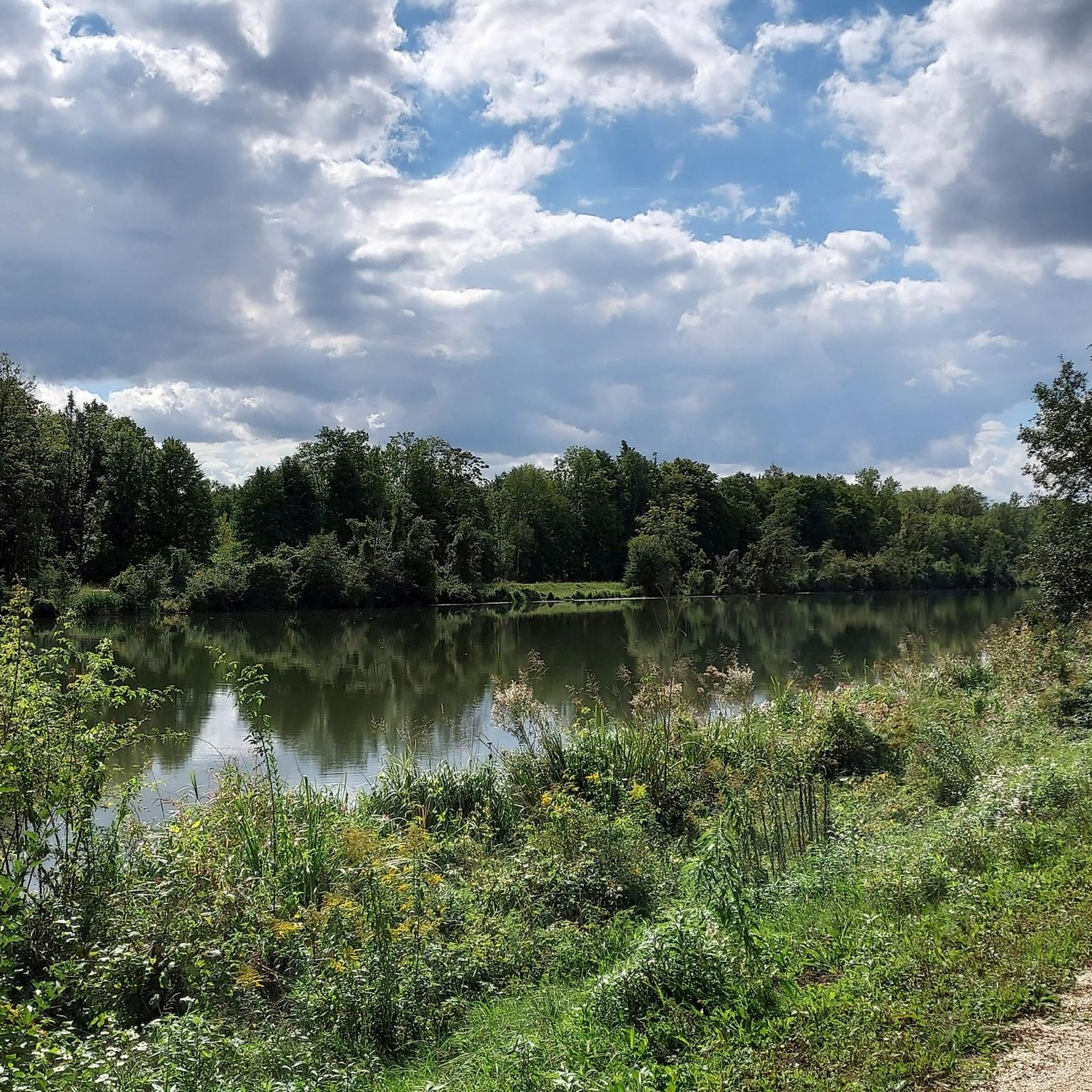
Other adventures around Elchingen

Tips from the Community

With its striking rock formations and a small cave along the way, it offers not only a picturesque backdrop but also a touch of adventure.
8
0
The Fohlenhaus Stone Age Cave in the Lone Valley is a fascinating destination for nature and history enthusiasts. This impressive karst cave once served as a shelter for Stone Age people and today offers a glimpse into times long past. With its distinctive shape and special charm, it exudes a sense of mysticism.
9
0

Following in the footsteps of the Neanderthals, caves and the archaeological park can be discovered and visited. Stone Age people such as the Neanderthals lived in the caves in the Lone Valley. They roamed around and hunted Ice Age animals such as the mammoth. If you want to get a little closer to the Neanderthals, hike from Lindenau through the forest to the Bockstein Cave, which lies on a rocky spur above the valley. The Neanderthals would also have liked the wide view to keep an eye out for prey. The next destination is the Hohlenstein on the edge of the valley floor. Here archaeologists discovered the legendary "Lion Man", a figure carved from mammoth ivory. The caves are therefore a UNESCO World Heritage site. The route continues along the river to the Vogelherd Archaeological Park. Here you can try out Ice Age hunting techniques for yourself. Via Stetten and through the forest, you return to Lindenau. Source: https://www.wanderbares-deutschland.de/wege/alle-wege/neandertalerweg-fd98180688
1
0

Coming from the parking lot at the Ernst Buck Bridge, after a few hundred meters, top right.
3
0

Many paths meet here, great views of the cave.
5
0


Nice, family-friendly barbecue area at the foal house.
7
0

A small cave on the side of the road with beautiful rock formations. Unfortunately I couldn't find any further information about it. Were there salt deposits here? The place is designated as a natural monument. Further back in the Lone Valley there are the caves at Fohlenfelsen, where people probably rested during/after hunting in the Stone Age.
5
0
Frequently Asked Questions
What types of caves can I explore around Elchingen?
While Elchingen itself doesn't have prominent caves, the surrounding regions of Bavaria and the Swabian Jura offer a diverse range. You can find archaeological sites, karst caves with impressive dripstone formations, and even unique water caves. These include caves that served as ancient human shelters, habitats for Ice Age animals, and geological wonders showcasing the region's formation.
Which caves near Elchingen are significant for their archaeological discoveries?
Several caves in the region are renowned for their archaeological importance. The Bear Cave and Hohlenstein-Stadel is famous for the discovery of the "Lion Man" figure and numerous Ice Age bear bones. Bockstein Cave is recognized as the oldest Neanderthal settlement complex in southern Germany, with finds dating back over 50,000 years. Additionally, the Fohlenhaus Caves once provided shelter for Stone Age people, offering a glimpse into prehistoric life.
Are there any unique water caves in the region?
Yes, the Wimsener Höhle (Wimsen Cave / Friedrichshöhle) in the Swabian Alb is Germany's only water cave accessible by boat. Visitors can explore about 70 meters of its length with a ferryman, making for a unique and memorable experience.
What geological formations can be seen in the caves around Elchingen?
The caves in the broader region boast a variety of impressive geological formations. You can see stunning stalactites, stalagmites, and stalagnates in caves like the Teufelshöhle in Pottenstein and the König-Otto-Tropfsteinhöhle. The Laichinger Tiefenhöhle features unique formations such as "Perlsinter" and the "Gletschermühlenschacht" with its distinctive round forms. Großes Schulerloch is known for its "water pot" stalagmite and castle-tower-like stalactites.
Are there any vertical caves accessible to the public?
Yes, the Laichinger Tiefenhöhle (Laichingen Vertical Cave) in the Swabian Jura is Germany's deepest accessible vertical cave and the only one of its kind open to the public in the Swabian Jura. Visitors can descend 55 meters to explore its chambers and observe the geological structure of the area.
Are there family-friendly caves to visit near Elchingen?
Many caves in the region are suitable for families. The Bärenhöhle (Bear Cave) and Nebelhöhle in the Swabian Alb offer illuminated guided tours and are known for their accessibility. The Bear Cave and Hohlenstein-Stadel is also considered family-friendly, providing an engaging experience with its historical context. The Wimsener Höhle, with its boat tour, is another popular choice for families.
What is the best time of year to visit the caves?
Many show caves in the Swabian Jura, such as the Laichinger Tiefenhöhle, Bärenhöhle, and Nebelhöhle, are closed from November until Easter or March to protect hibernating bats. Therefore, the best time to visit these caves is generally from spring (around Easter) through autumn (October). Always check specific opening hours before planning your trip.
How accessible are the caves around Elchingen?
Accessibility varies by cave. Many popular show caves like the Teufelshöhle in Pottenstein, Bärenhöhle, and Nebelhöhle offer guided tours with well-maintained paths and lighting, making them quite accessible. The Bockstein Cave is freely accessible. However, some caves, especially those with vertical descents or boat tours, may have specific physical requirements. It's advisable to check individual cave details for specific accessibility information.
What should I wear when visiting caves in this region?
Cave temperatures are typically cool and constant, often around 8-10°C (46-50°F), even in summer. It's recommended to wear warm layers, a jacket, and sturdy, comfortable shoes with good grip, as paths can sometimes be damp or uneven. Some caves may require helmets, which are usually provided.
What outdoor activities can I do near these caves?
The region around Elchingen and the Swabian Jura offers numerous outdoor activities. You can find extensive gravel biking routes, road cycling paths, and mountain biking trails. For example, you can explore the Lone Valley Trail for gravel biking or enjoy road cycling routes like the Blautopf loop. There are also many MTB trails, such as those along the Danube Riverside Path. You can find more details on these activities in the Gravel biking around Elchingen, Road Cycling Routes around Elchingen, and MTB Trails around Elchingen guides.
Are there hiking trails near the caves?
Yes, many caves are situated within scenic areas with excellent hiking opportunities. For instance, the Neanderthal Trail, Middle Lone Valley, allows you to follow in the footsteps of Neanderthals, visiting caves like the Bockstein Cave and Hohlenstein-Stadel. The Trail to Fohlenhaus leads to the Fohlenhaus Caves through a rustic, tree-lined landscape. These trails often combine natural beauty with historical insights.
What do visitors enjoy most about the caves around Elchingen?
Visitors particularly appreciate the rich historical and archaeological significance of many caves, offering a tangible connection to prehistoric human and animal life. The unique geological formations, from intricate stalactites to deep vertical shafts, are also a major draw. The opportunity for unique experiences, such as boat tours through water caves, and the integration of caves into beautiful hiking landscapes, are frequently highlighted by the komoot community.
Most popular routes around Elchingen
Most popular attractions around Elchingen

Get inspired with the komoot mobile app


Explore more
Extend your search for the best caves by checking out these guides of the top ones around Elchingen:
