Attractions and Places To See in La Romana - Top 19
Attractions and places to see in La Romana, located on the southeastern coast of the Dominican Republic, offer a diverse range of experiences. The region features a blend of historical sites, cultural landmarks, and natural landscapes. Visitors can explore meticulously recreated villages, ancient cave systems, and pristine islands. La Romana provides a variety of attractions for those interested in both cultural heritage and natural beauty.
Best attractions and places to see in La Romana
- The most popular attractions is La Romana Cruise Terminal & Lighthouse, a man-made monument that serves as a gateway for many visitors to the region. It features a renovated harbor with shops, restaurants, and a nearby beach, offering a place to relax.
- Another must-see spot is Obelisk of Bayahibe, a man-made monument. This large obelisk is located in a small park and is considered a historical landmark.
- Visitors also love Altos de Chavón Village, a settlement that is a meticulously recreated 16th-century Mediterranean village. It features cobblestone streets, art studios, and a 5,000-seat amphitheater.
- La Romana is known for its cultural sites, natural features, and historical landmarks. The region offers a variety of attractions to see and explore, from man-made monuments to natural trails.
- The attractions in La Romana are appreciated by the komoot community, with 18 highlights and more than 50 photos shared by visitors.
Last updated: July 4, 2026
La Romana Cruise Terminal & Lighthouse
Highlight • Monument
Otherwise, the grounds are beautiful, and you can use the internet for free for 30 minutes.
Translated by Google •
Tip by

Altos de Chavón Village
Highlight • Settlement
Translated by Google •
Tip by

Sign up now to discover places like this
Get recommendations on the best single tracks, peaks, & plenty of other exciting outdoor places.
Sign up for free
Dreamlike idyll of Altos de Chavon
Highlight • Settlement
Translated by Google •
Tip by

Obelisk of Bayahibe
Highlight • Monument
Showing Translation
Tip by

Statue of Juan Pablo Duarte
Highlight • Monument
He is considered one of the founding fathers of the Dominican Republic and the main architect of the country's independence. The monument is located in the central park, which was named Parque Central Duarte in his honor.
Showing Translation
Tip by
Amphitheater
Highlight • Monument
### 📍 Architecture and Style
Designed in the **classical Greco-Roman style**, the amphitheater resembles an ancient open-air theater with terraced **stone benches** arranged around the stage. The design is reminiscent of the great amphitheaters of antiquity, with open, natural acoustics and views of the surrounding landscape. ([Dominican Republic Tourism][2])
### 🛠️ History and Construction
* Designed by the Italian artist **Roberto Coppa** (with influences from Mediterranean architecture), it was built between **1976 and 1982**. ([dgcine.gob.do][3])
* The official opening took place on **20. August 1982** instead with the legendary **“Concert for the Americas”**, featuring Frank Sinatra, Buddy Rich, Heart, and Carlos Santana. ([dgcine.gob.do][3])
### 🪑 Capacity & Use
The amphitheater seats approximately **5,000 spectators** and serves as a venue for **concerts, operas, theatrical performances, festivals**, and other outdoor cultural events. ([Dominican Republic Tourism][2])
### 🎵 Significance and Events
Since its opening, the venue has hosted numerous nationally and **world-renowned artists** from a wide range of musical genres—from Julio Iglesias and Sting to Juan Luis Guerra and Elton John—and has become a **cultural highlight in the Caribbean**. ([Casa de Campo Living][4])
### 🌅 Atmosphere
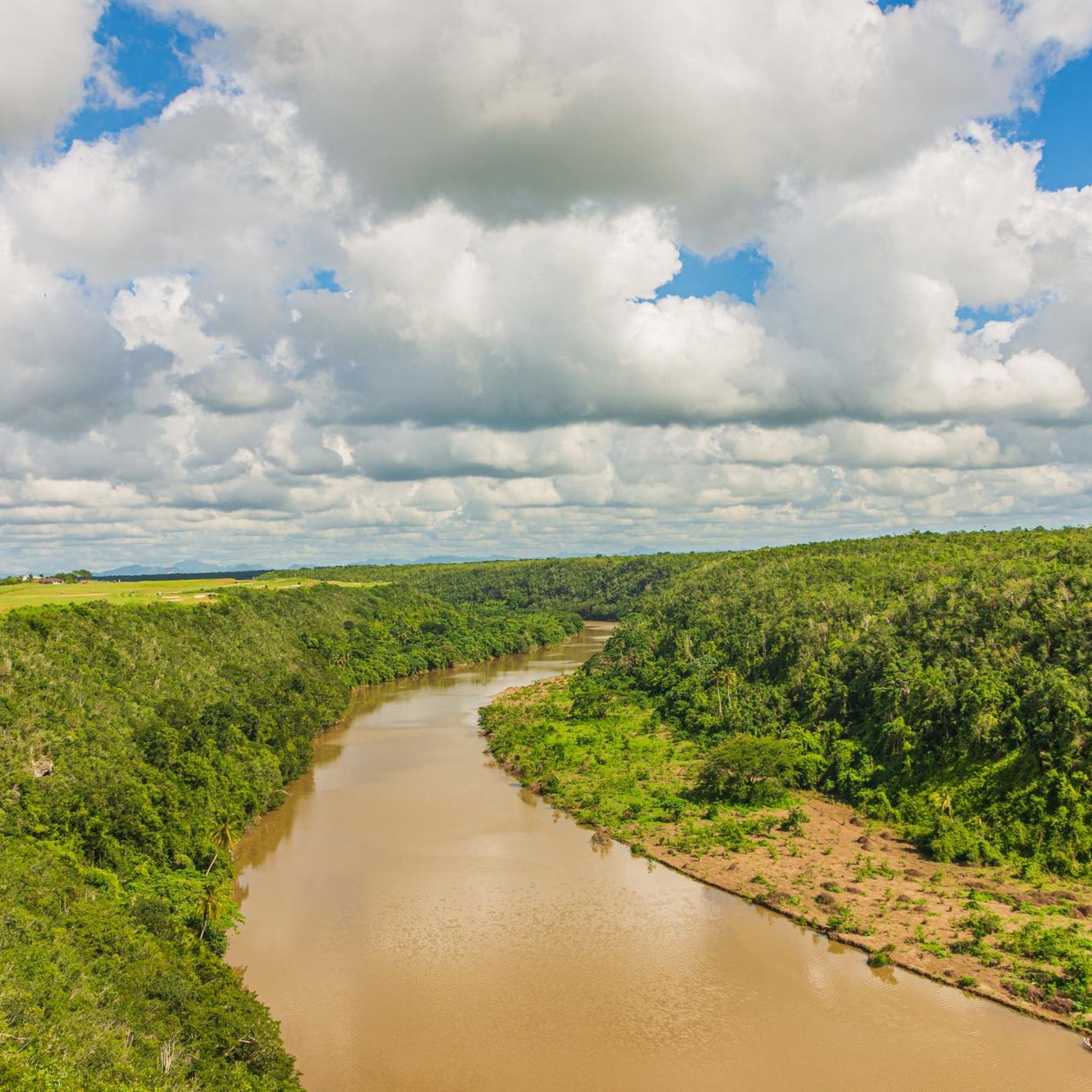
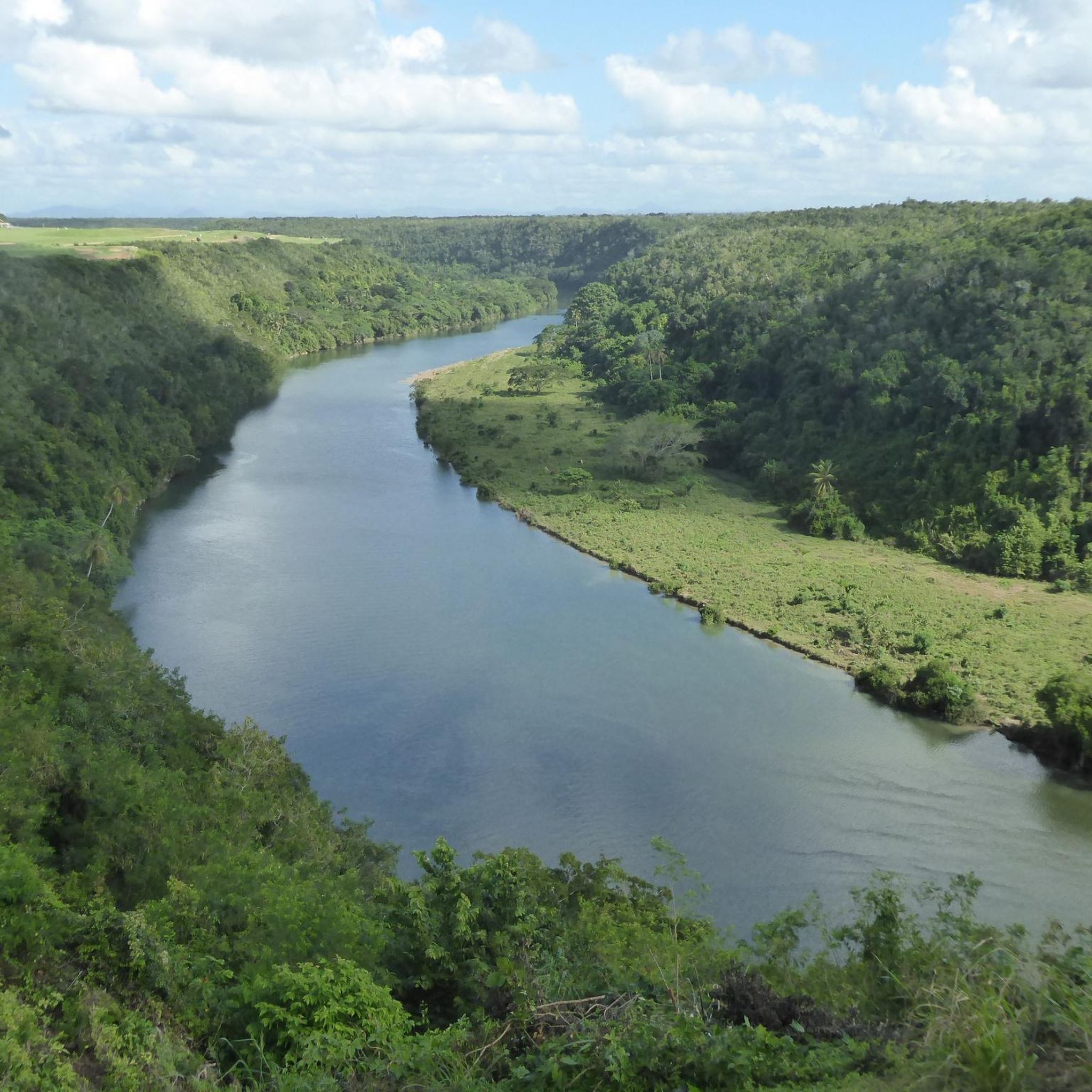
One of the amphitheater's most impressive features is its **open-air setting under the Caribbean sky**: visitors experience open-air performances overlooking the Chavón River and the surrounding hills, creating a **magical atmosphere**, especially during evening events. ([Dominican Republic Tourism][2])
In short, the Altos de Chavón Amphitheater is not only an impressive architectural tribute to ancient open-air stages, but also a vibrant hub of cultural exchange, blending music, art, and history in a unique setting.
Translated by Google •
Tip by

La Romana City
Highlight • Settlement
Showing Translation
Tip by
First map of the facility.
Highlight • Rest Area
Translated by Google •
Tip by

St. Stanislaus Church
Highlight • Religious Site
The church was named in honor of St. Stanislaus, the patron saint of Poland – a gift from Pope John Paul II, who sent relics and a statue from Kraków. ([Atlantique Sud][2])
Today, it serves both as a Catholic church with regular masses and as a popular wedding venue, not least because of its romantic location and views over the village and the Chavón River. ([Dominican Republic Tourism][3])
In short: A charming, stone village church with Mediterranean flair, cultural significance, and an idyllic atmosphere in the heart of Altos de Chavón. ([Wikipedia][1])
[1]: en.wikipedia.org/wiki/Altos_de_Chav%C3%B3n?utm_source=chatgpt.com "Altos de Chavón"
[2]: realestatelasterrenas.com/altos-de-chavon-a-mediterranean-dream-in-the-caribbean/?utm_source=chatgpt.com "Altos de Chavón: Mediterranean-Style Village in the Heart of the Caribbean"
[3]: godominicanrepublic.com/en/things-to-do/altos-de-chavon?utm_source=chatgpt.com "Altos de Chavón - Dominican Republic Tourism - Official Website"
Translated by Google •
Tip by
Municipal Palace of Higüey
Highlight • Monument
Translated by Google •
Tip by

Sign up for free to discover even more attractions in La Romana.
Sign up for free
Already have an account?
Start today with a free account
Your next adventure awaits.
Login or Signup
Popular around La Romana
Tips from the Community

Construction period: Construction began in 1976 and was completed in 1982. * Vision: The idea originated from Charles Bluhdorn (former head of Gulf+Western). It was designed by Italian film architect Roberto Coppa, who ensured that every detail – from the cobblestone alleys to the hand-hewn stone walls – looked authentic. * Material: Almost everything was handcrafted from local coral stone and wood by local artisans.
0
0
Altos de Chavón is a fascinating "artist village" in the Dominican Republic, often cited as one of the most impressive architectural highlights in the Caribbean. Although it looks like a centuries-old European village, it hides an exciting, more modern story behind it. Here is an overview of what makes this place so special: 1. The Architecture and Creation Altos de Chavón is a detailed replica of a 16th-century Mediterranean village.
0
0
Monument of Juan Pablo Duarte He is considered one of the founding fathers of the Dominican Republic and the main architect of the country's independence. The monument is located in the central park, which was named Parque Central Duarte in his honor.
1
0
La Romana is a major port city in the southeast of the Dominican Republic (approx. 153,000 - 190,000 inhabitants), known for its sugar cane industry and tourism. Due to its location in the southeast of the Dominican Republic, La Romana is an ideal starting and ending point for Caribbean cruises, especially to the east and south. Jamaica to the west is about 900 km away. The La Romana International Airport is approximately 8 km away. Near the city is the private settlement of Casa de Campo, where many celebrities own a villa. The crime rate throughout the country is very high. Robberies, often by perpetrators on chainsaws, occur. Valuables should not be worn openly.
2
0
This is the Obelisco de La Romana, a well-known monument in the Dominican Republic. The monument is covered with colorful murals depicting scenes from Dominican life, such as musicians and dancers.
2
0
The building is located opposite the park
0
0
The La Romana Cruise Terminal is certainly one of the most attractive cruise ports in the Caribbean. The modern terminal complex stretches over a large area at the mouth of the Riu Dulce and has a berth for a large cruise ship. Occasionally, a second cruise ship moors on the other side of the Riu Dulce. If you want to go to the lighthouse, you have to pay an entrance fee.
2
0

Catalina Island is a dream for snorkeling with many small shops where you can drink rum.
0
0
Frequently Asked Questions
What are the must-visit historical and cultural sites in La Romana?
La Romana offers a rich blend of history and culture. A prominent site is Altos de Chavón Village, a meticulously recreated 16th-century Mediterranean village featuring cobblestone streets, art studios, and the beautiful St. Stanislaus Church. You can also explore the ancient Amphitheater within Altos de Chavón. Another significant historical attraction is the Cueva de las Maravillas (Cave of Wonders), known for its indigenous Taíno rock art and fascinating geological formations. The Obelisk of Bayahibe is also a notable historical landmark.
Where can I experience the natural beauty of La Romana?
The region boasts stunning natural attractions. Catalina Island and Saona Island are pristine paradises with white sand beaches and crystal-clear waters, perfect for snorkeling and diving. Both are part of the Cotubanamá National Park, which features diverse ecosystems, coral reefs, and subterranean lagoons. You can also explore the picturesque Chavón River by boat or kayak, or visit the unique Monument Natural Dunes of Bani, a desert-like landscape with distinct flora and fauna. For a tranquil escape, consider Hoyo Zumbador, a hidden saltwater pool.
Are there family-friendly attractions in La Romana?
Yes, many attractions in La Romana are suitable for families. Altos de Chavón Village is a great option, offering a unique cultural experience in a charming setting. The La Romana Cruise Terminal & Lighthouse area has shops and a nearby beach for relaxation. Juan Pablo Duarte Park is a beautifully landscaped park with statues and metal animal figures that children often enjoy. The pristine beaches of Catalina Island and Saona Island are also excellent for family outings, offering swimming and snorkeling opportunities.
What kind of outdoor activities and trails are available near La Romana's attractions?
La Romana offers various outdoor activities. You can enjoy easy hikes like the "Juan Pablo Duarte Park – Obelisk of Bayahibe loop" or the "Bayahibe Harbor – Bayahibe Sign loop." For a more challenging hike, consider the "La Romana Cruise Terminal Sign – La Romana Cruise Terminal loop." The Punta Perez Nature Trail is another great option for nature lovers. For running, there are moderate loops from Casa de Campo or Dominicus. You can find more details on these and other routes in the Hiking in La Romana and Running Trails in La Romana guides.
Where can I go snorkeling or diving in La Romana?
La Romana is excellent for water activities. Catalina Island is renowned for its vibrant marine life and crystal-clear waters, making it a prime spot for snorkeling and diving. Saona Island also offers fantastic snorkeling opportunities, particularly at Canto de La Playa, where you can see coral reefs and starfish in a natural, waist-deep turquoise pool.
Are there any wheelchair-accessible attractions in La Romana?
Yes, some attractions in La Romana are noted for their accessibility. The Obelisk of Bayahibe is considered wheelchair accessible. Additionally, the "First map of the facility" highlight indicates accessible facilities. While specific details for all attractions vary, these are good starting points for visitors requiring wheelchair access.
What is the best time of year to visit La Romana for sightseeing?
The best time to visit La Romana for sightseeing is generally during the dry season, which runs from December to April. During these months, the weather is typically sunny with lower humidity and comfortable temperatures, making it ideal for exploring both outdoor natural sites and cultural landmarks without the interruption of heavy rains or extreme heat.
Can I learn about local crafts or industries in La Romana?
Absolutely. At Altos de Chavón Village, you'll find art studios and craft workshops where local artisans create and display their work. For a unique industrial insight, you can visit the La Flor Dominicana Cigar Factory to learn about the tobacco aging process and the art of hand-rolling premium cigars.
Are there any hidden gems or less-known spots worth visiting in La Romana?
Beyond the main attractions, consider exploring Boca de Yuma, a quiet, scenic town with a rich colonial history, including an old fort. It's also a gateway to Cueva de Berna, one of the largest Taíno caves in the Dominican Republic. Another hidden gem is Hoyo Zumbador, a secluded saltwater pool surrounded by rocks, offering a private and tranquil escape.
What do visitors enjoy most about the attractions in La Romana?
Visitors frequently praise the unique charm of Altos de Chavón Village, often describing it as a fascinating and relaxing place to explore. The pristine beaches and clear waters of the islands like Catalina are consistently highlighted for their beauty and opportunities for water activities. Many also appreciate the historical significance of sites like the Cueva de las Maravillas and the overall blend of cultural and natural experiences the region offers.
Where can I find a relaxing beach in La Romana?
For relaxation, Playa Caleta, near the La Romana Cruise Terminal, is a serene public beach. Within the luxurious Casa de Campo resort area, Playa Minitas offers calm turquoise waters and tall palm trees, perfect for swimming and unwinding. Of course, the idyllic white sands of Catalina Island and Saona Island are also top choices for a tranquil beach experience.

Get inspired with the komoot mobile app


Didn’t find what you were looking for?
Are you keen on exploring more awesome places nearby? Browse our guides:
Explore more
Still not found the Highlight you’re looking for? See guides of the top attractions in other regions:
