Top 20 Castles around Seewald
Castles around Seewald are situated in the northern Black Forest region of Germany, an area characterized by its dense forests, river valleys, and historical significance. The municipality of Seewald itself is part of a landscape rich in medieval history and natural beauty. This region offers a blend of historical sites and opportunities for outdoor exploration. The environs of Seewald feature various historical structures, including castle ruins and fortified towers.
Best castles around Seewald
- The most popular castles is Fautsburg Tower…
Last updated: November 19, 2026
Fautsburg Tower
Highlight • Castle
Translated by Google •
Tip by

Altensteig Castle and historic old town
Highlight • Castle
Translated by Google •
Tip by

Sign up now to discover places like this
Get recommendations on the best single tracks, peaks, & plenty of other exciting outdoor places.
Rüdenberg Ruins
Highlight • Castle
Translated by Google •
Tip by
Berneck Castle
Highlight • Castle
Translated by Google •
Tip by
Mandelberg Castle Ruins
Highlight • Castle
Translated by Google •
Tip by

Sign up for free to discover even more castles around Seewald.
Already have an account?
Start today with a free account
Your next adventure awaits.
Popular around Seewald
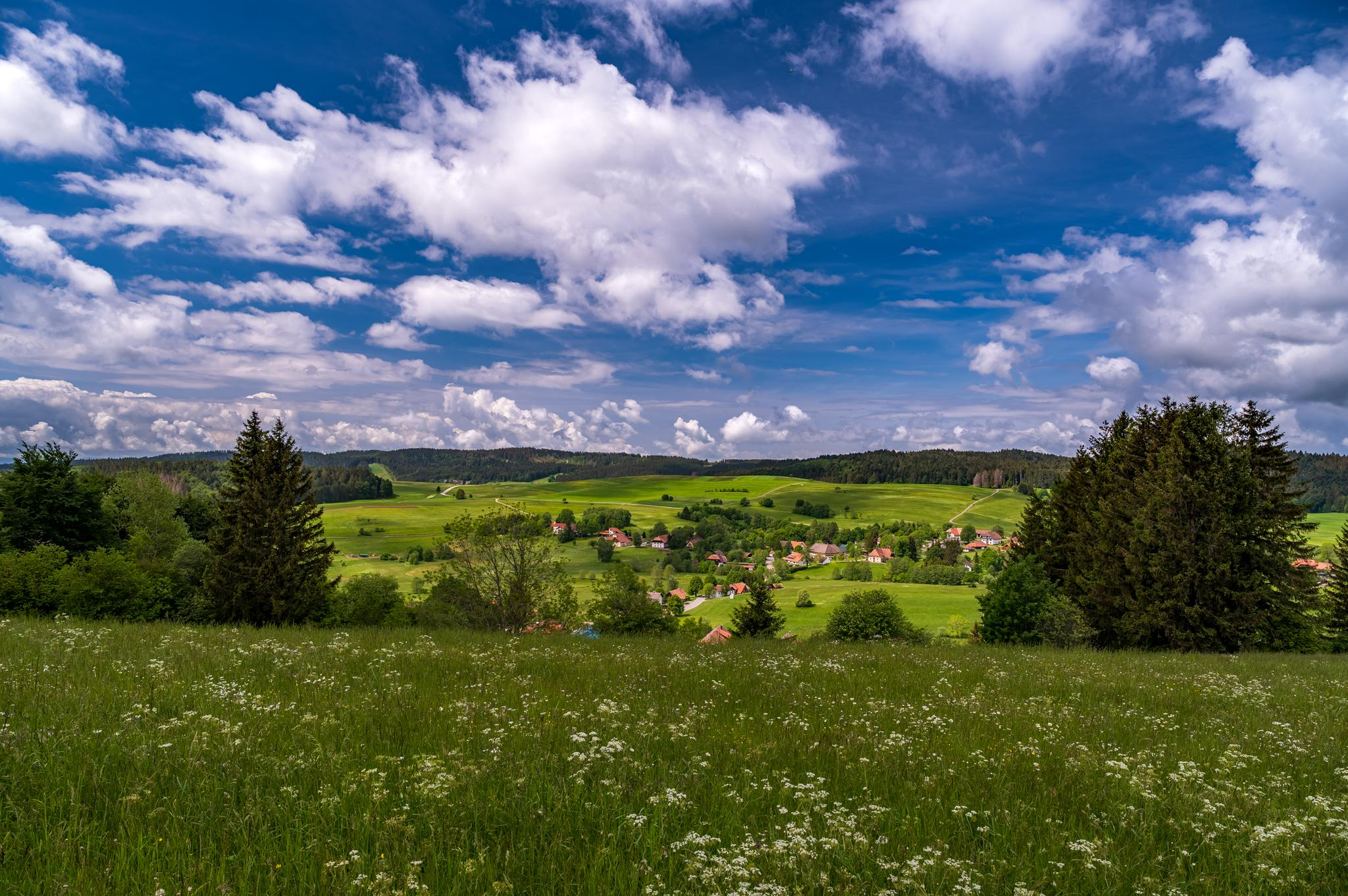
Village getaways in the Black Forest – small towns, great hiking
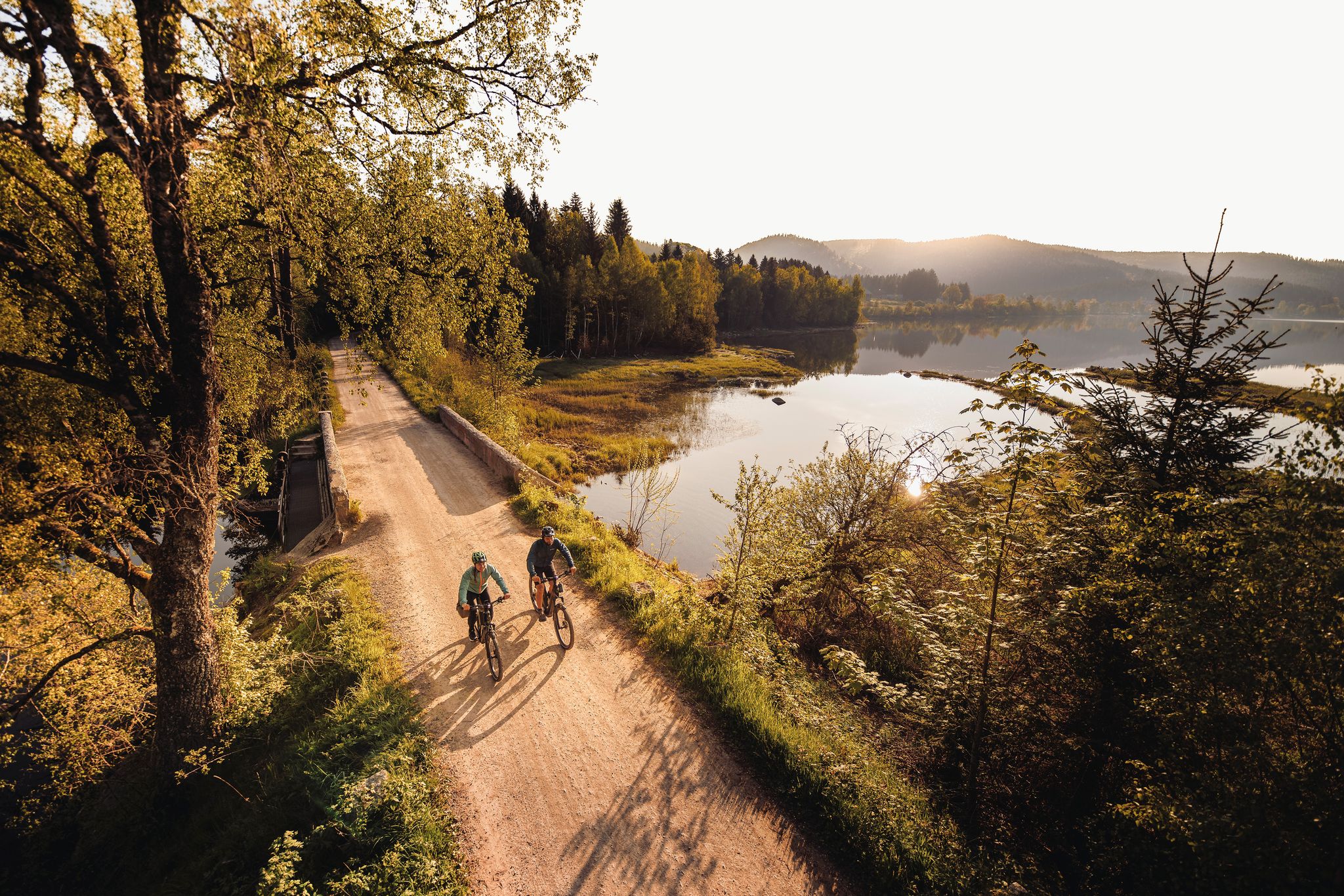
By the water – along the rivers and lakes of the Black Forest
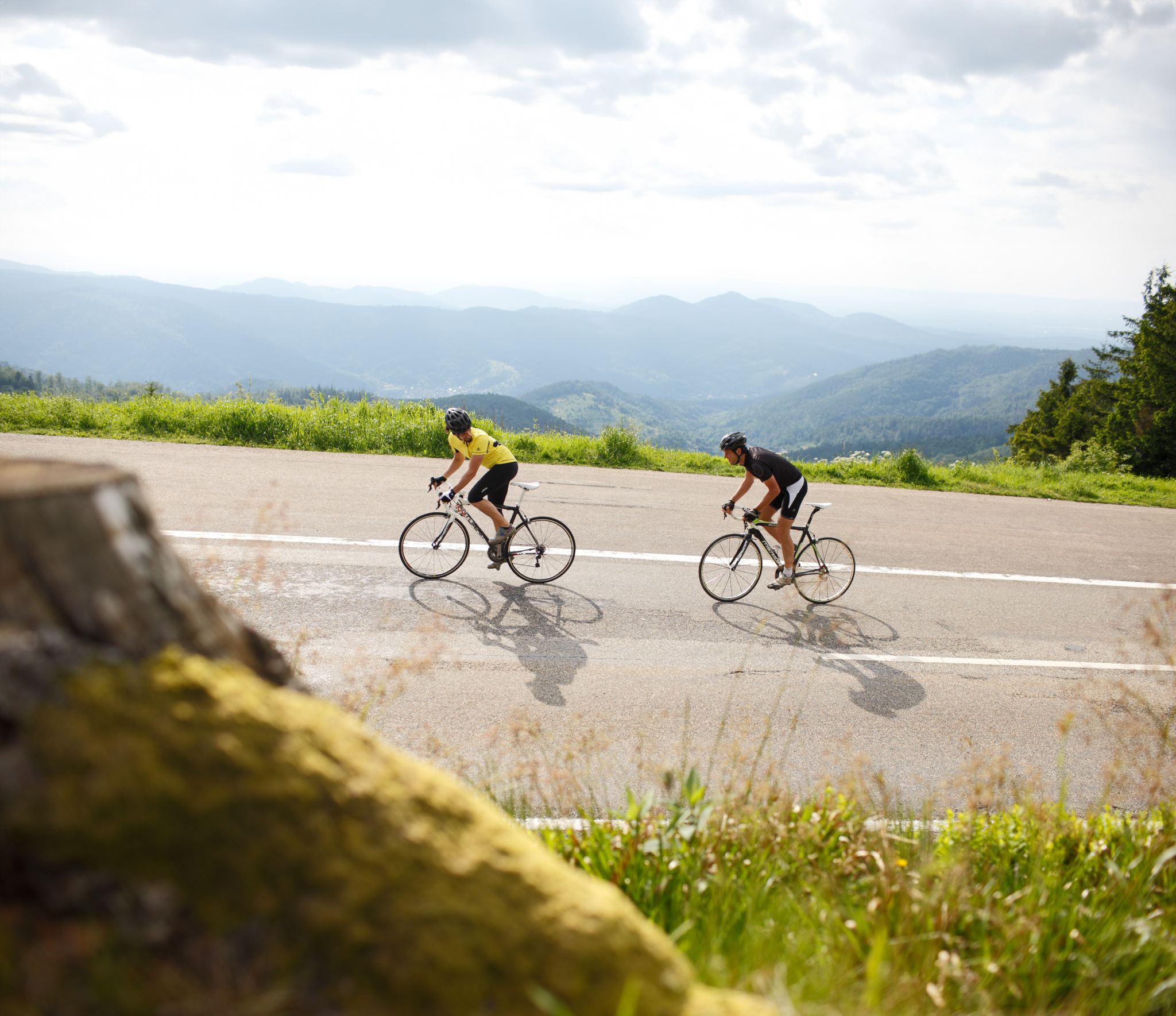
Experience the south of Germany on the Future Racing Bike Pros’ routes
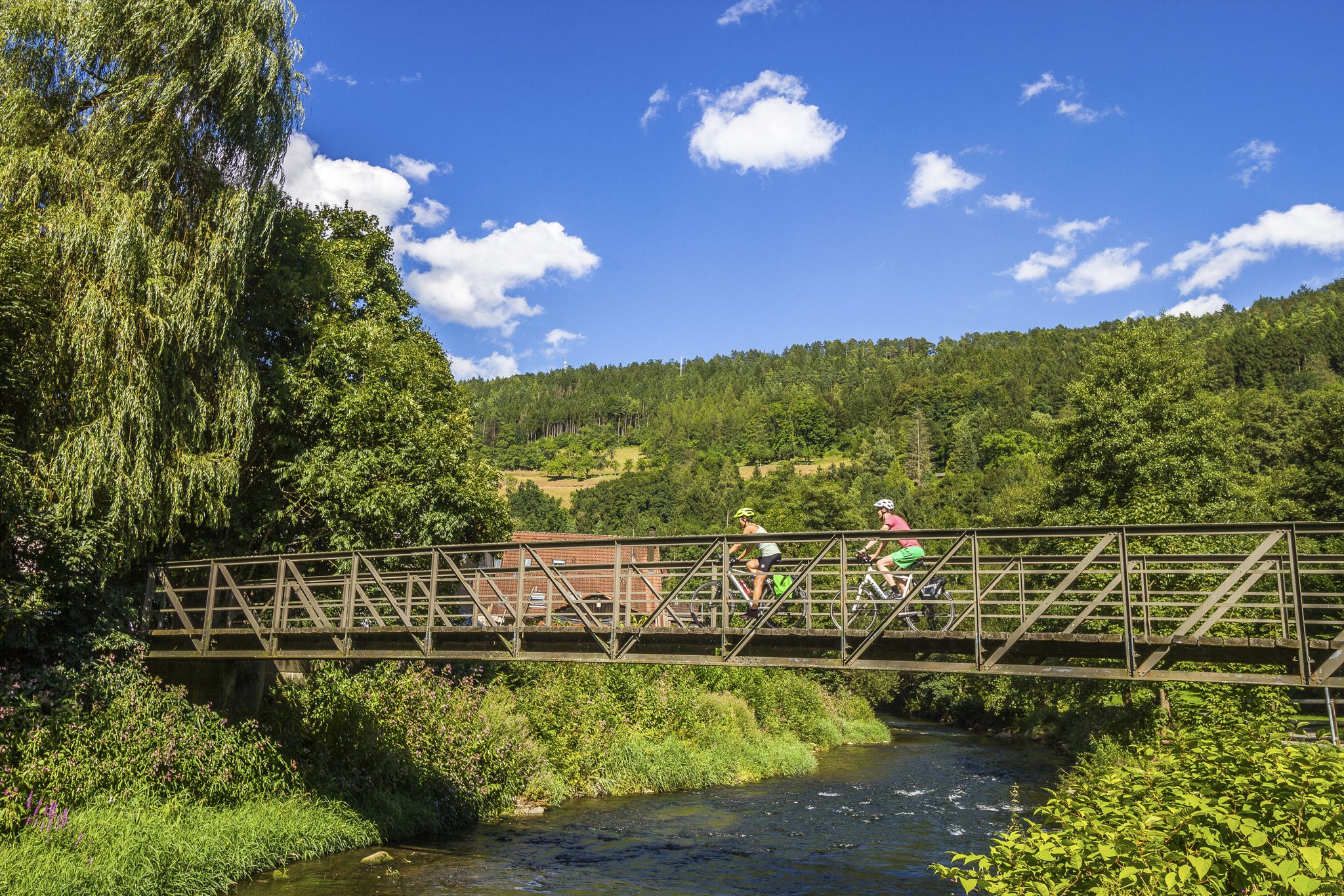
Biking the Black Forest: Our Favorite Long-Distance Rides
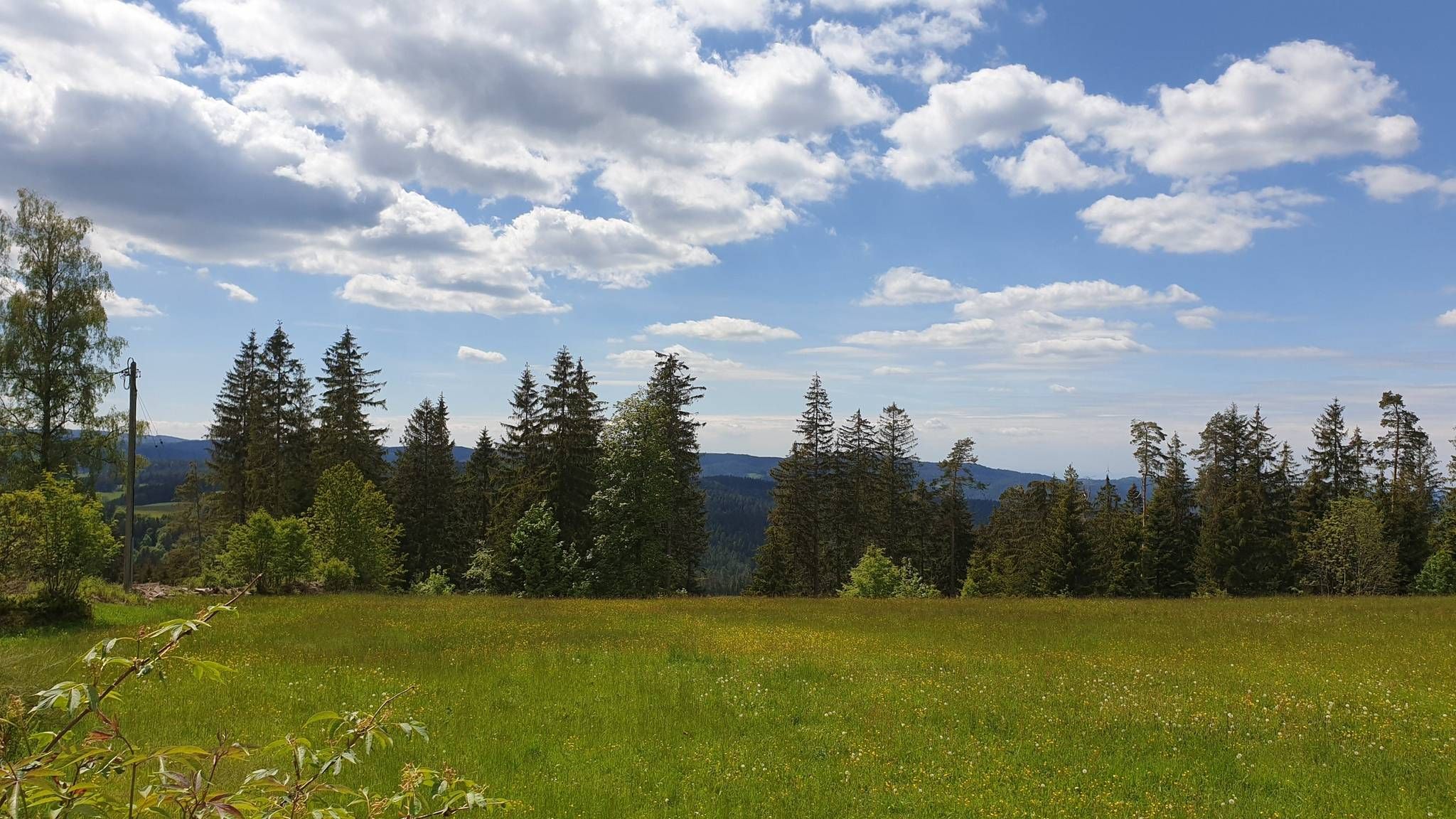
The Mittelweg of the Black Forest Association
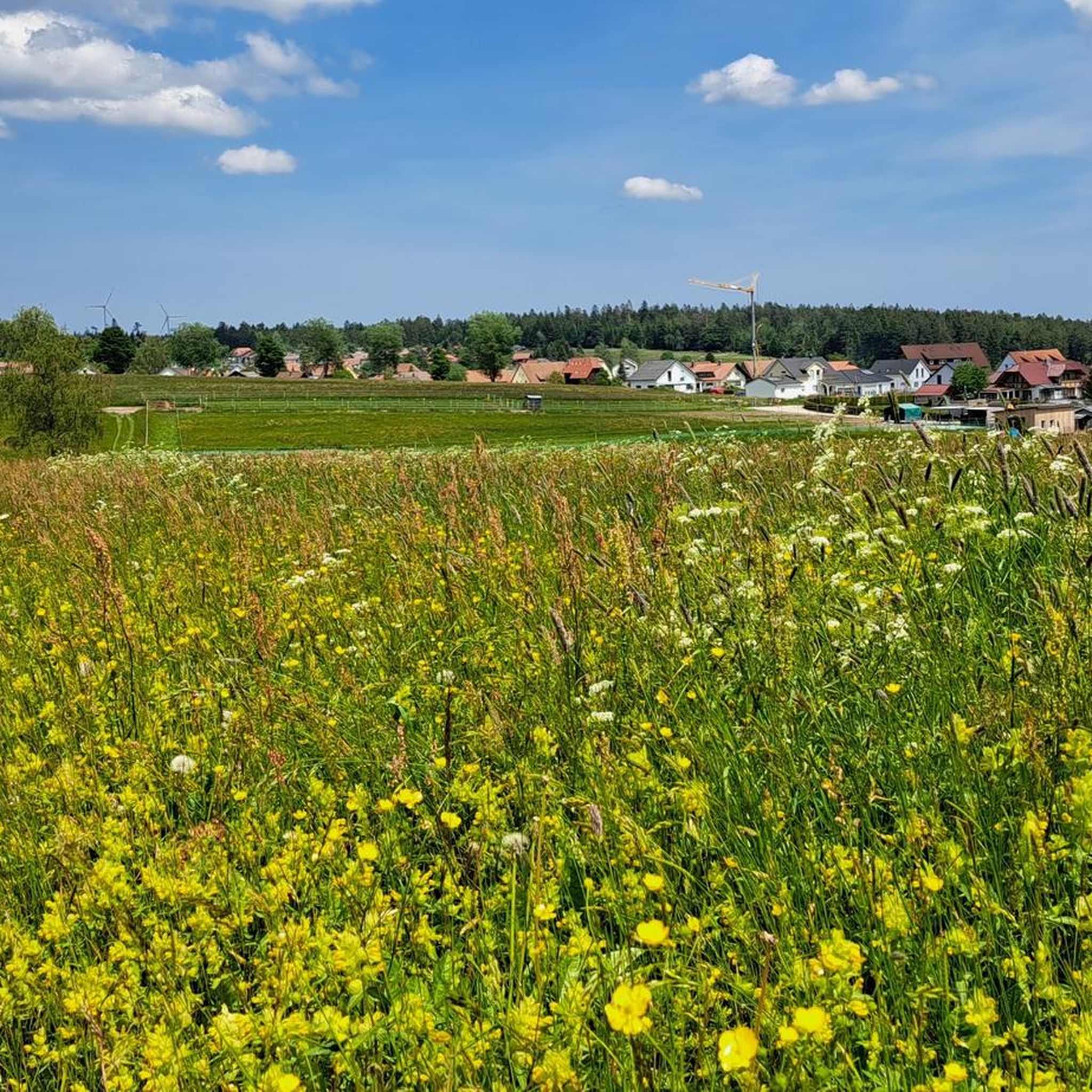
Hiking around Seewald
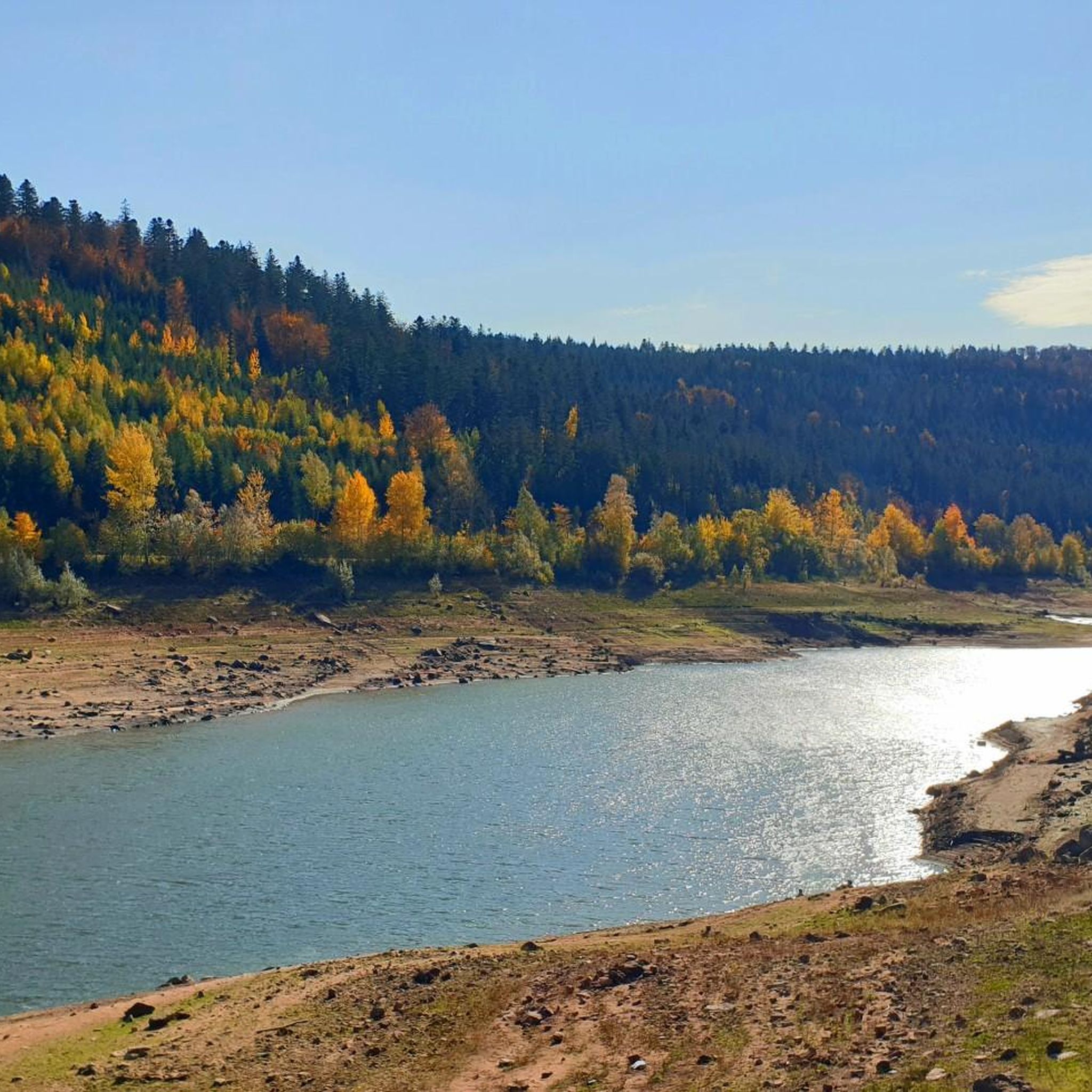
Cycling around Seewald
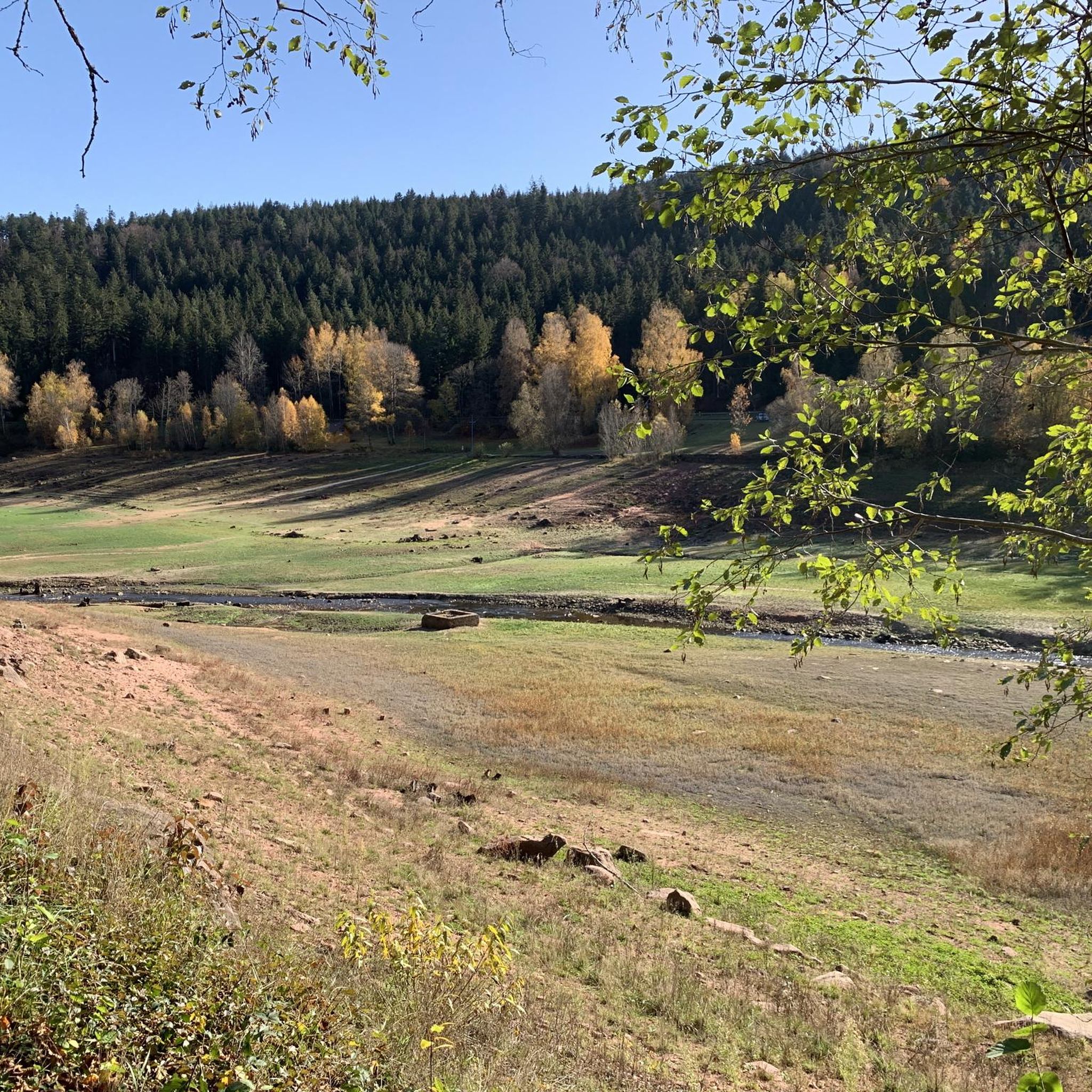
Road Cycling Routes around Seewald
MTB Trails around Seewald
Running Trails around Seewald
Other adventures around Seewald


Tips from the Community

High above the old town sits Altensteig Castle, whose impressive residential tower is considered the only castle in the Black Forest never destroyed to this day. The "Old Castle" in its present basic form was built as a defensive structure from around 1230. The flank towers "Himmel" (Heaven) and "Hölle" (Hell) and the late Romanesque shield wall bear witness to this. The bailiffs of the Counts Palatine of Tübingen and a collateral line of the Hohenbergs resided here. After the sale of the castle and dominion to the Margraves of Baden at the end of the 14th century, the ensemble became the seat of the Baden bailiffs, who inscribed their names on a window arch in the knights' hall. In 1604, Altensteig came to Württemberg from Baden through an exchange of territory. And the new rulers commissioned the "New Castle" around 1610.
2
0

The Mandelberg Castle, also called Mantelburg, is located on a wooded ridge in the middle of a deep forest, above the Waldachtal valley. The present-day path leads into the former moat of the castle and offers visitors the opportunity to circle the complex almost completely. Burg Mandelberg lies on a rock that was completely separated from its surroundings by a moat. The outer bailey was located in the moat, among other places. It included a small cave, which can still be visited today, as well as some buildings, of which foundations and meter-high walls are still recognizable. Via a zwinger with two defensive towers, which are still recognizable as stumps, one reaches the inner bailey. The inner bailey presents a similar picture to the outer bailey. The steeply sloping terrain once housed a palas, a well, a mighty curtain wall, and the keep. Further buildings may have existed due to the size of the open spaces. Today, all three mentioned buildings are still present, although they differ greatly in their state of preservation. The palas was built onto the southern outer wall and can be found up to a height of two meters or more. Due to the sloping terrain, it appears very stepped. The partially used bossed ashlar stones, which indicate a Staufen origin, are clearly recognizable. Besides a door frame with a washed-out threshold, some small windows can still be found. The palas probably had one or two stories. In the middle of the courtyard lies the old well. A grate adorns its top. Behind the well to the northwest, north of the keep, one encounters the old and thick curtain wall, which secured the castle towards the moat, and the remains of another small wall that might once have belonged to a building. The crowning glory of the castle is the rebuilt and restored keep, which with its proud height towers a few meters above the surrounding forest. It is still accessible today via its original entrance. A spiral staircase, consisting of a steel construction, leads there. In place of the former landing, then fastened and secured by still existing beam supports, a steel/concrete construction brings the visitor into the interior of the tower. Slightly above the entrance, further beam supports bear witness to a surrounding walkway. Source: https://burgenarchiv.de/burg_mandelberg_in_baden-wuerttemberg#kurzinfo
0
0
The Mandelberg Castle ruin, also called Mantelberg Castle ruin, is the ruin of a hilltop castle 570 m above sea level in the Bösingen district of the municipality of Pfalzgrafenweiler in the district of Freudenstadt in Baden-Württemberg, above the Waldach valley. The keep, used as a viewing tower, and parts of the foundation walls are still present. Archaeological excavations showed that a predecessor structure was built in the 11th century. The castle is first mentioned in documents in 1287. In 1385, Count Wolf von Eberstein bought the structure from Hans Müller von Mandelberg for 1000 guilders. As early as 1387, the owner was Margrave Rudolf of Baden. The castle itself burned down completely during the Peasants' Wars in 1525 and was not rebuilt. In 1970, the municipality of Pfalzgrafenweiler bought the building remains. The 35-meter-high keep was renovated and made accessible in 1975. Archaeological evidence could be provided for the destruction of the castle in 1525 mentioned in sources. No traces of the castle's use after 1525 could be found. The archaeological investigations revealed that the castle was built and expanded in three phases. The first structure, consisting of wooden or half-timbered buildings, was likely built in the late 11th century and used until the mid-13th century. Towards the end of its period of use, the much larger second castle was built. The complex had a almond-shaped floor plan with dimensions of 45 by 32.5 meters. In the west of the site stands the almost square keep, which is still preserved today. The wall from this tower to the north corner of the complex, presumably a shield wall, was added later, as was the wall adjoining the keep to the south. These walls supported a rampart walk. The inner buildings at the time could no longer be determined, as further expansion took place in the mid-15th century. A cistern was already built in the 14th century; during the expansion in the 15th century, a new palace was built in the south corner, and possibly a utility building in the north corner. The barbican on the east side was also likely built in the 15th century. This was later partially renewed. It is assumed that the castle was completely surrounded by a barbican by around 1500 at the latest. Source: https://de.wikipedia.org/wiki/Ruine_Mandelberg
0
0

The Mantelberg Castle was first mentioned in documents in 1287. At that time, the owners were the Müller von Mantelberg family, who, like some other families from the area, bore a golden fish on a black field as their coat of arms. In 1385, Reaf Wolf von Eberstein acquired the castle, and in 1389, Margrave Rudolf von Baden. Afterwards, it was a Baden fief in the possession of various notable nobles. The approximately 33-meter-high keep survived the destruction by the rebellious peasants in 1525. In 1973/74, it was structurally secured and made accessible by the municipality of Bösingen with subsidies from the district of Freudenstadt, the state of Baden-Württemberg, and the Überschwäbische Elektrizitätswerke.
0
0
The Fautsburg is a small spur castle that served as a refuge several times. It dates back to the 12th century and originally consisted of a small tower castle on a rock. It is separated from the mountain by a mighty moat, which was hewn out of the rock. The stones obtained during the construction of the moat were used to erect the tower, which is the only building still existing today. The Fautsburg hides today in deep forests and, even as a ruin, does justice to its function as a refuge both in terms of its structure and its atmosphere.
4
0

Beautifully situated in the forest
0
0

Great castle/fortress complex that offers a glimpse into the past.
1
0

A little hard to find, and unfortunately a little neglected. Very manageable. But still OK as part of the attraction on the Four Castles Trail.
3
0
Frequently Asked Questions
What types of historical structures can I find around Seewald?
The region around Seewald is rich in medieval history, featuring various historical structures. You can explore castle ruins, fortified towers, and hilltop castles. These sites offer insights into regional history and medieval architecture.
Are there hiking trails that include castle visits around Seewald?
Yes, several castles are integrated into hiking routes. For example, Fautsburg Tower is part of the approximately 10 km long "Historical Fautsburg Circular Walk," which features 21 information boards detailing local history, forestry, and charcoal making. Exploring these trails combines natural beauty with historical insights.
Which castles are particularly good for families?
While specific family-friendly activities vary, Berneck Castle is noted as family-friendly. Additionally, the "Historical Fautsburg Circular Walk" around Fautsburg Tower offers an educational and active experience suitable for families interested in history and hiking.
What can I expect when visiting Berneck Castle?
Berneck Castle is a medieval hilltop castle situated on a rocky spur. It's known for its natural protection from steep slopes on three sides and a high shield wall with a rampart. While the courtyard is not open to the public, its exterior offers a tangible connection to the medieval period and commanding views of the surrounding landscape.
Is Hornberg Castle accessible to the public?
Hornberg Castle, rebuilt in 1958, is now used as a forest school home. While it has historical significance, having served as a hiding place for reformer Johannes Brenz, its primary function today is educational. You can see the remains of the surrounding walls, the keep, and the foundation walls of the palace.
Are there any castle ruins to explore near Seewald?
Yes, the region features several ruins. Besides the remnants of Fautsburg Tower and Hornberg Castle, you can also explore the Rüdenberg Ruins. These ruins, hidden on a spur in the forest, consist of a tower stump, a moat, and a rampart, offering a glimpse into a small tower castle.
What outdoor activities are available near the castles?
The area around Seewald offers a variety of outdoor activities. You can find numerous running trails, mountain biking routes, and mountain hikes. For detailed information and routes, you can explore guides like Running Trails around Seewald, MTB Trails around Seewald, and Mountain Hikes around Seewald.
What is the best time of year to visit the castles around Seewald?
The Black Forest region, including Seewald, is beautiful throughout the year. Spring and autumn offer pleasant temperatures for hiking and exploring the historical sites. Summer provides longer daylight hours, while winter can offer a unique, serene experience, though some trails might be less accessible due to snow.
Are there options for food and drink near the castles?
While specific cafes directly at every ruin are rare, the region has options. For instance, Bear's Little Castle, also known as Bärenschlössle, is a historical building that contains a restaurant. Additionally, nearby towns and villages will offer cafes, restaurants, and accommodation.
Are the castles around Seewald dog-friendly?
Many outdoor areas and hiking trails in the Black Forest are dog-friendly, allowing you to explore the castle ruins with your pet. However, specific rules may apply to interior access or certain protected areas. It's always advisable to keep dogs on a leash and check local regulations for each specific site.
How can I reach the castles around Seewald by public transport or car?
Access to the castles and ruins around Seewald is generally possible by car, with parking often available near trailheads or the sites themselves. Public transport options may vary depending on the specific castle's location, often requiring a combination of bus services and walking to reach more remote sites. Planning your route in advance is recommended.
What do visitors enjoy the most about the castles around Seewald?
Visitors appreciate the blend of historical exploration and natural beauty. The opportunity to combine hiking with learning about local history, forestry, and medieval architecture is highly valued. The scenic viewpoints from structures like Fautsburg Tower and the historical significance of sites like Hornberg Castle are frequently mentioned highlights.
Most popular routes around Seewald
Most popular attractions around Seewald

Get inspired with the komoot mobile app


Explore more
Looking for the best castles somewhere else? Discover other guides around Seewald:
