Top 20 Castles around Münsing
Castles around Münsing offer a glimpse into Bavarian history and architecture, set against the backdrop of Lake Starnberg. This municipality in Bavaria features several historical sites, including notable castles that showcase distinct architectural styles and rich pasts. The region's natural landscape, characterized by its lakeside location, complements these historical structures. Visitors can explore a variety of castles, each contributing to the area's cultural heritage.
Best castles around Münsing
- The most popular castles is Höhenried Castle, a castle that features…
Last updated: May 9, 2026
View of Lake Starnberg and the Alps
Highlight • Viewpoint
Nice here.😉
Translated by Google •
Tip by

Possenhofen Castle
Highlight • Castle
Translated by Google •
Tip by

Sign up now to discover places like this
Get recommendations on the best single tracks, peaks, & plenty of other exciting outdoor places.
Sign up for free
Possenhofen Castle
Highlight • Castle
Translated by Google •
Tip by

Höhenried Castle
Highlight • Castle
Translated by Google •
Tip by

Seeseiten Castle
Highlight • Castle
Translated by Google •
Tip by

Sign up for free to discover even more castles around Münsing.
Sign up for free
Already have an account?
Start today with a free account
Your next adventure awaits.
Login or Signup
Popular around Münsing
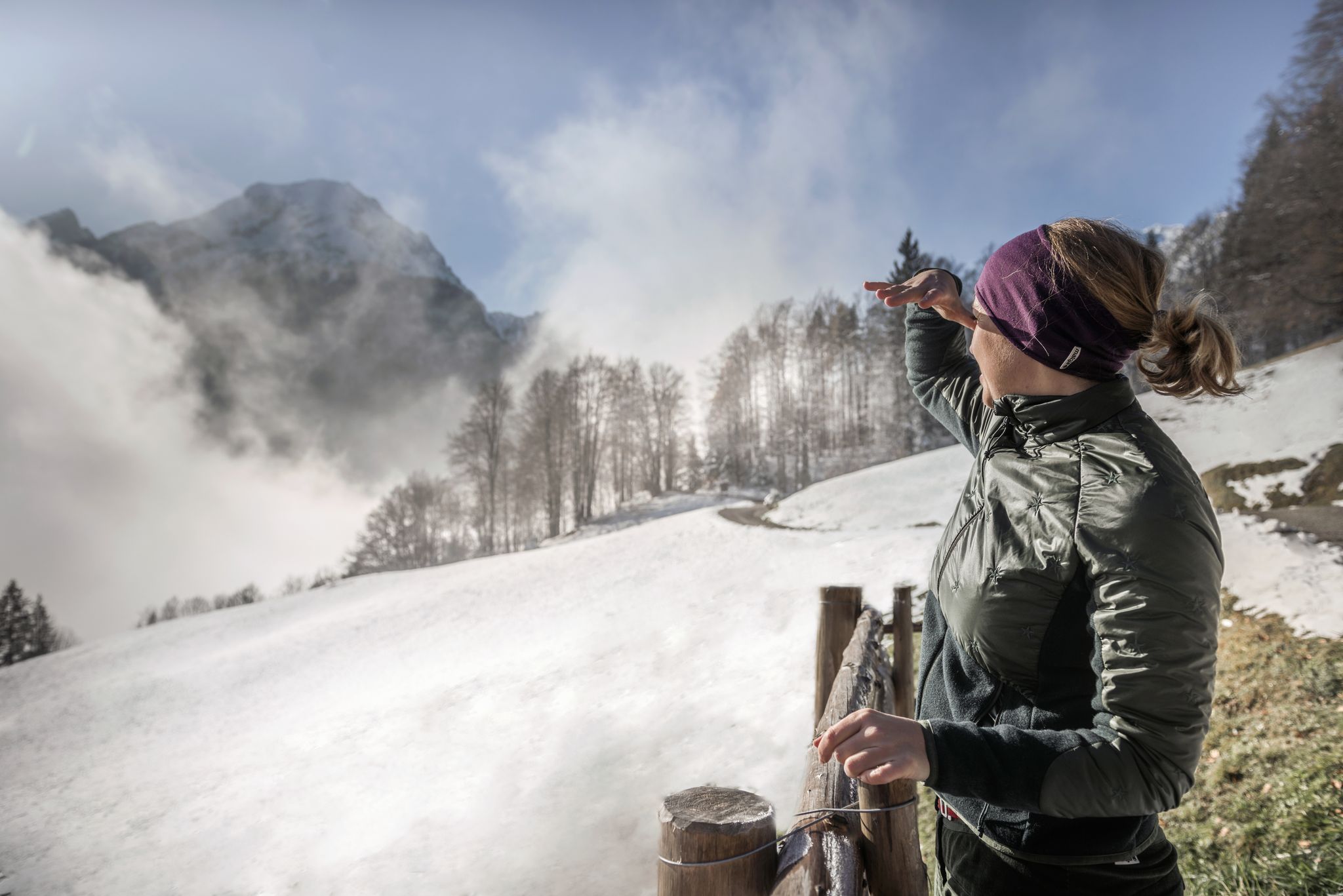
A snowy dream – winter hiking in Upper Bavaria
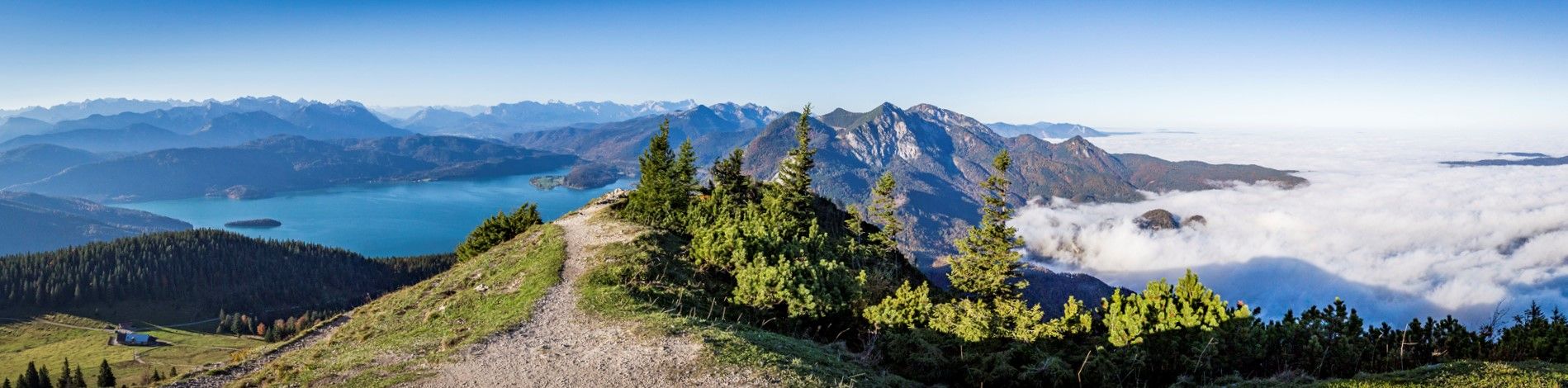
Fairytale landscapes & alpine foothills - hiking in the Tölzer Land in Bavaria
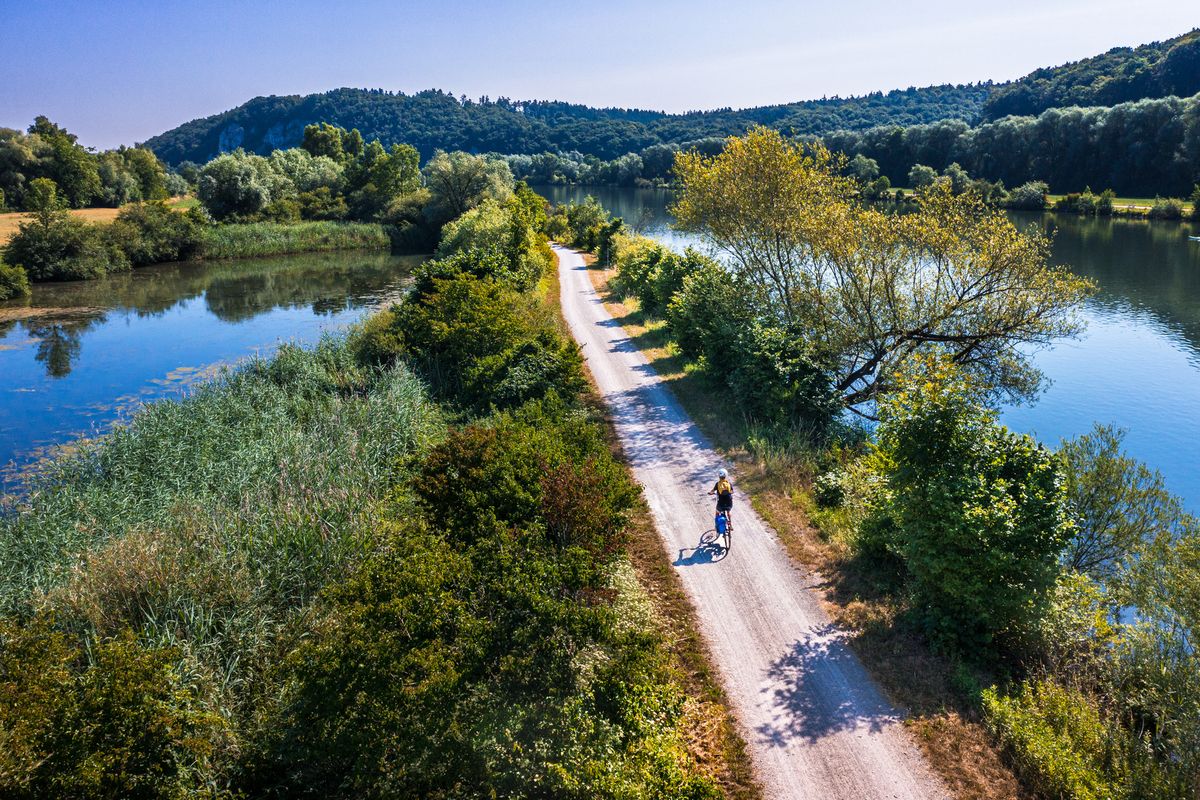
Cycling along rivers and lakes in Bavaria
Hiking around Münsing
Cycling around Münsing
Road Cycling Routes around Münsing
MTB Trails around Münsing
Running Trails around Münsing
Gravel biking around Münsing

Mountain Hikes around Münsing


Tips from the Community

In the 13th century, there was already a castle at this location. In 1515, a manor house was built, and in 1536, it was replaced by the castle. Between 1834 and 1854, a horseshoe-shaped building & a chapel were built next to the castle. Sissi spent her childhood here between 1837 and 1854.
3
0

From Tutzing, a magnificent view opens up of the glittering Lake Starnberg and the majestic Alps in the background.
2
0


The manor house is a castle-like cubic structure with suggested side wings and corner turrets in strictly symmetrical, late-classical forms, two-tone exposed brickwork with flat hipped and gable roofs. It was built in 1866/1867 according to plans by the architect Georg Dollmann,[1] who worked for Ludwig II from 1868 onwards and designed several palace buildings for him. The manor house is located on the shore of the lake amidst a large park landscape, which was first designed by the court garden director Carl von Effner.[6] Source: https://de.wikipedia.org/wiki/Schloss_Seeseiten
3
0
The former country house of Ludwig von der Pfordten was designed by Georg von Dollmann and built in 1866/67.[1] It is one of the largest and most important villas on Lake Starnberg. It was purchased in 1872 by Rudolf Knosp, a Württemberg commercial councillor and co-founder of the "Baden Anilin and Soda Factory" (BASF).[2] Through his daughter, the later Henriette Baroness von Simolin-Bathory (née Knosp), the castle came into the possession of her son Rudolf von Simolin-Bathory. He bequeathed it to his illegitimate daughter Rudolfine von Simolin-Bathory Domeneck, who married Captain Le Tanneux von Saint Paul. Francine Le Tanneux von Saint Paul married August von Finck Jr.;[3][4] thus the property came into the possession of the von Finck family.[5] Source https://de.wikipedia.org/wiki/Schloss_Seeseiten
4
1
Schloss Possenhofen is a castle complex consisting of the Old Castle, a cubic hipped roof building with four transverse corner towers, the New Castle, also called horseshoe building, and the castle chapel, which lies between the two structures and connects them via a corridor. The castle is located in the Possenhofen district of the municipality of Pöcking in the district of Starnberg, Upper Bavaria. Princess Elisabeth in Bavaria (also known as "Sisi"), the later Empress of Austria and Queen of Hungary, spent large parts of her childhood here, which later made the castle enormously famous. However, Schloss Fuschl am Fuschlsee in the Salzkammergut served as the scenery for the trilogy of "Sissi films". Source https://de.wikipedia.org/wiki/Schloss_Possenhofen
3
0


Right next to the boat ramp there is a small jetty, from where you have a great view of the jetty and Lake Starnberg
3
0
Frequently Asked Questions
Which castles around Münsing are known for their historical significance?
Münsing is rich in historical castles. Possenhofen Castle is particularly notable as the childhood home of Empress Elisabeth of Austria (Sisi). Another significant site is Seeburg Castle on Lake Starnberg, built in 1889 with a distinctive Neo-Romanesque style, and Schloss Ammerland, which includes a 16th-century Old Castle and a New Castle from the late 17th century with unique onion domes.
Are there any family-friendly castles to visit near Münsing?
Yes, Höhenried Castle is considered a family-friendly historical site, especially known for its beautiful Christmas markets. While many castles are privately owned, their grounds or nearby areas often offer pleasant walks suitable for families.
What kind of architecture can I expect to see among the castles in Münsing?
The castles around Münsing showcase a range of architectural styles. Schloss Ammerland features structures from the 16th and late 17th centuries, with the New Castle notable for its Wessobrunn School style and twin onion domes. Seeburg Castle on Lake Starnberg is a prime example of Neo-Romanesque architecture, characterized by oriels, turrets, and a keep.
Can I access the interiors of castles like Schloss Ammerland or Possenhofen Castle?
Many of the castles around Münsing, including Schloss Ammerland and Possenhofen Castle, are privately owned and generally not open to the public for interior tours. However, their exteriors and surrounding landscapes offer impressive views and historical insights.
Are there hiking trails near the castles around Münsing?
Absolutely! The region offers numerous hiking opportunities. You can find trails like the 'Oberambach Manor – Ambach Pier loop from Münsing' or the 'Bench With a View of the Alps – Holzhausen Village Fountain loop from Münsing' which allow you to explore the beautiful lakeside scenery and potentially catch glimpses of the castles. For more options, explore the Hiking around Münsing guide.
What outdoor activities can I do near the castles in Münsing?
Beyond exploring the castles, the area around Münsing is excellent for outdoor activities. You can enjoy hiking, mountain biking, and touring cycling. Trails like the 'Ammerland Beach – Seeburg Castle loop from Happerg' offer scenic routes. Discover more options in the MTB Trails around Münsing and Cycling around Münsing guides.
What do visitors enjoy most about the castles and surrounding area?
Visitors frequently praise the picturesque locations of the castles, especially those on Lake Starnberg. The historical significance, unique architecture like the onion domes of Schloss Ammerland, and the opportunity for scenic walks and bike rides are highly valued. Many also appreciate the well-maintained grounds and the overall tranquil atmosphere.
Are there any castles that offer impressive views of Lake Starnberg?
Yes, several castles provide stunning views of Lake Starnberg. Schloss Ammerland is situated directly on the lake's shores, and Seeburg Castle on Lake Starnberg also boasts a prime lakeside location. Seeseiten Castle is noted as one of the most beautifully located properties on the lake, offering a real gem to admire, often from a distance.
What is the best way to get to the castles around Münsing using public transport?
While specific public transport routes to individual castles can vary, Münsing itself is accessible. From there, local buses or walking/cycling routes can connect you to the castle areas. Planning your route in advance using local transport schedules is recommended.
Are there any cafes or restaurants near the castles in Münsing?
Yes, the charming municipality of Münsing and the villages surrounding Lake Starnberg offer various cafes and restaurants where you can enjoy local Bavarian cuisine and refreshments. You'll find options particularly in the main town of Münsing and along the lakefront.
Can I visit Schloss Seeburg on Lake Starnberg?
Seeburg Castle on Lake Starnberg is currently leased to “Wort des Lebens e.V.”, a Christian children's and youth organization. While the exterior and its impressive Neo-Romanesque architecture can be admired, public access to the interior for general tours is typically not available due to its current use.
Are there any castles around Münsing that are known for events or special markets?
Höhenried Castle is particularly well-known for its beautiful Christmas markets, which are a popular attraction in the region and shouldn't be missed if visiting during the festive season.
Most popular routes around Münsing
Most popular attractions around Münsing

Get inspired with the komoot mobile app


Explore more
Looking for the best castles somewhere else? Discover other guides around Münsing:
