Attractions and Places To See around Grünstadt - Top 20
Best attractions and places to see around Grünstadt, located in the Leiningerland region at the northern edge of the Palatinate Forest, offer a diverse range of experiences. The town is situated where the German Wine Route intersects the Autobahn A6, providing convenient access to historical landmarks, natural landscapes, and cultural sites. Visitors can explore extensive vineyards, significant historical structures, and various outdoor activity routes. This area combines natural beauty with a rich cultural heritage, making it a notable destination for…
Last updated: October 23, 2026
Ungeheuersee
Highlight • Lake
Translated by Google •
Tip by

Kriemhildenstuhl Roman Quarry
Highlight • Historical Site
Many display boards provide information on site about this cultural and historical highlight.
Due to the proximity to the city and the good …
Translated by Google •
Tip by

Sign up now to discover places like this
Get recommendations on the best single tracks, peaks, & plenty of other exciting outdoor places.
"Waldhaus Lambertskreuz" (PWV Lambrecht) with large outdoor area
Highlight • Mountain Hut
Class beer garden and other outdoor area.
Translated by Google •
Tip by

Limburg Monastery Ruins
Highlight • Historical Site
Translated by Google •
Tip by

Bismarck Tower on Peterskopf
Highlight • Monument
Showing Translation
Tip by

Sign up for free to discover even more attractions around Grünstadt.
Already have an account?
Start today with a free account
Your next adventure awaits.

Tips from the Community

A highlight for big and small
24
2

In contrast to the (red) quarries in the middle of the Palatinate Forest, sandstone on the Haardt edge is white and yellow! Many of the inscriptions/pictures that can be found on the walls are explained on a beautiful information board and marked with red arrows on the walls of the quarry. Horse pictures are particularly easy to recognize. These rock paintings come from the Roman legionnaires who worked in the quarry here. Also carved into the stone: a large memorial plaque for the Bad Dürkheim soldiers who died in World War I and all their names.
23
2

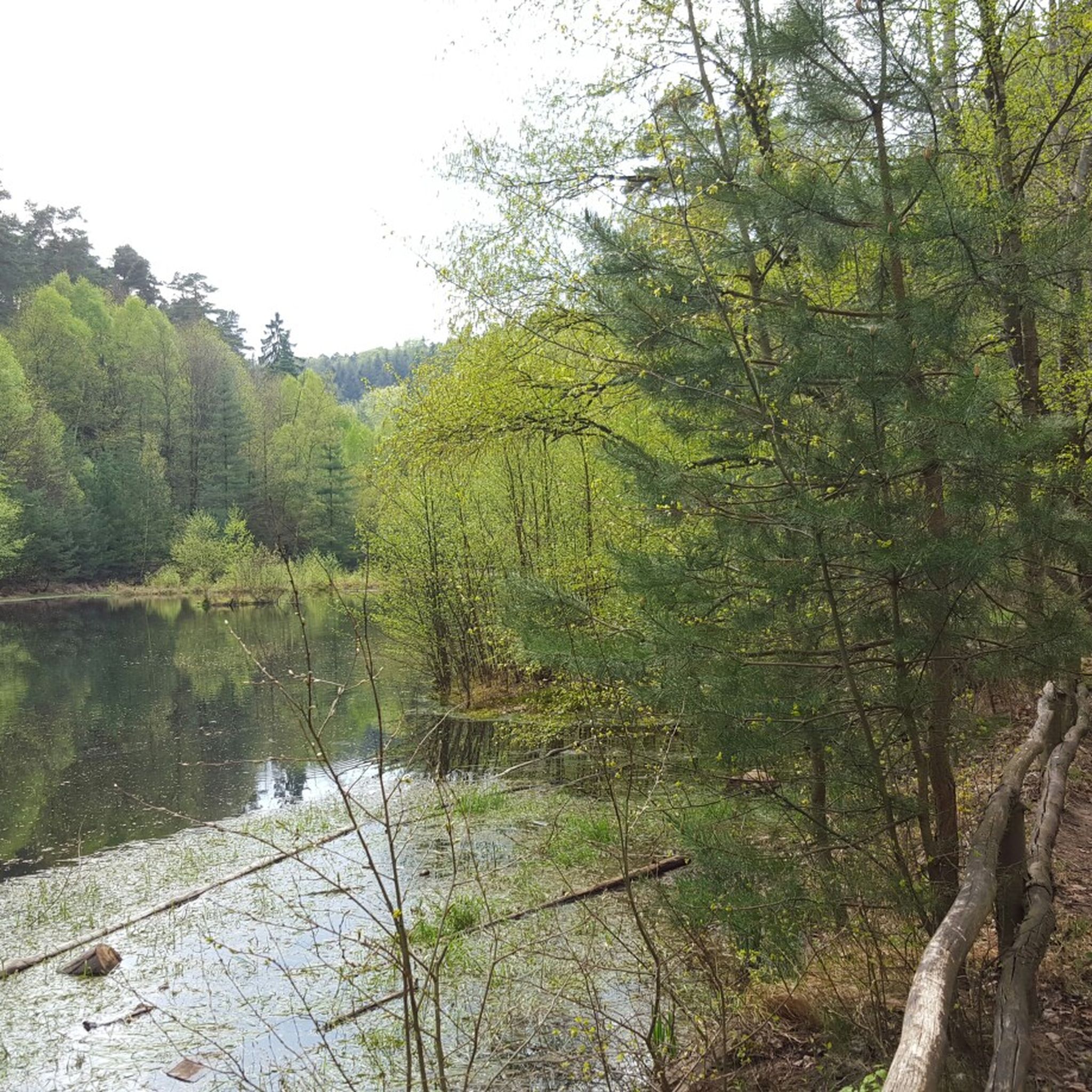
The Ungeheuersee in the Leininger Sporn, part of the northeastern Palatinate Forest, is a shallow pond that is fed by the Krumbach. The lake has been protected as a natural monument since the 1930s. It has been listed in the official register since 1971 with the list number ND-7332-195. Source: Wikipedia Height above sea level: 359 m Maximum depth: 1.8 m Height above sea level: 357 m above NHN Length: 140 m Circumference: 400 m
16
1

Impressive ruin - due to the well-preserved ruin, it is easy to get an idea of the former monastery.
12
1

THE biker destination in the Palatinate Forest, crossroads in all directions
8
0

Limburg is always worth a visit. Historically interesting, beautiful view and farmed.
14
0

Very beautiful, well-preserved monastery ruins near Bad Dürkheim. The Limburg Monastery (after its collapse often also called the Limburg Monastery Ruins, once the Abbey of the Holy Cross or Limburg Monastery on the Haardt) is a former Benedictine abbey that existed from the 11th century until the Reformation. It is located on the eastern edge of the Palatinate Forest in the area of the Rhineland-Palatinate district town of Bad Dürkheim. The Romanesque-style complex now only exists as a ruin. It is one of the largest and most important monuments of early Salian architecture. The Limburg Monastery Ruins are located in the Palatinate Forest Nature Park, exposed above the south bank of a left tributary of the Rhine, the Isenach, which breaks through the Haardt, the eastern edge of the Palatinate Forest, to the west of Bad Dürkheim and first enters the hilly country on the German Wine Route, then the Rhine plain. The complex is located on today's Limburgberg, which is 260.5 m high, northeast of the summit slightly below at a height of 245 to 250 m.[4] Outside the monastery grounds is the Haardtrand - Am Limburgberg nature reserve, founded in 1989 and covering around 12 hectares (area number: NSG-7332-109, World Database on Protected Areas - Haardtrand - Am Limburgberg The Limburg can be reached on foot via the Bad Dürkheim districts of Grethen and Hausen, and by car via the Seebach district. Surroundings
13
1

A very informative quarry, you can't get away here for the time being. So many types of rock and fragments, really great
15
1
Frequently Asked Questions
What unique natural sights can I explore near Grünstadt?
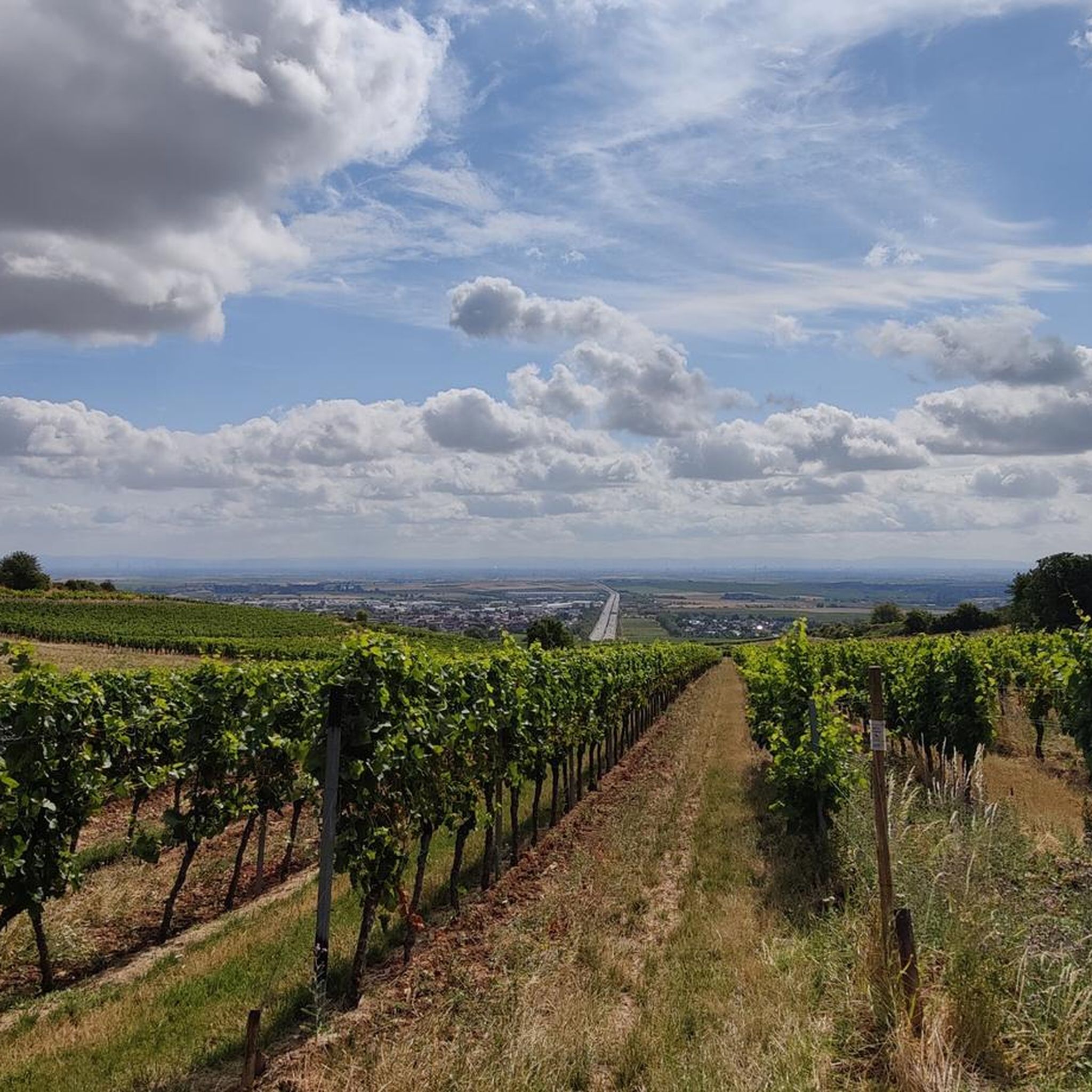
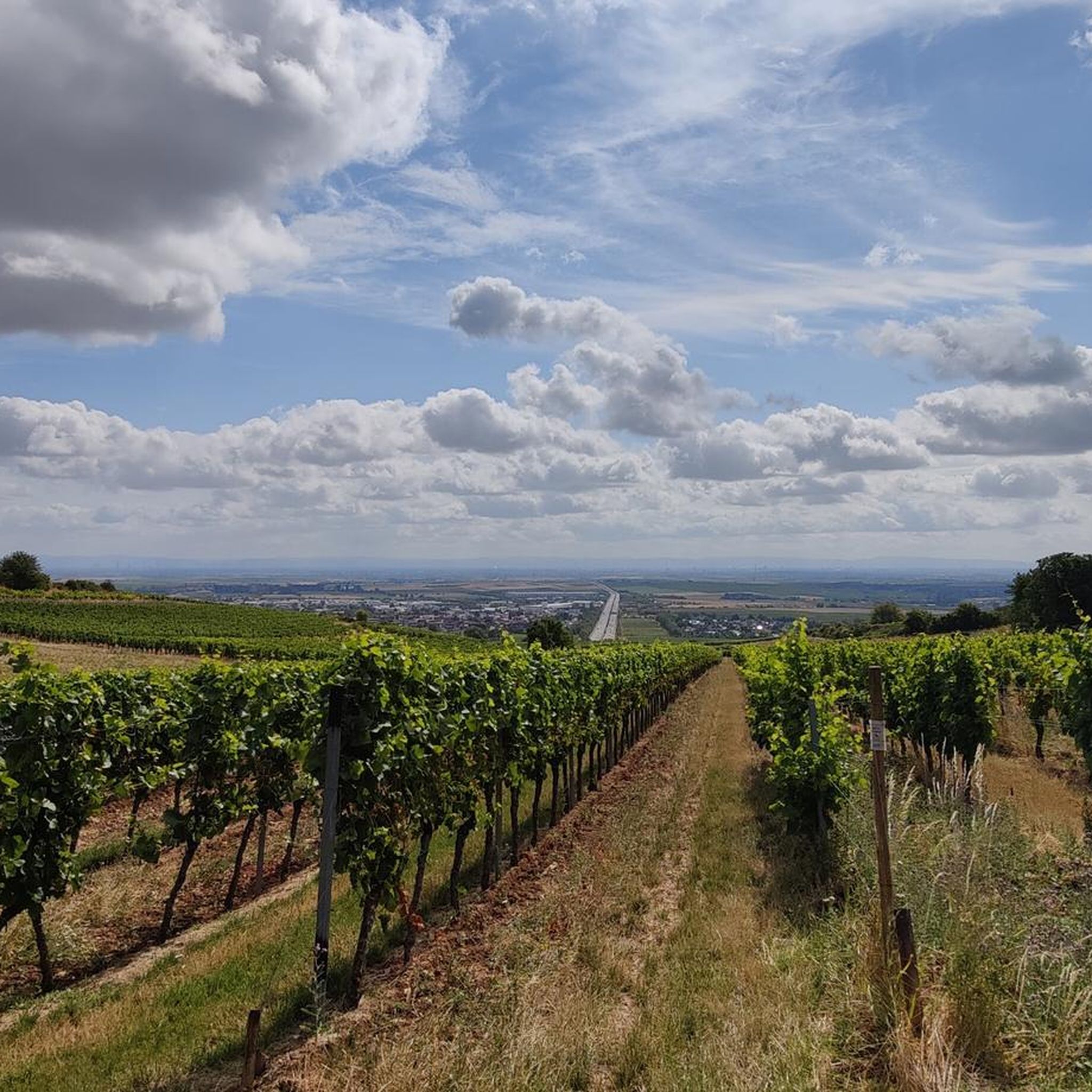
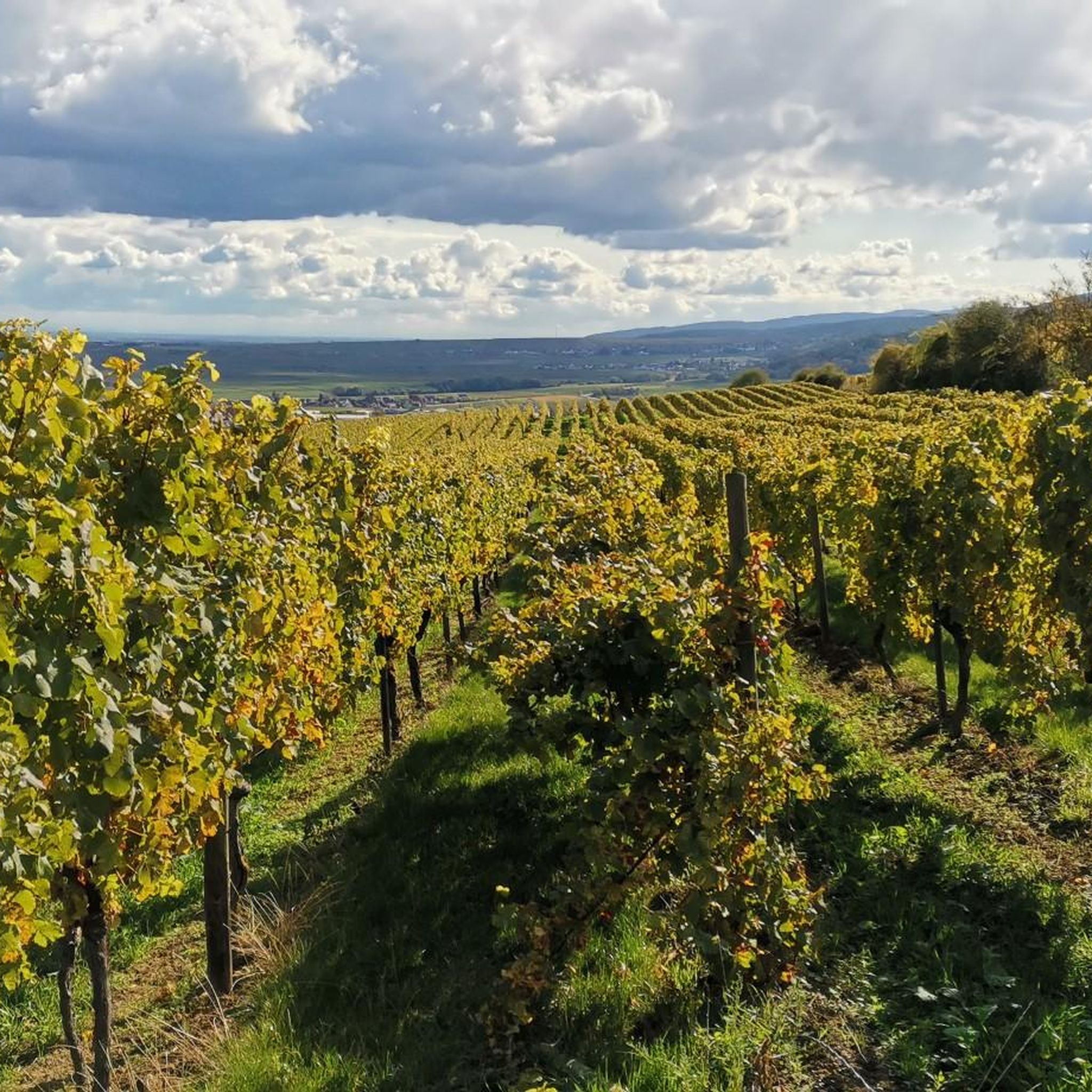
Near Grünstadt, you can discover the Ungeheuersee, a flat bog pond fed by the Krumbach. It's a protected natural monument and the only raised bog in this low mountain range, offering a very idyllic spot. The region is also known for its extensive vineyards and its location at the edge of the Palatinate Forest.
Are there historical sites to visit around Grünstadt?
Yes, Grünstadt and its surroundings are rich in history. A significant site is the Kriemhildenstuhl Roman Quarry, dating back to approximately 200 AD, where you can see rock paintings by Roman legionnaires. The town also features the Old Town Hall, Schloss Unterhof and Schloß Oberhof, and a beautifully preserved Baroque-style Jewish Synagogue.
What kind of hiking opportunities are available near Grünstadt?
The region around Grünstadt offers diverse hiking trails. You can explore routes like the Eckbach Mill Hike, which passes 23 historic mills, or the Palatinate Wine Trail, a 172 km path through vineyards and forests. The Leininger Klosterweg (Monastery Trail) is another premium option, and the 3 Castle Walking Route includes medieval castles like Altleiningen. For more options, check out the MTB Trails around Grünstadt guide, which also lists walking routes.
Can I go cycling around Grünstadt?
Absolutely. Grünstadt is located on the German Wine Route and offers excellent cycling opportunities. Popular routes include the 'Herb and Carrot Cycle Route,' extending for about 137 km through scenic forest countryside. You can find more detailed routes in guides like Gravel biking around Grünstadt and Road Cycling Routes around Grünstadt.
Are there family-friendly attractions around Grünstadt?
Many attractions around Grünstadt are suitable for families. The Kriemhildenstuhl Roman Quarry offers an educational historical experience. Natural spots like Ungeheuersee provide pleasant walks. The 'Waldhaus Lambertskreuz' (PWV Lambrecht) with its large outdoor area is a popular meeting point for hikers and bikers, offering a pleasant spot for a break.
What cultural experiences can I find in Grünstadt?
Grünstadt offers several cultural insights. Beyond the Roman Quarry, you can visit the Baroque-style Jewish Synagogue and the old Jewish cemetery. The town's location on the German Wine Route also provides a rich wine culture experience, with numerous vineyards and charming villages in the Leiningerland region.
When is the best time to visit Grünstadt attractions?
Grünstadt is enjoyable throughout the year, but the spring and autumn months are particularly pleasant. Spring (March-May) brings blooming vineyards and events like the Stabausstecken Festival. Autumn (September-November) is ideal for wine tasting and enjoying the vibrant colors of the Palatinate Forest. Summer offers warm weather for outdoor activities, while winter provides a quieter, often festive atmosphere.
Are there any viewpoints offering panoramic views near Grünstadt?
Yes, for impressive panoramic views, you can visit the Bismarck Tower on Peterskopf. This monumental observation tower, built from Palatinate red sandstone, offers a fantastic view of the Palatinate Forest and the Rhine plain when open. The Kriemhildenstuhl Roman Quarry also provides good views of Bad Dürkheim.
What is the 'Waldhaus Lambertskreuz' and what does it offer?
The 'Waldhaus Lambertskreuz' (PWV Lambrecht) is a popular hut and restaurant. It serves as a central meeting point for hikers and mountain bikers, offering a large selection on its menu, including local specialties, and features a pleasant outdoor area and beer garden.
Are there any unique local events or festivals in Grünstadt?
Grünstadt hosts the annual Stabausstecken Festival in March, which includes a 'Winterverbrennung' (Winter Burning) event, symbolically burning away winter. The town's location on the German Wine Route also means there are often local wine festivals and events throughout the year in the surrounding villages of the Leiningerland.
What is the significance of the German Wine Route in Grünstadt?
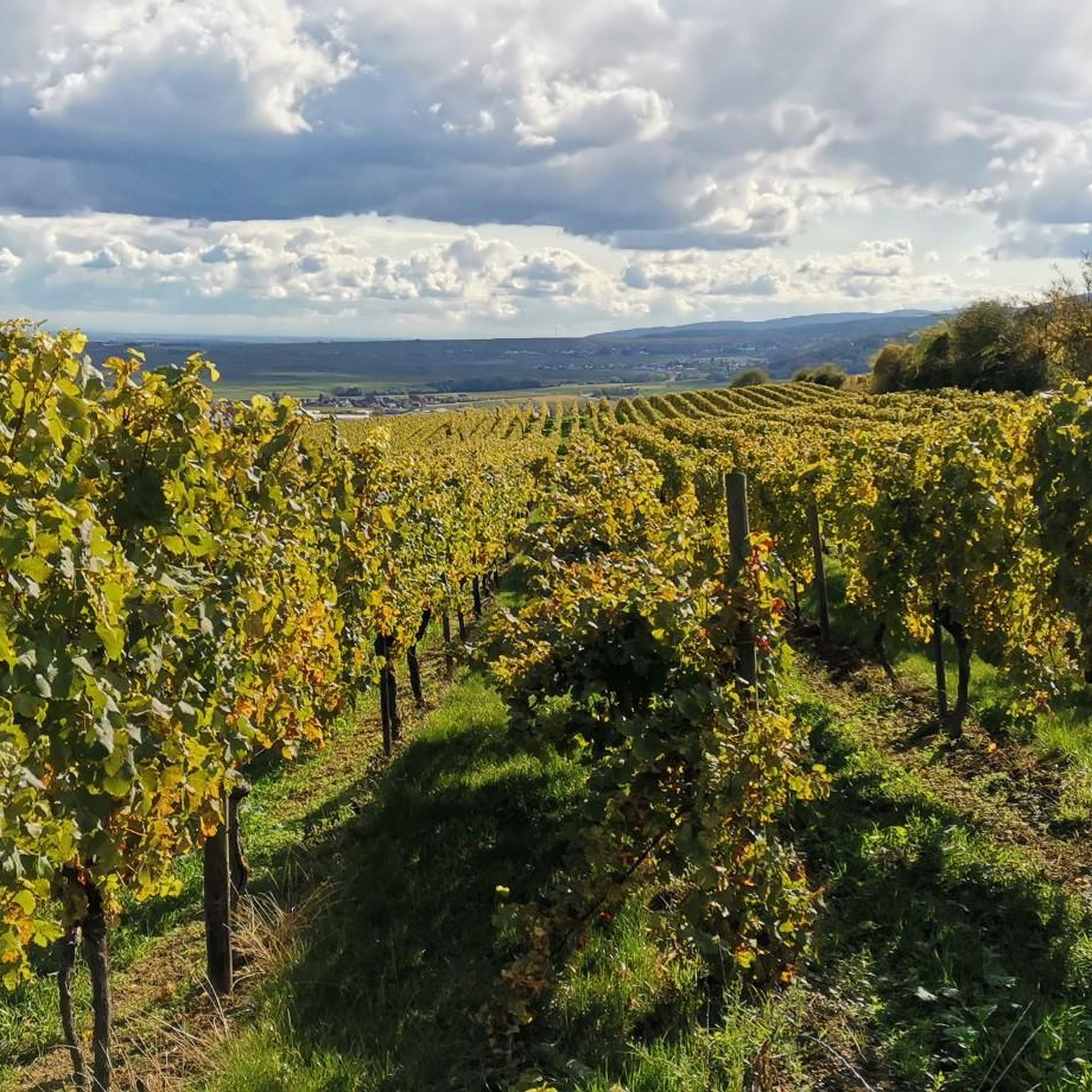
Grünstadt is strategically located where the German Wine Route intersects the Autobahn A6. This makes it an excellent base for exploring the famous route, which is characterized by extensive vineyards, charming wine villages, and opportunities for wine tasting. The route defines much of the region's landscape and cultural identity.
What is the Bad Dürkheim Graduation Tower?
The Bad Dürkheim Graduation Tower is a significant landmark in the nearby town of Bad Dürkheim. It's a large open-air inhalatorium where brine trickles down a wall of blackthorn branches, enriching the air with salt and minerals, similar to a sea climate. It's known for its health benefits and is a popular spot for relaxation.
Most popular routes around Grünstadt
Most popular attractions around Grünstadt

Get inspired with the komoot mobile app


Explore more
Still not found the Highlight you’re looking for? See guides of the top attractions in other regions:
