Attractions and Places To See around Axstedt - Top 20
Best attractions and places to see around Axstedt offer a blend of natural landscapes and cultural sites. The region, located in Lower Saxony, features renatured moorlands, such as the Hamberger Moor Nature Reserve, and historical landmarks. Visitors can explore protected areas with diverse flora and fauna, alongside local museums and historic mills. These varied points of interest provide opportunities for outdoor exploration and insight into local heritage.
Best attractions and places to see around Axstedt
- The most popular attractions is…
Last updated: May 11, 2026
Ströhe-Spreddig Local History Museum
Highlight • Historical Site
Translated by Google •
Tip by

Heilsmoor Nature Reserve Information Board
Highlight • Rest Area
Translated by Google •
Tip by

Sign up now to discover places like this
Get recommendations on the best single tracks, peaks, & plenty of other exciting outdoor places.
Sign up for free
Tanja’s Melkhus — Ice Cream & Dairy Shop
Highlight • Cafe
Translated by Google •
Tip by
Hamberger Moor Nature Reserve
Highlight • Natural
Translated by Google •
Tip by

Deelbrügge Watermill
Highlight • Monument
After several changes of ownership over the centuries, the mill was bought by the municipality of Beverstedt in 1991 and extensively restored between 1991 and 1995.
Translated by Google •
Tip by

Sign up for free to discover even more attractions around Axstedt.
Sign up for free
Already have an account?
Start today with a free account
Your next adventure awaits.
Login or Signup
Tips from the Community

Deelbrügge water mill The Deelbrügge watermill, located on the Lune and the L134 road between Beverstedt and Stubben, was first mentioned in 1497 in the so-called “Vörder Register” by the then Archbishop Johann Rohde from Bremen. She belonged e.g. d. Currently, like the neighboring farm, the castle men of Altluneberg. In 1927, the Deelbrügge farm with the water mill was bought by the Bremen merchant Reinhard Schmidt. The mill was then sold in 1991 by the grandson Lüke Schmidt and his wife Gertrud to the Beverstedt community for the symbolic price of one DM. After several new buildings and renovations, the current mill dates back to 1850 and was completely and successfully renovated by the Beverstedt municipality from 1991 to 1995. Until 1936 it was powered by a wooden water wheel, the design of which is almost identical to the current wheel.
1
0

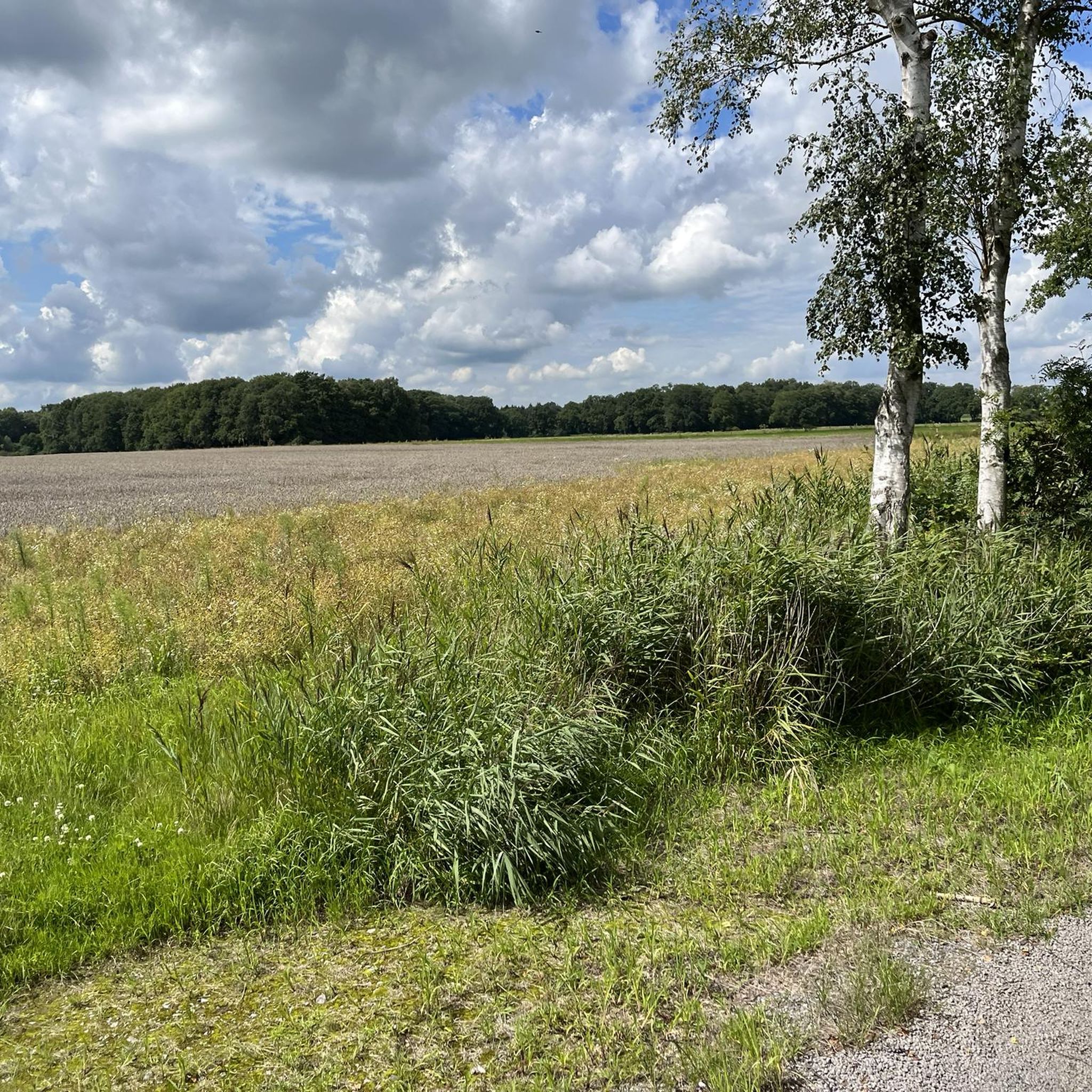
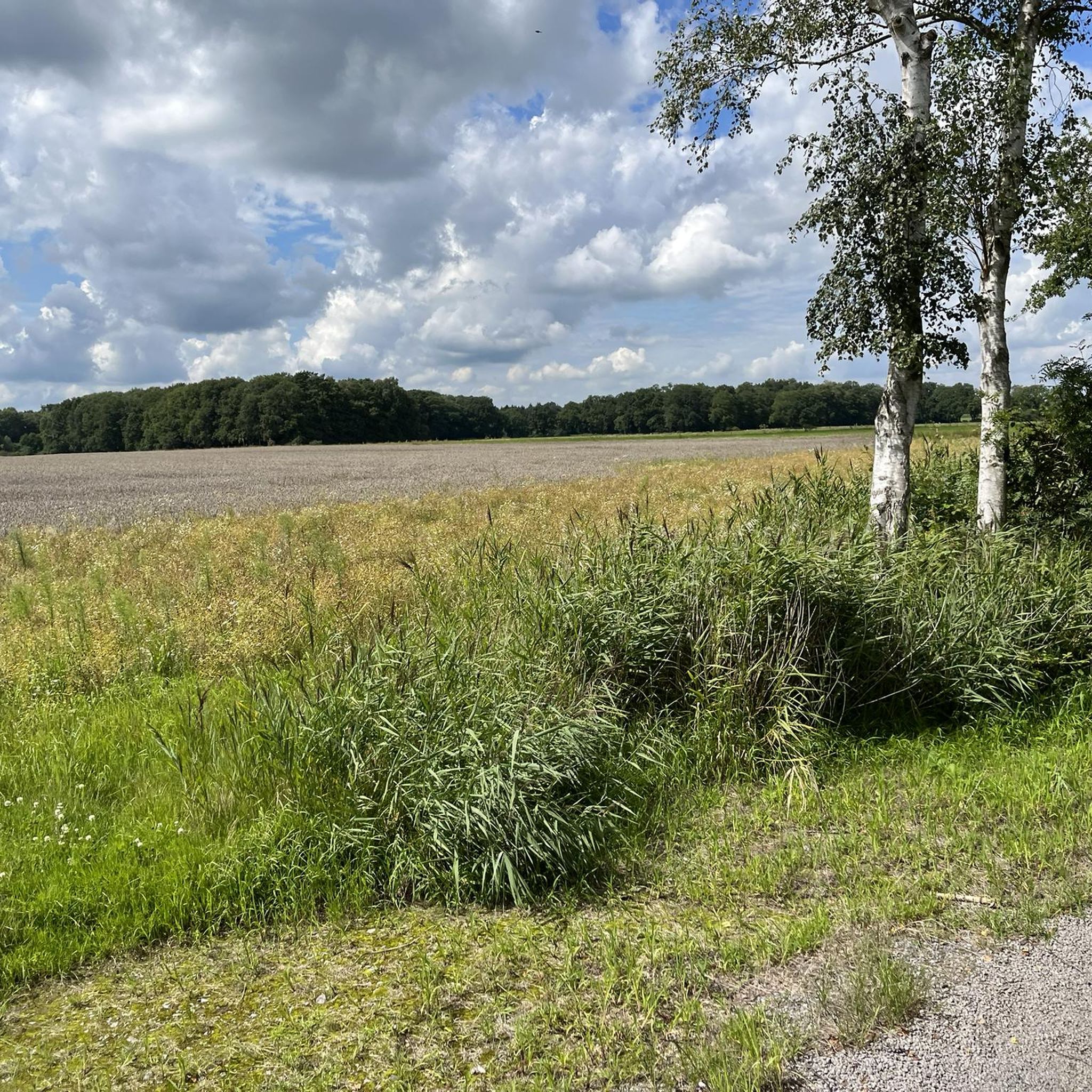
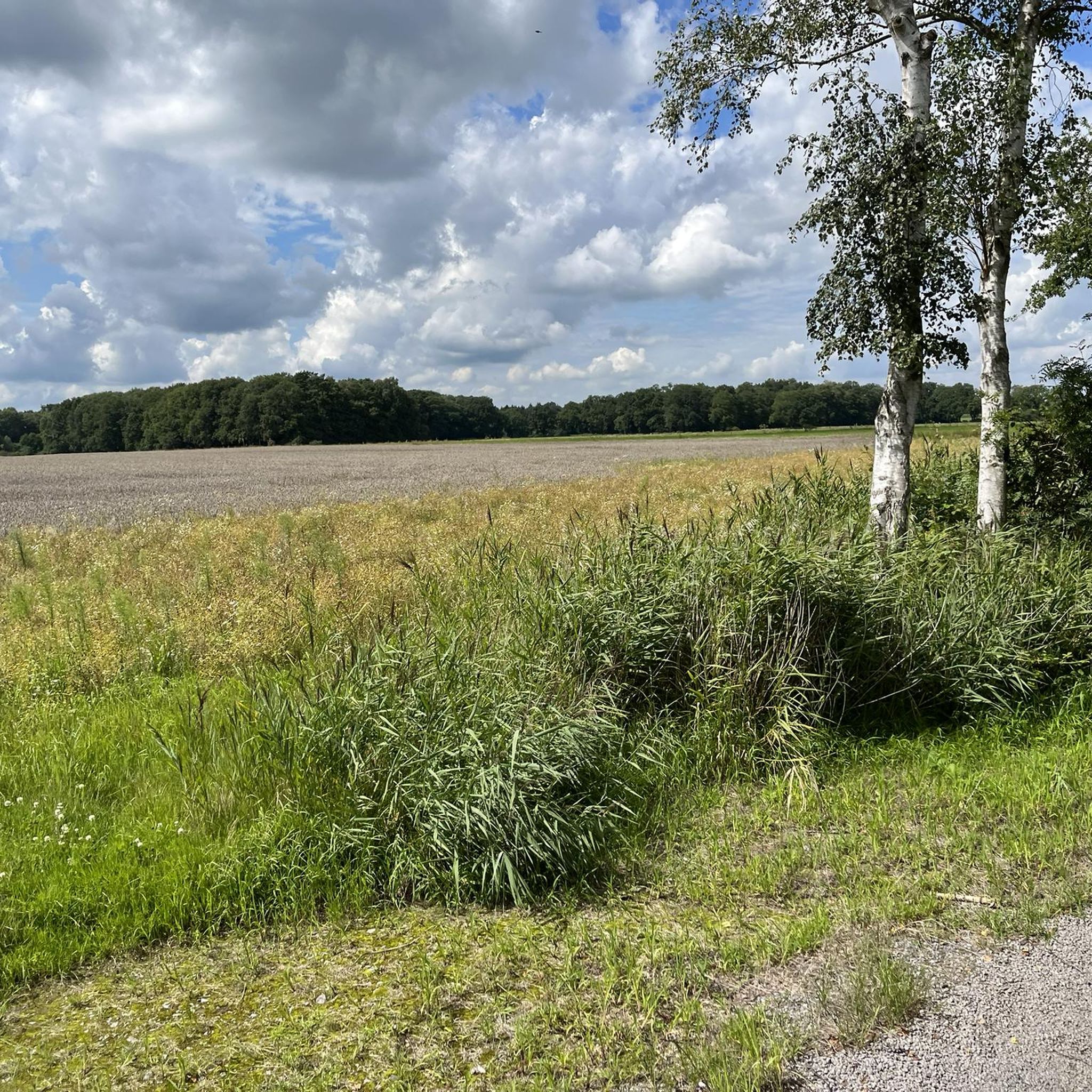
The wild bees are currently very active there. When you see the sign, you should immediately lower your gaze to the ground. There are small holes wherever there is open earth, including directly in front of the information board (please do not step on the bees). From a little distance you can easily see all the hustle and bustle just above the ground.
0
0

Melkhus: The standard rest stop for cyclists.
2
0

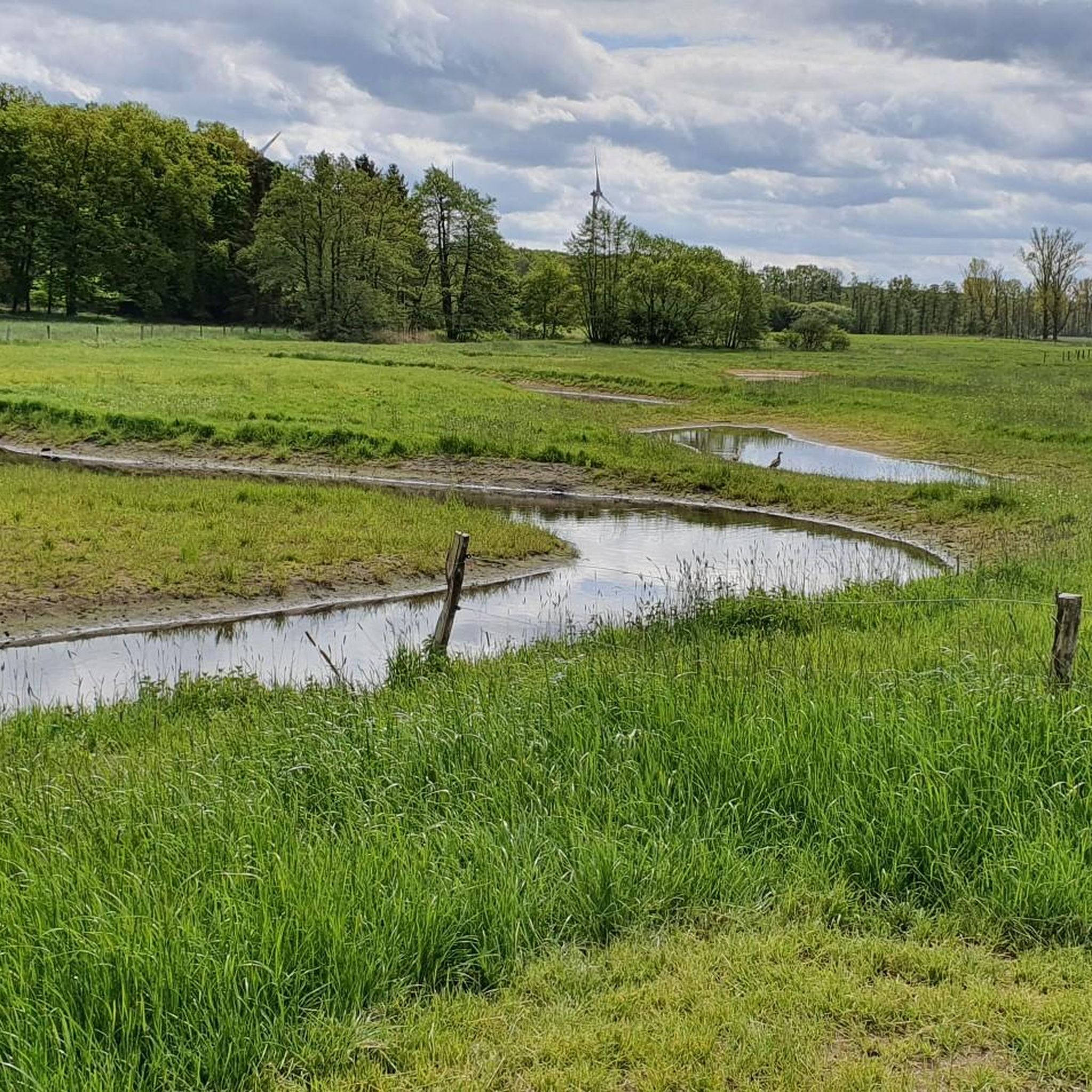
The Hamberger Moor is the wild and romantic part of the Teufelsmoor. Here you may encounter a shy adder or beautiful butterflies on lonely moor lakes. Tour guide Sigrid Grimsehl clearly explains how the moor was settled and the adverse circumstances associated with peat extraction and survival in the wet area. Guided tours after registration. Contact person: Sigrid Grimsehl, Tel.: 04793/8939 (Source: https://www.hambergen.de/portal/seiten/hamberger-moor-902000453-21001.html)
4
0

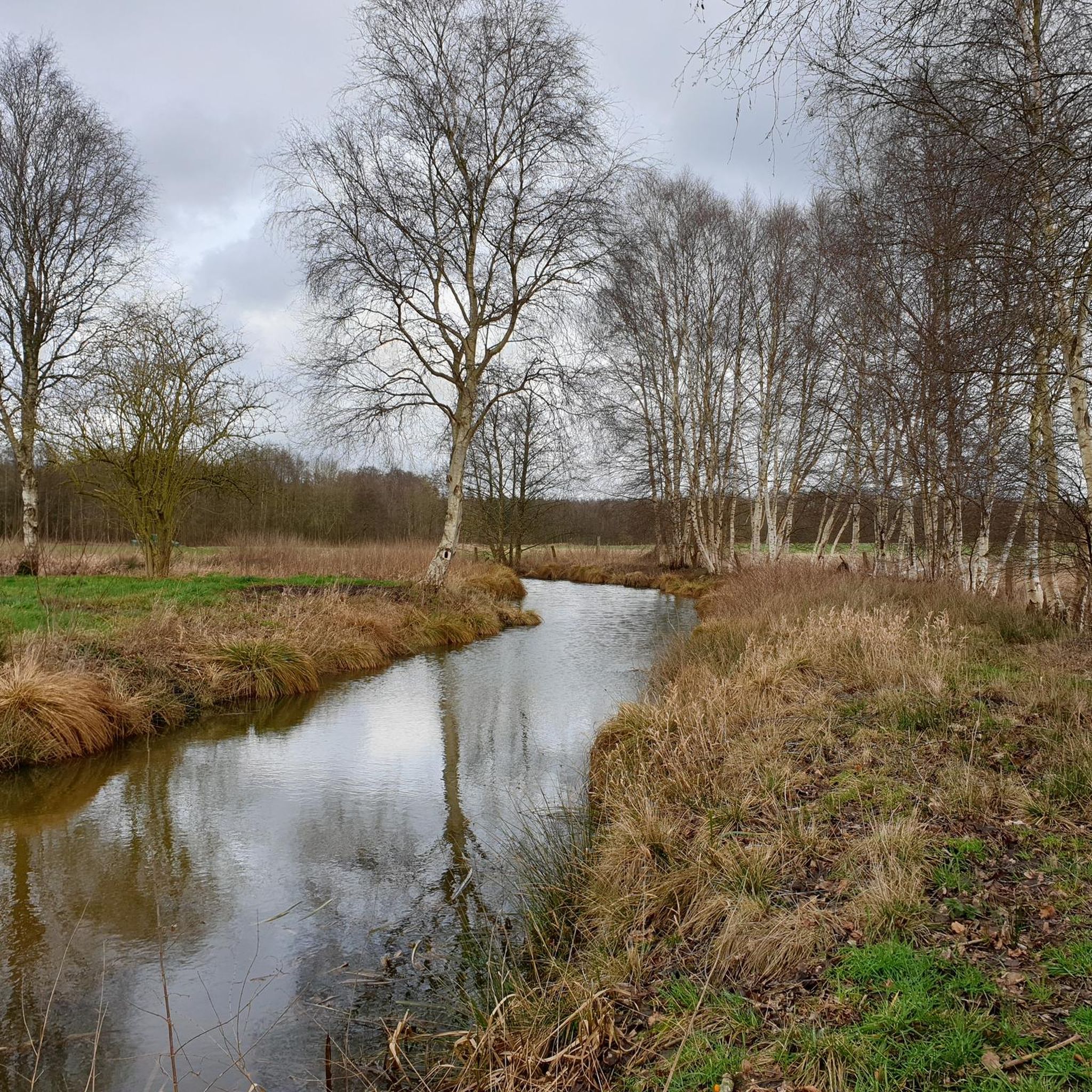
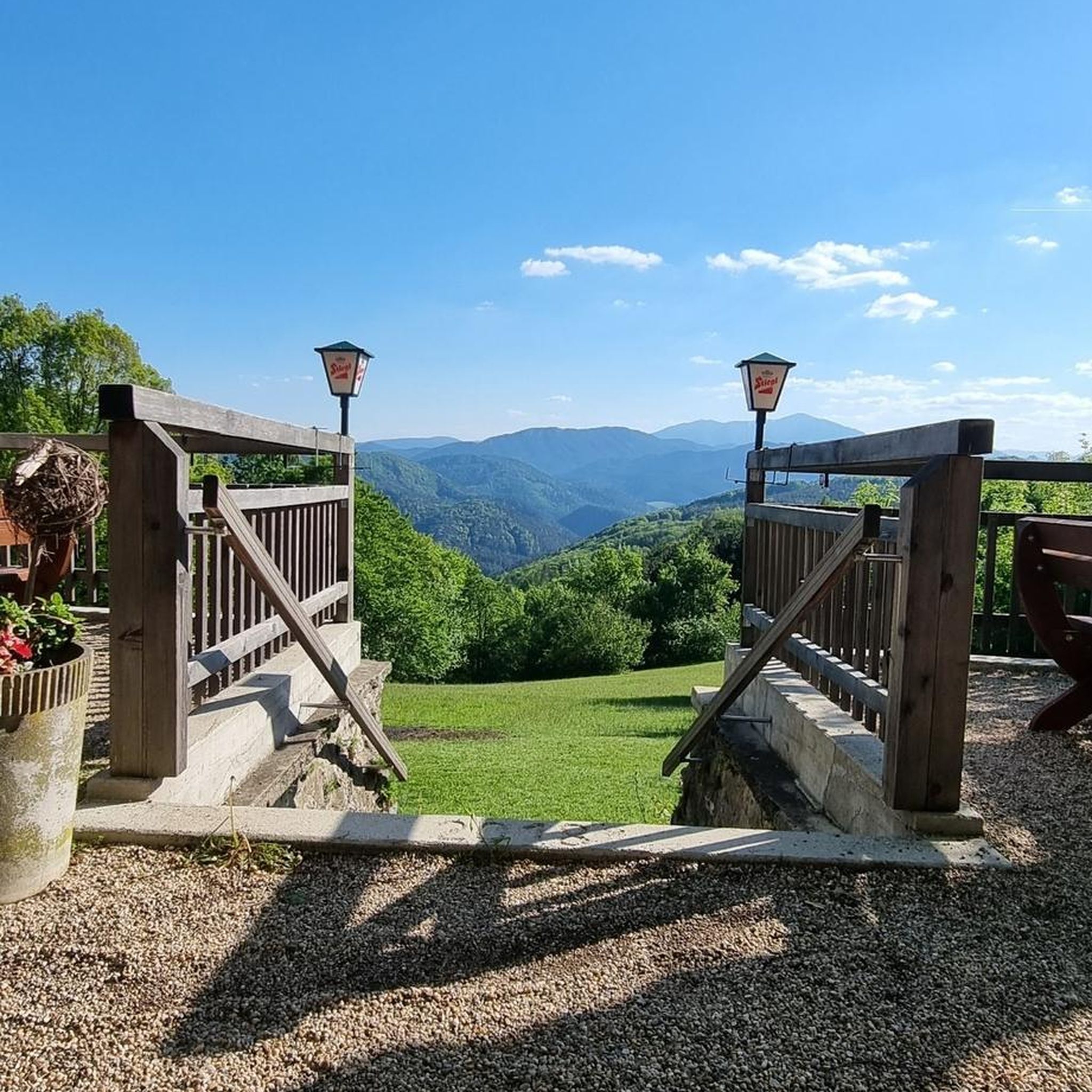
Pretty place, well suited for a rest by the water
1
0

The Deelbrügge watermill has been looked after by the Beverstedt local history association and its watermill working group for 25 years. Among other things, this is active at the mill on the third Saturday of each month from 2:00 p.m. Guests and interested parties are welcome. https://www.heimatverein-beverstedt.de/einrichtungen/wassermuehle-deelbruegge/
0
0

There's delicious ice cream, dairy products, coffee, eggs...
3
1

Without exaggerating the taste of a very good ice cream, we will definitely be back!
3
0
Frequently Asked Questions
What natural landscapes can I explore around Axstedt?
The region around Axstedt is rich in renatured moorlands. You can explore the Hamberger Moor Nature Reserve, where paths wind through birch and pine trees, ponds, and heather, offering opportunities to observe insects, amphibians, and carnivorous plants. Another significant area is the Heilsmoor, with an Information Board providing details on its flora and fauna and outlining hiking trails to the moor lake. Lower Saxony, where Axstedt is located, is known for its dense moor landscapes, crucial for rare species protection.
Are there any historical sites or cultural landmarks to visit near Axstedt?
Yes, Axstedt offers insights into local history and culture. The Ströhe-Spreddig Local History Museum, maintained by a local heritage association, features exhibitions with complete school equipment and looms. You can also visit the historic Deelbrügge Watermill on the Lune river, first mentioned in 1497 and extensively restored, which can still grind flour for demonstration purposes.
What are some family-friendly activities or attractions in the Axstedt area?
Many attractions around Axstedt are suitable for families. Nature reserves like the Hamberger Moor Nature Reserve offer easy paths for exploration. The Heilsmoor Nature Reserve Information Board provides an educational starting point for understanding local wildlife. For a sweet treat, Tanja’s Melkhus offers homemade ice cream from their own dairy farm, a perfect stop for all ages. The Ströhe-Spreddig Local History Museum also provides an engaging look into the past.
Where can I find a nice place for a break or a snack?
For a relaxing break, consider visiting Tanja’s Melkhus — Ice Cream & Dairy Shop. They offer delicious homemade ice cream with 14 different varieties made from their own dairy farm's milk, as well as cheesecake. It's open daily from April to October, making it an ideal seasonal stop.
Are there hiking trails near the attractions in Axstedt?
Yes, the natural reserves around Axstedt offer various hiking opportunities. The Heilsmoor Nature Reserve Information Board provides a map of hiking trails that lead to the moor lake. The Hamberger Moor Nature Reserve also features paths suitable for walking. For more extensive options, you can explore various running trails around Axstedt, which often double as walking paths.
What kind of cycling routes are available around Axstedt?
Axstedt is a great starting point for various cycling adventures. You can find numerous cycling routes, including easy tours like the 'Steden Megalithic Tomb (Tomb 2) – Lübberstedt Windmill loop'. For road cyclists, there are also several road cycling routes, such as the 'Findorffschanze – Tree-Lined Country Road loop'.
What is the best time of year to visit Axstedt's attractions?
The best time to visit Axstedt largely depends on your interests. For enjoying outdoor activities like hiking and cycling, and experiencing the natural beauty of the moorlands, spring through autumn (April to October) is ideal. During this period, seasonal spots like Tanja’s Melkhus are also open. The moorlands are particularly vibrant when heather is in bloom.
What makes the moorlands around Axstedt special?
The moorlands around Axstedt, including the Hamberger Moor Nature Reserve and Heilsmoor, are significant for their ecological value. Once used for peat extraction, these areas are now renatured and protected, housing rare animals and plants such as sphagnum moss, sundew, and cotton grass. They offer unique landscapes with paths through birch and pine trees, ponds, and heather, providing a glimpse into a crucial ecosystem.
Can I learn about local history and traditions in Axstedt?
Absolutely. The Ströhe-Spreddig Local History Museum is dedicated to preserving and showcasing local heritage. It features exhibitions on historical school equipment and looms, providing a tangible connection to past traditions. The museum is maintained by a local heritage association, often offering homemade cake and coffee when open, enhancing the cultural experience.
What do visitors enjoy most about the attractions around Axstedt?
Visitors particularly appreciate the blend of natural beauty and historical charm. The renatured moorlands, like the Hamberger Moor Nature Reserve, are loved for their peaceful paths and unique flora and fauna. Historical sites such as the Ströhe-Spreddig Local History Museum and the Deelbrügge Watermill offer engaging insights into the region's past. The community also enjoys the welcoming atmosphere of local spots like Tanja’s Melkhus for a refreshing break.
Is there a place to get information about the local nature reserves?
Yes, the Heilsmoor Nature Reserve Information Board is an excellent resource. It provides detailed explanations about the Heilsmoor's local flora and fauna, along with a map of the reserve and its hiking trails. It's a great starting point to understand the ecosystem before exploring the area.
Most popular routes around Axstedt
Most popular attractions around Axstedt

Get inspired with the komoot mobile app


Explore more
Still not found the Highlight you’re looking for? See guides of the top attractions in other regions:
