The best walks and hikes around Groß Quenstedt
4.6
(3007)
10,943
hikers
508
hikes
Hiking around Groß Quenstedt offers access to the diverse natural landscapes of the Harz region in Saxony-Anhalt, Germany. The area is characterized by extensive forests, deep river valleys, and unique rock formations. Hikers can explore a mix of deciduous, mixed, and coniferous forests, alongside deeply incised valleys with river courses. Notable geological features include the Teufelsmauer and the Klusfelsen, providing varied terrain for outdoor activities.
Best hiking trails around Groß Quenstedt
- The most popular hiking route is Fünffingerfelsen – Viewpoint…
Last updated: August 20, 2026
3.0
(1)
6
hikers
7.54km
01:55
20m
20m
Easy hike. Great for any fitness level. Easily-accessible paths. Suitable for all skill levels.
4.0
(1)
8
hikers
Moderate hike. Good fitness required. Easily-accessible paths. Suitable for all skill levels.

Sign up for free
8
hikers
4.83km
01:16
40m
40m
Easy hike. Great for any fitness level. Easily-accessible paths. Suitable for all skill levels.
4.0
(2)
6
hikers
Moderate hike. Good fitness required. Easily-accessible paths. Suitable for all skill levels.
5.0
(1)
4
hikers
Moderate hike. Good fitness required. Easily-accessible paths. Suitable for all skill levels.
Get access to more routes and recommendations from other explorers.
Sign up for free
Already have an account?
Our route recommendations are based on thousands of hikes, rides, and runs completed by other people on komoot.
Start today with a free account
Your next adventure awaits.
Login or Signup
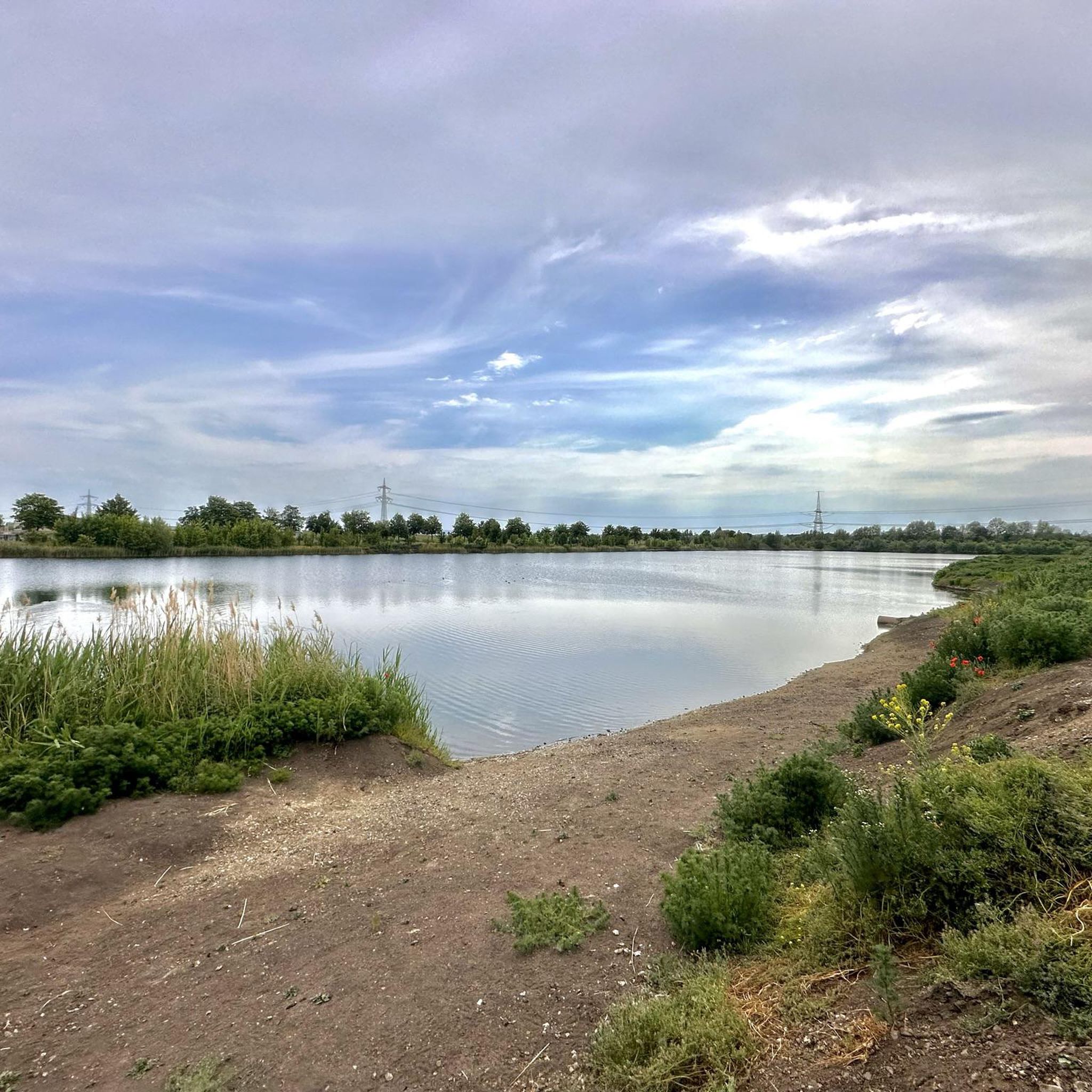
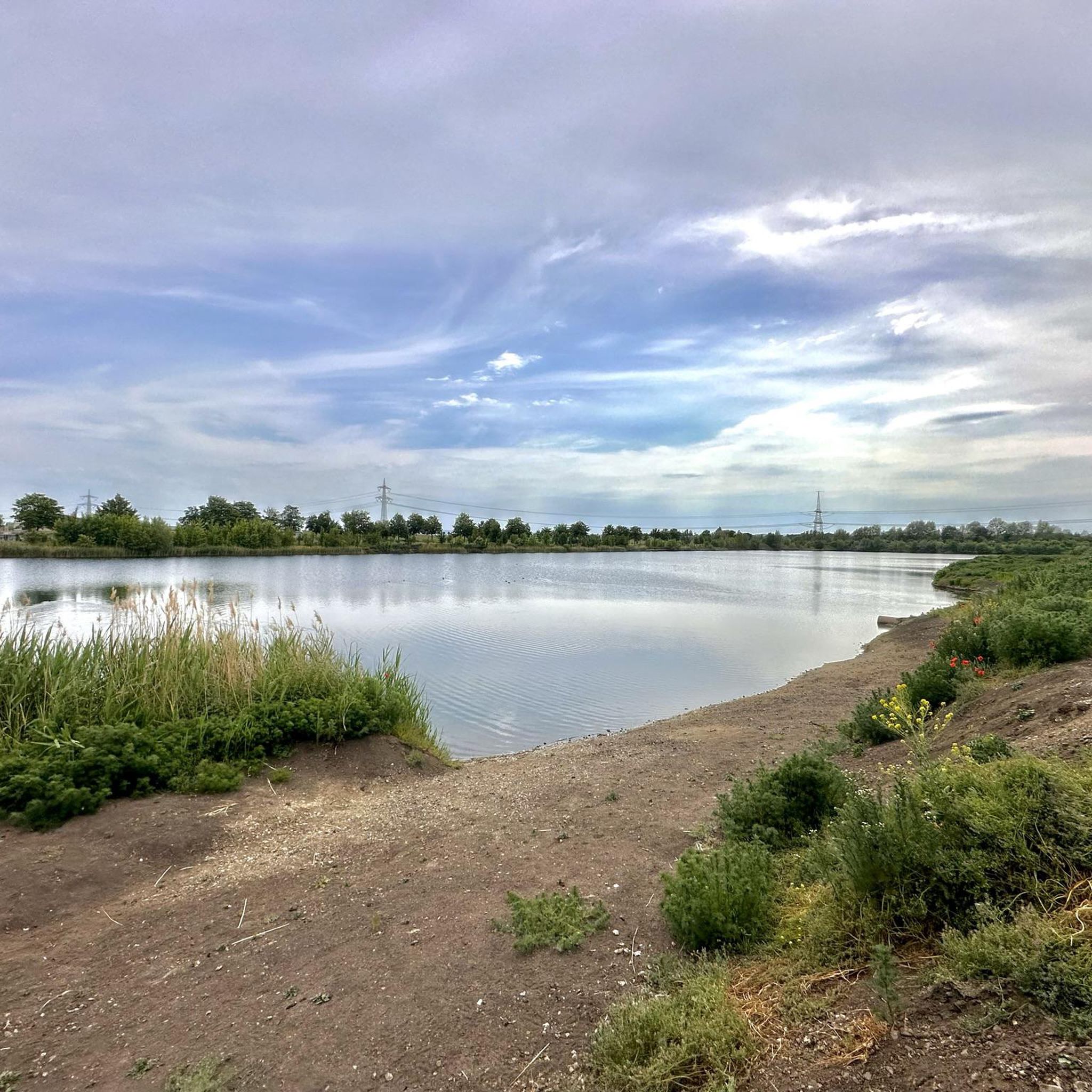


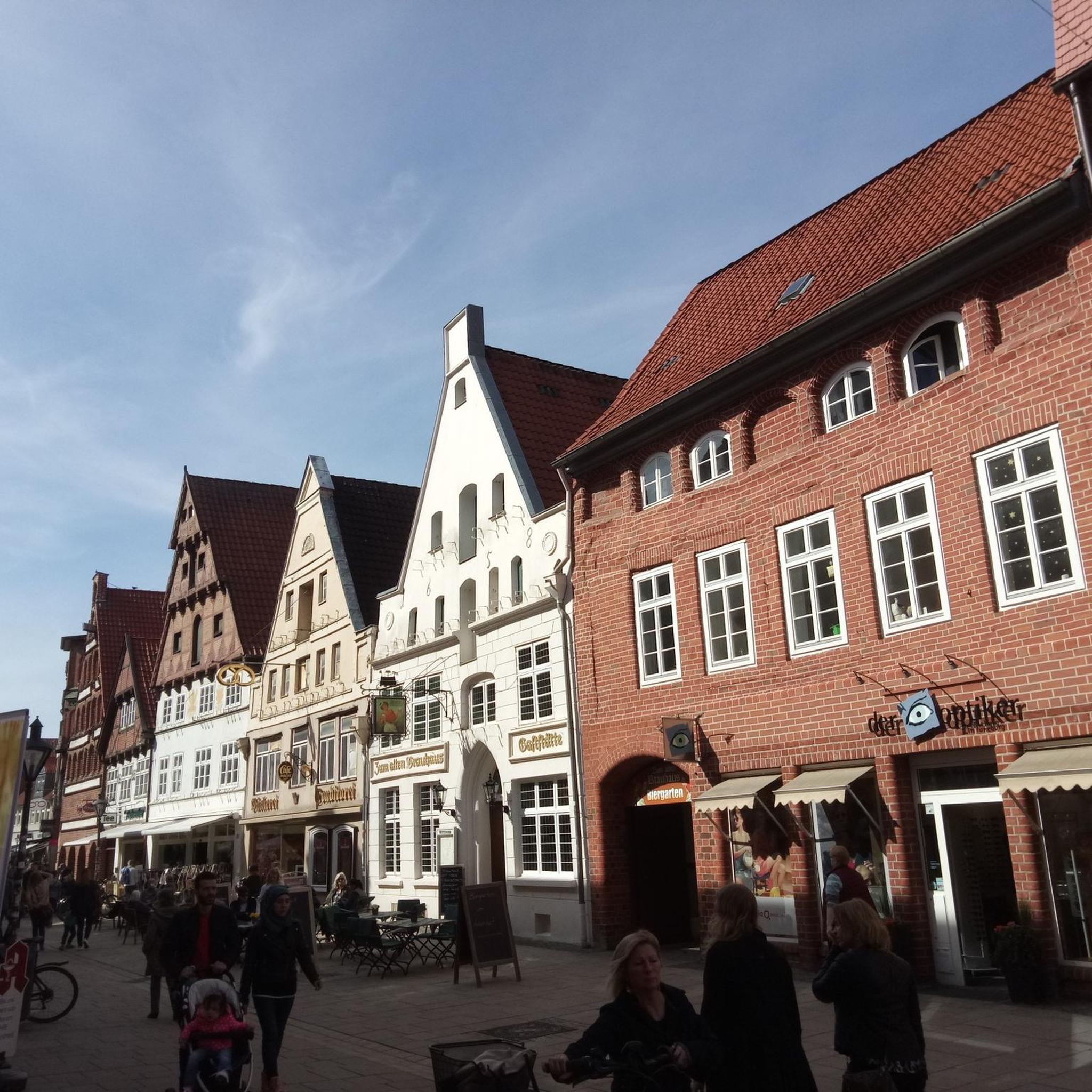
Tips from the Community

Difficult to access in winter
1
0
Here you can get a stamp for hiking in the shadow of the witches.
0
0

Nothing is known about the origins of St. Martini Church. It became dilapidated and collapsed at the beginning of the 19th century. The current church was rebuilt between 1817 and 1819. Some of the stones came from Gröningen Castle.
5
0

Krottorf Castle is a lowland castle that was secured by the Bode and the moats fed by it. After the original castle was destroyed in 1363, a fortified complex with buildings in the Renaissance style was not built until the 16th century and expanded by the then owner around 1890; parts of the rampart and moats are still preserved. The castle's enclosed courtyard is open to visitors. Source: Wikipedia
8
0
The village church of St. Severus, which is only a little older than the castle, dates back to a late Gothic quarry stone building from the 15th/16th century. The current square west tower dates from 1704 and replaced the bell tower that burned down in 1693. In 1713 the vault of the church was also renewed with beams and floorboards. In the period after 1732 the church received a new altar and a new pulpit in the Baroque style. In 1751 "everything" including the sky was "painted brightly" and in 1766 a new organ was installed. The Krottorf church received its current appearance through a renovation in 1836. The structural remodeling carried out in the course of the renovation of the church roof included raising the surrounding walls by 5½ feet and enlarging the windows, which were given high pointed arches in keeping with the character of the building. The current interior of the church was completely redesigned in 1888/89 by Gustav Kuntzsch, Institute for Church Art, Wernigerode, and replaced the baroque furnishings. In the interior of the Krottorf church there are gravestones from the 16th and 17th centuries. Source: Wikipedia
8
0
Apart from a few tracks and concrete slabs, there is nothing to see here.
6
0

The old mill can still be seen, but the site is privately owned
1
0
A small, shady path along the Bode
1
0
Frequently Asked Questions
How many hiking trails are available around Groß Quenstedt?
There are nearly 500 hiking trails around Groß Quenstedt. This includes a wide variety of options, with over 290 easy routes, 180 moderate trails, and 15 more challenging paths, catering to all fitness levels.
What kind of terrain can I expect on hikes near Groß Quenstedt?
The region around Groß Quenstedt, nestled within the Harz Nature Park, offers diverse terrain. You'll find extensive deciduous, mixed, and coniferous forests, deep river valleys with wild courses, and unique geological formations like the Teufelsmauer and the Klusfelsen. The varied landscape provides a rich natural experience.
Are there easy hiking trails suitable for beginners or families in Groß Quenstedt?
Yes, Groß Quenstedt is an excellent base for easy and family-friendly hikes. Many trails are easily accessible and suitable for all fitness levels. For example, the Holtemme Riverside Path – Halberstädter See loop from Groß Quenstedt is a moderate 10.2 km path that follows the Holtemme river and loops around Halberstädter See, offering a pleasant experience.
Are there any circular hiking routes around Groß Quenstedt?
Many of the trails in the area are designed as circular routes, allowing you to start and end at the same point. An example is the Weir on the Holtemme – St. Laurentius Church loop from Halberstadt, an 8.2 km trail that takes you through the scenic Holtemme river area.
What are some notable natural landmarks or viewpoints to explore on a hike?
The region boasts striking geological formations. The Teufelsmauer (Devil's Wall) is a bizarre sandstone formation offering expansive views of the Harz foothills. Another intriguing site is the Klusfelsen, a sandstone massif with various cavities, which can be seen on routes like the Fünffingerfelsen – Viewpoint overlooking the Klusfelsen loop from Halberstadt Hauptbahnhof.
Can I bring my dog on the hiking trails?
Generally, dogs are welcome on most hiking trails around Groß Quenstedt, especially in the Harz Nature Park. However, it's always advisable to keep them on a leash, particularly in nature protection areas or near wildlife, and to check specific trail regulations if available.
What do other hikers say about the trails around Groß Quenstedt?
The hiking routes in Groß Quenstedt are highly regarded by the komoot community, with an average rating of 4.5 stars from over 2,600 reviews. More than 10,000 hikers have explored the varied terrain, often praising the diverse forests, river valleys, and unique rock formations.
Are there any shelters or rest areas along the trails?
Yes, there are several shelters and rest areas available for hikers. For instance, you can find a Shelter with rest area in the forest or an A-Frame Shelter with Bench. These spots provide convenient places to take a break during your hike.
Are there any water features like rivers or lakes along the hiking routes?
Yes, the area is characterized by deeply incised valleys with wild river courses. The Holtemme river is a prominent feature, and routes often follow its banks. You can also find picturesque water elements like the Halberstädter See, which is part of the Holtemme Riverside Path – Halberstädter See loop.
What is the best time of year to go hiking in Groß Quenstedt?
The Harz region offers beautiful hiking experiences throughout the year. Spring brings blooming flora, summer provides lush green forests, and autumn transforms the landscape with vibrant colors. Even winter hiking can be rewarding, though some trails might require appropriate gear due to snow or ice. Each season offers a unique perspective on the diverse natural landscapes.
Are there any options for longer, more challenging hikes?
While many routes are easy to moderate, the broader Harz region, which Groß Quenstedt is part of, does offer more challenging trails. These can extend over five hours and involve significant elevation gains, requiring good fitness and sure-footedness. There are 15 difficult routes listed in the area for experienced hikers seeking a greater challenge.
Where can I park when visiting the hiking trails?
Many hiking routes around Groß Quenstedt originate from towns like Halberstadt, which typically offer public parking facilities. For routes starting directly from Groß Quenstedt or other smaller villages, parking is generally available near trailheads or in designated village parking areas. It's advisable to check specific starting points for parking information.
Most popular routes around Groß Quenstedt
Most popular attractions around Groß Quenstedt

Get inspired with the komoot mobile app


Explore more
Browse the best Hikes in other regions.
