Attractions and Places To See around Gutsbezirk Spessart - Top 20
Best attractions and places to see around Gutsbezirk Spessart primarily feature natural landscapes and outdoor activities within this uninhabited forest district in southeast Hesse, Germany. The area is characterized by extensive forests, making it ideal for Gutsbezirk Spessart hiking trails and cycling. While the Gutsbezirk itself offers natural features, cultural sites and historical landmarks are found in the surrounding broader Spessart region. This region provides a variety of experiences for nature enthusiasts and those seeking active recreation.
Best attractions and…
Last updated: May 25, 2026
Bad Orb Graduation House
Highlight • Monument
Above all, these old graduation towers are …
Translated by Google •
Tip by

Kinzig Reservoir
Highlight • Lake
Translated by Google •
Tip by

Sign up now to discover places like this
Get recommendations on the best single tracks, peaks, & plenty of other exciting outdoor places.
Sign up for free
Kinzig Floodplains
Highlight • River
Translated by Google •
Tip by

Haseltal Trail (Flowtrail Bad Orb)
Highlight (Segment) • MTB Park
Translated by Google •
Tip by
Kinzigtal Cycle Path
Highlight • Cycleway
Translated by Google •
Tip by

Sign up for free to discover even more attractions around Gutsbezirk Spessart.
Sign up for free
Already have an account?
Start today with a free account
Your next adventure awaits.
Login or Signup
Popular around Gutsbezirk Spessart
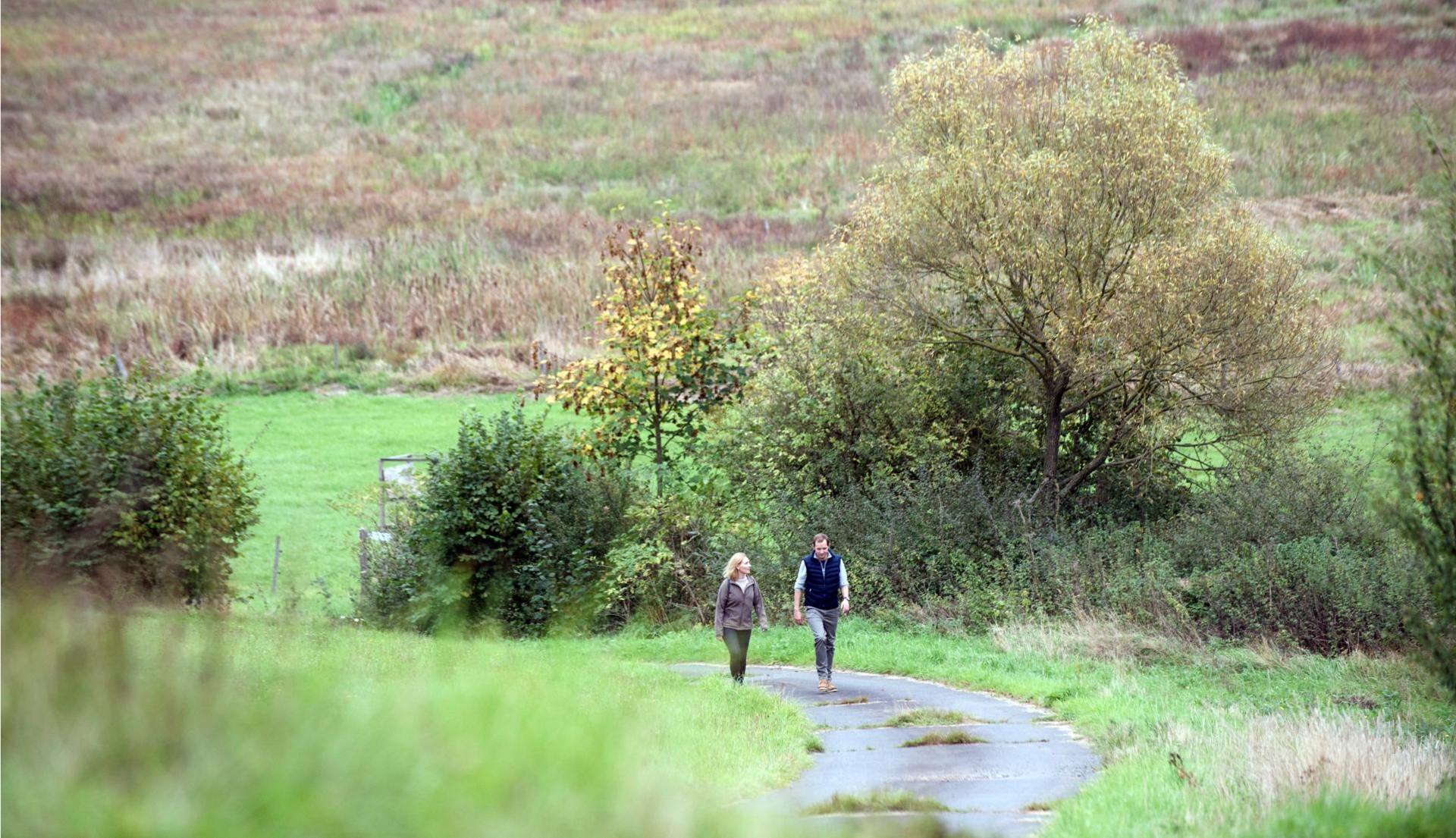
Pleasure hiking in the Spessart: trails that taste as good as they look
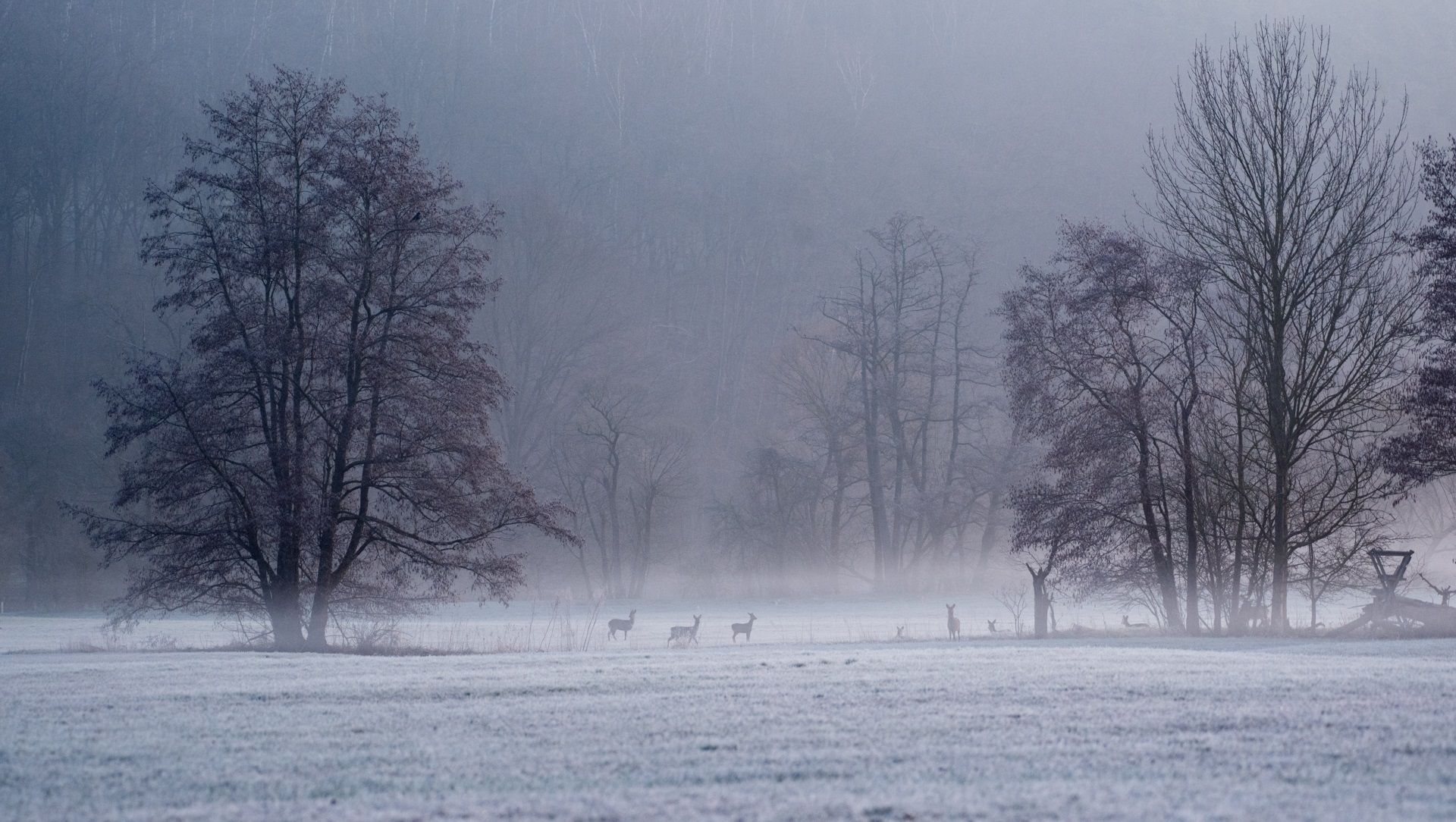
Die schönsten Winterwanderungen im Spessart
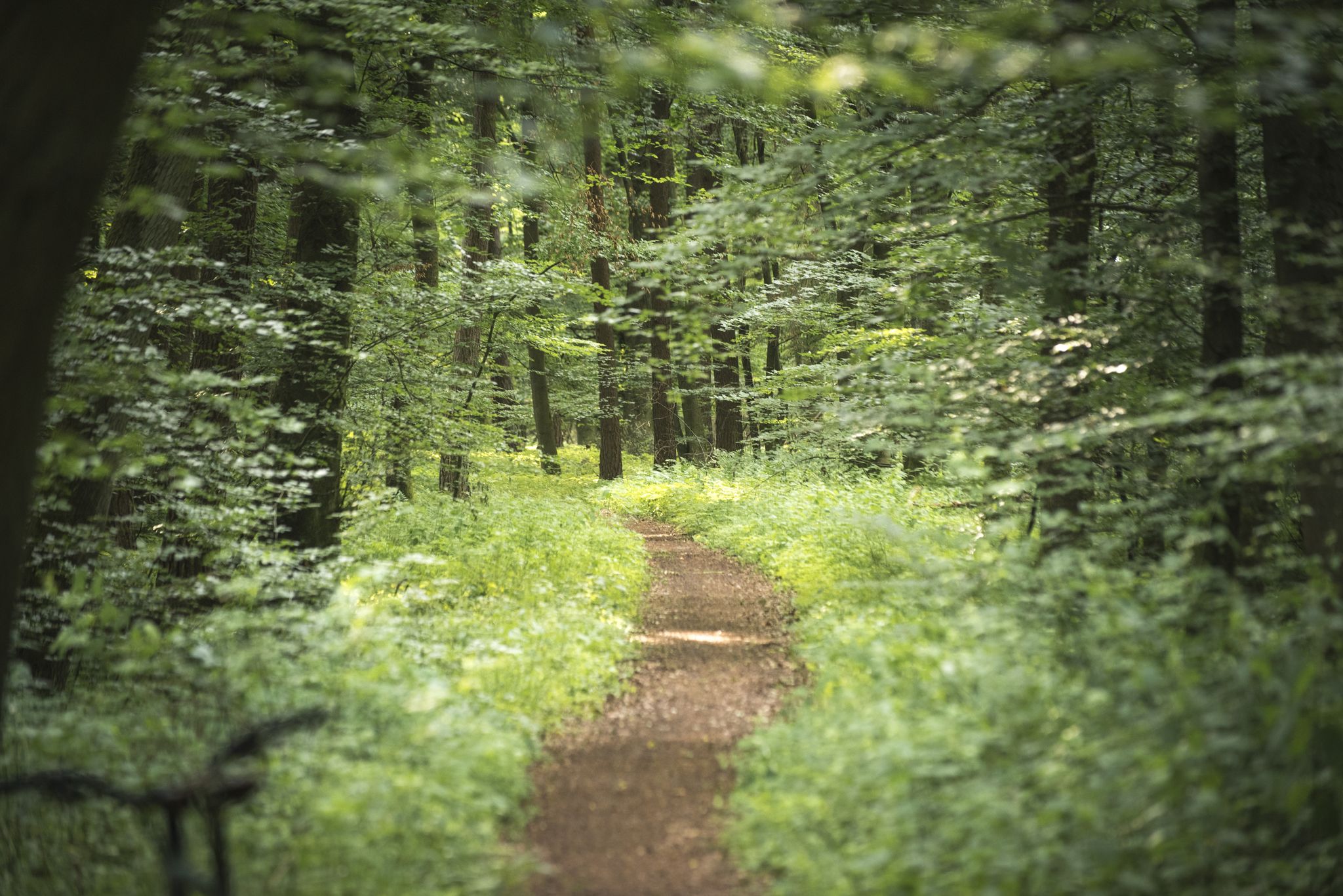
Die schönsten Premium-Spazierwanderwege im Hessischen Spessart
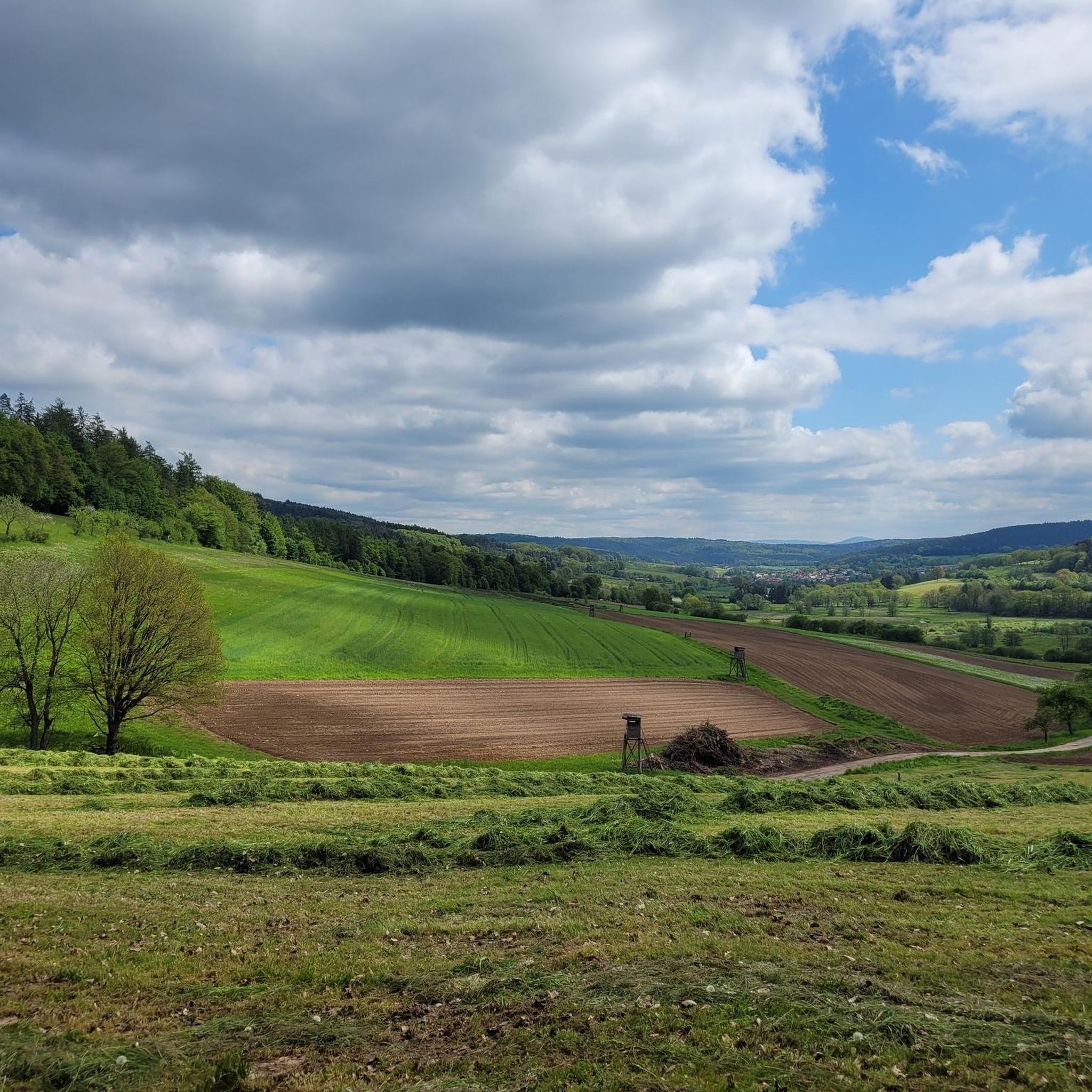
Hiking around Gutsbezirk Spessart
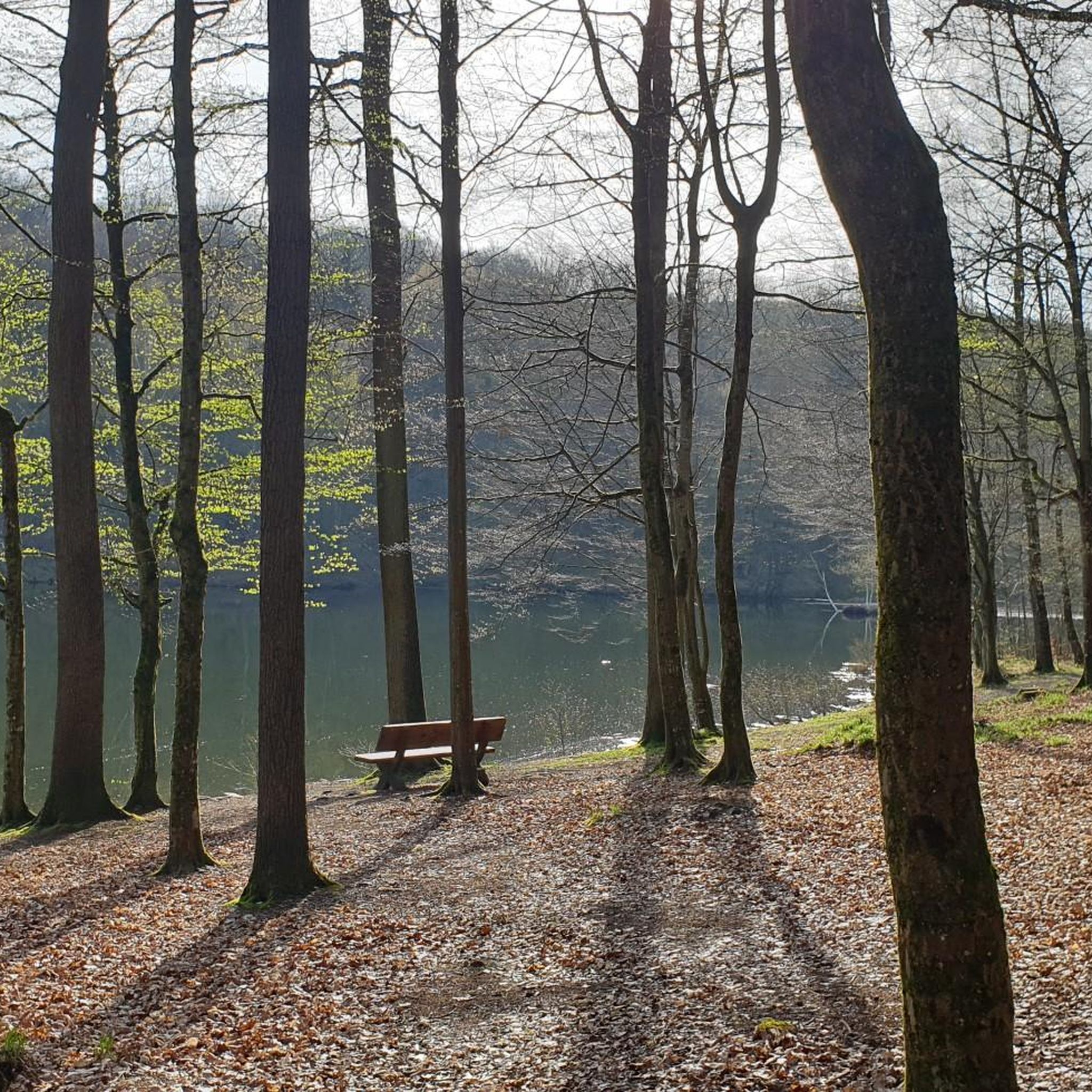
Cycling around Gutsbezirk Spessart
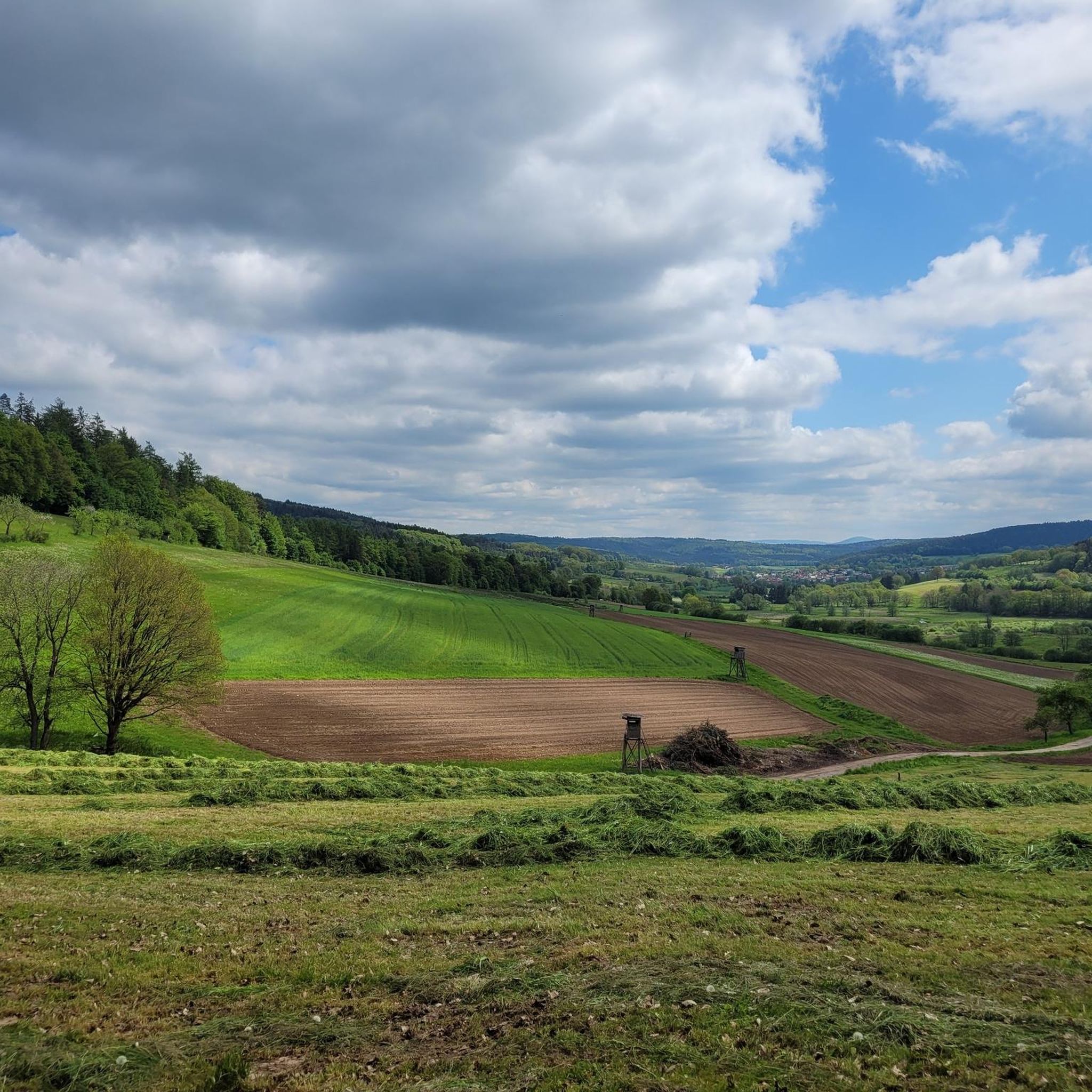
MTB Trails around Gutsbezirk Spessart
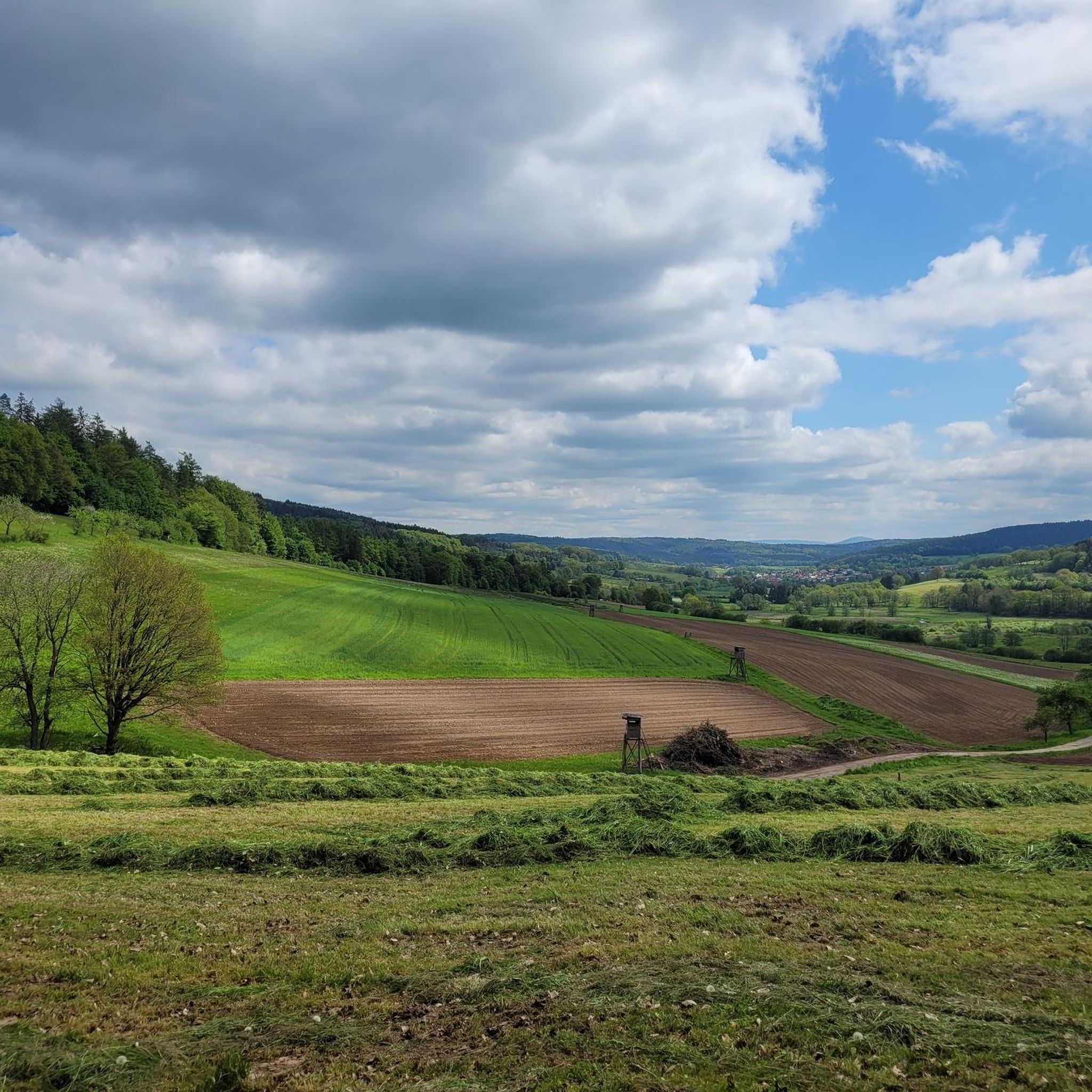
Road Cycling Routes around Gutsbezirk Spessart
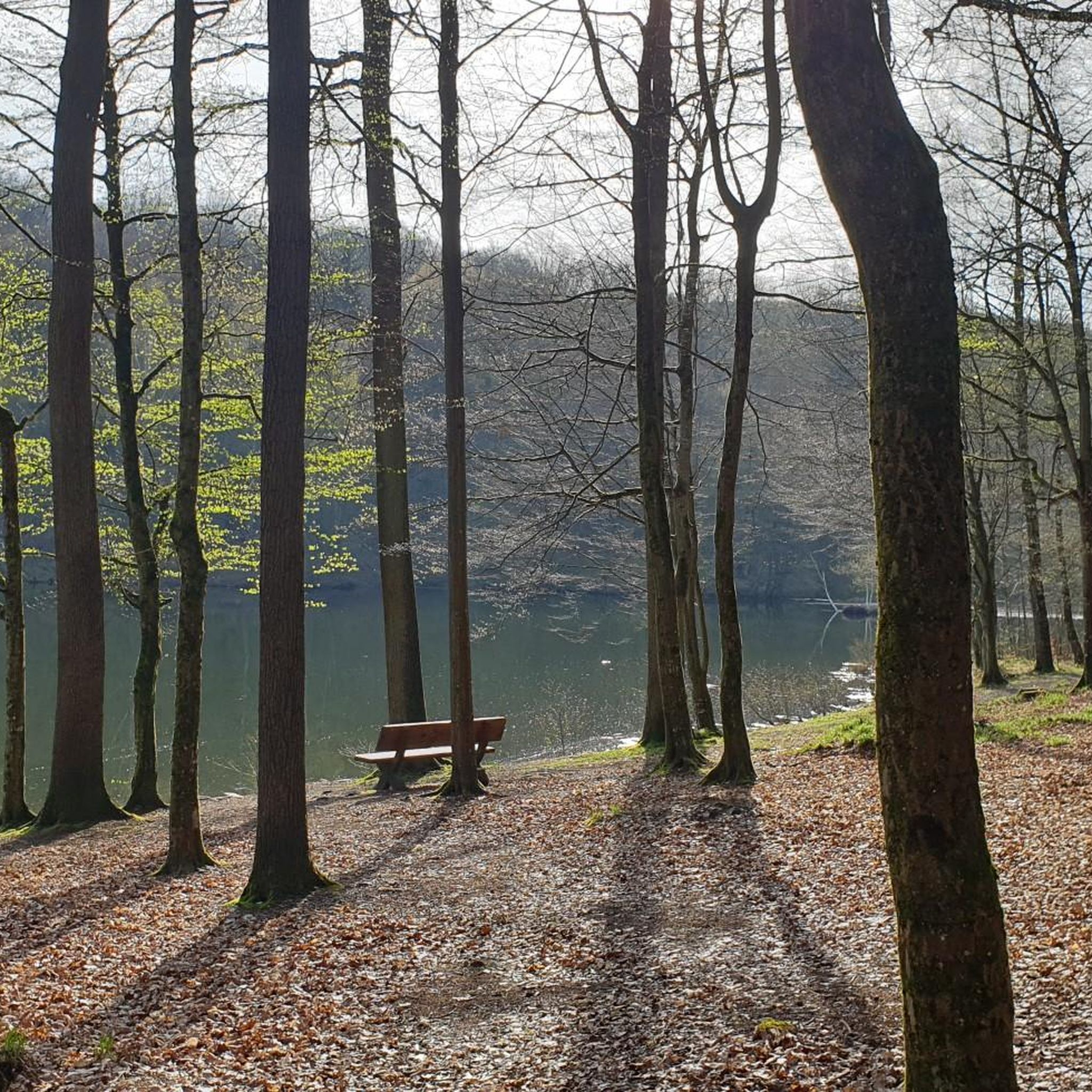
Running Trails around Gutsbezirk Spessart

Gravel biking around Gutsbezirk Spessart
Other adventures around Gutsbezirk Spessart

Tips from the Community

Even invites you to swim on hot days ;)
0
0

Storks can often be observed!
0
0

The Kinzig is a river approximately 86 kilometers long. It rises in Sterbfritz, flows southwest through the Main-Kinzig district of Hesse, and flows into the Main from the right in Hanau. The Kinzig is a second-order river in low mountain ranges. It overcomes an elevation of 301 meters and has a bed gradient of 3.5 per thousand. The Kinzig's catchment area covers 1,058 square kilometers, and the calculated mean discharge (MQ) at the mouth of the Kinzig is 10.97 cubic meters per second. The Kinzig was first documented in 796 as "iuxta fluvium Kincihen." In 815, the name was written as "Chinzicha," around 900 as "Kincicha"/"Kinzicham," in 1364 as "Kinzige," in 1584 as "Kintzig," in 1607 as "Bintz," in 1681 as "Kintz," in 1716 as "Kins," in 1769 as "Kinzing," and in 1802 as "Kinzig." In the river's headwaters, there was the now-defunct village of Kinzig, mentioned in 815 as "Chirizichheimero." The village and river were often confused by monastery scribes at that time with "Chizzicha" (now Bad Kissingen), both of which were described as being located in the Saalegau. The name presumably derives from the ancient Celtic *ku̯anti̯o- meaning "flat hill, valley." The name was therefore derived from the mountainous region from which the Kinzig flows. Source: Wikipedia
1
0
The Kinzig is a river approximately 86 kilometers long. It rises in Sterbfritz, flows southwest through the Main-Kinzig district of Hesse, and flows into the Main from the right in Hanau. The Kinzig is a second-order river in low mountain ranges. It overcomes an elevation of 301 meters and has a bed gradient of 3.5 per thousand. The Kinzig's catchment area covers 1,058 square kilometers, and the calculated mean discharge (MQ) at the mouth of the Kinzig is 10.97 cubic meters per second. The Kinzig was first documented in 796 as "iuxta fluvium Kincihen." In 815, the name was written as "Chinzicha," around 900 as "Kincicha"/"Kinzicham," in 1364 as "Kinzige," in 1584 as "Kintzig," in 1607 as "Bintz," in 1681 as "Kintz," in 1716 as "Kins," in 1769 as "Kinzing," and in 1802 as "Kinzig." In the river's headwaters, there was the now-defunct village of Kinzig, mentioned in 815 as "Chirizichheimero." The village and river were often confused by monastery scribes at that time with "Chizzicha" (now Bad Kissingen), both of which were described as being located in the Saalegau. The name presumably derives from the ancient Celtic *ku̯anti̯o- meaning "flat hill, valley." The name was therefore derived from the mountainous region from which the Kinzig flows. Source: Wikipedia
2
0

The R3 cycle path is a great cycle path in the Kinzig Valley. Most sections have a very good asphalt surface. The signage is also great.
3
0
It is a great place to cycle all year round.
2
0

The Kinzig is also used by the brave (not just children) to cool down. Very romantic.
3
0

It's nice to have a cycle path next to the motorway, but you don't have to. But the problem remains throughout the Kinzigtal that there are hardly any quiet corners due to the ICE route and the A66.
9
0
Frequently Asked Questions
What kind of natural features can I explore in and around Gutsbezirk Spessart?
Gutsbezirk Spessart is primarily an uninhabited forest district, offering vast natural landscapes. You can explore extensive forests with old oak and beech trees, the significant Rohrbachquellgebiet spring area, and habitats for diverse wildlife like stag beetles and beavers. The highest elevation, Schwarze Berg, offers elevated views. Nearby, the Kinzig Reservoir is a large lake with a 6.5 km circular path, perfect for nature lovers.
Are there family-friendly activities available in the region?
Yes, there are several family-friendly options. The Bad Orb Graduation House is a unique man-made monument with health benefits, and its surrounding spa gardens are pleasant for a stroll. The Kinzig Reservoir offers pedal boat rentals in summer and a flat circular path suitable for all ages. The wider Spessart region also features the Spessart Kletterwald Heigenbrücken, an adventure climbing forest, and the Teufelshöhle (Devil's Cave) in Steinau an der Straße, which is Hessen's largest stalactite cave.
What historical or cultural sites can I visit near Gutsbezirk Spessart?
While Gutsbezirk Spessart itself is largely natural, the surrounding Spessart region is rich in history and culture. You can find the Zentgrafenstein, a memorial stone from 1710, and numerous castles and ruins like Ramholz Castle and the Ruins of Steckelberg Castle. The Grimm Brothers' House Museum in Steinau an der Straße offers insights into the famous fairy tale authors, and Philippsruhe Palace in Hanau is another notable historical landmark.
Where can I go hiking around Gutsbezirk Spessart?
Gutsbezirk Spessart is a prime hiking destination due to its extensive forests. Popular routes include the 90-kilometer 'Spessartbogen' premium hiking trail and numerous 'Spessartfährten' certified trails. For specific routes, you can explore options like the 'Wegscheide and Burgjosser Heiligen' or the 'Meyne Pine – Zirkel Hut loop'. Find more hiking routes in the Hiking around Gutsbezirk Spessart guide.
Are there cycling opportunities near the attractions?
Absolutely. The region is well-suited for cycling. The Hessischer Radfernweg R3 (Rhine-Main-Kinzig cycle route) runs along the northern bank of the Kinzig Reservoir. You can also find mountain biking routes, including the Haseltal Trail (Flowtrail Bad Orb), a 2.6 km long MTB park. For more cycling routes, check out the Cycling around Gutsbezirk Spessart guide.
What is the <a href="https://www.komoot.com/highlight/280034" target="_blank" rel="noopener">Bad Orb Graduation House</a>?
The Bad Orb Graduation House is an impressive 158-meter long and 18-meter high structure used for salt production. Brine trickles over blackthorn brushwood, causing water to evaporate and enriching the air with salt. This creates a saline-rich atmosphere, similar to a seaside climate, which is considered beneficial for health. It's open daily from 8 a.m. to 8 p.m.
What do visitors enjoy most about the <a href="https://www.komoot.com/highlight/144844" target="_blank" rel="noopener">Kinzig Reservoir</a>?
Visitors frequently praise the Kinzig Reservoir for its beautiful, flat circular path, which is ideal for walks and cycling. Many appreciate the availability of pedal boat and stand-up paddle rentals during summer, along with kiosks for snacks and drinks. It's considered a great spot for nature lovers and offers a relaxing experience.
Are there any specific trails for mountain biking?
Yes, the Haseltal Trail (Flowtrail Bad Orb) is a popular mountain biking destination. It's 2.6 kilometers long with 183 meters of depth, featuring elements like waves, jumps, and banked curves. It's considered a moderate trail, suitable for riders with basic MTB skills, and is well-maintained.
What is the best time of year to visit Gutsbezirk Spessart for outdoor activities?
The best time to visit Gutsbezirk Spessart for outdoor activities like hiking and cycling is generally from spring through autumn (April to October). During these months, the weather is typically mild and pleasant, making it ideal for exploring the extensive forests and trails. Summer offers opportunities for pedal boating at the Kinzig Reservoir, while autumn provides beautiful foliage.
Are there any unique natural habitats to observe wildlife?
Yes, Gutsbezirk Spessart is home to several unique natural habitats. You can find Hirschkäfergebiete (Stag Beetle Areas) near Jossa, which are important for the biodiversity of the Spessart. Additionally, the Biberlebensraum Hessischer Spessart (Hessian Spessart Beaver Habitat) highlights the successful reintroduction and presence of beavers in the region, offering opportunities to observe these fascinating animals in their natural environment.
What are the options for road cycling in the area?
Road cyclists can enjoy various routes around Gutsbezirk Spessart. Options include scenic loops like the 'Burgjoß–Pfaffenhausen Road – Wiesbüttsee loop' or the 'Jossa Viaduct – Old Town Hall Bad Brückenau loop'. These routes often take you through picturesque villages and past historical sites in the broader Spessart region. More detailed road cycling routes can be found in the Road Cycling Routes around Gutsbezirk Spessart guide.
Most popular routes around Gutsbezirk Spessart
Most popular attractions around Gutsbezirk Spessart

Get inspired with the komoot mobile app


Explore more
Still not found the Highlight you’re looking for? See guides of the top attractions in other regions:
