Top 20 Castles around Oschatz
Best castles around Oschatz provide a diverse historical experience, ranging from medieval ruins to renovated manor houses and opulent palaces. The surrounding region features significant historical buildings, each with unique architectural characteristics. These sites offer insights into the area's past, from early Gothic structures to Baroque residences. Visitors can explore a variety of historical and cultural landmarks within the Oschatz area.
Best castles around Oschatz
- The most popular castles is Hubertusburg Castle, a castle that is a dreamlike palace…
Last updated: September 26, 2026
Old Hunting Lodge Wermsdorf
Highlight • Castle
Translated by Google •
Tip by

Hubertusburg Castle
Highlight • Castle
Translated by Google •
Tip by

Sign up now to discover places like this
Get recommendations on the best single tracks, peaks, & plenty of other exciting outdoor places.
Dahlen Castle
Highlight • Castle
construction time
18th century, 19th century
1744 to 1751
architectural style
Baroque
builder
Imperial Count Heinrich von Buenau
Builder/Architect
probably Johann Christoph Knöffel
Condition
After a fire in …
Translated by Google •
Tip by

Osterland Castle Ruins
Highlight • Castle
Translated by Google •
Tip by

Lampertswalde Manor and Moated Castle
Highlight • Castle
17th century (gardener's house), end of 17th century (tenant house),
18th century, 19th century, 20th century,
1788 (gardener's house), 1912 (gatehouse)
Architectural style
Baroque, historicism, art nouveau
Client …
Translated by Google •
Tip by
Sign up for free to discover even more castles around Oschatz.
Already have an account?
Start today with a free account
Your next adventure awaits.
Popular around Oschatz
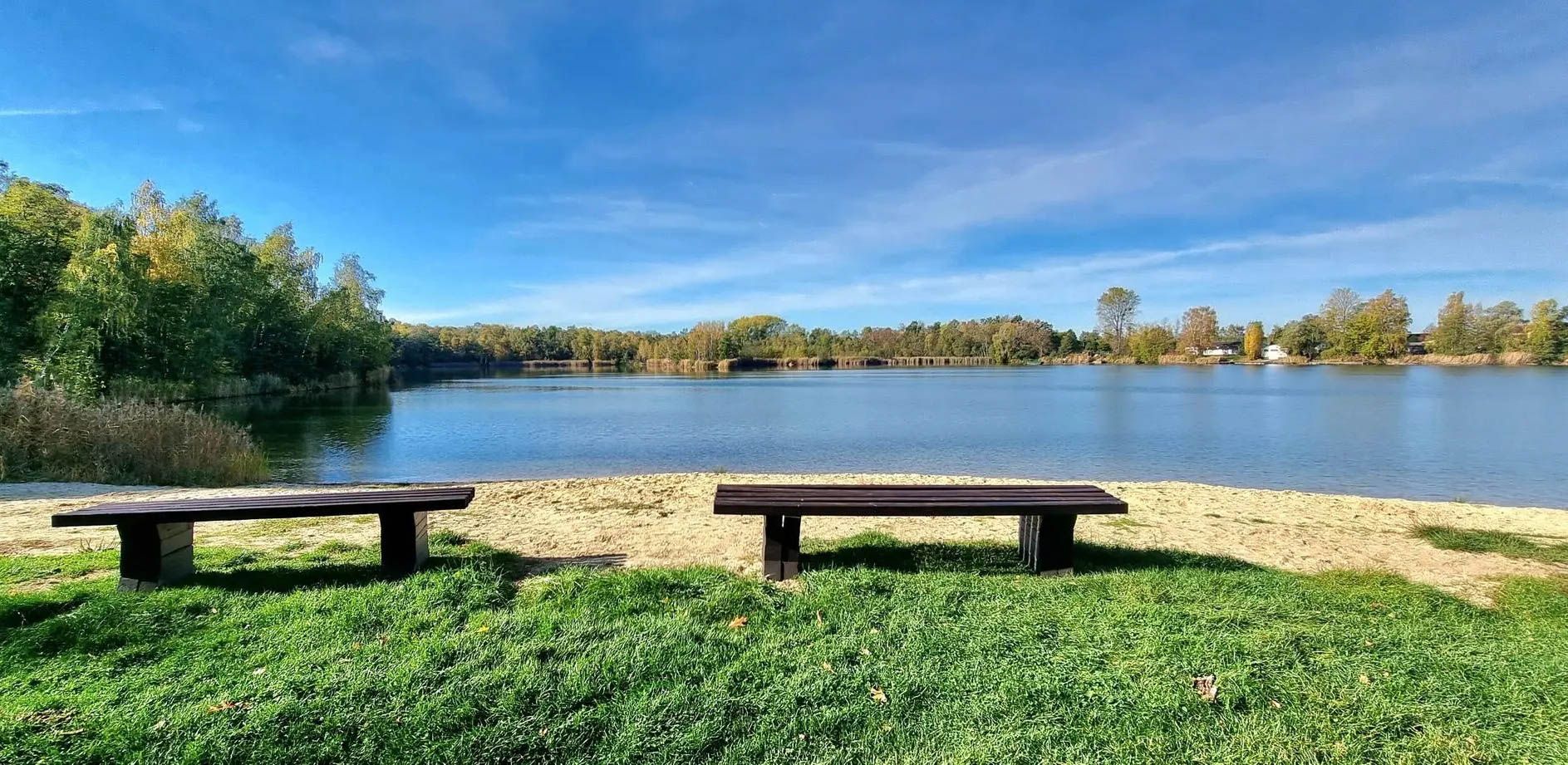
With the PlusBus to wonderful hikes near Leipzig
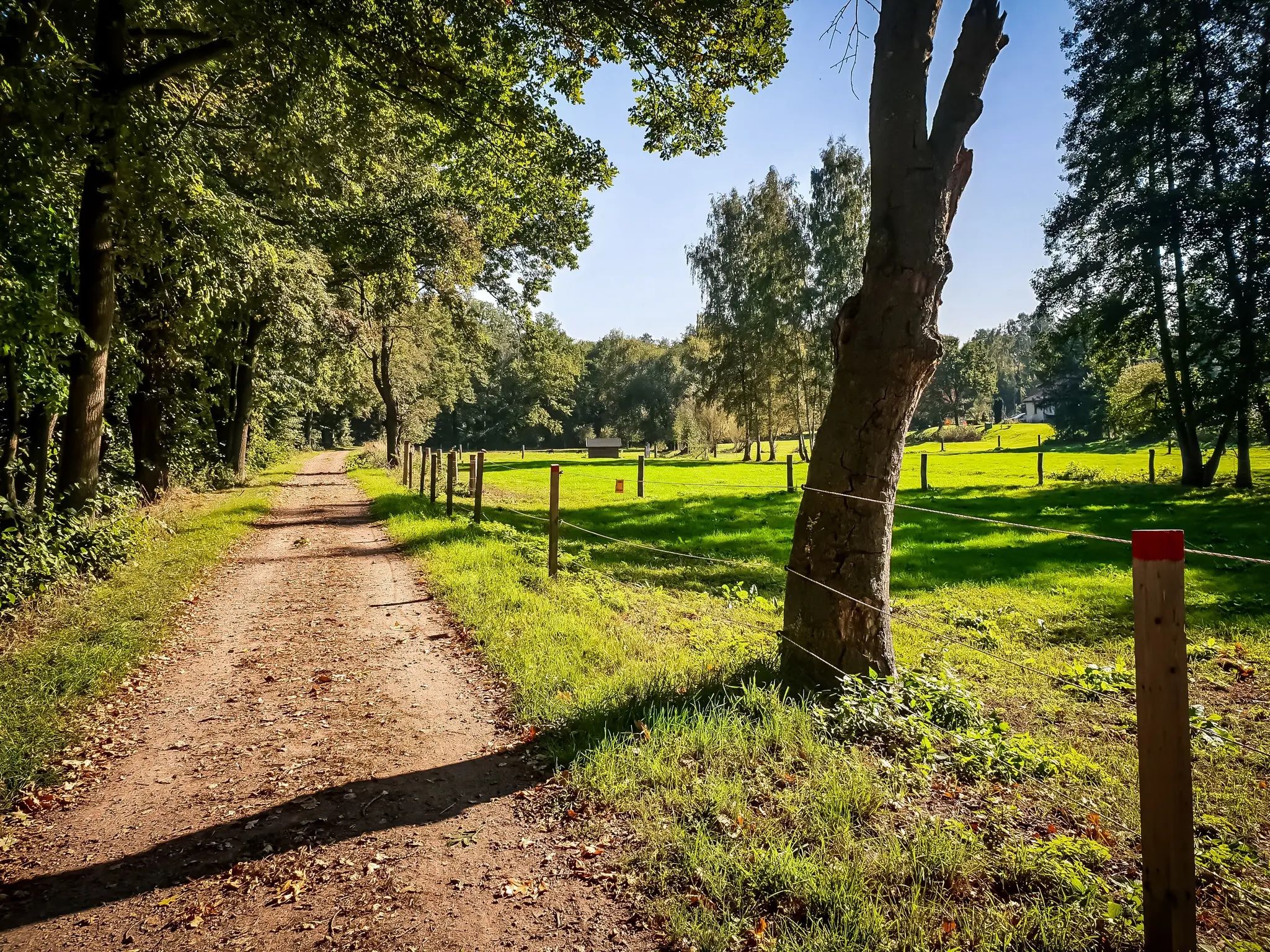
Out and about with the pram – hiking around Leipzig
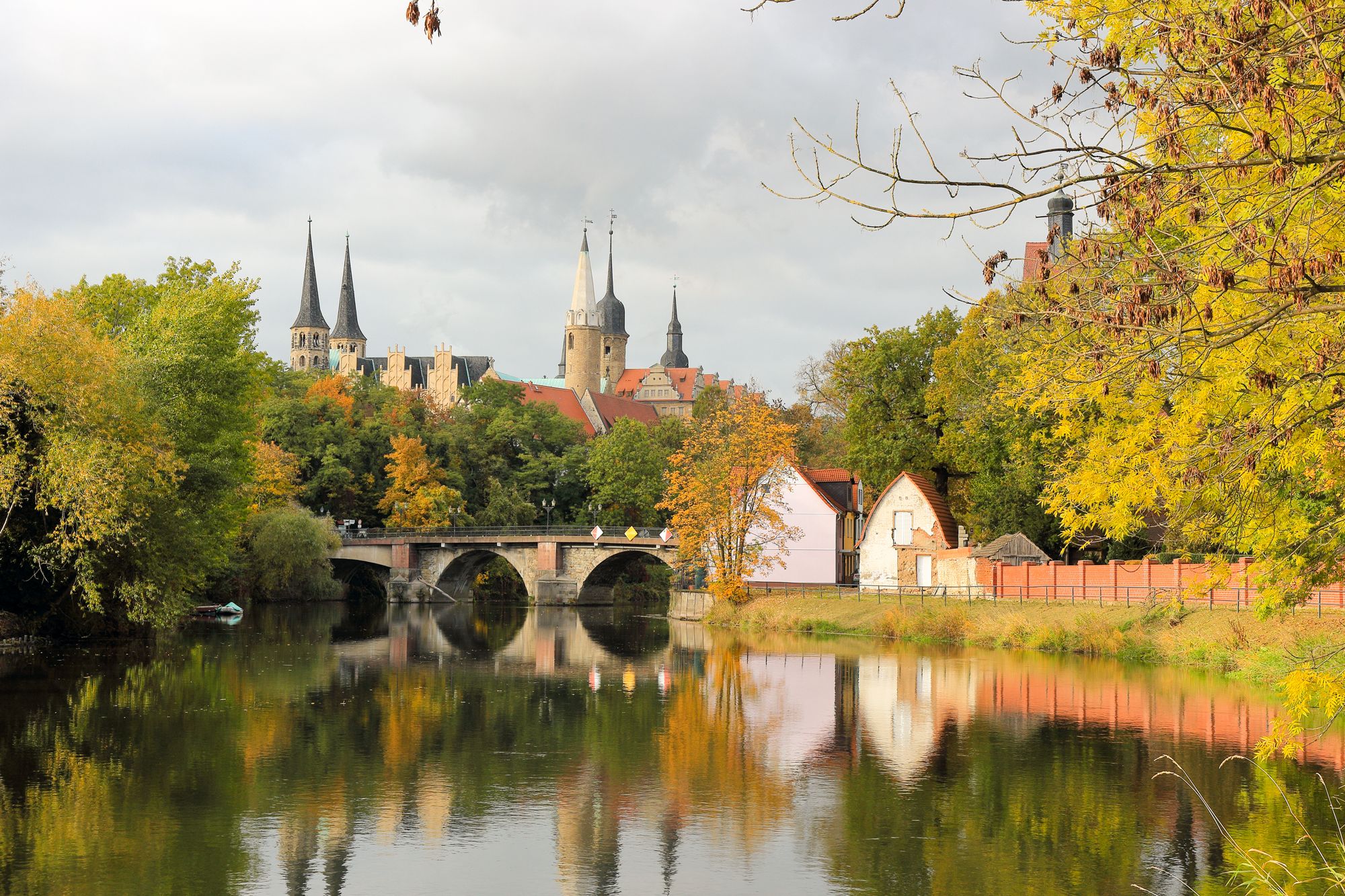
Art, history and museums in Germany — cultural Tours on MDV
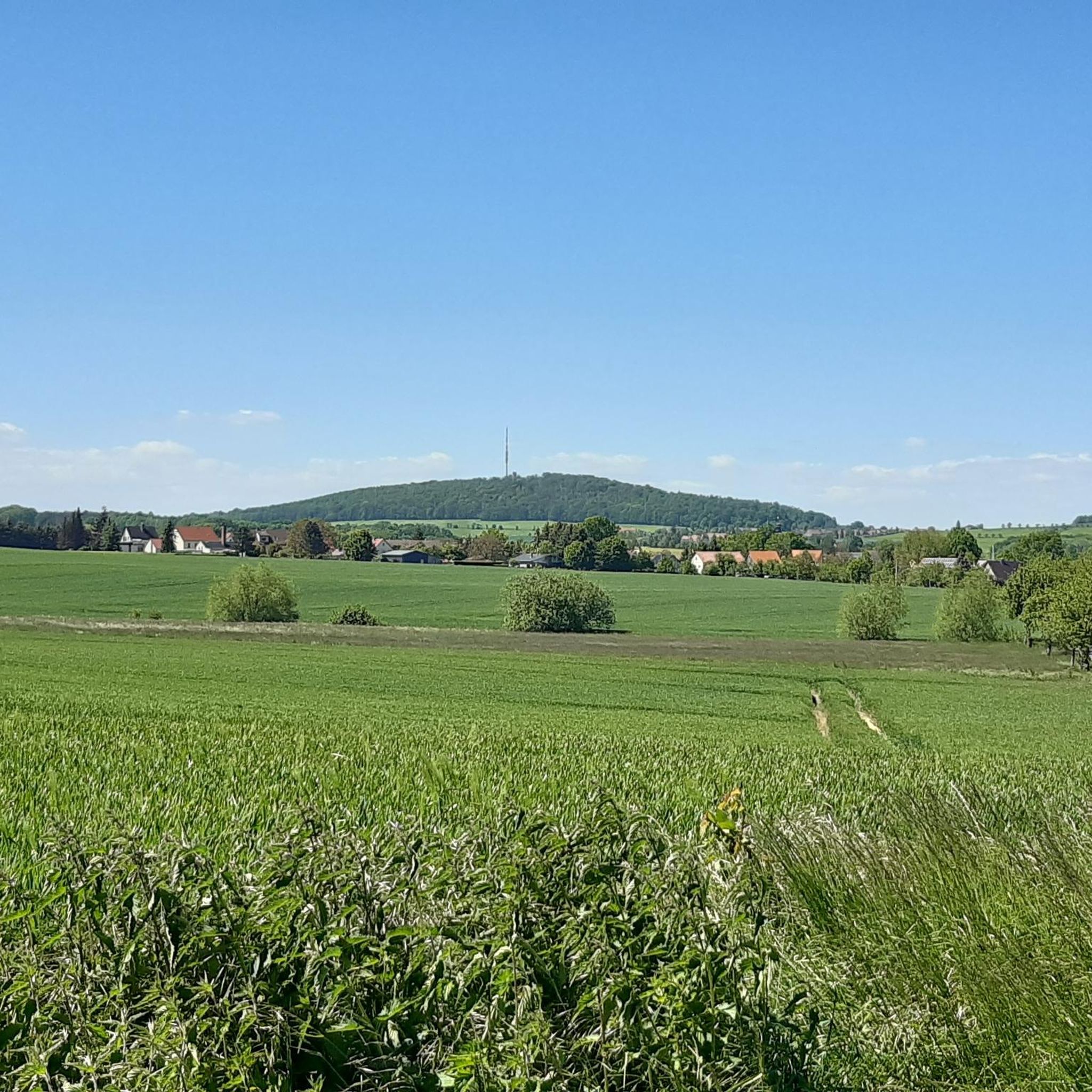
Cycling around Oschatz
Hiking around Oschatz
Road Cycling Routes around Oschatz
Running Trails around Oschatz
MTB Trails around Oschatz

Gravel biking around Oschatz
Other adventures around Oschatz

Tips from the Community

Osterland Castle near Oschatz: A ruined castle complex. Information: A ruined complex dating back to the second decade of the 13th century. The structure exhibits early Gothic features in this region and is a listed historical monument.
4
0
Dahlen Castle. Information: In 1744/51, Count Heinrich von Bünau commissioned the construction of the Baroque castle and its outbuildings. Dahlen Castle burned down in 1973. Initial cleanup work began in 1990/94. Today, with its events, it is once again an attractive destination for visitors from near and far.
2
0

A castle ruin worth a detour. Here you can take a short rest and learn interesting facts. The ruins date back to the 13th century and were built in the Romanesque style. Initial excavations took place from 1901 to 1908.
3
0

Built between 1211 and about 1230 as a hunting lodge for the Margraves of Meissen and the Ostmark.
5
0

Castle rune from the 13th century (castle, the rune is younger :) ). Nice place with a covered picnic area and some information boards.
3
0

Renaissance castle from the 17th century, headquarters of the Wermsdorf tourist information office, guided tours on request, registry office. The extensive game-rich Wermsdorf forests encouraged Elector Christian II to have the first hunting lodge built on the site of the old manor between 1607 and 1610. This was kept very simple and was therefore soon rebuilt and expanded in the style of the German Renaissance from 1617 to 1626 on the orders of Elector Johann Georg I. Builder Simon Hoffmann gave the castle its current shape. Three irregular wings form the courtyard, numerous gables effectively enliven the facades and a special decoration is a bay window with artistic sandstone work. An octagonal stair tower with a lantern and a curved hood separates the two main wings. From 1626 to 1628 the building served as an electoral hunting lodge. However, the turmoil of the 30 Years' War interrupted the actual purpose until 1685.
3
0

Dahlen Castle is a late baroque palace complex. It became the scene of history on February 21, 1763, when Prussia's King Frederick II the Great signed the final act of the peace agreement for the Seven Years' War. The building goes back significantly to Heinrich Graf von Bünau in the middle of the 18th century. The castle was destroyed in a fire in 1973 and fell into ruins. The Dahlen Castle and Park Association has been working to preserve and rebuild the castle since 2009. Dahlen Castle and its events are now once again an attractive attraction for visitors from near and far.
1
1
Lampertswalde Castle is a former manor with a large castle park. This was given away to the Güldenstern monastery in 1240 by Bodo and Odo von Ilburg. This was also the first documented mention. After the monastery was secularized in the 16th century, the Electors of Saxony came into possession. The Thirty Years' War caused great destruction, but the buildings were able to be rebuilt. In 1760, Frederick the Great stayed at the castle for one night. The castle was on a small island and two remaining bridges led to it. In front of the castle, four life-sized sandstone statues from around 1780 represented the four seasons. They were moved here from the Leuben Castle Park in 1894. Unfortunately, the main cornice of the house was damaged in a fire in 1826 and the gable, which rose above the central projection, was subsequently removed. The anteroom received a support in the middle. After the end of the Second World War, the entire complex was supposed to be blown up, but this was prevented. In 1946 the first central school in Saxony was set up. In 1948, the intact moated castle was demolished to extract building materials in accordance with Order 209 of the Supreme Chief of the Soviet Military Administration in Germany, Vasily Danilovich Sokolowsky. After 1990, the inspector's house, the gardener's house and the palm house were restored or rebuilt.
3
0
Frequently Asked Questions
What are some of the most historically significant castles to visit around Oschatz?
The region around Oschatz offers a diverse range of historically significant sites. You can explore the magnificent Hubertusburg Castle, a beautifully restored Baroque palace, or the Renaissance-style Old Hunting Lodge Wermsdorf. For a glimpse into medieval history, visit the Osterland Castle Ruins, an early Gothic complex from the 13th century. Schloss Borna, with its origins as a moated castle from 1185, also offers a rich history of architectural evolution.
Are there any family-friendly castles or historical sites near Oschatz?
Yes, several sites are suitable for families. The grounds and park of Lampertswalde Manor and Moated Castle are publicly accessible and offer space to explore. Hubertusburg Castle and the Old Hunting Lodge Wermsdorf are also considered family-friendly, providing grand historical settings. The Osterland Castle Ruins can be an engaging historical adventure for older children.
What kind of outdoor activities can I do near these castles?
The area around Oschatz offers various outdoor activities. You can find numerous hiking trails, such as those leading to the Osterland Castle Ruins. For cycling enthusiasts, there are routes like the one connecting Döllnitztalsperre Dam to Hubertusburg Palace. You can explore more options for hiking, cycling, and running in the region by visiting the hiking guide, cycling guide, and running trails guide for Oschatz.
Are there hiking trails that include castle visits around Oschatz?
Yes, for example, the 'Osterland Castle Ruins – O-Schatz Park loop' is a moderate 10.9 km hike that takes you past the medieval ruins. There are also shorter, easy loops like 'Doktor Bolo Bench and Plaque – Osterland Castle Ruins loop'. You can find more hiking routes around the castles in the hiking guide for Oschatz.
What is the best time of year to visit the castles around Oschatz?
The castles and their surrounding parks can be enjoyed throughout the year. Spring and autumn offer pleasant temperatures for exploring the grounds and nearby trails. Summer is ideal for enjoying the full greenery of the parks, while winter visits can provide a unique, serene atmosphere, especially at sites like Hubertusburg Castle.
Can I bring my dog to the castles or their parks?
Dog policies vary by location. The parks of Lampertswalde Manor and Dahlen Castle are generally dog-friendly, often requiring dogs to be on a leash. For specific rules regarding the Osterland Castle Ruins or Hubertusburg Castle, it's advisable to check local signage or official websites, as interior access is often restricted for pets.
Is there parking available at the castles?
Parking is generally available at or near the major castle sites. Lampertswalde Manor has parking facilities. For Hubertusburg Castle, Old Hunting Lodge Wermsdorf, and Dahlen Castle, designated parking areas are typically found nearby. For the Osterland Castle Ruins, parking is usually available at the edge of the Oschatz city forest, requiring a short walk to the ruins.
Are there any hidden gems or lesser-known historical sites worth visiting near Oschatz?
Beyond the main castles, the region holds several interesting sites. The Osterland Castle Ruins, also known as the 'Deserted Castle,' offers a captivating glimpse into medieval architecture that was never fully completed. While not a castle, the Vogtshaus in Oschatz, built around 1180, is significant as the oldest stone house of secular construction in Central Germany, providing unique historical insight.
What architectural styles can I expect to see among the castles around Oschatz?
The castles around Oschatz showcase a range of architectural styles reflecting different historical periods. You can find early Gothic features at the Schloss Osterland ruins, Renaissance architecture at the Old Hunting Lodge Wermsdorf, and grand Baroque design at Hubertusburg Castle and Dahlen Castle. Schloss Borna also demonstrates architectural evolution, from its moated castle origins to a 19th-century historicist renovation.
Are there cafes or restaurants near the castles for refreshments?
Yes, some locations offer refreshment options. Lampertswalde Manor has a café where visitors can take a break. For other castles like Hubertusburg Castle and Old Hunting Lodge Wermsdorf, you will find cafes and restaurants in the nearby towns of Wermsdorf or Oschatz.
Can I take guided tours of the castles?
Yes, guided tours are available at several locations. The Oschatzer Geschichts- und Heimatverein offers guided tours of the Osterland Castle Ruins to delve into its 13th-century history. Dahlen Castle, which is undergoing restoration, also offers guided tours by registration, allowing visitors to witness the ongoing efforts and learn about its past.
Most popular routes around Oschatz
Most popular attractions around Oschatz

Get inspired with the komoot mobile app


Explore more
Looking for the best castles somewhere else? Discover other guides around Oschatz:
