Cowbridge With Llanblethian
Cowbridge With Llanblethian
Top 6 Castles around Cowbridge With Llanblethian
Best castles around Cowbridge With Llanblethian offers a journey through a historic region in the Vale of Glamorgan. The area is characterized by its ancient villages and position above the River Thaw. This landscape features a mix of medieval ruins and preserved historical sites, providing insight into Welsh heritage. Visitors can explore various defensive structures and historical buildings that dot the surrounding countryside.
Best castles around Cowbridge With Llanblethian
- The most popular castles is Ogmore Castle Ruins, a historical site overlooking a picturesque river crossing. Its earliest defensive features, including banks and ditches, are still clearly visible, with a deep ditch around the inner ward designed to fill with seawater at high tide.
- Another must-see spot is Stepsau Teilo Stepping Stones at Ogmore Castle, a river crossing with historical significance. These ancient stepping stones were relocated near Ogmore Castle and offer a unique way to experience the river.
- Visitors also love St Fagans Castle and Gardens, a castle and Grade I listed Elizabethan manor house. The house is open for public exploration, with its interior designed to reflect its historical appearance.
- Cowbridge With Llanblethian is known for its medieval castle ruins, historical sites, and preserved manor houses. The region offers a variety of castles to see and explore, ranging from ancient defensive structures to more recent historical residences.
- The castles around Cowbridge With Llanblethian are appreciated by the komoot community, with 10 upvotes and 78 photos shared across the highlights.
Last updated: July 3, 2026
St Fagans National Museum of History
Highlight • Historical Site
The brainchild of Iorwerth Peate, the museum was modelled on Skansen, the outdoor museum of vernacular Swedish architecture in Stockholm. Most structures re-erected in Skansen were built of wood and are thus easily taken apart and reassembled, but a comparable museum in Wales was going to be more ambitious, as much of the vernacular architecture of Wales is made of masonry.[3][6]
2017 refurbishment
A redeveloped main reception building was opened in July 2017.[8] The six-year, £30-million redevelopment of the site, which was funded by a number of sources, notably the Welsh Government and the National Lottery, was completed in October 2018.[9][10]
The £30-million redevelopment project provided many benefits, including three new galleries showcasing Wales’ history, improvements to buildings such as the Iron Age farmstead, Bryn Eryr, and Medieval Prince’s court and Llys Llywelyn, as well as a refurbished main entrance building and a new restaurant, play area and learning spaces.[11] One of the new buildings, the Gweithdy ('workshop'), features stone age tools and stick chairs.[12]
In June 2019, St Fagans was named UK’s Museum of the Year 2019 by the Art Fund, which commended the facility's "exceptional imagination, innovation and achievement".[13] The Art Fund is a charity which helps to support museums and galleries.[14]
Tip by

Stepsau Teilo Stepping Stones at Ogmore Castle
Highlight • River
At one period towards the end of the last century a competition developed to see how quickly the crossing could be made without falling into the river. Many tried to take the stones at full speed and, cheered on by onlookers there were several slips.
Tip by

Sign up now to discover places like this
Get recommendations on the best single tracks, peaks, & plenty of other exciting outdoor places.
Sign up for free
Ogmore Castle Ruins
Highlight • Historical Site
Along with the ruins of the stone structure, Ogmore castle's earliest defensive features of banks and ditches are still clearly visible, including the deep ditch around the inner ward, designed to fill with sea water at high tide.
Tip by
St Fagans Castle
Highlight • Castle
Sir Edward Lewis of The Van, Caerphilly, bought the house in 1616 and the interior dates partly from then and partly from after 1850, when it became the summer residence of the Windsor-Clive family. The property was part of the estate of the Earls of Plymouth and, in 1833, was inherited by Lady Harriet Clive who proceeded to restore the building. The sequence of terraces in the gardens was created for the Windsor-Clives in 1865–6 and extended in the early 20th century. The house became a convalescent hospital for soldiers during World War I, with the banqueting hall containing a ward of 40 beds.
In 1947 the Windsor-Clives gave the house and grounds to the Amgueddfa Cymru - National Museum Wales and the grounds subsequently became the site of the Welsh Folk Museum, now St Fagans National Museum of History.
St Fagans Castle became a Grade I listed building in 1977. The lead water cistern in the courtyard of the castle is Grade II* listed, while a number of features in the gardens are listed as Grade II.
Tip by
Llanblethian Village and St Quentin's Castle
Highlight • Castle
It's an ancient village, outdating the nearby market town of Cowbridge, and hosting a number of beautiful historic buildings. The village is home to St Quentin's Castle, a 14th-century castle perched upon a hill, a church that dates back to the 12th-century dedicated to St John the Baptist, and an early 18th-century great house that sits along the river.
Tip by

Sign up for free to discover even more castles around Cowbridge With Llanblethian.
Sign up for free
Already have an account?
Start today with a free account
Your next adventure awaits.
Login or Signup
Popular around Cowbridge With Llanblethian
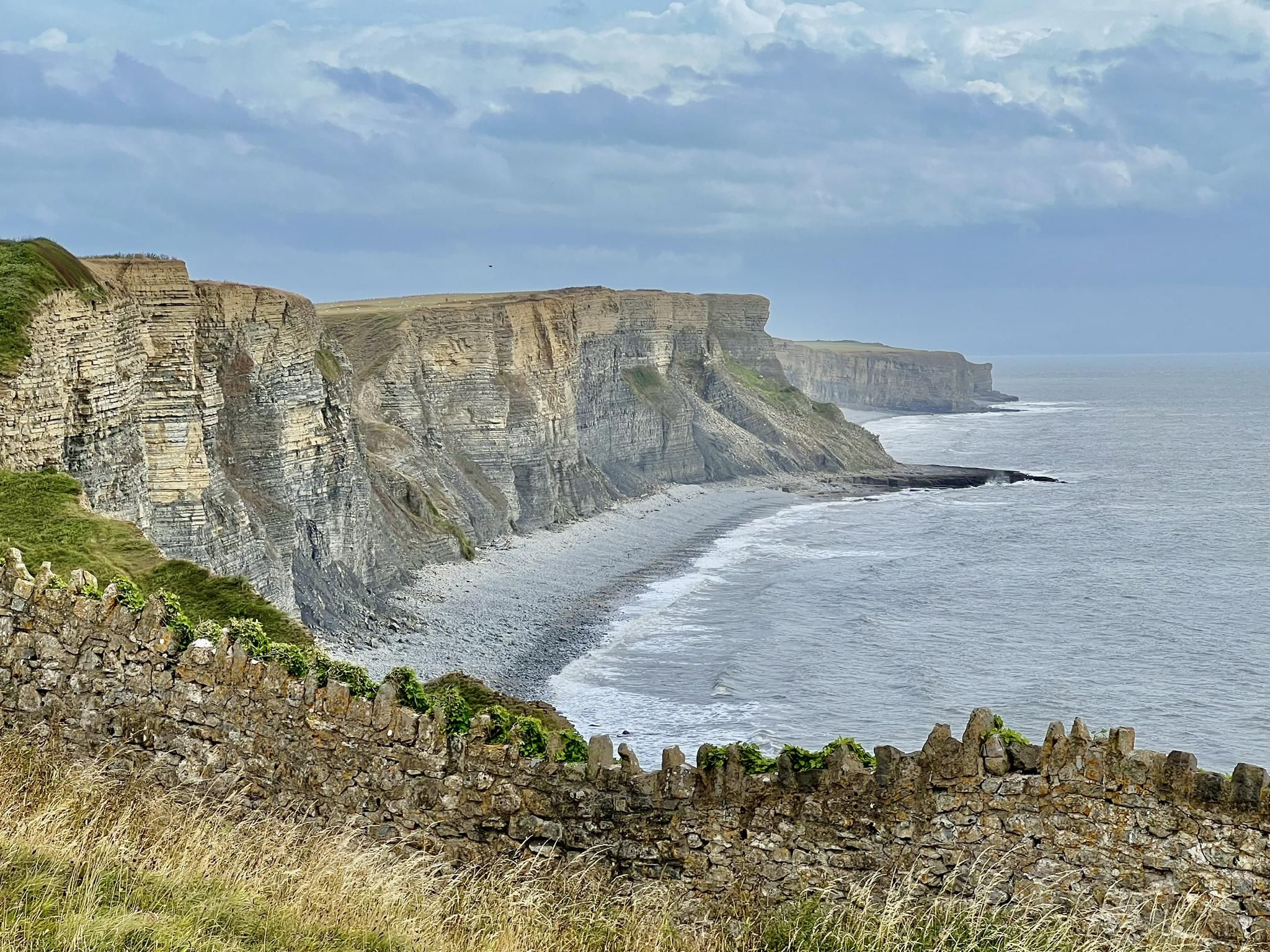
6,000 years of history – Valeways Millennium Heritage Trail
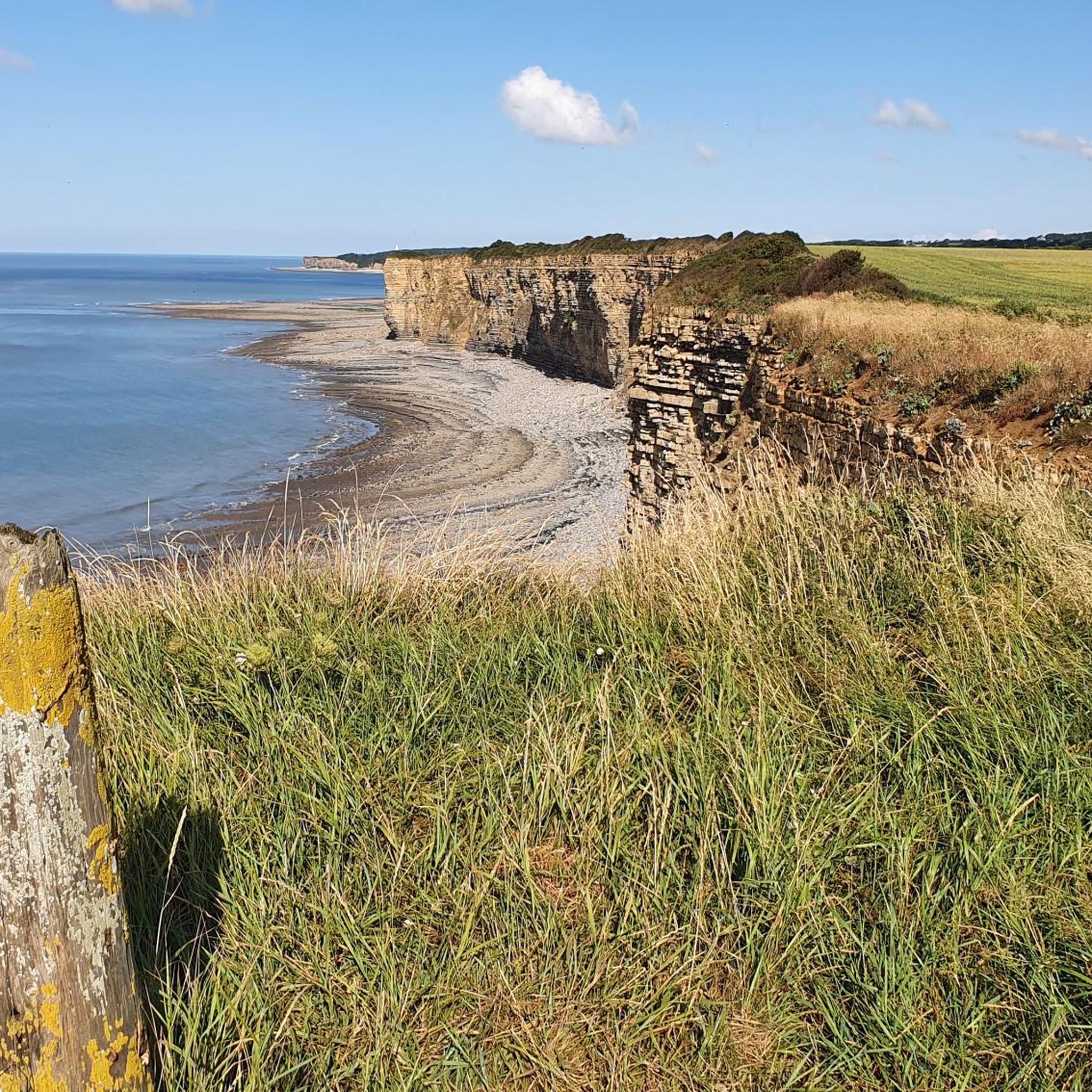
Road Cycling Routes around Cowbridge With Llanblethian
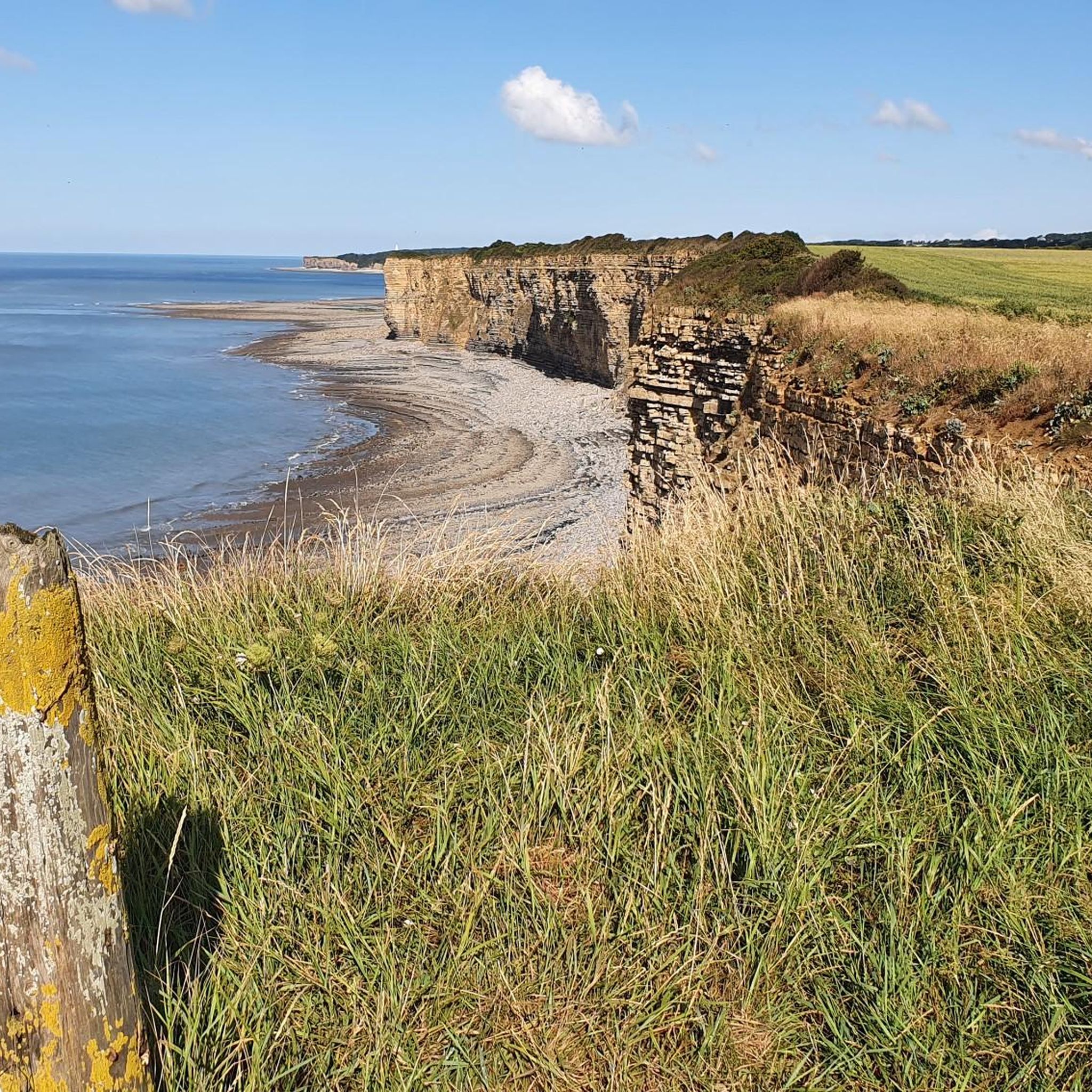
Cycling around Cowbridge With Llanblethian
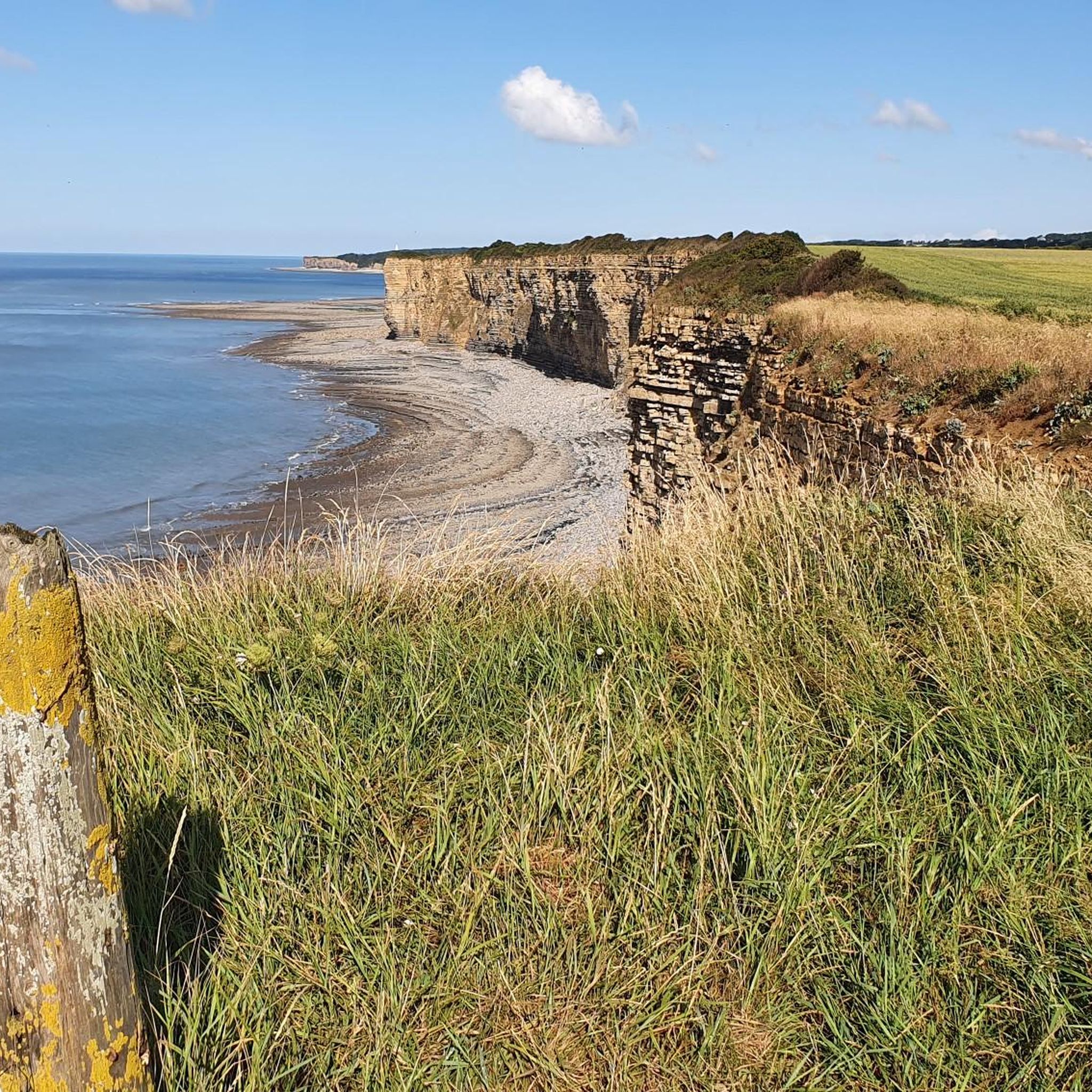
Hiking around Cowbridge With Llanblethian

Gravel biking around Cowbridge With Llanblethian
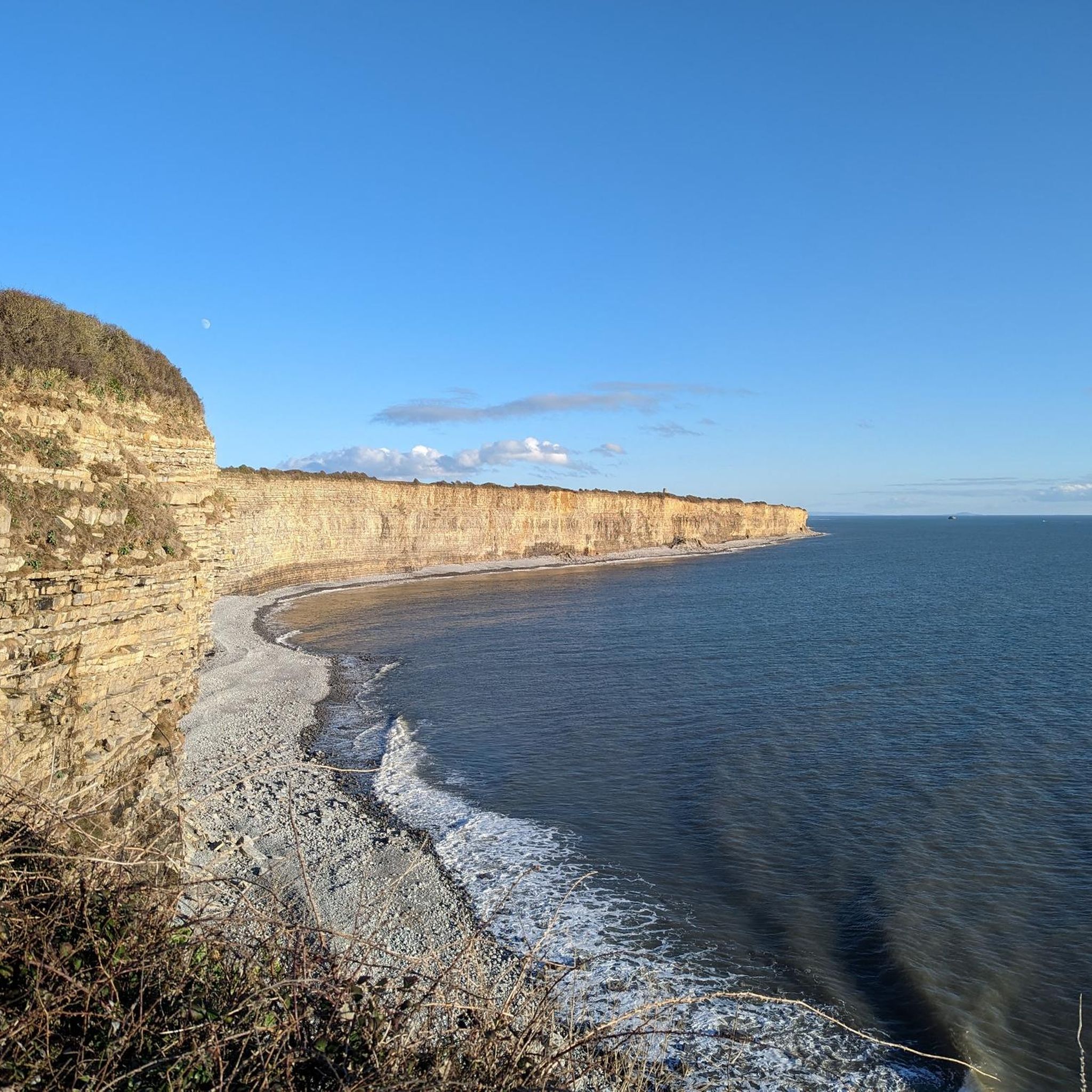
Running Trails around Cowbridge With Llanblethian
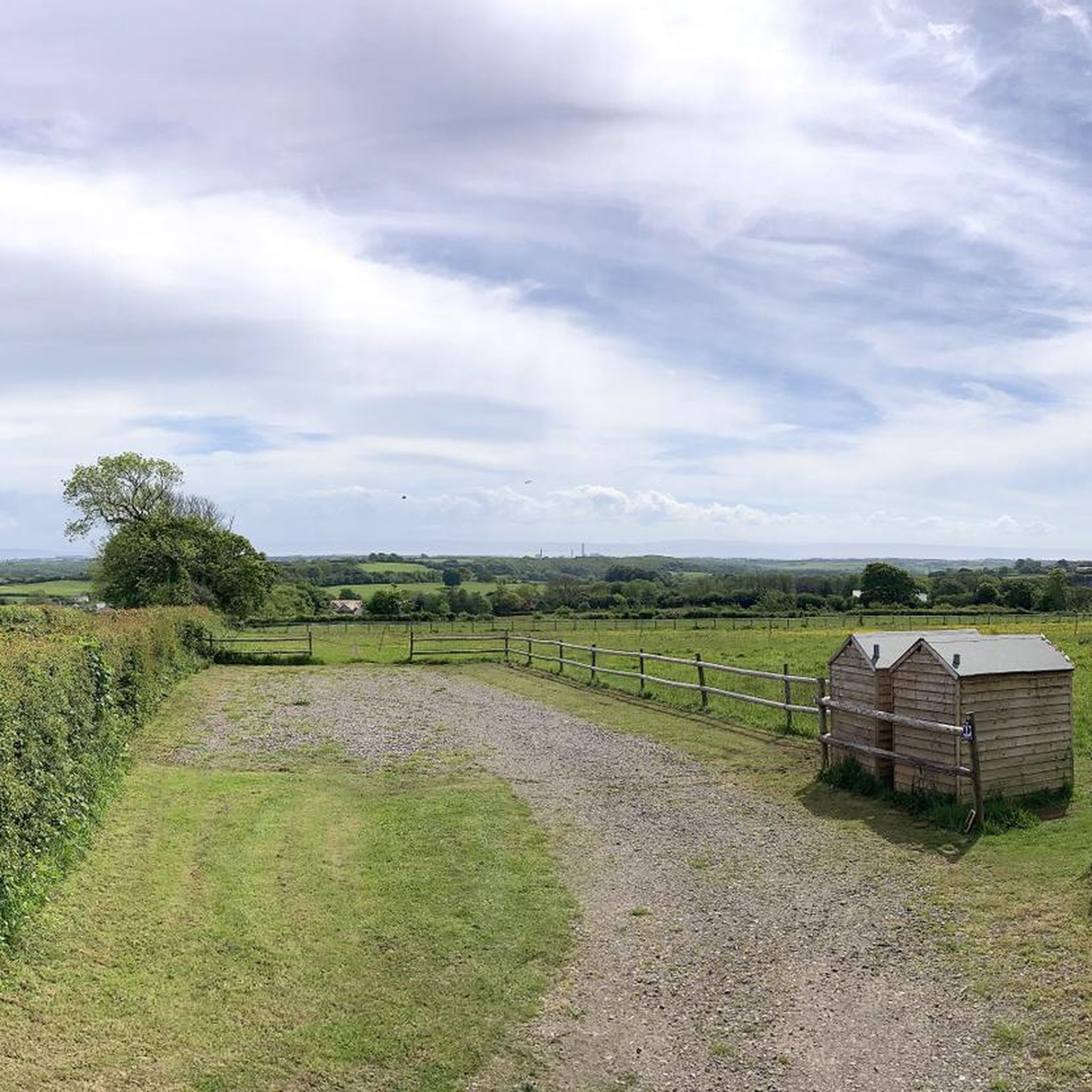
MTB Trails around Cowbridge With Llanblethian
Other adventures around Cowbridge With Llanblethian

Tips from the Community

See also https://cadw.gov.wales/visit/places-to-visit/llanblethian-castle Quentin's Castle, also known as Llanblethian Castle was probably built by English nobleman and military commander Gilbert de Clare in the early 14th century, the most notable remnants of this castle are its huge, twin-towered gatehouse and high stretch of curtain wall on the north of the site. In the centre of what was once a large fortress is an earthen mound with the remains of a thick-walled building on top of it, which may be all that’s left of an earlier keep. Links to Caerphilly Castle too - see plaque in the gatehouse.
0
0

In the beginning, as a castle of earth and wood in the early 12th century, it was quickly fortified in stone before being further strengthened with a curtain wall in the early 13th century. Unusually, the later additions have not obscured the castle’s earliest defensive features, with the banks and ditches built at Ogmore’s birth still clearly visible. Another original feature is the deep ditch around the inner ward, designed to fill with sea water at high tide.
0
0


No always visible during the winter
0
0

Lllanblethian is a quaint and picturesque village that sits above the River Thaw in the Vale of Glamorgan. It's an ancient village, outdating the nearby market town of Cowbridge, and hosting a number of beautiful historic buildings. The village is home to St Quentin's Castle, a 14th-century castle perched upon a hill, a church that dates back to the 12th-century dedicated to St John the Baptist, and an early 18th-century great house that sits along the river.
4
0
St Fagans is an affluent village situated to the west of Cardiff in South Wales. The village is home to St Fagans National Museum of History, Wales' most popular heritage attraction that beautifully showcases the history of Welsh life. Whilst in St Fagans, a visit to the museum is a must. There are endless fascinating places to discover inside the grounds, including an old sweet shop, a chapel, a Workmen's Institute, a set of traditional cottages laid out in their original style, and a late 16th-century manor house and gardens. It is free to enter the grounds, and you can check out the opening times here https://museum.wales/stfagans/visit/
2
0

These stepping stones have quite a history. Before the suspension bridge for pedestrian use was built there was, at that spot, a series of stepping stones. When the bridge came into use these stones were lifted and placed near Ogmore Castle, where they remain today, keeping their original name: Stepsau Teilo. At one period towards the end of the last century a competition developed to see how quickly the crossing could be made without falling into the river. Many tried to take the stones at full speed and, cheered on by onlookers there were several slips.
1
0
Ogmore castle overlookins a picturesque river crossing marked by a series of ancient stepping stones. Along with the ruins of the stone structure, Ogmore castle's earliest defensive features of banks and ditches are still clearly visible, including the deep ditch around the inner ward, designed to fill with sea water at high tide.
2
0
Frequently Asked Questions
What is the most prominent castle directly in Cowbridge With Llanblethian?
The most prominent castle directly within or immediately adjacent to Cowbridge With Llanblethian is St Quentin's Castle, also known as Llanblethian Castle. This 14th-century castle is a scheduled monument and a Grade II* listed building, showcasing significant historical importance. You can explore its impressive twin-towered gatehouse and a high stretch of curtain wall. Access is generally free, and it's cared for by Cadw. For more details, see the highlight for Llanblethian Village and St Quentin's Castle.
Are there family-friendly castles to visit near Cowbridge With Llanblethian?
Yes, several castles in the area are considered family-friendly. Ogmore Castle Ruins is a great option, offering open spaces and ancient stepping stones nearby for exploration. St Fagans Castle and Gardens, located within the St Fagans National Museum of History, provides a fascinating day out with its Elizabethan manor house and extensive grounds.
What unique historical features can I find at castles near Cowbridge With Llanblethian?
The castles in this region offer distinct historical features. At Ogmore Castle Ruins, you can still see its earliest defensive banks and ditches, including a deep ditch designed to fill with seawater at high tide. St Quentin's Castle (Llanblethian Castle) boasts an impressive twin-towered gatehouse and remnants of a thick-walled building believed to be an earlier keep. The fact that St Quentin's construction was seemingly halted after Gilbert de Clare's death in 1314 adds to its unique narrative.
Can I combine a castle visit with outdoor activities like cycling or running?
Absolutely! Many castles are situated near scenic routes. For example, you can find cycling routes that pass by St Quentin's Castle, such as the 'St Quentin's Castle – Cowbridge Physic Garden loop' for both road cycling and touring bicycles. There are also running trails like the 'St Quentin's Castle – Cowbridge Physic Garden loop from Cowbridge'. You can explore more options in the Cycling around Cowbridge With Llanblethian and Running Trails around Cowbridge With Llanblethian guides.
Are there any castles with interesting river crossings nearby?
Yes, Ogmore Castle Ruins is notable for its picturesque river crossing with ancient stepping stones. These Stepsau Teilo Stepping Stones at Ogmore Castle were relocated near the castle and offer a unique way to experience the river, making for a fun and memorable visit.
What do visitors enjoy most about the castles in this area?
Visitors particularly enjoy the historical depth and picturesque settings. For instance, Ogmore Castle Ruins is appreciated for its visible early defensive features and the scenic river crossing. St Fagans National Museum of History, which includes St Fagans Castle, is highly praised for beautifully showcasing Welsh life and history, with many fascinating places to discover within its grounds.
Is there parking available when visiting castles near Cowbridge?
Yes, for many sites, parking is available. For example, Ogmore Castle Ruins offers a free car park, making it convenient for visitors. For other locations, it's advisable to check local signage or official websites for specific parking information.
What is the best season to visit the castles around Cowbridge With Llanblethian?
The best time to visit the castles around Cowbridge With Llanblethian is generally during the spring, summer, and early autumn months. The weather is milder and more conducive to exploring ruins and walking around the grounds. These seasons also offer the best conditions for combining castle visits with outdoor activities like hiking and cycling.
Are there any castles that are part of a larger museum or heritage site?
Yes, St Fagans Castle and Gardens is located within the extensive grounds of St Fagans National Museum of History. This allows visitors to explore a 13th-century castle site and a Grade I listed Elizabethan manor house, alongside numerous re-erected historical buildings from across Wales, offering a comprehensive heritage experience.
Are there any lesser-known or 'hidden gem' castles in the Vale of Glamorgan near Cowbridge?
While St Quentin's Castle (Llanblethian Castle) is well-known locally, its ruins offer a tangible connection to medieval history without the crowds of larger, more famous castles. Another site of archaeological significance is Llanquian Castle, described as a scheduled monument in Cowbridge with Llanblethian, containing the remains of a stone building that highlights medieval defensive practices.
How long should I plan for a visit to a castle ruin in this region?
The duration of a visit can vary depending on the castle and your interest. For ruins like Ogmore Castle Ruins or St Quentin's Castle, you might spend 1-2 hours exploring the site and its immediate surroundings. If you visit a larger site like St Fagans Castle and Gardens, which is part of the National Museum of History, you could easily spend half a day or even a full day exploring the castle, gardens, and the wider museum grounds.
Most popular routes around Cowbridge With Llanblethian
Most popular attractions around Cowbridge With Llanblethian

Get inspired with the komoot mobile app


Explore more
Looking for the best castles somewhere else? Discover other guides around Cowbridge With Llanblethian:
