The best walks and hikes around Groitzsch
4.6
(6769)
22,691
hikers
98
hikes
Hiking around Groitzsch offers diverse landscapes within the Leipziger Tieflandsbucht, characterized by an extensive floodplain and notable natural features. The region includes the Pfarrholz Nature Reserve, a species-rich floodplain forest traversed by the Schwennigke river. Hikers can explore routes that incorporate hills like Kantorberg and scenic areas such as Groitzscher Hölle. The area provides a mix of natural beauty and cultural heritage along its trails.
Best hiking trails around Groitzsch
- The most popular hiking route is Trees of the Year…
Last updated: June 26, 2026
4.0
(23)
75
hikers
Hard hike. Very good fitness required. Easily-accessible paths. Suitable for all skill levels.
4.9
(29)
53
hikers
Moderate hike. Good fitness required. Easily-accessible paths. Suitable for all skill levels.

Sign up for free
4.7
(13)
30
hikers
15.8km
04:03
70m
70m
Moderate hike. Good fitness required. Easily-accessible paths. Suitable for all skill levels.
4.6
(11)
30
hikers
Moderate hike. Good fitness required. Easily-accessible paths. Suitable for all skill levels.
4.9
(10)
33
hikers
Easy hike. Great for any fitness level. Easily-accessible paths. Suitable for all skill levels.
Get access to more routes and recommendations from other explorers.
Sign up for free
Already have an account?
Our route recommendations are based on thousands of hikes, rides, and runs completed by other people on komoot.
Start today with a free account
Your next adventure awaits.
Login or Signup

Other adventures around Groitzsch

Tips from the Community

In spring, when everything is green and blooming. that's great. You have a view of the Schwennigke on almost the entire "loop". Sometimes it is really wide and almost stagnant, sometimes flowing faster. You can really relax here.
0
0

Audigast Castle originated as a moated castle, first mentioned in 1330 as a manor house under Otto Pincerna de Vdegoz. In 1472, the moated castle was recorded as a knight's estate, and in 1518 as an outlying farm. During the turmoil of World War II, Audigast Castle suffered partial destruction in 1945. It stood empty for a long time and was in need of extensive renovation. In 2015, the castle underwent a comprehensive renovation for residential use. The castle is now in excellent condition. https://sachsens-schloesser.de/groitzsch-wasserburg-schloss-audigast/
0
0
The castle ruins can be visited free of charge at any time. Particularly worth seeing are the partially reconstructed round chapel and the stump of a round tower, both dating from around 1080. During the summer months, events such as open-air concerts and performances are frequently held on the grounds. A vineyard with over 500 vines, flowerbeds, and hiking trails have been created. The lapidarium within the castle grounds now comprises a collection of approximately 40 fieldstones and boundary stones from the region. https://www.groitzsch.de/freizeit-kultur-tourismus/sehenswuerdigkeiten/55-wiprechtsburg
0
0
Town Church (Church of Our Lady) Romanesque origin, rebuilt several times, most recently in 1883/84; comprehensive exterior renovation in 1994, roof truss and entire interior renovated from 2005 to 2007 https://www.groitzsch.de/freizeit-kultur-tourismus/sehenswuerdigkeiten/64-weitere-denkmale-historische-bauten
0
0

Lovingly designed display boards from the Fabelwerkstatt Hohendorf. https://fabelwerkstatt.com/galerie/schautafeln%20
0
0

Rest area with a beautiful view
0
0

A small, idyllic rest area on the Schwennigke.
0
0
Frequently Asked Questions
How many hiking trails are available around Groitzsch?
There are over 100 hiking routes in the Groitzsch area, offering a wide range of options for different skill levels and preferences. The komoot community has explored these trails extensively, providing valuable insights and ratings.
Are there easy hiking trails suitable for beginners or families in Groitzsch?
Yes, Groitzsch offers many easy hiking trails perfect for beginners or families. Over 70 routes are classified as easy. An example is the Kantorberg Hill – Träubelwiese Natural Monument loop from Groitzsch, which is about 6.2 km long and takes around 1 hour 35 minutes to complete, offering gentle terrain and scenic views.
What kind of landscapes can I expect to see while hiking in Groitzsch?
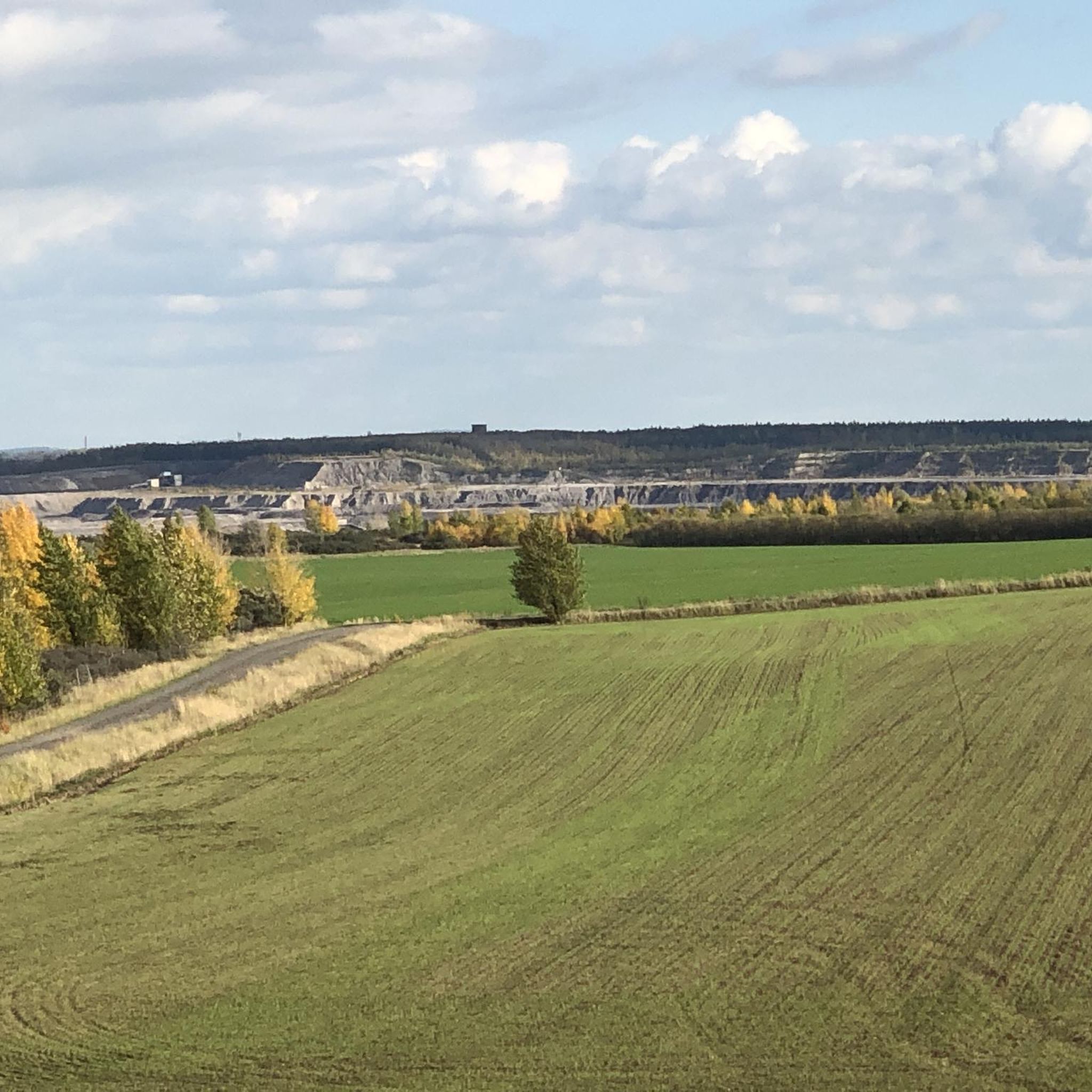
Groitzsch is nestled within the idyllic Leipziger Tieflandsbucht, characterized by an extensive floodplain landscape. You'll encounter the species-rich Pfarrholz Nature Reserve, traversed by the Schwennigke river, and routes that incorporate hills like Kantorberg. The area offers a mix of natural beauty, including forests and open fields, along with cultural heritage sites.
Are there any long-distance or more challenging hiking options around Groitzsch?
For those seeking a longer and more challenging experience, Groitzsch does offer a few difficult routes. The Trees of the Year Educational Trail – St. Pancras Church (Lucka) loop from Michelwitz is a notable example, stretching over 29 km and typically taking around 7 hours 30 minutes to complete, providing an immersive journey through natural landscapes.
Are there circular hiking routes available in Groitzsch?
Many of the hiking routes in Groitzsch are designed as circular loops, allowing you to start and end at the same point. For instance, the Trees of the Year Educational Trail – Bench Near Großstolpener See loop from Hohendorf is a moderate 9.7 km circular path that offers scenic views of Großstolpener See.
What are some interesting natural features or attractions to see along the hiking trails?
Hiking trails in Groitzsch often lead to interesting natural features and historical sites. You can explore the Pfarrholz Nature Reserve, the scenic Groitzscher Hölle, or enjoy views from Kantorberg Hill. The Groitzscher Hölle itself is a notable gorge. Additionally, the Wiprechtsburg Ruins, considered the oldest stone building in Saxony, are accessible via some routes.
Can I find trails that pass by lakes or offer water-based activities?
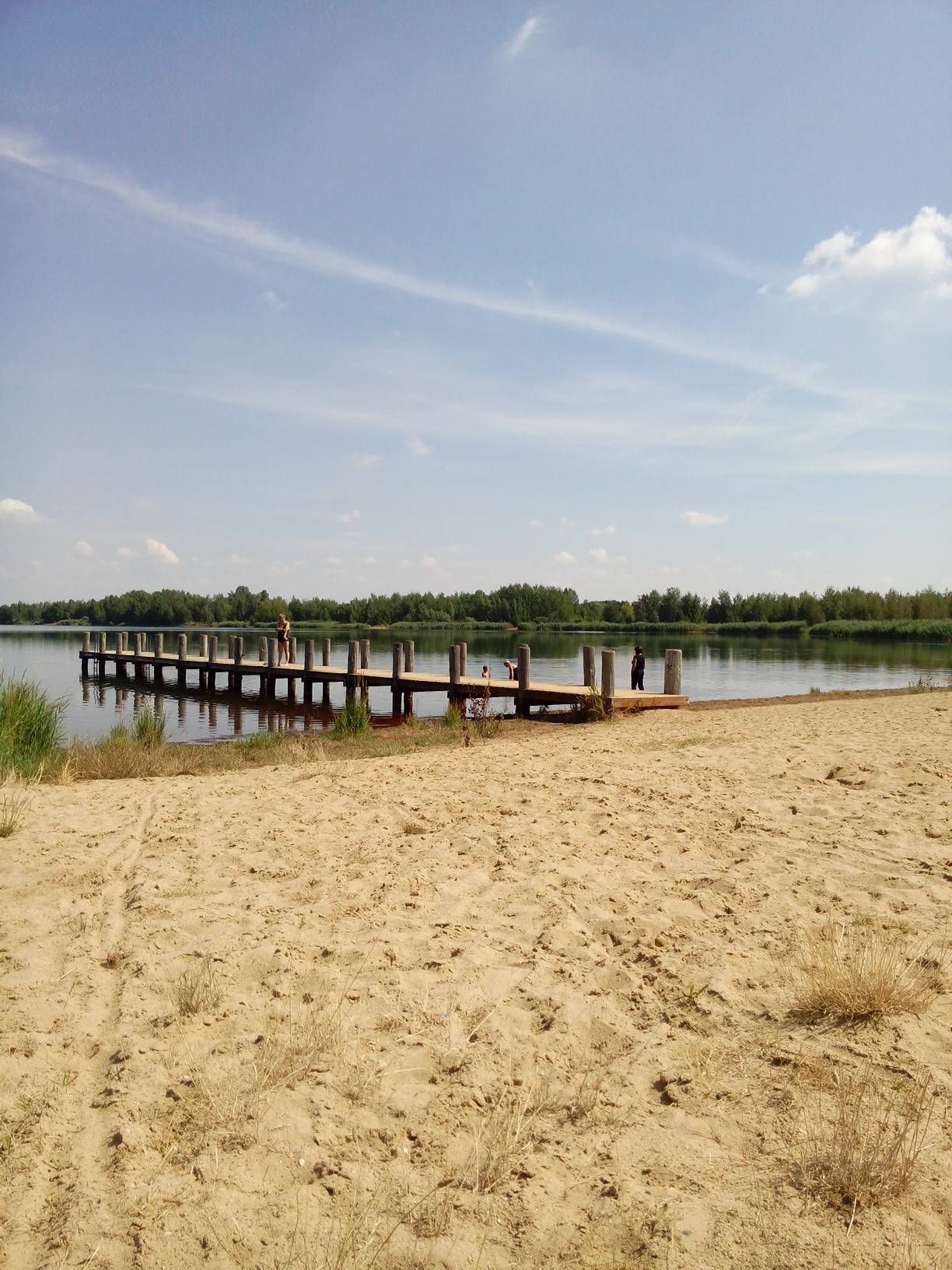
Yes, several trails in Groitzsch lead to or pass by the Großstolpener See. The Großstolpener Lake – Trees of the Year Educational Trail loop from Großstolpen is a moderate 9.1 km route that provides excellent views of the lake. The Großstolpener See also offers amenities like a bathing area, snack bar, and barbecue facilities for post-hike relaxation.
What do other hikers enjoy most about hiking in Groitzsch?
The hiking routes in Groitzsch are highly rated by the komoot community, with an average score of 4.8 stars from over 500 reviews. Hikers often praise the diverse landscapes, the tranquility of the Pfarrholz Nature Reserve, and the well-maintained paths that combine natural beauty with historical points of interest.
Are there any historical landmarks or cultural sites accessible via hiking trails?
Absolutely. Groitzsch's trails often intertwine with its rich history. The Ulrike-von-Levetzow Hiking Trail, for example, passes by the Frauenkirche and the significant Wiprechtsburg Ruins. These ruins are historically important as the castle of Count Wiprecht of Groitzsch and are considered the oldest stone building in Saxony.
Are there any specific viewpoints or scenic spots along the trails?
Many routes offer elevated views, particularly those incorporating Kantorberg Hill. You can also find scenic spots overlooking the extensive floodplain landscape and the Schwennigke river. For broader vistas, some trails provide views towards larger bodies of water like Lake Zwenkau.
Is there wildlife to observe while hiking in Groitzsch?
The Pfarrholz Nature Reserve, a species-rich floodplain forest, is an excellent area for observing diverse flora and fauna. Additionally, the Wild Animal Enclosure Gatzen, located west of the Schwennigke river, is accessible from the nature trail in Pfarrholz and offers an opportunity to see deer and other animals in their natural habitat.
Most popular routes around Groitzsch
Most popular attractions around Groitzsch

Get inspired with the komoot mobile app


Explore more
Browse the best Hikes in other regions.
