Top 20 Caves around Dürrröhrsdorf-Dittersbach
Best caves around Dürrröhrsdorf-Dittersbach are found within the scenic Saxon Switzerland region, known for its unique sandstone formations and natural landscapes. This area offers a variety of geological features, including grottoes, rock overhangs, and natural arches. Visitors can explore these sites via local hiking trails, encountering both well-known and hidden cave systems. The region provides opportunities to experience diverse natural environments and historical sites.
Best caves around Dürrröhrsdorf-Dittersbach
- The most popular caves is Gautsch Grotto, a cave that features…
Last updated: July 6, 2026
View of Hohnstein Castle and the Polenz Valley from the Hockstein
Highlight • Viewpoint
Translated by Google •
Tip by

Teufelskammer Gorge
Highlight (Segment) • Gorge
Translated by Google •
Tip by

Sign up now to discover places like this
Get recommendations on the best single tracks, peaks, & plenty of other exciting outdoor places.
Sign up for free
Gautsch Grotto
Highlight • Cave
Translated by Google •
Tip by

Teufelsschlüchte (Devil's Gorges)
Highlight • Gorge
Translated by Google •
Tip by

Hering's Cave
Highlight • Cave
Translated by Google •
Tip by
Sign up for free to discover even more caves around Dürrröhrsdorf-Dittersbach.
Sign up for free
Already have an account?
Start today with a free account
Your next adventure awaits.
Login or Signup
Popular around Dürrröhrsdorf-Dittersbach
Hiking around Dürrröhrsdorf-Dittersbach
Cycling around Dürrröhrsdorf-Dittersbach

Gravel biking around Dürrröhrsdorf-Dittersbach
Road Cycling Routes around Dürrröhrsdorf-Dittersbach
Running Trails around Dürrröhrsdorf-Dittersbach
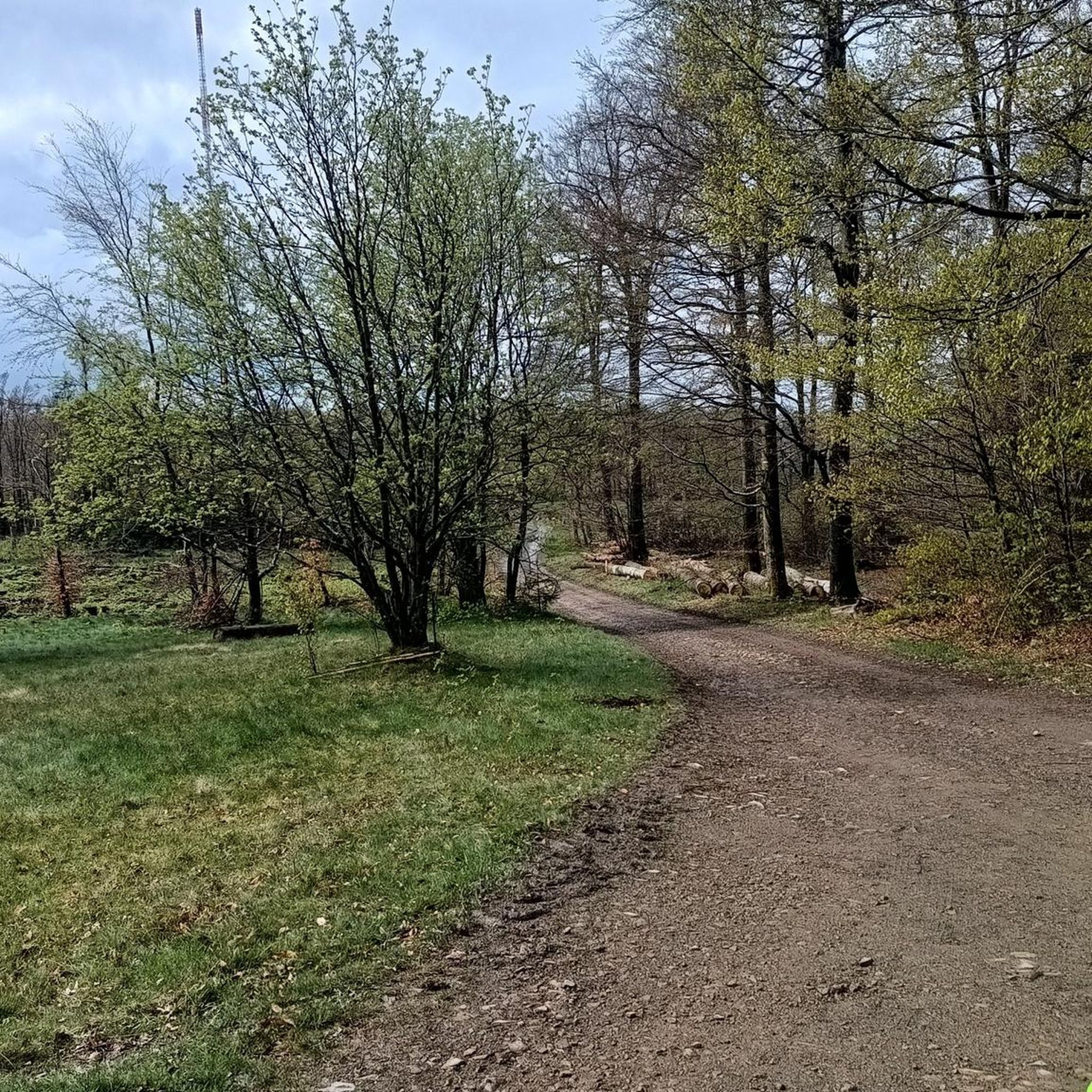
Mountain Hikes around Dürrröhrsdorf-Dittersbach
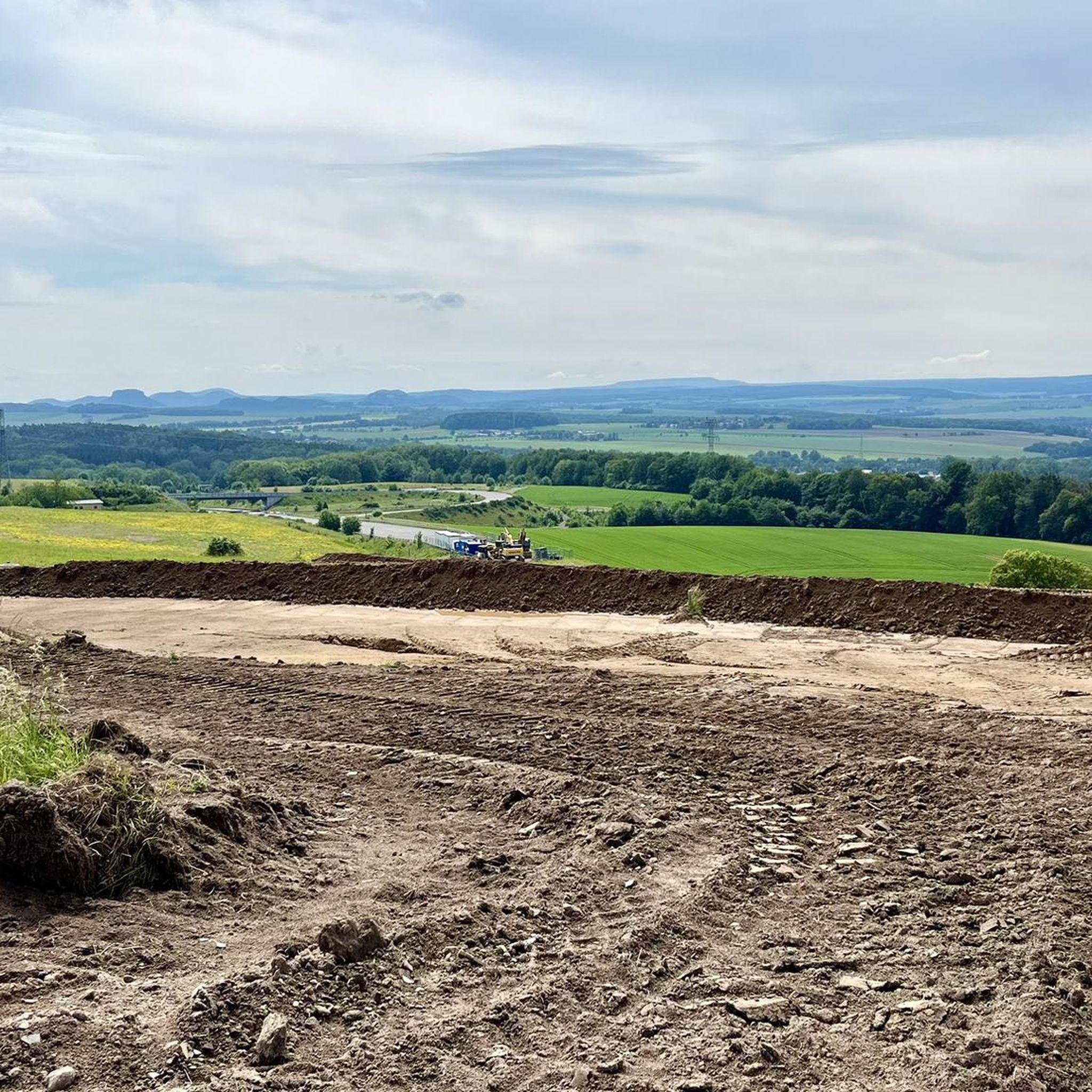
MTB Trails around Dürrröhrsdorf-Dittersbach
Tips from the Community

Awesome view of the valley and Hohenstein. Fantastic.
10
0

Family-friendly tour in Saxon Switzerland, Saxony. This short hike through the Teufelsgrund and to the Heringshöhle is ideal for all age groups.
8
0
The Teufelsgrund with its branching gorges and around 30 native ferns is one of the most species-rich valleys in the German low mountain ranges. Together with the Heringshöhle, this wild and romantic area offers a lot of interesting things to discover.
9
0

Great view of Hohnstein & its fortress.
3
0

If you stand here and look down into the valley, you will witness the constant change that our forests are going through. Once green and vibrant, many trees now show brown marks, signs of the bark beetle that has wreaked havoc in this area. But even if this scene makes the heart heavy, the view is still impressive. Secured by a railing, the view here is no less impressive in its melancholy - and it is also safe for children to access. The silence that surrounds the valley is broken by the majestic view of Hohnstein with its imposing castle, which stands proudly on a rock opposite. And further back, the picturesque Polenztal valley meanders along. A panorama that, in its beauty and at the same time in its vulnerability, conveys a powerful message: nature is in constant change, and it is in our hands how this story continues.
7
0

Beautiful view of Hohnstein Castle and down in Polenztal
4
0
Even in the Elbe Sandstone Mountains, the forest is dying...
4
1

It is a little small when there are crowds of people here, but it is secured with a railing. What is special is that from this view you can see the two landscape forms, one characterized by granite, the other by sandstone. This is precisely where the granite rock pushed under the sandstone slab. To the north there is a more V-shaped valley with sloping granite slopes, while to the south the vertically terraced walls of the sandstone are visible.
2
0
Frequently Asked Questions
What types of caves and rock formations can I explore around Dürrröhrsdorf-Dittersbach?
The region offers a diverse range of geological features, including grottoes, rock overhangs, natural arches, and collapse caves. You can find everything from easily accessible grottoes like Gautsch Grotto to more adventurous, darker cave systems and unique formations like the Kuhstall Rock Arch, the second-largest natural arch in the Elbe Sandstone Mountains.
Are there any family-friendly caves or grottoes in the area?
Yes, several spots are suitable for families. The Thieves' Cave is considered family-friendly, offering an impressive layer joint cavity. Additionally, the Lichter Cave (Cave of Lights) is a popular and accessible destination for families, known for its spacious interior and traditional illumination during the Christmas season.
What are some historical or culturally significant cave sites?
The Ida Grotto at Frienstein has historical significance, with traces of medieval use as a dwelling and a hideout for robber knights. The Kuhstall Rock Arch is also steeped in history, believed to have been used by locals to hide cattle during the Thirty Years' War. The Lichter Cave also has a unique history influenced by both geological processes and historical sand mining.
What kind of challenges can I expect when exploring caves in this region?
Some cave systems, like Teufelsschlüchte (Devil's Gorges), require duck walking in narrow sections. Exploring Hering's Cave involves a short course with a few meters of height difference and easy climbing. The Ida Grotto requires sure-footedness and a head for heights due to a narrow, moderately secured ledge.
What outdoor activities can I combine with a visit to the caves?
The region is excellent for hiking and cycling. You can find numerous routes, such as the 'Belvedere Schöne Höhe – Dwarves' Cave loop' for mountain biking or the 'Gautsch Grotto – Thieves' Cave loop' for mountain hiking. For more options, explore the cycling routes, MTB trails, or mountain hikes around Dürrröhrsdorf-Dittersbach.
What is the Zwergenhöhle (Dwarf Cave) and where is it located?
The Zwergenhöhle, or Dwarf Cave, is an intriguing rock passage located near Schöne Höhe in Dürrröhrsdorf-Dittersbach. It's accessible via local hiking trails and is part of the natural landscape, often associated with local legends about dwarves.
What makes the Gautsch Grotto a notable cave to visit?
The Gautsch Grotto is notable for its approximately 40-meter-wide rock overhang, forming a striking semi-circular grotto. The sandstone here has been shaped by water and frost, creating unique formations. In winter, dripping water can form bizarre ice columns, while in summer, it offers a cool spot with distinct moss and fern growth.
Do I need special equipment like a headlamp for exploring the caves?
While some caves like the Lichter Cave can be bright enough without artificial light, a headlamp is recommended for exploring deeper sections or for caves like Hering's Cave, where it can be pitch dark initially. It's always a good idea to bring one for safety and better exploration.
Are there any viewpoints near the caves that offer scenic views?
Yes, many cave formations are integrated into scenic landscapes. The View of Hohnstein Castle and the Polenz Valley from the Hockstein is a highlight that offers awesome views. The Kuhstall Rock Arch also provides panoramic views of the rear Saxon Switzerland, including the Bärenfangwände and Kleiner Winterberg.
What is the best time of year to visit the caves around Dürrröhrsdorf-Dittersbach?
The caves and grottoes can be visited year-round, each season offering a different experience. Autumn is particularly beautiful for the Ida Grotto when the foliage changes color. In winter, the Gautsch Grotto can feature bizarre ice columns. Summer provides cool retreats, and the Lichter Cave is traditionally illuminated during the Christmas season, creating a magical atmosphere.
What do visitors enjoy most about the caves in this region?
Visitors appreciate the unique natural formations, the sense of adventure, and the historical intrigue. Many enjoy the challenge of navigating narrow passages or easy climbs, while others are drawn to the impressive scale of formations like the Gautsch Grotto. The opportunity to combine cave exploration with scenic hikes and the region's natural beauty is also highly valued.
Are there any caves that are particularly spacious or easy to explore?
The Lichter Cave (Cave of Lights) is known for its spacious interior, approximately 21 meters deep and 14 meters wide, making it easily explorable. It's often bright enough that artificial light isn't strictly necessary, though recommended for deeper sections.
Most popular routes around Dürrröhrsdorf-Dittersbach
Most popular attractions around Dürrröhrsdorf-Dittersbach

Get inspired with the komoot mobile app


Explore more
Extend your search for the best caves by checking out these guides of the top ones around Dürrröhrsdorf-Dittersbach:
