The best walks and hikes around Sealand
4.3
(719)
8,820
hikers
379
hikes
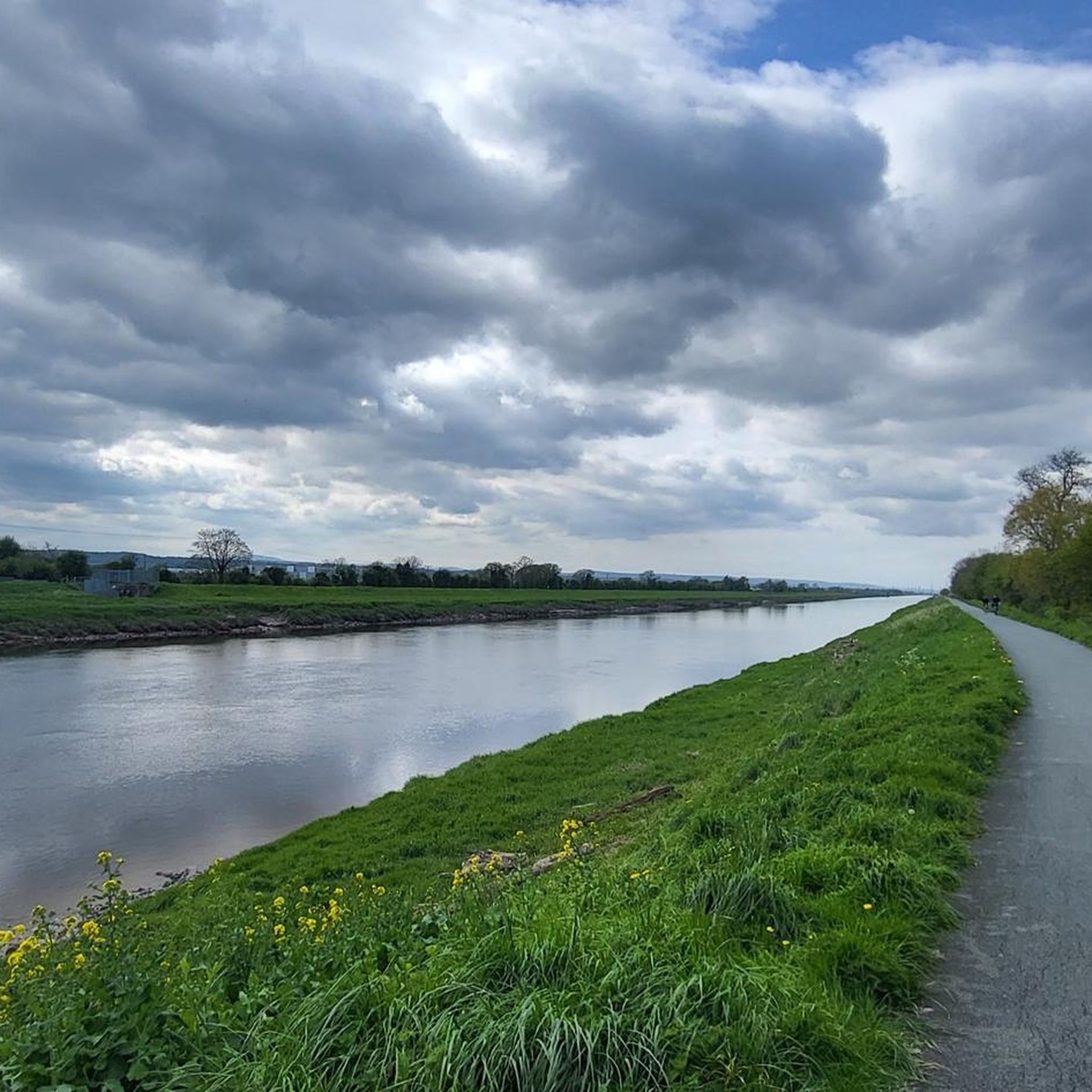
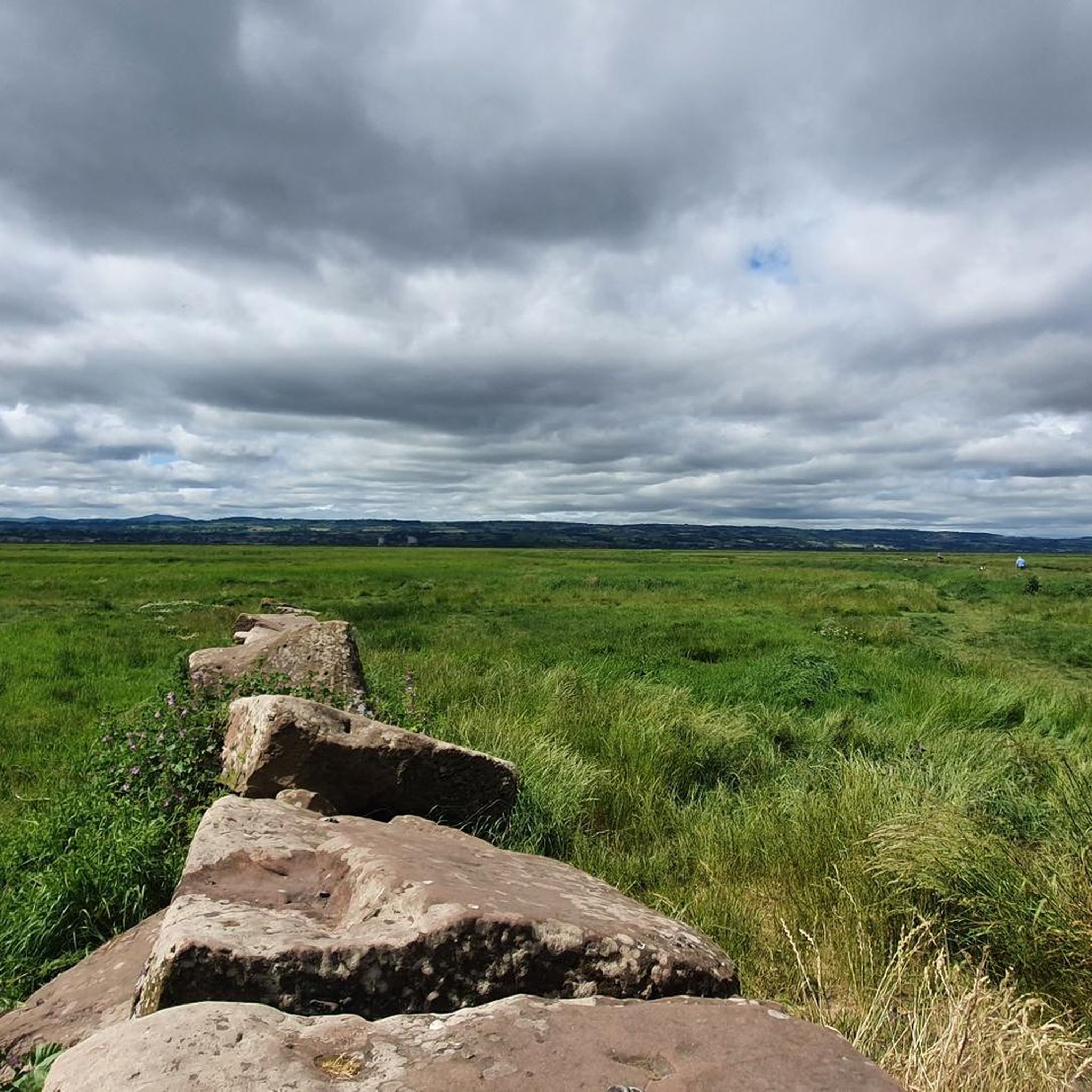
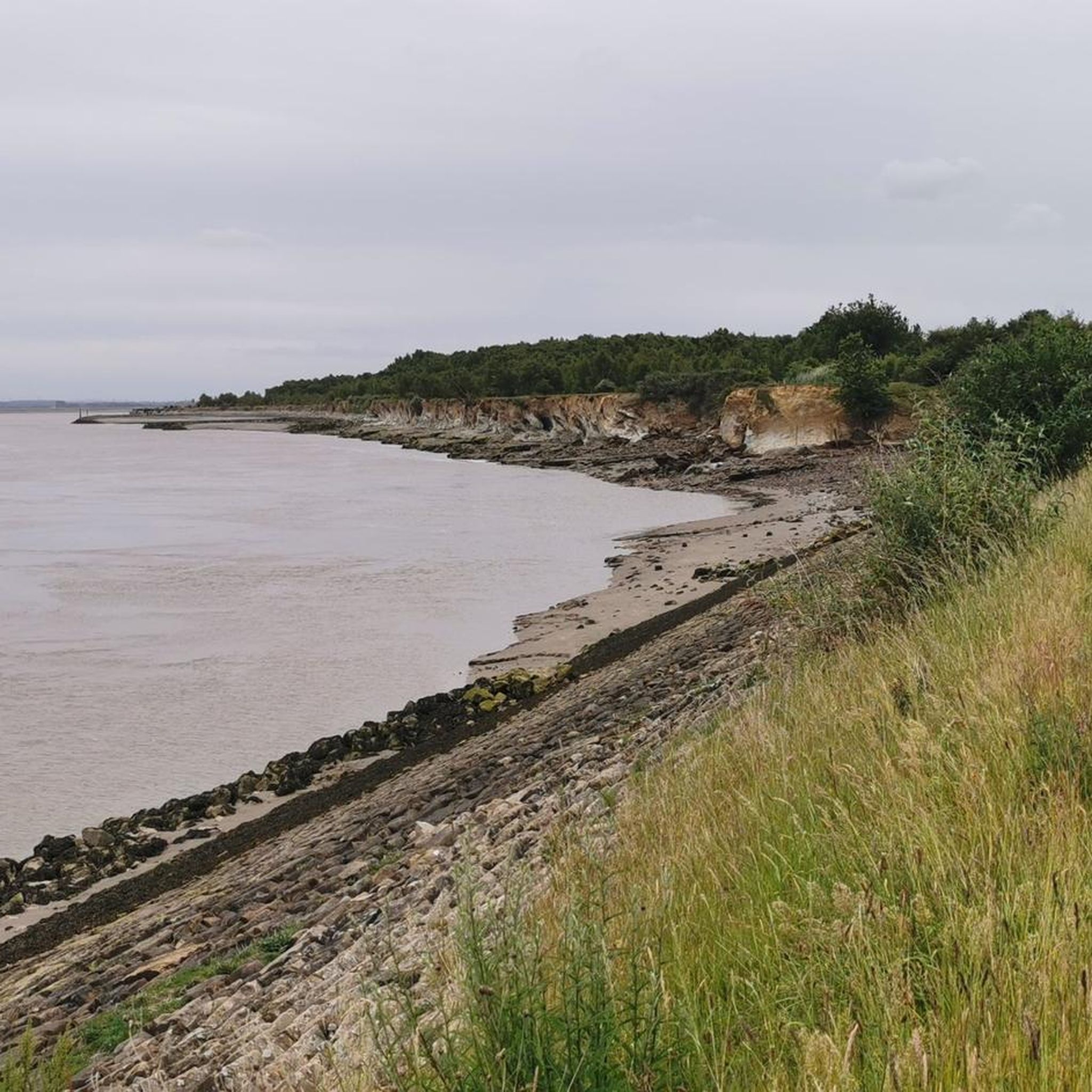
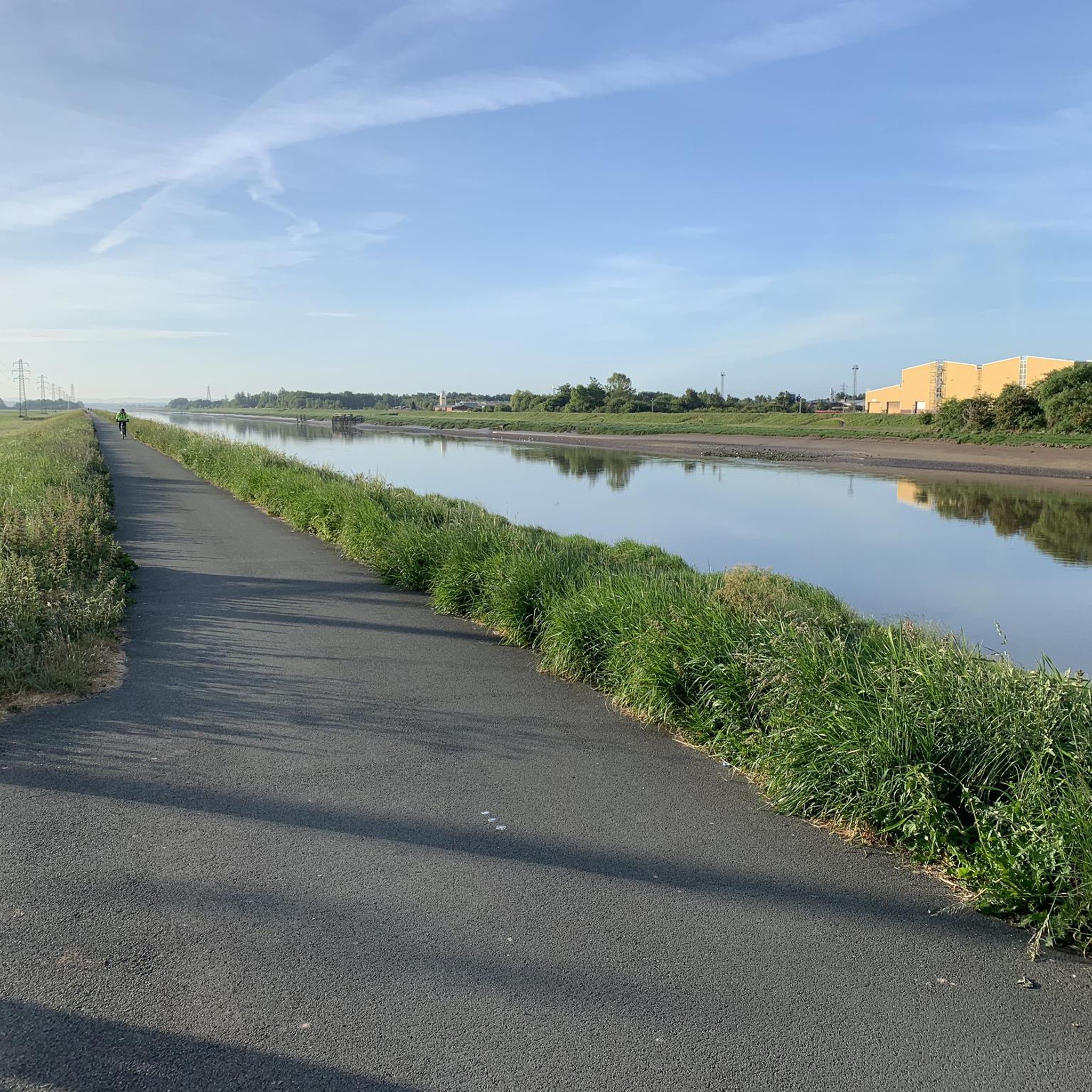
Hikes around Sealand explore the low-lying terrain of the Dee Estuary, situated between the Wirral Peninsula and North Wales. The region is characterized by flat riverside paths, expansive marshlands, and agricultural fields. Routes often follow the River Dee and the Wales Coast Path, offering a landscape shaped by waterways and open skies with minimal elevation change.
Best hiking trails around Sealand
- The most popular hiking route is Chester Castle – Watergate loop from Saltney, a 6.7 mile (10.8 km)…
Last updated: August 20, 2026
5.0
(7)
35
hikers
10.4km
02:40
30m
30m
Moderate hike. Good fitness required. Easily-accessible paths. Suitable for all skill levels.
5.0
(1)
39
hikers
Easy hike. Great for any fitness level. Easily-accessible paths. Suitable for all skill levels.

Sign up for free
5.0
(2)
22
hikers
23.5km
05:55
30m
20m
Hard hike. Very good fitness required. Easily-accessible paths. Suitable for all skill levels.
15
hikers
Easy hike. Great for any fitness level. Easily-accessible paths. Suitable for all skill levels.
16
hikers
6.70km
01:42
10m
10m
Easy hike. Great for any fitness level. Easily-accessible paths. Suitable for all skill levels.
Get access to more routes and recommendations from other explorers.
Sign up for free
Already have an account?
Our route recommendations are based on thousands of hikes, rides, and runs completed by other people on komoot.
Start today with a free account
Your next adventure awaits.
Login or Signup

Tips from the Community

good pathetic to ride or walk ! beware its closed on Race days 🐴
0
0

Originally called the New Tower, the Water Tower stands at the end of a crenellated retaining wall in an area now known as Tower Gardens. The spur wall connects the Water Tower to Bonewaldesthorne Tower, located at the northwest angle of the main walls. The lower area where the Water Tower stands was once covered by the River Dee before the river silted up and receded. The Water Tower was built in 1322 by the mason John de Helpeston for the sum of 100 pounds and remains largely unchanged today. The Water Tower's purpose was to guard Chester's port. Now that the river has receded, the "Tower Gardens" area is a pleasant place to relax in fine weather. There is a children's playground and a bowling alley at the Water Tower. Source: http://www.discoverchester.co.uk/
0
0

Beautiful down here when the weather is nice. Walk upstream, on the southern side of the river, for half a mile towards Earl's Eye for a stroll across the meadows with a riverside view.
0
0

Would recommend heading from Wales into England at sunset. Riding into the setting sun in such a tranquil spot
0
0

A 'tip' rather than a 'highlight' "The station is not staffed and only has basic amenities (departure screens, waiting shelters and timetable poster boards on each platform). Step-free access is available to both platforms, but transfer between them requires the use of a level crossing at the end of the platforms towards the bridge. The Chester Millennium Greenway cycle route runs adjacent to the station and provides access to the northbound platform. The route also connects the station to Shotton." You can't buy tickets at the station but you can buy them online or on board from the ticket inspector. From Bidston, where the trains terminate in one direction, you can join the Merseyrail network to travel onwards to the Wirral and Liverpool. Sources; https://tfw.wales/places/stations/hawarden-bridge https://en.m.wikipedia.org/wiki/Hawarden_Bridge_railway_station
1
0
The view from the bridge gives a great perspective of the 'canalisation' of the River Dee - a straight 5 mile section of the river. In the distance you can just make out the Queensferry and Flintshire Bridges. "The Saltney Ferry Footbridge in Flintshire was built in 1968 to replace a ferry that crossed the River Dee. The ferry service had been operating since 1790 and was run by the Manifold family. Ferry service history The ferry service began in 1790 and was run by the Manifold family The ferry service was a 12-seat service that operated from 5 AM–9 PM The ferry carried babies, coffins, and was used for chain-making and sea-going industries The ferry service ended around 1966 Footbridge construction The footbridge is a four span reinforced concrete structure The bridge is approximately 100m long and 2.14m wide The bridge was built with a removable central section to allow boats with tall masts to navigate upstream The bridge is suitable for pedestrians and cyclists River Dee The River Dee has been designated a Site of Special Scientific Interest (SSSI) and a Special Area of Conservation (SAC)." Various sources; AI Summary https://www.bbc.co.uk/news/uk-wales-north-east-wales-30532480 https://www.jenningsbce.co.uk/saltney-ferry-foot-bridge/ https://sealandcommunitycouncil.co.uk/about/local-history/
1
0
"The Jubilee Bridge (also known as the Blue Bridge) is a double leaf rolling bascule bridge which spans the River Dee at Queensferry, Wales. The bridge was built by Sir William Arrol & Co. between 1925 and 1927. It takes its name from an earlier bridge on the same site which was completed during the Diamond Jubilee of Queen Victoria in 1897. The abutments of the old bridge are still visible at both sides to the left (facing north) of the current bridge. The remains can be seen at low tide near the abutments. By the 1960s shipping had ceased on the River Dee. The bridge's lifting mechanism was removed and the roadway fixed permanently in place. In 2005 the Jubilee Bridge was awarded Grade II Listed building status by Cadw." Source: https://en.m.wikipedia.org/wiki/Jubilee_Bridge_(Queensferry)
1
0
Frequently Asked Questions
Can I actually hike on the Principality of Sealand?
No, this guide is not about the Principality of Sealand, which is a micronation on a former sea fort in the North Sea. The hikes featured here are in and around the community of Sealand in Flintshire, Wales, located by the Dee Estuary. For more information on the micronation, you can visit its Wikipedia page.
Are these hiking trails on the Danish island of Zealand (Sjælland)?
No, these hiking routes are located in the Sealand area of Flintshire, Wales, and near Chester, England. They are not on the Danish island of Zealand (Sjælland).
What is the terrain like for hiking around Sealand?
The landscape is predominantly flat and low-lying. Hikes typically follow riverside paths along the River Dee, cross expansive marshlands, and traverse agricultural fields. You can expect minimal elevation change, making it accessible for most fitness levels.
Are there many trails to choose from in the Sealand area?
Yes, there is a wide variety of options. You can find over 400 routes in the region, with the majority being easy or moderate. This includes everything from short strolls to longer day hikes.
What do other hikers think of the trails around Sealand?
The area is well-regarded by the komoot community, with thousands of hikers having explored the trails. Reviewers often praise the wide-open views across the estuary and the peaceful, flat paths that are easy to follow.
Are there any good options for a family-friendly walk?
Absolutely. The flat terrain makes this area ideal for families. A great choice is the Hawarden Bridge loop from Shotwick. It's an easy walk with very little elevation, offering a straightforward and enjoyable outing for all ages.
Can I bring my dog on these hikes?
Dogs are generally welcome on the public footpaths in the area. However, many routes cross marshlands and agricultural land with livestock or ground-nesting birds. It is essential to keep your dog on a lead and under control in these sensitive areas.
Are there any challenging hikes for experienced walkers?
While the region is mostly flat, there are longer routes that offer a challenge in terms of distance rather than elevation. For a full day of walking, consider the Saltney Ferry Footbridge – Chester Water Tower loop from Shotton, which covers over 14 miles (23 km) along the river and canal paths.
What kind of nature and wildlife can I expect to see?
The Dee Estuary is a significant area for wildlife, particularly birdlife. The marshlands and tidal flats attract a variety of waders and waterfowl, especially during migration seasons. The trails offer excellent opportunities for birdwatching in a unique estuarine environment.
Are most of the hiking routes circular?
Yes, many of the popular trails in this guide are loop walks. This makes logistics easier as you can start and finish in the same location, which is convenient for parking.
Where can I find good coastal or riverside walks?
The entire region is defined by the River Dee and its estuary. Many trails follow the Wales Coast Path or riverside promenades, providing constant water views. You'll find paths that run right alongside the river and across the open salt marshes.
How do I get to the trailheads using public transport?
Several routes start near towns like Chester, Saltney, and Shotton, which are accessible by bus or train. However, some trailheads in more rural spots might be harder to reach. It's best to check local bus and train schedules to plan your journey to a specific trailhead.
Most popular attractions around Sealand

Get inspired with the komoot mobile app


Explore more
Browse the best Hikes in other regions.
