The best road cycling routes around Cwm
4.6
(51)
2,190
riders
208
rides
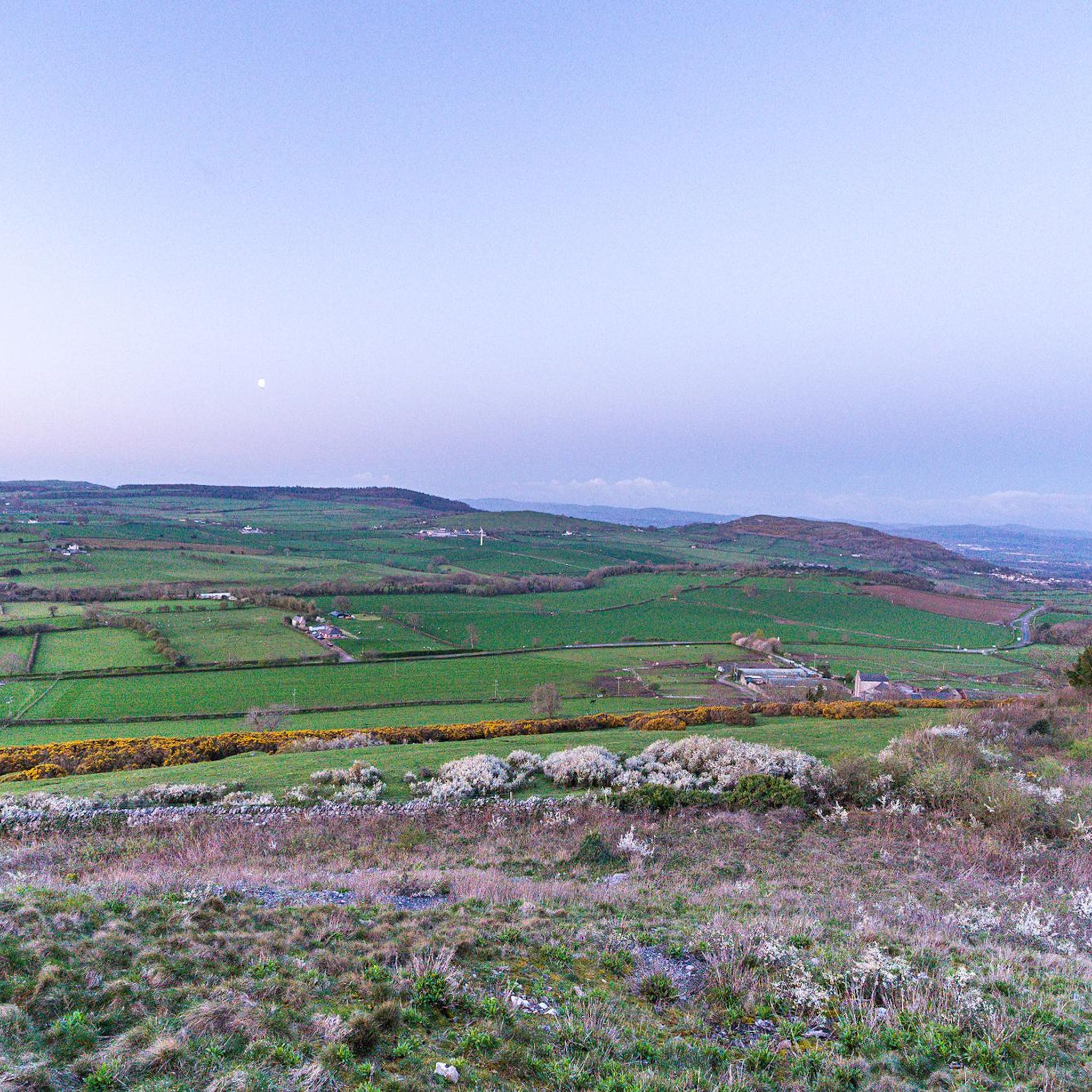
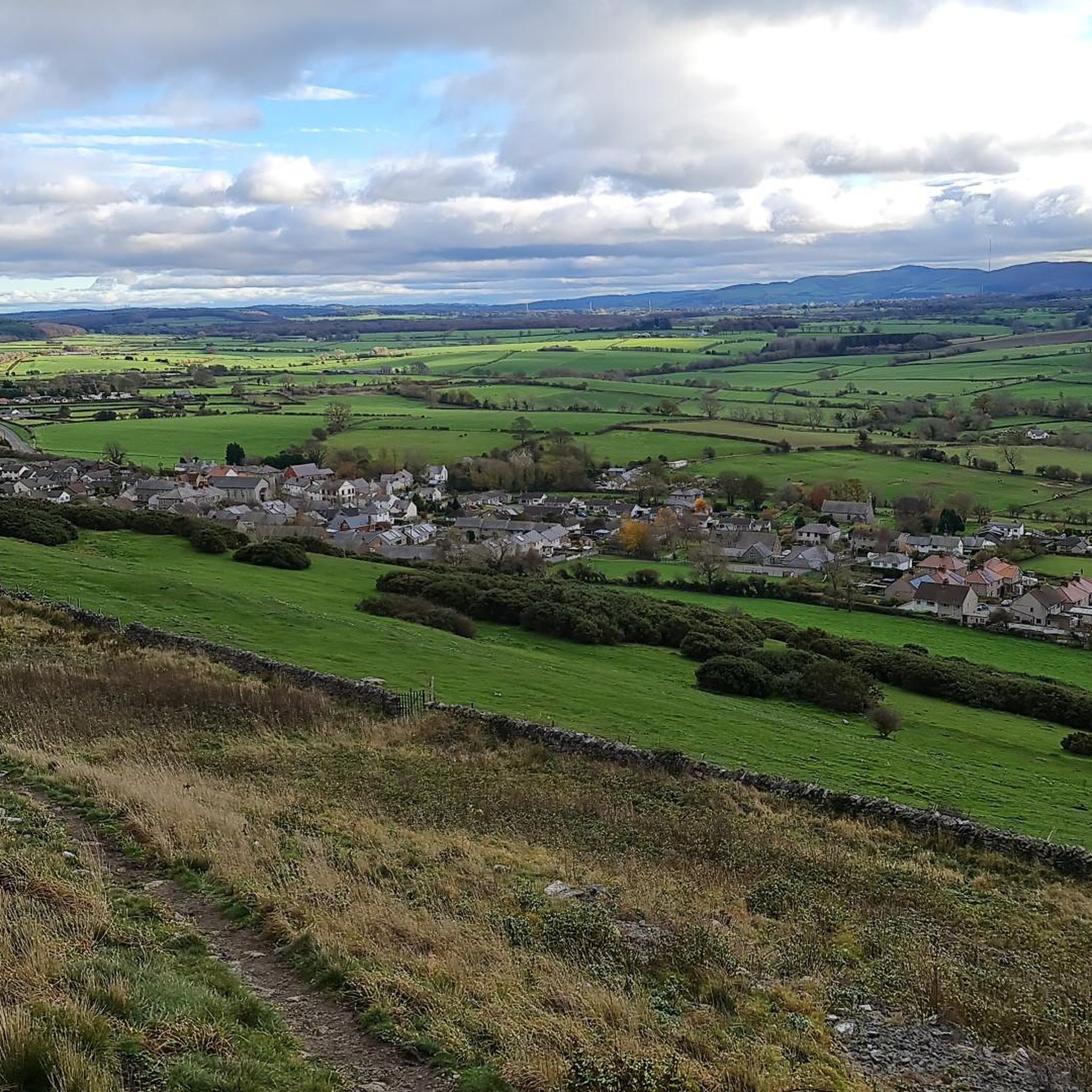
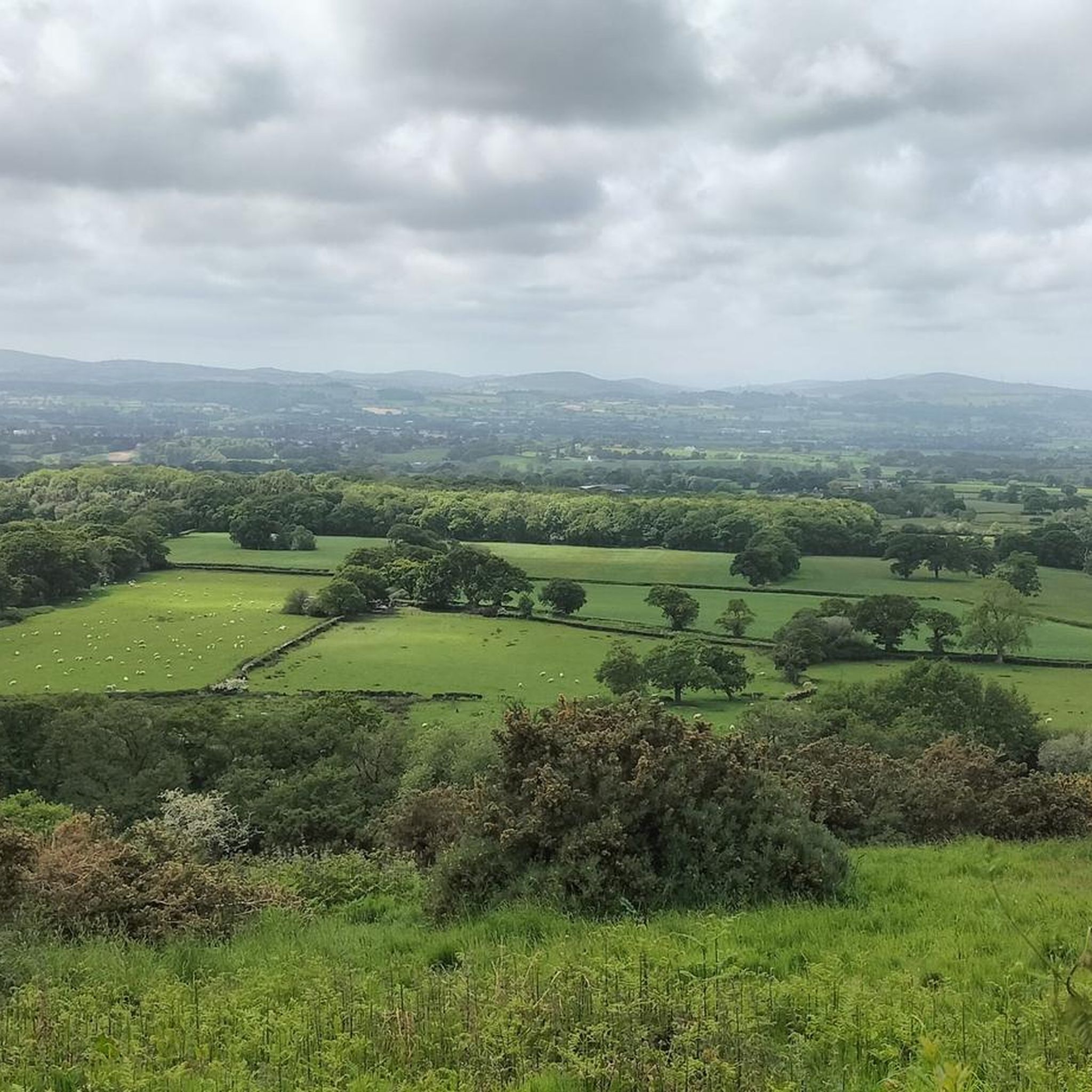
Road cycling routes around Cwm traverse a landscape characterized by a mix of coastal plains, river valleys, and rolling hills in North Wales. The region features historical towns, nature reserves, and views towards the Irish Sea. Road cyclists can expect varied terrain, from flatter sections near the coast and rivers to gentle ascents into the surrounding hills. The area provides opportunities for routes that combine natural features with cultural landmarks.
Best road cycling routes around Cwm
- The most popular road…
Last updated: June 27, 2026
5.0
(3)
63
riders
44.2km
02:12
270m
270m
Moderate road ride. Good fitness required. Mostly well-paved surfaces and easy to ride.
17
riders
21.7km
01:09
180m
180m
Easy road ride. Great for any fitness level. Mostly well-paved surfaces and easy to ride.

Sign up for free
14
riders
47.0km
02:14
480m
480m
Moderate road ride. Good fitness required. Mostly well-paved surfaces and easy to ride.
9
riders
45.7km
02:27
610m
600m
Moderate road ride. Good fitness required. Mostly well-paved surfaces and easy to ride.
15
riders
47.7km
02:25
530m
530m
Moderate road ride. Good fitness required. Mostly well-paved surfaces and easy to ride.
Get access to more routes and recommendations from other explorers.
Sign up for free
Already have an account?
Our route recommendations are based on thousands of hikes, rides, and runs completed by other people on komoot.
Start today with a free account
Your next adventure awaits.
Login or Signup
Tips from the Community

A lovely market town with pubs and shops and bakeries. Hilly routes into town but a number of good places for a stop mid ride.
0
0

A nice little stop with the pooch and I both getting an ice-cream, plenty of seating outside in a big garden right next to the waterfall
0
0

Visit 'The Red Cafe' opposite. Wonderful food and hot coffee. Great ambience too
0
0

The Cathedral Church of Saints Asaph and Cyndeyrn, commonly called St Asaph Cathedral, is a cathedral in St Asaph, Denbighshire, north Wales. It is the episcopal seat of the Bishop of St Asaph. The cathedral dates back 1,400 years, while the current building dates from the 13th century.
2
0
The castle passed between various owners in the first half of the 14th century, before coming under the control of the Mortimer family. Meanwhile, the walled town had proved impractical to live in, and a newer, much larger, settlement developed outside the defences. In 1400, the walled town was raided during the Glyndŵr Rising, although the castle itself remained secure throughout the rebellion. During the Wars of the Roses, Denbigh was attacked by Lancastrian forces; the walled town was attacked and burnt. In the aftermath, the old town was largely abandoned by its inhabitants, the walled area becoming an extension of the castle's defences.
3
0
Denbigh Castle and town walls (/ˈdɛnbi/ DEN-bee; Welsh: Castell Dinbych a waliau tref [ˌkastɛɬ ˈdɪnbɨχ]) were built to control the lordship of Denbigh after the Conquest of Wales by Edward I of England in 1282. The lands were granted to Henry de Lacy, Earl of Lincoln, who began to build a new walled town, colonised by immigrants from England, protected by a substantial castle and surrounded by deer parks for hunting. The work had not been completed by 1294, when the Welsh temporarily seized the castle during the Madog ap Llywelyn revolt. The defences continued to be improved, although the castle was not completely finished by the time of Henry's death in 1311.
3
0
A couple of kilometres walk from the railway station you come to the marina, and Pont y Ddraig Harbour bridge (Dragon’s Bridge). It is a small pedestrian bridge which opens for boats entering and leaving the marina. It is unusual because it has a tall central mast, and a pulley system which draws the bridge platform on either side up to it when opening. Pont y Ddraig (Dragon's Bridge) provides the final link in 15 miles (24km) of traffic-free cycling across Conwy and Denbighshire.
5
0
There is a small charge to go through the hole waterfall, but you can take photos of the one that is open to the public
1
0
Frequently Asked Questions
How many road cycling routes are available around Cwm?
There are over 220 road cycling routes around Cwm, offering a wide variety of options for different skill levels and preferences. These routes are highly rated by the komoot community, with an average score of 4.6 stars.
What kind of terrain can I expect on road cycling routes around Cwm?
Road cycling routes around Cwm feature diverse terrain, from flatter sections near the coast and river valleys to rolling hills and moderate ascents inland. The region's geography, including glacial valleys (cwms) like those found in Snowdonia, can offer both scenic and challenging climbs, though the immediate Cwm area tends to have more accessible rolling hills.
Are there road cycling routes suitable for beginners in Cwm?
Yes, Cwm offers several easy road cycling routes perfect for beginners. For example, the Rhuddlan Castle – Rhuddlan Nature Reserve loop from Prestatyn is an easy 13.4-mile (21.6 km) path that explores historical sites and a nature reserve along flatter terrain.
Are there challenging road cycling routes for experienced cyclists in Cwm?
While the immediate Cwm area features moderate climbs, the broader region, especially towards Snowdonia, is known for more challenging ascents. Within Cwm, routes like the Dyserth Waterfall – Moel Arthur loop from Dyserth offer a moderate challenge with over 600 meters of elevation gain over 45.7 km.
What natural features or landmarks can I see along road cycling routes in Cwm?
Many routes pass by notable natural features and historical landmarks. You can cycle past the beautiful Dyserth Waterfall, explore the coastal views near Kinmel Bay Beach, or see historical sites like Rhuddlan Castle. The region's glacial valleys also offer breathtaking scenery.
Are there any scenic viewpoints on the road cycling routes?
Absolutely. Routes often provide views towards the Irish Sea and across rolling hills. Highlights like Dyserth Waterfall and Kinmel Bay Beach offer picturesque stops. For panoramic vistas, some routes may lead near summits like Penycloddiau Summit or Graig Fawr Summit.
Are there family-friendly road cycling routes in Cwm?
Yes, Cwm offers routes suitable for families, particularly those with flatter terrain and less traffic. The easy-rated routes, such as the Rhuddlan Castle – Rhuddlan Nature Reserve loop from Prestatyn, are excellent choices for a family outing.
What do other cyclists enjoy most about road cycling in Cwm?
The komoot community highly rates road cycling in Cwm, with an average score of 4.6 stars from over 40 reviews. Cyclists often praise the varied terrain that combines coastal paths with river valleys and rolling hills, as well as the opportunities to explore historical towns and natural reserves.
Can I find routes that include waterfalls?
Yes, the Dyserth Waterfall – Denbigh Castle and Town Walls loop from Dyserth is a popular route that leads directly past the notable Dyserth Waterfall, offering a beautiful natural attraction along your ride.
Are there loop road cycling routes available in Cwm?
Many of the road cycling routes in Cwm are designed as loops, allowing you to start and end at the same point. Examples include the Three Rhyl Legends Sculptures – Kinmel Bay Beach loop from Dyserth and the St Asaph Cathedral – The Flowerpot Café loop from St Asaph.
What is the best time of year for road cycling in Cwm?
The best time for road cycling in Cwm is generally during the spring, summer, and early autumn months (April to October) when the weather is milder and daylight hours are longer. This allows for more comfortable riding conditions and better enjoyment of the scenic coastal and inland routes.
Are there routes that pass by historical sites or cultural landmarks?
Yes, Cwm's road cycling routes often integrate historical and cultural points of interest. You can cycle past Rhuddlan Castle, explore historical towns, or visit sites like Point of Ayr Lighthouse. The Dyserth Waterfall – Denbigh Castle and Town Walls loop from Dyserth is a great example, combining natural beauty with historical exploration.
Most popular attractions around Cwm

Get inspired with the komoot mobile app


Explore more
Browse the best Road cycling routes in other regions.
