Top 20 Natural Monuments around Weymouth
Best natural monuments around Weymouth offer diverse landscapes, from dramatic coastlines to serene wetlands. This region provides opportunities for wildlife observation, scenic walks, and insights into its unique geology. Weymouth's natural features include prominent coastal formations and significant natural sites, showcasing a rich natural heritage. These natural landmarks Weymouth surroundings provide varied experiences for outdoor enthusiasts.
Best natural monuments around Weymouth
- The most popular natural monuments is Durdle Door — natural limestone arch, a natural monument that was formed…
Last updated: June 26, 2026
Durdle Door — natural limestone arch
Highlight • Natural Monument
Tip by

Bat's Head and Butter Rock
Highlight • Natural Monument
Translated by Google •
Tip by

Sign up now to discover places like this
Get recommendations on the best single tracks, peaks, & plenty of other exciting outdoor places.
Sign up for free
Man O'War Beach
Highlight • Viewpoint
Translated by Google •
Tip by
Durdle Door
Highlight • Beach
Translated by Google •
Tip by

Pulpit Rock, Portland Bill
Highlight • Natural Monument
Tip by
Sign up for free to discover even more natural monuments around Weymouth.
Sign up for free
Already have an account?
Start today with a free account
Your next adventure awaits.
Login or Signup
Popular around Weymouth
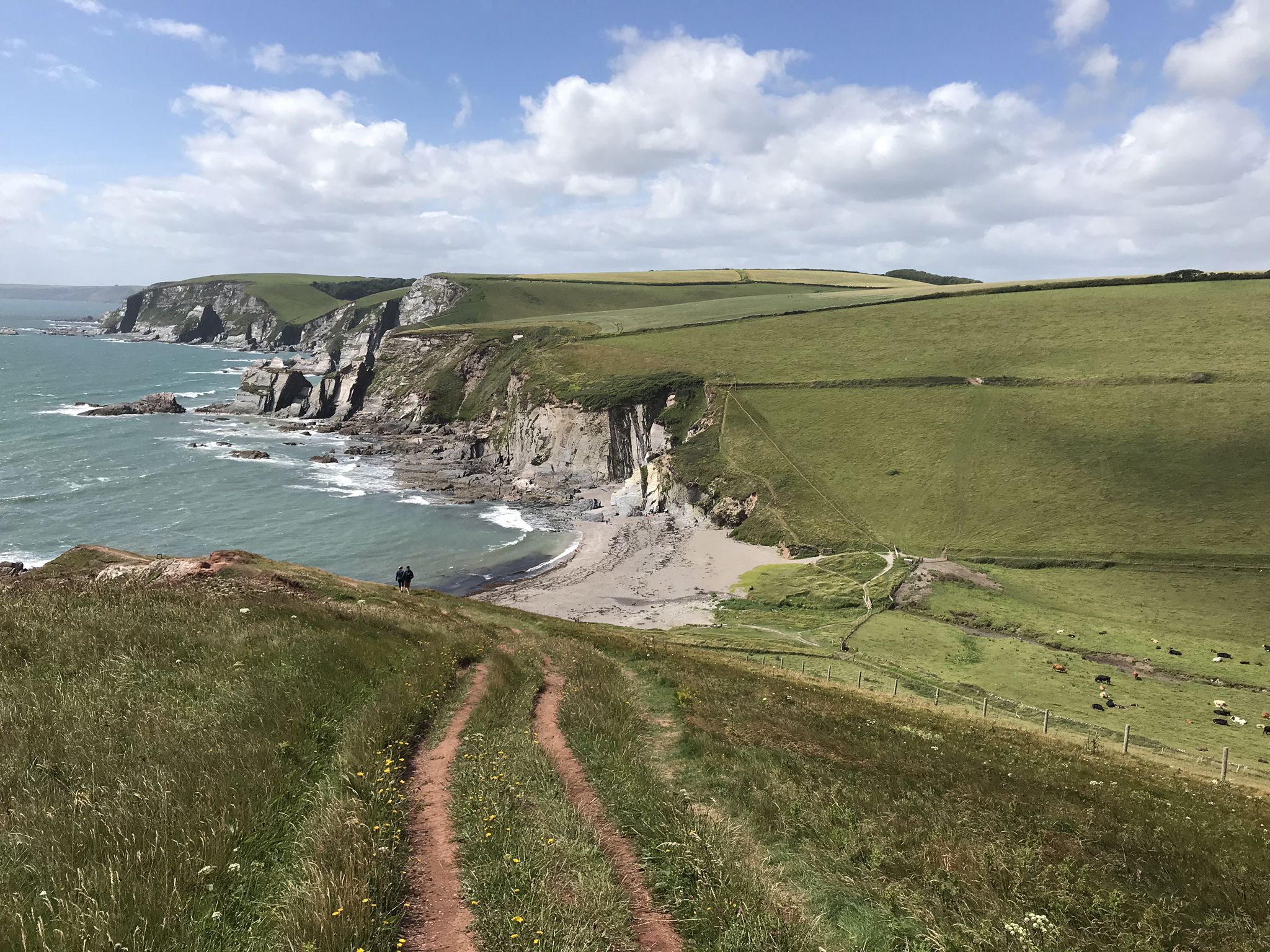
E9 Plymouth to Dover — An epic exploration of England's south coast
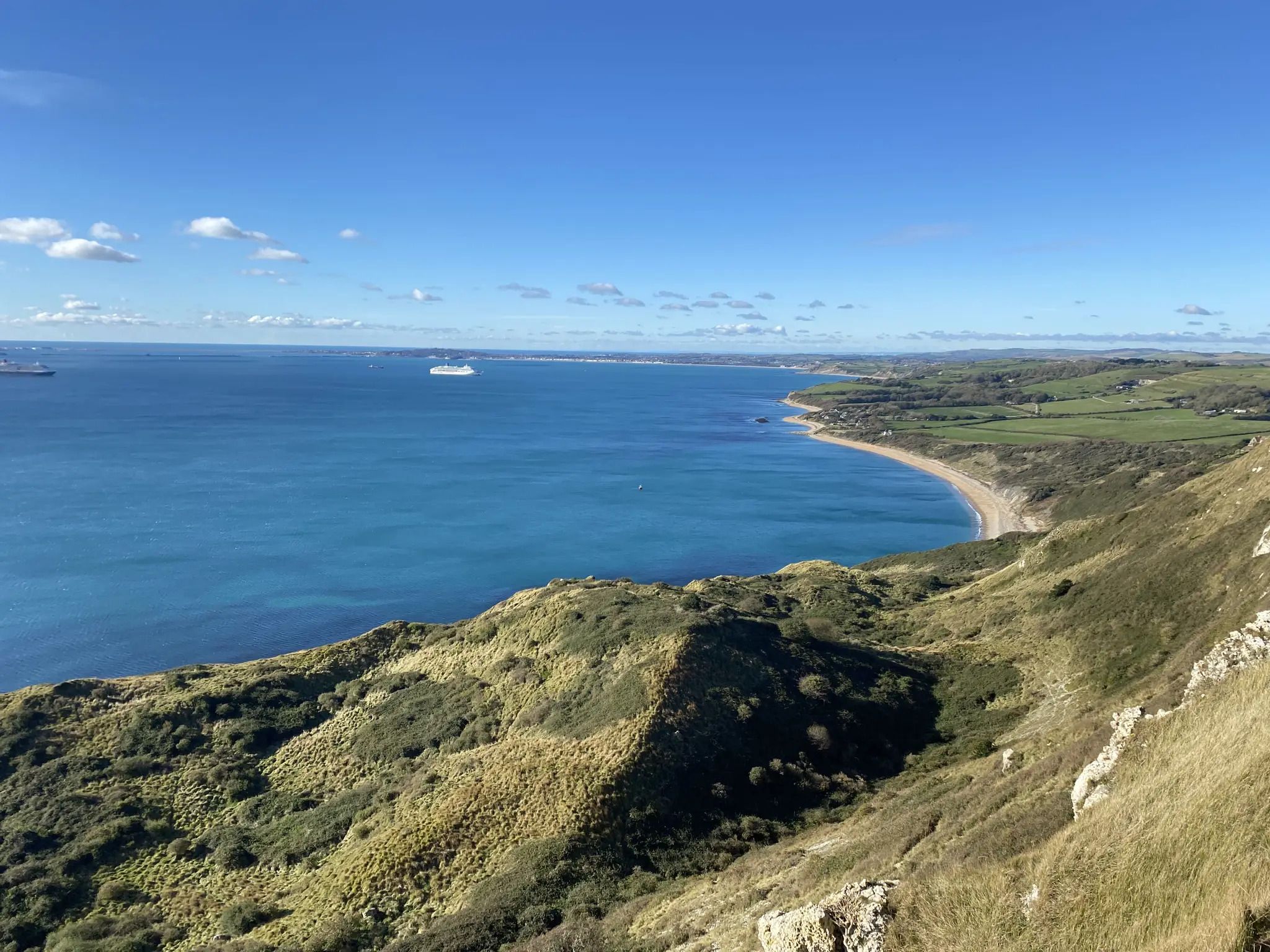
Jurassic Coast – Long Distance Walking in the South of England
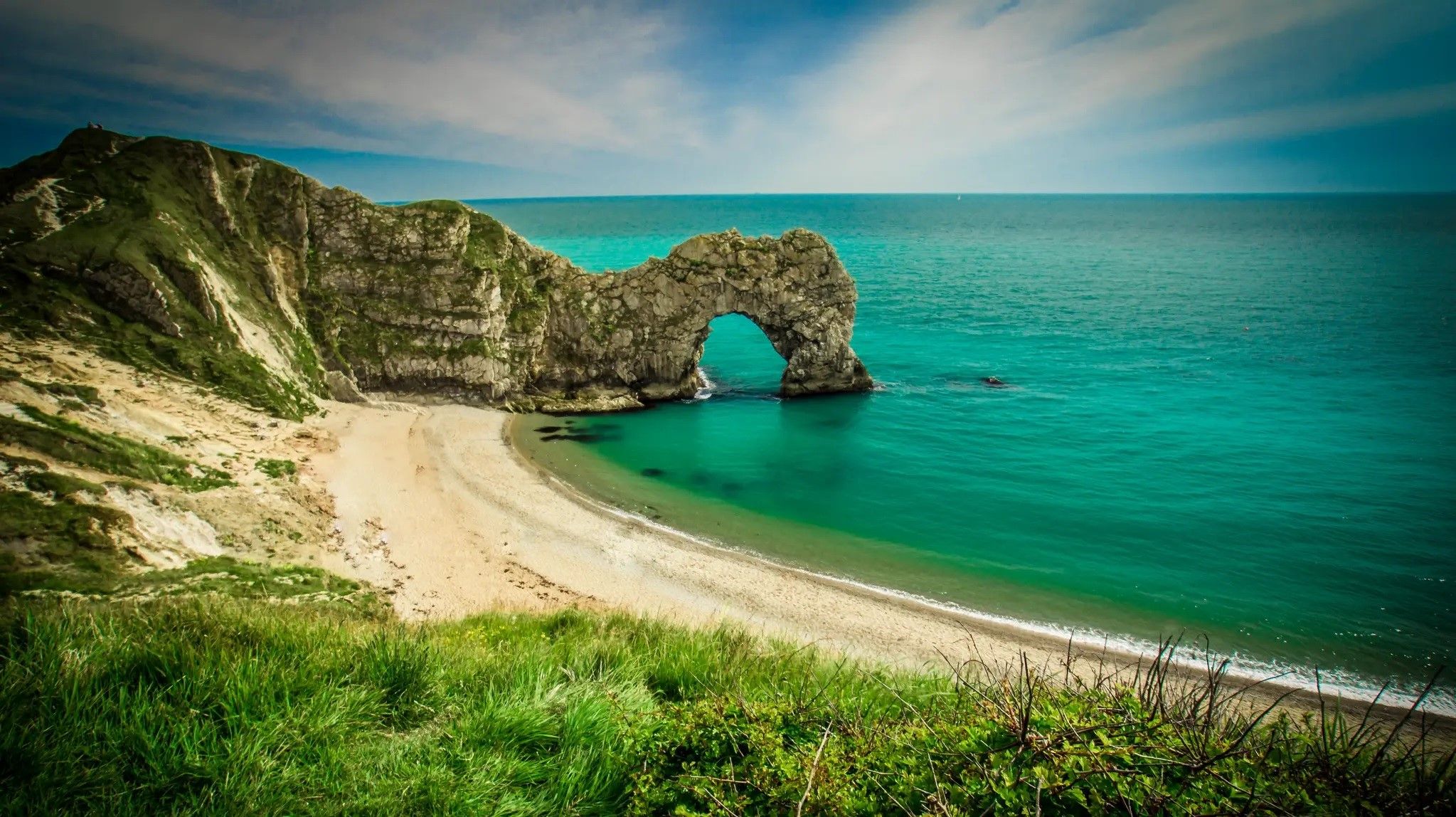
South West Coast Path — Part 4 — Conquer Britain's longest trail
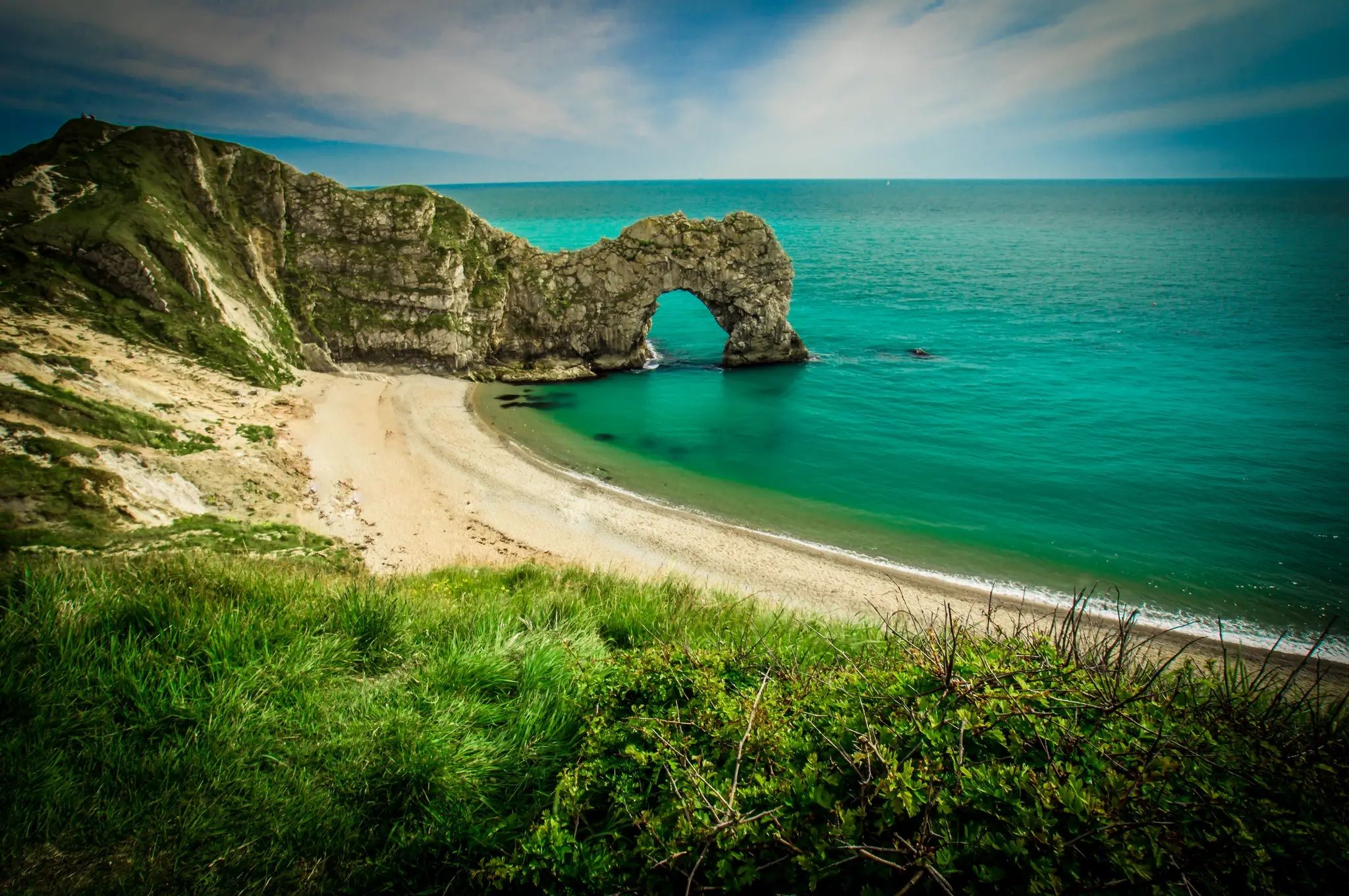
South West Coast Path — Explore Britain's longest trail
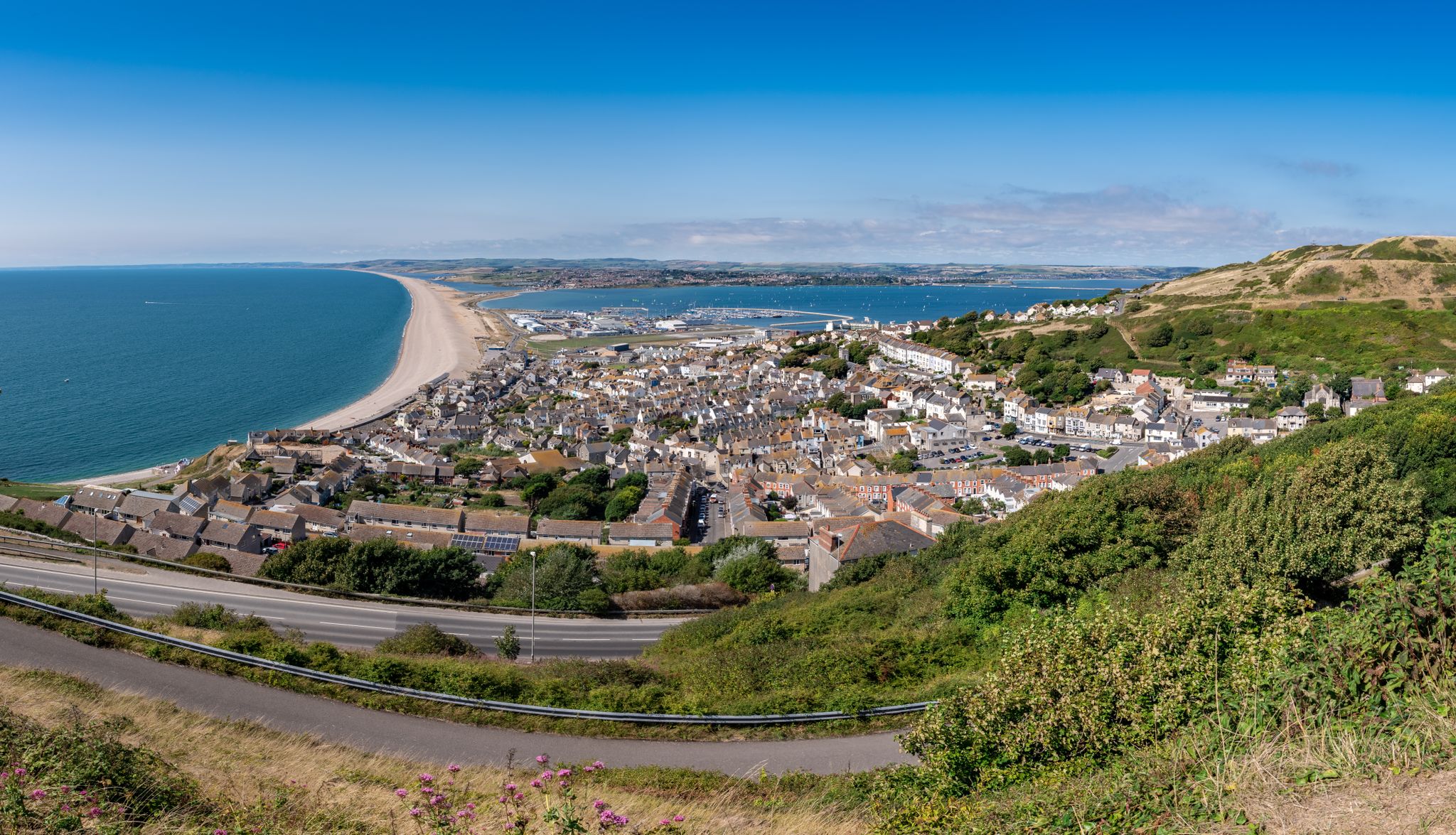
The county’s finest road rides — Dorset style
Running Trails around Weymouth
Hiking around Weymouth
Road Cycling Routes around Weymouth
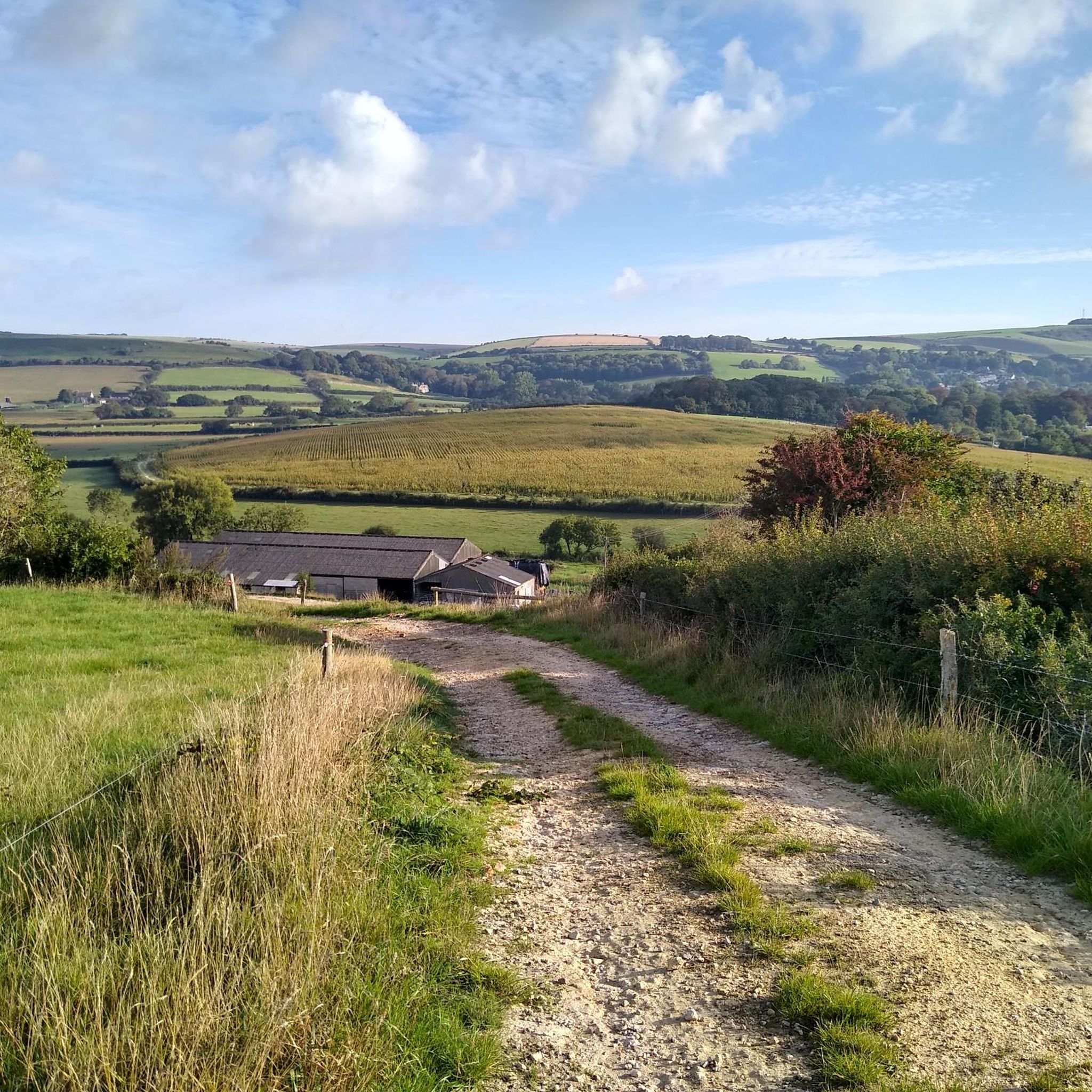
Cycling around Weymouth
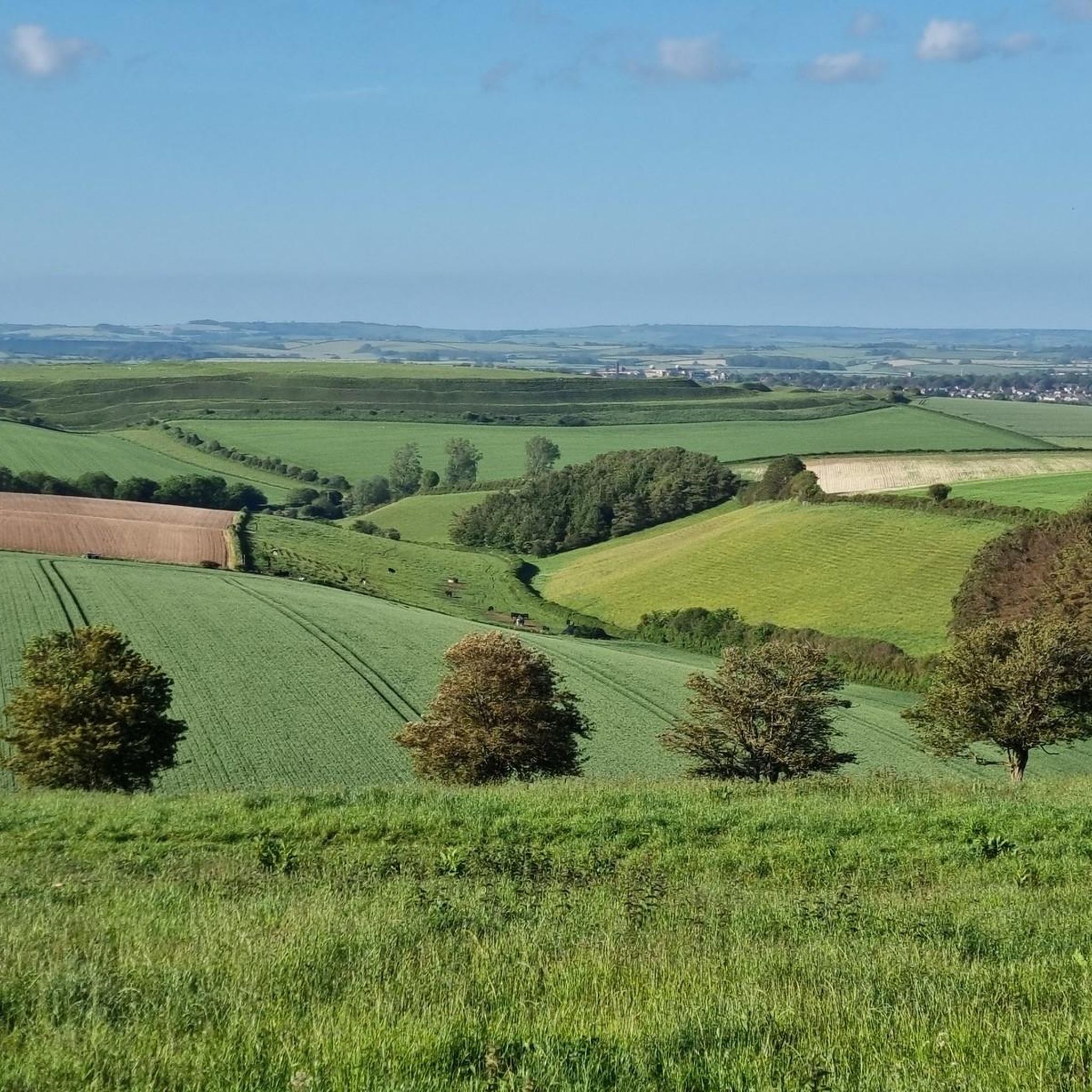
MTB Trails around Weymouth
Other adventures around Weymouth


Tips from the Community

Durdle Door is a natural limestone arch on the south coast of England in the county of Dorset. It is located on the famous Jurassic Coast, which is a UNESCO World Heritage Site. The rock arch was formed over millions of years by erosion: waves and weather wore away the softer rock, shaping the characteristic arch-like opening in the limestone.
1
0
From the coastal path, there are beautiful views of Man O’ War Beach. The small bay, framed by cliffs, is located right next to Durdle Door and impresses with its clear water and striking rock formations. Particularly from the higher sections of the path, there are impressive panoramic views of the coastal landscape.
2
0

Pulpit Rock in Portland, southern England, is an impressive rock formation characterized by its striking, sheer cliff. It rises dramatically from the sea and offers spectacular views of the coast and water. Its natural beauty and striking shape make Pulpit Rock a popular destination for nature lovers and photographers. A visit is worthwhile to experience the breathtaking scenery and the power of nature!
0
0

A wonderful area. Breathtaking views of the cliffs and the sea; it's worth coming here for hiking and, in the summer, definitely for swimming. I recommend staying at the nearby Durdle Door Holiday Park.
0
0
A wonderful area. Breathtaking views of the cliffs and the sea. It's worth coming here for hiking and, in the summer, definitely for swimming.
1
0

Kayakers often drive through the small cave. It is beautiful to look at and the colorful kayaks with the turquoise sea make a beautiful photo opportunity
5
0
In the summer on weekends it gets really crowded, very crowded! In the morning it's still OK. On the way back in the afternoon it was brutal 🙈.
8
0

Pulpit Rock is a coastal feature at Portland Bill, the southern tip of the Isle of Portland, Dorset, England. Intended to have the appearance of an open bible leaning on a pulpit, Pulpit Rock was formed in the 1870s after a natural arch was cut away by quarrymen at Bill Quarry, and the leaning slab was added. As a quarrying relic, the rock is similar to that of Nicodemus Knob, another quarrying landmark on the island. Climbing or tombstoning on the rock is not permitted, and signage in place stating this.
1
1
Frequently Asked Questions
What are some of the most impressive coastal natural monuments to visit near Weymouth?
The region boasts several impressive coastal features. Durdle Door — natural limestone arch is a magnificent limestone arch formed by wave erosion, offering a beautiful beach. Nearby, Bat's Head and Butter Rock presents a chalk headland with a small cave and a standalone chalk rock, providing wonderful views of the coastline and Durdle Door. Further south, Pulpit Rock, Portland Bill, an impressive rock formation on the Isle of Portland, offers spectacular views of the coast and water.
Are there any natural monuments suitable for families with children?
Yes, several natural monuments are family-friendly. Durdle Door — natural limestone arch is a popular choice, though the path down to the beach requires sure-footedness. RSPB Lodmoor, adjacent to Lodmoor Country Park, is known for its rich flora and fauna, observation hides, and informative displays, making it an educational and enjoyable destination for all ages.
Where can I experience diverse wildlife and nature close to Weymouth?
For wildlife enthusiasts, RSPB Radipole Lake, located in the heart of Weymouth, is a serene wetland nature reserve perfect for spotting birds, dragonflies, and even otters. Lorton Meadows, part of the Lorton Valley Nature Park, is another excellent spot to experience diverse wildlife, including barn owls, butterflies, and various wildflowers across its meadows, hedgerows, and ponds.
What geological features can I explore along the coast near Weymouth?
The Weymouth area is part of the Jurassic Coast, a UNESCO World Heritage Site renowned for its geological significance. Key features include the natural limestone arch of Durdle Door, the chalk cliffs of Bat's Head and Butter Rock, and the unique shingle formation of Chesil Beach & The Fleet, which is a 17-mile-long natural pebble beach backed by Britain's largest tidal lagoon.
Are there opportunities for hiking or cycling near these natural monuments?
Yes, the area offers numerous routes for outdoor activities. You can find various Road Cycling Routes around Weymouth, including loops to Portland Bill & Chesil Beach. For general cycling, explore Cycling around Weymouth, with routes like the Rodwell Trail. Mountain biking enthusiasts can check out MTB Trails around Weymouth, with options near Durdle Door and Lulworth Cove.
What is the best time of year to visit the natural monuments around Weymouth?
The natural monuments around Weymouth can be enjoyed year-round. Spring and summer offer pleasant weather for coastal walks and wildlife spotting, especially at reserves like RSPB Radipole Lake and Lorton Meadows. Autumn provides beautiful scenery with changing foliage, while winter offers dramatic coastal views and fewer crowds, though some paths may be muddy. Always check local weather conditions before your visit.
Can I find historical or cultural sites integrated with the natural landscape?
Yes, the region blends natural beauty with history. The Osmington White Horse, carved into a chalk hill, depicts King George III and is part of the South Dorset Ridgeway, an ancient landscape with significant geological and historical importance. The Isle of Portland, connected to the mainland by Chesil Beach, also offers an enchanting blend of natural beauty and rich history, known for its quarries and unique geology.
What do visitors particularly enjoy about the natural monuments in the Weymouth area?
Visitors frequently praise the breathtaking natural spectacles and impressive coastal scenery. Many highlight the iconic Durdle Door as an 'impressive natural experience' and a 'great natural spectacle'. The dramatic coastline, unique geological formations, and opportunities for wildlife observation are consistently mentioned as major draws.
Are there any natural beaches or coves ideal for relaxation near Weymouth?
Weymouth Beach itself is a prominent natural feature, offering three miles of golden sands and clear waters, perfect for traditional beach activities and views of the Jurassic Coast. Bowleaze Cove provides stunning coastal views, a soft, sandy beach, and clear blue waters, making it ideal for picnics, sunbathing, and enjoying beautiful sunrises or sunsets.
Is it possible to access these natural sites using public transport?
Many natural sites around Weymouth are accessible by public transport, though some may require a combination of bus services and walking. For detailed information on public transport options to specific natural sites and along the Jurassic Coast, it's advisable to consult local transport schedules or resources like the Dorset Council website for countryside sites: dorsetcouncil.gov.uk.
What should I know about visiting Chesil Beach?
Chesil Beach & The Fleet is an amazing natural phenomenon, a 17-mile-long pebble beach. While it's well worth a visit for its unique geology and the sound of the surf, it's crucial to note that swimming is strongly advised against due to a very strong undertow and steep shoreline, even in calm conditions. Walking on the pebbles can also be challenging.
Most popular routes around Weymouth
Most popular attractions around Weymouth

Get inspired with the komoot mobile app


Explore more
Extend your search for the best caves by checking out these guides of the top ones around Weymouth:
