Attractions and Places To See around Weymouth - Top 20
Best attractions and places to see around Weymouth include a diverse range of sites, blending historical significance with natural coastal beauty. Situated on the Jurassic Coast, the area features notable landmarks, picturesque natural features, and cultural sites. Visitors can explore a variety of points of interest, from ancient fortifications to expansive beaches and nature reserves.
Best attractions and places to see around Weymouth
- The most popular attractions is Durdle Door — natural limestone arch, a natural monument that was formed when the power of waves eroded the rock. It is one of the most iconic landmarks in Dorset and a well-known sight along the South West Coast Path.
- Another must-see spot is Portland Bill Lighthouse, a man-made monument. This historic lighthouse offers views over the Dorset coastline. Visitors can learn about the history of the lighthouse and the area at its visitor centre.
- Visitors also love Bat's Head and Butter Rock, a natural monument featuring a chalk headland on the Dorset coast with a small cave at its base. From atop the cliffs, there are views over the coastline and to Durdle Door.
- Weymouth is known for its historic landmarks, natural coastal features, and cultural sites. The area offers a variety of attractions to explore, from ancient forts to nature reserves.
- The attractions around Weymouth are appreciated by the komoot community, with over 580 upvotes and more than 390 photos shared.
Last updated: August 13, 2026
Durdle Door — natural limestone arch
Highlight • Natural Monument
Tip by

Portland Bill Lighthouse
Highlight • Monument
Tip by
Sign up now to discover places like this
Get recommendations on the best single tracks, peaks, & plenty of other exciting outdoor places.
Sign up for free
Bat's Head and Butter Rock
Highlight • Natural Monument
Translated by Google •
Tip by

Man O'War Beach
Highlight • Viewpoint
Translated by Google •
Tip by
Durdle Door
Highlight • Beach
Translated by Google •
Tip by

Sign up for free to discover even more attractions around Weymouth.
Sign up for free
Already have an account?
Start today with a free account
Your next adventure awaits.
Login or Signup
Popular around Weymouth
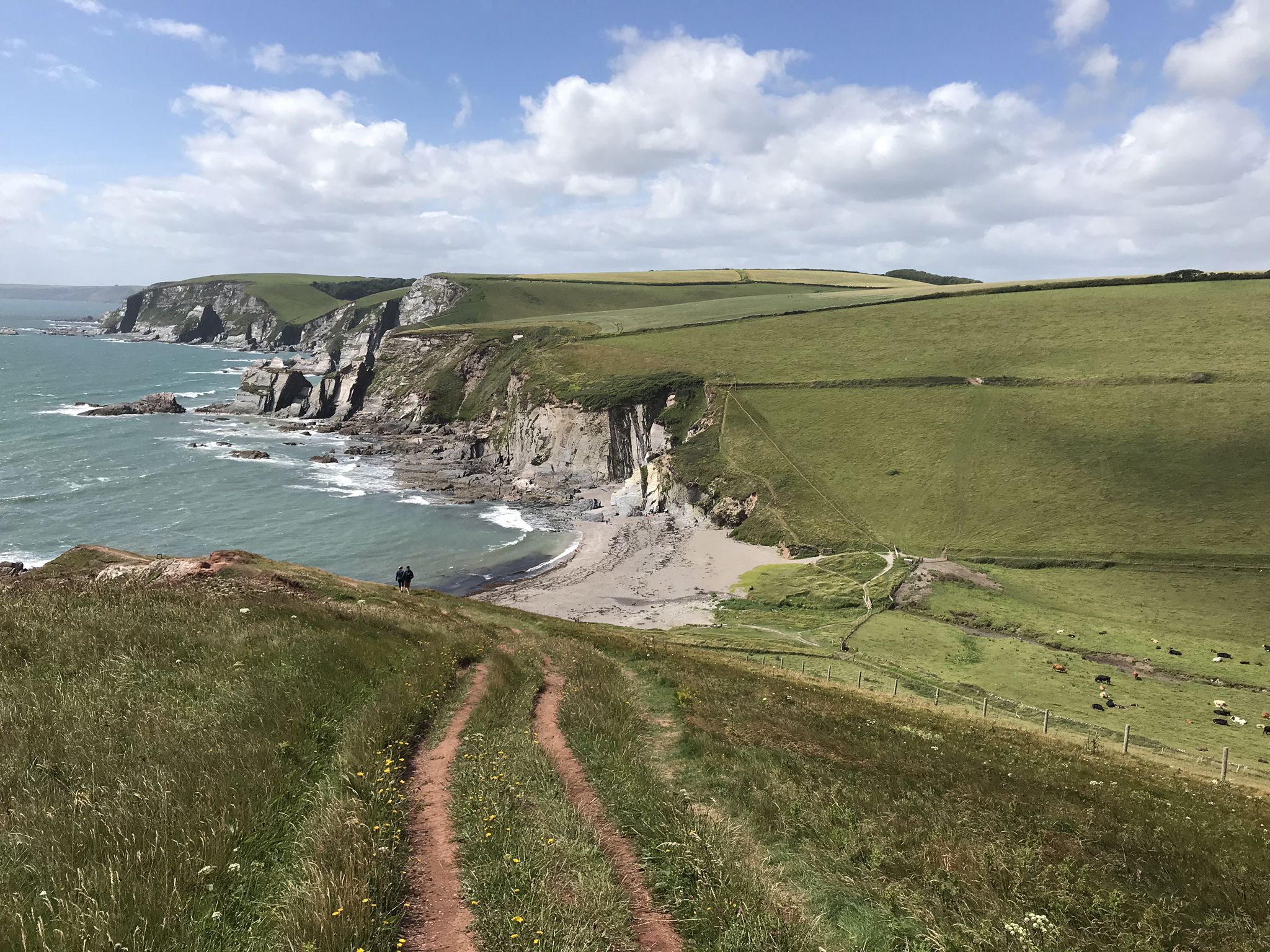
E9 Plymouth to Dover — An epic exploration of England's south coast
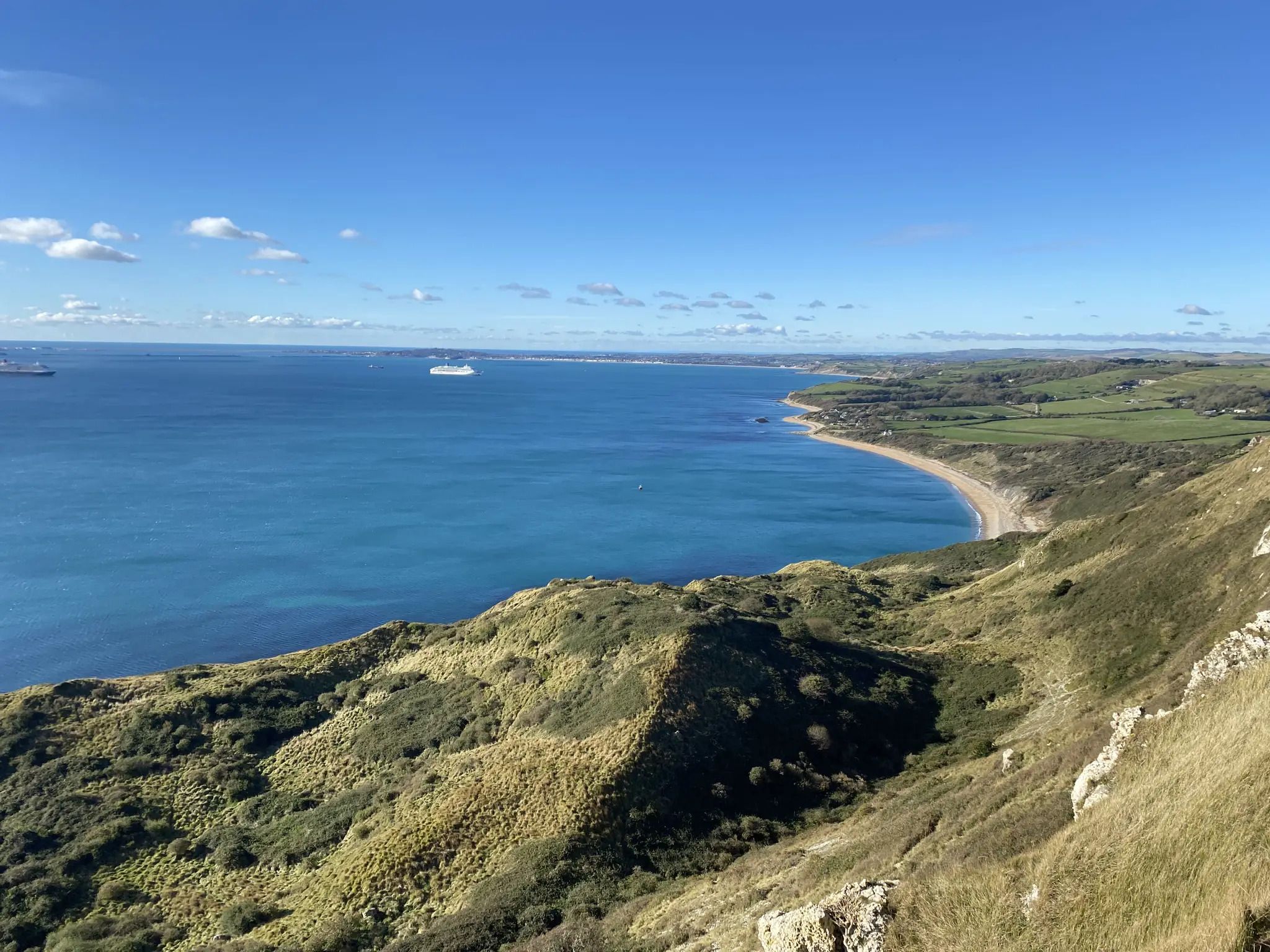
Jurassic Coast – Long Distance Walking in the South of England
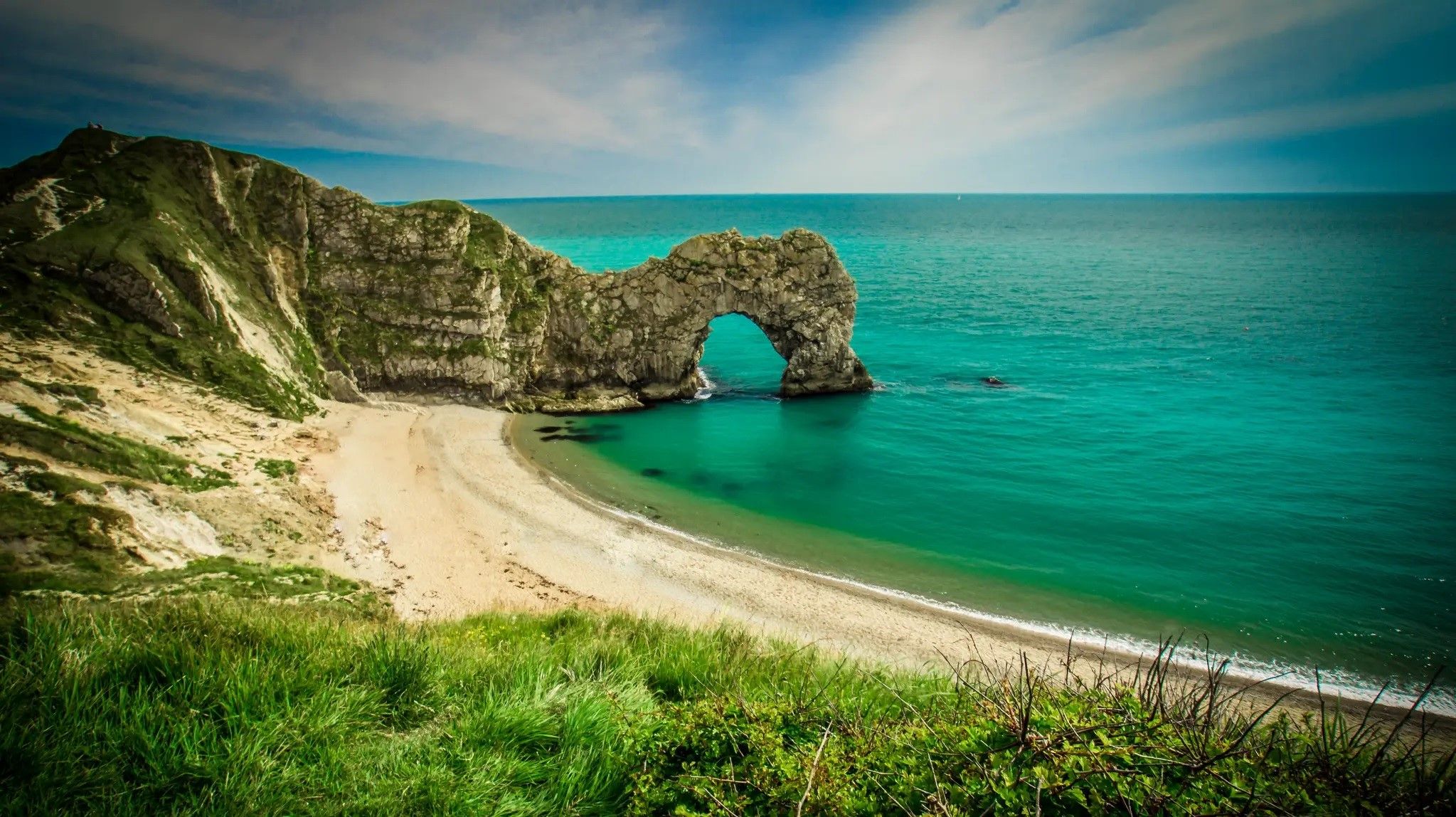
South West Coast Path — Part 4 — Conquer Britain's longest trail
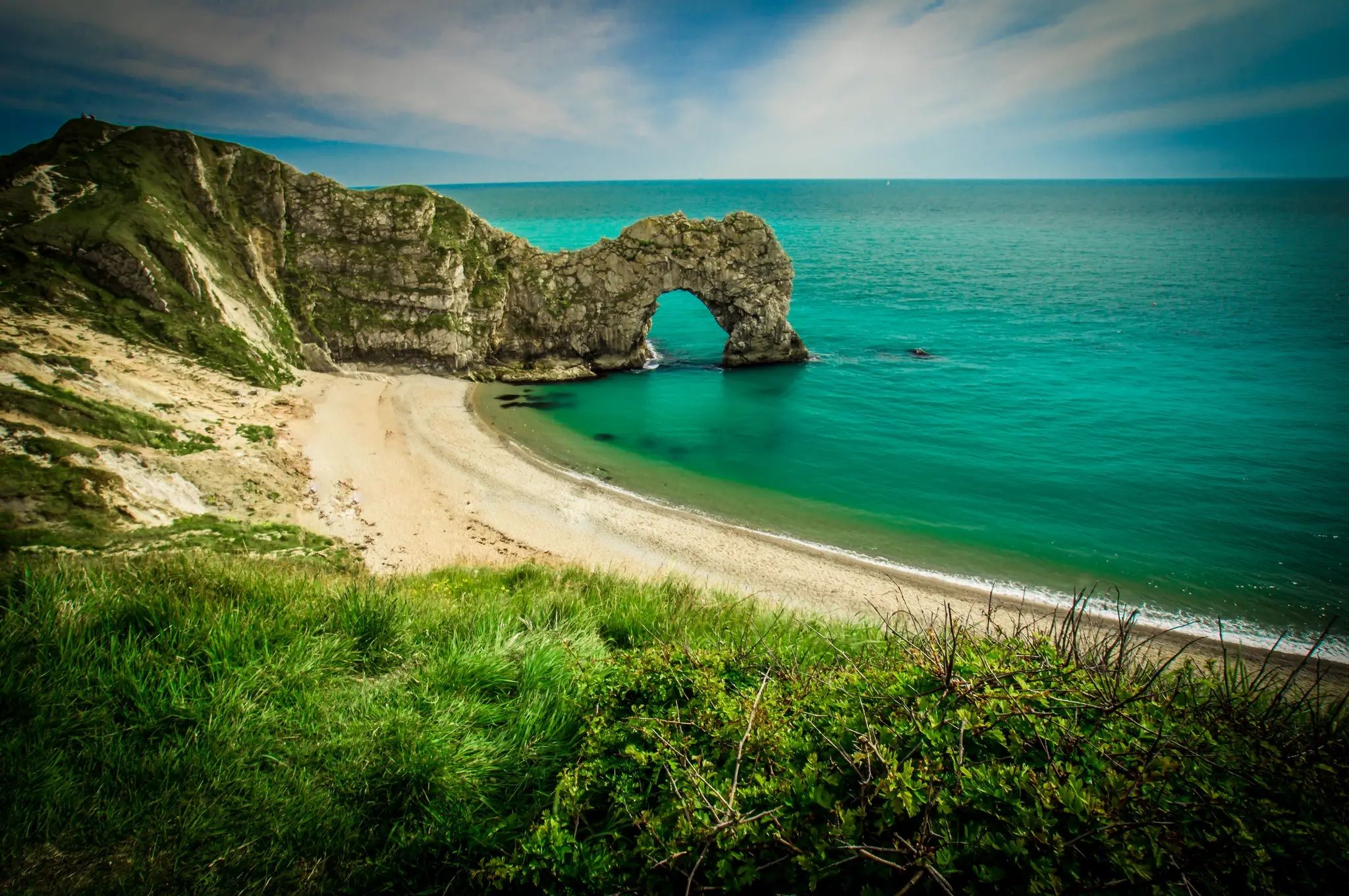
South West Coast Path — Explore Britain's longest trail
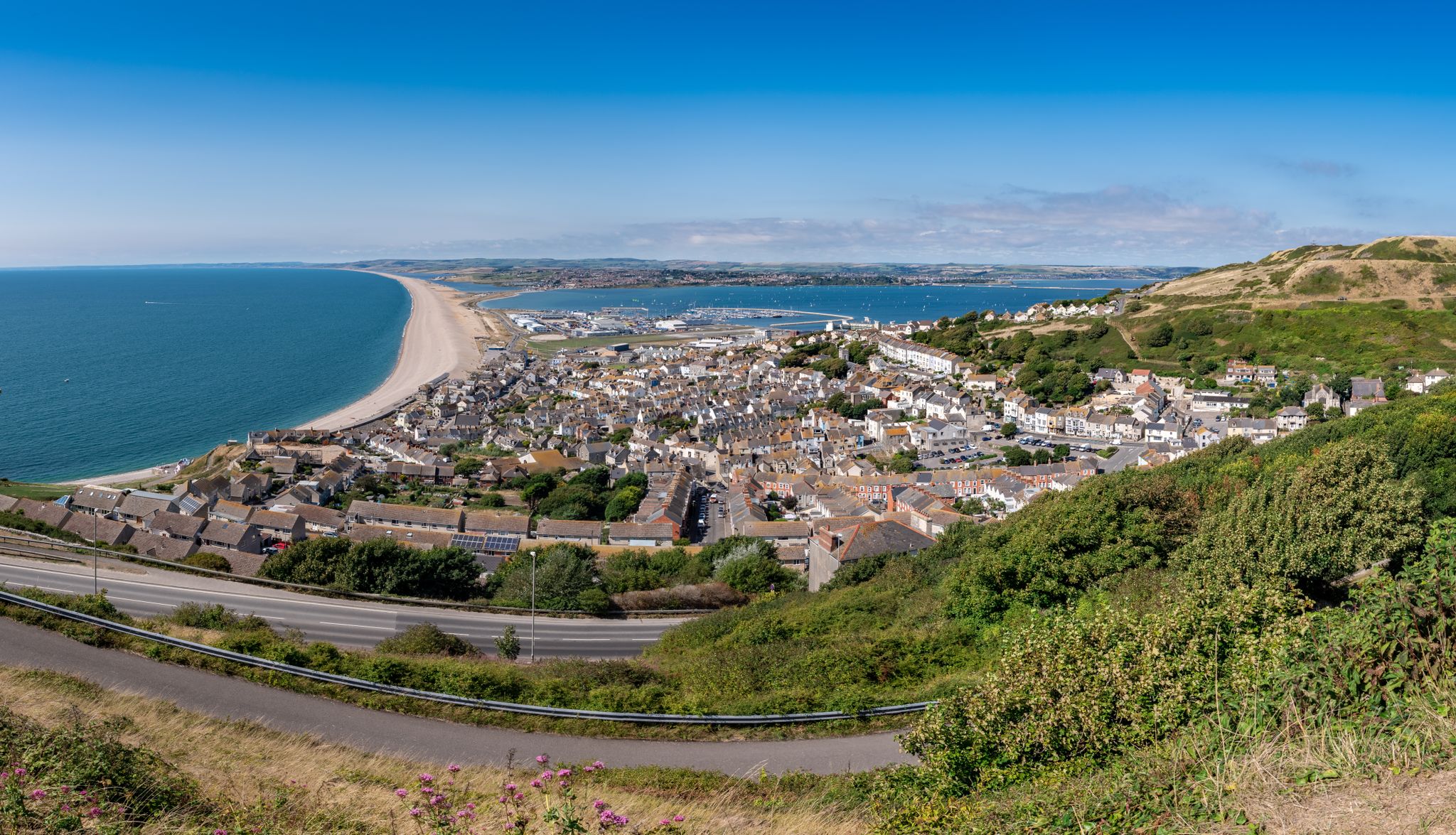
The county’s finest road rides — Dorset style
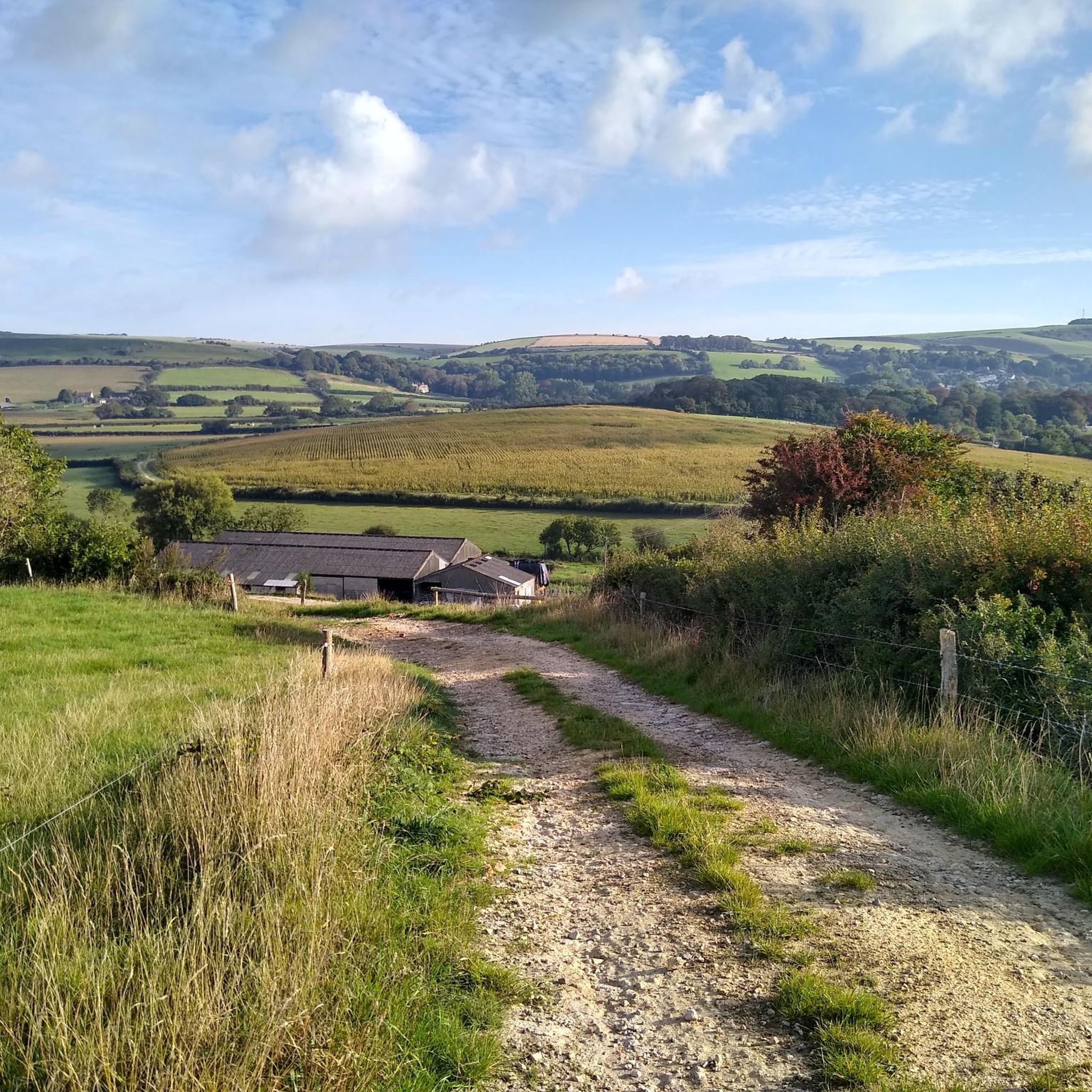
Running Trails around Weymouth

Hiking around Weymouth

Road Cycling Routes around Weymouth
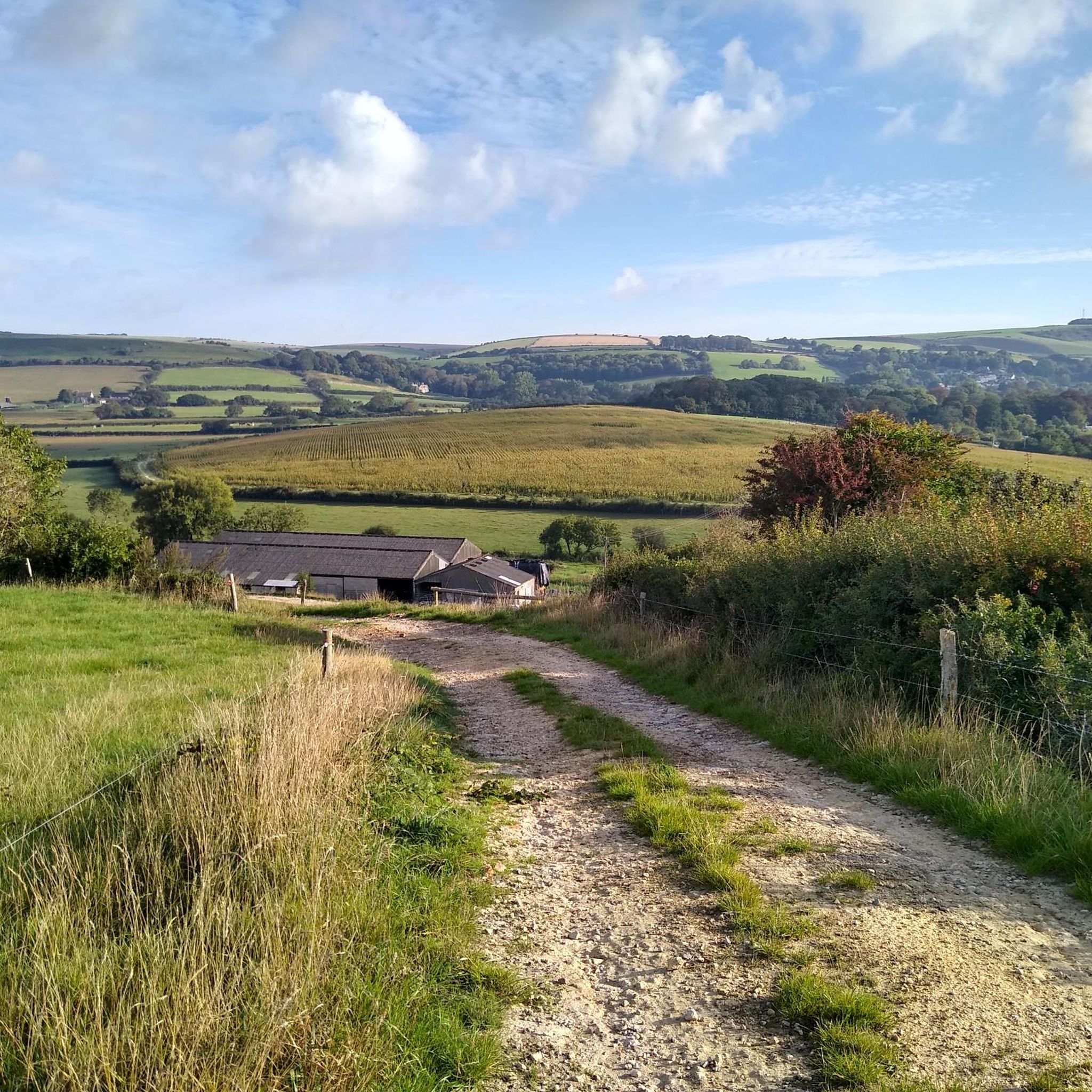
Cycling around Weymouth

MTB Trails around Weymouth
Other adventures around Weymouth


Tips from the Community

We did not descend here. With strong east wind, it was too winding for us there.
0
0

Durdle Door is a natural limestone arch on the south coast of England in the county of Dorset. It is located on the famous Jurassic Coast, which is a UNESCO World Heritage Site. The rock arch was formed over millions of years by erosion: waves and weather wore away the softer rock, shaping the characteristic arch-like opening in the limestone.
1
0
From the coastal path, there are beautiful views of Man O’ War Beach. The small bay, framed by cliffs, is located right next to Durdle Door and impresses with its clear water and striking rock formations. Particularly from the higher sections of the path, there are impressive panoramic views of the coastal landscape.
2
0

The lighthouse in Portland, southern England, is an impressive landmark that is both historically and architecturally fascinating. Built in the 19th century, it has served as an important landmark for ships in the bay ever since. Its clifftop location offers stunning views of the sea and surrounding coastal scenery. The lighthouse is a popular photo opportunity and an interesting destination for visitors interested in learning more about the region's maritime history. Overall, it is a charming and significant symbol of Portland!
1
0

A wonderful area. Breathtaking views of the cliffs and the sea; it's worth coming here for hiking and, in the summer, definitely for swimming. I recommend staying at the nearby Durdle Door Holiday Park.
0
0
A wonderful area. Breathtaking views of the cliffs and the sea. It's worth coming here for hiking and, in the summer, definitely for swimming.
1
0

Kayakers often drive through the small cave. It is beautiful to look at and the colorful kayaks with the turquoise sea make a beautiful photo opportunity
5
0
In the summer on weekends it gets really crowded, very crowded! In the morning it's still OK. On the way back in the afternoon it was brutal 🙈.
8
0
Frequently Asked Questions
What are the most popular natural attractions around Weymouth?
Weymouth is a gateway to the stunning Jurassic Coast. Among the most popular natural attractions are Durdle Door — natural limestone arch, a magnificent formation carved by the sea, and Bat's Head and Butter Rock, a chalk headland offering wonderful coastal views. You can also visit Portland Bill, known for its dramatic sea views and the historic lighthouse.
What historical landmarks can I explore in Weymouth?
Weymouth boasts a rich history. You can visit Portland Bill Lighthouse, which offers insights into maritime history and breathtaking views. Other notable historical sites include Nothe Fort, a Victorian military fort with underground passages, and Sandsfoot Castle, a ruin built by Henry VIII overlooking Portland Harbour. The Jubilee Clock Tower on the Esplanade is also a prominent Grade II listed landmark.
Are there family-friendly attractions available in Weymouth?
Absolutely! Families can enjoy the SEA LIFE Centre Weymouth, which features a vast collection of marine life and interactive experiences. Weymouth Beach is perfect for traditional seaside fun with shallow waters and donkey rides. Nothe Fort also offers an engaging historical experience for all ages, and the Southside Funfair at Bowleaze Cove provides classic rides and arcade games.
Where can I find scenic viewpoints around Weymouth?
For spectacular views, head to Portland Bill Lighthouse, offering panoramic vistas over the Dorset coastline. From atop the cliffs at Bat's Head, you can enjoy views of the coastline and Durdle Door. Nothe Fort also provides 360-degree views across Weymouth Bay and the Jurassic Coast.
Are there good hiking or walking trails near Weymouth's attractions?
Yes, Weymouth is an excellent base for walking. The South West Coast Path offers numerous opportunities for coastal hikes, including the path to Durdle Door. For more structured routes, you can explore the running trails around Weymouth, which include scenic loops like the Eweleaze Beach and White Horse Hill loop. The Rodwell Trail is also a popular easy route for walking and cycling.
What can families do in Weymouth on a rainy day?
On a rainy day, families can visit the SEA LIFE Centre Weymouth for an indoor marine adventure. Nothe Fort provides an engaging historical experience with its museum and underground passages. The Weymouth Museum offers a journey through the town's history, and the Weymouth Pavilion hosts various shows and events.
Can I spot wildlife near Weymouth?
Yes, Weymouth is home to several excellent spots for wildlife enthusiasts. The RSPB Weymouth Wetlands, comprising Radipole Lake and Lodmoor, are nature reserves teeming with various bird species, otters, and water voles. A short drive away, Abbotsbury Swannery is the world's only managed colony of nesting swans, where you can walk among hundreds of mute swans.
What is the best time of year to visit Weymouth's attractions?
Weymouth's attractions can be enjoyed year-round, but the best time often depends on your interests. The summer months (June-August) are ideal for enjoying Weymouth Beach and coastal activities. Spring and autumn offer pleasant weather for hiking along the Jurassic Coast and exploring historical sites, with fewer crowds. Wildlife spotting at the wetlands is good throughout the year, with migratory birds present in cooler months.
Are there cycling routes available near Weymouth's attractions?
Yes, there are several cycling routes around Weymouth. The cycling guide for Weymouth features routes like the Rodwell Trail, an easy path suitable for families. For more challenging rides, consider the Portland Bill & Chesil Beach loop or the Hardy Monument – Chesil Beach & The Fleet loop, which offer stunning coastal scenery.
Where can I find less crowded natural spots near Weymouth?
To escape the busiest areas, consider visiting Bowleaze Cove, which offers spectacular views and is a prime spot for fossil hunting between the cove and Redcliffe Point. The RSPB Weymouth Wetlands (Radipole Lake and Lodmoor) are also serene nature reserves, providing a peaceful escape in the heart of Weymouth. Sandsfoot Gardens, adjacent to Sandsfoot Castle, offer tranquil walks with ornamental ponds.
Are there any unique natural formations to see along the Jurassic Coast near Weymouth?
Beyond Durdle Door, you can explore Pulpit Rock at Portland Bill, a striking rock formation resembling an open bible. Bat's Head is another unique chalk headland with a small cave at its base. Chesil Beach, a dramatic 18-mile shingle barrier beach, is also a remarkable natural feature.
Are there accessible attractions for seniors or those with mobility concerns?
Many attractions in Weymouth offer good accessibility. The promenade along Weymouth Beach is flat and ideal for strolls. The Jubilee Clock Tower is easily accessible. Sandsfoot Gardens provide serene, level paths. While some natural sites like Durdle Door require more effort, areas around Weymouth Harbour and Greenhill Gardens are generally accessible.
Most popular routes around Weymouth
Most popular attractions around Weymouth

Get inspired with the komoot mobile app


Explore more
Still not found the Highlight you’re looking for? See guides of the top attractions in other regions:
