Attractions and Places To See around Leckhampton - Top 20
Attractions and places to see around Leckhampton feature a mix of natural beauty and historical significance. The area is recognized for its geological formations and diverse ecosystems, forming part of the Cotswolds Area of Outstanding Natural Beauty. Leckhampton Hill, a Site of Special Scientific Interest, provides various paths for outdoor activities. The region also contains evidence of ancient archaeology and historical structures.
Best attractions and places to see around Leckhampton
- The most popular attractions is Belas Knap Long Barrow,…
Last updated: July 3, 2026
Belas Knap Long Barrow
Highlight • Historical Site
Tip by

Painswick Beacon
Highlight • Natural Monument
Tip by
Sign up now to discover places like this
Get recommendations on the best single tracks, peaks, & plenty of other exciting outdoor places.
Sign up for free
Devil's Chimney, Leckhampton Hill
Highlight • Monument
Tip by
Gloucester Cathedral
Highlight • Religious Site
Tip by

Buckholt Lane
Highlight (Segment) • Forest
Tip by

Sign up for free to discover even more attractions around Leckhampton.
Sign up for free
Already have an account?
Start today with a free account
Your next adventure awaits.
Login or Signup
Tips from the Community

Powerful building. Impressive.
2
0


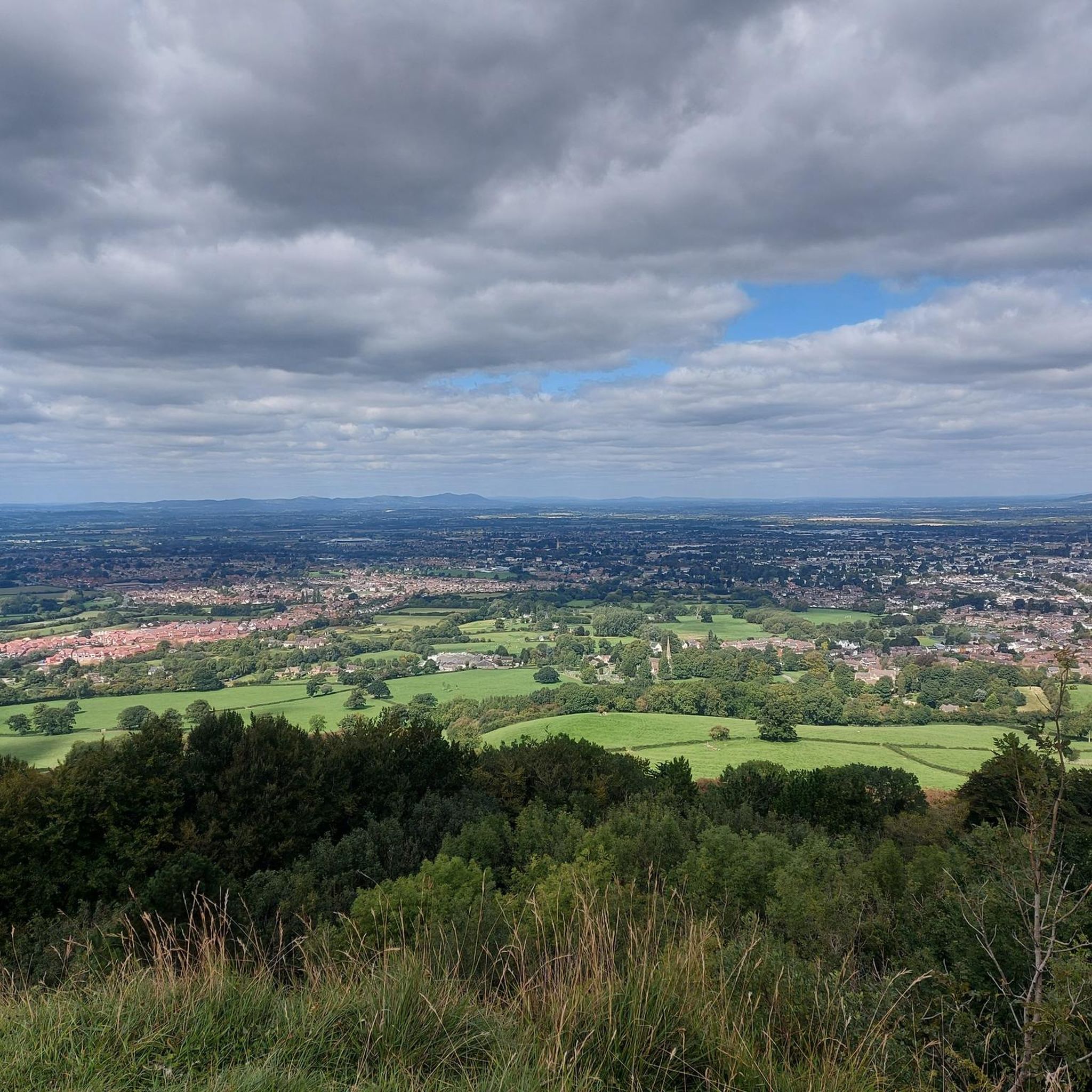
The views from the top of the hill on the approach to the Long Barrow are well worth the calf and thigh burning walk up the steep path. Magnificent landscape.
0
0

If you are looking to dive down into the valley below as I do frequently then this road together with Painswick Road is the most enjoyable. Birdlip Hill is your other unadvised option with a man hole cover on the apex of the bend that always makes me wish I'd worn more absorbent pants
0
0

Careful on the golf course, stay to the edges. Fantastic views over Gloucester and stroud. If you want an express route down take Stockley and enjoy rocketing into Upton st. Leonards.
0
0

Belas Knap is a neolithic long barrow managed by English Heritage. The Cotswold Way national trail runs right past the entrance.
0
0
Frequently Asked Questions
What natural features can I explore around Leckhampton?
Leckhampton is rich in natural beauty. You can explore Devil's Chimney, Leckhampton Hill, a distinctive limestone rock formation with local legends. The wider Leckhampton Hill and Charlton Kings Common area, part of the Cotswolds Area of Outstanding Natural Beauty, offers diverse ecosystems, including unimproved limestone grassland and steep woodlands. You might also find the Severn Springs, claimed to be one of the sources of the River Thames, nearby.
Are there historical sites to visit in the Leckhampton area?
Yes, the area is steeped in history. You can visit Belas Knap Long Barrow, an ancient Neolithic burial site. Leckhampton Hill itself features evidence of an Iron Age hillfort and another Long Barrow, both Scheduled Ancient Monuments, along with visible remains of 20th-century quarries and old tramways. Further afield, Gloucester Cathedral offers over 1,000 years of history with its Norman and Gothic architecture.
What outdoor activities are popular around Leckhampton?
Leckhampton is excellent for outdoor enthusiasts. You can enjoy walking, running, dog walking, and mountain biking on established tracks. Leckhampton Hill provides access to the Cotswold Way, a national trail. For specific routes, consider exploring the MTB Trails around Leckhampton, Cycling around Leckhampton, or Running Trails around Leckhampton guides for detailed routes.
Are there family-friendly attractions or activities in Leckhampton?
Yes, families can enjoy the natural spaces around Leckhampton Hill for walks and exploring. Gloucester Cathedral is also noted as family-friendly, offering a fascinating historical experience. The open spaces are great for children to run and play, and the Devil's Chimney provides an interesting landmark with a local legend.
Are there accessible trails for wheelchairs or strollers in Leckhampton?
Yes, Leckhampton Hill and Charlton Kings Common offer a 3km wheelchair-accessible route, allowing visitors of all mobilities to enjoy the natural beauty and views of the area. Additionally, Gloucester Cathedral is also wheelchair accessible.
Where can I find panoramic views in the Leckhampton area?
For impressive panoramic views, head to Painswick Beacon. From its summit, you can see across the landscape, including the Severn estuary. Leckhampton Hill itself also offers scenic vistas across Cheltenham and the surrounding countryside.
What kind of wildlife can I expect to see on Leckhampton Hill?
Leckhampton Hill is a Site of Special Scientific Interest (SSSI) and home to diverse wildlife. You might spot small mammals, reptiles, and a variety of butterflies, including the Duke of Burgundy and Dark Green Fritillary. Birdlife is abundant, with buzzards and kestrels frequently sighted. The area also boasts a stunning array of wildflowers, including several orchid varieties like the Early Purple, Common Spotted, Musk, Butterfly, and Bee Orchids.
What is the best time to visit Leckhampton for walks and outdoor activities?
The area is enjoyable year-round, but spring and summer are ideal for experiencing the diverse wildflowers and butterfly populations on Leckhampton Hill. Autumn offers beautiful foliage, especially along routes like Buckholt Lane. Even in winter, the trails are accessible, though appropriate clothing and footwear are recommended.
Are there specific walking routes or trails I should try around Leckhampton?
Leckhampton Hill offers numerous paths and tracks suitable for walking, including a 3km wheelchair-accessible route. You can also join the Cotswold Way national trail from the hill. For more structured options, consider the 'Leckhampton Hill running loop' or the 'Leckhampton Hill Viewpoint – View from Leckhampton Hill loop' found in the Running Trails around Leckhampton guide, which are also popular for walking.
Where can I park for walks on Leckhampton Hill?
Parking is available at various points around Leckhampton Hill. For accessing the Devil's Chimney and surrounding trails, Daisybank Road at the bottom of the hill is a good starting point. There are also public car parks that serve the wider Leckhampton Hill and Charlton Kings Common area, often used by dog walkers.
What is the significance of the Devil's Chimney on Leckhampton Hill?
The Devil's Chimney is a distinctive limestone rock formation above a disused quarry. While some believe its peculiar crooked shape is due to natural weathering, local legend suggests it was formed by 18th-century quarry workers as a joke. It's a notable landmark and a popular point of interest on Leckhampton Hill.
Most popular routes around Leckhampton
Most popular attractions around Leckhampton

Get inspired with the komoot mobile app


Explore more
Still not found the Highlight you’re looking for? See guides of the top attractions in other regions:
