Top 5 Castles around Norham
Castles around Norham are primarily defined by their historical significance as border strongholds between England and Scotland. The region features fortifications like Norham Castle, an imposing 12th-century structure strategically located on a grassy mound overlooking the River Tweed. This area played a crucial role in centuries of conflict, with castles undergoing architectural adaptations to evolving military strategies. The landscape provides a backdrop for exploring medieval history and defensive architecture.
Best castles around Norham
- The most popular castles is Norham Castle…
Last updated: May 6, 2026
Norham Castle Ruins
Highlight • Historical Site
Tip by

Ford Castle
Highlight • Other
Tip by
Sign up now to discover places like this
Get recommendations on the best single tracks, peaks, & plenty of other exciting outdoor places.
Sign up for free
Etal Castle
Highlight • Historical Site
Tip by

Parsons Tower
Highlight • Monument
Tip by

Start today with a free account
Your next adventure awaits.
Login or Signup
Other adventures around Norham

Tips from the Community

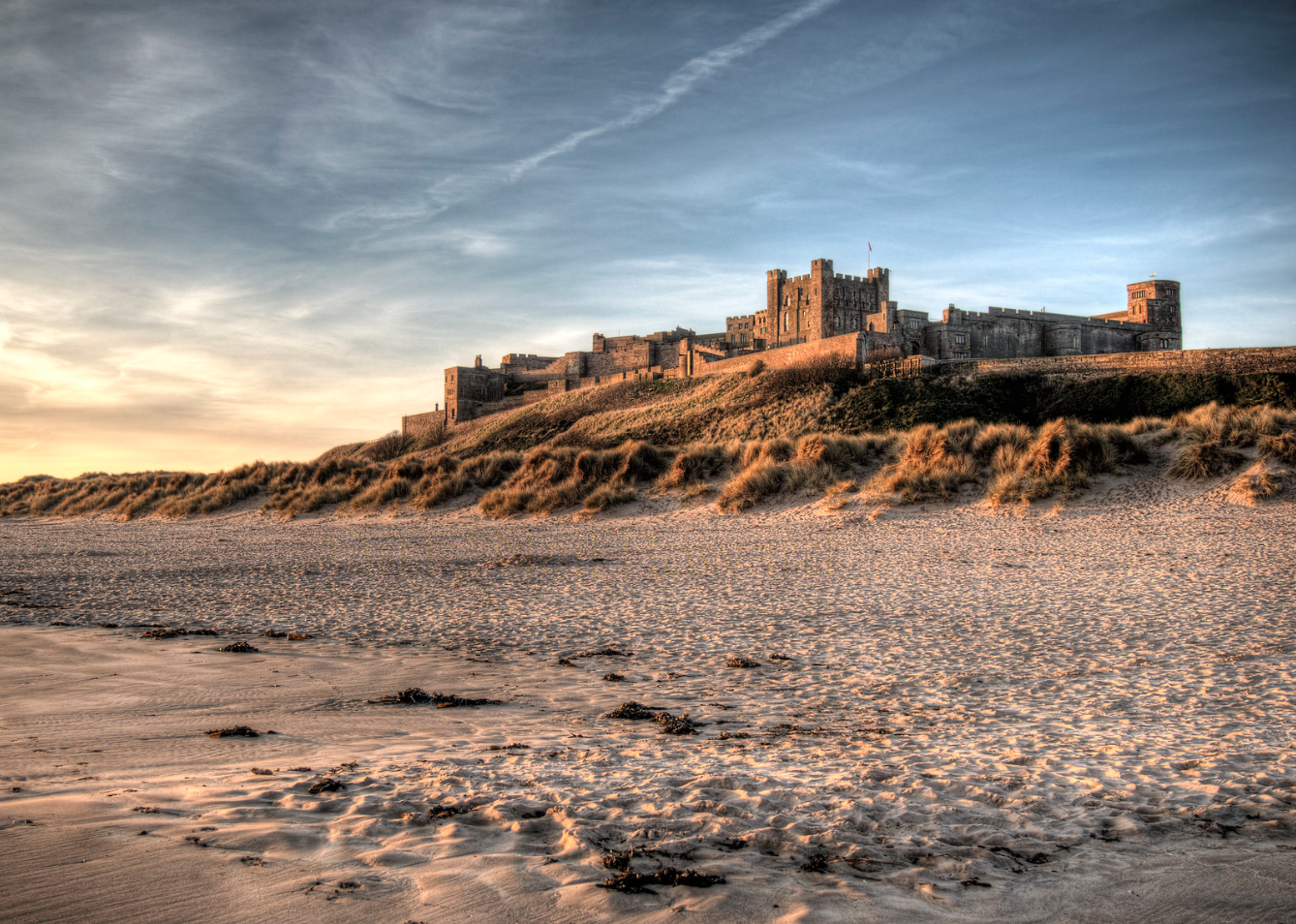
Ford Castle in Northumberland is a historic Grade I listed building with a stormy past. Built around 1278, it served as a border stronghold for centuries, witnessing battles and even hosting the Scottish King James IV before his final fight. The castle changed hands throughout history, from the Heron family to the Joiceys. Today, it's no longer a private residence. Instead, it functions as an outdoor activity center for schools and youth groups, offering a unique blend of history and adventure.
0
0
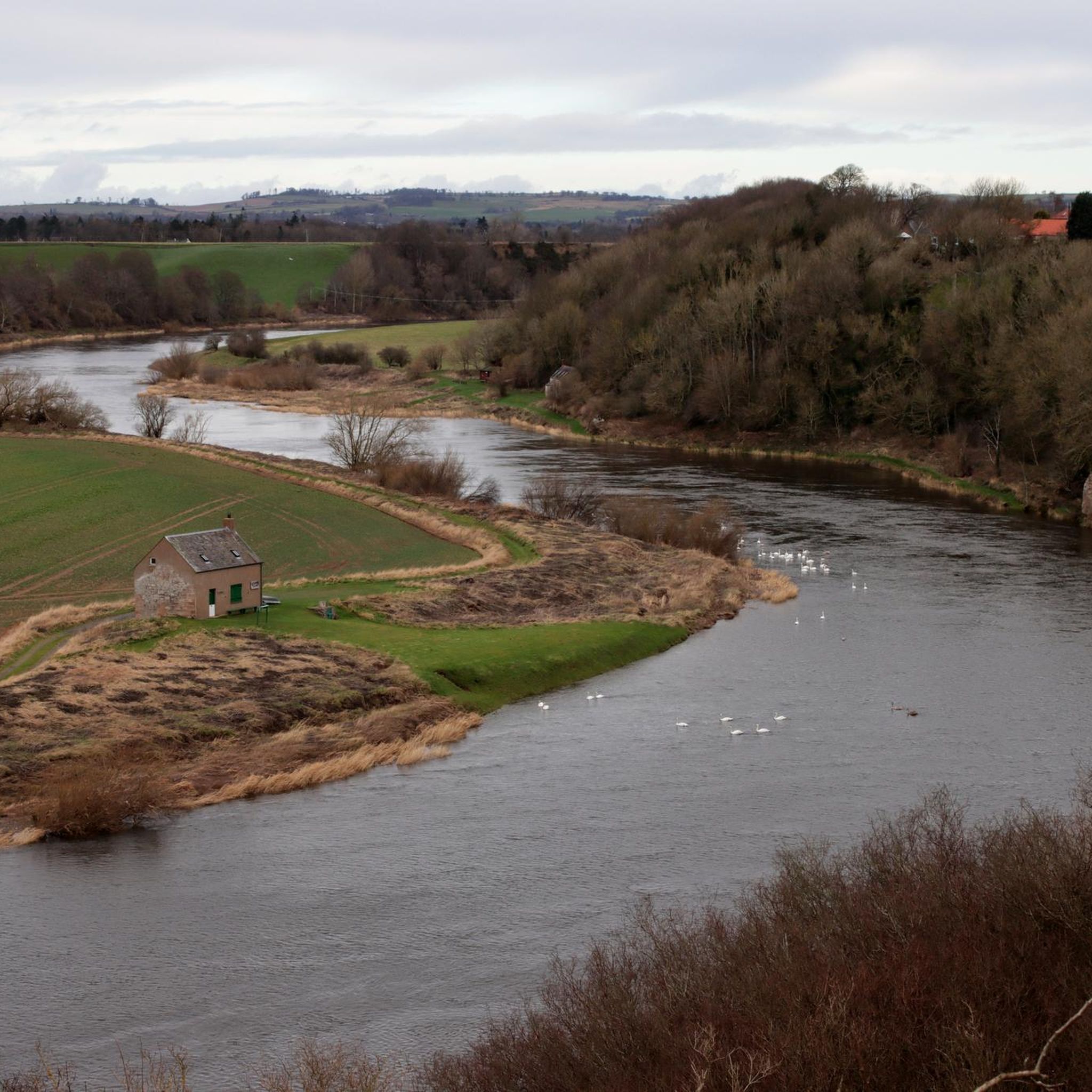
These are the ruins of Parsons tower, a medieval pele tower that was once home to the local clergyman.
0
0

Norham stands as one of the most captivating sights in the border region. Perched atop a lush hillock, it commands a crucial ford over the River Tweed, having held immense significance as a formidable stronghold in this historically turbulent area. It endured frequent assaults from the Scots, facing no less than 13 sieges, including a nearly year-long encirclement led by Robert Bruce. Despite the strength of its robust 12th-century keep and imposing towered bailey walls, it ultimately succumbed to the might of James IV's formidable cannons in 1513, just prior to his fateful defeat at Flodden Field. The extensive reconstruction during the 16th century, tailored to accommodate artillery, still bears evident marks, showcasing the fortress's adaptation to changing times.
0
0

Etal Castle was built as a defence against the raiding Scots in the mid-14th century. It fell to James IV's invading Scot army in 1513 just before the defeat at Flodden. It fell into disrepair after the joining of England and Scotland when castles here where no longer needed. Now it's owned and managed by English Heritage. Admission is free and you can wonder around the ruins. Open at weekends.
0
0
Norham Castle was built in the 12th century and had a rough time in the first few hundred years surviving at least 12 sieges before falling to the heavy cannon of James 4th. It was rebuilt with artillery in the 16th century but with stabilisation between England and Scotland Elisabeth 1st decided not to spend any more money on the castle and it slowly fell into ruin. English Heritage took over the manegment in 1923. The castle is free to explore, open daily in the summer and weekends over the winter.
0
0


Frequently Asked Questions
What is the historical significance of Norham Castle?
Norham Castle played a crucial role in the tumultuous border conflicts between England and Scotland. This imposing 12th-century stronghold endured at least 13 sieges and was captured four times, making it a key defensive point on the English-Scottish border. It offers a tangible connection to the Anglo-Scottish Wars and the architectural evolution of medieval military structures.
What architectural features can I expect to see at Norham Castle?
Visitors can observe the impressive ruins of the Great Tower (Keep), which was originally 88 feet tall with walls over 28 feet thick. The castle also featured inner and outer wards, a moat, and defensive adaptations from the 16th century, including gun towers designed for artillery defense. The heavily fortified West Gate, also known as Marmion's Gate, was the main entrance.
Are there other historically significant castles near Norham?
Yes, besides Norham Castle, you can visit Etal Castle, built in the mid-14th century as a defense against raiding Scots. Another notable site is Ford Castle, dating back to 1278, which also played a significant role in border politics and now functions as an outdoor activity center.
Is Norham Castle accessible for visitors with mobility concerns?
While some areas of Norham Castle, including the main Marmion Gate entrance and the inner keep, are currently closed for safety reasons and conservation work, the outer ward remains open for visitors. It's advisable to check the official English Heritage website for the latest accessibility information before your visit.
Are the castles around Norham family-friendly?
Many castles in the area are considered family-friendly. Norham Castle Ruins, Etal Castle, and Ford Castle are all categorized as family-friendly, offering historical exploration in an engaging setting. Ford Castle, in particular, operates as an outdoor activity center for youth groups.
What is the best time of year to visit the castles around Norham?
Norham Castle is generally open daily from April to October. Etal Castle is open at weekends during the season. Visiting during these months allows for better weather conditions to explore the outdoor ruins and enjoy the scenic views. Always check specific opening times for each castle before planning your trip.
Are there parking facilities available at Norham Castle?
Yes, there is access to Norham Castle from a car park via the Sheep Gate, an additional gate to the south of the outer ward. Parking information for other castles should be checked individually.
Are there walking trails or viewpoints near Norham Castle?
Norham Castle's strategic location high above the River Tweed provides picturesque views of the border country. While specific walking trails around the castle ruins are not detailed, the scenic surroundings offer opportunities for leisurely strolls. For more structured outdoor activities, consider the nearby cycling routes.
What outdoor activities can I do near the castles around Norham?
The region around Norham offers various outdoor activities. You can find numerous cycling routes, including road cycling and touring bicycle options. For instance, there are routes like the 'Norham Castle Ruins – Wooler Town Centre loop' for road cycling or the 'Riverside Path Along the River – River Tweed loop' for touring. You can explore more options on the Road Cycling Routes around Norham guide or the Cycling around Norham guide.
Are there any pubs or cafes near the castles?
While specific amenities directly adjacent to Norham Castle are limited, the nearby village of Etal, close to Etal Castle, is home to the only thatched pub in Northumberland. This offers a charming spot for refreshments after exploring the castle ruins.
What should I know before visiting Norham Castle?
Norham Castle is managed by English Heritage, and admission is free. It's advisable to check their official website for current opening hours and any safety closures, as some areas may be inaccessible due to conservation work. The outer ward is typically open for visitors to explore the impressive ruins and enjoy the scenic location.
Most popular attractions around Norham

Get inspired with the komoot mobile app


Explore more
Looking for the best castles somewhere else? Discover other guides around Norham:
