Attractions and Places To See around Norham - Top 20
Best attractions and places to see around Norham include a blend of historical landmarks and natural features. This historic village in Northumberland, England, is strategically located on the River Tweed, which forms the border between England and Scotland. The area offers insights into centuries of Anglo-Scottish history and provides access to significant architectural and natural sites.
Best attractions and places to see around Norham
- The most popular attraction is Berwick Town Walls, a historical site that was built in 1558 to keep out invading Scots. These Elizabethan walls are the only example of bastioned town walls in Britain and offer views over the town's three bridges and the River Tweed.
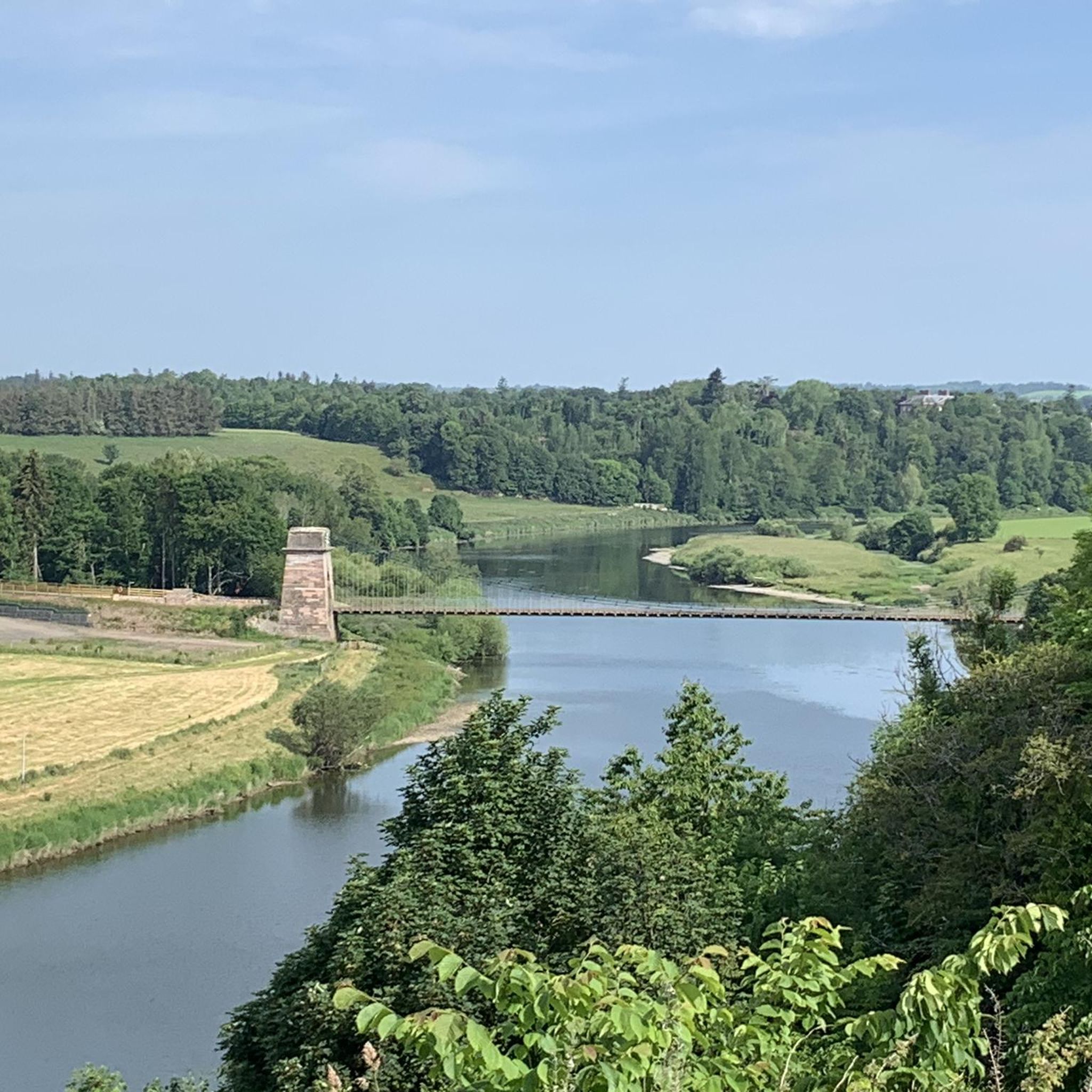
- Another must-see spot is Union Bridge (Tweed), a man-made monument spanning the River Tweed, forming the border between England and Scotland. Opened in 1820, it was once the longest iron suspension bridge in the world and is the oldest suspension bridge still carrying road traffic.
- Visitors also love Norham Castle Ruins, a Grade-I listed castle built between 1099 and 1128. This formidable medieval fortress, perched on a grassy mound overlooking the River Tweed, played a crucial role in Anglo-Scottish conflicts.
- Norham is known for its historic castles, ancient bridges, and significant religious sites. Visitors can explore medieval fortresses, walk along historic town walls, and discover unique industrial heritage.
- The attractions around Norham are appreciated by the komoot community, with more than 50 upvotes and 20 photos shared.
Last updated: July 3, 2026
Berwick Town Walls
Highlight • Historical Site
Tip by

Norham Castle Ruins
Highlight • Historical Site
The castle is open daily from April to October and entrance is free. You can find out more information, here: english-heritage.org.uk/visit/places/norham-castle/#beforeyougo
Tip by

Sign up now to discover places like this
Get recommendations on the best single tracks, peaks, & plenty of other exciting outdoor places.
Sign up for free
Heatherslaw Cornmill
Highlight • Monument
Adults £4 (Dec 2022) open 10:00 - 16:00 every day.
Tip by

Ford Castle
Highlight • Other
In 1907, the castle was bought by coal-mining mogul James Joicey and it has remained in the family ever since. Today, it serves as a Young Persons' Residential Centre. You can find more information about the castle, here: fordcastle.org.uk
Tip by
Union Bridge (Tweed)
Highlight • Monument
The bridge was opened in 1820 to carry traffic over the River Tweed.
Spanning 449 feet (137 m), it used to be the longest iron suspension bridge in the world. Today, it is still the oldest suspension bridge carrying road traffic and is Grade-I listed.
Tip by
Sign up for free to discover even more attractions around Norham.
Sign up for free
Already have an account?
Start today with a free account
Your next adventure awaits.
Login or Signup
Other adventures around Norham

Tips from the Community


The Berwick walls are absolutely fantastic to walk – one of the best-preserved examples of Elizabethan defences in the country. You can do a full circuit in under an hour, and it gives you brilliant views over the town, the River Tweed and out to the North Sea. Along the way there are bastions, gun emplacements and plaques explaining the history, so you really get a feel for why Berwick was so strategically important. It’s all free to access and very easy walking on well-kept paths. A must-do if you’re visiting the town, whether you’re into history or just want a pleasant stroll with great views.
0
0

Harnessing the power of moving water to drive a mill wheel is an ancient invention of human discovery, whose origins can be traced back to ancient times. Thanks to such a design, a watercourse – natural or artificial – made it possible to simply replace human or animal muscle power with the power of natural elements, for example, to grind grain into corn or press oil from fruit. There are essentially two drive variants for watermills: * Either the flowing water simply hits the blades of the water wheel from below to set it in motion; or * the water is guided above the wheel – usually through a so-called "mill channel" – and falls onto the blades. This design, thanks to natural gravity, ensures greater efficiency.
0
0

Ford Castle in Northumberland is a historic Grade I listed building with a stormy past. Built around 1278, it served as a border stronghold for centuries, witnessing battles and even hosting the Scottish King James IV before his final fight. The castle changed hands throughout history, from the Heron family to the Joiceys. Today, it's no longer a private residence. Instead, it functions as an outdoor activity center for schools and youth groups, offering a unique blend of history and adventure.
0
0

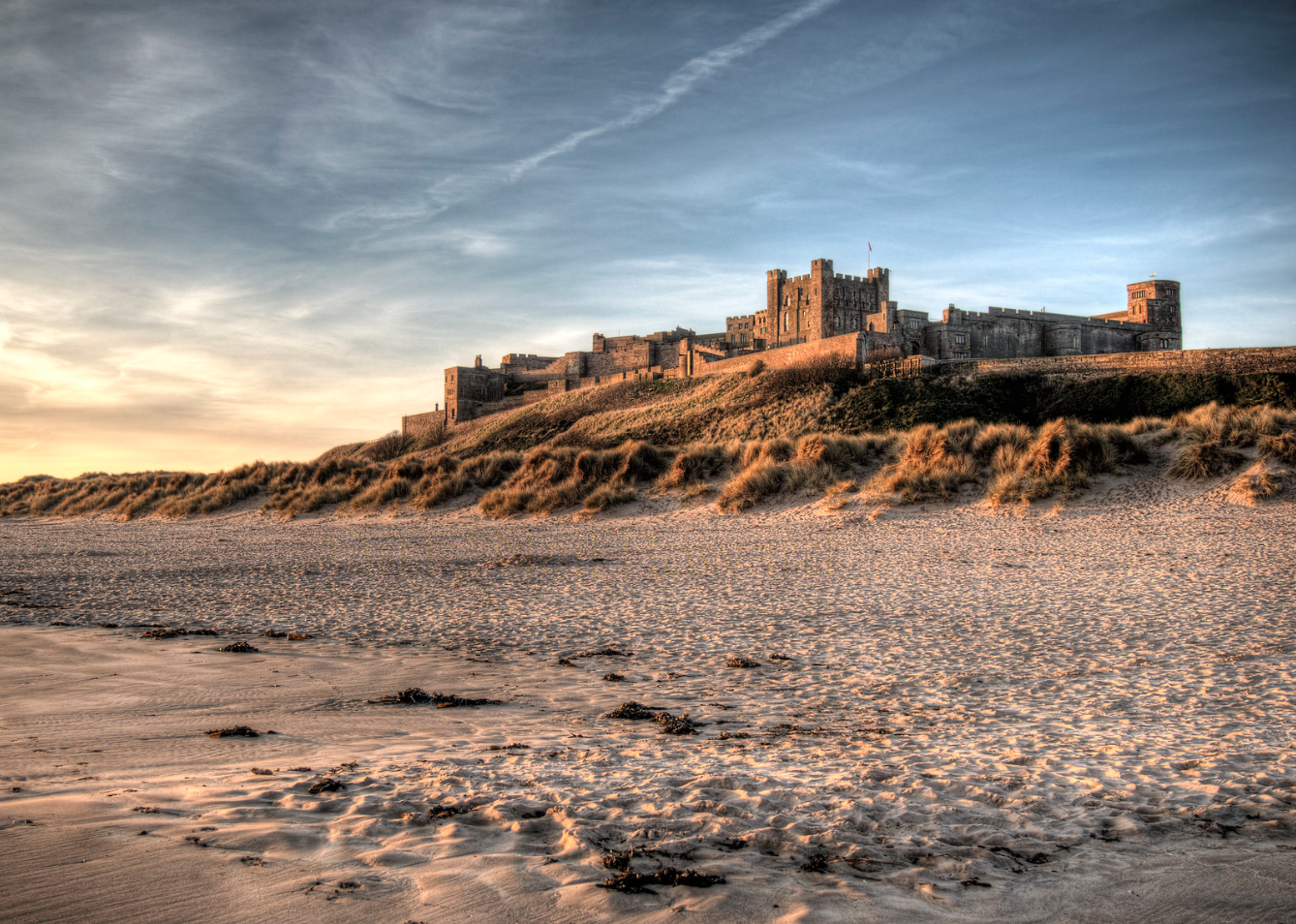
Norham stands as one of the most captivating sights in the border region. Perched atop a lush hillock, it commands a crucial ford over the River Tweed, having held immense significance as a formidable stronghold in this historically turbulent area. It endured frequent assaults from the Scots, facing no less than 13 sieges, including a nearly year-long encirclement led by Robert Bruce. Despite the strength of its robust 12th-century keep and imposing towered bailey walls, it ultimately succumbed to the might of James IV's formidable cannons in 1513, just prior to his fateful defeat at Flodden Field. The extensive reconstruction during the 16th century, tailored to accommodate artillery, still bears evident marks, showcasing the fortress's adaptation to changing times.
0
0

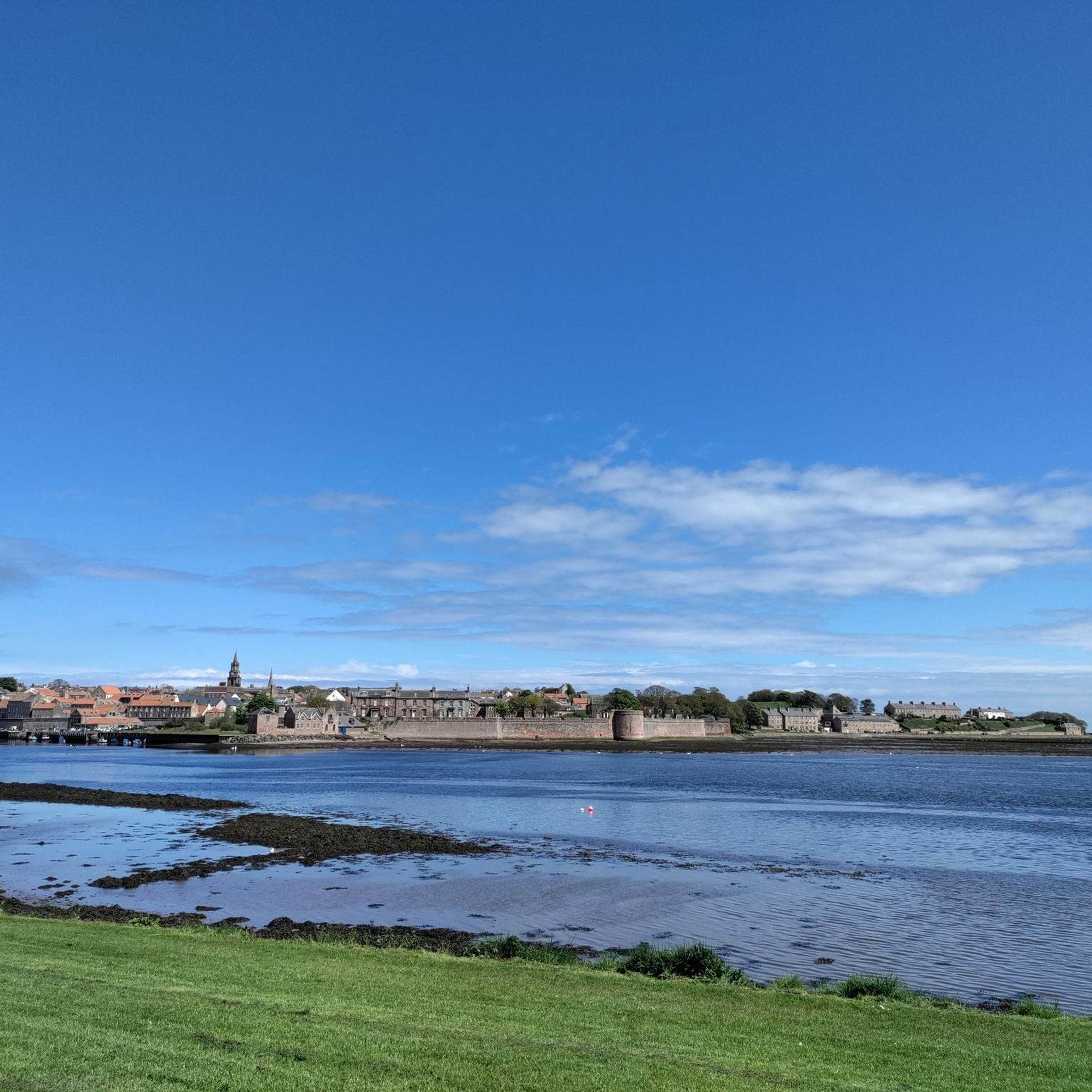
Berwick's Elizabethan Walls are the only example of bastioned town walls in Britain and one of the best preserved examples in Europe. When built in 1558 - designed to keep out the marauding Scots who regularly laid claim to the town - it was the most expensive undertaking of England's Golden Age.
1
0

A restored and working 19th century water powered corn mill. Visit and view the wooden water mill which drives the gears that turn the grind stones. The cafe sells cakes and bread made using the flour ground here. Adults £4 (Dec 2022) open 10:00 - 16:00 every day.
0
0
Frequently Asked Questions
What historical landmarks can I explore in and around Norham?
Norham is rich in history, primarily centered around its strategic location. You can visit the formidable Norham Castle Ruins, a Grade-I listed fortress that played a crucial role in Anglo-Scottish conflicts. Additionally, explore St. Cuthbert's Church, a significant Norman church from AD 1175, known for its Romanesque windows and Anglo-Saxon carvings. Nearby, the Berwick Town Walls offer a unique example of Elizabethan bastioned town walls.
Are there any family-friendly attractions near Norham?
Yes, several attractions are suitable for families. The Norham Castle Ruins are family-friendly, offering space to explore and imagine medieval history. The Berwick Town Walls are also great for a family stroll with scenic views. Further afield, Heatherslaw Cornmill is a restored 19th-century water-powered mill where visitors can see the milling process and enjoy a cafe. Ford Castle, while primarily a youth center today, has a rich history that can be appreciated from the outside.
What natural features can I experience around Norham?
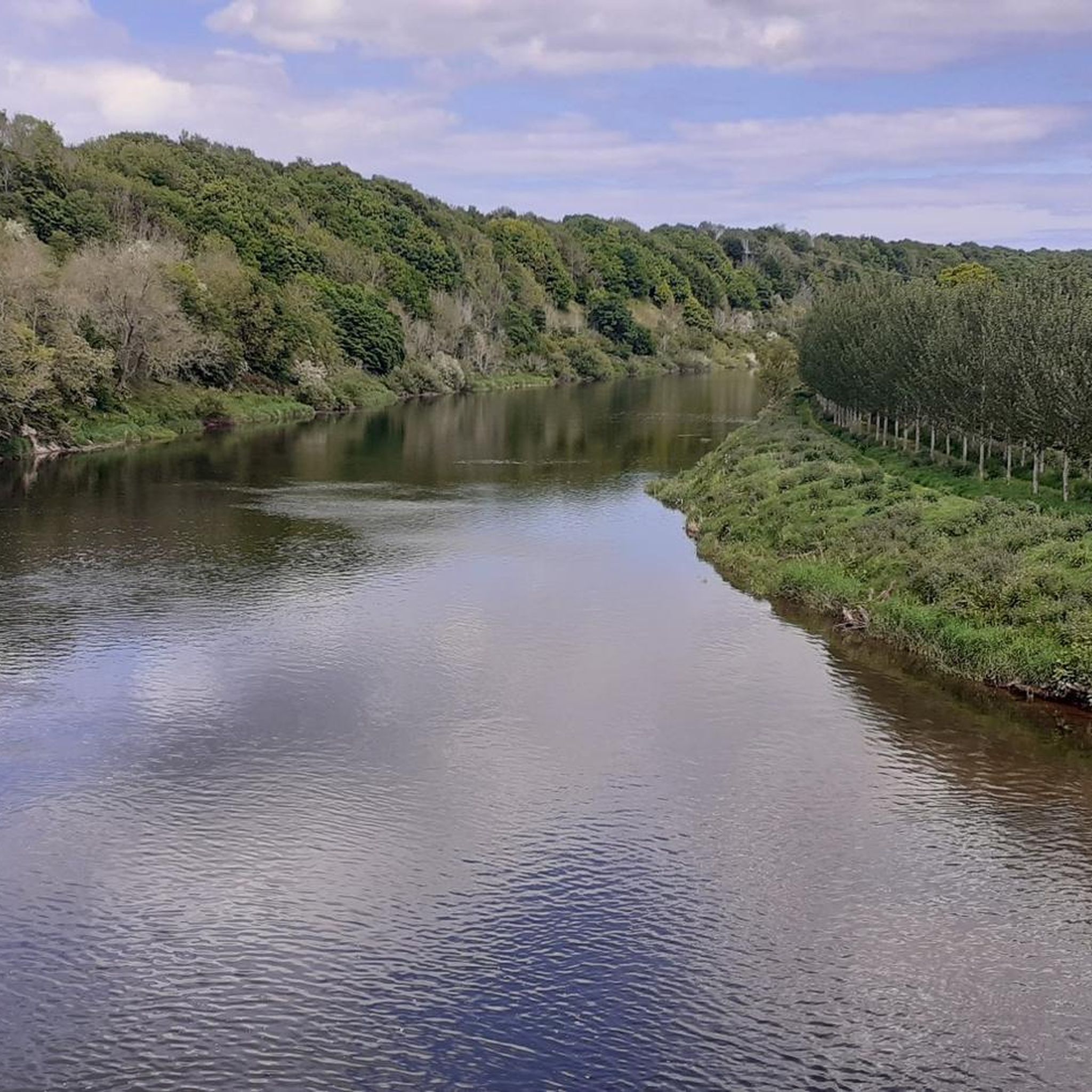
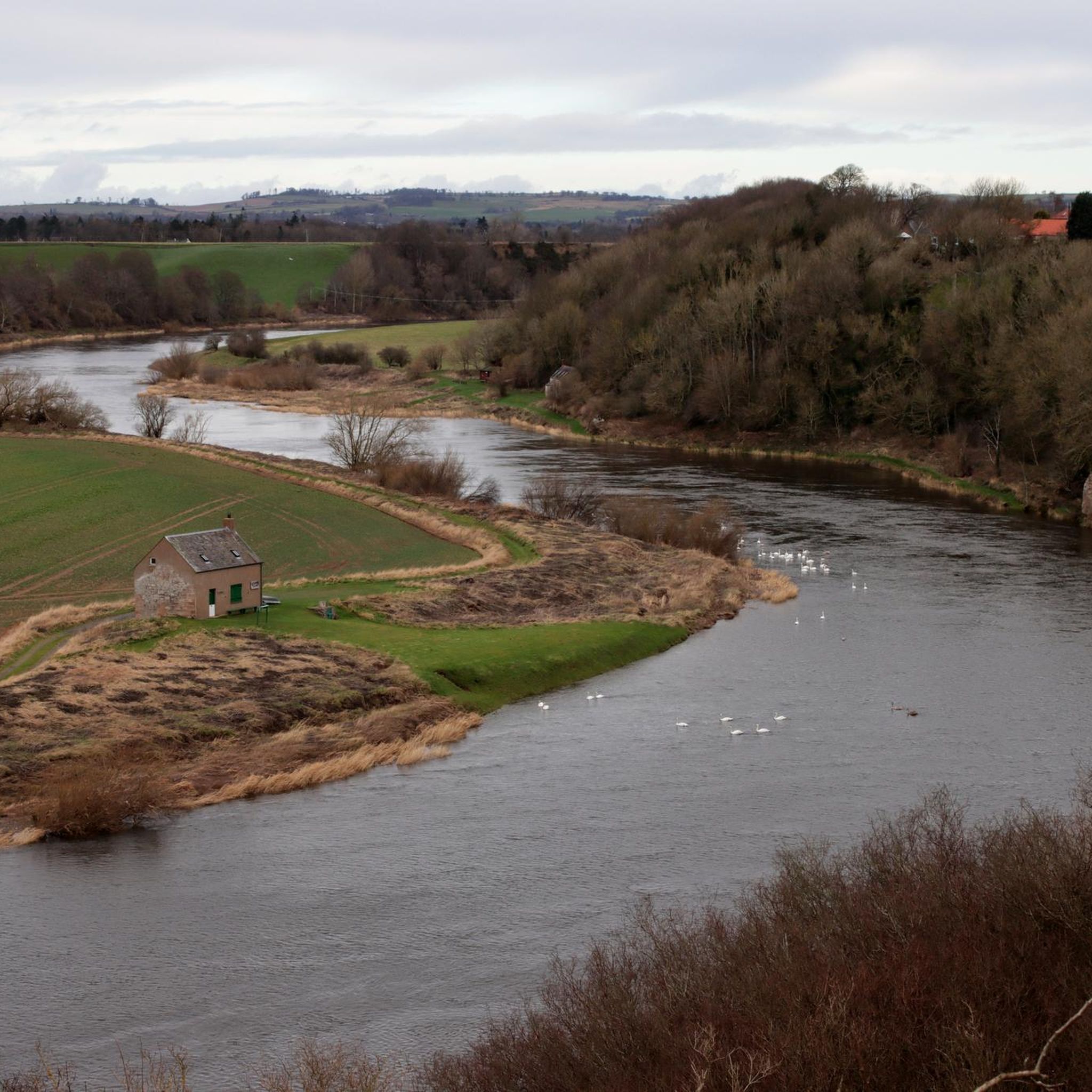
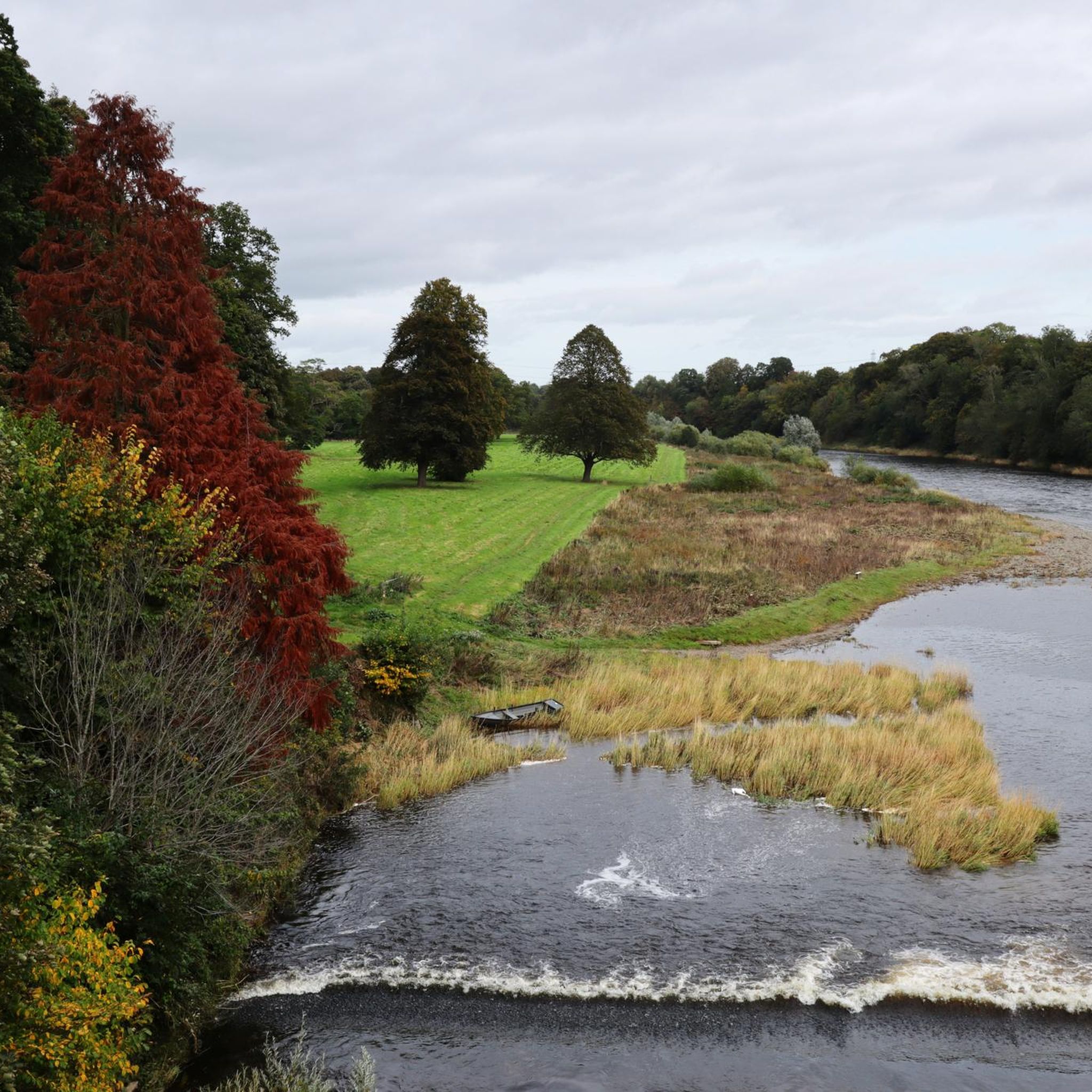
The most prominent natural feature is the River Tweed, which forms the border between England and Scotland. Norham Castle is perched on a grassy mound overlooking its banks, and the surrounding area features green meadows perfect for walks. The river itself is significant for its role in the region's history and as a natural boundary.
What outdoor activities or trails are available near Norham?
The area around Norham offers various outdoor activities. For hiking, you can find routes like the 'Norham Cross – Jubilee Field, Norham loop' or the 'Union Chain Bridge – Norham Castle Ruins loop'. If you're interested in mountain biking, there are trails such as the 'Berwick to Wooler loop on the Sandstone Way'. Runners can explore routes like the 'Berwick Lighthouse and Pier – Royal Border Bridge loop'. You can find more details and specific routes in the hiking, MTB, and running guides for Norham.
Are there any unique bridges or architectural marvels to see?
Absolutely. The Union Bridge (Tweed) is a must-see, connecting England and Scotland across the River Tweed. Opened in 1820, it was once the longest iron suspension bridge in the world and remains the oldest suspension bridge still carrying road traffic. Norham also features the Ladykirk and Norham Bridge, another stone-arched bridge over the Tweed.
What is the best time to visit Norham Castle?
The Norham Castle Ruins are typically open daily from April to October. Visiting during these months allows for better weather conditions to explore the outdoor ruins and enjoy the surrounding green meadows. For the most up-to-date opening hours, it's advisable to check the English Heritage website: english-heritage.org.uk.
Are there any pubs or cafes in Norham for refreshments?
Yes, Norham offers options for refreshments. The Mason's Arms pub on West Street is noted as one of the oldest buildings and pubs in Northumberland, providing a historic setting for a drink or meal. Additionally, Heatherslaw Cornmill, a short drive away, has a cafe that sells goods made from the flour ground on-site.
What are some lesser-known or 'hidden gem' attractions near Norham?
Beyond the main landmarks, you might enjoy the Duddo Stone Circle, a prehistoric site located approximately 2.5 to 2.7 miles from Norham. Another interesting spot is Paxton House, a historic house about 3.3 to 3.8 miles away. These offer a different perspective on the region's heritage.
Can I find information about the Battle of Flodden near Norham?
While Norham itself was not the site of the Battle of Flodden, it is closely connected to the history of Anglo-Scottish conflicts. Etal Castle, located about 4.8 to 5.3 miles from Norham, offers an exhibition specifically on the Battle of Flodden, providing valuable context to the region's turbulent past.
What is the 'Blessing of the Nets' event in Norham?
Norham hosts a unique annual event called 'The Blessing of the Nets'. This tradition takes place at midnight on February 13th and signals the official opening of the salmon fishing season on the River Tweed. It's a distinctive local custom that reflects the village's connection to the river.
Are there any easy walking routes suitable for beginners or those seeking a gentle stroll?
Yes, Norham offers several easy walking routes. For a gentle stroll, consider the 'Norham Cross – Jubilee Field, Norham loop' or the 'Norham Cross – Norham Village Centre loop'. These routes are generally shorter and have an 'easy' difficulty grade, making them suitable for beginners or those looking for a relaxed walk. You can find more details in the hiking guide for Norham.
Most popular attractions around Norham

Get inspired with the komoot mobile app


Explore more
Still not found the Highlight you’re looking for? See guides of the top attractions in other regions:
