Attractions and Places To See around Cramlington - Top 20
Best attractions and places to see around Cramlington include a mix of unique landmarks, natural spaces, and historical sites in Northumberland, England. The town is situated near the River Blyth and offers access to coastal features and country parks. Its landscape features both historical structures and modern land art, reflecting a blend of heritage and contemporary interest.
Best attractions and places to see around Cramlington
- The most popular attractions is St Mary's Lighthouse, a man-made monument set amongst a nature reserve with rock pools, grasslands, cliffs, beaches, and wetlands. This historical landmark protected boats from its construction in 1898 until 1984.
- Another must-see spot is Seaton Sluice Harbour, a port harbour in a coastal town. Visitors can find colorful boats on the calm waters of Seaton Burn and enjoy cozy benches for a break.
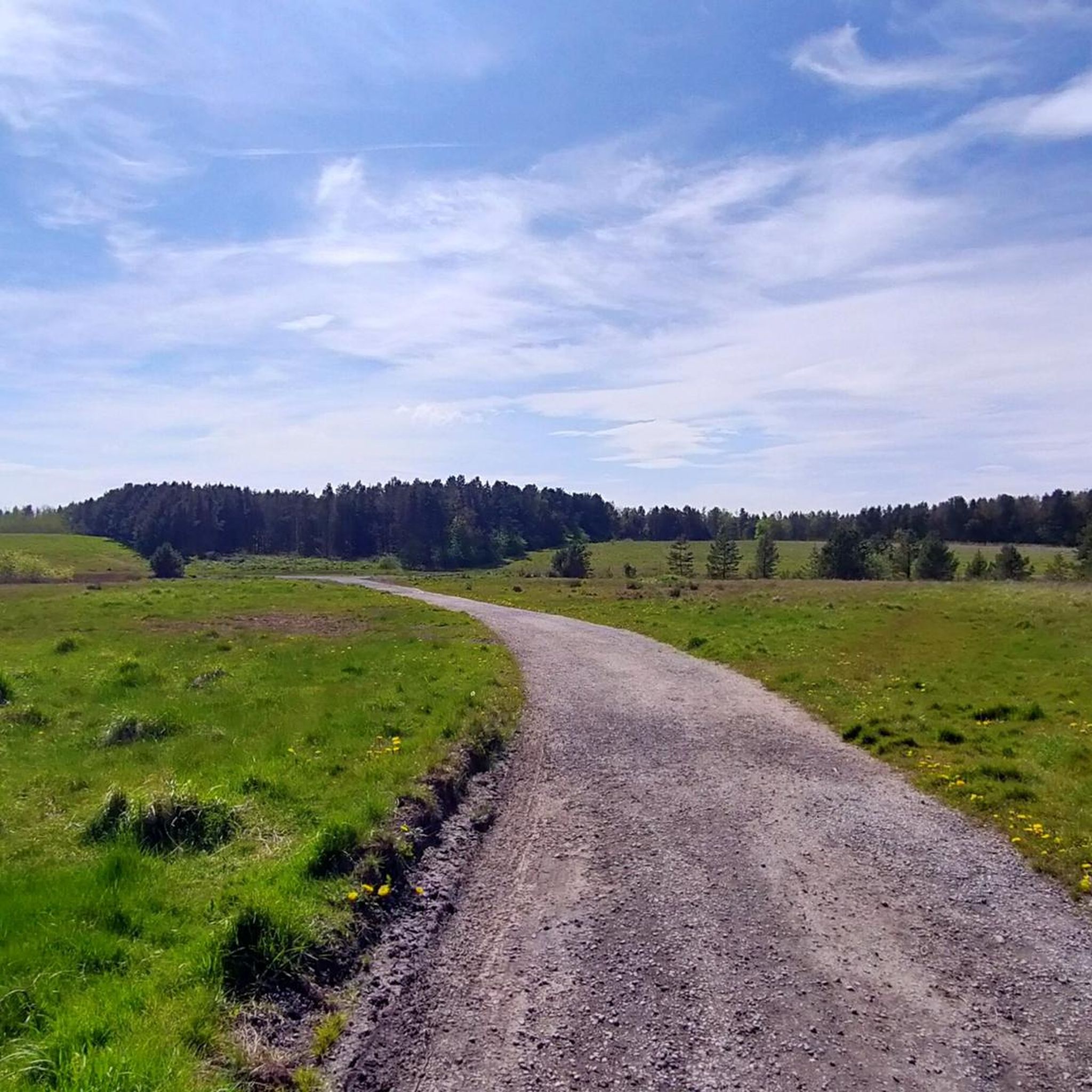
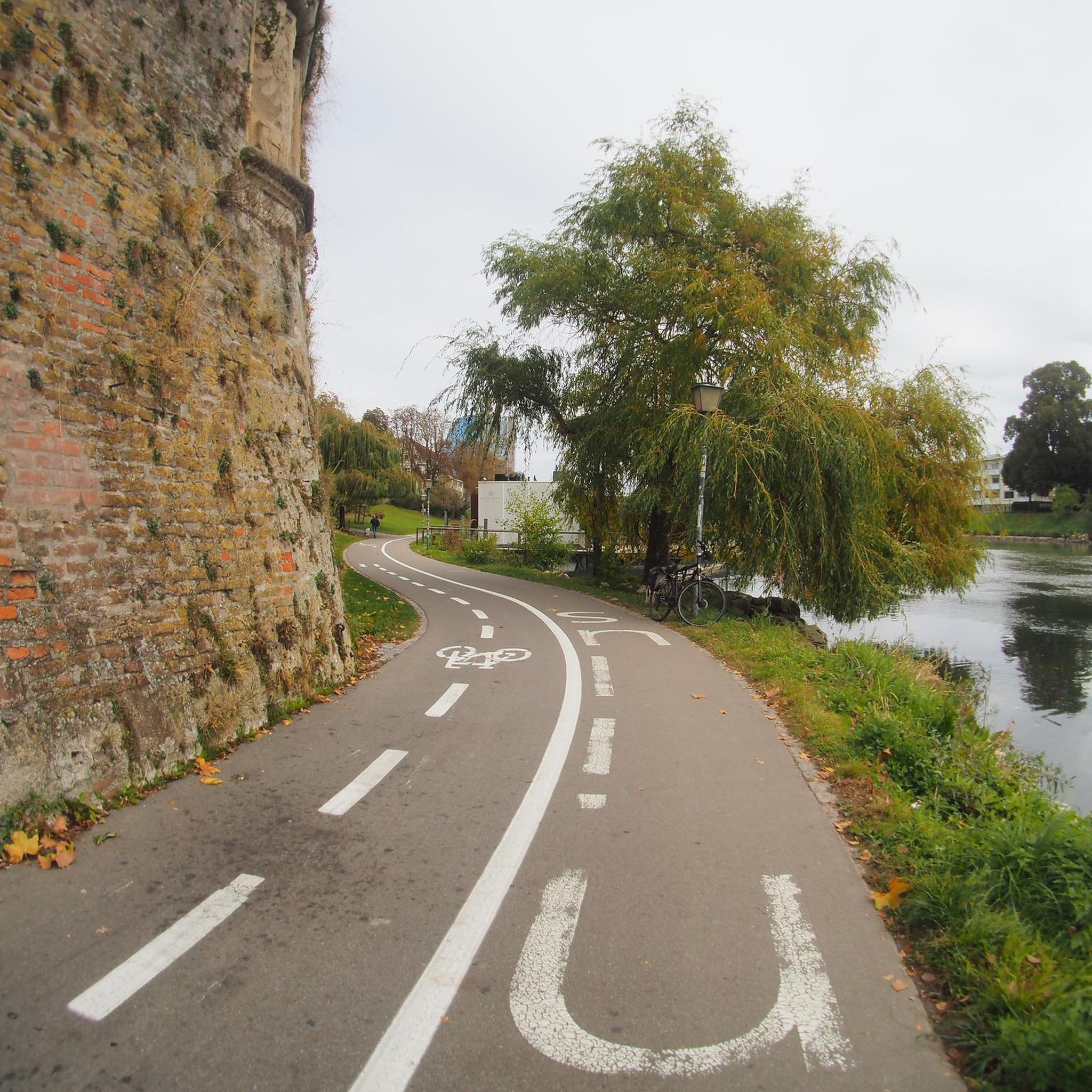
- Visitors also love Seaton Burn Waggonway, a former industrial railway line now converted into a traffic-free footpath and cycleway. This path winds through green corridors and past traces of industrial heritage, popular with walkers, cyclists, and nature lovers.
- Cramlington is known for its unique landmarks, natural spaces, and historical sites. The area offers a variety of attractions to see and explore, from coastal features to country parks and cultural installations.
- The attractions around Cramlington are appreciated by the komoot community, with more than 220 upvotes and over 40 photos shared by visitors.
Last updated: August 27, 2026
St Mary's Lighthouse
Highlight • Monument
The lighthouse protected boats from its construction in 1898 until 1984. Today, you can visit the lighthouse for £3.30 per adult. As the lighthouse is situated on an island, the opening hours depend on the tide. You can find more information, here: my.northtyneside.gov.uk/category/635/st-marys-lighthouse
Tip by

Seaton Sluice Harbour
Highlight • Structure
If you are hungry, you will find various cafés and pubs in the immediate vicinity of the harbor.
Translated by Google •
Tip by

Sign up now to discover places like this
Get recommendations on the best single tracks, peaks, & plenty of other exciting outdoor places.
Sign up for free
Willington Dene Viaduct
Highlight • Bridge
Translated by Google •
Tip by

Seaton Burn Waggonway
Highlight (Segment) • Trail
Today, the former railway line has been converted into a traffic-free footpath and cycleway, part of the Waggonways network in North Tyneside. The path winds through green corridors and past traces of industrial heritage, and is popular with walkers, cyclists and nature lovers.
Translated by Google •
Tip by
Roman Baths at Segedunum Fort
Highlight • Historical Site
Translated by Google •
Tip by
Sign up for free to discover even more attractions around Cramlington.
Sign up for free
Already have an account?
Start today with a free account
Your next adventure awaits.
Login or Signup

Other adventures around Cramlington

Tips from the Community

Cycling guides for the wagonways in North Tyneside can be downloaded from the council's website https://my.northtyneside.gov.uk/category/244/waggonways-routes
1
0


The Willington Dene Viaduct is a historic railway viaduct in Wallsend. It was built between 1837 and 1839. Originally, it consisted of seven wooden arches, constructed using the Wiebeking system of laminated timber—an innovative technique at the time. In 1869, these were replaced by wrought iron arches, retaining the original design. The viaduct is 319 metres long and 25 metres high, and spans the valley of the Wallsend Burn with seven segmental arches. It has been a Grade II listed building since 1986 and is still used by the Tyne and Wear Metro.
9
0
This signpost near the Roman fort of Segudunum, here in Wallsend, does provide some information. We're near the Segudunum museum and the Roman baths; Rome is 1,110 miles away; after 84 miles you reach Bowness-on-Solway and the entrance to the Irish Sea, and after 138 miles you'll reach Ravenglass, the official start of Hadrian's Cycleway. The fort, the baths, and the museum are behind the fence.
10
0
🚂 The Seaton Burn Waggonway, originally known as the Brunton and Shields Railway, was an industrial railway line operated between 1826 and 1920 to transport coal from collieries such as Brunton, Burradon and Seaton Burn to the River Tyne. The line was partly horse-drawn and partly rope-operated with stationary steam engines—an early form of funicular railway1. In 1837 the route was extended to North Shields, and around 1867 it was converted to standard gauge to connect with the wider railway network. Today, the former railway line has been converted into a traffic-free footpath and cycleway, part of the Waggonways network in North Tyneside. The path winds through green corridors and past traces of industrial heritage, and is popular with walkers, cyclists and nature lovers.
10
0


Once known as Hartley Haven, the village was renamed in the 17th century after the construction of a pier and sluice, designed to facilitate the movement of ships in the port. There are numerous pubs and cafés overlooking the harbour where you can rest tired legs.
1
0
Frequently Asked Questions
What natural spaces can I explore around Cramlington?
Cramlington offers several natural escapes. You can visit Plessey Woods Country Park, where the River Blyth flows through, or explore the woodlands, wetlands, and wildflower meadows of East Cramlington Nature Reserve, which is also home to red squirrels. The Arcot Hall Grasslands and Ponds SSSI (Site of Special Scientific Interest) is another significant natural area.
Are there good walking trails near Cramlington?
Yes, there are several excellent walking opportunities. The Seaton Burn Waggonway, a former industrial railway line, is now a traffic-free footpath and cycleway popular with walkers and nature lovers. For more hiking options, you can explore various routes detailed in the Hiking around Cramlington guide, including trails around Horton Burn and Amelia Pit Wood.
Where can I go for wildlife spotting in the area?
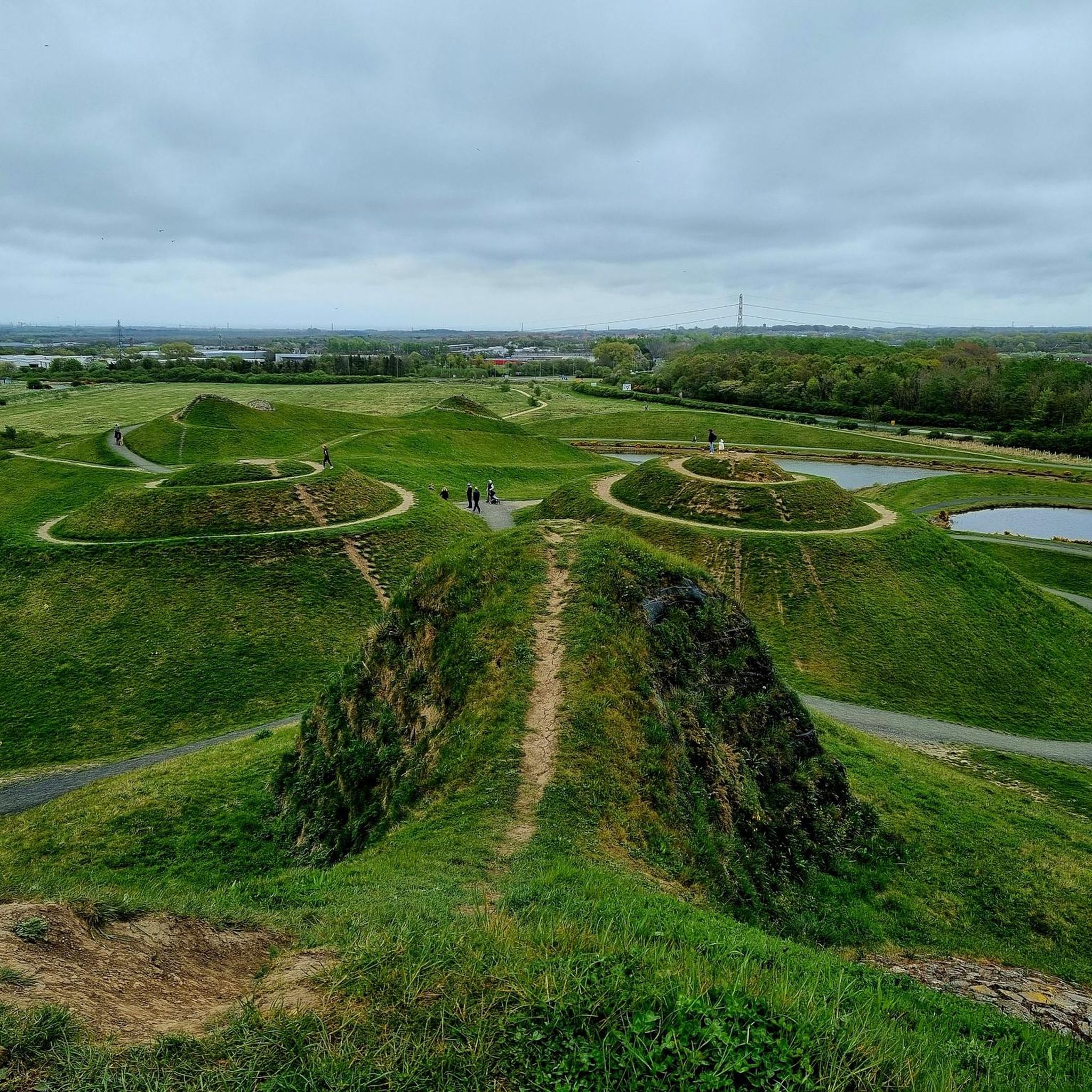
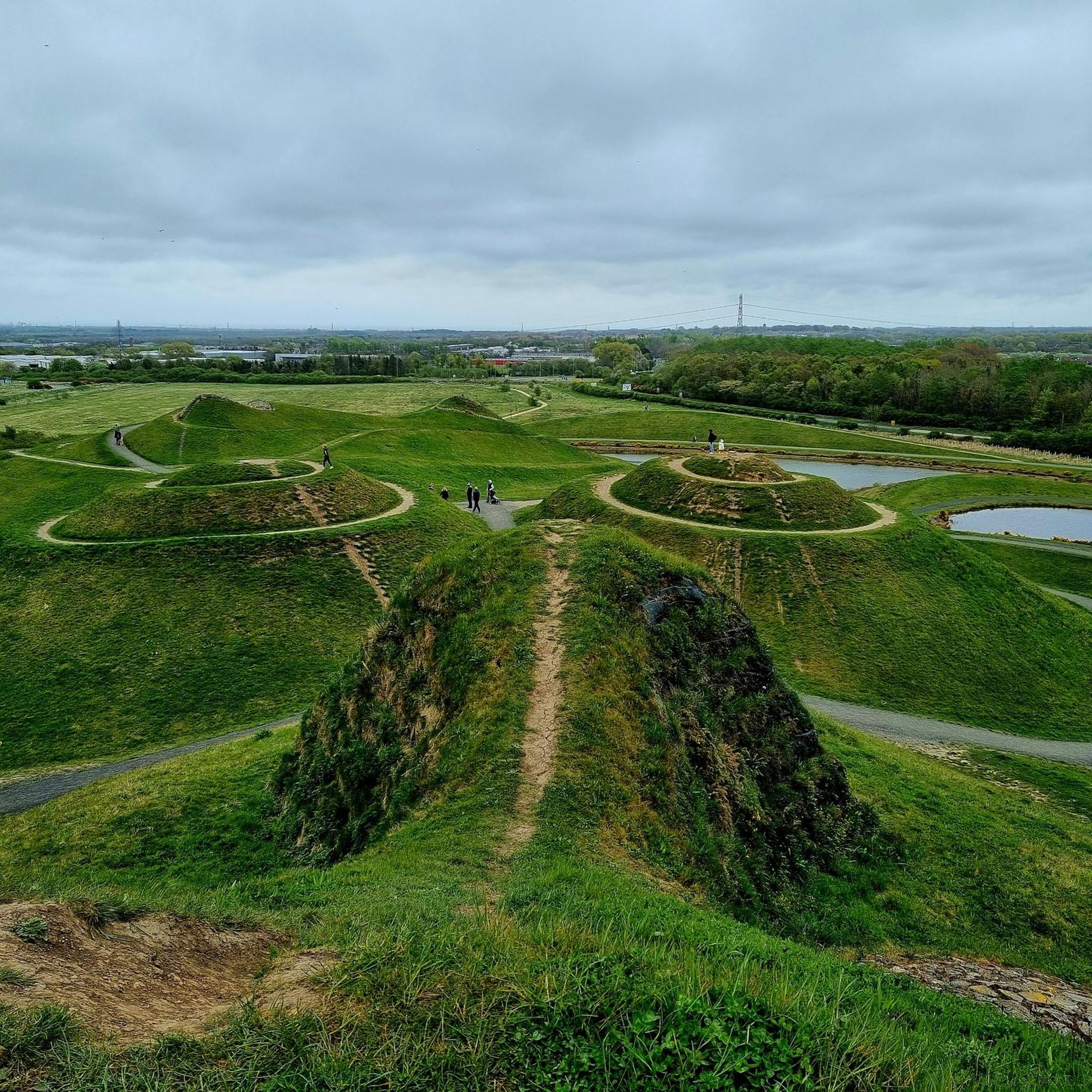
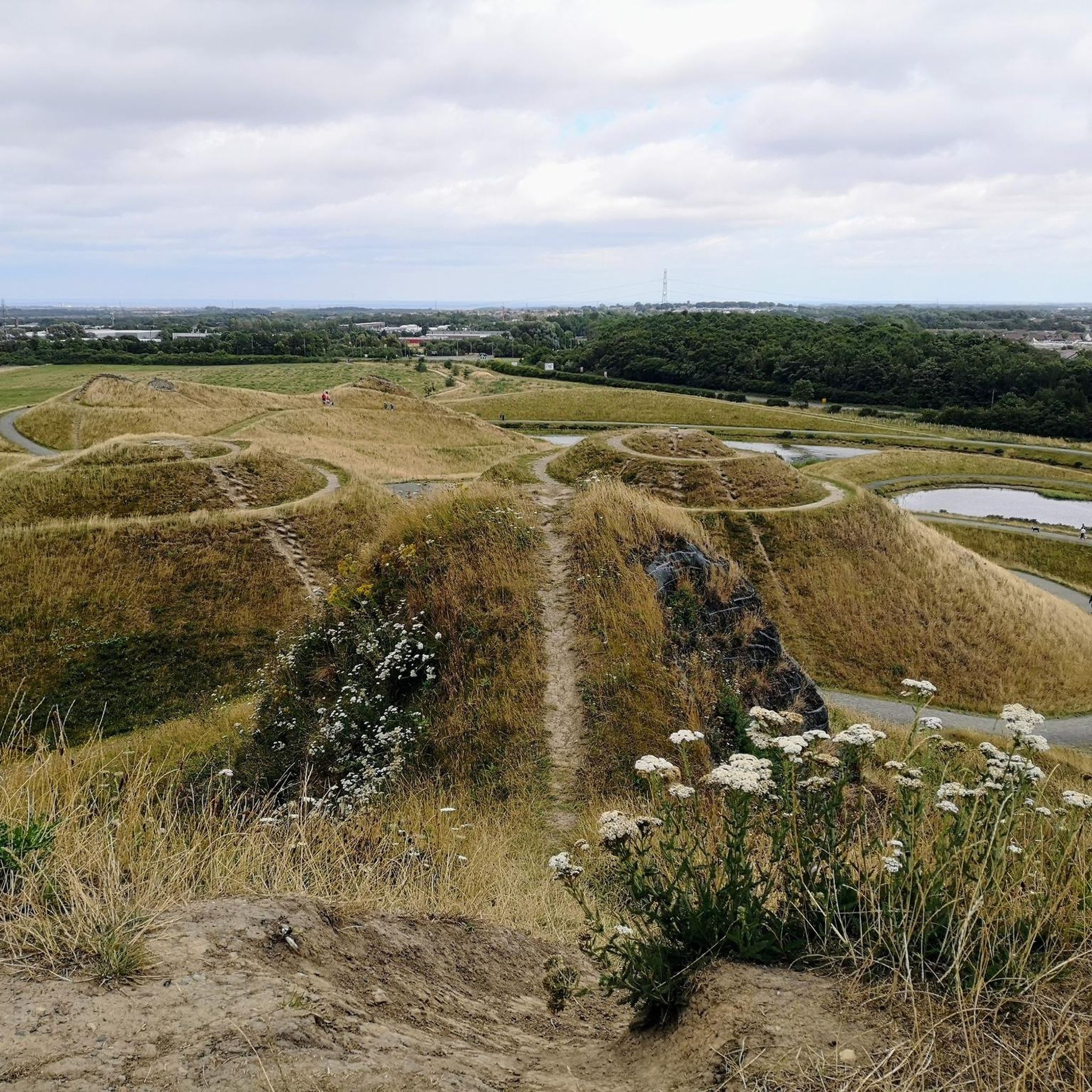
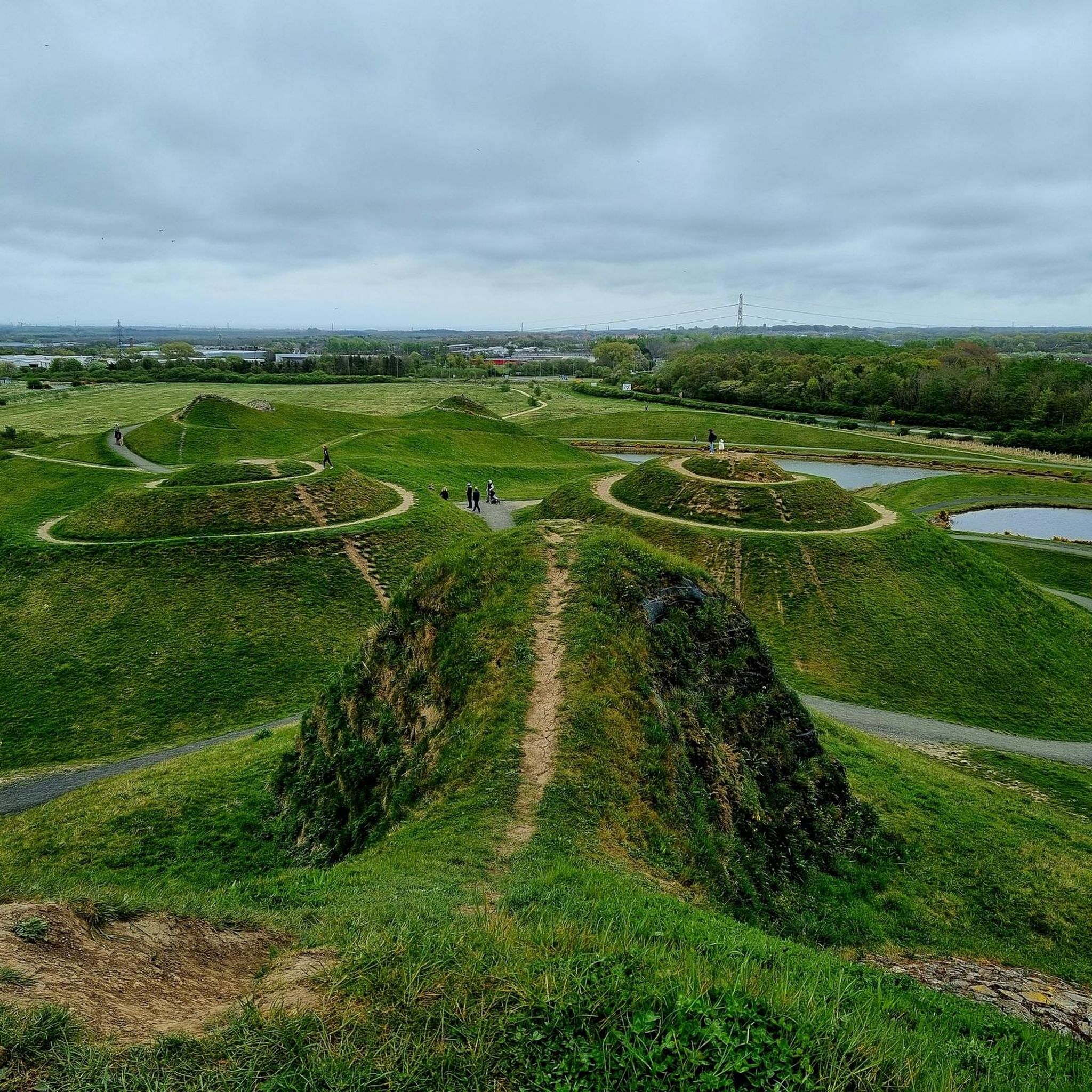
East Cramlington Nature Reserve is an excellent spot for wildlife, particularly known for its red squirrels, diverse birdlife, and wildflowers. While primarily a land sculpture, Northumberlandia also offers walking trails where you might encounter local wildlife.
What historical sites can I visit around Cramlington?
Cramlington and its surroundings boast several historical points of interest. You can see Cramlington Hall, a Grade II listed Palladian-style building from the mid-18th century, or the Parish Church of St. Nicholas, built in 1868. Further afield, the impressive Willington Dene Viaduct, a historic railway structure, and the Roman Baths at Segedunum Fort offer glimpses into the region's past.
Are there any unique landmarks or art installations in Cramlington?
Cramlington is known for its distinctive landmarks and art. Northumberlandia is a massive land sculpture depicting a reclining female figure, offering walking trails and scenic views. Other unique installations include the Cramlington Shroud - Capella in a nature reserve and the Giant Spoon Cramlington, part of a local art trail.
What family-friendly attractions are available in Cramlington?
Families can enjoy exploring Northumberlandia with its walking trails, or spending time at Plessey Woods Country Park. The St Mary's Lighthouse, set within a nature reserve with rock pools, is also a popular family destination. For indoor activities, the Concordia Leisure Centre provides various options.
What are some good options for cycling near Cramlington?
The Seaton Burn Waggonway is a traffic-free path ideal for cycling. For more extensive routes, consider the Gravel biking around Cramlington guide, which features routes like the 'Waggonway Tracks' and 'St Mary's Lighthouse – Seaton Sluice Harbour loop'.
Are there any coastal attractions close to Cramlington?
Yes, Cramlington is conveniently located near the coast. The iconic St Mary's Lighthouse is a must-see, situated on an island amidst a nature reserve with rock pools and beaches. Another charming coastal spot is Seaton Sluice Harbour, a picturesque port with colorful boats and benches for relaxation.
What do visitors enjoy most about the attractions around Cramlington?
Visitors frequently praise the stunning views and photo opportunities, especially at places like St Mary's Lighthouse and Seaton Sluice Harbour. The tranquility and natural beauty of the nature reserves and the historical significance of sites like the Willington Dene Viaduct are also highly appreciated.
Are there places to eat or drink near the attractions?
Many attractions, particularly coastal ones like Seaton Sluice Harbour, have various cafés and pubs nearby. In Cramlington town center, the 'Village' area and Manor Walks Shopping Centre offer a range of dining options.
Is there a place to learn about Cramlington's local history?
Yes, the Cramlington History and Heritage Hub is being developed as a community-led initiative to research and preserve the area's rich past, from its Viking-era roots to its coal industry transformation. You can find more information about the hub on the Cramlington Town Council website.
Are there any golf courses in Cramlington?
Yes, golf enthusiasts can visit Arcot Hall Golf Club, which is situated to the south of the town.
Most popular routes around Cramlington
Most popular attractions around Cramlington

Get inspired with the komoot mobile app


Explore more
Still not found the Highlight you’re looking for? See guides of the top attractions in other regions:
