The best cycling routes around Kinlet
4.0
(64)
899
riders
140
rides
Touring cycling routes around Kinlet offer a diverse landscape, primarily defined by the expansive Wyre Forest and the scenic River Severn Valley. The area features a mix of mostly paved surfaces suitable for various cycling abilities, alongside unpaved segments that present more challenging terrain. Cyclists can encounter significant elevation changes, particularly towards areas like Clee Hill, providing rewarding views. This region provides a varied cycling experience, from moderate forest trails to more demanding road rides.
Best touring cycling routes around…
Last updated: May 8, 2026
4.0
(1)
15
riders
47.5km
03:29
560m
550m
Hard bike ride. Very good fitness required. You may need to push your bike for some segments of this route.
1.0
(1)
7
riders
6.88km
00:38
110m
110m
Easy bike ride. Great for any fitness level. Mostly paved surfaces. Suitable for all skill levels.

Sign up for free
4
riders
19.7km
01:24
350m
340m
Moderate bike ride. Good fitness required. Mostly paved surfaces. Suitable for all skill levels.
4.0
(1)
4
riders
29.6km
02:03
400m
400m
Hard bike ride. Good fitness required. You may need to push your bike for some segments of this route.
4.0
(1)
3
riders
25.0km
01:40
360m
360m
Moderate bike ride. Good fitness required. Mostly paved surfaces. Suitable for all skill levels.
Get access to more routes and recommendations from other explorers.
Sign up for free
Already have an account?
Our route recommendations are based on thousands of hikes, rides, and runs completed by other people on komoot.
Start today with a free account
Your next adventure awaits.
Login or Signup

Tips from the Community


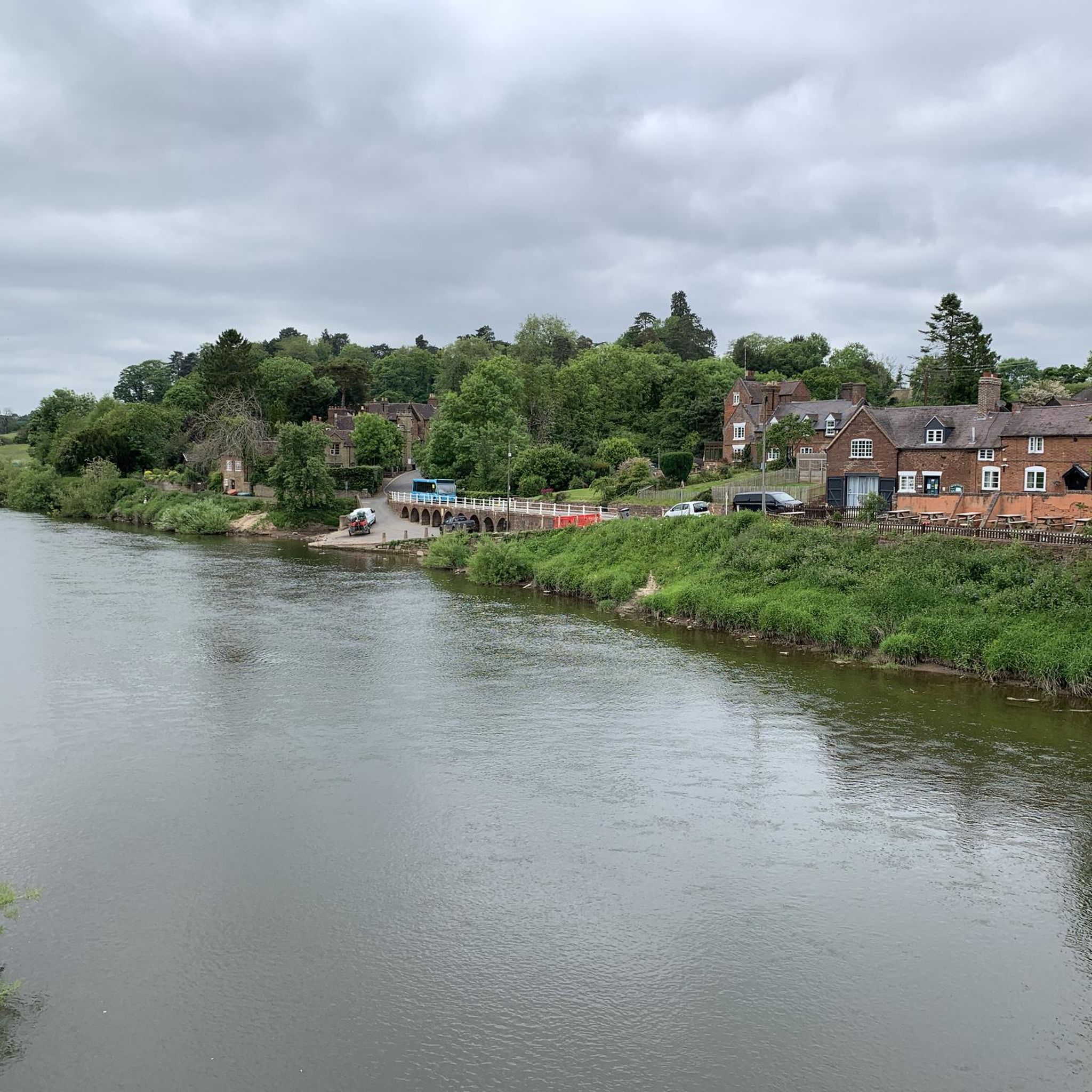
Bewdley was once an important inland port, connecting Shrewsbury with the Midlands and the seaports of Gloucester and Bristol. Originally the quays were shorter and had slipways between them. In time, as more landing space was needed, the quayside walls were joined into one continuous length. The larger boats, known as Severn Trows, carried local goods such as rope and charcoal, metal goods from Birmingham and Staffordshire pottery to the south. They returned laden with woollen cloth, wine, spirits, tobacco, sugar, spices, citrus fruit and dried fish to be sold in market towns across the West Midlands and Welsh borders. This civic space was developed when the Environment Agency built the Town's new flood defences, and incorporates work by artist Elizabeth-Jane Grose. On the lower quayside you can find flowing words relating to the river and the vessels that worked on it. On the upper quayside have a look for the 'cargo-plates' recording forty of the common and less common exports and imports to the Port of Bewdley. Source: Environment Agency
0
0
Bewdley Bridge over the Severn was built in 1798 by Thomas Telford. It was erected to replace the 1483 medieval bridge that was swept away in the floods of 1795.
0
0
Billingsley Colliery was the furthest from Highley, at a distance a little over 2 miles to the west. Mining on the site began during the late 18th century, almost 100 years before Highley, but a number of companies successively failed to make a go of the venture. In 1910 the Billingsley Colliery Company was formed to buy the colliery. At the time the Wellington Journal & Shrewsbury News reported that the new company was ‘about to lay down a line of railway to connect its mineral property with the Severn Valley Line at Eardington’. In the event, the route of the line joined the existing Kinlet Railway, connecting to the Severn Valley Railway via the same sidings as Kinlet Colliery. In 1915 the colliery was sold to the Highley Mining Company. The government increased its control over mines and mineral resources during the First World War and while under government control, wages, hours and safety improved. By 1921 around 250 were employed at Billingsley. Prime Minister David Lloyd George’s decision to return the mines to their original owners in 1921, with the likely reversal of these benefits, brought about a miners’ strike. During that strike, Billingsley Colliery closed.
0
0

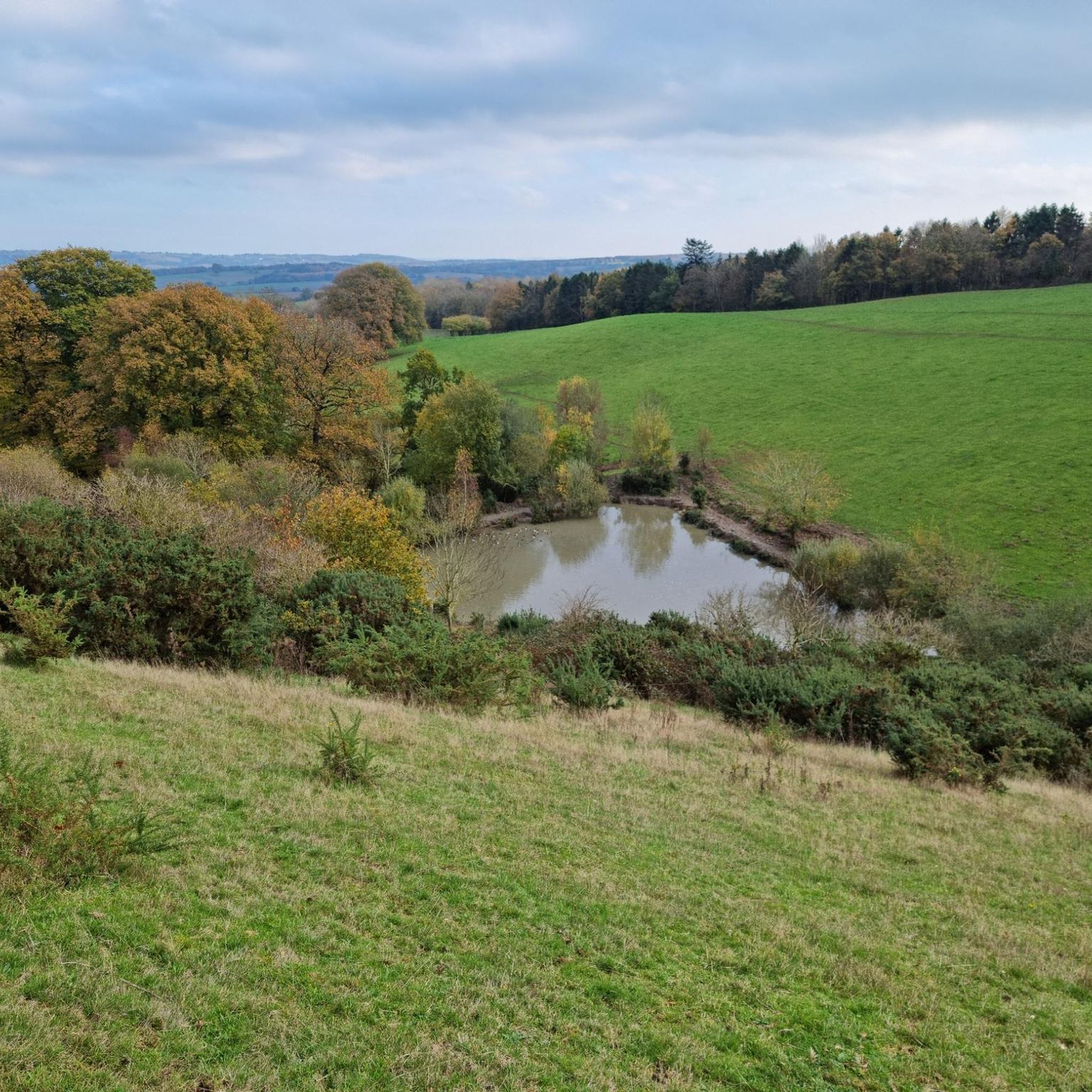
Keep an eye out for forestry work and areas of protection.
0
0
currently working or places of specific protection so keep an eye out for signs
0
0
Frequently Asked Questions
How many touring cycling routes are available around Kinlet?
There are over 150 touring cycling routes available around Kinlet, offering a wide range of options for different abilities and preferences. These include 27 easy routes, 75 moderate routes, and 49 more challenging routes.
What kind of terrain can I expect on touring cycling routes near Kinlet?
Touring cycling routes around Kinlet feature a diverse landscape, primarily defined by the expansive Wyre Forest and the scenic River Severn Valley. You'll find a mix of mostly well-paved surfaces suitable for various cycling abilities, alongside unpaved segments that present more challenging terrain. Cyclists can also encounter significant elevation changes, particularly towards areas like Clee Hill, which offer rewarding views.
Are there touring cycling routes suitable for beginners or families in Kinlet?
Yes, Kinlet offers several easy touring cycling routes perfect for beginners or families. For example, the Butterfly Trail – Route 45 Old Railway Line loop from Bewdley is an easy 9.6 km ride. Another great option is the Wyre Forest Wooden Bridge loop from Callow Hill, which is 6.9 km and also rated easy.
What do other cyclists say about touring cycling in Kinlet?
The touring cycling routes in Kinlet are highly rated by the komoot community, with an average score of 4.0 stars from over 79 reviews. More than 1200 touring cyclists have used komoot to explore Kinlet's varied terrain, often praising the quiet woodlands and scenic river valleys.
Are there any circular touring cycling routes around Kinlet?
Many of the touring cycling routes around Kinlet are designed as loops, offering convenient circular journeys. Examples include the popular Wyre Forest Wooden Bridge – Wyre Forest loop from Bewdley and the Wyre Forest Wooden Bridge – Route 45 Old Railway Line loop from Bewdley, both starting and ending in Bewdley.
Can I bring my dog on touring cycling routes in the Wyre Forest area?
While many outdoor areas are dog-friendly, it's always best to check specific regulations for the Wyre Forest, especially concerning cycling paths. Generally, dogs are welcome on leads in public access areas. For detailed information on cycling with dogs in Wyre Forest, you might find useful information on the Wyre Forest District Council website.
Where can I find parking for touring cycling routes near Kinlet?
Parking is available at various access points to the Wyre Forest and in nearby towns like Bewdley and Bridgnorth, which often serve as starting points for touring cycling routes. Specific car parks are usually signposted near popular trailheads.
Is public transport available to access touring cycling routes around Kinlet?
Public transport options to access the Kinlet area and its cycling routes are available, particularly to towns like Bewdley and Bridgnorth. The Severn Valley Railway, with stations in Bridgnorth and Kidderminster, can also be a unique way to combine heritage travel with cycling, though you'd need to check their bike carriage policies.
What is the best time of year for touring cycling in Kinlet?
The Kinlet area offers enjoyable touring cycling throughout much of the year. Spring and autumn provide pleasant temperatures and beautiful scenery, with vibrant foliage or blooming wildflowers. Summer is also popular, though routes can be busier. Winter cycling is possible, but conditions may be more challenging due to colder weather and potentially muddy unpaved sections.
What attractions or points of interest can I visit along touring cycling routes near Kinlet?
Many touring cycling routes in the Kinlet area pass by or lead to interesting attractions. You can explore the charming town of Bewdley or the historic market town of Bridgnorth. Natural highlights include Bodenham Arboretum and Dudmaston Comer Woods and Lake. For unique natural monuments, consider visiting Kinver Edge or the Redstone Caves.
Are there any cafes or pubs along the touring cycling routes in Kinlet?
Yes, you'll find cafes and pubs in the towns and villages that many touring cycling routes pass through or start from. Bewdley and Bridgnorth, in particular, offer a good selection of establishments where you can refuel and relax. Some routes might also have options closer to the Wyre Forest itself.
Are there touring cycling routes that explore the Wyre Forest?
Absolutely. The Wyre Forest is a central feature of touring cycling in the Kinlet area. Routes like the Wyre Forest Wooden Bridge – Wyre Forest loop from Bewdley and the Wyre Forest Wooden Bridge – Route 45 Old Railway Line loop from Bewdley specifically explore this expansive woodland, offering moderate rides through its natural beauty.
Most popular attractions around Kinlet

Get inspired with the komoot mobile app


Explore more
Browse the best Cycling routes in other regions.
