Attractions and Places To See around Chelmarsh - Top 20
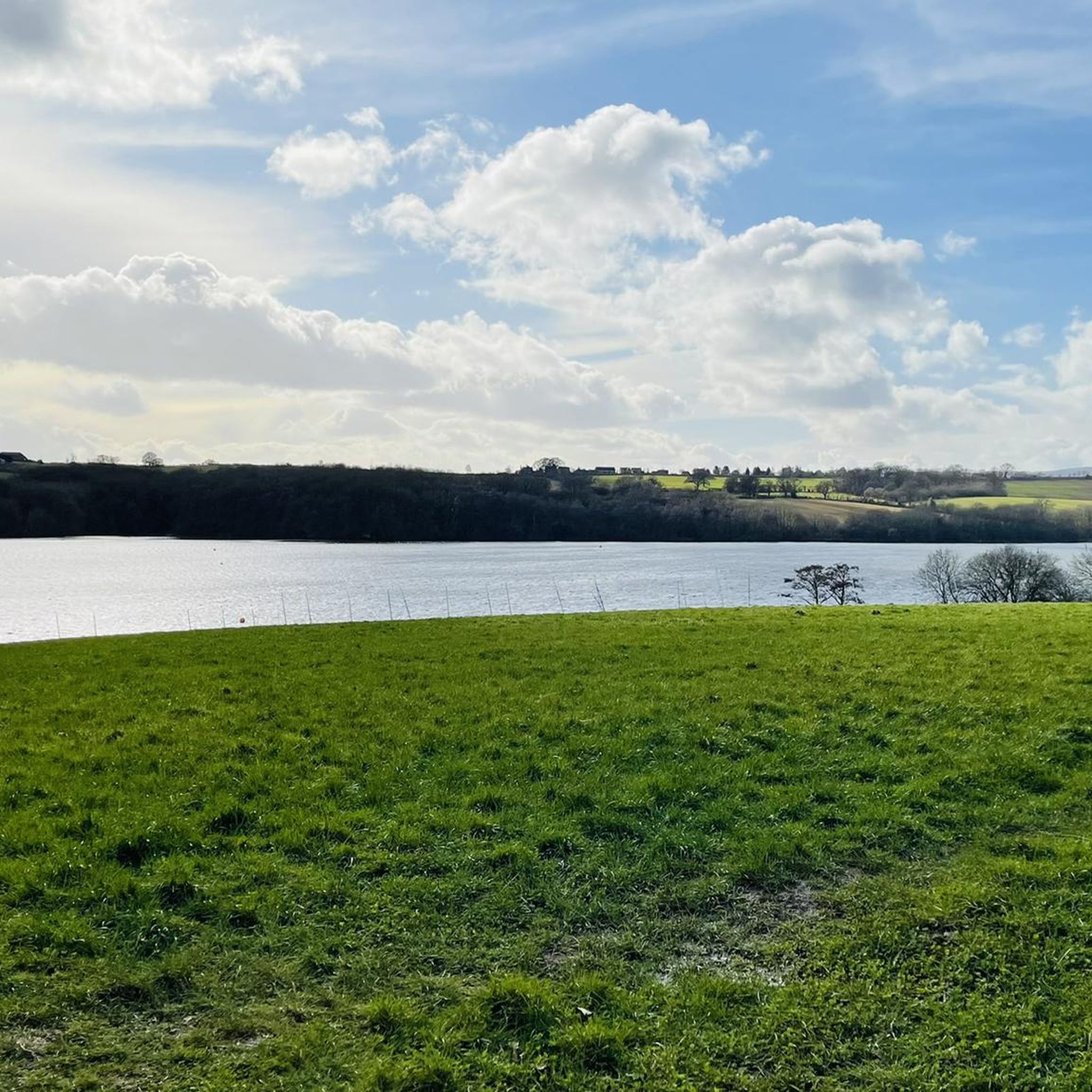
Best attractions and places to see around Chelmarsh include historical landmarks, natural features, and cultural sites. This Shropshire village is situated near the River Severn and features the Chelmarsh Reservoir, known for its diverse birdlife. The area provides opportunities for exploring ancient sites and engaging in outdoor activities.
Best attractions and places to see around Chelmarsh
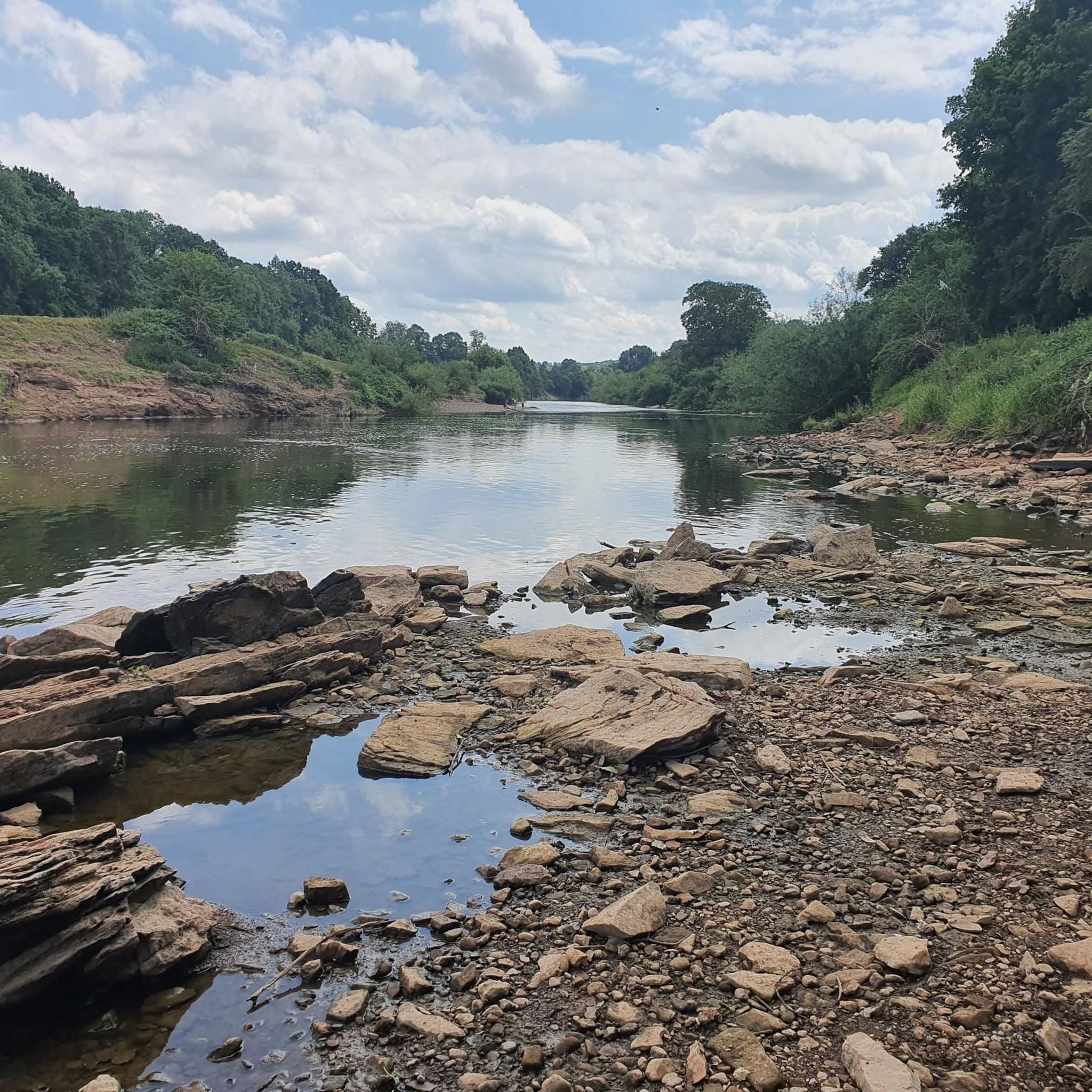
- The most popular attractions is Victoria Bridge on the River Severn, a man-made monument that is a single-span cast iron bridge crossing the River Severn. When completed in 1862, it was the longest of its kind in Britain.
- Another must-see spot is Kinver Edge, a historical site that is a high sandstone ridge with heathland, woodlands, and ancient hill forts. It features the Holy Austin Rock Houses, cave dwellings owned by the National Trust, and offers views of the Clent Hills and Shropshire Hills.
- Visitors also love Knowles Mill, the remains of an eighteenth-century water-powered grain mill. Owned by the National Trust, it preserves extant machinery and is located in the Wyre Forest.
- Chelmarsh is known for historical sites, natural landscapes, and cultural points of interest. The region offers a variety of attractions to see and explore, from ancient churches to scenic reservoirs and bridges.
- The attractions around Chelmarsh are appreciated by the komoot community, with more than 90 upvotes and 24 photos shared.
Last updated: August 25, 2026
Kinver Edge
Highlight • Historical Site
The escarpment's heathland is inhabited by all manner of flora and fauna. You can often spot adders and common lizards, as well as bird species such as skylarks, buzzards and great spotted woodpeckers.
The Edge's famous rock houses are cave dwellings that were excavated into the scarp's sandstone. One of the rocks, known as Holy Austin, was inhabited as recently as the 1960s. Today, they are owned by the National Trust and are open to the public.
Tip by

Victoria Bridge on the River Severn
Highlight • Monument
Tip by

Sign up now to discover places like this
Get recommendations on the best single tracks, peaks, & plenty of other exciting outdoor places.
Sign up for free
Knowles Mill
Highlight • Historical Site
Tip by

Trimpley Reservoir
Highlight • Structure
Tip by

Wyre Forest Line Rail Trail
Highlight • Trail
Following the completion of the Tenbury & Bewdley Railway in 1864, the GWR took over the working of traffic over the Tenbury Railway section on behalf of the joint companies, with the LNWR also having running powers. As part of this process, the GWR telegraph system was extended to Woofferton; also the LNWR agreed to a turntable being installed at Tenbury to be paid for by the GWR. This turntable was moved from Bewdley and re-erected in the goods yard at Tenbury. (Some confusion has occurred in the past, as there was a small wagon turntable at Woofferton in its early days.) The completed line ran north from the GWR station at Bewdley on a single line track alongside the Severn Valley Line for a distance of about a mile before diverging to the west to cross the river Severn at Dowles Bridge (the viaduct referred to by Capt. Tyler), the remains of which are visible from trains on the SVR. The abutments where the line passed over what is now the B4194 remain in-situ. The line continued to Woofferton via Wyre Forest, Cleobury Mortimer, Neen Sollars, Newnham Bridge, Tenbury (later renamed Tenbury Wells) and Easton Court.
The route acquired a number of names. A platform sign at Woofferton station referred to 'The Bewdley Branch', while passengers at Bewdley could take 'The Tenbury Branch'. Informally the route was often referred to as 'The Wyre Forest Line' or 'The Tenbury Line'. The Engineer's Line References were TBY for 'Tenbury & Bewdley' and WTW for 'Woofferton and Tenbury Wells', while the 1905 Ordnance Survey map describes it as the 'GW&L&NW Joint Railway - Woofferton & Tenbury' and the 'GWR - Tenbury & Bewdley Branch'
One purpose of the Tenbury & Bewdley Railway was for freight traffic to gain access to the expanding markets of the West Midlands. However at the time of opening, this journey would require traveling to the SVR's southern terminus at Hartlebury, with a reversal to reach the West Midlands via Kidderminster. This was hampered by a lack of siding space at Hartlebury and resulted in frequent delays, leading to construction of the 'Kidderminster Loop Line' from Bewdley to Kidderminster. After the GWR built 'The Loop', the majority of services from Stourbridge and Kidderminster to Bewdley continued on the Wyre Forest Line.
In January 1869, ownership of the Tenbury Railway was transferred jointly to the LNWR and GWR. It nominally remained an independent company until nationalisation in January 1948. The Tenbury & Bewdley Railway ceased to exist as a separate company when ownership was transferred to the GWR in February 1870. Both the GWR and the Tenbury Railway became part of British Railways' Western Region after nationalisation.
In 1908 the Cleobury Mortimer and Ditton Priors Light Railway opened. This connected with the Tenbury & Bewdley Railway at Cleobury Mortimer and ran as a spur for 12½ miles to Ditton Priors.
Tip by

Sign up for free to discover even more attractions around Chelmarsh.
Sign up for free
Already have an account?
Start today with a free account
Your next adventure awaits.
Login or Signup

Tips from the Community

Great place to watch the steam trains of the Severn Valley Railway.
0
0
This spot gives one of the best views of the steam trains on the Severn Valley Railway. I went here specifically to watch the Flying Scotsman make a guest appearance to re-open the line after a winter landslide closed it.
0
0


Knowles Mill is the remains of an eighteenth-century water-powered grain mill, located in the Wyre Forest in Worcestershire, England. The mill has been owned by the National Trust since 1938. The mill and its surroundings feature extant machinery, as well as notable populations of adders and wood cranesbill. One of nine possible mills that historically worked on Dowles Brook, Knowles Mill was built in the eighteenth-century, and was later modified in the nineteenth-century. The surviving building is two storeys high and the site also preserves an overshot mill wheel made of iron and a great spur wheel, alongside other remnant machinery. The first record of a mill on the site dates to 1757 when it was listed as for sale in a local newspaper. However there is documentary evidence preceding 1757 that lists owners of the land that the mill was built on. These owners include Arthur Palmer, c.1661, Edward Wheeler, c.1693, Roger Hunt, c.1704, Antony Betts, c.1717, Edward Faulkner, c.1722 and Daniel Crun, c.1735. The first owner of the mill was William Crun, in 1757. It passed through a number of owners, including William and Mary Herbert, William Nicholls and Arthur Nott. The mill takes its name from the Knowles family who worked there from 1803 to the 1870s; earlier names included Coventry Mill and Upper Town Mill. The first member of the family to be listed as owner was James Knowles. The mill continued in use until 1891, when it became no longer financially viable. It was donated to the National Trust by Paul Cadbury in 1938, along with four acres of orchards. The property was visited by the historian James Lees-Milne during his work as a curator for the Trust. Source: Wikipedia
0
0

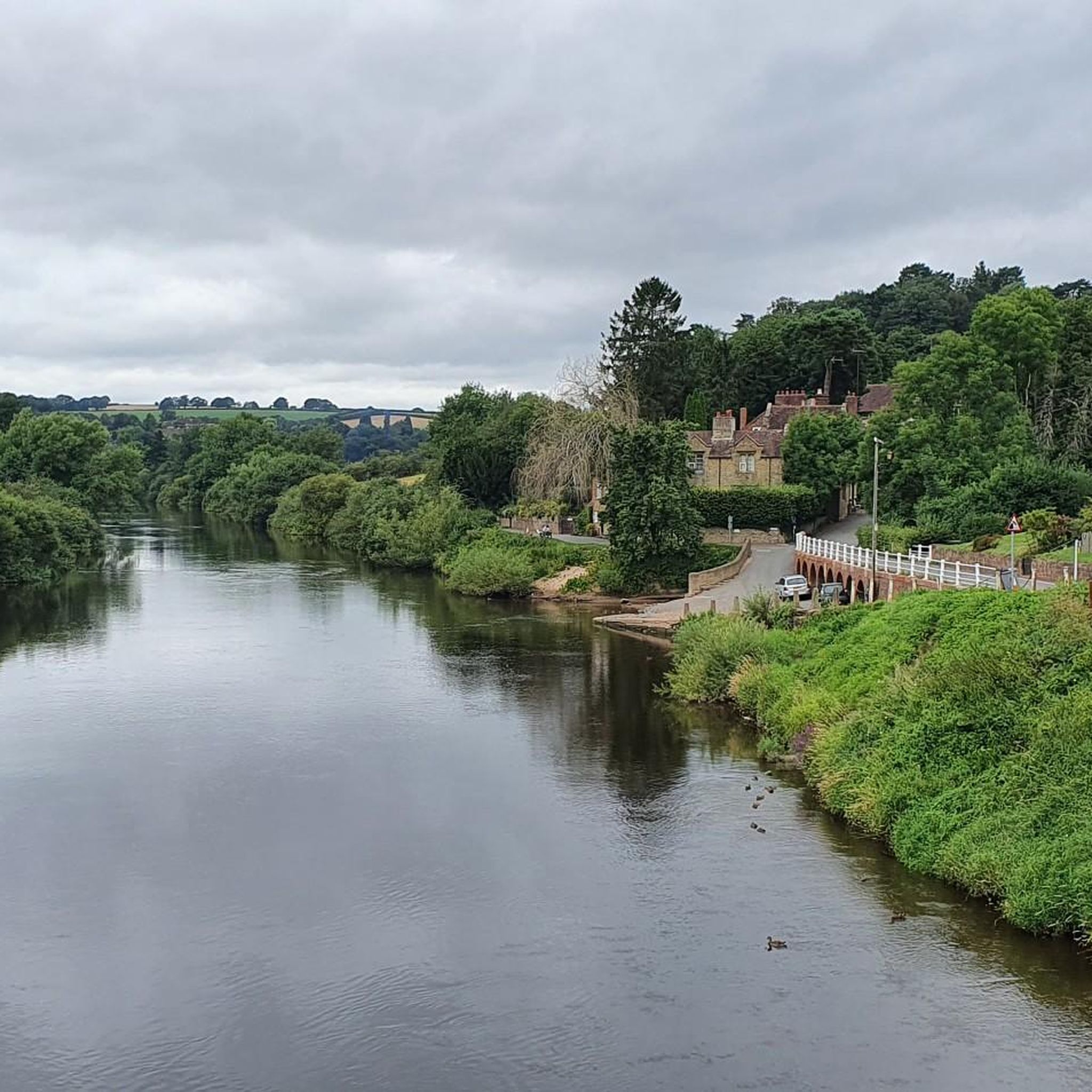
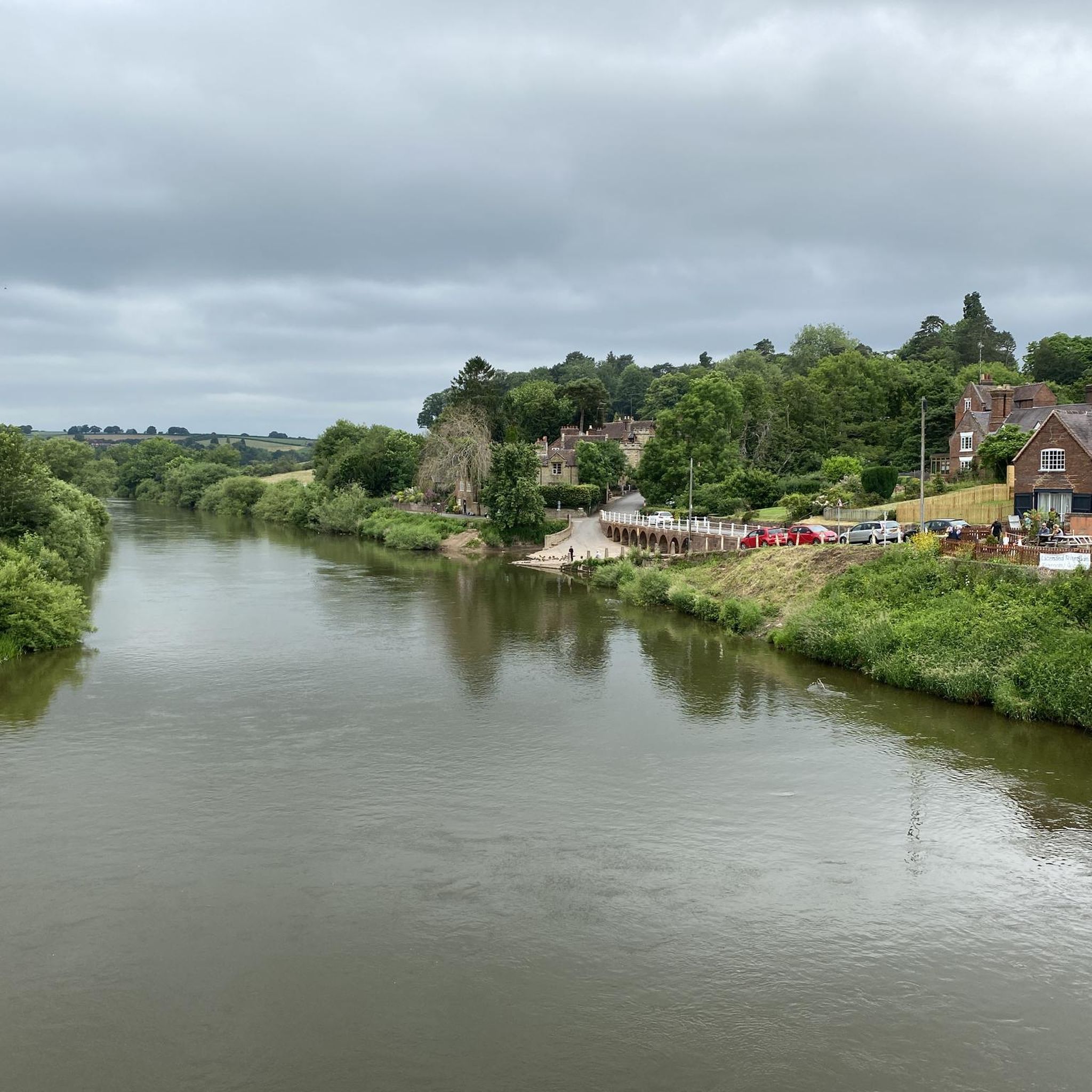
Victoria Bridge is a single-span cast iron bridge that crosses the River Severn. When the bridge was completed in 1862, it was the longest of its kind in Britain. These days, it’s still an impressive sight. Victoria Bridge is Grade II-listed.
1
0
The ‘Wyre Forest Line’ formed a connection between the SVR at Bewdley and the Shrewsbury and Hereford Railway (S&HR) at Woofferton. The route encompassed two railways, the Tenbury Railway and the Tenbury & Bewdley Railway. Following the completion of the Tenbury & Bewdley Railway in 1864, the GWR took over the working of traffic over the Tenbury Railway section on behalf of the joint companies, with the LNWR also having running powers. As part of this process, the GWR telegraph system was extended to Woofferton; also the LNWR agreed to a turntable being installed at Tenbury to be paid for by the GWR. This turntable was moved from Bewdley and re-erected in the goods yard at Tenbury. (Some confusion has occurred in the past, as there was a small wagon turntable at Woofferton in its early days.) The completed line ran north from the GWR station at Bewdley on a single line track alongside the Severn Valley Line for a distance of about a mile before diverging to the west to cross the river Severn at Dowles Bridge (the viaduct referred to by Capt. Tyler), the remains of which are visible from trains on the SVR. The abutments where the line passed over what is now the B4194 remain in-situ. The line continued to Woofferton via Wyre Forest, Cleobury Mortimer, Neen Sollars, Newnham Bridge, Tenbury (later renamed Tenbury Wells) and Easton Court. The route acquired a number of names. A platform sign at Woofferton station referred to 'The Bewdley Branch', while passengers at Bewdley could take 'The Tenbury Branch'. Informally the route was often referred to as 'The Wyre Forest Line' or 'The Tenbury Line'. The Engineer's Line References were TBY for 'Tenbury & Bewdley' and WTW for 'Woofferton and Tenbury Wells', while the 1905 Ordnance Survey map describes it as the 'GW&L&NW Joint Railway - Woofferton & Tenbury' and the 'GWR - Tenbury & Bewdley Branch' One purpose of the Tenbury & Bewdley Railway was for freight traffic to gain access to the expanding markets of the West Midlands. However at the time of opening, this journey would require traveling to the SVR's southern terminus at Hartlebury, with a reversal to reach the West Midlands via Kidderminster. This was hampered by a lack of siding space at Hartlebury and resulted in frequent delays, leading to construction of the 'Kidderminster Loop Line' from Bewdley to Kidderminster. After the GWR built 'The Loop', the majority of services from Stourbridge and Kidderminster to Bewdley continued on the Wyre Forest Line. In January 1869, ownership of the Tenbury Railway was transferred jointly to the LNWR and GWR. It nominally remained an independent company until nationalisation in January 1948. The Tenbury & Bewdley Railway ceased to exist as a separate company when ownership was transferred to the GWR in February 1870. Both the GWR and the Tenbury Railway became part of British Railways' Western Region after nationalisation. In 1908 the Cleobury Mortimer and Ditton Priors Light Railway opened. This connected with the Tenbury & Bewdley Railway at Cleobury Mortimer and ran as a spur for 12½ miles to Ditton Priors.
0
0
Frequently Asked Questions
What natural attractions can I explore around Chelmarsh?
Chelmarsh offers several natural highlights. The Chelmarsh Reservoir is a significant natural attraction, renowned for its diverse birdlife and two public bird hides, making it excellent for birdwatching. You can spot species like kingfishers and goosanders. The River Severn flows nearby, providing scenic views and opportunities for riverside walks. Additionally, Kinver Edge features colorful heathland and woodlands, offering dramatic views of the surrounding hills and opportunities for wildlife spotting.
Are there historical sites to visit near Chelmarsh?
Yes, the area is rich in history. St. Peter's Church in Chelmarsh is a Grade I listed building from 1345 with Norman elements. Kinver Edge is a historical site with ancient hill forts and the famous Holy Austin Rock Houses, which are cave dwellings. You can also visit Knowles Mill, the remains of an eighteenth-century water-powered grain mill owned by the National Trust. Further afield, the Iron Bridge, a UNESCO World Heritage Site, is about 11 miles away.
What family-friendly activities are available around Chelmarsh?
Families can enjoy several attractions. The Chelmarsh Reservoir is great for birdwatching, and the Shropshire Wildlife Trust maintains a nature reserve there. The Severn Valley Railway, with a station in nearby Hampton, offers a unique steam train experience that children often love. Kinver Edge provides engaging walks through woodlands and the fascinating Holy Austin Rock Houses. The nearby Dudmaston Estate, a National Trust property, offers extensive woodlands and walking trails suitable for families.
Where can I go for a walk or hike near Chelmarsh?
There are many walking opportunities. You can enjoy riverside walks along the River Severn or explore the trails around Chelmarsh Reservoir. Kinver Edge offers rambles along its escarpment with dramatic views. For more structured routes, consider exploring the extensive woodlands and trails at Dudmaston Estate. While specific hiking routes are not detailed here, you can find various walking trails in the region.
Are there cycling routes available around Chelmarsh?
Yes, Chelmarsh is a good base for cycling. You can find various road cycling routes, such as the 'Stanley Drive – Bridgnorth Town Hall loop' or the 'Bridgnorth Town Hall – Bridgnorth Bridge loop'. For touring bicycles, options include the 'Severn Valley & Ironbridge loop' or the 'Coalport Bridge – Maws Craft Centre loop'. Gravel biking enthusiasts can explore routes like the 'Coalport Bridge – Jackfield Free Bridge loop'. For detailed routes and maps, visit the Road Cycling Routes around Chelmarsh, Cycling around Chelmarsh, and Gravel biking around Chelmarsh guides.
What kind of wildlife can I expect to see at Chelmarsh Reservoir?
Chelmarsh Reservoir is a haven for birdwatchers. You can expect to see a diverse range of birdlife, including kingfishers, goosanders, various types of gulls, and warblers throughout the year. The Shropshire Wildlife Trust maintains a nature reserve within the site, featuring shallow pools designed to attract wildfowl and wading birds.
What is the significance of Victoria Bridge on the River Severn?
Victoria Bridge on the River Severn is a historically significant man-made monument. Completed in 1862, it was the longest single-span cast iron bridge of its kind in Britain. It is a Grade II-listed structure and an impressive sight, particularly as it carries the Severn Valley Railway.
Where can I find local pubs or cafes in Chelmarsh?
Chelmarsh supports a community spirit with local hospitality options. You can visit The Bulls Head pub in the main village or The Unicorn pub in the hamlet of Hampton. While specific cafes are not detailed, these pubs offer places to relax and enjoy refreshments.
What is there to see in the nearby town of Bridgnorth?
The nearby town of Bridgnorth is split into High Town and Low Town by the River Severn, connected by a funicular railway. It offers historical sites, views of the Severn Valley, and a vibrant market. You can also see the Bridgnorth Bridge, which has a long history and was rebuilt by Thomas Telford.
Are there any National Trust properties in the vicinity of Chelmarsh?
Yes, there are a few National Trust properties nearby. Kinver Edge, with its Holy Austin Rock Houses, is owned by the National Trust. Knowles Mill, an eighteenth-century water-powered grain mill, is also a National Trust property. Additionally, the Dudmaston Estate, offering extensive woodlands and a lake, is another National Trust site in the area.
What are some other notable historical ruins or heritage sites further afield?
Beyond Chelmarsh, you can explore several significant heritage sites. The Iron Bridge, a UNESCO World Heritage Site, is about 11 miles away. Other notable historical ruins within a short driving distance include Wenlock Priory (10 miles), Buildwas Abbey (12 miles), Langley Chapel (14 miles), Witley Court and Gardens (14 miles), and White Ladies Priory (14 miles).
Can I do water sports at Chelmarsh Reservoir?
Yes, Chelmarsh Reservoir is home to the Chelmarsh Sailing Club, which offers opportunities for sailing, stand-up paddleboarding (SUP), and open water swimming. It's a great spot for those looking to engage in water-based recreational activities.
Most popular routes around Chelmarsh
Most popular attractions around Chelmarsh

Get inspired with the komoot mobile app


Explore more
Still not found the Highlight you’re looking for? See guides of the top attractions in other regions:
