Attractions and Places To See around Widdrington Station And Stobswood - Top 20
Best attractions and places to see around Widdrington Station And Stobswood include a mix of historical sites, natural landscapes, and unique points of interest in Northumberland. The area provides access to coastal features like sandy beaches and nature reserves, alongside historical landmarks such as castles and churches. It is characterized by its blend of natural beauty and reminders of its industrial past.
Best attractions and places to see around Widdrington Station And Stobswood
- The most popular attractions is Druridge Bay…
Last updated: July 3, 2026
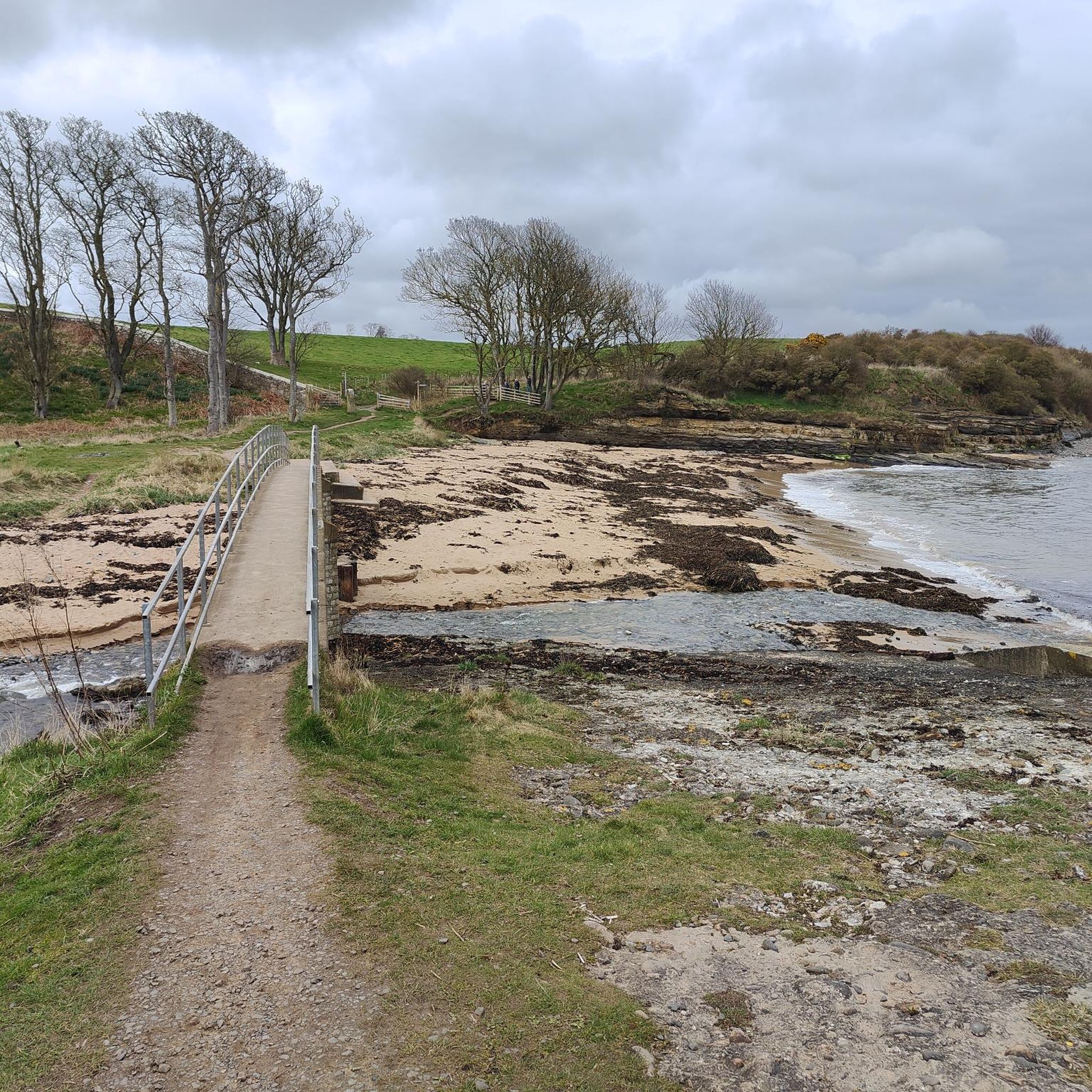
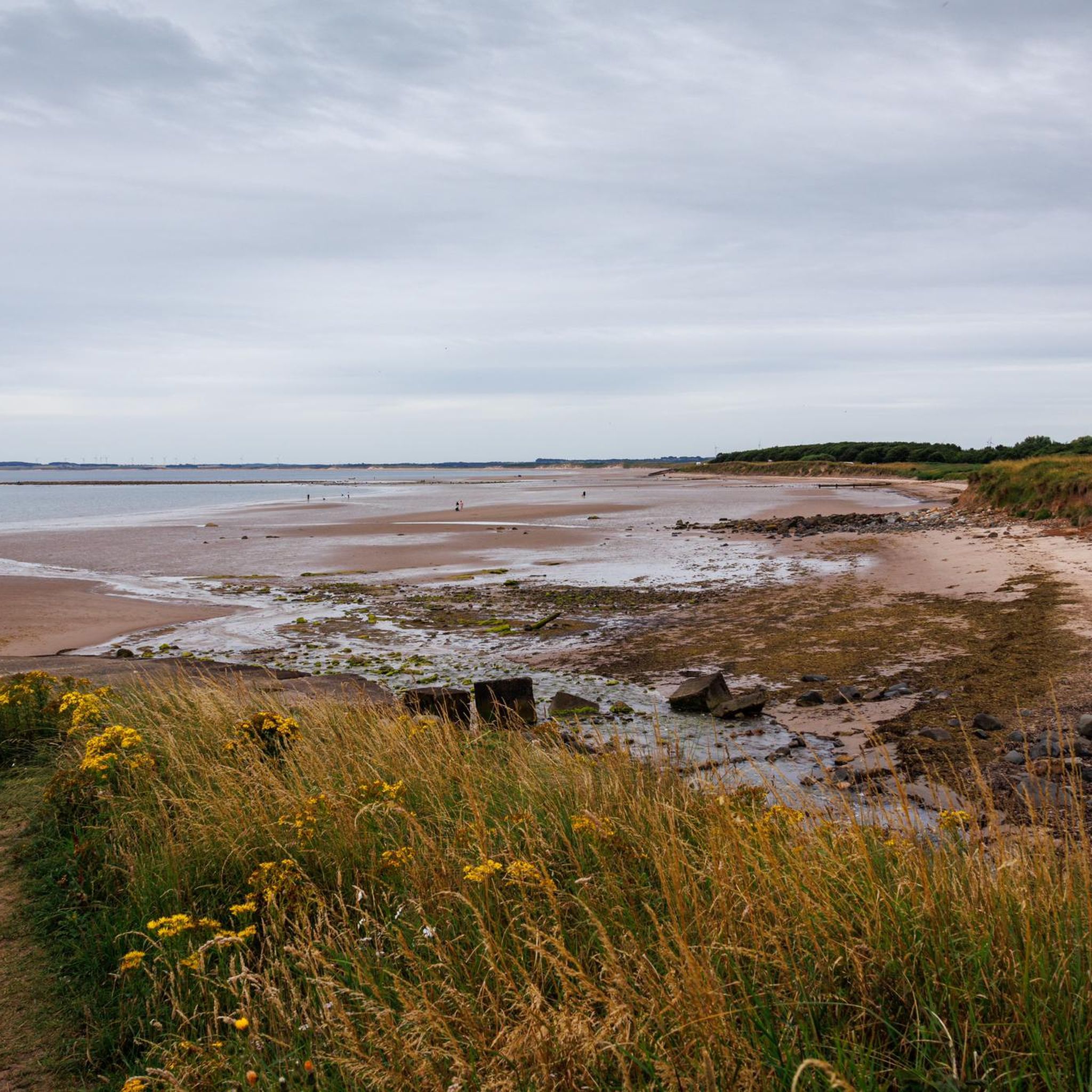
Druridge Bay Country Park
Highlight • Natural
Tip by

Bothal Castle
Highlight • Viewpoint
Tip by

Sign up now to discover places like this
Get recommendations on the best single tracks, peaks, & plenty of other exciting outdoor places.
Sign up for free
St Mary Magdalene Church
Highlight • Other
The parish church dates back to the late 12th century and was remodeled in the 13th century, likely after the village was burned by King John …
Tip by

Butterfield Woods Entrance
Highlight • Historical Site
Tip by
Queen Elizabeth II Country Park Lake
Highlight • Forest
but a nice gentle stroll around a lake. easy going and just took it easy and rnjoyed the wildlife
Tip by

Sign up for free to discover even more attractions around Widdrington Station And Stobswood.
Sign up for free
Already have an account?
Start today with a free account
Your next adventure awaits.
Login or Signup
Popular around Widdrington Station And Stobswood
Tips from the Community

Free to park for 72 hours. theres a pub in the carpark that serves food. we didnt try it though but a nice gentle stroll around a lake. easy going and just took it easy and rnjoyed the wildlife
4
0

Fantastic views of the Bothal Castle ruin from the village of Bothal (old English for dwelling). Well worth a stop to take in the magnificent castle, though be warned, you're in a bit of a dip, so it's a climb out from both sides.
1
0

Bothal Castle is an impressive building with a rich history. It was originally built in the12th century, but transformed into its current form in 1343. It's a private residence, and therefore not accessible to the public.
0
0

History of the Church: The parish church dates back to the late 12th century and was remodeled in the 13th century, likely after the village was burned by King John in 1216. The 14th century saw the addition of transepts. Major restoration and the addition of a south aisle, west tower, clerestory, and porch were carried out by R.J. Johnson of Newcastle in 1874-5. Exterior: The church features a mix of medieval squared stone and 19th-century ashlar with red tile roofs. Key elements include a west tower with an octagonal southwest stair turret, a south aisle with stepped angle buttresses and lancet windows, and a projecting southwest porch. The north nave wall has 13th-century masonry and a blocked door. The chancel’s south wall includes a 12th-century priest’s door and lancet windows, while the transepts have trefoiled ogee lights. Interior: Inside, the 12th-century south arcade features round moulded arches on round piers with scalloped capitals. The north transept and south transept have foliage-carved capitals and a small piscina, respectively. The chancel arch and tower arch are 19th-century, and the chancel includes triple sedilia and eastern lancets with 12th-century outer shafts. Fittings include a 1622 Revely monument, a Romanesque wall monument, a medieval bell, and various 19th-century items like the font, pulpit, and reredos with figures of Saints Aidan and Cuthbert.
0
0
These woods and the steep sided Howburn valley once held coal mines, from as recent as the 1920s right back to Roman times. You can see some traces of the industry from the old bricks that are occasionally used to line the path. You might also see some acient 'bell mines' in the woods, pits that were dug and expanded out underground to dig out the coal seams. The large meadow on the left as you come back from the walk is called 'Pestilence Close' and supposedly the Morpeth inhabitants who died in the plague of 1665 are buried here. The Romano-British smetled iron in the valley, and traces of their works also exist. Hard to believe so much industry existed in what is now a green nature reserve. While not on the walk itself, the Victorian 'County Lunatic Asylum' existed where the new housing estate is now at the edge of the woods. A little further up, you might see what is left of the Morpeth racecourse, where horses were raced in the 1730s. The grandstand is long gone, but you can see traces of the oval track in the fields
1
0
Bothal is a small village in Northumberland, England, known for its historical landmarks and rural charm. The village features Bothal Castle, a well-preserved privately-owned medieval castle from the 14th century. The Church of Saint Andrew, a parish church with Norman architecture dating back to the 12th century, is another notable attraction. Bothal also offers picturesque countryside for outdoor activities such as walking, cycling, and fishing along the River Wansbeck. Visitors can enjoy exploring the village's historical sites and taking in its natural beauty.
0
0

Once the spoil tip for nearby coal mines, this area is now a nature reserve with a large artificial lake. It's a great place for a walk either as part of a longer loop or as a gentle stroll just around the lake. Popular with families and dog walkers.
0
0

Not open to the public but some excellent views from the outside.
0
0
Frequently Asked Questions
What historical sites are there to explore near Widdrington Station And Stobswood?
The area is rich in history. You can view the impressive Bothal Castle from the village of Bothal, though it's a private residence. The 12th-century St Mary Magdalene Church, with its medieval and 19th-century features, is also notable. Additionally, the ruins of Widdrington Castle and the historic Holy Trinity Church in Widdrington offer glimpses into the past.
Are there any unique or unusual attractions in the Widdrington Station And Stobswood area?
Yes, a truly unique sight is the 'Ace of Spades Dragline Bucket' near Stobswood. This massive scoop bucket is a relic of the area's mining heritage, capable of moving 100 tonnes of earth, and stands as a significant reminder of the former opencast mine.
Where can I find natural landscapes and outdoor spaces for walking or relaxation?
You'll find several excellent natural areas. Druridge Bay Country Park offers an 11 km stretch of sandy coastline, lakes, meadows, and woods, perfect for walks and wildlife spotting. The Queen Elizabeth II Country Park Lake, a former spoil tip, is now a nature reserve ideal for gentle strolls. Cresswell Beach provides another coastal experience, and the River Wansbeck in Bothal offers picturesque walking and cycling opportunities.
What kind of outdoor activities can I do near Widdrington Station And Stobswood?
The region is great for outdoor enthusiasts. You can enjoy easy hikes, running, and mountain biking. For specific routes, explore the easy hikes around Widdrington Station And Stobswood, running trails, or MTB trails, which include routes around Druridge Bay Country Park and other scenic areas.
Are there family-friendly attractions in the vicinity?
Absolutely. Druridge Bay Country Park and the Queen Elizabeth II Country Park Lake are popular with families for walks and nature observation. Further afield, Northumberland Zoo and Woodhorn Museum offer engaging experiences for all ages, and Warkworth Castle is a popular family day out.
Where can I go for wildlife watching?
Hauxley Nature Reserve, located a short drive away, is considered one of the best spots for wildlife watching in the North East, particularly known for its diverse bird life. Druridge Bay Country Park also provides a habitat for various wildlife, making it another excellent choice.
What are some of the historical insights available at Butterfield Woods?
The Butterfield Woods Entrance leads to an area with a rich industrial past. These woods and the Howburn valley once held coal mines dating back to Roman times. You can still find traces of old bricks and ancient 'bell mines' in the area, offering a glimpse into its mining history.
Can I access the England Coast Path from this area?
Yes, sections of the England Coast Path can be accessed from the Widdrington and Stobswood area, particularly around Druridge Bay Country Park. This allows for scenic walks along dunes, beaches, and nature reserves.
What do visitors enjoy most about the attractions around Widdrington Station And Stobswood?
Visitors frequently appreciate the stunning views, particularly from places like Bothal Castle. The pristine sandy coastline and diverse landscapes of Druridge Bay Country Park are also highly praised for cycling and peaceful walks. The blend of natural beauty and historical significance is a key draw.
Are there any notable castles in the wider area that are accessible to the public?
While Bothal Castle is private, Warkworth Castle is a popular historic castle nearby that offers a great family day out. Further afield, Alnwick Castle, famous for its role in popular culture, provides a rich historical experience and is also accessible to visitors.
Are there any cultural institutions or museums nearby?
Woodhorn Museum, located a short drive away, offers cultural insights and engaging exhibits for visitors of all ages, providing a deeper understanding of the region's heritage.
Most popular routes around Widdrington Station And Stobswood
Most popular attractions around Widdrington Station And Stobswood

Get inspired with the komoot mobile app


Explore more
Still not found the Highlight you’re looking for? See guides of the top attractions in other regions:
