Top 5 Castles around Wark
Best castles around Wark are situated in Northumberland, a region historically significant for its role in Anglo-Scottish conflicts. Wark on Tweed, located on the River Tweed, served as a strategic border stronghold for centuries. The area is characterized by its rolling landscapes and remnants of ancient fortifications. This historical context makes Wark a notable location for exploring various types of castles and Roman sites.
Best castles around Wark
- The most popular castles is Roman Vindolanda Fort and Museum, a historical site that is one of the most fascinating Roman archaeological sites in Britain. Built around 85 AD, Vindolanda was an important military stronghold before and during the construction of Hadrian's Wall. The discovery of the Vindolanda Tablets, ancient handwritten documents, makes it particularly notable.
- Another must-see spot is Black Carts Turret (Hadrian's Wall), a historical site. This turret sits within a 460 meter length of Hadrian's Wall, offering magnificent views to the north.
- Visitors also love Chipchase Castle, an impressive 17th-century Jacobean mansion incorporating a substantial 14th-century pele tower. It is a Scheduled Ancient Monument and Grade I listed, making it a significant historical structure.
- Wark is known for Roman forts, medieval pele towers, and Jacobean mansions. The region offers a variety of castles to see and explore, from ancient ruins to more preserved structures.
- The castles around Wark are appreciated by the komoot community, with more than 50 upvotes and over 100 photos shared by visitors.
Last updated: June 20, 2026
Milecastle 39 (Castle Nick) on Hadrian's Wall
Highlight • Historical Site
Tip by

Roman Vindolanda Fort and Museum
Highlight • Historical Site
On site, you'll see the remains of forts, bathhouses, barracks, and a Roman village (vicus), replicas of Roman buildings and sections of Hadrian's Wall, and a modern museum with thousands of artifacts: shoes, toys, weapons, jewelry, and more.
🍵 Visitor facilities: Café, shop, guided tours, and listening posts with explanations.
Translated by Google •
Tip by

Sign up now to discover places like this
Get recommendations on the best single tracks, peaks, & plenty of other exciting outdoor places.
Sign up for free
Cawfields Milecastle 42, Hadrian's Wall
Highlight • Historical Site
Tip by

Black Carts Turret (Hadrian's Wall)
Highlight • Historical Site
Tip by

Chipchase Castle
Highlight • Historical Site
The castle is still privately owned today. Author Paul Torday who wrote the novel Salmon Fishing in the Yemen lived here with his second wife. You can visit the grounds year-round, but the house is only open in June. More information: chipchasecastle.com
Tip by

Sign up for free to discover even more castles around Wark.
Sign up for free
Already have an account?
Start today with a free account
Your next adventure awaits.
Login or Signup




Tips from the Community

Milecastle 39 is a super scenic and impressive place. It is a well-preserved Milecastle on Hadrian’s Wall. It is immediately to the west of the Sycamore Gap and is just one of many outstanding features on this stretch of wall.
0
0
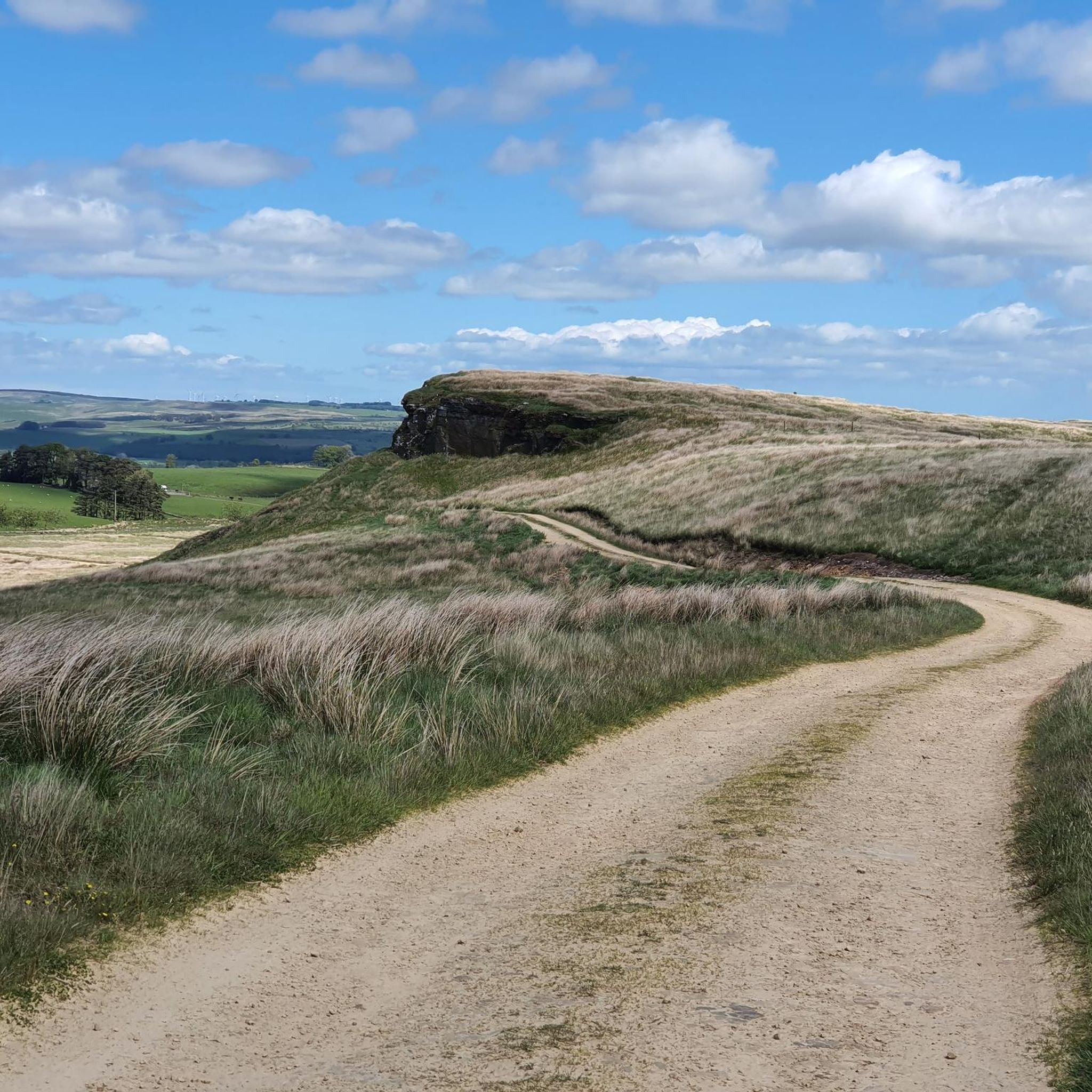
Milecastle 42 is one of those spots on Hadrian’s Wall that feels like you’ve just stumbled on a hidden gem. It’s not huge, but that’s part of the charm – you can properly picture the Roman soldiers posted here, staring out across the wild Northumberland landscape and wondering what on earth they’d signed up for. The views are cracking, the ruins are well-marked, and it gives you that instant connection to history without being swamped by crowds. A quick stop, but a memorable one – exactly what you want on a wall walk.
0
0

🏛️ Vindolanda Fort is one of the most fascinating Roman archaeological sites in Britain. Built around 85 AD and rebuilt nine times, Vindolanda was an important military stronghold before and during the construction of Hadrian's Wall. The highlight of the discovery were the Vindolanda Tablets – wooden tablets containing personal letters, shopping lists, and even birthday party invitations. They are the oldest handwritten documents in Britain. On site, you'll see the remains of forts, bathhouses, barracks, and a Roman village (vicus), replicas of Roman buildings and sections of Hadrian's Wall, and a modern museum with thousands of artifacts: shoes, toys, weapons, jewelry, and more. 🍵 Visitor facilities: Café, shop, guided tours, and listening posts with explanations.
11
0

Vindolanda was a Roman fort that was occupied from the late 80s AD to the early 5th century AD. It is one of the best-preserved Roman forts in England, and has been the site of extensive archaeological excavations. The excavations have uncovered a wealth of artifacts, including weapons, armor, tools, and pottery. They have also revealed the remains of the fort's buildings, including the barracks, headquarters, and bathhouse. One of the most significant discoveries at Vindolanda is the Vindolanda tablets. These are a collection of wooden tablets that were written on by the soldiers and civilians who lived at the fort. The tablets contain a wide range of information about everyday life at Vindolanda, including letters, invitations, and shopping lists. The Vindolanda tablets are a unique and valuable source of information about Roman life on Hadrian's Wall. They provide us with a glimpse into the world of the Roman soldiers and civilians who lived and worked at the fort. Vindolanda is a popular tourist destination, and the museum on site houses a collection of artifacts from the fort, including the Vindolanda tablets. The museum also has a number of interactive exhibits that teach visitors about the history of the fort and the life of the Romans on Hadrian's Wall.
0
0

One of the remaining ruins of fortifications on Hadrian's Wall. Managed by English Heritage it's open all year and free entry. Link it up with a walk to or from Chesters Roman Fort to the east.
0
0

exciting section of Hadrian's Wall
0
0

Mile Castles are placed at every mile along the wall to help the soldiers while patrolling.
3
0

A system of milecastles (known as milefortlets) and intervening stone watchtowers extended from the western end of Hadrian's Wall. Milecastle 39 is preserved very well.
3
0
Frequently Asked Questions
What is the historical significance of Wark on Tweed Castle?
Wark on Tweed Castle, also known as Carham Castle, is a ruined motte-and-bailey castle strategically positioned on a rocky outcrop overlooking the River Tweed. Its nearly 500-year history is marked by numerous destructions and rebuilds, reflecting its crucial role in Anglo-Scottish border conflicts. It evolved from a timber fortress to include a four-storey stone keep and later an artillery platform, showcasing adaptations against new weaponry. Legend also links it to the founding of the Order of the Garter by King Edward III.
Are there any Roman forts or sites near Wark?
Yes, the area around Wark is rich in Roman history. You can visit Roman Vindolanda Fort and Museum, one of Britain's most fascinating Roman archaeological sites, known for the ancient Vindolanda Tablets. Another significant site is Housesteads Roman Fort, considered the most complete Roman fort surviving in Britain, offering spectacular panoramic views from its position on Hadrian's Wall. You can also see Black Carts Turret (Hadrian's Wall), a well-preserved section of the wall with magnificent views.
Which castles near Wark are suitable for families?
For families, Roman Vindolanda Fort and Museum is an excellent choice, offering excavated ruins, replicas of Roman buildings, and a modern museum with thousands of artifacts. Chipchase Castle, a Jacobean mansion with a medieval pele tower, also welcomes families to its grounds year-round, with the house open in June.
What kind of architecture can I expect from castles around Wark?
The castles around Wark showcase a diverse range of architectural styles due to the region's long history. You'll find the ruins of a motte-and-bailey castle at Wark on Tweed, Roman forts like Vindolanda and Housesteads, and the impressive 17th-century Jacobean mansion of Chipchase Castle, which incorporates a substantial 14th-century pele tower. This variety offers a journey through different eras of defensive and residential architecture.
Can I combine a castle visit with outdoor activities near Wark?
Absolutely. Many castles and historical sites around Wark are situated in scenic landscapes, perfect for outdoor activities. For instance, the area offers numerous routes for cycling and hiking. You can find options for cycling around Wark, including routes near Kielder Water, or explore easy hikes that might incorporate local landmarks. The dramatic ruins of Dunstanburgh Castle, though further afield in Northumberland, are accessible via a scenic coastal walk.
What are some other notable castles in the broader Northumberland region?
Beyond Wark, Northumberland is home to many magnificent castles. These include Alnwick Castle, famous for its opulent interiors and as a filming location; Bamburgh Castle, a majestic fortress overlooking the North Sea; Warkworth Castle, a picturesque medieval ruin; Dunstanburgh Castle, dramatic ruins on a remote headland; Lindisfarne Castle, enchanting on Holy Island; and Chillingham Castle, known as Britain's most haunted castle.
What do visitors particularly enjoy about the castles and historical sites around Wark?
Visitors frequently highlight the immersive historical experience. At Vindolanda, the ongoing excavations and the discovery of the Vindolanda Tablets offer a unique glimpse into Roman life. At Housesteads Roman Fort, people enjoy walking through ancient barrack blocks and the hospital, pondering the lives of those who were there before them. The strategic locations often provide magnificent views, adding to the overall appeal.
Are there viewpoints near the castles around Wark?
Yes, several sites offer excellent viewpoints. Housesteads Roman Fort is set high on a dramatic escarpment on Hadrian's Wall, providing spectacular panoramic views. Similarly, Black Carts Turret (Hadrian's Wall) offers magnificent views to the north from its position along the wall.
What is the best time to visit the castles and historical sites in the Wark area?
The best time to visit is generally during the spring and summer months (April to September) when the weather is milder and daylight hours are longer, making it ideal for exploring outdoor ruins and walking between sites. Many sites, especially those managed by English Heritage, are open year-round, but some, like the house at Chipchase Castle, have specific opening periods (e.g., June).
Are there any lesser-known or 'hidden gem' castles or historical sites near Wark?
While Wark on Tweed Castle itself is largely a ruin, its immense historical importance and role in Anglo-Scottish conflicts make it a significant, though perhaps less visually grand, 'hidden gem' for history enthusiasts. Its strategic position overlooking the River Tweed and connection to the Order of the Garter legend offer a unique historical perspective. Public footpaths allow visitors to appreciate its strategic location.
What are the options for gravel biking near the castles around Wark?
The region around Wark offers excellent opportunities for gravel biking. You can find various routes, including challenging ones like the 'Kielder Water Cycle Path – Lakeside Way loop from Stonehaugh' or more moderate options such as 'The Green Bothy, Wark Forest – Wyate Bridge loop from Hott Hill'. For more details and route options, refer to the Gravel biking around Wark guide.
Most popular attractions around Wark

Get inspired with the komoot mobile app


Explore more
Looking for the best castles somewhere else? Discover other guides around Wark:
