The best cycling routes around Slaley
4.5
(83)
1,390
riders
164
rides
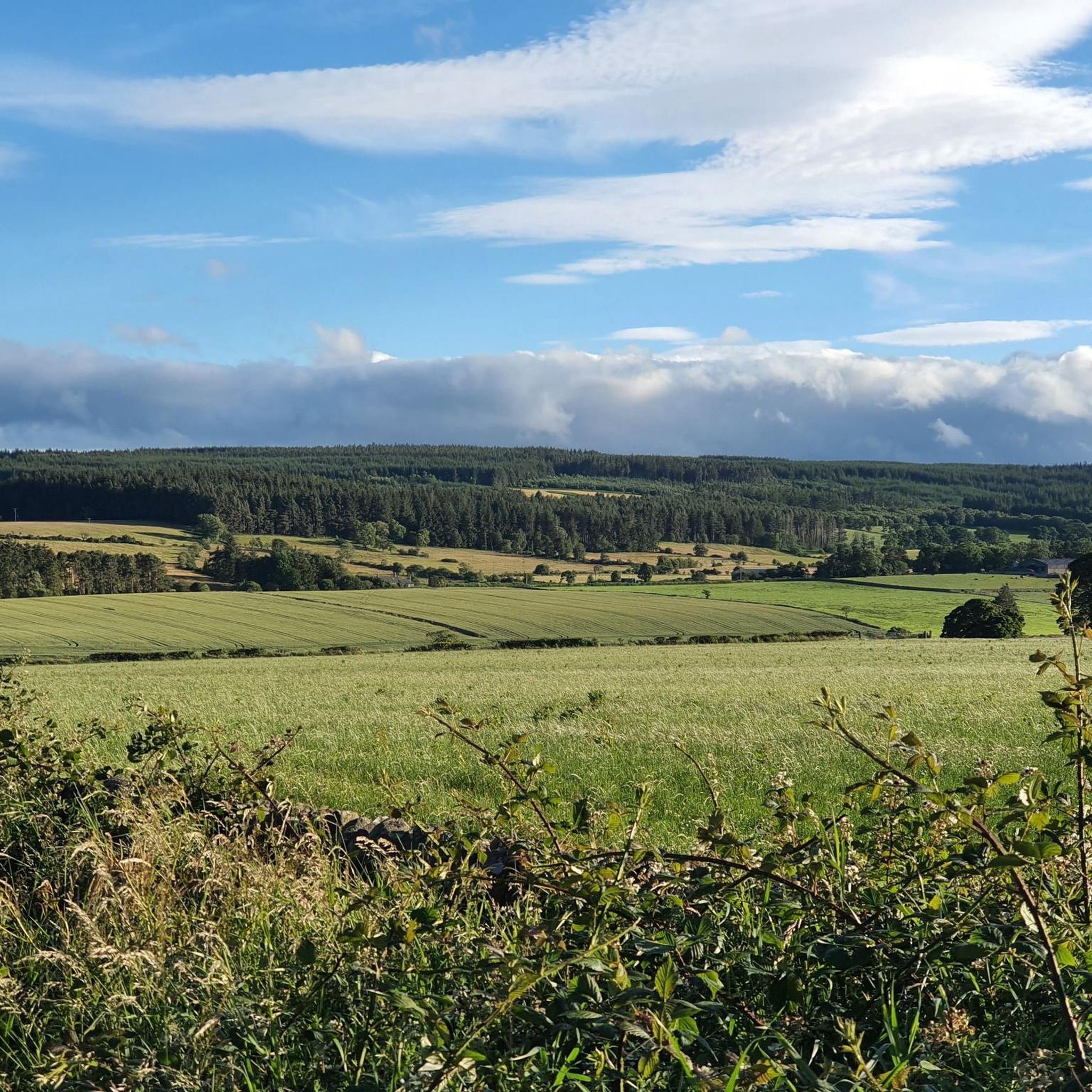
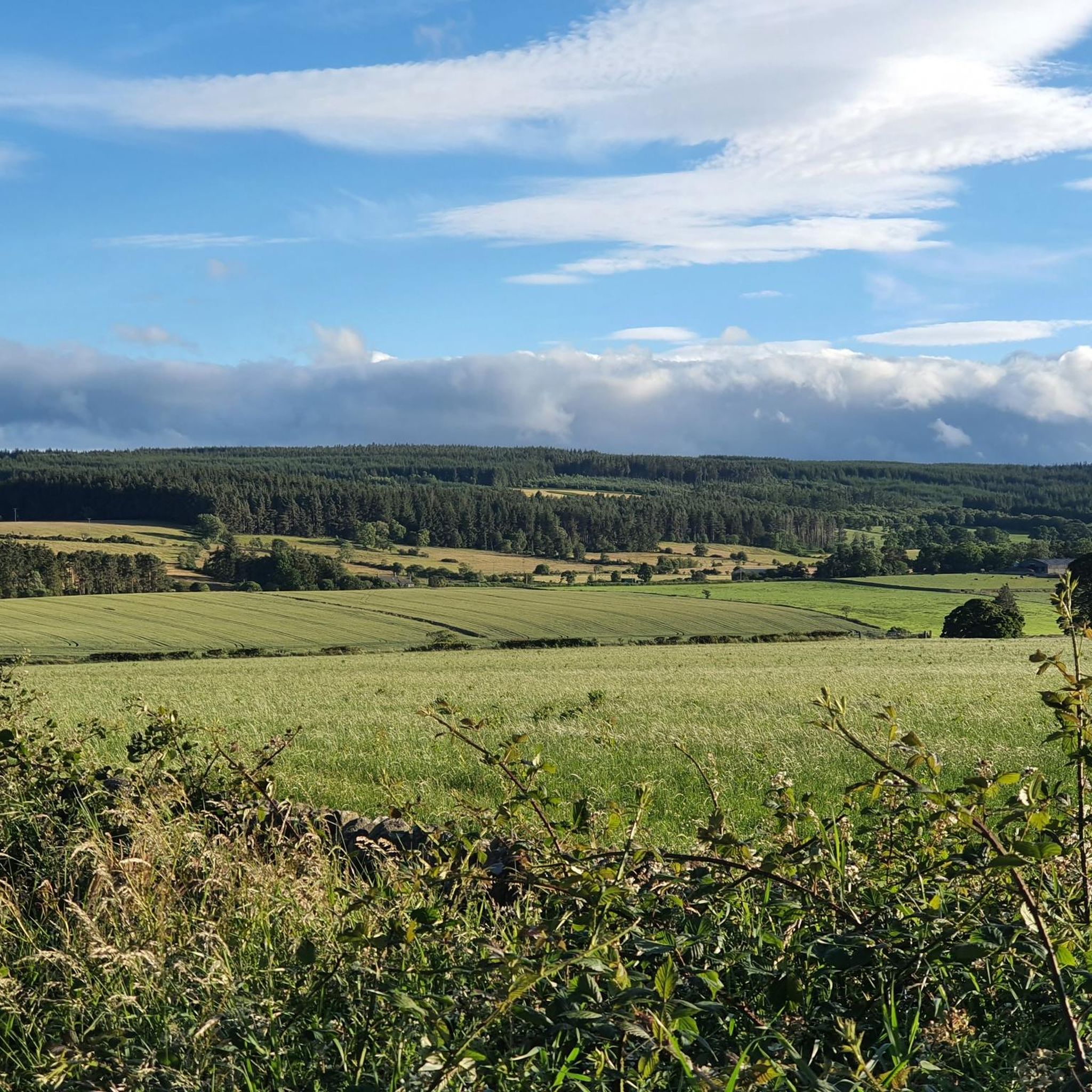
Touring cycling routes around Slaley traverse extensive coniferous woodland and rolling hills in the Northumberland countryside. The area features scenic vistas overlooking the Derwent Reservoir and meanders along rivers such as the Acton Burn and Devil's Water. Slaley Forest offers a network of wide forest roads and varied gravel paths, providing diverse riding experiences. The region's terrain includes both leisurely paths and more challenging routes with significant elevation gains.
Best touring cycling routes around Slaley
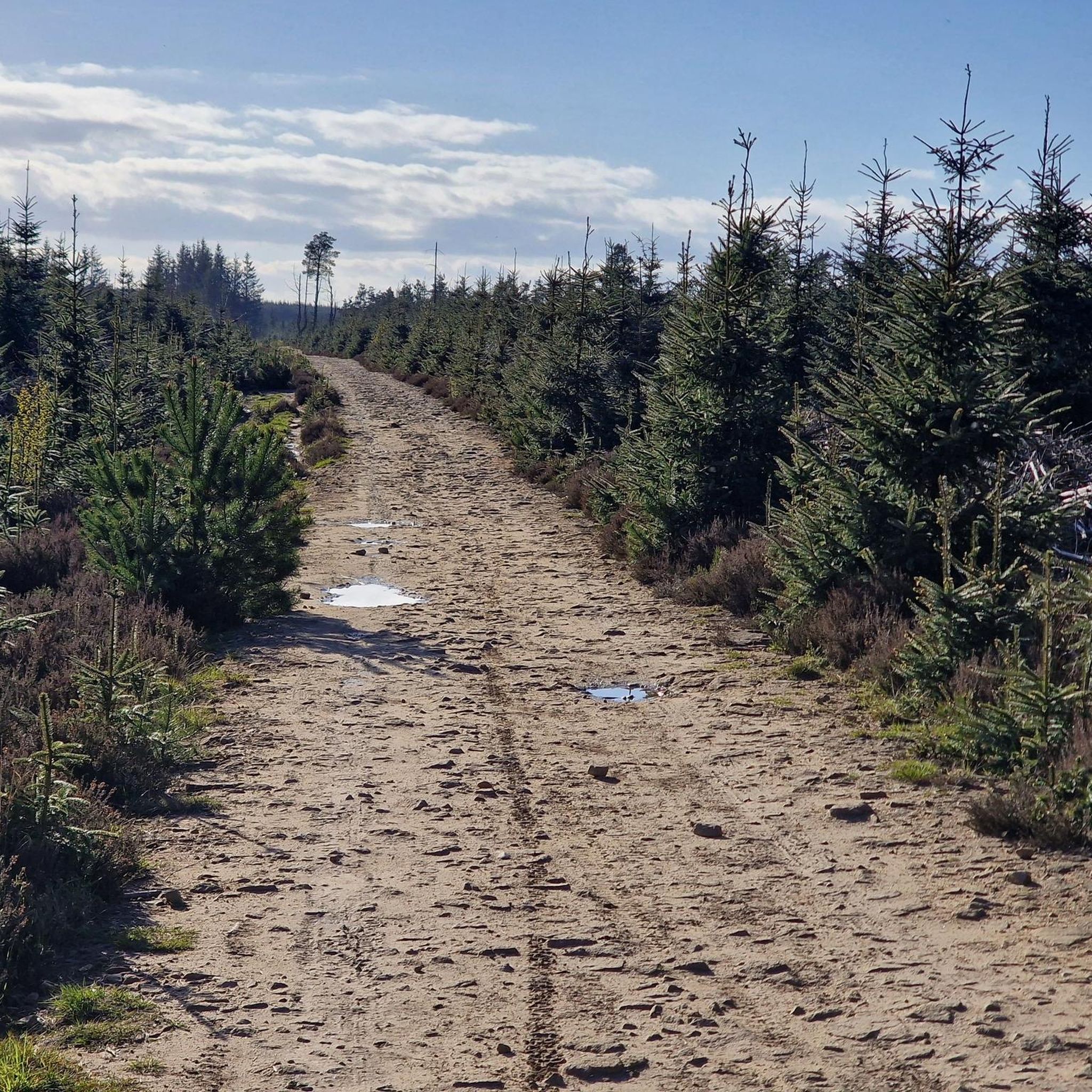
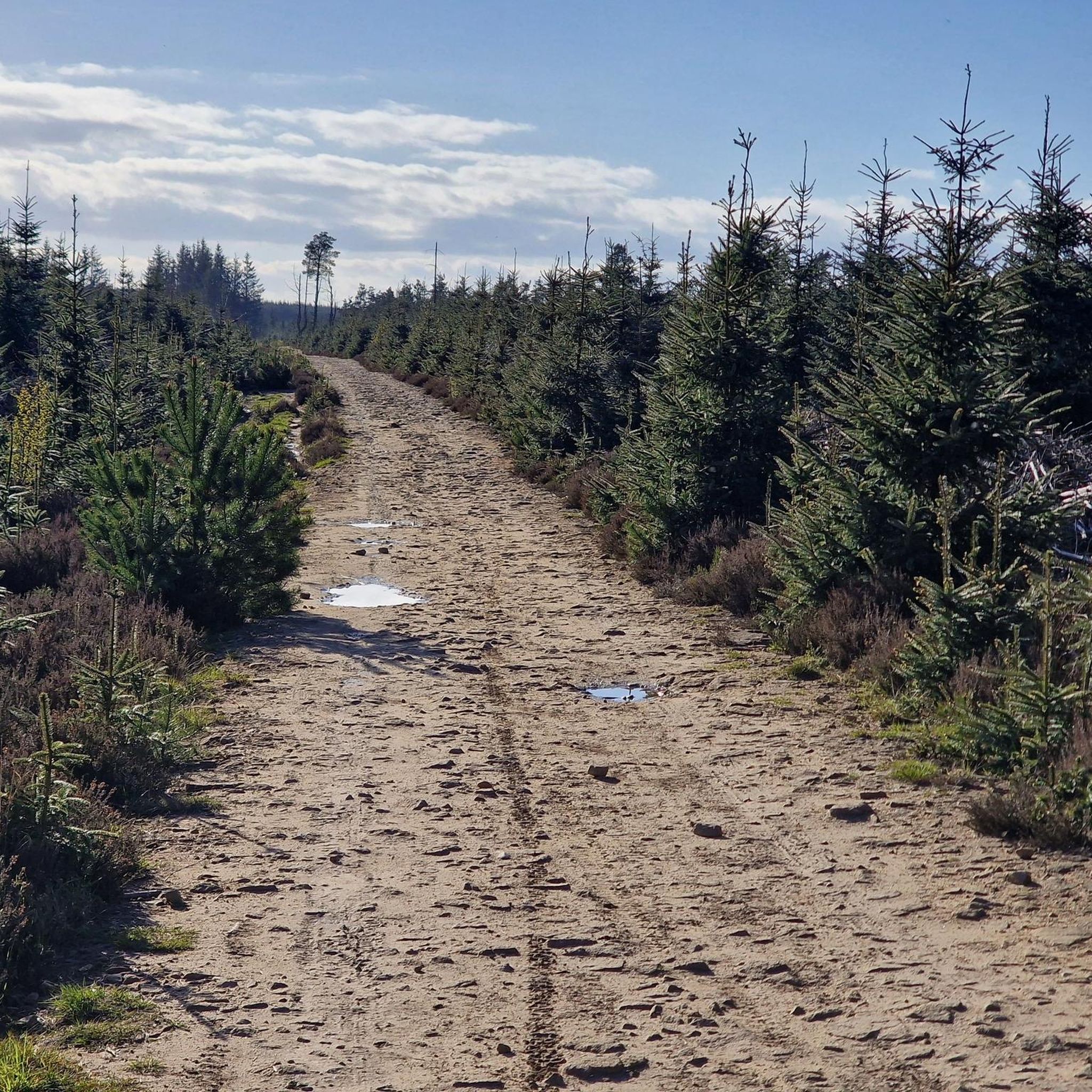
- The most popular touring cycling route is Sandy Forest Downhill Trail – Slaley Forest loop from Springhouse Caravan Park, a 10.5 miles (16.9 km) moderate trail that takes 1 hour 38 minutes to complete. This route features wide forest roads and varied gravel paths within Slaley Forest.
- Another top favourite among local touring cyclists is Derwent Reservoir – Ruffside loop from Slaley Hall, a moderate 18.5 miles (29.8 km) path. This route offers scenic views over the Derwent Reservoir and through rolling Northumberland hills.
- Local touring cyclists also love the Hexham Old Gaol – Hexham Abbey loop from Devil's Water, a 15.3 miles (24.6 km) trail leading through historic Hexham and along the tranquil Devil's Water, often completed in about 1 hour 35 minutes.
- Touring cycling around Slaley is defined by extensive coniferous woodland, rolling hills, and the Derwent Reservoir. The network offers options for various ability levels, from leisurely rides to more challenging paths.
- The routes in Slaley are highly rated by the komoot community with an average score of 4.5 stars from over 70 reviews. More than 1400 touring cyclists have used komoot to explore Slaley's varied terrain.
Last updated: June 26, 2026
4.0
(1)
36
riders
44.0km
03:38
690m
690m
Hard bike ride. Very good fitness required. Mostly paved surfaces. Suitable for all skill levels.
12
riders
Moderate bike ride. Good fitness required. Mostly paved surfaces. Suitable for all skill levels.

Sign up for free
5.0
(1)
7
riders
29.8km
02:01
320m
320m
Moderate bike ride. Good fitness required. Mostly paved surfaces. Suitable for all skill levels.
5
riders
24.6km
01:35
310m
310m
Moderate bike ride. Good fitness required. Mostly paved surfaces. Suitable for all skill levels.
5
riders
22.7km
01:47
390m
390m
Moderate bike ride. Good fitness required. Mostly paved surfaces. Suitable for all skill levels.
Get access to more routes and recommendations from other explorers.
Sign up for free
Already have an account?
Our route recommendations are based on thousands of hikes, rides, and runs completed by other people on komoot.
Start today with a free account
Your next adventure awaits.
Login or Signup

Tips from the Community

Slaley forest, lovely walks through the trees, and out on to the surrounding fells with fantastic views .
0
0


Some great tracks and a mix of single and double. Some can be abused by motocrossers or 4WD so some of them are badly rutted
0
0
Can be pretty rutted after rain and motocrossers churning up the surface
0
0

St. Andrew’s Church in Corbridge is one of the oldest and most historic churches in Northumberland, with roots dating back to 674 AD, when St. Wilfrid founded a monastery here. Although the original timber-framed building has disappeared, the current church still incorporates Roman stonework from the nearby Corstopitum Fort, including an impressive tower arch dating from around 150 AD. Saxon and Norman elements include a Saxon window, a Norman zigzag doorway, and a 13th-century chancel. Vicar’s Pele Tower: a 14th-century fortified tower house built with Roman stone, once a refuge from Scottish raids. King’s Oven: a communal bread oven dating from 1310, still visible on the site. Memorial Gate: commemorates 108 local men who died in WWI.
4
0
The Beaufront Castle Gatehouse is the gateway to the impressive Beaufront Castle, a Grade I listed manor house in Northumberland, near Hexham. Although the castle itself was built between 1836 and 1841 in the Castellated Gothic Revival style by architect John Dobson, the complex contains older elements such as a clock tower with a bell dating from 1694 and parts of a 17th-century house belonging to the Errington family. The gatehouse is believed to be part of this historic structure and served as both ceremonial and functional access to the estate. It stands on a site where a pele tower—a fortified tower house that was later incorporated into the manor house—was mentioned as early as 1415.
8
0
Hexham Old Gaol is England's oldest purpose-built prison, founded in 1333 by William Melton, the Archbishop of York. Located on Hallgate in the center of Hexham, it was built with stone from Roman Corbridge and served for centuries as a prison for convicts from Hexhamshire and the English Middle March. A Grade I listed building in medieval style, it features thick walls and vaulted cellars.
7
0
The statue of Lieutenant Colonel George Elliott Benson in Hexham is an impressive bronze monument commemorating a British officer who died during the Second Boer War in South Africa. The statue stands directly opposite his former home in the South Tyne Valley. The Grade II listed monument was erected through public fundraising. Benson was born in Allerwash in 1861, educated at Harrow, and served with distinction in several colonial expeditions. His courage and leadership during the Boer War made him a local hero, and the statue is a lasting tribute to his service and sacrifice.
8
0
Frequently Asked Questions
How many touring cycling routes are available around Slaley?
There are over 170 touring cycling routes around Slaley. These routes cater to various skill levels, with approximately 20 easy, 83 moderate, and 67 difficult paths to choose from.
What kind of terrain can I expect on touring cycling routes around Slaley?
The terrain around Slaley is diverse, featuring extensive coniferous woodland, rolling hills, and scenic vistas overlooking the Derwent Reservoir. You'll find a mix of wide forest roads, varied gravel paths, and mostly paved surfaces, offering a rich variety of riding experiences.
Are there touring cycling routes suitable for beginners or families in Slaley?
Yes, Slaley offers several routes ideal for beginners and families. Slaley Forest, in particular, provides wide forest roads and gravel paths that are suitable for less experienced riders. Many of the easier routes, like the Sandy Forest Downhill Trail – Slaley Forest loop from Springhouse Caravan Park, are perfect for a leisurely ride.
Are there challenging touring cycling routes for experienced riders in Slaley?
Absolutely. For experienced riders seeking a challenge, Slaley offers routes with significant elevation gains and longer distances. An example is the Ruffside – The Lord Crewe Arms & Gardens loop from Whitley Chapel, which covers over 43 km with substantial climbing, requiring good fitness.
Are there any circular touring cycling routes in Slaley?
Many of the touring cycling routes around Slaley are designed as loops, allowing you to start and finish at the same point. Popular circular options include the Derwent Reservoir – Ruffside loop from Slaley Hall and the Shildon Engine House Ruins – Blanchland Village loop from Slaley.
What scenic views can I expect on touring cycling routes in Slaley?
Slaley's routes offer beautiful scenic views, particularly over the tranquil Derwent Reservoir and through the rolling Northumberland hills. The extensive coniferous woodlands also provide a picturesque backdrop for your ride. The Derwent Reservoir – Ruffside loop from Slaley Hall is particularly noted for its scenic vistas.
What historical sites or attractions can I visit along the touring cycling routes?
Several routes pass by or near interesting historical sites and attractions. For example, the Hexham Old Gaol – Hexham Abbey loop from Devil's Water takes you through historic Hexham, where you can visit the stunning Hexham Abbey and The Moot Hall. Other nearby attractions include Aydon Castle and Bywell Castle.
Are there places to eat or drink along the touring cycling routes in Slaley?
While specific cafes and pubs directly on every route vary, the region has options. The market town of Hexham, accessible via routes like the Hexham Old Gaol – Hexham Abbey loop from Devil's Water, offers various amenities. Additionally, the Lord Crewe Arms in Blanchland is a notable stop on some routes, providing a place to refuel.
Is Slaley Hall cycle-friendly?
Yes, Slaley Hall is noted as being cycle-friendly, indicating support for visiting cyclists. It can serve as a convenient starting point or accommodation for your touring cycling adventures in the area.
What do other touring cyclists enjoy most about touring cycling in Slaley?
The touring cycling routes in Slaley are highly rated by the komoot community, with an average score of 4.5 stars from over 70 reviews. Cyclists often praise the diverse landscapes, from extensive coniferous woodlands to rolling hills, and the varied terrain that includes both wide forest roads and gravel paths.
Where can I park my car when starting a touring cycling route in Slaley?
Many routes, such as the Sandy Forest Downhill Trail – Slaley Forest loop, often start from locations like Springhouse Caravan Park, which typically offer parking facilities. It's advisable to check specific route details for recommended parking spots.
Are there any long-distance touring cycling options near Slaley?
While Slaley itself offers routes up to 43 km, its location within Northumberland provides access to wider long-distance touring possibilities. The broader region features over 350 miles of high-quality cycle routes, including famous options like Hadrian's Cycleway and the Coast & Castles Route, for those looking to extend their journey.
Most popular attractions around Slaley

Get inspired with the komoot mobile app


Explore more
Browse the best Cycling routes in other regions.
