Attractions and Places To See around Hesleyhurst - Top 20
Best attractions and places to see around Hesleyhurst include a blend of historical sites and natural landscapes. This sparsely populated hamlet in Northumberland, England, is situated amidst a region rich in both, characterized by its rural setting. The area features the nearby River Coquet and proximity to the expansive Northumberland National Park. Hesleyhurst itself holds historical significance with evidence of an Iron Age hillfort and 13th-century bastle farmhouses.
Best attractions and places to see around Hesleyhurst
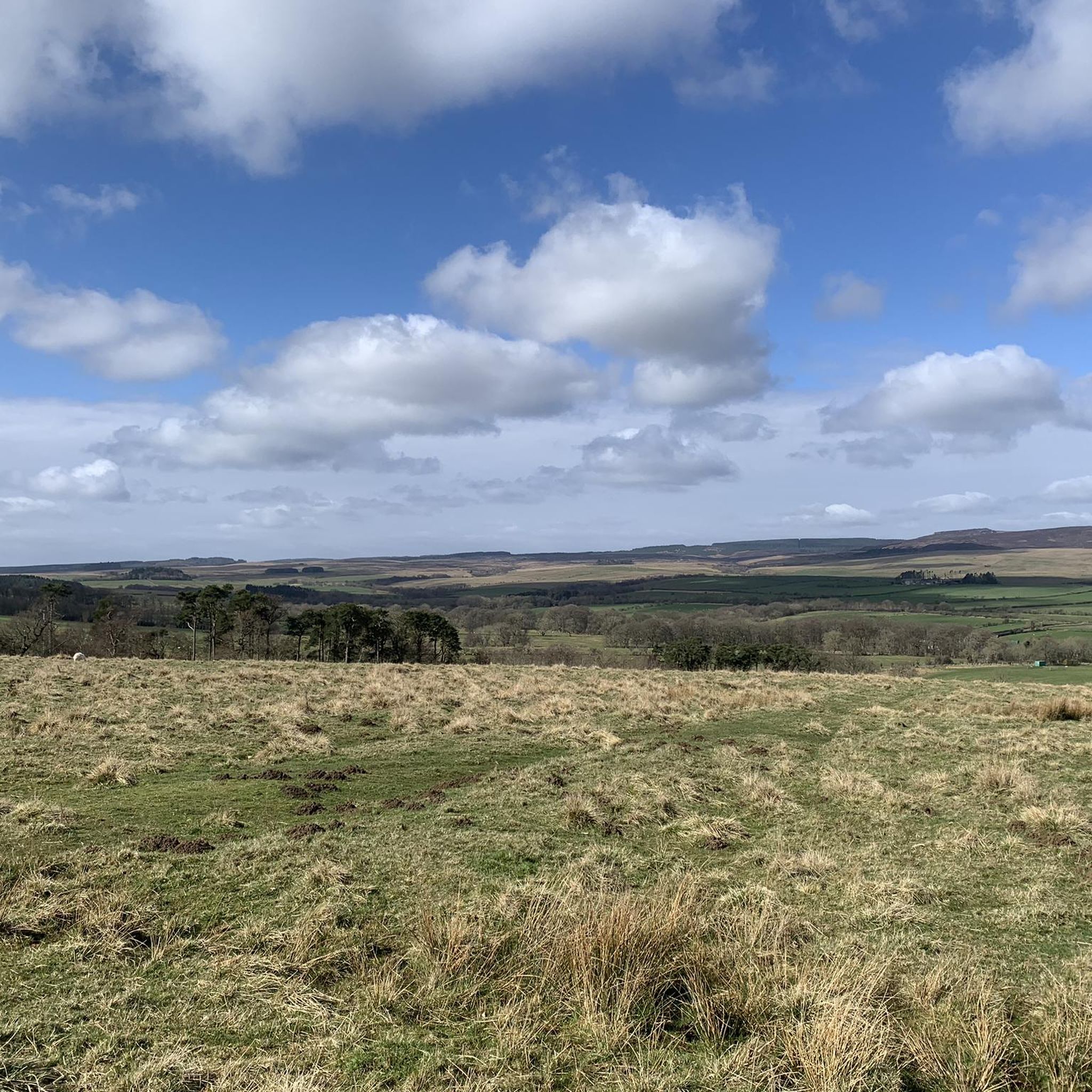
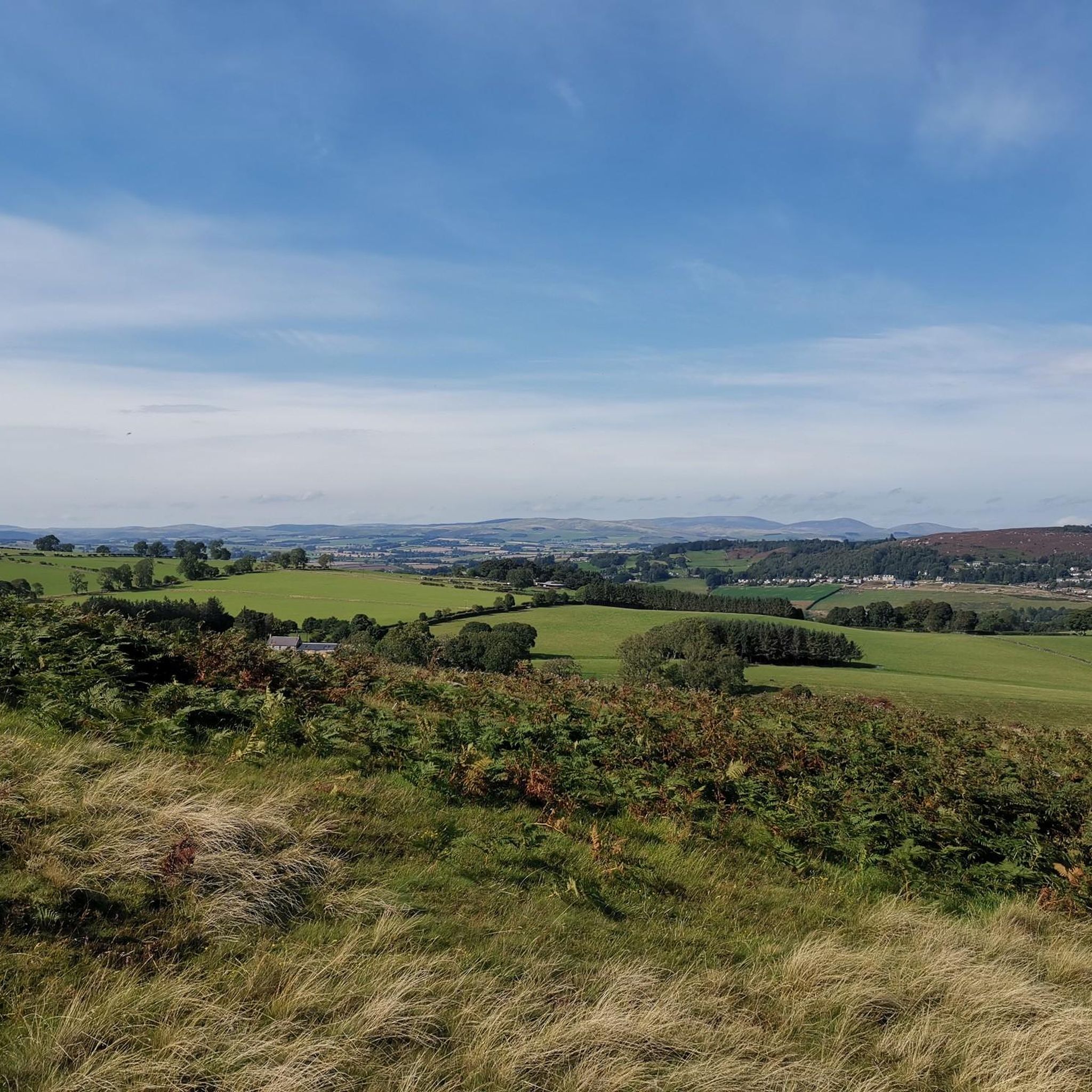
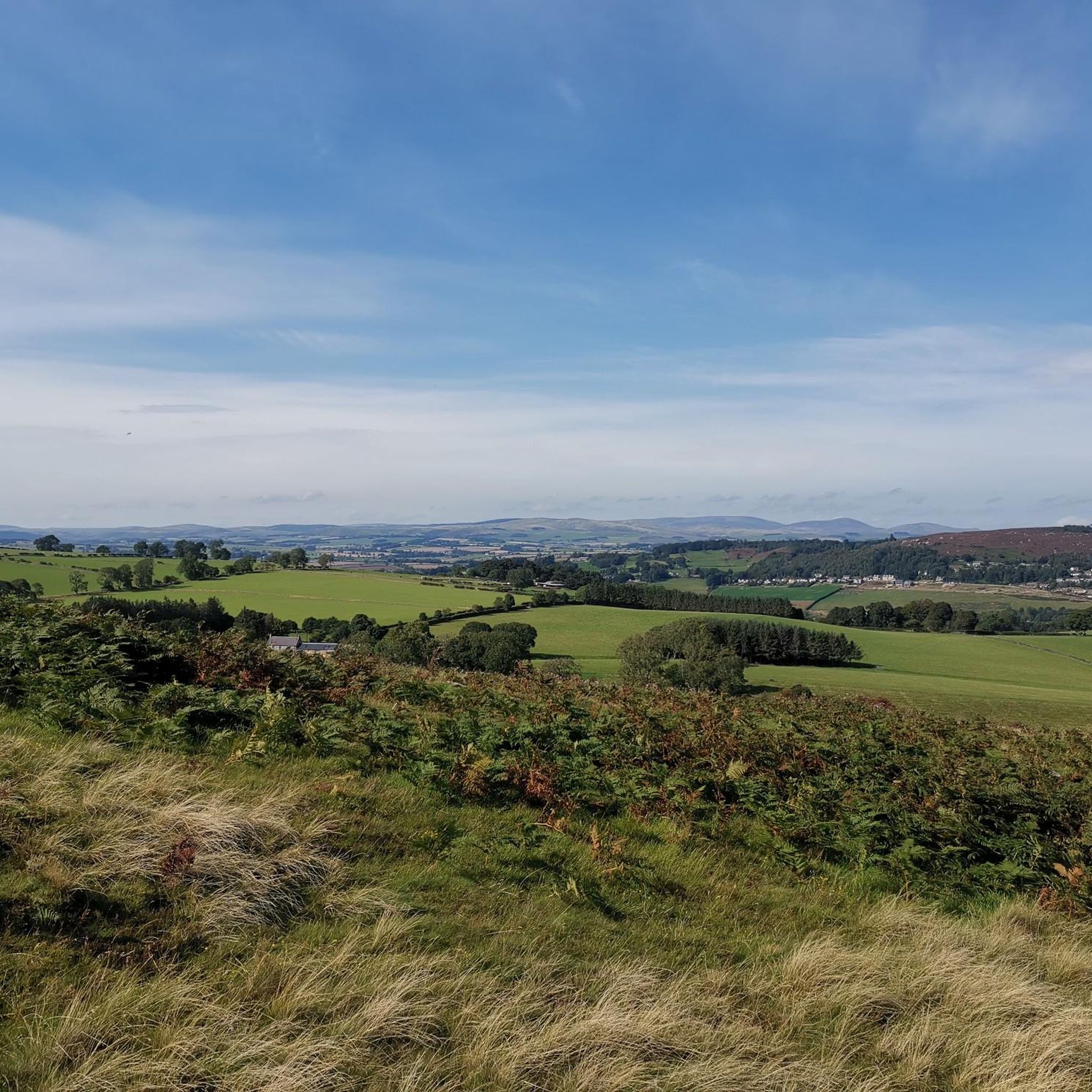
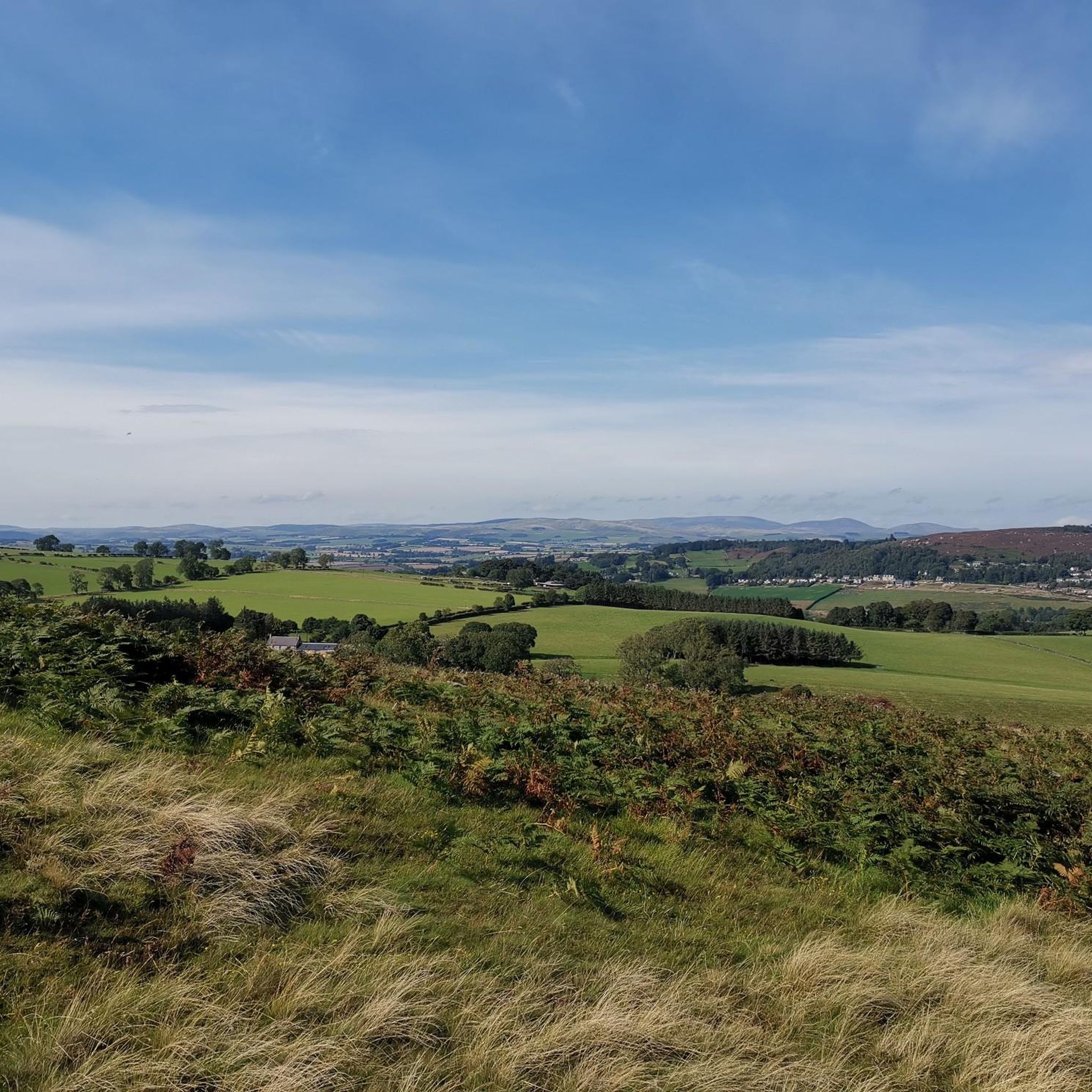
- The most popular attractions is Simonside Summit, a natural monument that is a 429m summit perched atop the Northumberland National Park. It offers views of the Cheviot Hills and the Northumbrian coastline.
- Another must-see spot is Rothbury Village Centre, a settlement. It is a peaceful town in Northumberland that serves as a base for explorations and offers a choice of accommodation, places to eat, and shops.
- Visitors also love Lordenshaw Cup and Ring Marked Rock, a historical site. This location features an Iron Age hillfort with Bronze Age burial mounds, and the cup and ring marked rock showcases carvings created by Neolithic and Early Bronze Age ancestors.
- Hesleyhurst is known for its natural monuments, historical sites, and settlements. The region provides a variety of attractions to see and explore, from ancient carvings to village centers.
- The attractions around Hesleyhurst are appreciated by the komoot community, with more than 280 upvotes and 140 photos shared by visitors.
Last updated: May 22, 2026
Simonside Summit
Highlight • Natural Monument
In close reach from Rothbury, Simonside is a top pick for epic views. Bring a flask of tea, settle in and relish the perfect scenery surround you.
Tip by

Rothbury Village Centre
Highlight • Settlement
Tip by

Sign up now to discover places like this
Get recommendations on the best single tracks, peaks, & plenty of other exciting outdoor places.
Sign up for free
Lordenshaw Cup and Ring Marked Rock
Highlight • Historical Site
Tip by
Rothbury War Memorial
Highlight • Monument
The memorial is made of sandstone and bronze. It features a square stone pedestal with a stepped plinth, surmounted by a stone cross with a bronze sword attached. The pedestal contains the names of the fallen on the front and rear sides, with an inscription on the third side.
The inscription on the front reads: "TO THE MEMORY OF/ THOSE OF THIS PARISH WHO GAVE/ THEIR LIVES FOR THEIR COUNTRY/ 1914-1918/ (NAMES)". The inscription on the rear reads: "TO THE MEMORY OF/ THOSE OF THIS PARISH WHO GAVE/ THEIR LIVES FOR THEIR COUNTRY/ 1939-1945/ (NAMES) KOREA 1952/ (NAME)". The inscription on the side reads a famous excerpt from the poem "For the Fallen" by Laurence Binyon.
The simple yet striking design reflects the strong local ties to those who died in the wars. The memorial also includes the names of those who died in World War II and the Korean War.
Tip by

Rothbury Market Cross
Highlight • Monument
A new market cross was erected in 1902. This one, built from Cragside rock and featuring elaborate carvings, stands as a memorial to Lord and Lady Armstrong. The surrounding area has also undergone changes. Today, the Armstrong cross is situated in a peaceful location with a well-maintained lawn and railings, replacing the previous wartime and utilitarian versions.
Tip by
Sign up for free to discover even more attractions around Hesleyhurst.
Sign up for free
Already have an account?
Start today with a free account
Your next adventure awaits.
Login or Signup

Tips from the Community

can be easy or difficult, depends which side you ascend from. so choose wisely
2
0

In the case of a "market cross," such as the one we encounter again in Rothbury, one would have to ask the fundamental question of whether it is actually primarily a small sacred monument—as its cross shape suggests—or whether it is more of a secular object. In times long past, such a cross—unlike the classic wayside crosses or field crosses—was only permitted to be erected if the corresponding village also possessed the so-called "market rights"—that is, if it had been granted them by the local ruler.
1
0

Evidence of prehistoric settlements suggests Rothburys importance stretches back millennia. During the medieval period, it became a vital part of the Barony of Warkworth, changing hands between various noble families like the FitzRogers, Claverings, Percys, and Ogles. A key turning point came in 1291 when King Edward I granted Rothbury a market charter. This solidified its position as a commercial hub for the surrounding agricultural region, particularly for cattle and wool. The town's newfound prosperity, however, attracted unwanted attention. The 15th and 16th centuries saw a period of unrest as Rothbury became a target for Border Reivers. These Scottish raiders were notorious for plundering towns along the Anglo-Scottish border, and Rothbury, situated at a crucial crossroads with a ford over the River Coquet, bore the brunt of their attacks. Despite facing these challenges, Rothbury persevered. Today, the town's historic core reflects its layered past. Buildings showcase diverse architectural styles, each whispering a tale from a different era. The impressive All Saints Parish Church stands as a prominent example. This church, with its Saxon cross nestled beneath the font and Victorian restorations, embodies the town's enduring legacy.
0
0
The Rothbury War Memorial is a Grade II listed building located on High Street in Rothbury. It was built in 1923 to commemorate those from the parish who died in World War I. The memorial is made of sandstone and bronze. It features a square stone pedestal with a stepped plinth, surmounted by a stone cross with a bronze sword attached. The pedestal contains the names of the fallen on the front and rear sides, with an inscription on the third side. The inscription on the front reads: "TO THE MEMORY OF/ THOSE OF THIS PARISH WHO GAVE/ THEIR LIVES FOR THEIR COUNTRY/ 1914-1918/ (NAMES)". The inscription on the rear reads: "TO THE MEMORY OF/ THOSE OF THIS PARISH WHO GAVE/ THEIR LIVES FOR THEIR COUNTRY/ 1939-1945/ (NAMES) KOREA 1952/ (NAME)". The inscription on the side reads a famous excerpt from the poem "For the Fallen" by Laurence Binyon. The simple yet striking design reflects the strong local ties to those who died in the wars. The memorial also includes the names of those who died in World War II and the Korean War.
0
0
The Rothbury market cross has a two-part history. The original market cross, constructed in 1722, was a square building with a roof and open sides. It served as a shelter for people attending the weekly market. Documented in 1827, the structure was unfortunately demolished due to safety concerns. A new market cross was erected in 1902. This one, built from Cragside rock and featuring elaborate carvings, stands as a memorial to Lord and Lady Armstrong. The surrounding area has also undergone changes. Today, the Armstrong cross is situated in a peaceful location with a well-maintained lawn and railings, replacing the previous wartime and utilitarian versions.
2
0

Simonside is a 429m (1400ft) summit perched atop the untamed wilderness of the Northumberland National Park. It boasts a rugged ridge that commands sensational views of the Cheviot Hills to the north and the whole Northumbrian coastline to the east. In close reach from Rothbury, Simonside is a top pick for epic views. Bring a flask of tea, settle in and relish the perfect scenery surround you.
3
0


There are some really nice walks by the river both in town and the surrounding countryside
1
0
Frequently Asked Questions
What natural features can I explore around Hesleyhurst?
The area around Hesleyhurst is rich in natural beauty. You can visit Simonside Summit, a 429m peak in the Northumberland National Park offering expansive views of the Cheviot Hills and the Northumbrian coastline. Nearby, Simonside Crag provides another excellent viewpoint, accessible via stone steps, with clear day views towards the sea. The River Coquet also flows nearby, adding to the scenic landscape. Further afield, the Northumberland National Park and the Northumberland Coast AONB offer vast natural spaces.
Are there historical sites to visit near Hesleyhurst?
Yes, Hesleyhurst and its surroundings boast significant historical sites. Explore the ancient Lordenshaw Cup and Ring Marked Rock, featuring Neolithic and Early Bronze Age carvings, alongside an Iron Age hillfort and Bronze Age burial mounds. In Rothbury, you can find the Rothbury War Memorial, a Grade II listed building commemorating those who served. The broader region also includes Brinkburn Priory, a medieval monastery, and evidence of historical defenses like the Pillboxes at Pauperhaugh.
What kind of outdoor activities can I do near Hesleyhurst?
Hesleyhurst is an excellent base for various outdoor activities. You can find numerous running trails, including challenging routes like the Simonside and Dove Crag Circular Trail. For those who prefer cycling, there are several road cycling routes around Hesleyhurst, ranging from moderate to difficult. The Northumberland National Park, which is nearby, also offers extensive opportunities for walking, hiking, and exploring.
Are there family-friendly attractions around Hesleyhurst?
While Hesleyhurst itself is a small hamlet, the nearby Rothbury Village Centre serves as a family-friendly hub with shops, places to eat, and accommodation. From Rothbury, you can easily access attractions like Cragside House and Gardens, known as the first house in the world lit by hydroelectricity, which offers extensive grounds for families to explore. The Lordenshaw Cup and Ring Marked Rock is also considered family-friendly for those interested in ancient history and a short walk.
Where can I find easy walking trails near Hesleyhurst?
For easy walks, you can explore several options around Hesleyhurst. The easy hikes guide includes routes like the Church Rock from Simonside Car Park and a loop from Lordenshaws Car Park to Dove Crag summit. These trails offer a gentle way to experience the natural beauty of the Northumberland National Park without overly strenuous climbs.
What do visitors enjoy most about the attractions near Hesleyhurst?
Visitors particularly enjoy the stunning panoramic views from elevated points like Simonside Summit and Simonside Crag, which offer vistas of the Cheviot Hills and the Northumbrian coastline. The peaceful atmosphere of Rothbury Village Centre is also highly appreciated as a base for exploration, along with the historical intrigue of ancient sites like the Lordenshaw Cup and Ring Marked Rock.
Are there any pubs or cafes near Hesleyhurst for refreshments?
While Hesleyhurst is a small hamlet, the nearby Rothbury Village Centre offers a good choice of places to eat and drink, including cafes and pubs. Additionally, The Anglers Arms at Weldon Bridge, a former coaching inn, is a local hospitality option in the wider area.
What is the significance of Brinkburn Priory in the region?
Brinkburn Priory is a significant medieval monastery located on a bend of the River Coquet. It was later converted into a country house and stands as a key historical and cultural site, representing the region's monastic heritage. The nearby Manor House at Brinkburn Priory also contributes to its historical importance.
Can I find challenging hiking trails around Hesleyhurst?
Yes, for those seeking more challenging hikes, the area around Hesleyhurst offers several options. The ascent to Simonside Summit, though rewarding, can be steep and boggy in parts, requiring sturdy footwear. Other challenging routes can be found within the Northumberland National Park, including longer loops that explore the Simonside Hills.
What is Kielder Water & Forest Park and how far is it from Hesleyhurst?
Kielder Water & Forest Park, Europe's largest man-made lake and working forest, is a significant natural attraction in Northumberland. It offers a wide range of activities including watersports, cycling, walking, and stargazing due to minimal light pollution. While not immediately adjacent to Hesleyhurst, it is within reach for a day trip and provides a different kind of outdoor experience compared to the local fells.
Are there any specific viewpoints that offer great photographic opportunities?
Absolutely. Both Simonside Summit and Simonside Crag are renowned for their panoramic views, making them ideal for photography. From these points, you can capture the rugged beauty of the Cheviot Hills, the vastness of the Northumbrian coastline, and the expansive landscapes of the Northumberland National Park, especially on clear days.
What is the history of Hesleyhurst itself?
Hesleyhurst has a rich, albeit small, history. Evidence suggests an Iron Age hillfort once stood here, and 13th-century defensive bastle farmhouses reflect its past against border raids. The modern hamlet developed around Embleton Terrace, built in 1926 to house coal miners, showcasing its industrial heritage alongside its ancient roots.
Most popular attractions around Hesleyhurst

Get inspired with the komoot mobile app


Explore more
Still not found the Highlight you’re looking for? See guides of the top attractions in other regions:
