Top 3 Castles around Haltwhistle
Best castles around Haltwhistle are found in Hadrian's Wall Country, a region rich in history and diverse fortifications. Haltwhistle is situated near the Northumberland National Park and the River South Tyne, offering a landscape that blends historical architecture with natural beauty. The area features structures from various periods, including Norman ringwork castles, Roman forts, and medieval pele towers. These sites provide insight into the defensive architecture and historical significance of the region.
Best castles around Haltwhistle
- The most popular castles…
Last updated: October 7, 2026
Milecastle 39 (Castle Nick) on Hadrian's Wall
Highlight • Historical Site
Tip by

Thirlwall Castle Ruins
Highlight • Historical Site
Tip by
Sign up now to discover places like this
Get recommendations on the best single tracks, peaks, & plenty of other exciting outdoor places.
Roman Vindolanda Fort and Museum
Highlight • Historical Site
Translated by Google •
Tip by

Cawfields Milecastle 42, Hadrian's Wall
Highlight • Historical Site
Tip by

Ruins of Staward Peel
Highlight • Gorge
Tip by

Start today with a free account
Your next adventure awaits.
Popular around Haltwhistle
Great North Trail — From the Pennine Hills to the tip of Scotland
Hadrian's Cycleway – Crumbling turrets and beautiful landscapes
Bikepacking the best of British Bothies
Road Cycling Routes around Haltwhistle
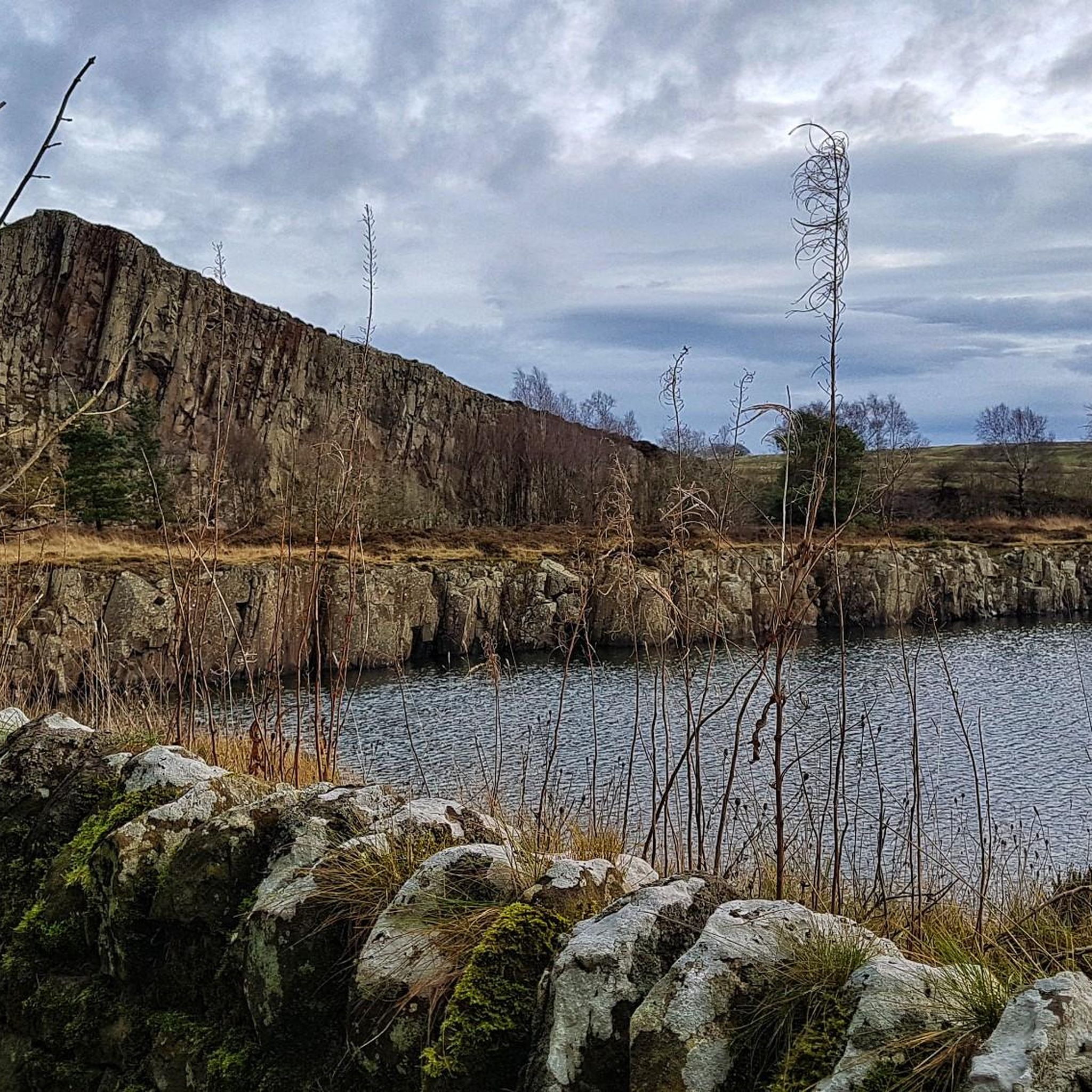
Hiking around Haltwhistle
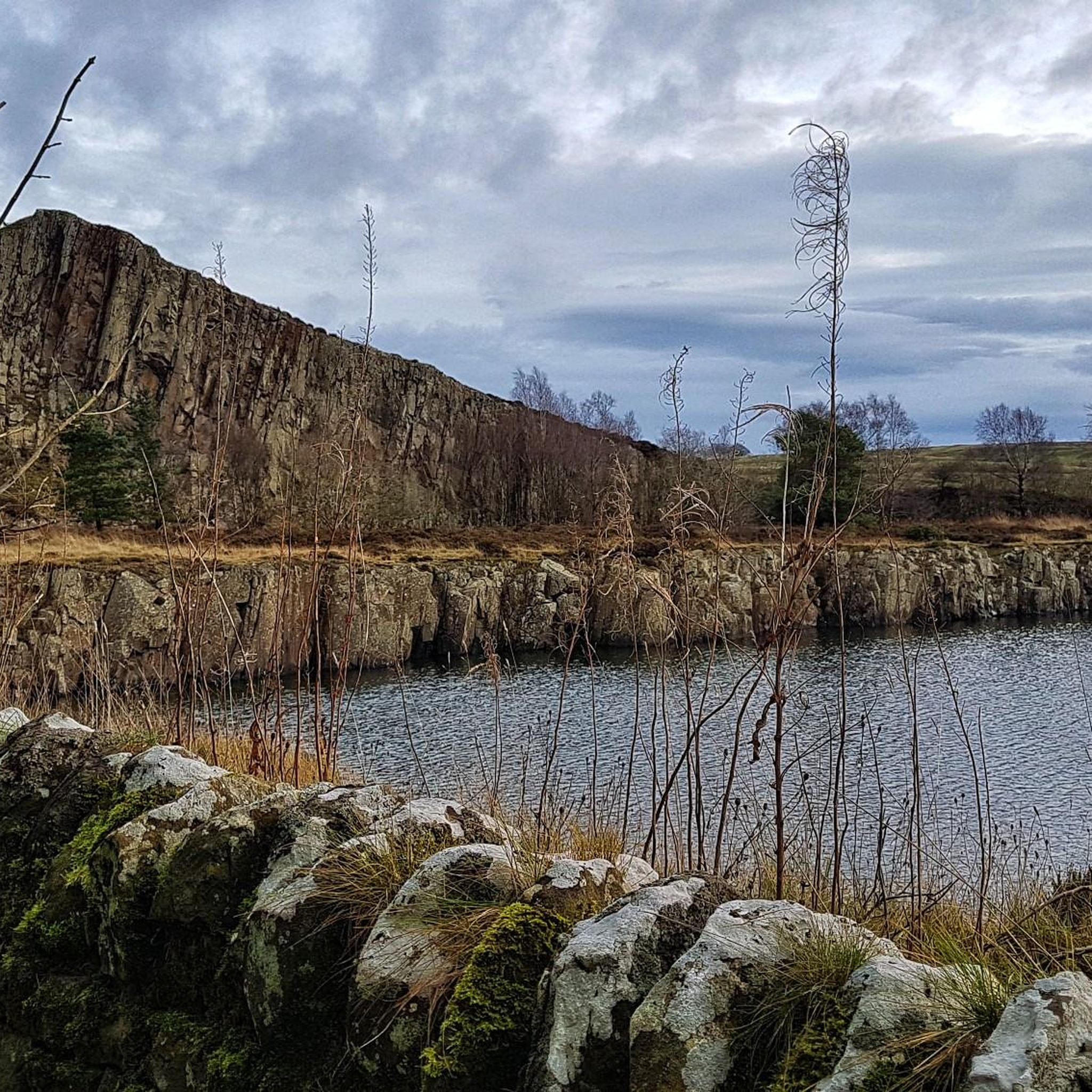
Cycling around Haltwhistle
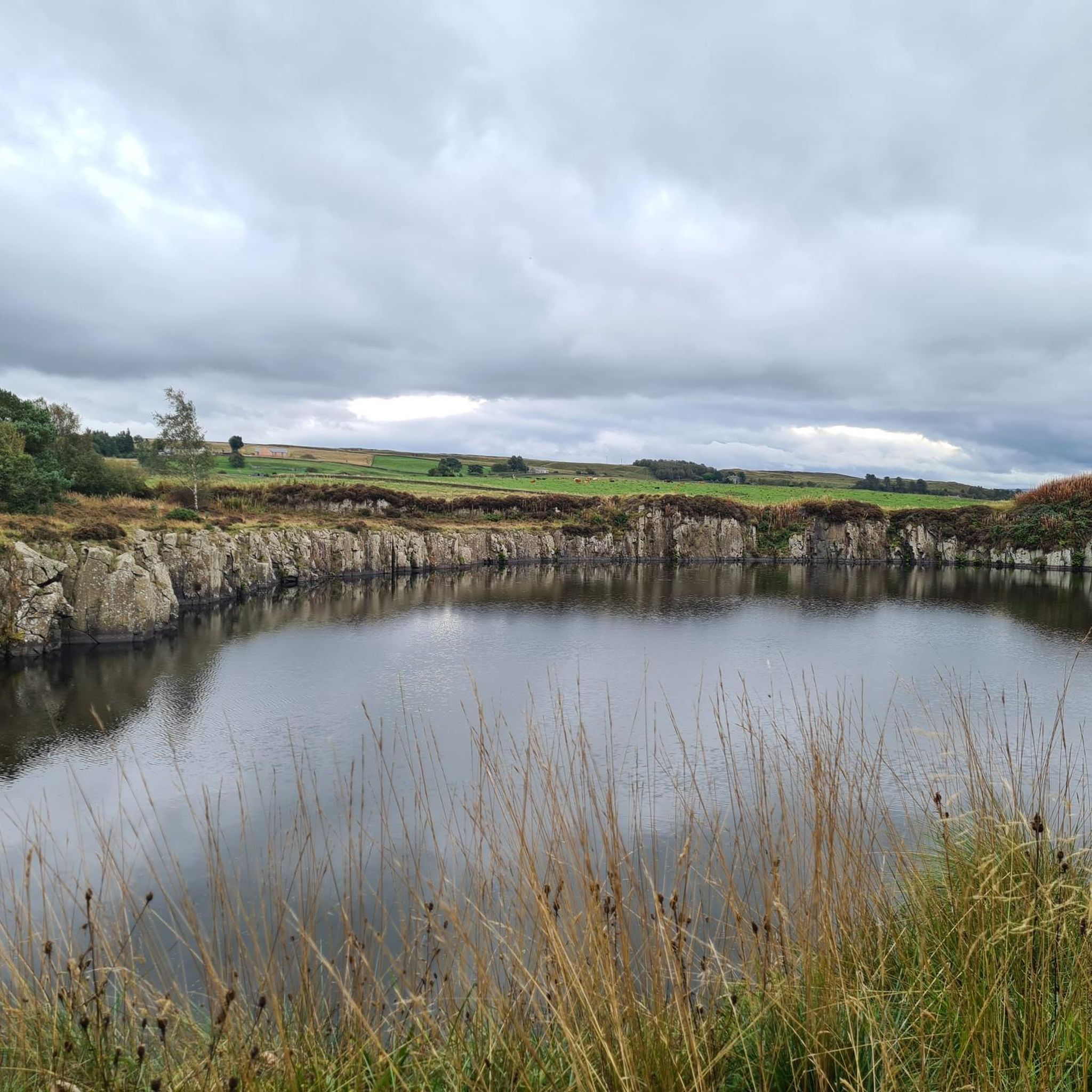
Running Trails around Haltwhistle
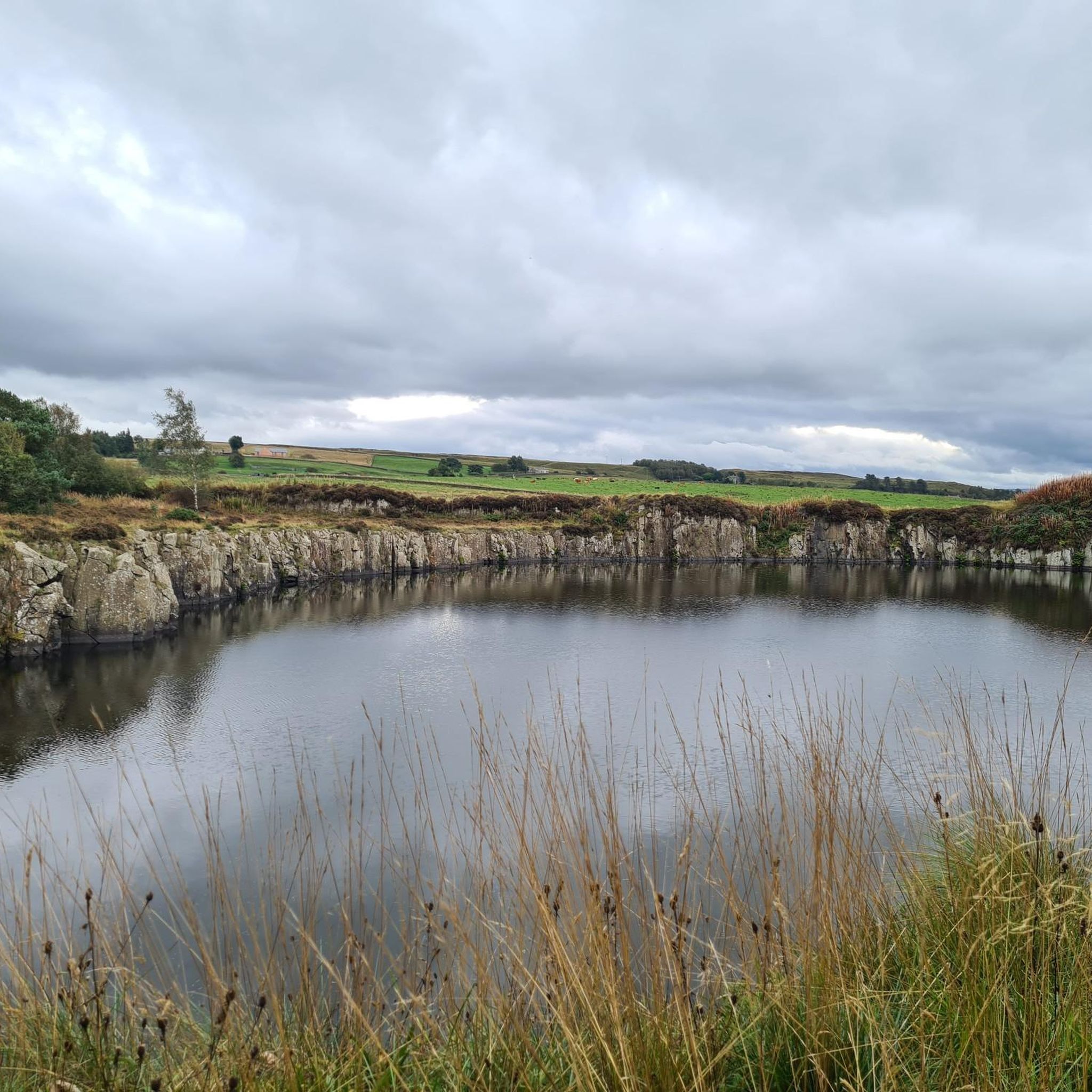
MTB Trails around Haltwhistle
Gravel biking around Haltwhistle
Other adventures around Haltwhistle


Tips from the Community

The Roman milecastle 39 is known as Castle Nick, because it lies in a niche in the hillside. The site was excavated between 1908 and 1911 and re-excavated between 1982 and 1987. In the south-east corner there was a stone oven and in the south-west corner a rectangular building with a sunken floor, associated with Roman finds. The milecastle appears to have been occupied until the end of the 4th century. In the 18th century, a dairy may have been built in the west corner. (Northumberland National Park)
5
0

Milecastle 39 is a super scenic and impressive place. It is a well-preserved Milecastle on Hadrian’s Wall. It is immediately to the west of the Sycamore Gap and is just one of many outstanding features on this stretch of wall.
0
0
Milecastle 42 is one of those spots on Hadrian’s Wall that feels like you’ve just stumbled on a hidden gem. It’s not huge, but that’s part of the charm – you can properly picture the Roman soldiers posted here, staring out across the wild Northumberland landscape and wondering what on earth they’d signed up for. The views are cracking, the ruins are well-marked, and it gives you that instant connection to history without being swamped by crowds. A quick stop, but a memorable one – exactly what you want on a wall walk.
0
0

🏛️ Vindolanda Fort is one of the most fascinating Roman archaeological sites in Britain. Built around 85 AD and rebuilt nine times, Vindolanda was an important military stronghold before and during the construction of Hadrian's Wall. The highlight of the discovery were the Vindolanda Tablets – wooden tablets containing personal letters, shopping lists, and even birthday party invitations. They are the oldest handwritten documents in Britain. On site, you'll see the remains of forts, bathhouses, barracks, and a Roman village (vicus), replicas of Roman buildings and sections of Hadrian's Wall, and a modern museum with thousands of artifacts: shoes, toys, weapons, jewelry, and more. 🍵 Visitor facilities: Café, shop, guided tours, and listening posts with explanations.
11
0


This tower was positioned at a strategic defensive point atop the River Allen as it passes through Steward Gorge, within the current National Trust property of Allen Banks & Staward Gorge. The origins of this tower date back to the early 14th century, and since then, it has endured over time to its current ruined state, being listed as Grade II.
1
0

The ruins of Staward Peel, are situated on top of a hill which over looks the River Allen as it flows through Staward Gorge.
0
0

Vindolanda was a Roman fort that was occupied from the late 80s AD to the early 5th century AD. It is one of the best-preserved Roman forts in England, and has been the site of extensive archaeological excavations. The excavations have uncovered a wealth of artifacts, including weapons, armor, tools, and pottery. They have also revealed the remains of the fort's buildings, including the barracks, headquarters, and bathhouse. One of the most significant discoveries at Vindolanda is the Vindolanda tablets. These are a collection of wooden tablets that were written on by the soldiers and civilians who lived at the fort. The tablets contain a wide range of information about everyday life at Vindolanda, including letters, invitations, and shopping lists. The Vindolanda tablets are a unique and valuable source of information about Roman life on Hadrian's Wall. They provide us with a glimpse into the world of the Roman soldiers and civilians who lived and worked at the fort. Vindolanda is a popular tourist destination, and the museum on site houses a collection of artifacts from the fort, including the Vindolanda tablets. The museum also has a number of interactive exhibits that teach visitors about the history of the fort and the life of the Romans on Hadrian's Wall.
0
0
Frequently Asked Questions
What types of historical fortifications can I explore around Haltwhistle?
Haltwhistle is rich in history, offering a variety of fortifications. You can explore remnants of 11th-century Norman ringwork castles like Haltwhistle Castle, medieval pele towers such as the Ruins of Staward Peel, and even Roman forts like Roman Vindolanda Fort and Museum. The area also features numerous bastles, fortified farmhouses crucial for defense against border reivers, with Haltwhistle itself having the largest number of surviving bastles in England.
Are there any family-friendly castles or historical sites near Haltwhistle?
Yes, Roman Vindolanda Fort and Museum is highly recommended for families. It offers excavated ruins, replicas of Roman buildings, and a museum with thousands of artifacts, including the famous Vindolanda Tablets. The site provides an engaging experience for all ages to learn about Roman life.
What outdoor activities can I do near the castles around Haltwhistle?
The area around Haltwhistle's castles is excellent for outdoor activities. You can find numerous routes for mountain biking, gravel biking, and running. For example, there are MTB trails like the 'Great North Trail: Haltwhistle Loop' and running routes such as 'Caw Gap loop from Cawfield Quarry'. You can explore more options on the MTB Trails around Haltwhistle guide, the Gravel biking around Haltwhistle guide, and the Running Trails around Haltwhistle guide.
Are there walking routes near Hadrian's Wall that incorporate castles?
Absolutely. Many walking routes in the Haltwhistle area run alongside or near Hadrian's Wall, offering opportunities to visit historical sites. For instance, Thirlwall Castle Ruins, built using stones from Hadrian's Wall, is a popular spot for walkers. Housesteads Roman Fort, located on a dramatic escarpment of Hadrian's Wall, is also accessible from the Hadrian's Wall Path National Trail.
What is the best time of year to visit the castles and historical sites in Haltwhistle?
The castles and historical sites around Haltwhistle can be visited year-round. However, for the most comfortable walking conditions and to fully enjoy the scenic views, late spring to early autumn (May to September) is often ideal. During these months, the weather is generally milder, and daylight hours are longer, making it perfect for exploring both the ruins and the surrounding natural beauty.
Can I find any hidden gems or less-known historical sites in the region?
Beyond the well-known sites, Haltwhistle itself is notable for its collection of pele towers and bastles. The town has the largest number of surviving bastles in England, marked by plaques, allowing visitors to follow a 'bastle trail' and discover these unique fortified farmhouses. The Centre of Britain Hotel, for example, was originally a late 15th-century pele tower.
What are some scenic viewpoints near the castles?
Many castles in the Haltwhistle area offer stunning views due to their strategic locations. Housesteads Roman Fort, set high on an escarpment, provides spectacular panoramic views. The Ruins of Staward Peel are strategically positioned atop the River Allen within the Allen Banks & Staward Gorge, offering picturesque vistas of the river and gorge.
Are there any dog-friendly walks around the castles?
Yes, many of the outdoor areas and trails around the castles are dog-friendly. For instance, the Ruins of Staward Peel are part of the Allen Banks & Staward Gorge, which is a popular spot for dog walking. Always check specific site regulations for interior access, but the surrounding landscapes are generally welcoming for dogs on a leash.
What are the parking options for visiting castles near Haltwhistle?
Parking availability varies by site. For major attractions like Housesteads Roman Fort, there is a visitor centre that serves as a good parking option. For other sites, designated parking areas or nearby village parking may be available. It's advisable to check specific site information before your visit.
How long should I allocate for visiting the castles and historical sites?
The duration of your visit depends on the site. For extensive sites like Roman Vindolanda Fort and Museum, you could easily spend half a day or more exploring the ruins, museum, and replicas. Smaller ruins like Thirlwall Castle Ruins might take an hour or two, especially if combined with a picnic or a short walk in the grounds.
What historical period do most of the castles around Haltwhistle represent?
The castles around Haltwhistle span several significant historical periods. You'll find evidence of Roman occupation at sites like Roman Vindolanda Fort and Museum, 11th-century Norman ringwork castles, and numerous medieval pele towers and bastles from the 14th to 17th centuries, reflecting the turbulent border warfare era.
Are there any castles that are particularly well-preserved or offer extensive ruins?
Housesteads Roman Fort is considered the most complete Roman fort surviving in Britain, allowing you to walk through ancient barrack blocks and a hospital. Roman Vindolanda Fort and Museum also offers remarkably preserved excavated ruins and a comprehensive museum.
Most popular routes around Haltwhistle
Most popular attractions around Haltwhistle

Get inspired with the komoot mobile app


Explore more
Looking for the best castles somewhere else? Discover other guides around Haltwhistle:
