Attractions and Places To See around Cornhill-On-Tweed - Top 20
Best attractions and places to see around Cornhill-On-Tweed, a village located on the Anglo-Scottish border in Northumberland, include historical landmarks and natural features. The area is defined by the River Tweed, which forms a natural boundary between England and Scotland. Visitors can explore sites with centuries of history and enjoy the surrounding natural landscape.
Best attractions and places to see around Cornhill-On-Tweed
- The most popular attractions is Union Bridge (Tweed), a man-made monument that spans the River Tweed, marking…
Last updated: August 13, 2026
Norham Castle Ruins
Highlight • Historical Site
Tip by

Heatherslaw Cornmill
Highlight • Monument
Tip by

Sign up now to discover places like this
Get recommendations on the best single tracks, peaks, & plenty of other exciting outdoor places.
Sign up for free
Ford Castle
Highlight • Other
Tip by
Union Bridge (Tweed)
Highlight • Monument
The bridge was opened …
Tip by
St Anne's Church, Ancroft
Highlight • Historical Site
Open to the public; just let yourself in and have a look around.
Tip by

Sign up for free to discover even more attractions around Cornhill-On-Tweed.
Sign up for free
Already have an account?
Start today with a free account
Your next adventure awaits.
Login or Signup
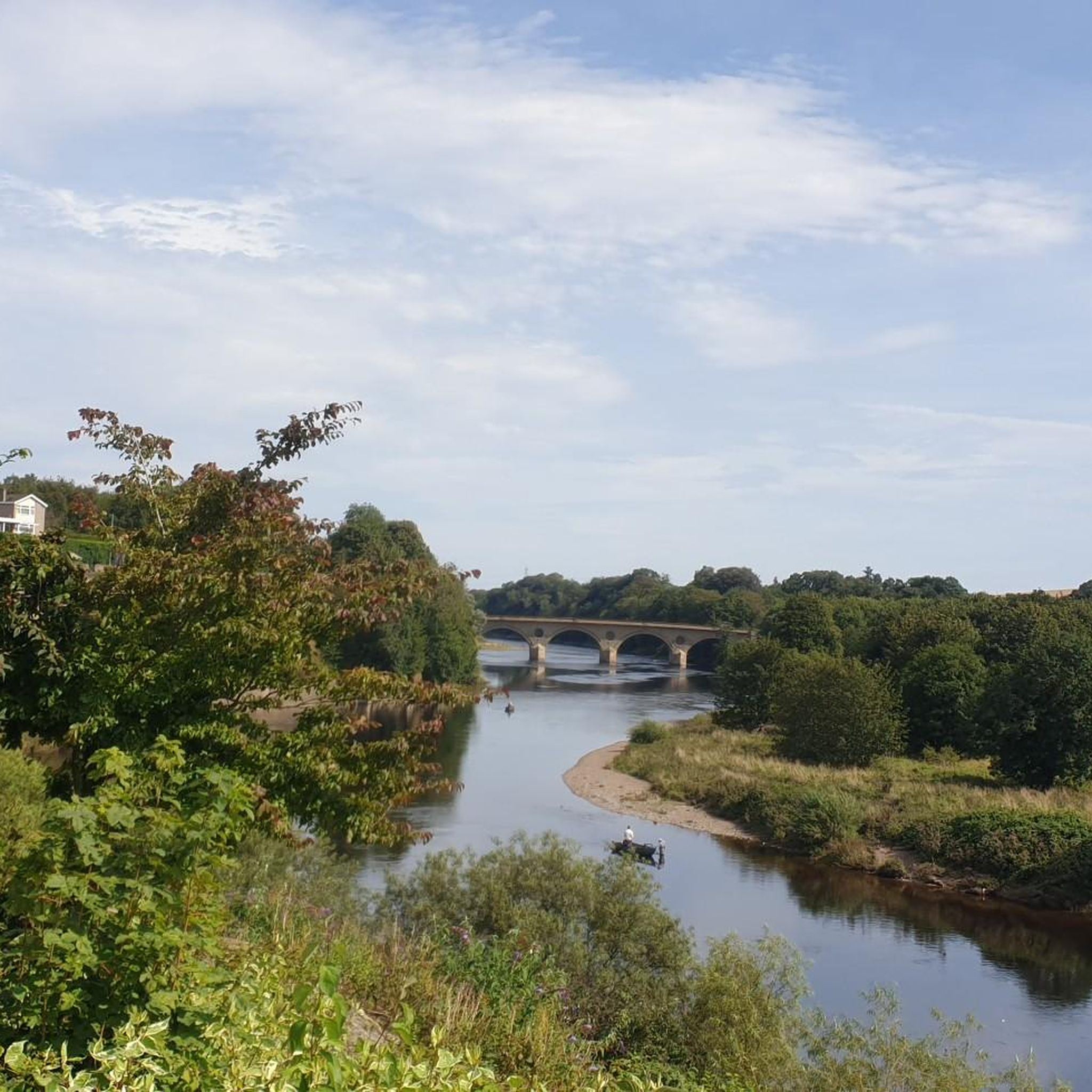
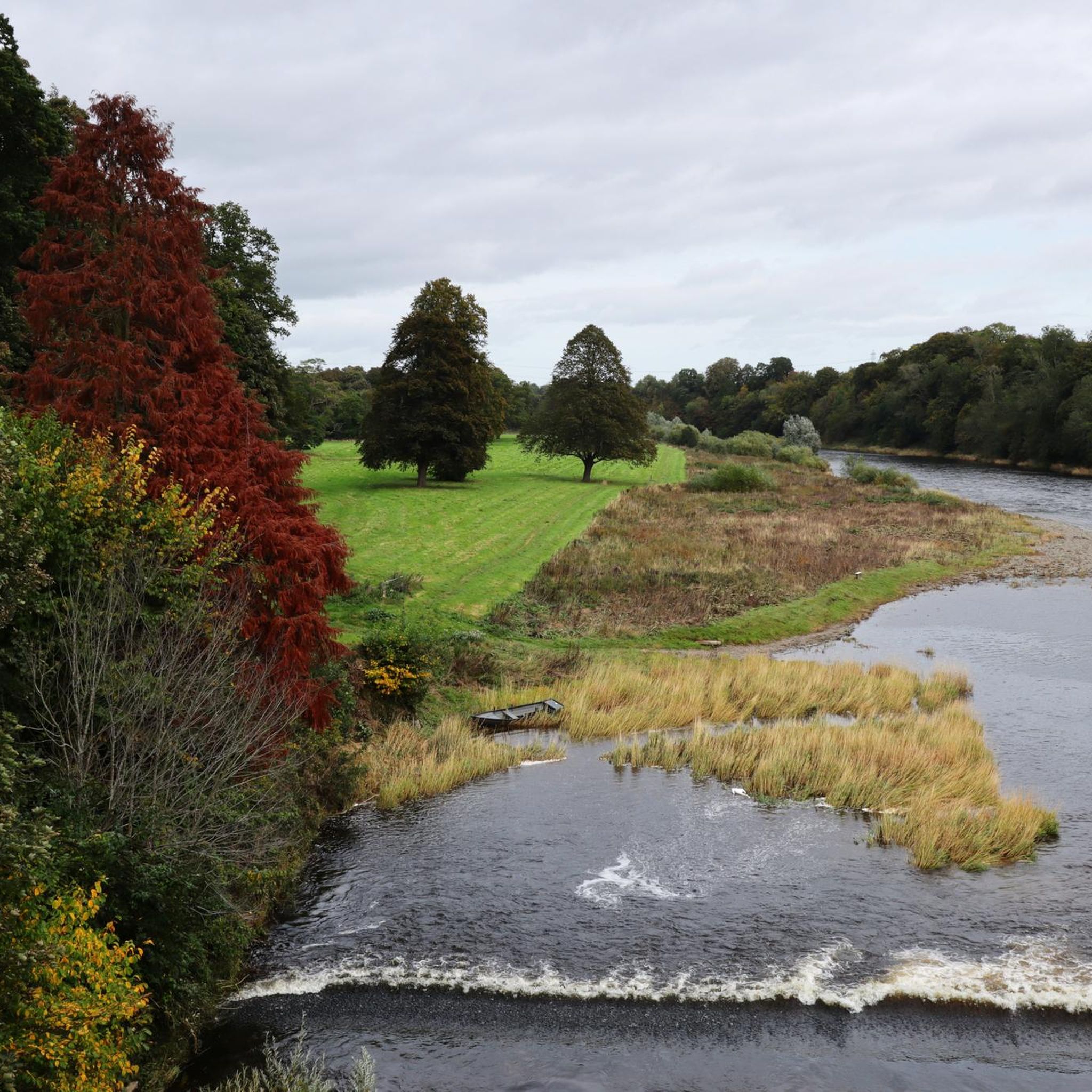
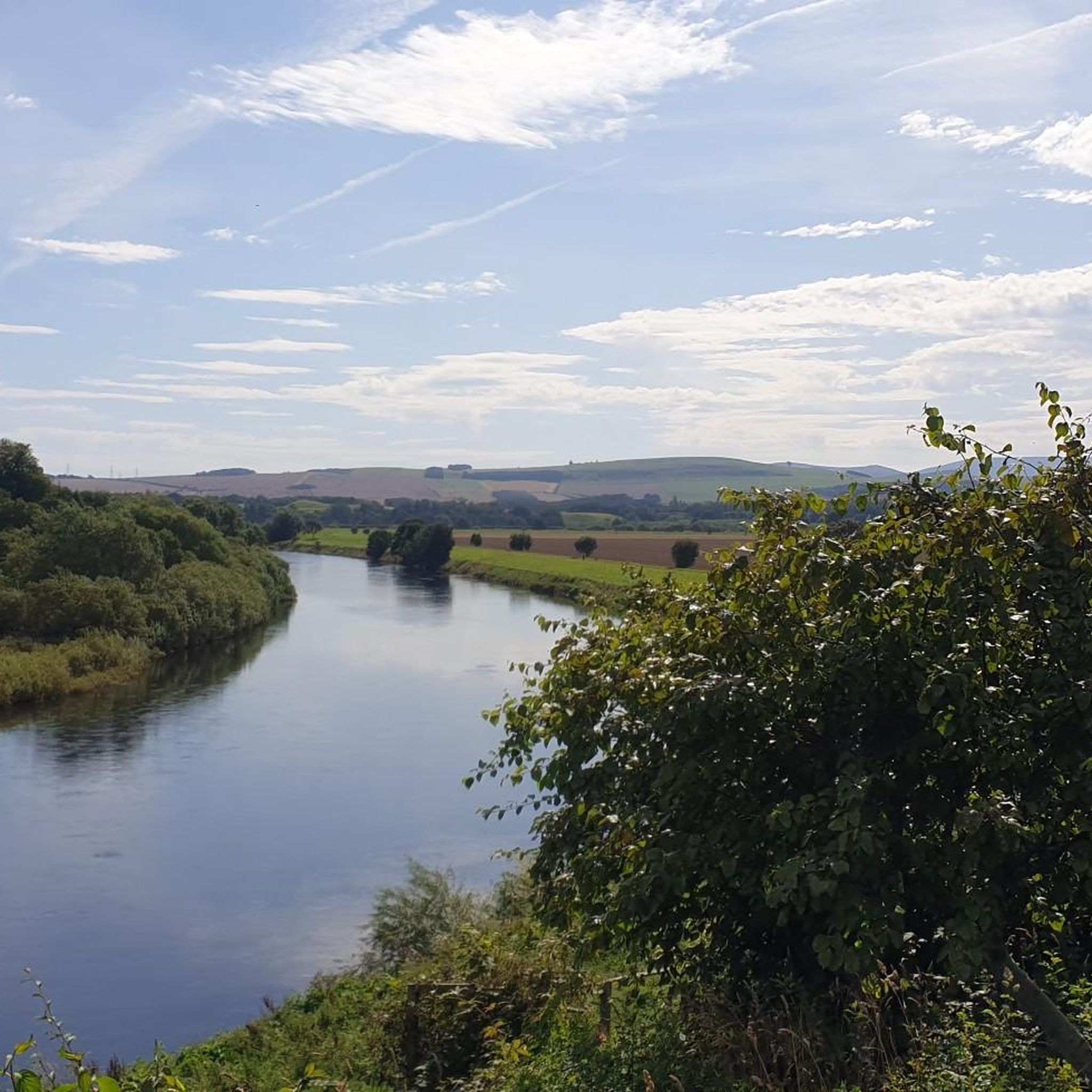
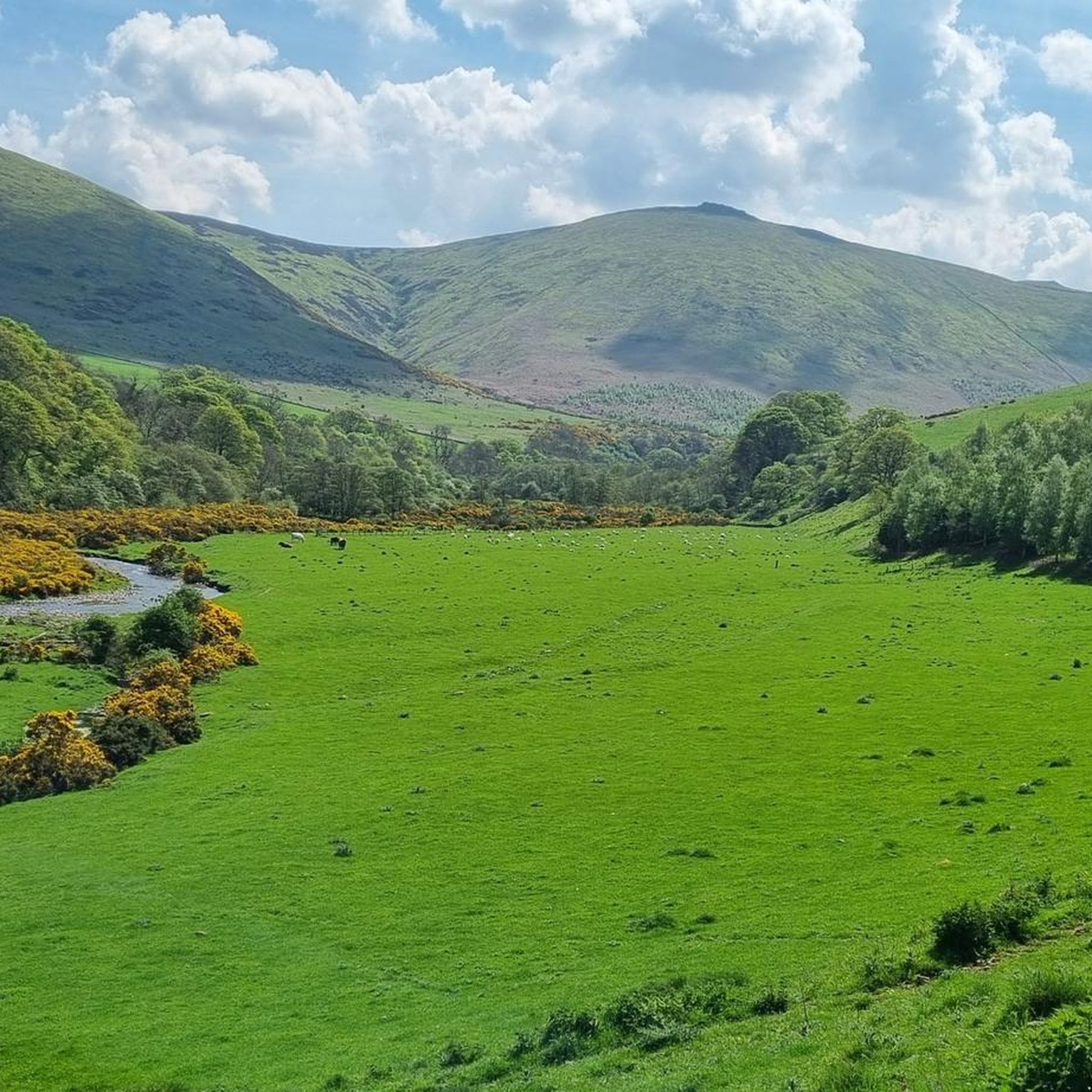
Tips from the Community


Harnessing the power of moving water to drive a mill wheel is an ancient invention of human discovery, whose origins can be traced back to ancient times. Thanks to such a design, a watercourse – natural or artificial – made it possible to simply replace human or animal muscle power with the power of natural elements, for example, to grind grain into corn or press oil from fruit. There are essentially two drive variants for watermills: * Either the flowing water simply hits the blades of the water wheel from below to set it in motion; or * the water is guided above the wheel – usually through a so-called "mill channel" – and falls onto the blades. This design, thanks to natural gravity, ensures greater efficiency.
0
0

Ford Castle in Northumberland is a historic Grade I listed building with a stormy past. Built around 1278, it served as a border stronghold for centuries, witnessing battles and even hosting the Scottish King James IV before his final fight. The castle changed hands throughout history, from the Heron family to the Joiceys. Today, it's no longer a private residence. Instead, it functions as an outdoor activity center for schools and youth groups, offering a unique blend of history and adventure.
0
0

Norham stands as one of the most captivating sights in the border region. Perched atop a lush hillock, it commands a crucial ford over the River Tweed, having held immense significance as a formidable stronghold in this historically turbulent area. It endured frequent assaults from the Scots, facing no less than 13 sieges, including a nearly year-long encirclement led by Robert Bruce. Despite the strength of its robust 12th-century keep and imposing towered bailey walls, it ultimately succumbed to the might of James IV's formidable cannons in 1513, just prior to his fateful defeat at Flodden Field. The extensive reconstruction during the 16th century, tailored to accommodate artillery, still bears evident marks, showcasing the fortress's adaptation to changing times.
0
0

It was formerly a chapel of Holy Island. This Grade II listed building dedicated to St Anne, the mother of the Virgin Mary, was built at the end of the 11th century by the Holy Island monks. Of particular interest is the defensive 'pele' tower which is unusual in that it is attached to the church, built up from the vaulted west end which forms the entrance. It was added to the church in the 13th or early 14th century to provide living quarters for the priest. The church was restored in 1836 and again in 1870 (by FR Wilson), the nave being extended, a new chancel built and door and windows replaced, some with stained glass. It is built in a variety of local sandstone, mostly pink and grey tones, and the main roof is Welsh slated. In the 1980s the tower roof was renewed in copper and the parapet felted. The bell frame and timber louvred housing was renewed in 1995. Access to the tower is via a corner stone circular stair and low timber door. In the churchyard is an intersting headstone where ten nuns of the 'Poor Claires of Rouen' community are buried. They had been lodging at Haggerston Castle on returning from Rouen to England after the French Revolution. Visitors are most welcome and can go up to the tower to view Holy Island and Bamburgh Castle. which can be seen from the top in clear weather. https://www.nationalchurchestrust.org/church/st-anne-ancroft
0
0

A restored and working 19th century water powered corn mill. Visit and view the wooden water mill which drives the gears that turn the grind stones. The cafe sells cakes and bread made using the flour ground here. Adults £4 (Dec 2022) open 10:00 - 16:00 every day.
0
0
Norham Castle was built in the 12th century and had a rough time in the first few hundred years surviving at least 12 sieges before falling to the heavy cannon of James 4th. It was rebuilt with artillery in the 16th century but with stabilisation between England and Scotland Elisabeth 1st decided not to spend any more money on the castle and it slowly fell into ruin. English Heritage took over the manegment in 1923. The castle is free to explore, open daily in the summer and weekends over the winter.
0
0
Frequently Asked Questions
What historical sites can I explore near Cornhill-on-Tweed?
The area is rich in history. You can visit Norham Castle Ruins, a Grade-I listed castle with a history of battles and changing ownership, open daily from April to October with free entrance. Another significant site is Ford Castle, dating back to 1278, which played a crucial role in border politics and now serves as an outdoor activity center. The site of Cornhill Castle, though mostly earthwork remains, is also a Scheduled Monument.
Are there any unique natural features to see around Cornhill-on-Tweed?
Absolutely. The most prominent natural feature is the River Tweed, which forms a natural border between England and Scotland and is renowned for its large salmon population. It's also unique as the only river in England where a rod license isn't required for fishing. Further afield, the breathtaking Northumberland Coast offers endless beaches and diverse wildlife.
What family-friendly attractions are available?
Families can enjoy several attractions. Heatherslaw Cornmill is a restored 19th-century water-powered mill where visitors can see the grindstones in action and enjoy baked goods from the on-site cafe. The Heatherslaw Light Railway, a narrow-gauge railway, is also a popular choice for a scenic ride. Both Norham Castle Ruins and Ford Castle are also considered family-friendly.
Can I find places for cycling near Cornhill-on-Tweed?
Yes, the area offers excellent cycling opportunities. The Union Bridge (Tweed), a historic suspension bridge marking the border, offers a unique cycling experience. For longer rides, you can explore various routes such as the 'Coldstream to Berwick on Tweed loop' or the 'Etal and Norham loop from Cornhill-on-Tweed'. You can find more details on these and other cycling routes in the Cycling around Cornhill-On-Tweed guide.
Are there hiking trails or walking routes in the vicinity?
There are several hiking and walking routes available. You can enjoy trails like the 'Etal Castle, Ford Castle & Heatherslaw Cornmill loop from Etal' or the 'Hirsel Lake and The Hirsel House loop from Coldstream'. These routes offer a chance to explore the local landscape and historical sites on foot. For a comprehensive list of options, refer to the Hiking around Cornhill-On-Tweed guide.
What cultural points of interest are there?
Beyond historical sites, you can visit Heatherslaw Cornmill, a working 19th-century water mill. The nearby Coldstream Museum provides local historical insights, and the Duddo Five Stones, a stone circle, offers a glimpse into ancient history.
What do visitors enjoy most about the attractions around Cornhill-on-Tweed?
Visitors frequently praise the historical depth and scenic beauty of the area. The Norham Castle Ruins are noted as an 'interesting ruin to wander round', while the Union Bridge (Tweed) is described as 'wonderful' and 'great fun' for cycling. The River Tweed is appreciated for its 'beautiful' and 'scenic views'.
Is there a good time of year to visit Cornhill-on-Tweed?
Many of the outdoor attractions, such as Norham Castle, are open daily from April to October, making spring, summer, and early autumn ideal for exploring historical sites and enjoying outdoor activities. The natural beauty of the River Tweed and surrounding landscapes can be appreciated year-round, though warmer months are generally more comfortable for extensive outdoor exploration.
Are there any unique bridges or structures to see?
Yes, the Union Bridge (Tweed) is a must-see. Opened in 1820, this historic suspension bridge spans the River Tweed, marking the border between England and Scotland. It was once the world's longest iron suspension bridge and is still the oldest suspension bridge carrying road traffic, making it a Grade-I listed marvel.
Where can I experience the border between England and Scotland?
The River Tweed naturally forms a significant part of the border between England and Scotland. You can directly experience crossing this historic boundary by traversing the Union Bridge (Tweed), which connects Horncliffe in England to Fishwick in Scotland.
Are there any specific geological sites or natural reserves nearby?
South and south-east of Cornhill-on-Tweed, you can find Campfield Kettle Hole and Barelees Pond, which are designated Sites of Special Scientific Interest. These sites offer insights into natural geological formations and local ecosystems.
Most popular attractions around Cornhill-On-Tweed

Get inspired with the komoot mobile app


Explore more
Still not found the Highlight you’re looking for? See guides of the top attractions in other regions:
