The best walks and hikes around Corbridge
4.5
(487)
3,952
hikers
41
hikes
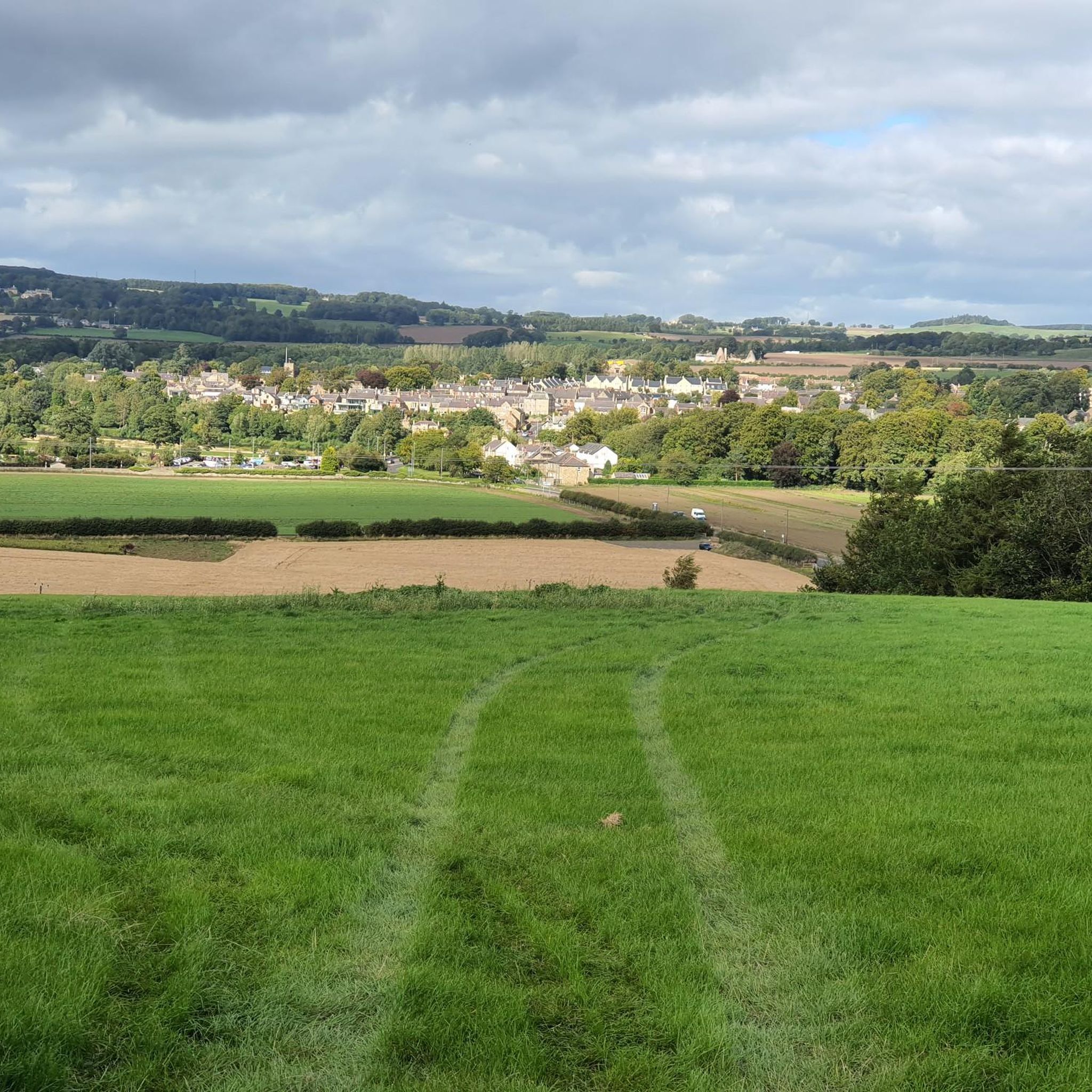
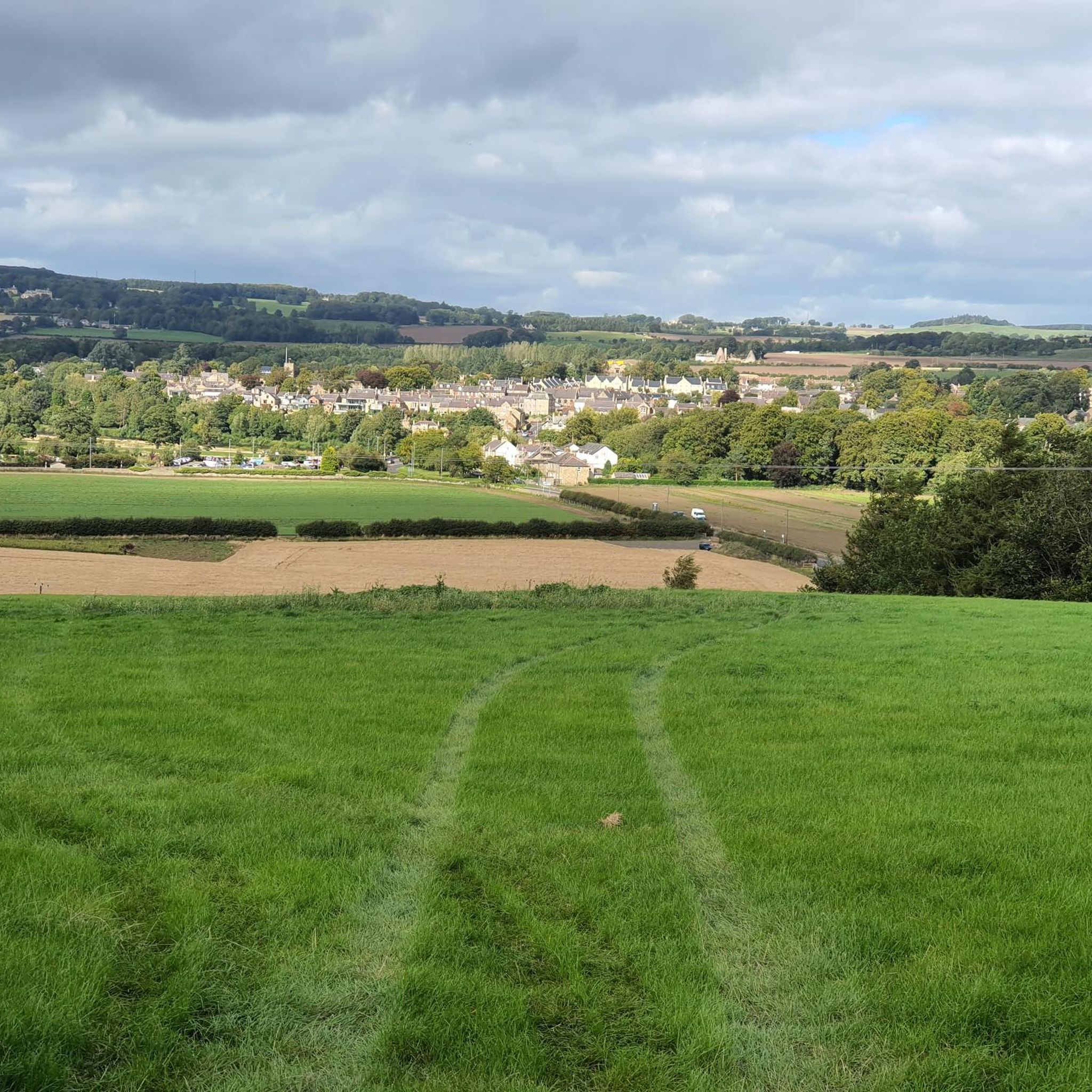
Hikes around Corbridge explore a landscape of rolling hills and riverside paths in the heart of Northumberland. The region is characterized by routes that follow the River Tyne and its tributaries, passing through a mix of forests and meadows. While the area lacks significant peaks, the terrain offers varied walking with historical context from the nearby Hadrian's Wall and Corbridge Roman Town.
Best hiking trails around Corbridge
- The most popular hiking route is Corbridge Bridge – Hexham Abbey loop from Corbridge, a 10.1 mile (16.3 km) trail that takes around 4 hours 20 minutes to complete. This route follows the River Tyne and includes a visit to the historic Hexham Abbey.
- Another top favourite among local hiking enthusiasts is Hugh Percy Fountain – Corburn Wood Ruins and Stream loop from Corbridge, a moderate 9.1 mile (14.6 km) path. The trail leads through woodland scenery and past the ruins in Corburn Wood.
- Local hiking enthusiasts also love the Corbridge Bridge – Hugh Percy Fountain loop from Corbridge, a 2.7 mile (4.3 km) trail leading through the village and along the river, often completed in about 1 hour 10 minutes.
- Hiking around Corbridge is defined by riverside paths along the Tyne, rolling hills, and trails through woodlands and meadows. The network of routes provides options for different ability levels, from short, easy walks to more moderate hikes.
- The routes in Corbridge are highly rated by the komoot community with an average score of 4.5 stars from over 100 reviews. More than 900 hikers have used komoot to explore Corbridge's varied terrain.
Last updated: June 26, 2026
4.5
(11)
89
hikers
Easy hike. Great for any fitness level. Easily-accessible paths. Suitable for all skill levels.
4.5
(2)
26
hikers
5.22km
01:23
60m
60m
Easy hike. Great for any fitness level. Easily-accessible paths. Suitable for all skill levels.

Sign up for free
3.6
(7)
26
hikers
16.2km
04:18
160m
160m
Moderate hike. Good fitness required. Easily-accessible paths. Suitable for all skill levels.
5.0
(2)
30
hikers
Easy hike. Great for any fitness level. Easily-accessible paths. Suitable for all skill levels.
5.0
(3)
29
hikers
16.9km
04:36
240m
240m
Moderate hike. Good fitness required. Easily-accessible paths. Suitable for all skill levels.
Get access to more routes and recommendations from other explorers.
Sign up for free
Already have an account?
Our route recommendations are based on thousands of hikes, rides, and runs completed by other people on komoot.
Start today with a free account
Your next adventure awaits.
Login or Signup

Tips from the Community


St. Andrew’s Church in Corbridge is one of the oldest and most historic churches in Northumberland, with roots dating back to 674 AD, when St. Wilfrid founded a monastery here. Although the original timber-framed building has disappeared, the current church still incorporates Roman stonework from the nearby Corstopitum Fort, including an impressive tower arch dating from around 150 AD. Saxon and Norman elements include a Saxon window, a Norman zigzag doorway, and a 13th-century chancel. Vicar’s Pele Tower: a 14th-century fortified tower house built with Roman stone, once a refuge from Scottish raids. King’s Oven: a communal bread oven dating from 1310, still visible on the site. Memorial Gate: commemorates 108 local men who died in WWI.
4
0
Hexham Moot Hall is an impressive medieval gatehouse dating from around 1379, situated on the east side of the Market Place. It was built by order of the Archbishop of York, Alexander Neville, as a gateway to the walled complex surrounding the Old Gaol. A Grade I listed building, it is one of the best-preserved medieval courthouses in Northern England. It comprises a four-story tower with a vaulted doorway on the ground floor and a courtroom on the first floor. The tower features Gothic windows, a machicolated parapet, and a three-story annex with a stepped gable. It served as the Hexhamshire Courthouse until 1572, and then for the midsummer quarter sessions until 1838.
8
0
Hexham Old Gaol is England's oldest purpose-built prison, founded in 1333 by William Melton, the Archbishop of York. Located on Hallgate in the center of Hexham, it was built with stone from Roman Corbridge and served for centuries as a prison for convicts from Hexhamshire and the English Middle March. A Grade I listed building in medieval style, it features thick walls and vaulted cellars.
7
0
Hexham Abbey is one of England's oldest and most impressive churches. The abbey was originally founded in 674 AD by St. Wilfrid, using stones from nearby Roman ruins. The oldest part—the Saxon crypt—is still intact and represents a rare remnant of early Christian architecture. Inside, you'll find stained glass, the Roman tombstone of Flavinus, a 1st-century standard-bearer, an impressive Phelps organ from 1974, and a frith stool (Saxon bishop's chair). Admission to the abbey is free, with a small charge for the crypt.
9
0

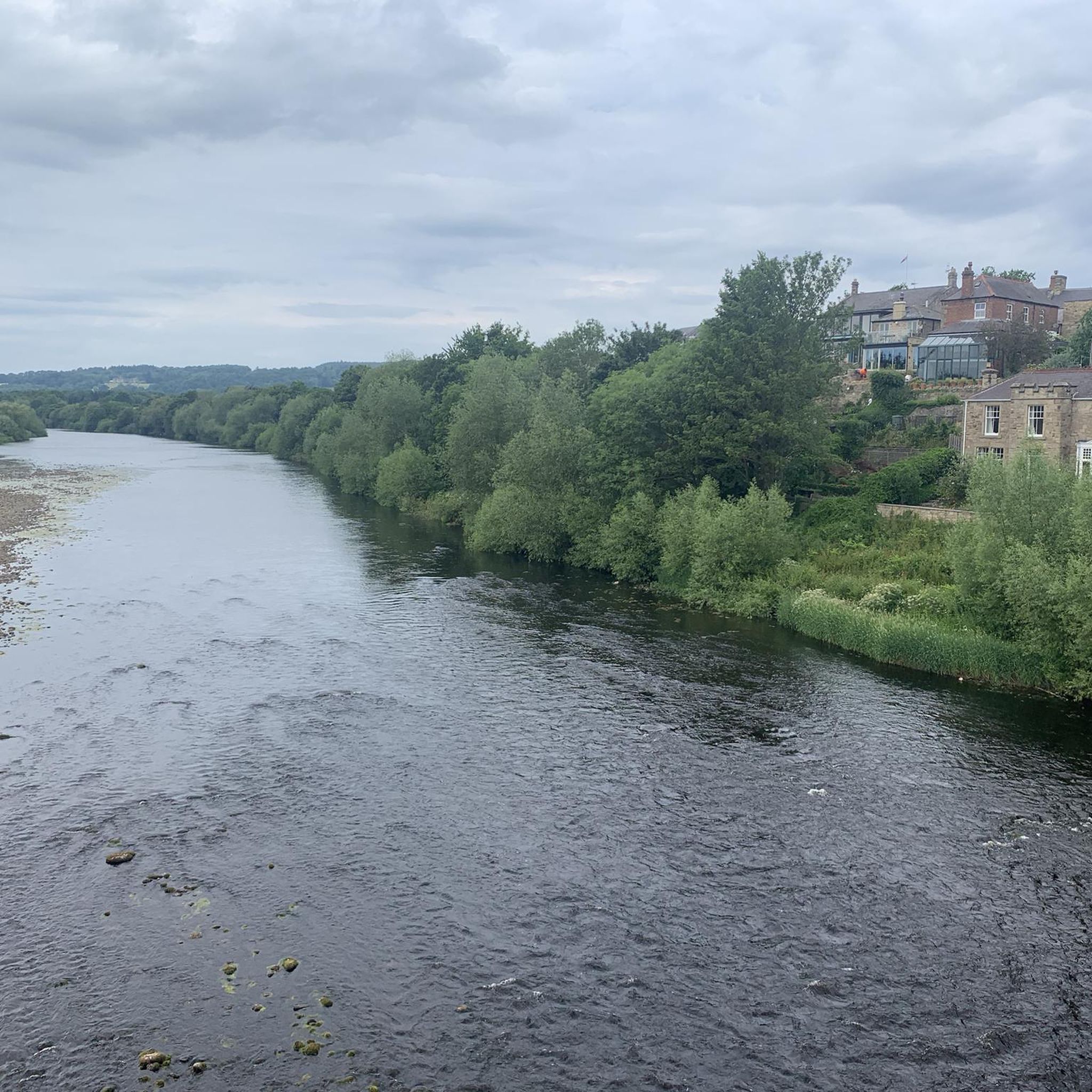
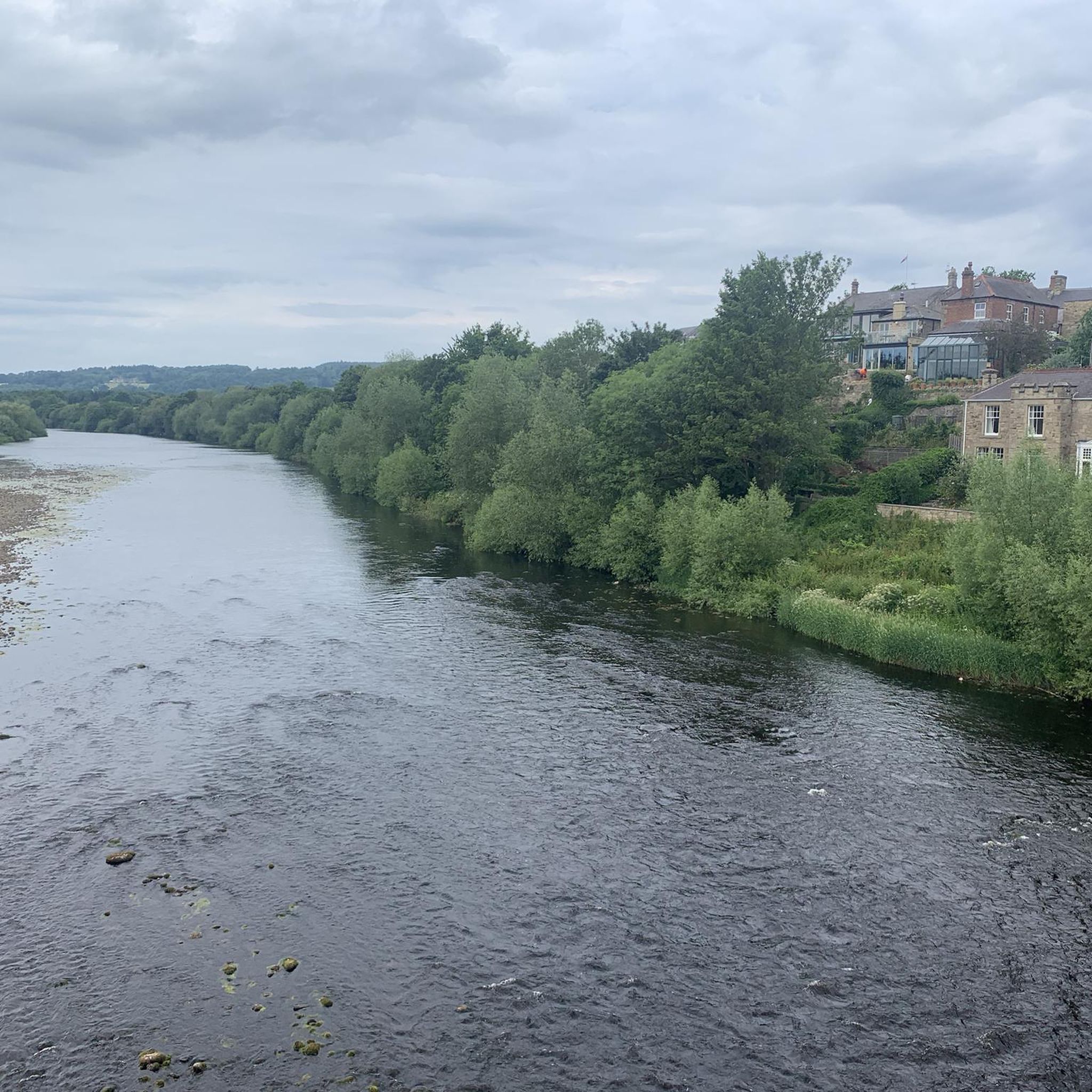
There is a walk along the River Tyne from the free car park at Corbridge.
0
0
The remains of the Roman Bridge at Corbridge form part of the Hadrian's Wall World Heritage site. The ruins formed part of the road ramp that led up to the bridge which took Dere Street across the River Tyne.
0
0

About the patron saint of this church: Saint Andrew is one of the twelve apostles whom Jesus Christ called to follow him. However, in the biblical accounts, he is often somewhat overshadowed by his far more famous brother, Saint Peter. In the Gospels, we find the calling of the two siblings portrayed in different ways. According to the Gospel of John (John 1:40-42), Andrew is called first (together with another unnamed disciple). Later, he tells his brother that he has found the Messiah. The feast of Saint Andrew in the calendar of saints is November 30th in all major Christian denominations. The X-shaped white "St. Andrew's Cross," on which he was executed, forms the national flag of Scotland against a blue background and has also found its way onto the national flag of the United Kingdom of Great Britain.
4
0
More Information
FAQs about hiking around Corbridge
-
What kind of scenery and terrain can I expect while hiking around Corbridge?
Hiking around Corbridge offers a mix of historical sites and natural beauty. You can expect to traverse through forests and meadows, walk along picturesque valleys created by the River Tyne and its tributaries (like Devil's Water and Cor Burn), and enjoy panoramic views from gently rolling hills. -
Are there easy or family-friendly hiking options in Corbridge?
Yes, Corbridge provides walks suitable for all abilities, including easy routes. For example, the Corbridge Bridge – Hugh Percy Fountain loop is an easy 4.3-kilometer hike, and the Hugh Percy Fountain – Corbridge Bridge loop is another easy 5.3-kilometer option. -
Are there any historical landmarks to see on the hikes?
The area is rich in history, featuring remnants of Roman occupation. A notable historical landmark you might encounter is the well-preserved Aydon Castle, which stands as a testament to the region's heritage. -
What is the longest recommended hike in the area?
One of the longer recommended options is the Corbridge Bridge – Hexham Abbey loop from Corbridge, a moderate 16.3-kilometer route that typically takes about 4 hours 19 minutes to complete. -
Can I find riverside walks around Corbridge?
Absolutely. The River Tyne and its tributaries, including Devil's Water and Cor Burn, wind through the landscape, offering pleasant riverside walks and tranquil spots for reflection during your hikes. -
What is the general difficulty level of hikes in Corbridge?
Hikes in Corbridge generally range from easy to moderate. The area is known for its gently rolling hills rather than towering peaks, providing accessible options for various skill levels.
Frequently Asked Questions
Are there many circular walks that start and end in Corbridge?
Yes, Corbridge is an excellent starting point for circular hikes. The area offers numerous loops that guide you through the surrounding countryside and back to the village. For a shorter, accessible option, consider the Corbridge Bridge – Hugh Percy Fountain loop from Corbridge, which is a pleasant walk along the river.
What are the best dog-friendly walks near Corbridge?
Many trails around Corbridge are suitable for walking with a dog. Riverside paths are particularly popular. For a spacious area where your dog can run, Tyne Green Country Park in nearby Hexham is a highly-regarded option with paths along the River Tyne.
Can I get to the walking trails using public transport?
Yes, Corbridge is well-connected. The village has a train station on the Tyne Valley Line, which runs between Newcastle and Carlisle, making it easy to arrive without a car. Many trails start directly from the village center, which is a short walk from the station.
Where is the best place to park for a walk in Corbridge?
There is a main car park located in the village center, which is a convenient starting point for most local walks, including those along the River Tyne and towards the Roman Town. It can get busy, especially on weekends, so arriving early is recommended.
Are there any family-friendly hikes in the area?
Definitely. The flat, scenic paths along the River Tyne are perfect for families with children. A great option is the Corbridge Bridge – River Tyne loop from Corbridge, which offers a manageable distance and gentle terrain, making it enjoyable for all ages.
How can I incorporate Hadrian's Wall into a walk from Corbridge?
While Corbridge is not directly on Hadrian's Wall, you can easily walk to sites associated with it. A popular choice is to hike to Corbridge Roman Town, a significant Roman supply base for the wall. This historical site is a key feature of many local routes and offers a fascinating glimpse into the area's past.
Are there any long-distance hikes available from Corbridge?
Yes, the area is suited for longer day hikes. For a challenging and rewarding route, you could try the Corbridge Bridge – Hexham Abbey loop from Corbridge. This trail covers over 10 miles (16 km), following the River Tyne and taking you to the historic market town of Hexham.
What do other hikers think of the trails around Corbridge?
The hiking routes around Corbridge are highly rated by the komoot community, with an average score of 4.5 stars. Hikers often praise the beautiful riverside scenery, the well-maintained paths, and the blend of natural landscapes with historical sites like the Roman Town.
Are there any walks that include a good pub stop?
Many walks are designed to start or finish in Corbridge village, which has several traditional pubs and cafes. You can easily plan a circular route that concludes in the village, allowing you to enjoy refreshments after your hike. The walk to Aydon Castle and back is a popular choice that allows for a pub visit upon your return.
How many hiking trails are there around Corbridge?
You can find nearly 40 different hiking routes around Corbridge on komoot. The selection ranges from short, easy strolls of just a few miles to more challenging moderate hikes, ensuring there's a trail for every fitness level.
Are there any woodland walks in the area?
Yes, the region features several beautiful woodland trails. For a route that combines woodland scenery with local history, consider the Hugh Percy Fountain – Corburn Wood Ruins and Stream loop from Corbridge. This trail takes you through Corburn Wood, past historical ruins and along a peaceful stream.
What is the terrain like for hiking around Corbridge?
The landscape is defined by gently rolling hills and flat riverside paths along the River Tyne. You'll encounter a mix of woodland trails, open meadows, and quiet country lanes. While there are no major mountains, the varied terrain provides enjoyable and sometimes moderately challenging walks.
Most popular attractions around Corbridge

Get inspired with the komoot mobile app


Explore more
Browse the best Hikes in other regions.
