The best walks and hikes around Broomhaugh And Riding
4.4
(522)
4,852
hikers
243
hikes
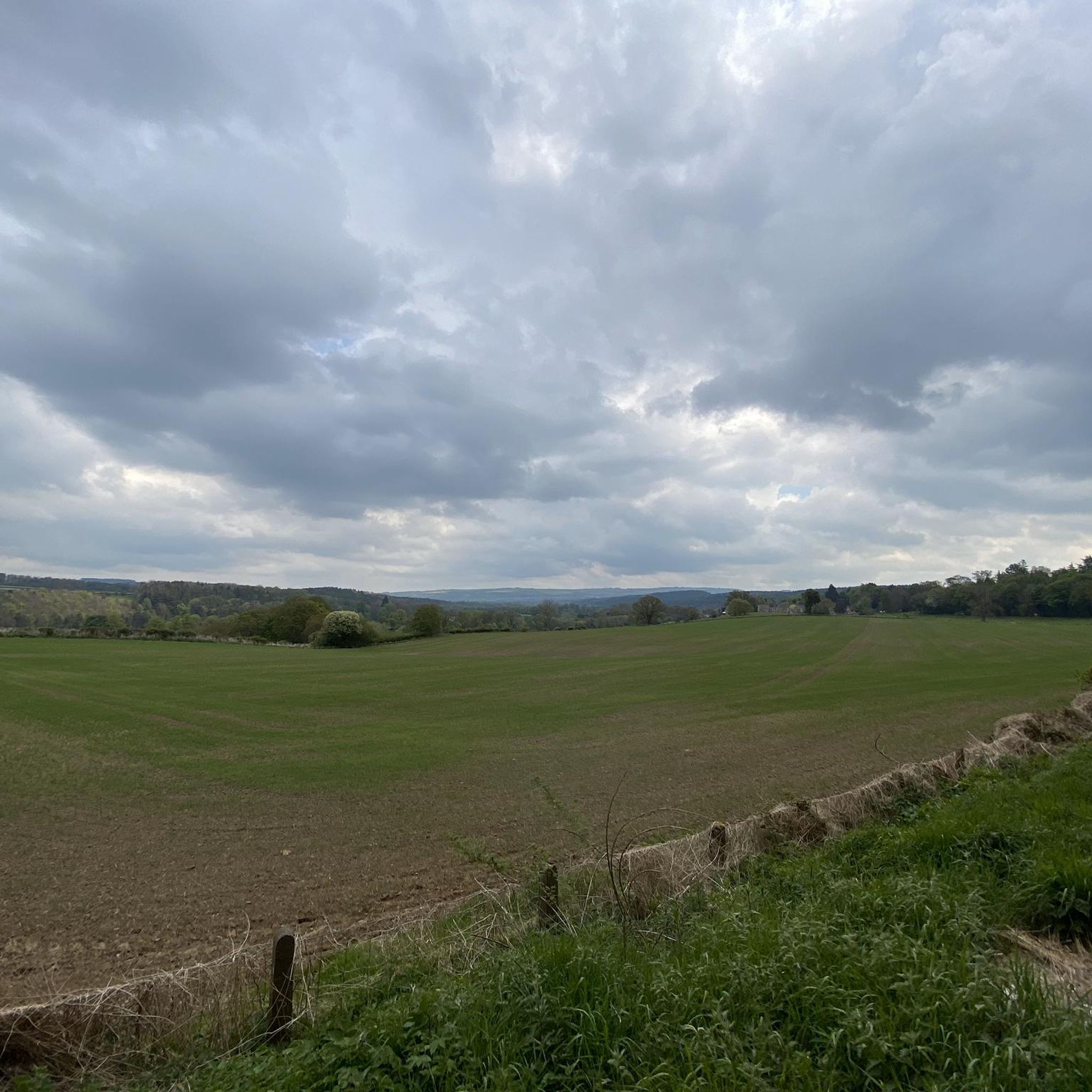
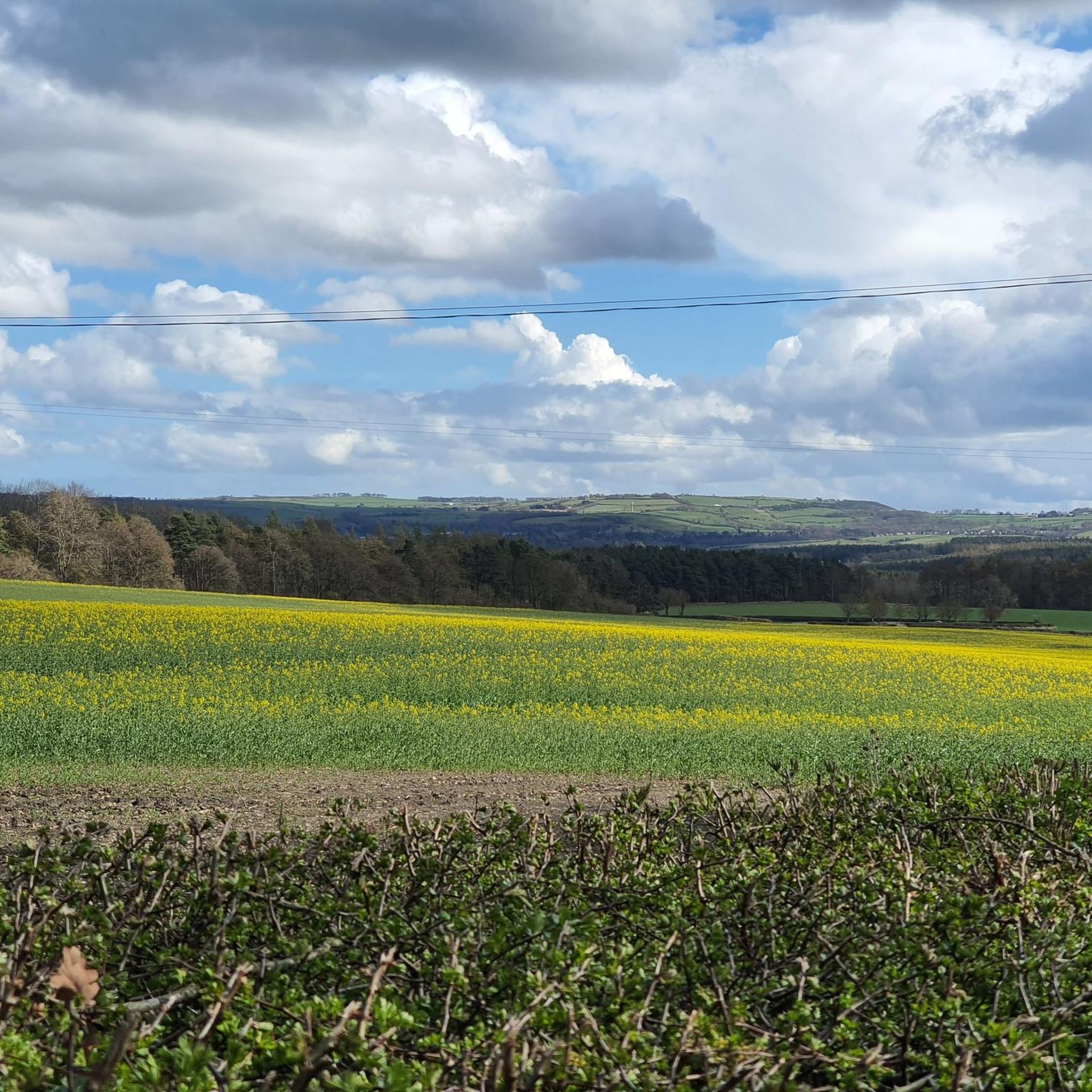
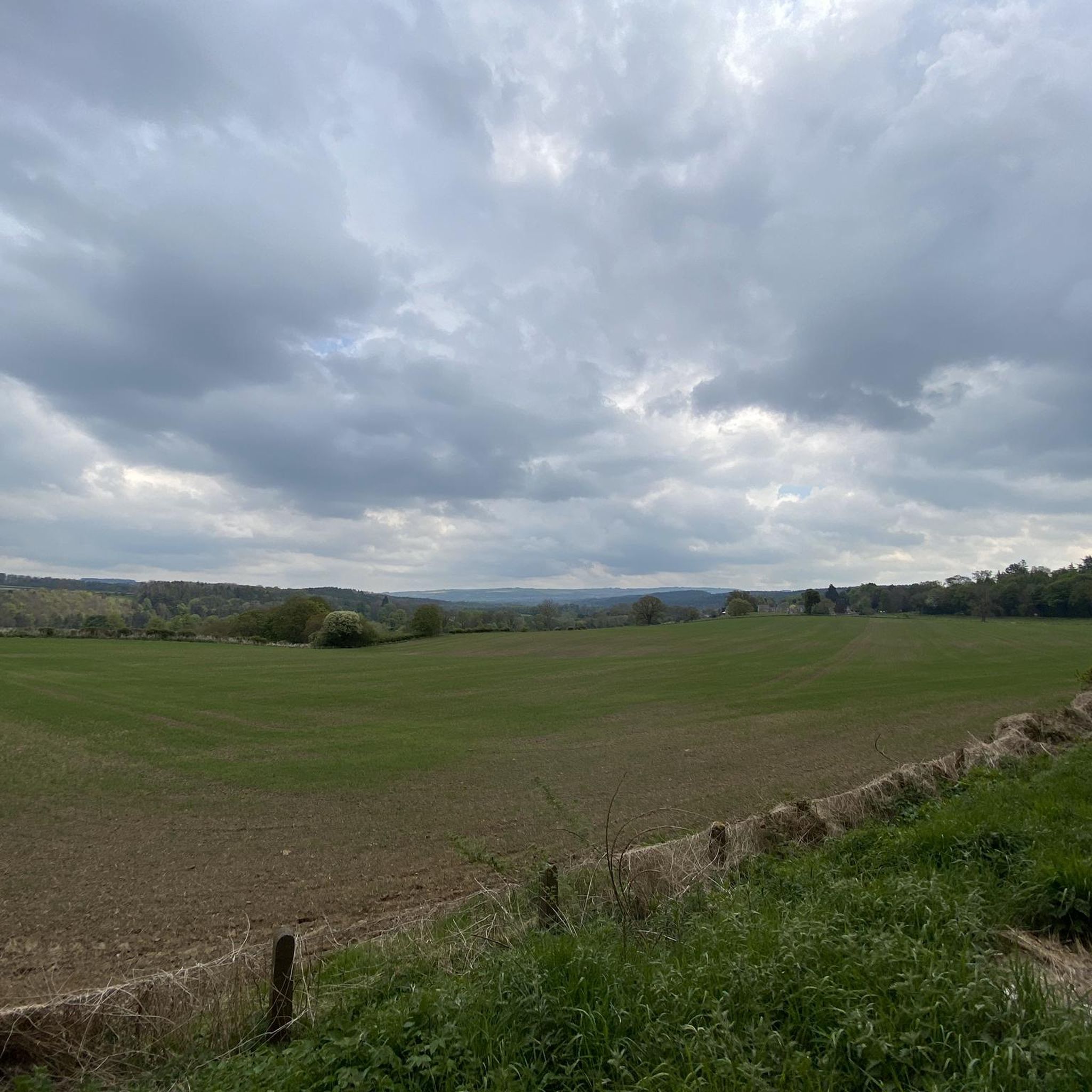
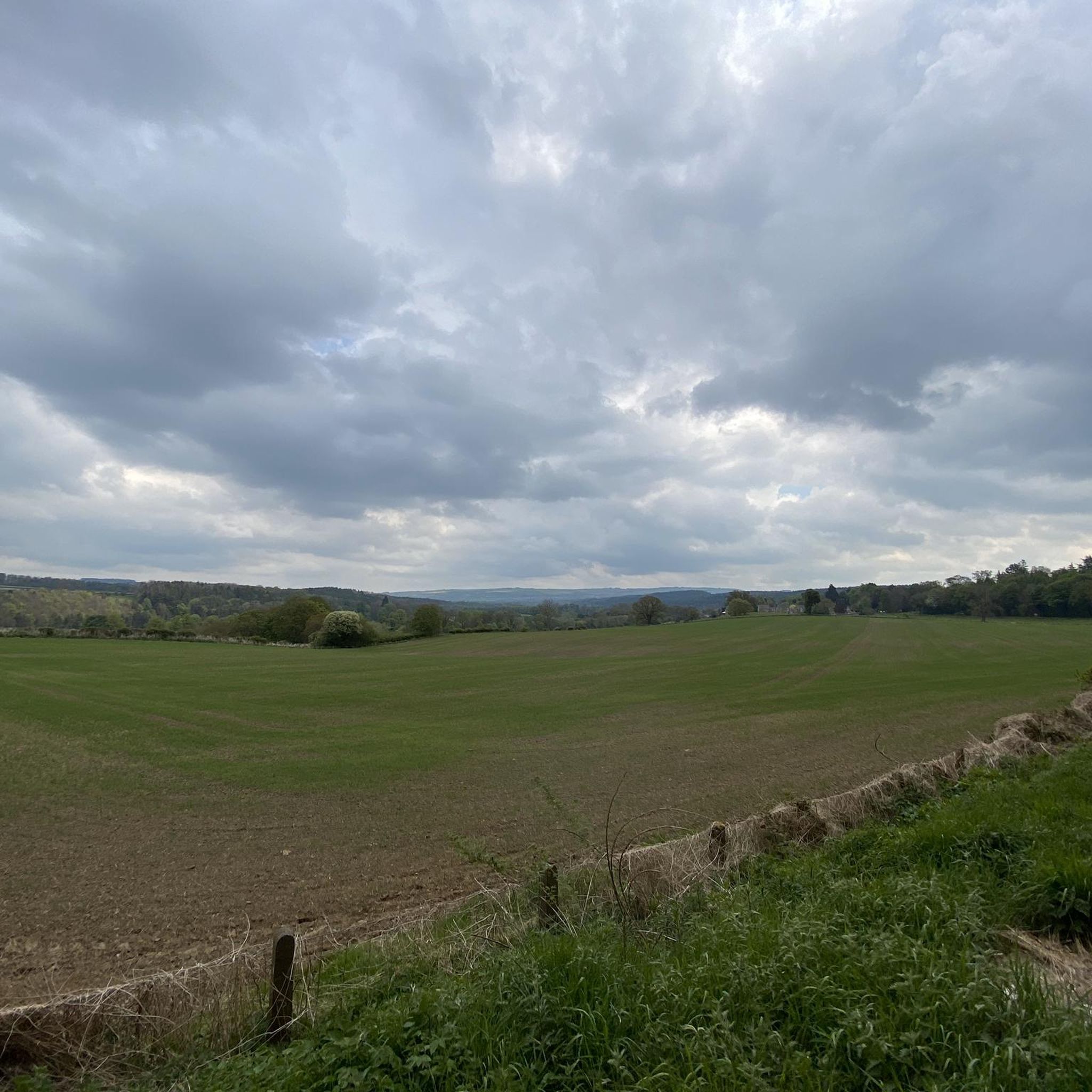
Hiking around Broomhaugh and Riding, located in Northumberland, England, offers diverse landscapes for outdoor enthusiasts. The area is characterized by scenic riverside paths along the River Tyne, rolling hills, and tranquil woodlands, transitioning from well-wooded valleys to open countryside. It spans the Tyne Gap and Hadrian's Wall to the north, and the North Pennines to the south, contributing to its varied topography.
Best hiking trails around Broomhaugh And Riding
- The most popular hiking route is Old Carelgate Cart Track –…
Last updated: July 1, 2026
4.5
(2)
26
hikers
5.22km
01:23
60m
60m
Easy hike. Great for any fitness level. Easily-accessible paths. Suitable for all skill levels.
3.6
(7)
26
hikers
16.2km
04:18
160m
160m
Moderate hike. Good fitness required. Easily-accessible paths. Suitable for all skill levels.

Sign up for free
5.0
(3)
29
hikers
16.9km
04:36
240m
240m
Moderate hike. Good fitness required. Easily-accessible paths. Suitable for all skill levels.
3.0
(1)
20
hikers
6.07km
01:36
50m
50m
Easy hike. Great for any fitness level. Easily-accessible paths. Suitable for all skill levels.
5.0
(2)
11
hikers
Moderate hike. Good fitness required. Easily-accessible paths. Suitable for all skill levels.
Get access to more routes and recommendations from other explorers.
Sign up for free
Already have an account?
Our route recommendations are based on thousands of hikes, rides, and runs completed by other people on komoot.
Start today with a free account
Your next adventure awaits.
Login or Signup

Tips from the Community


The sign is part of the Corbridge Tourist Information Centre, which serves as a gateway to Hadrian's Wall Country
2
0
St. Andrew’s Church in Corbridge is one of the oldest and most historic churches in Northumberland, with roots dating back to 674 AD, when St. Wilfrid founded a monastery here. Although the original timber-framed building has disappeared, the current church still incorporates Roman stonework from the nearby Corstopitum Fort, including an impressive tower arch dating from around 150 AD. Saxon and Norman elements include a Saxon window, a Norman zigzag doorway, and a 13th-century chancel. Vicar’s Pele Tower: a 14th-century fortified tower house built with Roman stone, once a refuge from Scottish raids. King’s Oven: a communal bread oven dating from 1310, still visible on the site. Memorial Gate: commemorates 108 local men who died in WWI.
4
0
Hexham Moot Hall is an impressive medieval gatehouse dating from around 1379, situated on the east side of the Market Place. It was built by order of the Archbishop of York, Alexander Neville, as a gateway to the walled complex surrounding the Old Gaol. A Grade I listed building, it is one of the best-preserved medieval courthouses in Northern England. It comprises a four-story tower with a vaulted doorway on the ground floor and a courtroom on the first floor. The tower features Gothic windows, a machicolated parapet, and a three-story annex with a stepped gable. It served as the Hexhamshire Courthouse until 1572, and then for the midsummer quarter sessions until 1838.
8
0
Hexham Old Gaol is England's oldest purpose-built prison, founded in 1333 by William Melton, the Archbishop of York. Located on Hallgate in the center of Hexham, it was built with stone from Roman Corbridge and served for centuries as a prison for convicts from Hexhamshire and the English Middle March. A Grade I listed building in medieval style, it features thick walls and vaulted cellars.
7
0
Hexham Abbey is one of England's oldest and most impressive churches. The abbey was originally founded in 674 AD by St. Wilfrid, using stones from nearby Roman ruins. The oldest part—the Saxon crypt—is still intact and represents a rare remnant of early Christian architecture. Inside, you'll find stained glass, the Roman tombstone of Flavinus, a 1st-century standard-bearer, an impressive Phelps organ from 1974, and a frith stool (Saxon bishop's chair). Admission to the abbey is free, with a small charge for the crypt.
9
0

There is a walk along the River Tyne from the free car park at Corbridge.
0
0
The remains of the Roman Bridge at Corbridge form part of the Hadrian's Wall World Heritage site. The ruins formed part of the road ramp that led up to the bridge which took Dere Street across the River Tyne.
0
0
Frequently Asked Questions
How many hiking trails are available in Broomhaugh and Riding?
There are over 230 hiking routes in Broomhaugh and Riding, catering to various skill levels. You'll find a wide selection of paths, from easy riverside strolls to more challenging routes through rolling hills and woodlands.
What types of landscapes can I expect to see while hiking in Broomhaugh and Riding?
The region offers diverse landscapes, including scenic riverside paths along the River Tyne, tranquil woodlands, and rolling hills. You can also explore areas around the March Burn and discover remnants of species-rich grasslands. The topography varies from well-wooded valleys to open countryside, providing a rich visual experience.
Are there any easy, family-friendly hikes in Broomhaugh and Riding?
Yes, Broomhaugh and Riding offers many easy routes suitable for families. For example, the Old Carelgate Cart Track – Corbridge Bridge loop from Corbridge is an easy 5.2 km trail that takes about 1 hour 23 minutes to complete, perfect for a leisurely family outing.
What historical landmarks or points of interest can I discover on hikes in the area?
Many trails in Broomhaugh and Riding integrate historical and cultural attractions. You can walk across the Grade II* listed Hagg Bank Bridge, visit St Oswald's Church at Heavenfield (a significant historical site on the Hadrian's Wall Path), or explore the historic village of Riding Mill with its ancient hamlets and buildings like the Church of St James. Further afield, Hexham Abbey is also a notable point of interest accessible via longer routes.
Are there any circular hiking routes around Broomhaugh and Riding?
Yes, many of the trails in Broomhaugh and Riding are circular, offering convenient starting and ending points. Examples include the Corbridge Bridge – Hexham Abbey loop from Corbridge and the Hugh Percy Fountain – Corburn Wood Ruins and Stream loop from Corbridge, allowing you to return to your starting point without retracing your steps.
What do other hikers say about the trails in Broomhaugh and Riding?
The routes in Broomhaugh and Riding are highly rated by the komoot community, with an average score of 4.5 stars from over 470 reviews. Nearly 5000 hikers have used komoot to explore the varied terrain, often praising the scenic riverside paths and tranquil woodlands.
Are there any castles or historical sites near the hiking trails?
Yes, the area is rich in historical sites. Nearby castles and historical locations include The Moot Hall in Hexham, Beaufront Castle Gatehouse, Aydon Castle, and Bywell Castle. These often provide interesting detours or destinations for your hikes.
Can I find any lakes or reservoirs while hiking in Broomhaugh and Riding?
While Broomhaugh and Riding is known for its river paths, you can find several reservoirs nearby. Notable ones include Derwent Reservoir, Whittledean Reservoir, and Wydon Burn Reservoir reed bed, which can be incorporated into longer hiking plans.
Are there any trails that offer significant elevation gain for a more challenging hike?
Yes, while there are many easy paths, the region also offers more strenuous hikes. You can find routes with significant elevation gain, particularly through the valley of the March Burn or up to areas like Long Rigg, providing a good challenge for experienced hikers.
What is the best time of year to go hiking in Broomhaugh and Riding?
Broomhaugh and Riding offers enjoyable hiking throughout the year. Spring brings blooming wildflowers, summer provides lush greenery, and autumn showcases vibrant foliage. Winter can be beautiful for crisp walks, though some paths might be muddy or icy. Always check local weather conditions before heading out.
Are there any pubs or cafes along the hiking routes in Broomhaugh and Riding?
Yes, the area has several charming villages and historical sites that often feature pubs and cafes. For instance, the historic Wellington Inn in Riding Mill, dating back to 1660, is a Grade II listed building and a popular stop for hikers. You might also find cafes like Bradley Gardens and Sled Lane Pond along some routes.
What are the options for public transport or parking when accessing trails in Broomhaugh and Riding?
The village of Riding Mill has a railway station, one of the country's oldest, which can be a convenient access point for some trails. For parking, many trailheads or nearby villages offer public parking facilities, though it's always advisable to check specific route details for the most convenient options.
Most popular routes around Broomhaugh And Riding
Most popular attractions around Broomhaugh And Riding

Get inspired with the komoot mobile app


Explore more
Browse the best Hikes in other regions.
