Attractions and Places To See around Witton Gilbert - Top 20
Attractions and places to see around Witton Gilbert encompass a blend of historical landmarks, natural features, and cultural sites within County Durham. The area is characterized by green hedgerows, rolling fields, and small woodlands, providing a tranquil rural ambiance. Visitors can explore ancient churches, historic buildings, and significant natural reserves like Witton Dene. The region offers opportunities for walking and outdoor exploration, connecting historical heritage with natural beauty.
Best attractions and places to see around Witton Gilbert
- The most popular…
Last updated: July 3, 2026
Causey Arch
Highlight • Natural Monument
Tip by

Durham Cathedral (UNESCO World Heritage Site)
Highlight • Religious Site
Tip by

Sign up now to discover places like this
Get recommendations on the best single tracks, peaks, & plenty of other exciting outdoor places.
Sign up for free
Durham Castle
Highlight • Castle
Tip by
The Count's House Folly
Highlight • Structure
Tip by

Finchale Priory
Highlight • Religious Site
Tip by
Sign up for free to discover even more attractions around Witton Gilbert.
Sign up for free
Already have an account?
Start today with a free account
Your next adventure awaits.
Login or Signup

Tips from the Community

The cathedral was originally constructed to house the relics of St Cuthbert, a beloved Northumbrian saint. His shrine is a significant pilgrimage destination.
0
0


It can be zla lovely short varied walk, in nice place, if you pick the right weather & time of year but remember it's popular with dog walkers & the Tanfield railway runs a long the top. This can make for a good day out traveling the line & walking the alley to have a picnic or visit the cafe in the summer.
0
0

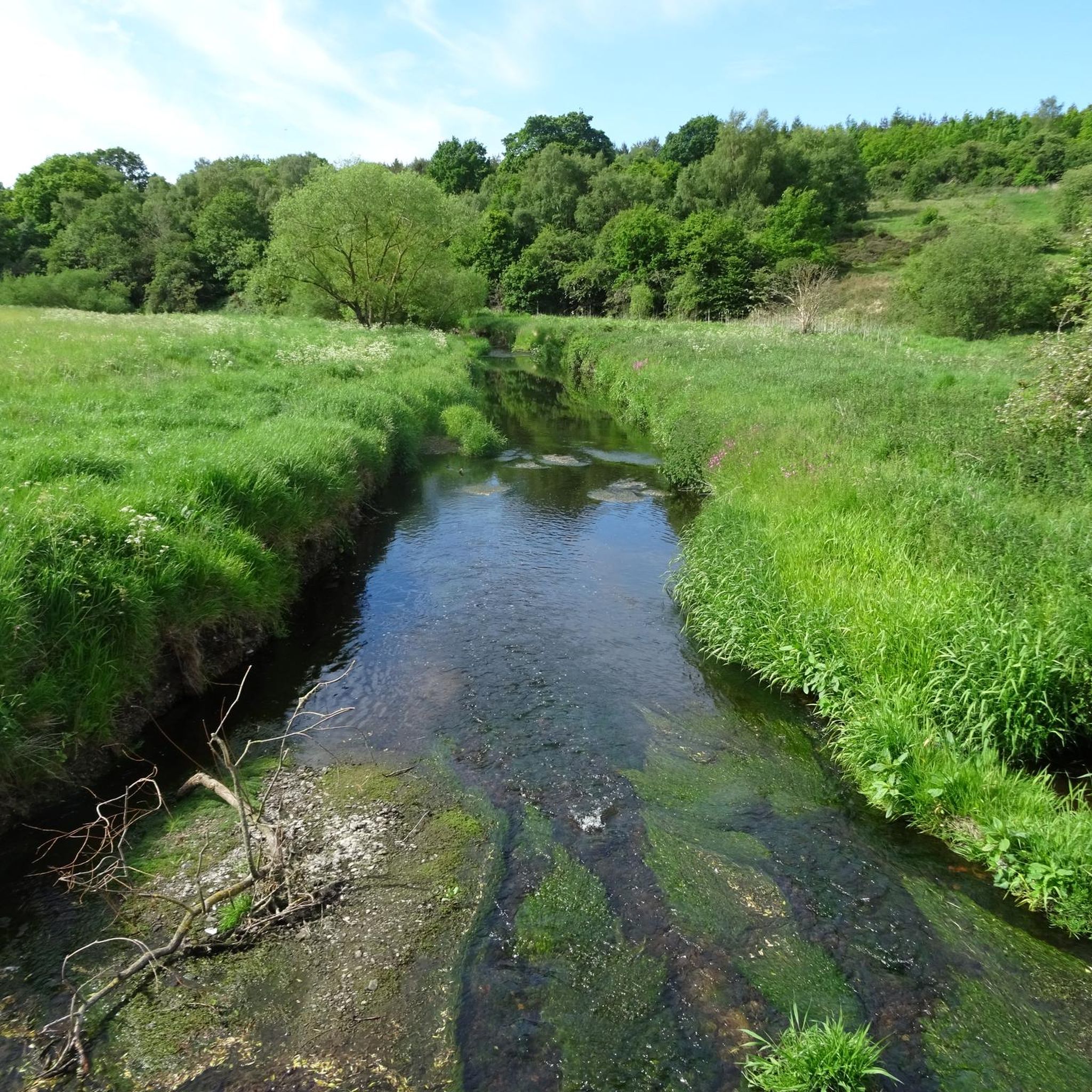
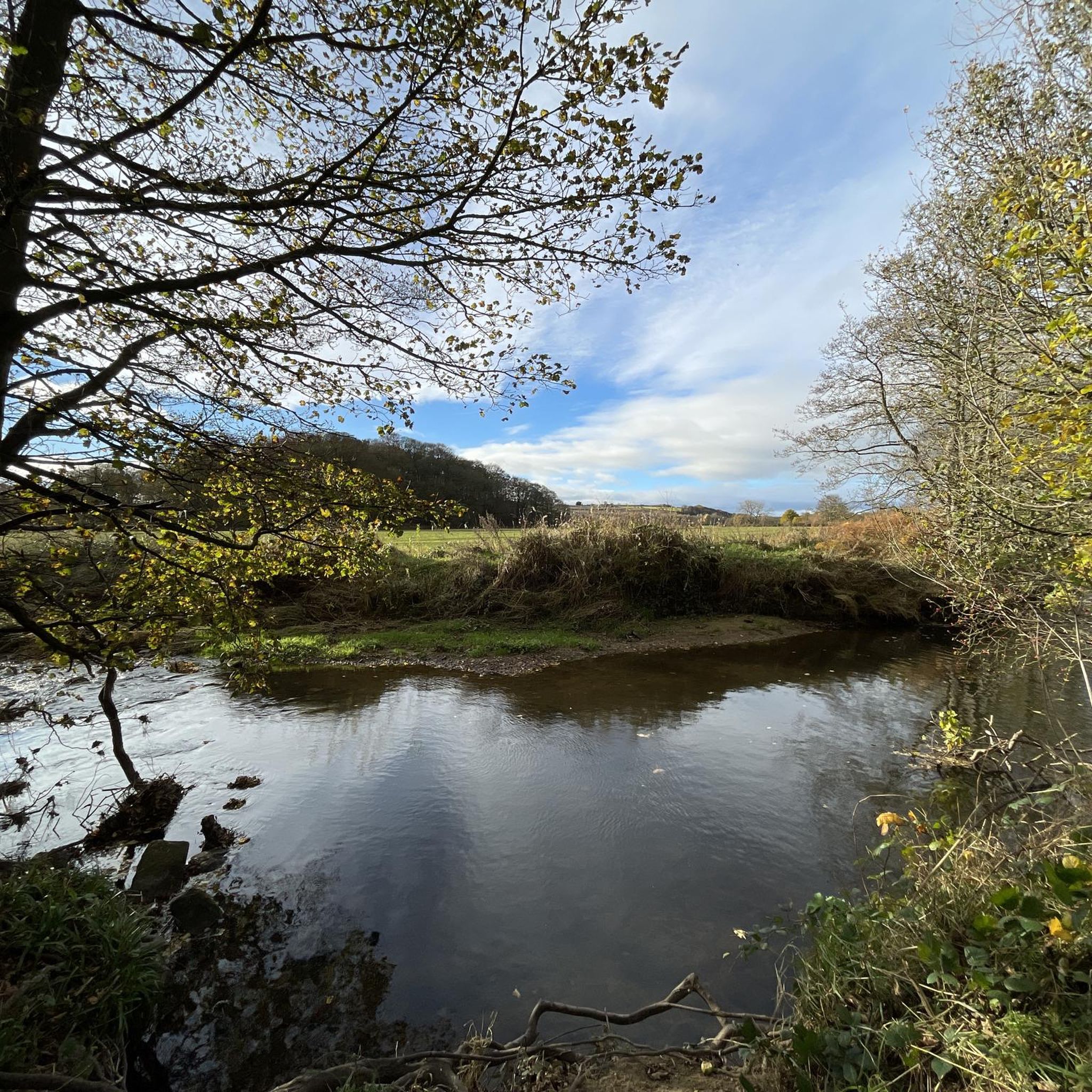
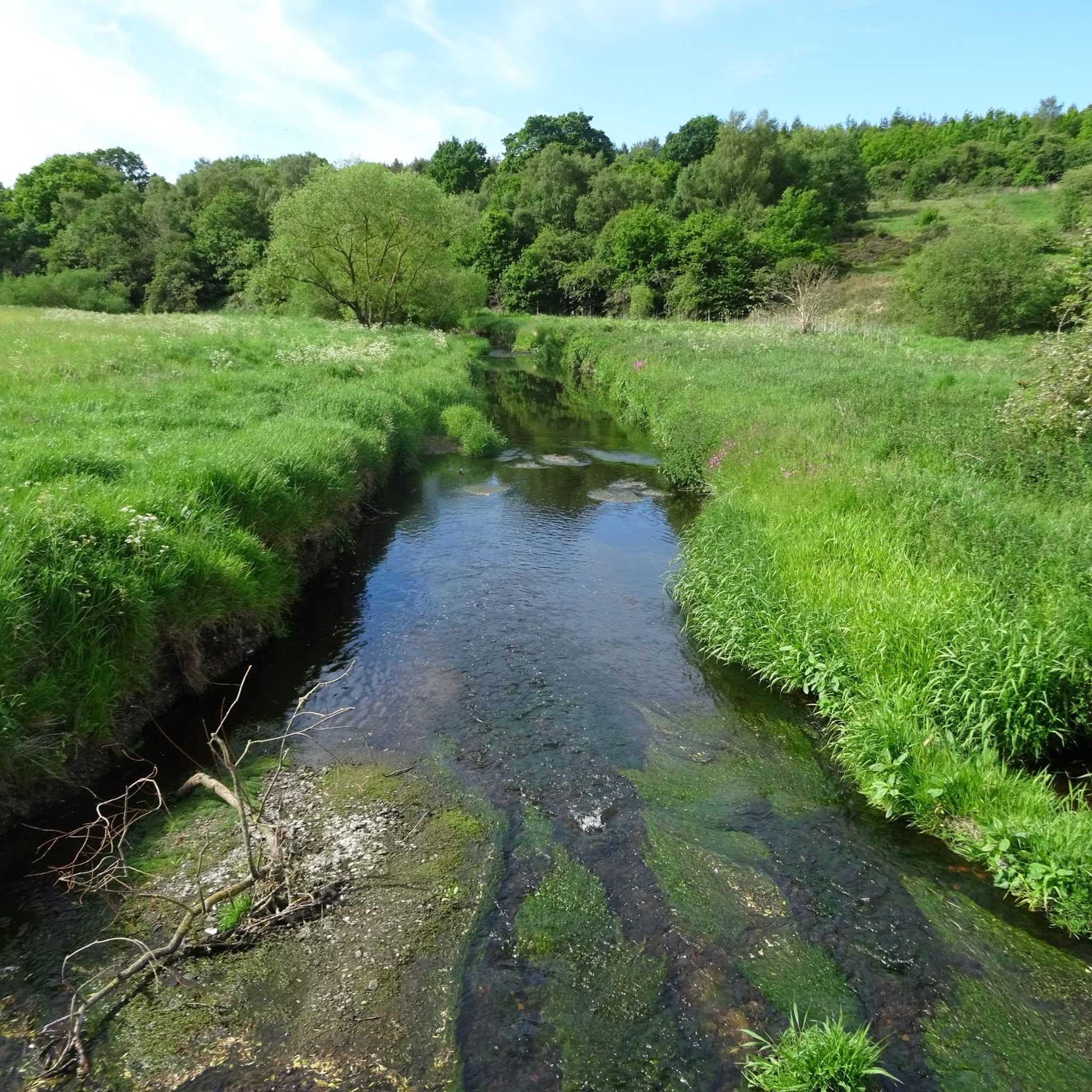
nice easy parking, walk accross the bridge over the river and you can either walk left or right giving you two options to walk up or down the river. quite pleasant but can get a bit boggy when it rains so wear the correct footwear. does get busy in the warmer months
3
0

A television series that I can recommend without reservation presents the culture-loving viewer (in German) with remarkable examples of human creativity from many countries around the world. What they all have in common is that they have been given "world heritage" status by UNESCO. One of the contributions documents: "Like a grey rock, Durham Cathedral, located in the north-east of England near the Scottish border, towers over the roofs of the city. Half church and half bastion, this building is an impressive example of early Romanesque church architecture in England. The three-storey Anglo-Norman cathedral with a 2 m thick arcade wall and Norman castle complex, the later seat of the bishops of Durham, was declared a cultural monument." This film can be found in the ARD media library under the following link: https://www.ardmediathek.de/video/schaetze-der-welt/die-kathedrale-von-durham-grossbritannien-folge-138/3sat/Y3JpZDovL3N3ci5kZS83MTY4ODA2
2
1

Perfect if you want to spend a couple of hours surrounded by nature and see some lovely views. Wear comfortable shoes, take some water. I hiked it in shorts but I think you’d be more comfortable wearing longer pants. Enjoy!
1
0

Causey Arch is the oldest surviving single span railway bridge in the world. It was built in 1727 and at the time was also the widest single span bridge. It used to carry the coal trains from a nearby colliery but that's long closed.
2
0

Durham Count's House is actually a folly - a building erected for the sole purpose of looking nice in a rural setting and usually made to look like a forgotten piece of history. The Georgians and Victorians were great ones for building follies, and you'll often find miniature mock medieval ruins and classical temples in the grounds of country houses. The Count's House folly was built by the Dean and Chapter of Durham Cathedral in about the 1820s. Of course, I say that follies have no other purpose, but they did sometimes serve as a place to rest, take tea or as a hunting lodge; the Count's House was sometimes used as a summerhouse. (https://explorar.co.uk/durham/history/who-was-durhams-little-count/)
3
0
Frequently Asked Questions
What historical landmarks can I explore around Witton Gilbert?
Witton Gilbert and its surroundings are rich in history. You can visit the ancient Durham Cathedral and Durham Castle, both designated UNESCO World Heritage Sites. Other significant historical sites include Causey Arch, the world's oldest surviving single-span railway bridge, and the atmospheric ruins of Finchale Priory, nestled by the River Wear. Within the village, St Michael & All Angels Church, dating back to 1170, and Witton Hall, built on the site of a former leper hospital, offer further historical insights.
Are there natural attractions or scenic areas to visit near Witton Gilbert?
Yes, Witton Gilbert is surrounded by natural beauty. The Causey Arch area offers lovely views and a chance to be surrounded by nature. You can also explore the Witton Dene Local Nature Reserve (LNR), a steep-sided wooded dene known for its ancient trees and diverse plant life, including primroses, bluebells, and wild daffodils. The River Browney and Dene Burn also contribute to the scenic landscape, providing habitats for local wildlife.
What outdoor activities can I do near Witton Gilbert?
The area around Witton Gilbert is ideal for outdoor exploration. You can enjoy walking and cycling along the former Lanchester Valley Line, which has been converted into a foot and cycle path and forms part of National Cycle Route 14. For more structured routes, consider exploring the various cycling options available, such as the 'Lanchester Valley Path – River Browney loop' for touring bicycles or the 'View of Lanchester Valley – Lanchester Valley Way loop' for gravel biking. Find more routes in the Road Cycling Routes around Witton Gilbert, Cycling around Witton Gilbert, and Gravel biking around Witton Gilbert guides.
Are there family-friendly attractions in the Witton Gilbert area?
Many attractions around Witton Gilbert are suitable for families. Both Durham Cathedral and Durham Castle are listed as family-friendly. Causey Arch offers a natural setting for a family outing, and The Count's House Folly provides an interesting historical point of interest. The Witton Dene Local Nature Reserve also has parts accessible for wheelchair users, making it suitable for families with varying mobility needs.
What are the best places for walking and hiking near Witton Gilbert?
Witton Gilbert is an excellent base for walking. The Witton Dene Local Nature Reserve offers undulating woodland paths for walkers, with some parts accessible for wheelchairs. The converted Lanchester Valley Line provides a flat, easy path for walking and cycling. For more extensive routes, you can explore the 'Witton Walks' that allow you to discover the local area's natural beauty and countryside, characterized by green hedgerows and rolling fields. Remember to wear comfortable shoes and bring water, especially for longer excursions.
Can I find places to eat and drink in Witton Gilbert?
Yes, Witton Gilbert has local establishments where you can refresh yourself. The Glendenning Arms and The Travelers Rest are local pubs that offer a chance to experience the community atmosphere of the village.
What is the significance of St Michael & All Angels Church in Witton Gilbert?
St Michael & All Angels Church is a significant historical and architectural site in Witton Gilbert, dating back to 1170. It features elements of Norman Romanesque style and underwent extensive restoration in the 19th century. Its registers, dating back to 1570, are among the earliest in County Durham. The church is set in a tranquil, wooded area and is connected to rural pilgrim paths.
Are there any accessible routes for visitors with limited mobility?
Yes, parts of the Witton Dene Local Nature Reserve are accessible for wheelchair users, offering typically undulating woodland paths. The former Lanchester Valley Line, now a foot and cycle path, also provides a relatively flat and accessible route for outdoor recreation.
What kind of wildlife can I spot in the Witton Gilbert area?
The Witton Dene Local Nature Reserve is an important wildlife oasis. Visitors can spot a variety of birds within the dene. The natural features like the River Browney and Dene Burn also provide habitats for local wildlife, contributing to the area's biodiversity.
What is the history behind Witton Hall?
Witton Hall, now a Grade II* listed farmhouse, stands on the site of the former leper hospital of St. Mary Magdalene. This hospital was founded around 1175 by Gilbert de la Ley, after whom the village is partly named. It cared for lepers until the dissolution of the monasteries. A much-weathered carving of a hand in blessing, believed to be from a churchyard cross, is built into the wall of the hall, hinting at its ancient past.
What makes <a href="https://www.komoot.com/highlight/946100" target="_blank" rel="noopener">Causey Arch</a> a notable attraction?
Causey Arch is notable as the oldest surviving single-span railway bridge in the world, built in 1727. It once carried coal trains from a nearby colliery. Today, it's appreciated for its historical significance and the beautiful natural surroundings, offering lovely views and a peaceful environment for visitors.
What is the best time of year to visit Witton Gilbert for outdoor activities?
The countryside around Witton Gilbert presents a changing palette of colors throughout the seasons, making it appealing year-round. However, for walking and cycling, spring and summer offer pleasant weather for exploring the Witton Dene Local Nature Reserve and the various paths, with primroses, wild daffodils, and bluebells in bloom. Autumn also provides beautiful scenery with changing foliage. Always check local weather conditions before heading out.
Most popular routes around Witton Gilbert
Most popular attractions around Witton Gilbert

Get inspired with the komoot mobile app


Explore more
Still not found the Highlight you’re looking for? See guides of the top attractions in other regions:
